My love for Japan began the moment I arrived in Tokyo. The country amazed me with its harmony of ancient traditions, cutting-edge technology, breathtaking nature, and a culture unlike any other. Since then, Japan has become a part of my life, and I return there again and again. Today I help travelers discover the real Japan: I create personalized itineraries, give lectures, and prepare guests for their unforgettable journey. I would be delighted to open Japan for you too!


Kyoto Gyoen National Garden
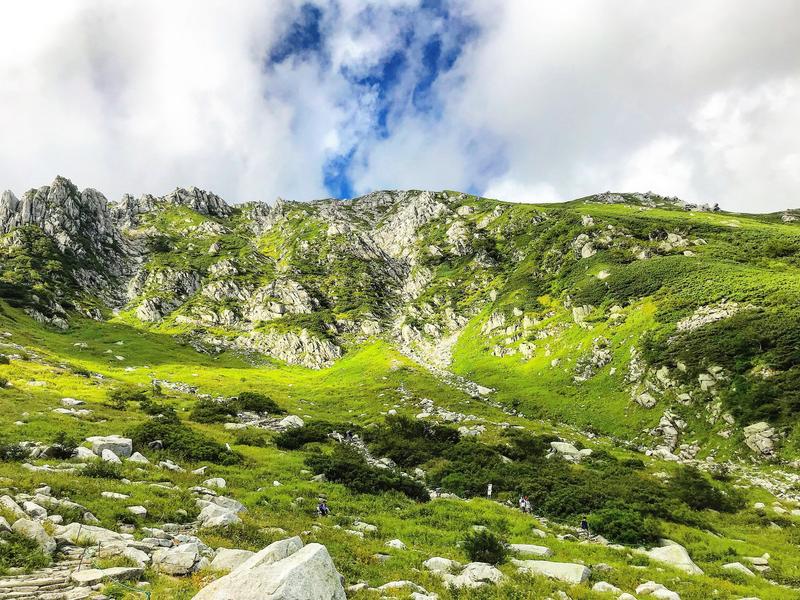
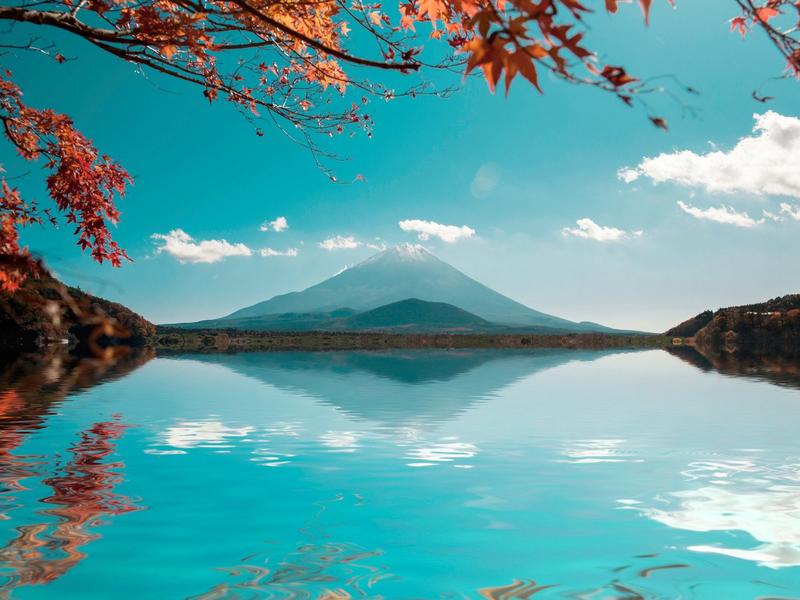
Kyoto Gyoen National Garden is a sprawling historic green space in the center of the city, surrounding the grounds of the Kyoto Imperial Palace and the Kyoto Sento Imperial Palace. This isn’t your typical manicured garden; it is best enjoyed as a slow, deliberate walk along wide gravel paths, past seasonal groves, ancient palace walls, and shaded groves. Its true charm lies in the combination of vast open space and deep history—you can wander at your own pace, choose a shaded route, or layer in a palace visit if your schedule allows. It remains one of Kyoto’s most relaxing spots for a quiet family stroll.
Essential Visitor Information for Kyoto Gyoen National Garden
Address:
Central Kyoto, surrounding the Kyoto Imperial Palace and Kyoto Sento Imperial Palace
How to Get There
The most convenient way to reach the garden is via the Karasuma Subway Line. Imadegawa Station is ideal for accessing the northern side, while Marutamachi Station serves the southern entrance. Expect to pay between ¥220 and ¥360 for a single subway ride depending on your starting point.
The park is massive—covering about 65 hectares and stretching roughly 700 meters across and 1,300 meters from north to south. A simple strategy is to enter from the station nearest to your primary interest: Imadegawa is practical for the northern gates and the palace itself, while Marutamachi provides a quieter entry point near the southern ponds and the Sakaimachi Gomon gate.
Click here to learn more about creating a personal itinerary
Parking
Parking is available at several locations around the perimeter, including the Nakadachiuri, Tominokoji, and Ishiyakushi lots. Rates are generally ¥800 for the first three hours, followed by ¥100 for each additional 30 minutes, with a daily cap of ¥1,200 until midnight.
Traveling by car offers flexibility if you are visiting multiple spots that are poorly connected by public transport, especially if you have children or gear in tow. That said, the subway system is incredibly straightforward, so prioritize car travel only if it fits the broader logistics of your day.
Opening Hours
As a public park, the grounds are open at all times. However, the Kyoto Imperial Palace and other specific imperial sites operate on their own schedules and may have occasional closures, so it is wise to verify current hours before planning your visit.
Tickets
Entry to Kyoto Gyoen National Garden is free. The palace grounds are also free to access, though certain specific imperial sites may require prior registration or guided entry.
Duration
Plan for 1–2 hours for a relaxed stroll, or up to 3 hours if you want to fully explore the seasonal gardens and palace surroundings. Note that guided tours of specific imperial sites usually add another 60–80 minutes.
Best Time to Visit
Spring and autumn are arguably the best times to visit. In spring, the park comes alive with cherry blossoms, plum, and magnolia trees; in autumn, the maples and towering ginkgo trees provide a stunning canopy of color. While summer is lush, the open gravel areas can get quite hot, so aim for an early morning walk or stick to the shaded paths.
For families, keep the pace manageable: arrive in the morning, explore one specific section, and decide whether to include the palace based on your group’s energy. Don’t feel pressured to turn the entire park into a checklist—its scale is meant to be enjoyed, not rushed.

Since 2015, our website has specialized in individual planning of unique routes, taking into account personal preferences and desires.
Each of you will receive a unique PDF file from us, which contains everything you need: travel routes, car rentals, hotels, the best tourist attractions, attractions for kids and everything you need for a perfect vacation.
During the trip, we are available for you by phone via WhatsApp.
Our personal service provides information from A to Z, taking into account many small details that can become a decisive factor on the way from a wasted trip to an unforgettable vacation.
Our service will make your trip comfortable, save a lot of time on planning and preparation, and most importantly – will allow you to become freer and fully enjoy the pleasure of the trip.
What to See in Kyoto Gyoen National Garden
Kyoto Gyoen National Garden is best explored as a gentle sequence of outdoor spaces rather than a single attraction to be "finished." A well-planned route combines palace views, seasonal groves, shaded paths, tranquil ponds, and quiet historic corners, with plenty of pauses to ensure the walk remains comfortable and unhurried.
Kyoto Imperial Palace
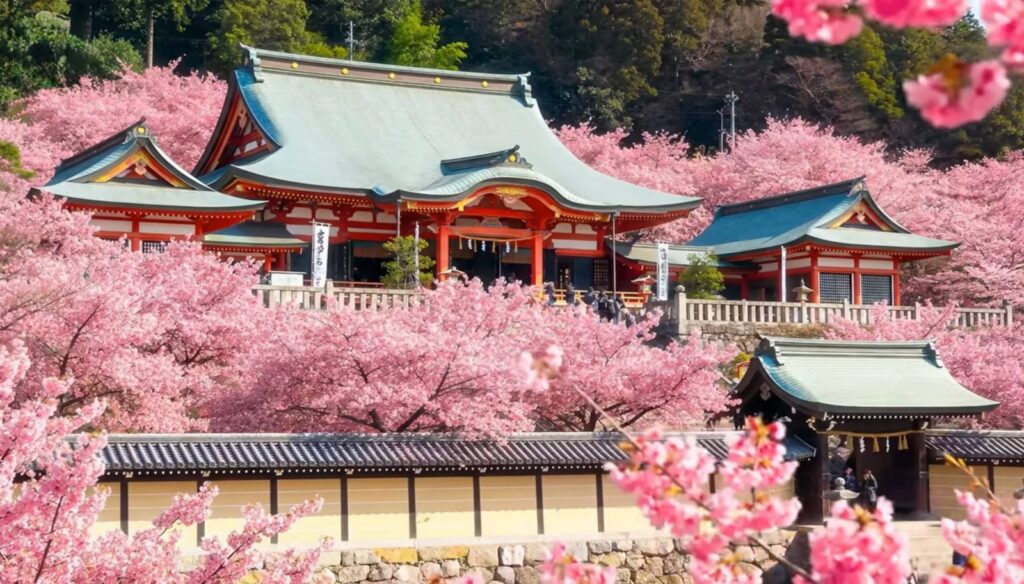
The Kyoto Imperial Palace is the historic heart of the garden. The grounds feature ceremonial gates, long walls, and formal spaces that once served as the imperial residence. Visitors explore the open grounds rather than the building interiors, making the experience more about architectural scale and atmosphere than museum exhibits.
This area is best enjoyed when you are ready for a steady walk along wide gravel paths. Security checks are standard at the entrance, so traveling light is recommended. For families, the palace is much more enjoyable when visited as part of a shorter loop, rather than at the end of a long, tiring day.
Opening Hours: Generally open during daylight hours, but schedules can change—always verify before visiting.
Free for a regular visit to the grounds.
Tip from the itinerary expert: Visit the Kyoto Imperial Palace before the children get tired, not at the end of your walk. The area is stunningly spacious, so comfortable footwear is essential.

Distance/Time: Inside Kyoto Gyoen National Garden
Kyoto Sento Imperial Palace
The Kyoto Sento Imperial Palace is a more secluded, restricted site within the park. Its primary appeal is the inner garden, featuring ponds, bridges, stones, and lush greenery arranged as an elegant, contemplative landscape. Unlike the open park paths, this is not a casual drop-in stop and requires advance planning.
Access is typically by guided visit with limited availability. While this makes it less flexible for spontaneous family trips, it is a deeply rewarding experience for those seeking a more intimate imperial garden aesthetic. It suits a relaxed itinerary best; rushing from the open park into a timed appointment can make the day feel unnecessarily pressured.
Opening Hours: Access is by scheduled visit; check availability and booking requirements in advance.
Guided visits are generally free, but registration and visitor limits apply.
Tip from the itinerary expert: Include the Kyoto Sento Imperial Palace only if it fits naturally into your schedule. If a strict time slot starts dictating your whole day, consider focusing on the open garden and seasonal areas instead.
Distance/Time: Inside the Kyoto Gyoen National Garden area
Kujo Pond and Shusui-tei Tea House
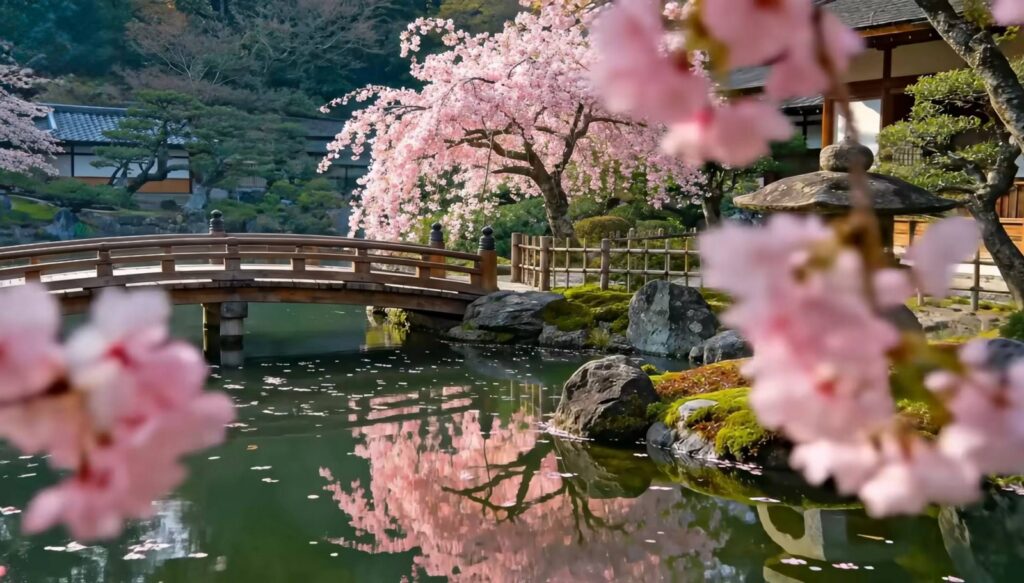
Kujo Pond offers one of the most classic scenes in the garden, featuring water, greenery, and wooden accents that create a mood far quieter than the central gravel paths. It is the perfect spot if you want to experience a traditional, intimate Kyoto garden vibe. The area is also highly photogenic, thanks to its more human-scale layout.
The Shusui-tei Tea House sits near the pond, providing a clear historic focus for this southern section. Even if you do not enter, the views surrounding it offer a welcome break and provide children with an interesting landmark after traversing long open paths.
Opening Hours: The pond area is always open; access to Shusui-tei may have specific conditions.
The garden area is free. Shusui-tei may require a small fee when open.
Tip from the itinerary expert: If you arrive from Marutamachi Station, start at Kujo Pond before heading deeper into the park. It provides a pleasant, scenic introduction rather than starting immediately with long stretches of gravel.
Distance/Time: Southern part of Kyoto Gyoen National Garden
Konoe Residence Site and Weeping Cherry Trees
The Konoe Residence Site is one of the garden’s highlights, particularly during spring. It is famous for its weeping cherry trees, which transform this corner into a beautifully intimate setting. The atmosphere here is softer and more enclosed than the vast space near the palace walls, making it ideal for a gentle stroll.
For families, this area serves as a clear, rewarding destination within the park. Rather than trying to cover the entire garden, you can easily plan a route around this blossom area, nearby paths, and a rest stop. In peak bloom, arriving early in the morning ensures a quieter, more enjoyable experience.
Opening Hours: Open as part of Kyoto Gyoen National Garden.
Free.
Tip from the itinerary expert: In spring, don’t view the garden only as a palace visit. The weeping cherry area near the Konoe Residence Site is often the highlight of the trip, especially for those looking for beautiful photos without extra stress.
Distance/Time: Northern part of Kyoto Gyoen National Garden
Plum Grove, Peach Grove, and Seasonal Flower Areas
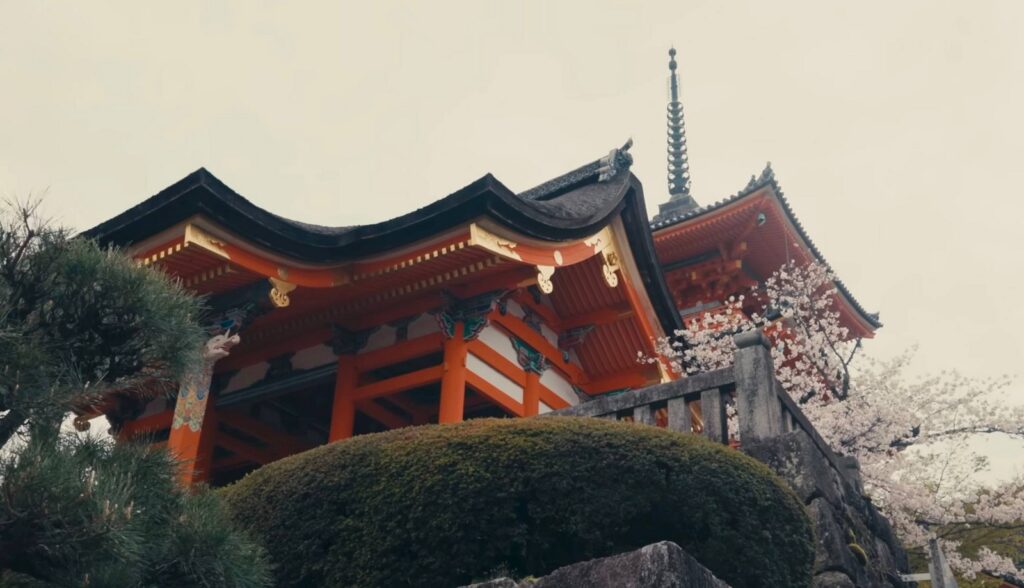
The seasonal flower areas ensure Kyoto Gyoen is beautiful well beyond the cherry blossom season. Plum and peach trees provide early-year color, followed by camellias, magnolias, and other blooms. These spots are perfect for families visiting outside the peak spring rush, as they keep the park feeling vibrant and atmospheric.
The best way to enjoy these areas is to integrate them into a slow walk. Much of the garden’s beauty lies in the small, shifting details: a flowering tree, a shaded bench, or a sudden view toward the palace walls. In autumn, the mood shifts again as maples and large ginkgo trees take center stage.
Opening Hours: Open as part of Kyoto Gyoen National Garden.
Free.
Tip from the itinerary expert: Before finalizing your route, decide whether you want to focus on palace history or nature. For a relaxing family walk, I recommend prioritizing the flower groves, ginkgo trees, and shaded paths over trying to cross the entire park.
Distance/Time: Several areas across Kyoto Gyoen National Garden
Children’s Park and Shaded Rest Areas
The Children’s Park and various rest zones make the garden visit much more manageable. The park map clearly marks restrooms, vending machines, and shaded benches, which are essential since the grounds are larger than they first appear. On hot days, these practical stops are the difference between a pleasant outing and a difficult one.
The Seiwa Rest Area is particularly useful if you are exploring the eastern or central sections. As food options inside the park are limited, bringing water and light snacks is advisable. The garden is excellent for a picnic, but try to stay in the shade rather than sitting in the exposed gravel areas during the heat of summer.
Opening Hours: Open as part of Kyoto Gyoen National Garden; individual facilities may have their own hours.
Free.
Tip from the itinerary expert: When visiting with children, plan your route around rest points, not just sightseeing spots. Size is a factor here, so factor in shade, facilities, and water breaks from the start.
Distance/Time: Facilities are spread across Kyoto Gyoen National Garden
Historic Trees, Palace Walls, and Quiet Walking Paths
Some of the most memorable aspects of Kyoto Gyoen are not specific monuments, but the towering old trees, historic walls, and broad paths that reveal the scale of this former imperial district. The garden is home to ancient trees and remnants of aristocratic residences, adding a layer of history that feels distinct from a compact temple garden.
While the long gravel avenues are striking, they also require the most energy. In warm weather, exposed sections can become quite hot, so sticking to shaded side paths is a smarter choice. For photographers, the contrast between pine trees, ancient walls, and seasonal colors often yields better shots than trying to capture the entire park in one go.
Opening Hours: Open as part of Kyoto Gyoen National Garden.
Free.
Tip from the itinerary expert: Do not underestimate the gravel paths. If the weather is hot or your group is tired, stick to the shaded paths on one side of the garden rather than attempting to traverse it from north to south.
Distance/Time: Throughout Kyoto Gyoen National Garden
What to See Near Kyoto Gyoen National Garden
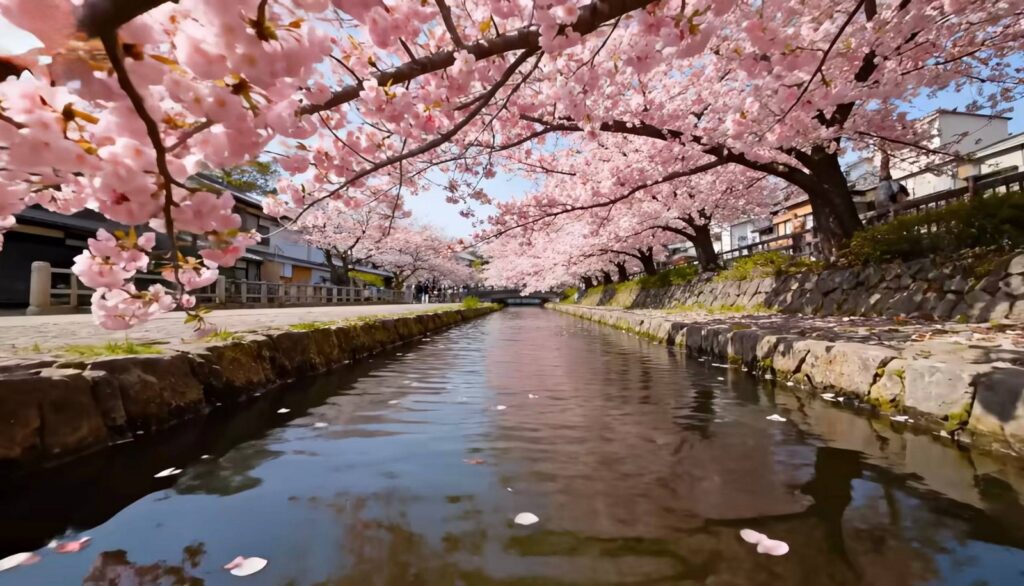
- Kyoto Imperial Palace: The primary historic site within the garden and the most natural choice if you want your walk to include a piece of imperial history. While the grounds are free to access, remember that the experience is primarily outdoor—focused on gates, walls, ceremonial courtyards, and gardens rather than interiors. It is best to visit this site early or midway through your walk, before the long gravel paths become tiring.
- Kyoto Sento Imperial Palace: A more tranquil, regulated site prized for its inner garden, which features ponds, bridges, stone pathways, and lush greenery. This is not a spontaneous stop, as entry is typically limited and requires advance arrangements through guided visits. Only include it if it fits comfortably into your day’s schedule.
- Kyoto State Guest House: Located within the wider garden grounds, this is an excellent choice for those interested in formal architecture and official reception spaces. It is better suited to adults and older children who appreciate detailed design and quiet interiors. For a casual family walk, treat this as an optional addition rather than a primary goal.
- Goō Shrine: A compact shrine on the western edge of the park, famous for its boar statues and its association with prayers for leg and foot health. It makes for an easy, quick stop before or after exploring the garden, as it is small enough that it won’t overwhelm your itinerary.
- Nijo Castle: A perfect historical follow-up if your group still has plenty of energy. Because it is a major attraction in its own right, avoid treating it as a quick add-on after a full tour of the imperial palace and garden. It is much more practical to pair Nijo Castle with a shorter garden stroll rather than trying to see every imperial site in one go.
- Nakadachiuri Rest House and Higaki Saryo: Convenient spots for a break. Food options within the park are limited, so these stops are useful if your walk takes longer than expected or if you are traveling with children. For a smoother experience, carry water and light snacks so you aren’t reliant on finding food on-site.
Click here to learn more about creating a personal itinerary
Tip from the itinerary expert: Avoid turning the garden, the palaces, and Nijo Castle into one exhausting checklist. A more enjoyable plan includes one main imperial site, a leisurely garden walk, and one small nearby attraction. Save Nijo Castle for a separate half-day excursion.
Is Kyoto Gyoen National Garden Right for You?
- Families needing a breather: The garden offers children ample space to run, pause, and reset, far away from the pressure of narrow temple lanes or crowded shopping streets. The wide paths and open lawns are perfect for slowing down the pace between more intense sightseeing stops.
- Nature lovers: This is a quintessential outdoor experience, defined by ancient trees, seasonal flowers, palace walls, ponds, and expansive gravel avenues. If you are looking for a highly manicured, ornamental garden with constant detail at every turn, this may not be it—the beauty here is spacious, calm, and gradual.
- History enthusiasts: The garden provides a sense of the scale of the former imperial district. The presence of the Imperial Palace, Sento Palace, and remnants of aristocratic residences adds significant historical depth. Even without entering every building, the palace walls and formal layout create a powerful sense of place.
- Families with strollers: While the garden is stroller-accessible, the gravel paths can be heavy and difficult for small wheels. To make it easier, stick to the smoother primary paths and avoid attempting to cross the entire park in one go. A successful visit depends far more on your choice of route than on the garden’s sheer size.
- Travelers preferring a gentle pace: The garden is very accommodating, offering plenty of benches, rest areas, and shaded spots. The trick is not to underestimate the distances; a focused route around one entrance area is almost always more comfortable than trying to see the entire park.
- Photography enthusiasts: The garden is particularly stunning during cherry blossom season, autumn foliage, and in the soft light of early morning. Focus on smaller details—weeping cherry trees, ginkgo leaves, pond reflections, and the interplay between shadows and palace walls—rather than trying to capture the entire park in a single frame.
- Visitors on a tight schedule: The garden can still work for a short visit if you focus on one specific area. Use Marutamachi Station for the southern pond district or Imadegawa Station for the northern end near the Imperial Palace. Trying to see everything at once is the fastest way to make the experience feel rushed and unrewarding.
Tip from the itinerary expert: When visiting with children or older travelers, plan your visit around comfort—identify the nearest entrance, shade, toilets, and rest areas first. The garden is much more enjoyable when the route is simple and unhurried.
Kyoto Gyoen National Garden: 2-Day Family Itinerary
Trip Duration: 2 days
Day 1: Kyoto Imperial Palace, Central Garden Paths, and Goō Shrine
Morning (10:00–12:30): Begin at Imadegawa Station on the Karasuma Line and walk a few minutes to the northern entrance of Kyoto Gyoen National Garden. Subway fares in Kyoto generally range from ¥220 to ¥360, depending on your route. Start by exploring the northern garden paths and the seasonal groves as you make your way toward the Kyoto Imperial Palace. The park spans 65 hectares, so it’s best to follow a clear path—aim for the Seishomon Gate, the primary entrance for visitors.
Allow 60–90 minutes for the palace. The grounds are free to enter, but keep in mind that the visit is largely outdoors; you’ll be exploring gates, walls, ceremonial courtyards, and palace gardens rather than interior rooms. A security check is standard at the entrance, so try to travel light. As this is the main historical highlight, it’s best to visit while your group is fresh.
Lunch (12:30–13:30): Head toward the Nakadachiuri Rest House for a convenient lunch break. The Higaki Saryo restaurant nearby is a reliable option, as food choices within the park are otherwise limited. It’s always a good idea to carry bottled water and light snacks. Expect to spend around ¥1,200–¥2,500 per person for a sit-down lunch, or ¥150–¥600 for a convenience-store meal.
Afternoon (13:30–16:00): Continue through the central and western sections of the garden. Instead of rushing to see every corner, focus on the old trees, palace-wall views, and shaded walking paths. Depending on the season, keep an eye out for vibrant ginkgo leaves in autumn or cherry blossoms in spring. The wide gravel avenues are beautiful, but they can be tiring—make good use of benches and restrooms for short breaks.
Late Afternoon (16:00–18:00): Exit the garden from the western side for a quick visit to Goō Shrine, famous for its stone boar statues and association with foot health. It’s a low-energy, compact addition to end your day. For dinner, explore the Marutamachi or Karasuma areas for casual ramen, udon, or set-meal restaurants; budget roughly ¥2,500–¥5,000 per person.
Tip from the itinerary expert: Don’t start from the south if the Imperial Palace is your priority. Entering from Imadegawa allows you to visit the palace first and then use the Nakadachiuri Rest House as a natural midpoint, saving you from crossing the entire park twice.
Overnight Location: Kyoto city center, preferably near the Karasuma Line (Marutamachi or Imadegawa stations) for easy access to the garden.
Day 2: Kujo Pond, Seasonal Gardens, Guest House, and Nijo Castle
Morning (10:00–12:00): Start at Marutamachi Station and enter the garden from the southern side. This provides a gentle introduction to the area, starting with the scenic Kujo Pond and Shusui-tei Tea House. It’s one of the most photogenic spots in the park, so allow 60–90 minutes to enjoy the water views at a leisurely pace.
Spend the rest of the morning wandering through the flower and tree zones—look for plum and peach blossoms in early spring, or maple and ginkgo colors in late autumn. With children, prioritize a nature-focused walk rather than another intensive historical tour. The best rhythm is one scenic stop, one rest break, and a comfortable stroll.
Lunch (12:00–13:00): Head back toward the Nakadachiuri area if it fits your route, or find a simple café near Marutamachi. Casual options like ramen, udon, or a standard set-meal will generally cost ¥900–¥1,500 for a budget-friendly lunch.
Afternoon (13:00–15:30): Choose one paid attraction to avoid burnout. The Kyoto State Guest House is highly recommended (adult entry approx. ¥2,000); it’s perfect for families who appreciate refined architecture and interior design. Alternatively, the Kyoto Sento Imperial Palace offers an exclusive garden experience, though it requires pre-booked guided access.
Late Afternoon (15:30–18:00): If your group still has energy, take the subway to Nijo Castle. Adult admission is around ¥800. Since this is a significant historical site, it is best visited after a relaxing morning rather than after a full day of touring. For dinner, dine near the castle or back in the city center to minimize extra travel.
Tip from the itinerary expert: Keep Day 2 flexible. In spring, prioritize the blossoms near the Children’s Park; in autumn, spend extra time among the ginkgo and maples. If it’s a hot day, skip the long north-south trek and stick to the southern pond area plus one pre-booked attraction.
Overnight Location: Kyoto city center, ideally near the Karasuma subway line for convenient travel.
Traveller Reviews of Kyoto Gyoen National Garden

Daniel Morgan
April 2018

We visited in early April, and the weeping cherry trees were easily the highlight. My daughter kept stopping for photos on the northern side, so we stayed much longer than planned. The gravel paths are wide and it never felt crowded, but comfortable shoes are a must.
Rachel Adams
August 2019

A beautiful park, but our August visit was tough. The open gravel areas seemed to radiate heat, and the kids tired quickly. We found shade and vending machines, which helped, but I wouldn’t recommend a long walk here during the peak of a hot day.
Mark Thompson
November 2023
I enjoyed it more than expected. The ginkgo trees were turning gold, and the palace walls looked stunning against the autumn colors. The park is massive, though—we thought we’d just cross it, but spent two hours walking and only covered part of it.
Emily Carter
February 2025
A quiet winter visit. There wasn’t much color, but the air was fresh and the wide paths were peaceful. We arrived from Marutamachi Station, walked to Kujo Pond, and enjoyed hot drinks from a vending machine on a bench. It was a simple, calm break from the bustle of central Kyoto.
Omar Bennett
May 2017
This was one of our easiest family stops in Kyoto. With free entry, plenty of walking space, toilets, benches, and enough trees to keep the kids entertained, it was perfect. We visited the Kyoto Imperial Palace first and then wandered through the garden. It isn’t flashy, just very pleasant and relaxing.
Laura Mitchell
October 2022
I expected a classic Japanese garden, so I was a bit disappointed. Much of it felt like wide gravel roads and open space. Kujo Pond was lovely, but we had to walk quite a distance to find the more scenic corners. Perhaps we just chose the wrong route.
Jason Miller
March 2024
We entered from Imadegawa, which was perfect for accessing the palace side. The kids enjoyed the expansive paths at first, though the gravel eventually wore them out. The trick is to plan for one section rather than the whole park. We saw the blossoms, had snacks near a rest area, and left happy.
Sophie Williams
December 2016
Nice for a quiet walk, but not a “wow” destination for us. The palace area was interesting, and the signage was helpful, but the children were more interested in the vending machines and benches. I’d visit if I were already in the area, but I wouldn’t cross the city specifically for it.
Tips from the Itinerary Expert

Start at Imadegawa if the palace is your main goal
If the Kyoto Imperial Palace is the primary reason for your visit, start from Imadegawa Station rather than the southern side. This brings you closer to the palace entrance and saves your family from walking across a long stretch of gravel before reaching your most important destination.
Use Marutamachi for a more scenic garden walk
For a calmer and more picturesque start, I prefer entering from Marutamachi Station and heading straight toward Kujo Pond and the Shusui-tei Tea House. This area feels more like a classic Kyoto garden walk and less like a long, tedious crossing through open parkland.
Do not plan your day around the entire park
On a first visit, it’s easy to assume you can “just walk across” Kyoto Gyoen National Garden. If you are traveling with children, I would avoid that. Choose one side of the park, one palace-related stop, and one rest area; this keeps the visit pleasant instead of turning it into an exhausting 65-hectare trek.
Treat the Kyoto Sento Imperial Palace as a planned add-on
If I include the Kyoto Sento Imperial Palace, I treat it as a scheduled visit rather than a spontaneous stop. Access is limited and requires a guided tour, so I only include it when the time slot fits naturally. Otherwise, your entire day ends up revolving around a single appointment.
Use Nakadachiuri Rest House as your food anchor
For longer visits, I plan lunch or a snack break at the Nakadachiuri Rest House instead of hoping to find food deep inside the garden. Dining options in the park are limited, and this one simple decision helps avoid a classic mid-walk problem: hungry children with no convenient restaurant in sight.
Avoid long gravel sections if using a stroller
With a stroller, I wouldn’t design a route that relies on long gravel avenues. The wheels can drag, making the walk slower and more difficult than expected. Shorter loops near the entrance, smoother side paths, and closely spaced rest points make the garden far more manageable.
Visit the palace before children lose patience
I recommend visiting the Kyoto Imperial Palace before exploring the rest of the garden. The palace grounds involve security checks, open gravel paths, and formal spaces that require focus. Once that is done, your family can relax among the trees with snacks and a less structured, more casual walk.
Match your route to the season
In spring, I build the walk around the weeping cherry trees near the Konoe Residence Site; in autumn, I prioritize the ginkgo and maple groves. Following the season makes for better photos and conserves energy, rather than trying to chase every single marker on the garden map.
Do not pair a full garden day with a visit to Nijo Castle
If I add Nijo Castle to the itinerary, I scale back the Kyoto Gyoen visit to one focused section first. A full garden walk, the Kyoto Imperial Palace, and then Nijo Castle make the day far too heavy. A shorter garden route preserves much more energy for the second major site.
Insights from the Itinerary Expert
When I visited Kyoto Gyoen National Garden in November 2023, what struck me most wasn’t a single “wow” viewpoint, but the sheer scale of the grounds. I entered from Imadegawa Station expecting a quick loop, but within half an hour, it became clear that these gravel paths feel much longer with children than they appear on a map. Starting at the Kyoto Imperial Palace was the right decision; once the group gets tired, those vast, open spaces become much harder to enjoy.
The garden offers some lovely corners—Kujo Pond, ancient trees, palace walls, and vibrant autumn ginkgo—but it is not a compact ornamental garden where every few steps reveal a new scene. Some areas are quite plain, and in hot weather, the exposed gravel can feel genuinely uncomfortable. I recommend planning this as a calm nature-and-history break rather than a full day of entertainment.
Kyoto Gyoen National Garden still deserves a place in your Kyoto itinerary, especially if you are looking for open space, seasonal trees, and a relaxing family stop between busier sights. We can help you build a personalized route for this garden and your broader Japan trip, selecting the best entrances, timing, and nearby food stops to ensure your day remains effortless rather than tiring.
Kyoto Gyoen National Garden Price Guide
| Name | Amount | Description |
|---|---|---|
| Budget hotel / Business hotel | ¥7,000–¥15,000 JPY | Per room, per night. From March 2026, a Kyoto accommodation tax applies per person, per night. |
| Mid-range 3–4-star hotel | ¥15,000–¥35,000 JPY | Per room, per night. Ideal for easy access to subway stations like Marutamachi or Imadegawa. |
| Ryokan or boutique hotel | ¥25,000–¥60,000+ JPY | Per room, per night. Prices fluctuate significantly during cherry blossom and autumn foliage seasons. |
| Kyoto City Subway single ride | ¥220–¥360 JPY | Recommended for reaching the garden via Marutamachi or Imadegawa stations (Karasuma Line). |
| Kyoto City Bus standard ride | ~¥230 JPY | Useful for connecting the garden to other nearby districts. |
| Subway & Bus 1-Day Pass | ¥1,100 (adult) / ¥550 (child) JPY | Best value if you plan multiple trips across the city in a single day. |
| Simple lunch (ramen, udon, curry) | ¥900–¥1,500 JPY | A practical budget for a quick meal before or after your visit. |
| Café or casual restaurant lunch | ¥1,200–¥2,500 JPY | More comfortable dining options, such as the Nakadachiuri Rest House or Higaki Saryo. |
| Casual dinner or izakaya | ¥2,500–¥5,000 JPY | Per person, for a relaxed evening meal following your garden tour. |
| Passenger car parking | ¥800 (first 3h), then ¥100/30m; max ¥1,200/day JPY | Official on-site parking at Kyoto Gyoen; convenient for families. |
| Snacks and drinks | ¥150–¥600 JPY | Prices for convenience-store items, ideal for breaks during your walk. |
| Simple breakfast | ¥400–¥900 JPY | Budget for an onigiri and drink before starting your day. |
| Kyoto Gyoen & Imperial Palace | Free JPY | Access to the park and palace grounds is free of charge. |
| Kyoto State Guest House | ¥2,000 (adult) / ¥1,500 (student) / ¥700 (child) JPY | A paid indoor attraction within the park for a more structured visit. |
Kyoto Gyoen National Garden FAQ
01
Is half a day enough for Kyoto Gyoen National Garden with children?
Yes, half a day is sufficient if you keep your route focused: select one side of the garden, visit the Kyoto Imperial Palace, and include a dedicated rest stop. I would not recommend trying to traverse the entire 65-hectare park with tired children.
What we propose

Emma Heidi
Customer Experience Manager
Take all the stress out of planning your trip!
With our experts, you can create the perfect itinerary for you – complete, comfortable, and tailored to all your dreams, wishes, and needs.
We take care of every little detail, so you can simply focus on enjoying your journey.
We’ve been designing personalized itineraries since 2015, and over the years we’ve created thousands of custom itineraries for happy clients.

Save time, avoid confusion – we do the work for you. Our service saves you weeks of searching, reading, comparing, and complicated planning. Instead of wasting endless hours – you receive a ready-to-use, accurate and clear itinerary.

A tailor-made itinerary – built just for you. Your itinerary is personally designed based on our experts’ real field experience and genuine feedback from hundreds of travelers – including hidden discoveries and insider tips that don’t appear in any travel guide.

Smart accommodation selection – often saves you hundreds or even thousands of dollars. We help you choose verified and recommended places to stay, checking availability for your exact travel dates. Sometimes we suggest hotels not “in the center,” but in safe, convenient, and highly strategic locations – which can significantly reduce travel costs and save you even thousands of dollars.

We’re by your side even during the trip. We stay with you throughout your vacation – providing professional help whenever needed. If the weather changes, there’s a strike, a local event, heavy crowds, or any unexpected situation – we are here to update, guide, and adjust your itinerary in real time.

Easy-to-use itinerary – with direct navigation links. Your itinerary includes direct Waze / Google Maps links – no need to search for parking addresses, no stress, no mistakes. Just tap – and go.

Service cost: from only $420. (Special price for short itineraries up to 5 days). Clients tell us the itinerary saves them costly mistakes, fines, wrong choices – plus exclusive discounts on car rentals, better-priced accommodations, and money-saving local tips.
Want to know if it’s really worth it?
Take a look at the experiences of travelers who built their personal itinerary with us.
Click here and let’s start building the itinerary that will save you time, money, and stress – and turn your vacation into perfection.
Of course, your first inquiry is completely free – with no commitment whatsoever.
How it works


- You are welcome to contact us
- We discuss your trip
- You fill out a special form
- We create your itinerary
- You get it with all useful tips
- We are in touch with you all the time