My love for Japan began the moment I arrived in Tokyo. The country amazed me with its harmony of ancient traditions, cutting-edge technology, breathtaking nature, and a culture unlike any other. Since then, Japan has become a part of my life, and I return there again and again. Today I help travelers discover the real Japan: I create personalized itineraries, give lectures, and prepare guests for their unforgettable journey. I would be delighted to open Japan for you too!

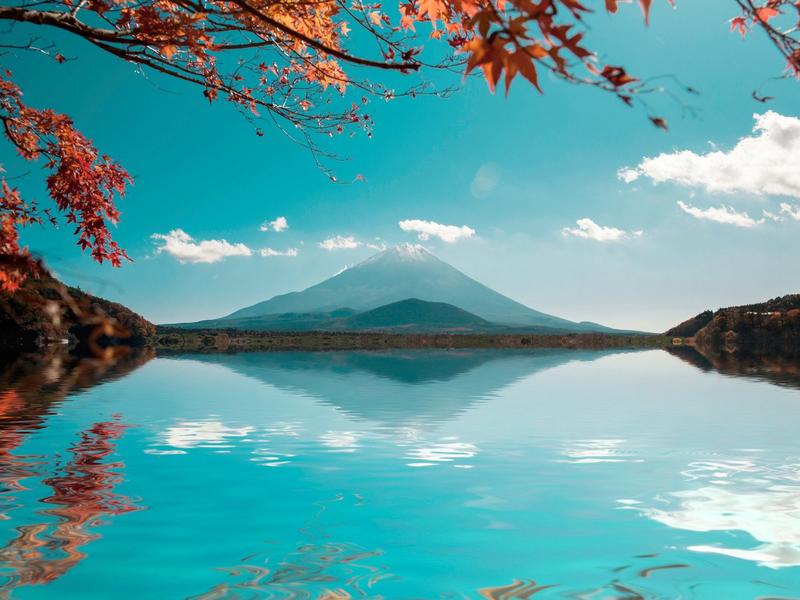


Arakurayama Sengen Park
Arakurayama Sengen Park is one of the most iconic spots to capture Mount Fuji, where the red Chureito Pagoda, the Fujiyoshida cityscape, and the mountain itself align in a single, postcard-perfect frame. While the park is free to enter and easy to navigate, the experience isn’t entirely effortless: the climb is steep, the observation deck can get very crowded, and the visibility of Mount Fuji depends entirely on the weather. It is a must-visit for the view, but you should carefully plan your arrival time and expect a bit of a wait, especially during the peak cherry blossom season.
Key information for visiting Arakurayama Sengen Park
Address:
Fujiyoshida, Yamanashi, Japan
How to Get There
The most convenient gateway to the park is Shimo-Yoshida Station. From the station, it is a straightforward 10-minute walk to the park entrance, with clear signs guiding you along the way. Once you arrive at the shrine grounds, reaching the famous pagoda viewpoint requires an additional ascent, either via the direct stone stairs or a longer, winding sloping path.
From Tokyo, the most efficient direct option is the Fuji Excursion train from Shinjuku to Shimo-Yoshida (approx. 4,010 ¥). Alternatively, you can take a highway bus from Shinjuku to Kawaguchiko (2,200 ¥) or from Tokyo Station to Kawaguchiko / Fujisan Station (2,300 ¥), then use local trains or a taxi to reach Shimo-Yoshida.
Click here to learn more about creating a personal itinerary
Parking
Outside of peak tourist seasons, parking at Arakurayama Sengen Park is generally free and accommodates about 87 cars. However, during the cherry blossom festival, parking near the park is often restricted, closed, or converted into paid lots, and vehicles may be prohibited from entering the immediate park area. During these times, public transport is a much more predictable and stress-free choice.
Private parking in the vicinity typically costs between 1,000–1,500 ¥, and local roads can become quite congested. While a rental car is useful for exploring the wider Fuji Five Lakes region, it is best to arrive very early if you are visiting during peak periods to secure a spot without a long wait.
Opening Hours
Arakurayama Sengen Park is open 24 hours.
Tickets
Entrance to Arakurayama Sengen Park and Chureito Pagoda is free.
Duration
Plan for approximately 2 hours to explore the shrine grounds, complete the climb, and enjoy the views from the observation deck. The main ascent involves about 398 steps, though a longer, less steep sloping path is available for those who prefer a more gradual walk.
Best Time to Visit
The park is at its most spectacular in spring, when cherry blossoms frame the pagoda, and in autumn, when the surrounding foliage turns vibrant shades of red and gold. Winter also offers excellent photo opportunities, as Mount Fuji is most likely to be capped with clear, crisp snow, though be prepared for cold winds at the viewpoint.
Early morning is the most practical time for a visit. The light is soft and ideal for photography, crowds are smaller, and Mount Fuji is often visible before clouds typically gather in the afternoon. During the cherry blossom season, the observation deck may have long queues, and access to the prime photo spot might be limited to short time slots to manage the crowds.
Tip from the itinerary expert: Begin your visit at the shrine area to soak in the atmosphere, then choose the stairs only if everyone feels up for a direct climb. If the group is already tired, take the sloping path instead; it is a longer walk, but it makes the ascent much more relaxed and saves your knees from the steep steps.

Since 2015, our website has specialized in individual planning of unique routes, taking into account personal preferences and desires.
Each of you will receive a unique PDF file from us, which contains everything you need: travel routes, car rentals, hotels, the best tourist attractions, attractions for kids and everything you need for a perfect vacation.
During the trip, we are available for you by phone via WhatsApp.
Our personal service provides information from A to Z, taking into account many small details that can become a decisive factor on the way from a wasted trip to an unforgettable vacation.
Our service will make your trip comfortable, save a lot of time on planning and preparation, and most importantly – will allow you to become freer and fully enjoy the pleasure of the trip.
What to see at Arakurayama Sengen Park
Arakurayama Sengen Park isn't just about a single sightseeing route; it’s an experience best enjoyed in stages. Rather than rushing for that one famous photo, take your time to explore the shrine grounds, choose between the challenging stairs or the gentler slope, and pause at the smaller viewpoints along the way. Save your main energy for the iconic Chureito Pagoda view that awaits at the summit.
Chureito Pagoda
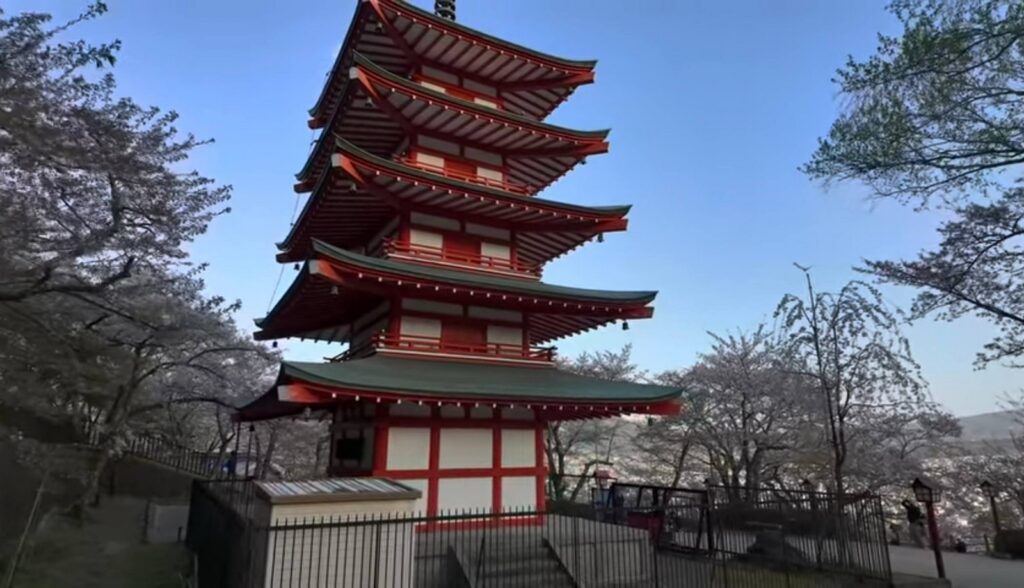
The Chureito Pagoda is the visual soul of the park and the primary reason travelers make the trek to the upper observation area. This brilliant red five-story pagoda stands tall above Fujiyoshida, offering one of Japan’s most legendary views with Mount Fuji as its backdrop. Built as a peace memorial rather than a traditional temple pagoda, it remains a powerful symbol of the region.
Opening Hours: Accessible within the park area; the park is open 24 hours.
Free.
Tip from the itinerary expert: Don’t spend your entire visit at the first crowded photo spot. Once you’ve captured the classic angle, explore the area around the pagoda; the side views are often much quieter and offer more room for creative shots without the pressure of a queue.

Distance/Time: About 398–400 steps above the lower shrine area.
Main observation deck
Located just above the pagoda, this observation deck provides the quintessential ‘postcard’ view of Mount Fuji and the city below. As the park’s most popular point, it can get incredibly busy, particularly during cherry blossom season when timed access or queues may be implemented. While the view is breathtaking in clear weather, be aware that clouds can move in quickly, obscuring the mountain in minutes.
Opening Hours: Accessible within the park area; queues and access rules may vary during busy seasons.
Free.
Tip from the itinerary expert: Arrive **early in the morning** if the perfect photo is your priority. By mid-morning, tour groups arrive and shifting weather patterns often make the experience feel more rushed and less serene.
Distance/Time: At the top of the main climb, near Chureito Pagoda.
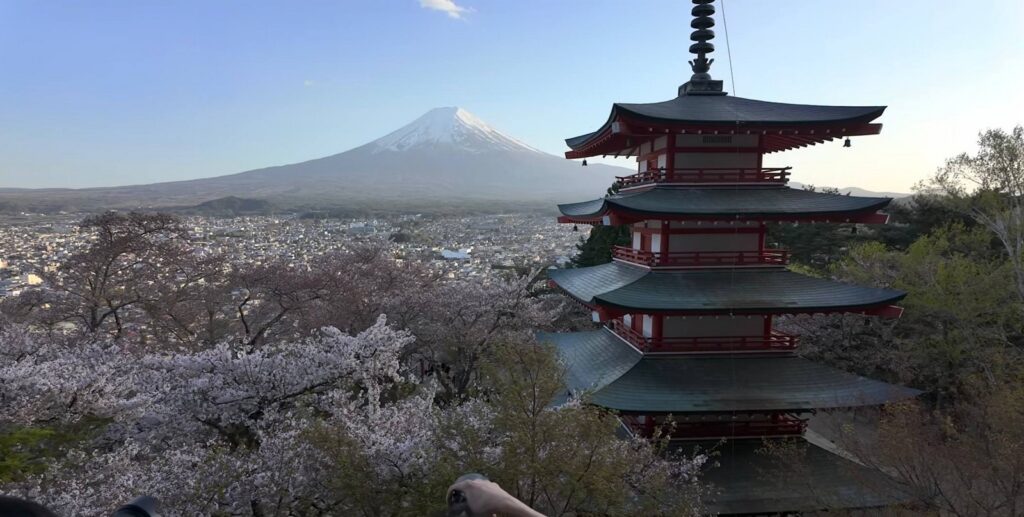
Arakura Fuji Sengen Shrine
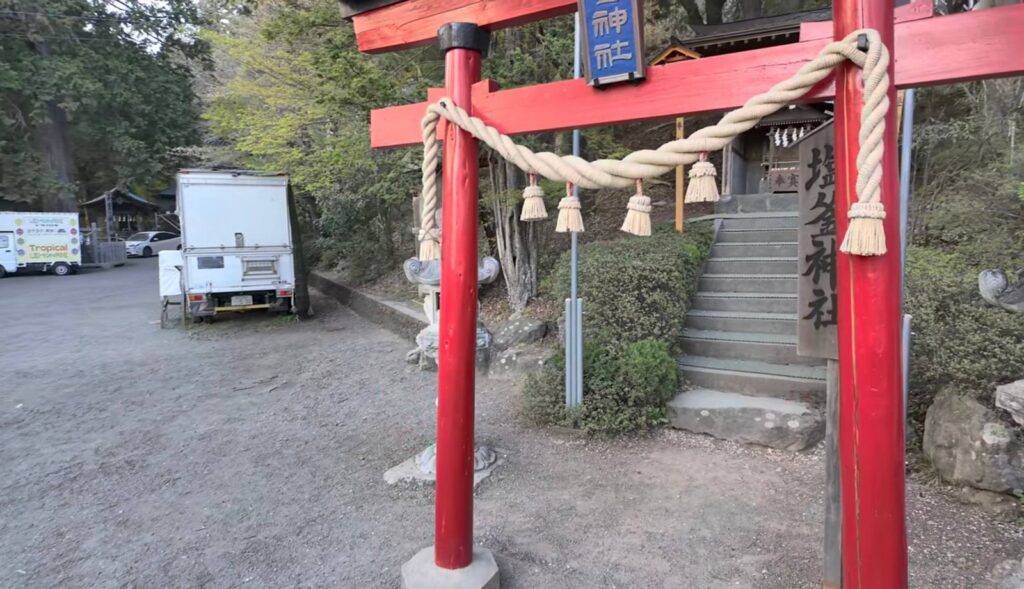
The Arakura Fuji Sengen Shrine sits at the base of the climb and offers a peaceful cultural introduction to your visit. It’s a wonderful spot to pause at the torii gate, use the traditional water basin, and appreciate the spiritual connection to Mount Fuji. For families, the shrine serves as a perfect staging area and a natural rest stop before tackling the steeper sections of the park.
Opening Hours: Accessible during the park visit.
Free.
Tip from the itinerary expert: Make the shrine your first intentional stop rather than rushing past it toward the viewpoint. It helps break the ascent into manageable stages and provides a calm moment to reset before you start the climb.
Distance/Time: Below the pagoda area, on the walking route from Shimo-Yoshida Station.
The 398-step staircase
Sakuya-hime Stairs
This impressive staircase is a defining feature of the park experience. While the climb isn’t technically difficult, it is steep and can be physically demanding, especially if you’re carrying heavy camera gear or visiting with young children in warm weather. Frequent landings allow you to catch your breath and enjoy the changing perspective, making the final view at the top feel truly earned.
Opening Hours: Accessible within the park area.
Free.
Tip from the itinerary expert: Use the stairs for the ascent only if your group is ready for a steady physical effort. On the way down, the sloping path is much kinder to tired knees, though the stairs do offer better views of Mount Fuji during the descent.
Distance/Time: About 398 steps from the lower park area toward Chureito Pagoda.
Sloping path to the viewpoint
The sloping path is a fantastic alternative to the stairs, leading to the same upper viewpoint via a series of gentle switchbacks. Though the distance is slightly longer, it feels much less strenuous and allows for a more relaxed pace. It’s an ideal choice for anyone looking to avoid the congestion of the main staircase or for those who simply prefer a scenic, gradual walk.
Opening Hours: Accessible within the park area.
Free.
Tip from the itinerary expert: Choose the slope when comfort is a priority. It’s a great option if members of your group are already feeling tired but still want to experience the pagoda viewpoint without the strain of the steps.
Distance/Time: Alternative walking route from the lower park area to the pagoda and observation deck.
Seasonal cherry blossom and autumn views
Cherry blossom season transforms the park into one of Japan’s most photographed landscapes, with delicate pink petals framing the pagoda. While this is the busiest time of year, the sight is genuinely unforgettable. Autumn is equally stunning, as the hillside turns into a sea of red and gold, providing a warm, vibrant frame for Mount Fuji and the surrounding trails.
Opening Hours: Seasonal scenery is visible within the park area; exact timing depends on the year and weather.
Free.
Tip from the itinerary expert: During the cherry blossom peak, treat this as a **slow photo expedition**. Between the crowds and potential queues, the visit will likely take significantly longer than you might expect.
Distance/Time: Throughout the park, especially around the pagoda and upper viewpoint.
Honcho Street photo view
Fujiyoshida 'Mount Fuji' Street
Honcho Street is a popular nearby urban photo spot often paired with a visit to the park. From here, the massive silhouette of Mount Fuji looms at the end of a traditional shopping street, offering a striking contrast to the park’s natural scenery. It’s a quick walk from the station area, but please be mindful of traffic and residents, and always photograph from designated pedestrian areas.
Opening Hours: Public street; visit during daylight for easier and safer photography.
Free.
Tip from the itinerary expert: Only add Honcho Street to your plan if Mount Fuji is clearly visible. If the mountain is shrouded in clouds, your time is better spent enjoying the shrine or finding a cozy local spot for lunch.
Distance/Time: About a 10-minute walk from the nearest station area.
What is nearby Arakurayama Sengen Park and worth visiting
- Honcho Street photo view — This iconic street is the perfect companion to a visit to Arakurayama Sengen Park, offering a strikingly different perspective of Mount Fuji framed by a traditional urban landscape. It’s an ideal short stop before or after the park, particularly on clear days. A vital reminder: always stay in designated pedestrian areas and never step into the road for a photo.
- Shimo-Yoshida Station area — As the primary gateway to the park, this area is quiet and relatively modest. Since shops are limited and the station café is quite small, it’s wise to pick up water and snacks before you arrive, especially if you are traveling with children who might need a boost before the climb.
- Fujiyoshida local food stop — After tackling the park’s stairs, nothing beats a bowl of Yoshida udon. This hearty, firm local noodle dish is a specialty here, typically priced between 500–1,000 ¥. It’s an affordable and authentic way to turn your visit into a more relaxed half-day experience rather than a rushed photo mission.
- Lake Kawaguchiko area — For those looking to extend their journey, Lake Kawaguchiko is a logical next step. It offers significantly more tourist facilities, restaurants, and shops than Shimo-Yoshida. It also serves as an excellent second chance for mountain views if the clouds were stubborn earlier in the day.
- Mt. Fuji Panoramic Ropeway — A great addition if your route includes Lake Kawaguchiko. The round-trip fare is 1,000 ¥ for adults and 500 ¥ for children. Like the park, this is an elevated viewpoint that is best enjoyed on a clear day to ensure you actually get the panoramic reward.
- Kawaguchiko Music Forest Museum — This charming museum is a fantastic weather-safe alternative if Mount Fuji disappears behind the clouds. Tickets are listed at 1,800 ¥ for adults, 1,300 ¥ for students, and 1,000 ¥ for children. It adds a touch of culture and indoor comfort to your itinerary when the mountain is being shy.
- Fujiyama Onsen — There is no better way to recover from the climb than a soak in a traditional hot spring. Prices are 1,600 ¥ for adults on weekdays (2,000 ¥ on weekends) and 800 ¥ for children on weekdays (1,000 ¥ on weekends). It’s a perfect reward to save for the end of your outdoor sightseeing.
- Fuji-Q Highland — This is the ultimate choice for families seeking high-energy thrills. With a 1-Day Pass usually ranging from 6,000–8,000 ¥, it’s a full-scale destination. We recommend dedicating a significant portion of your day here rather than trying to squeeze it in after a long morning at the park.
Click here to learn more about creating a personal itinerary
Tip from the itinerary expert: Resist the urge to overpack your Fuji itinerary. A balanced day involves visiting Arakurayama Sengen Park early, enjoying **one local food or photo stop**, and then choosing between the lake, an onsen, or the theme park based on the weather and your group’s remaining energy.
Who Arakurayama Sengen Park is best for
- Travelers chasing the ultimate Mount Fuji photo — If your goal is that legendary shot of the pagoda against the mountain, this is the place. However, keep in mind that this view is weather-dependent; clouds can obscure the peak in seconds, so having a flexible schedule is your best asset.
- Families ready for a bit of exercise — The park is a hit with families who enjoy an active outing. The climb to the top involves roughly 398–400 steps. While the sloping path is an option, it still requires a fair amount of walking. Sturdy shoes and a patient pace are the keys to a happy visit.
- Photographers and nature enthusiasts — With its blend of traditional architecture and seasonal beauty, this is one of the most visually rewarding stops in Japan. Spring blossoms and autumn leaves are the highlights, though winter’s crisp air often offers the clearest mountain views. Early morning is the gold standard for soft light and fewer crowds.
- Visitors relying on public transport — Thanks to its proximity to Shimo-Yoshida Station, this is one of the most accessible Fuji viewpoints without a car. The 10-minute walk is well-marked and easy, making it a stress-free addition for those traveling by train or bus.
- Road-trippers on a wider Fuji circuit — A car is a major plus if you plan to visit multiple spots like the lake, an onsen, and the theme park in one day. It allows for quick adjustments if the weather shifts. Just be aware that during peak cherry blossom season, local traffic and parking can become quite challenging.
- Not ideal for those with limited mobility — While the lower shrine area is accessible, the primary reason people visit is the upper viewpoint, which is physically demanding. The stairs are steep and the alternative slope is long. It is worth discussing with your group beforehand if the lower views will provide a satisfying enough experience.
- Travelers who prefer a relaxed pace — While it looks like a quick photo stop on paper, the reality of the walk, the climb, and the potential queues means it takes time. A rushed visit often leads to disappointment, especially if you happen to arrive just as a cloud passes over the mountain.
Tip from the itinerary expert: This park rewards the early bird and the flexible traveler. If the morning looks exceptionally cloudy, consider swapping your plans and moving your visit to a clearer window later in the day to ensure you get that iconic view.
Arakurayama Sengen Park 2-Day Itinerary
Trip Duration: 2 days
Day 1 — Arakurayama Sengen Park, Chureito Pagoda and Fujiyoshida
Morning, 10:00–13:00: Begin your journey at Shimo-Yoshida Station, the most convenient entry point for Arakurayama Sengen Park. From here, a well-marked 10-minute walk leads you toward the park entrance and the Arakura Fuji Sengen Shrine. As the station area is quite quiet with minimal amenities, it is a good idea to grab water and snacks before you start the ascent.
Make the Arakura Fuji Sengen Shrine your first intentional stop to settle into the atmosphere before tackling the climb. The direct staircase consists of roughly 398–400 steps, though you can opt for the winding sloping path if you prefer a gentler, albeit longer, walk. Allow about 45–60 minutes to enjoy the shrine and complete the climb with a few rest stops along the way.
Once at the top, head to the Chureito Pagoda and its main observation deck. This is the quintessential Arakurayama Sengen Park view, where the vibrant red pagoda and the Fujiyoshida cityscape are perfectly framed by Mount Fuji. During peak cherry blossom season, expect a wait at the photo spot, as access to the prime angle may be timed to manage the crowds.
Lunch, 13:00–14:00: Head back down toward Fujiyoshida for a well-earned lunch. Local Yoshida udon is the specialty here—a simple, filling meal typically ranging from 500–1,000 ¥. Local favorites like meat udon or tempura udon are excellent value. If the climb has left the group tired, take it easy in the local area rather than rushing to the next major attraction.
Afternoon, 14:00–16:30: Stroll over to Honcho Street for a different perspective of Mount Fuji. This urban view offers a unique contrast to the morning’s scenery, with the mountain looming at the end of a traditional shopping street. Please prioritize safety: stay on the sidewalks and avoid stepping into the road for photos.
Evening, 16:30–18:00: Wind down with a relaxed evening. If the sky is clear, the late-day light near the lower shrine area is beautiful for a final look at the hillside. For dinner, explore Fujiyoshida’s local eateries; a standard meal usually costs between 1,500–3,500 ¥ per person, though specialized options like yakiniku may be higher.
Tip from the itinerary expert: Avoid leaving the pagoda climb for the very end of the day. The stairs are demanding, light can fade quickly, and the mountain often hides behind clouds in the late afternoon. The most reliable rhythm is park first, food second, and urban photo stops later.
Overnight Location: Fujiyoshida or Kawaguchiko
Day 2 — Lake Kawaguchiko, panoramic views and a flexible backup plan
Morning, 10:00–12:00: On your second day, explore the wider Fuji Five Lakes region. Head toward Lake Kawaguchiko; a taxi from the Fujiyoshida area takes about 10 minutes. The lakeside offers a much more developed tourist infrastructure, making it an ideal spot for a leisurely morning. Enjoy a walk along the shore, where you can see Mount Fuji reflected in the water—a much calmer experience than the climb at the park.
Lunch, 12:00–13:00: Take advantage of the variety of cafés and restaurants around Kawaguchiko. For a light lunch or a coffee and dessert stop, budget around 600–1,500 ¥. This is a good time to check the weather forecast before committing to the afternoon’s activities.
Afternoon, 13:00–15:00: If the mountain is out, the Mt. Fuji Panoramic Ropeway is a fantastic addition. Round-trip tickets are 1,000 ¥ for adults and 500 ¥ for children. It offers a stunning elevated view of both the lake and the volcano. However, if Mount Fuji is hidden by clouds, pivot to the Kawaguchiko Music Forest Museum. Tickets are 1,800 ¥ for adults, 1,300 ¥ for students, and 1,000 ¥ for children. It provides a reliable and charming indoor alternative with its unique musical instruments and gardens.
Evening, 15:30–18:00: End your trip on a high note at Fujiyama Onsen or Fuji-Q Highland. A soak at the onsen costs 1,600–2,000 ¥ for adults and 800–1,000 ¥ for children, providing the ultimate post-sightseeing relaxation. If you have any remaining energy, Fuji-Q Highland offers world-class thrills, though its 1-Day Pass (6,000–8,000 ¥) is best valued if you have a few hours to spare.
Tip from the itinerary expert: On your second day, let the visibility dictate your choices rather than a rigid list. If Mount Fuji is clear, prioritize the ropeway and the lake. If it’s cloudy, head straight to the Music Forest Museum or the onsen for a guaranteed good time.
Overnight Location: Fujiyoshida, Kawaguchiko or return to Tokyo
Traveler experiences at Arakurayama Sengen Park

Daniel Morgan
April 2018

We came for that famous pagoda and Mount Fuji photo, and yes, it really did look like a postcard. The climb was harder than I expected, around 400 steps, but our kids turned it into a little challenge. With the cherry blossoms everywhere, the place felt almost unreal. Arriving early made a huge difference.
Emma Clarke
October 2022
Beautiful place, but definitely not a quick stop. The walk from Shimo-Yoshida Station was easy, and then the stairs began. My younger child started complaining halfway up, so we took breaks near the shrine. Mount Fuji did not have snow yet, but the view was still lovely.
Michael Bennett
May 2019

Honestly, I expected more after seeing so many photos online. The pagoda is nice, but Mount Fuji was mostly hidden by clouds, so the main reason for coming kind of disappeared. The walk up was tiring, and the photo area was crowded. Not terrible, just not our best Fuji stop.
Laura Mitchell
December 2023
We visited on a cold, clear morning, and the snow on Mount Fuji looked perfect. The stairs were uneven in a few places, so I kept telling the kids to slow down. At the top, the city, pagoda and mountain lined up beautifully. I would bring gloves next time, because waiting for photos was freezing.
Adam Collins
September 2025
Too cloudy. We climbed all the way up and never saw Mount Fuji, not even a small part of it. The park itself was clean and the shrine felt peaceful, but the effort felt like too much for what we got. The kids were hot, tired and not impressed.
Sophie Reynolds
November 2017
The autumn colors made the walk much nicer than I expected. We used the sloping path for part of the climb because the stairs looked too intense for my parents. The viewpoint was busy, but not chaotic. Small detail, but useful: there were food stalls lower down, which helped a lot after the climb.
James Walker
March 2024
Very photogenic, very crowded. We reached the observation area before the big groups, and people were already waiting with tripods and phones. The best part for me was actually looking back at Fujiyoshida from the stairs. Less famous than the pagoda photo, but much quieter.
Olivia Harris
April 2016
Blossom season was gorgeous, but the queue for the photo spot really tested everyone’s patience. Our children got bored standing still, and there wasn’t much shade where we waited. I’m glad we saw it once, but I would not come again at peak time.
Thomas Edwards
June 2021
There was no snow on Fuji in June, which changed the look completely, but I still liked the place. The shrine halfway up gave us a nice pause, and the water basin and small wooden prayer plaques were interesting for the kids. Bring drinks before leaving the station area.
Tips from the Itinerary Expert

Do not climb straight to the pagoda first
When I arrive with children, I stop first at Arakura Fuji Sengen Shrine before starting the full climb. It breaks the route into two easier parts, gives everyone a short pause, and makes the later 398–400 steps feel less like one long exhausting push.
Use the stairs up and the slope down
I usually take the stairs on the way up because they are more direct and give that satisfying “we made it” feeling at the top. On the way down, if legs are already tired, I switch to the sloping path; it is longer, but children usually handle it more calmly after the viewpoint.
Check Mount Fuji before spending time in the queue
If Mount Fuji is hidden when I reach the upper area, I do not join the busiest photo line right away. I first walk around the side of the pagoda and watch the clouds for a few minutes; sometimes the mountain opens briefly, and sometimes it is better to save your energy and move on.
Avoid making Honcho Street your first stop
I prefer visiting Arakurayama Sengen Park first and adding Honcho Street only after the climb. If Fuji is visible, the street photo becomes a nice bonus; if clouds cover the mountain, you avoid wasting time on a road-view photo that loses its main point.
Do not rely on food near Shimo-Yoshida Station
The area around Shimo-Yoshida Station is quiet, with limited cafés and shops. I treat the station as an access point, not as a food base, and plan a proper meal later in Fujiyoshida, where Yoshida udon is a simple and budget-friendly option.
Keep the photo plan different in cherry blossom season
During sakura season, I plan the viewpoint as a slow stop, not a quick photo. The queue near the observation deck can take much longer than expected, so I give children a snack before the final wait and never promise that we will be done “in five minutes.”
Use a car for the Fuji area, not for the closest park access
A car helps a lot if the day includes Lake Kawaguchiko, an onsen or Fuji-Q Highland, but I do not rely on easy parking right by the park in peak season. Parking can be restricted or paid, and the local roads near the entrance may feel narrow and slow.
Plan a weather backup before climbing
If heavy clouds are already sitting over Mount Fuji, I decide on a backup before starting the stairs: Kawaguchiko Music Forest Museum for an indoor stop, or Fujiyama Onsen after the walk. This keeps the day from turning into just a tiring climb with no mountain view.
Use the lower area if someone cannot manage the climb
If one person in the family is tired or not comfortable with stairs, I do not force the full ascent. The lower shrine area still has atmosphere, torii gates and a calmer break, while one adult can climb faster to the pagoda and come back down without making everyone wait at the top.
Insights from the Itinerary Expert
I visited Arakurayama Sengen Park in April 2024, and honestly, capturing that famous view takes more effort than it appears in photos. While the walk from Shimo-Yoshida Station was straightforward, the climb past the shrine is quite a workout, especially with children who began to flag halfway up. We opted for the stairs on the way up but used the sloping path for the descent, which I highly recommend as a much kinder alternative for the return journey.
The biggest variable is Mount Fuji itself. When we arrived, the peak was partially veiled, and dozens of people were gathered near the observation deck, waiting for the clouds to shift. The area around Chureito Pagoda is popular for a reason, but during the cherry blossom peak, it can feel more like a crowded queue than a serene viewpoint. My advice is to enjoy the experience of the park rather than pinning your entire day on a single perfect shot.
That said, when the weather clears, Arakurayama Sengen Park is truly spectacular. The red pagoda, the sprawling city below, and the massive presence of Mount Fuji create a composition that genuinely makes the 400-step climb feel worth every bit of effort. If you want to experience this without the stress of a rushed schedule, we can help design a custom Japan itinerary that balances timing, local food stops, and a solid backup plan for those cloudy days.
Arakurayama Sengen Park prices
| Name | Amount | Description |
|---|---|---|
| Budget hotel or guesthouse in Fujiyoshida | 7,000–12,000 JPY | Approximate nightly price for the simplest places to stay near Fujiyoshida. Rates can climb quickly during cherry blossom season and on weekends. |
| Mid-range hotel, 2–3 stars | 12,000–25,000 JPY | A typical nightly range for a simple hotel around Fujiyoshida or Kawaguchiko. This is a practical option if you want to stay close to Arakurayama Sengen Park without paying extra for a view-focused hotel. |
| Hotel with onsen or Mount Fuji view | from 25,000 JPY | Hotels with Mount Fuji views or onsen-style facilities around Kawaguchiko and Fujiyoshida cost much more during cherry blossom season, weekends and holidays. |
| Apartment or family stay for 5 people | varies by season JPY | Family apartments and larger stays in the Fuji area vary a lot by date, size and location. For a family of 5, it is worth comparing both Fujiyoshida and Kawaguchiko before booking. |
| Car rental for one day | varies by car class JPY | A car is useful if Arakurayama Sengen Park is only one part of a wider Fuji-area route with Lake Kawaguchiko, onsen stops or Fuji-Q Highland. The final price depends on car class, insurance and pickup location. |
| Fuji Excursion train: Shinjuku to Shimo-Yoshida | 4,010 JPY | Direct limited express option to Shimo-Yoshida, made up of a 2,390 ¥ base fare and a 1,620 ¥ express fee. It is one of the most convenient choices if Arakurayama Sengen Park is the main goal. |
| Highway bus: Shinjuku to Kawaguchiko | 2,200 JPY | Bus fare from Shinjuku to Kawaguchiko. From there, continue toward Fujisan Station or Shimo-Yoshida, or use a taxi depending on your route. |
| Highway bus: Tokyo Station to Kawaguchiko / Fujisan Station | 2,300 JPY | A useful public transport option if you are starting from Tokyo Station and heading into the Fuji area. |
| Simple local lunch, Yoshida udon | 500–1,000 JPY | A budget-friendly local meal near Fujiyoshida. Local menu examples include meat udon around 500 ¥ and meat tempura udon around 600 ¥. |
| Café, dessert or light snack | 600–1,500 JPY | A realistic range for a light café stop, dessert or snack. Around Shimo-Yoshida Station, choices are limited, so it is better not to depend on finding many cafés right before the climb. |
| Dinner in a simple restaurant | 1,500–3,500 JPY | Typical budget for a regular dinner without alcohol. Meat dishes or yakiniku-style meals can push the total higher. |
| Arakurayama Sengen Park parking | Parking is usually free outside peak periods, with about 87 spaces listed. During cherry blossom season, parking may be restricted, closed or changed to paid arrangements. | |
| Private parking near the park | 1,000–1,500 JPY | Private parking nearby can be useful when the official parking area is full or restricted. Roads close to the park may feel narrow and slow during busy periods. |
| Basic supermarket purchase for 2 people | varies by basket JPY | A simple purchase of snacks and drinks before visiting Arakurayama Sengen Park depends on what you buy. It is still a practical idea, because cafés near Shimo-Yoshida Station are limited. |
Arakurayama Sengen Park FAQ
01
Is Arakurayama Sengen Park worth visiting if Mount Fuji is cloudy?
If Mount Fuji is completely hidden, the famous postcard photo loses its main highlight. While the shrine area is still peaceful and worth a quick look, I wouldn’t recommend spending a lot of time waiting at the upper deck if the clouds don’t look like they’re moving.
02
How hard is the climb to Chureito Pagoda with children?
The climb involves roughly **398–400 steps**, which can be quite a challenge for little legs. To make it easier, I suggest breaking the walk into two parts: explore the Arakura Fuji Sengen Shrine at the base first to give everyone a breather before starting the final ascent.
03
Should we take the stairs or the sloping path at Arakurayama Sengen Park?
The stairs are direct and provide a great sense of achievement, but they are steep. The sloping path is much gentler but takes longer to walk. A popular strategy for families is to take the stairs on the way up while energy is high, and use the sloping path for a more relaxed descent.
04
How much time should we plan for Arakurayama Sengen Park?
Plan for about **2 hours** in total. This allows for the 10-minute walk from the station, exploring the shrine, the climb up, and plenty of time for photos at the Chureito Pagoda. If you are visiting during cherry blossom season, add extra time for the photo spot queues.
06
Is it better to rent a car for Arakurayama Sengen Park?
A car is very helpful if you plan to combine the park with Lake Kawaguchiko, Fujiyama Onsen, or Fuji-Q Highland. However, be aware that official parking is limited (around 87 spaces) and can be restricted or require payment during the busy sakura season.
09
What should we do if the observation deck queue is too long?
Don’t feel like you have to wait in the main line immediately. Explore the area immediately surrounding the pagoda first; there are several side angles that offer great views without the crowd. If the mountain is hidden, it’s often better to skip the queue entirely.
What we propose

Emma Heidi
Customer Experience Manager
Take all the stress out of planning your trip!
With our experts, you can create the perfect itinerary for you – complete, comfortable, and tailored to all your dreams, wishes, and needs.
We take care of every little detail, so you can simply focus on enjoying your journey.
We’ve been designing personalized itineraries since 2015, and over the years we’ve created thousands of custom itineraries for happy clients.

Save time, avoid confusion – we do the work for you. Our service saves you weeks of searching, reading, comparing, and complicated planning. Instead of wasting endless hours – you receive a ready-to-use, accurate and clear itinerary.

A tailor-made itinerary – built just for you. Your itinerary is personally designed based on our experts’ real field experience and genuine feedback from hundreds of travelers – including hidden discoveries and insider tips that don’t appear in any travel guide.

Smart accommodation selection – often saves you hundreds or even thousands of dollars. We help you choose verified and recommended places to stay, checking availability for your exact travel dates. Sometimes we suggest hotels not “in the center,” but in safe, convenient, and highly strategic locations – which can significantly reduce travel costs and save you even thousands of dollars.

We’re by your side even during the trip. We stay with you throughout your vacation – providing professional help whenever needed. If the weather changes, there’s a strike, a local event, heavy crowds, or any unexpected situation – we are here to update, guide, and adjust your itinerary in real time.

Easy-to-use itinerary – with direct navigation links. Your itinerary includes direct Waze / Google Maps links – no need to search for parking addresses, no stress, no mistakes. Just tap – and go.

Service cost: from only $420. (Special price for short itineraries up to 5 days). Clients tell us the itinerary saves them costly mistakes, fines, wrong choices – plus exclusive discounts on car rentals, better-priced accommodations, and money-saving local tips.
Want to know if it’s really worth it?
Take a look at the experiences of travelers who built their personal itinerary with us.
Click here and let’s start building the itinerary that will save you time, money, and stress – and turn your vacation into perfection.
Of course, your first inquiry is completely free – with no commitment whatsoever.
How it works


- You are welcome to contact us
- We discuss your trip
- You fill out a special form
- We create your itinerary
- You get it with all useful tips
- We are in touch with you all the time