My love for Japan began the moment I arrived in Tokyo. The country amazed me with its harmony of ancient traditions, cutting-edge technology, breathtaking nature, and a culture unlike any other. Since then, Japan has become a part of my life, and I return there again and again. Today I help travelers discover the real Japan: I create personalized itineraries, give lectures, and prepare guests for their unforgettable journey. I would be delighted to open Japan for you too!


Senjojiki Cirque
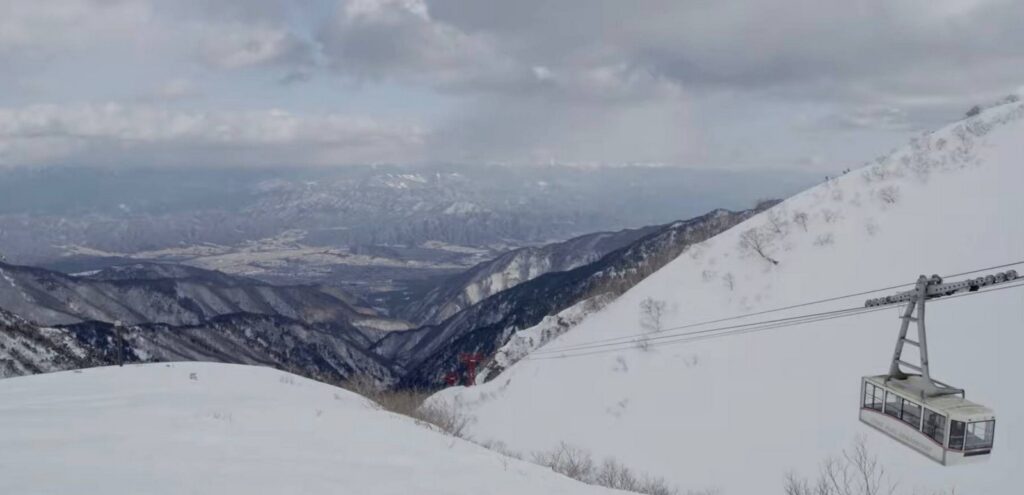
Senjojiki Cirque rises high above Komagane City in Nagano Prefecture, deep in the Central Alps, and its appeal is very straightforward: you can step into dramatic alpine scenery at more than 2,600 meters without committing to a full mountain climb. The journey itself is part of the experience, with a mountain bus and the Komagatake Ropeway carrying you up toward views of Mount Hokendake, the Southern Alps, seasonal alpine flowers, fiery autumn colors, and, in winter, a stark snow-covered landscape.
This is a place that works best when you treat it as a proper mountain outing, not just a quick photo stop. Weather, temperature, queues, and the final ropeway departure all affect the rhythm of the day. I would leave enough time at the top for the short walking trail, photos around Kengaike Pond, and a warm pause near Hotel Senjojiki rather than rushing back down immediately after arriving.
Key information for visiting Senjojiki Cirque
Address:
Senjojiki Station, Komagane City, Nagano Prefecture, Japan
How to Get There
You cannot drive a private car all the way to Shirabidaira Station because access to the mountain road is restricted. The standard route is to park at Suganodai Bus Center, take the local bus for about 30 minutes to Shirabidaira Station, and then continue up to Senjojiki Station by the Komagatake Ropeway.
The ropeway ride takes about 7–7.5 minutes and climbs to Senjojiki Station at 2,612 meters, the highest ropeway station in Japan. If you are coming from Tokyo, one practical route is to travel from Shinjuku toward the Komagane area by highway bus, then switch to the local bus and ropeway for the mountain section.
Click here to learn more about creating a personal itinerary
Parking
Parking is available at Suganodai Bus Center. The listed parking fee is 800 yen per car for 24 hours. From this point, visitors continue by bus and ropeway, as private vehicles are not allowed up to Shirabidaira Station.
Opening Hours
The ropeway timetable changes depending on the season and weather. In winter it may operate less frequently, while outside winter it often runs more often, especially during busy travel periods. Check the current Komagatake Ropeway schedule before setting out.
Tickets
A round trip from Suganodai Bus Center using the local bus and Komagatake Ropeway is listed at about 3,950–4,710 yen for an adult, depending on the season and travel conditions. The local bus from Suganodai Bus Center to Shirabidaira is listed at 1,660 yen round trip for an adult and 840 yen for a child. The Komagatake Ropeway round trip is listed at 2,290–3,050 yen for an adult and 1,130–1,510 yen for a child.
From: 3950 JPY
Duration
Allow at least 2–3 hours at the top for the views, the short walking trail, photos, and a break near Hotel Senjojiki. The circular Senjojiki Cirque Hiking Trail usually takes about 40–60 minutes, while a hike to Mount Kiso Komagatake needs much more time and proper mountain equipment.
Best Time to Visit
The strongest autumn colors usually appear from late September to mid-October, while the broader foliage season runs from early September to late October. Summer is better for alpine flowers, and winter turns Senjojiki Cirque into a completely different snow-covered landscape.

Since 2015, our website has specialized in individual planning of unique routes, taking into account personal preferences and desires.
Each of you will receive a unique PDF file from us, which contains everything you need: travel routes, car rentals, hotels, the best tourist attractions, attractions for kids and everything you need for a perfect vacation.
During the trip, we are available for you by phone via WhatsApp.
Our personal service provides information from A to Z, taking into account many small details that can become a decisive factor on the way from a wasted trip to an unforgettable vacation.
Our service will make your trip comfortable, save a lot of time on planning and preparation, and most importantly – will allow you to become freer and fully enjoy the pleasure of the trip.
What to see at Senjojiki Cirque
Senjojiki Cirque is best explored as one compact high-altitude route, not as a checklist of separate sights. Most of the main views are close to Senjojiki Station, but this is still alpine terrain: stones can be uneven underfoot, slopes may feel steeper than they look on a map, and the weather can shift quickly even during a short visit.
The easiest plan is to begin with the views near Hotel Senjojiki, walk toward Kengaike Pond, and then decide how far to continue based on visibility, footwear, and the group’s energy. The circular trail usually takes about 40–60 minutes, but families should allow extra time for photos, short breaks, and slower walking on rougher sections.
Senjojiki Cirque Bowl
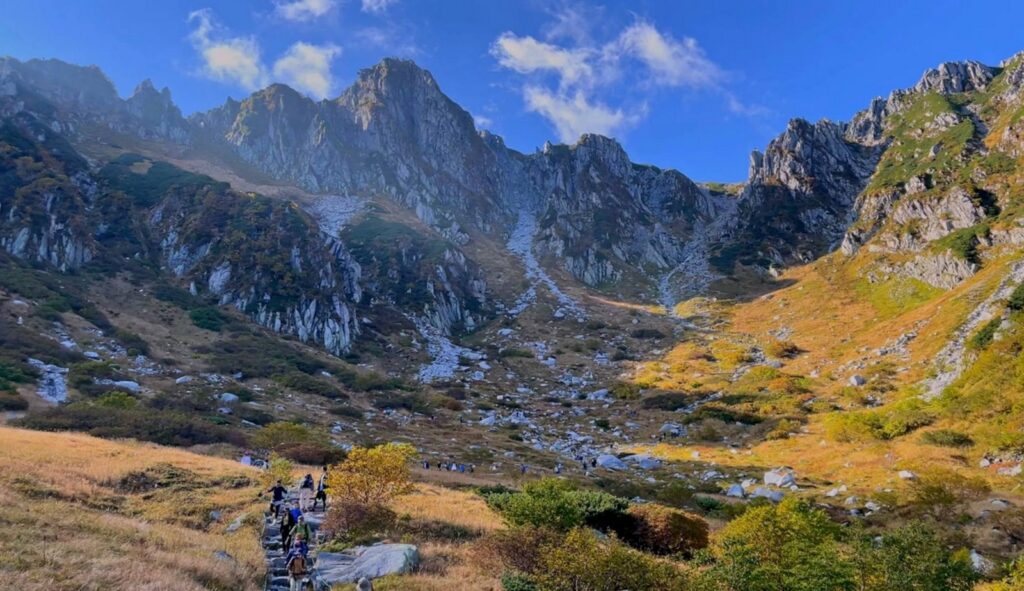
The main view opens almost as soon as you step out of Senjojiki Station: a broad glacial bowl framed by the sharp ridges of the Central Alps. The cirque was shaped by glacial erosion around 20,000 years ago, and its scale explains the name, which is often linked with the image of a space large enough for a thousand tatami mats.
This is the right place to pause before starting the trail. On a clear day, the mix of rocky slopes, seasonal flowers or snow, and the deep mountain sky gives the whole area a dramatic, almost theatrical feel. In autumn, red and yellow foliage spreads across the slopes; in winter, the same natural amphitheater becomes a bright snow-covered landscape.
Opening Hours: Accessible during ropeway operating hours; the schedule changes by season and weather.
No separate ticket is needed for the cirque after paying for the bus and Komagatake Ropeway.
Tip from the itinerary expert: Do not rush straight onto the trail after arriving. Give the group a few minutes near the station to adjust to the altitude, feel the wind, and decide whether the full loop or only the easiest viewpoints makes more sense that day.

Distance/Time: Immediately outside Senjojiki Station
Mount Hokendake View
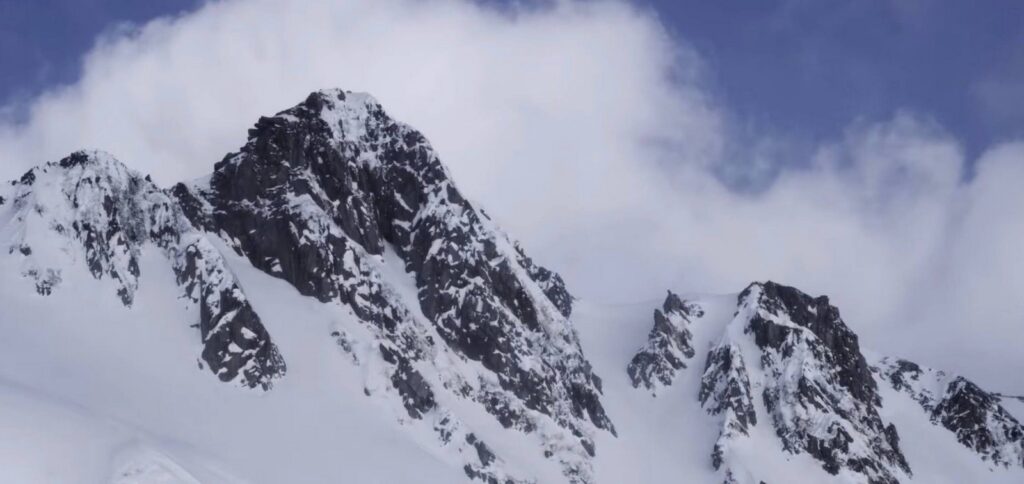
Mount Hokendake rises to 2,931 meters and gives Senjojiki Cirque its most powerful backdrop. Its jagged outline shapes the whole mood of the landscape, especially when snow remains in the hollows or when autumn colors sit below the rocky upper slopes.
The view is impressive even without a demanding hike, which is exactly why Senjojiki Cirque works so well for travelers who want alpine scenery without committing to a summit route. The mountain also helps you understand the shape of the area: as you walk the lower trail, the angle toward Hokendake changes, and each turn gives a slightly different composition for photos.
Opening Hours: Visible during clear weather; visibility depends strongly on clouds and mountain conditions.
No separate ticket.
Tip from the itinerary expert: If the summit is hidden by clouds when you arrive, do not give up on the view too quickly. A coffee break near Hotel Senjojiki can be a useful pause while the mountain weather shifts.
Distance/Time: Visible from Senjojiki Station and along the walking trail
Kengaike Pond
Kengaike Pond is one of the most photogenic points on the Senjojiki Cirque Hiking Trail. From this area, you can often frame the pond, the flower fields or autumn slopes, and Mount Hokendake together, which makes it a natural goal for visitors who do not want to walk far but still want a classic Senjojiki view.
The path toward the pond includes uneven ground, so it should not be treated like a flat garden walk. Comfortable shoes really matter here, especially after rain or in colder periods when the surface can be slippery. For families, this is usually the most rewarding short target: close enough to feel realistic, but far enough to feel like a real mountain walk.
Opening Hours: Accessible during suitable trail conditions and ropeway operating hours.
No separate ticket.
Tip from the itinerary expert: For photos, Kengaike Pond is usually more rewarding than taking every picture next to the station. I would aim for this point first if the weather is clear, then decide whether to continue the full loop or return slowly.
Distance/Time: Part of the 40–60 minute circular walking trail
Senjojiki Cirque Hiking Trail
The main short walking route around Senjojiki Cirque usually takes about 40–60 minutes. It passes flower fields, viewpoints, Komagatake Shrine, Kengaike Pond, and several trail sections where visitors are specifically warned to watch their step.
Although the route is often described as short, it should not be underestimated. The surface is rocky and uneven in places, with small climbs and descents that can feel more tiring at high altitude. In good weather it is a relaxed scenic walk, but it is not the same as a flat city promenade.
Opening Hours: Best walked in daylight and only when trail conditions are safe.
Free after paying for transport to Senjojiki Station.
Tip from the itinerary expert: Treat the trail as a flexible loop, not an obligation. If someone in the group struggles with uneven stones or the altitude, it is better to enjoy the station-side views and café than to push through the full circuit tired.
Distance/Time: About 40–60 minutes for the circular route
Alpine Flower Fields
In summer, Senjojiki Cirque is known for alpine plants blooming across the high mountain slopes. The materials mention flowers such as Chinguruma, Shinanokimbai, Miyama Kimpoge, Koiwakagami, Miyama Kuroyuri, Shojobakama, and Kobaikeiso, creating a completely different mood from the autumn and winter versions of the cirque.
The flower fields are interesting because they add small, delicate details to a place dominated by large mountain scenery. Instead of only looking up at the ridges, the walk becomes slower and more observant: small flowers, soft colors, and fragile alpine plants make the trail more engaging for children and for anyone who enjoys nature photography.
Opening Hours: Seasonal; the best flower conditions depend on summer weather and blooming periods.
No separate ticket.
Tip from the itinerary expert: For a summer visit, keep the pace deliberately slow. The best details are not only in the wide panorama but also along the trail edges, where the alpine flowers make the short route feel richer.
Distance/Time: Along the Senjojiki Cirque Hiking Trail
Komagatake Shrine
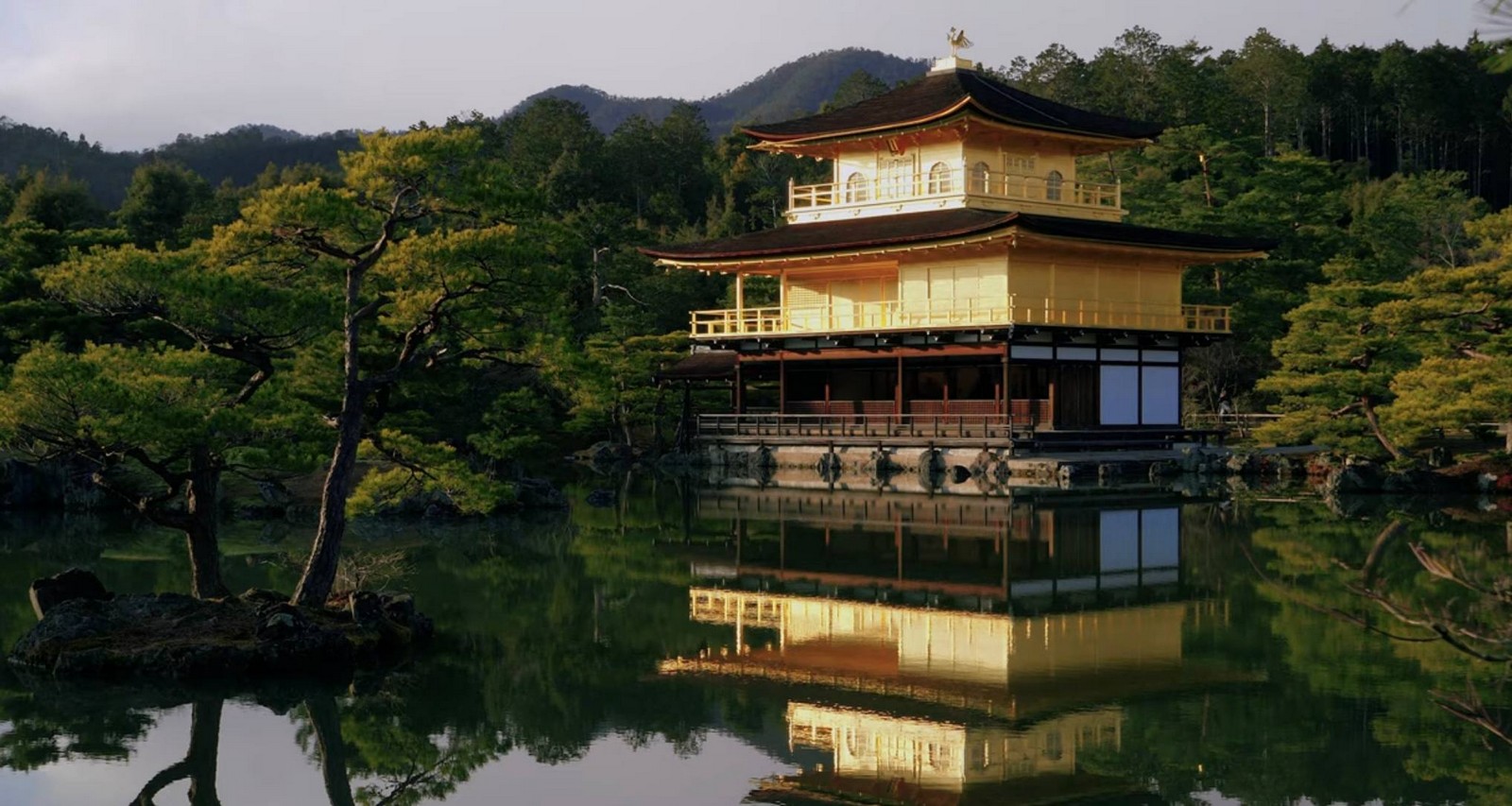
Komagatake Shrine is a small but meaningful stop on the walking route near Senjojiki Station. It gives the mountain visit a quiet pause between the station area and the wider trail, especially before continuing toward steeper or more exposed sections.
The shrine is not a long sightseeing stop, and that is part of why it fits the route naturally. It sits inside the alpine landscape rather than apart from it, adding a simple cultural detail without turning the day into a museum-style itinerary.
Opening Hours: Accessible during suitable conditions near Senjojiki Station.
No separate ticket.
Tip from the itinerary expert: Treat Komagatake Shrine as a short pause, not as a destination by itself. It works best when combined with the nearby viewpoints and the first part of the walking trail.
Distance/Time: A short walk from Senjojiki Station
Southern Alps and Mount Fuji View
One of the best surprises at Senjojiki Cirque is that the view is not only toward the cirque itself. From the station and Hotel Senjojiki area, the opposite side opens toward the Southern Alps, and in clear weather Mount Fuji can appear beyond them.
This view is also useful for pacing the visit. If the cirque side is windy, cloudy, or crowded, stepping toward the Southern Alps side can give the day a completely different mood: wider horizons, layered mountain lines, and sometimes a sea of clouds below. It is a good option for visitors who prefer to stay close to the station instead of walking the full trail.
Opening Hours: Visible in clear weather during ropeway operating hours.
No separate ticket.
Tip from the itinerary expert: Before leaving, check both sides of Hotel Senjojiki. Many visitors focus only on the cirque, but the Southern Alps side can become the best memory of the day if Mount Fuji or a sea of clouds appears.
Distance/Time: Near Senjojiki Station and Hotel Senjojiki
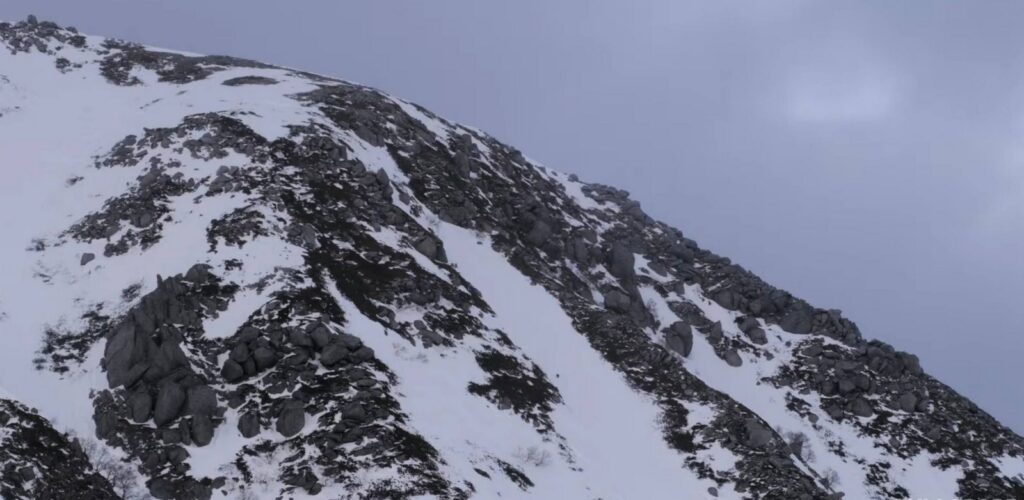
What is near Senjojiki Cirque and worth visiting?
- Hotel Senjojiki: This is the easiest stop to add because it sits right next to Senjojiki Station. Even if you are not staying overnight, it works well as a warm break after the walking trail, especially when the wind picks up or the view keeps changing. The area around the hotel also opens to both sides: toward Senjojiki Cirque and Mount Hokendake on one side, and toward the Southern Alps on the other, where Mount Fuji may appear in clear weather.
- 2612 Cafe & Restaurant: The café and restaurant near Senjojiki Station are useful for more than just food. A coffee break here can give the clouds time to move, help everyone warm up after the trail, or let children reset before the descent. The materials list several menu prices, including sauce katsudon for 1,500 yen, spice curry with Shinshu-Alps beef for 1,800 yen, omelet rice for 1,800 yen, and coffee or local juice for 500 yen.
- Komagane Plateau: After coming down from Senjojiki Cirque, Komagane Plateau is one of the most convenient places to continue the day at a slower pace. It fits naturally after the mountain section because it does not require another difficult transfer or a serious hike. This is a good area for easing the itinerary down, eating properly, and keeping the afternoon flexible instead of forcing in another demanding attraction.
- Local sauce katsudon restaurants in Komagane: Sauce katsudon is one of the local food highlights associated with Komagane, and it makes particular sense after the mountain visit. The materials mention Meijitei Komagane Main Store, where sauce katsudon is listed at 1,790 yen. For families, this is a practical stop because it turns the descent into a clear meal plan rather than leaving lunch or dinner to chance.
- Komagane Farm: Komagane Farm can work as a lighter stop near the lower part of the route. I would place it after the ropeway visit, not before, because the mountain section depends much more on weather, transport timing, and visibility. Keeping farm or local food stops for later helps protect the best window at Senjojiki Cirque.
- Kozenji Temple: Kozenji Temple is a nearby cultural stop that can be added if there is still energy after returning from the mountains. It is better to treat it as an optional addition, not a fixed requirement for the same day, because Senjojiki Cirque already involves altitude, walking, transfers, and weather uncertainty. Some areas or gardens may require a separate fee, while much of the visit can remain simple and flexible.
Click here to learn more about creating a personal itinerary
Tip from the itinerary expert: Build the day from the top down: first Senjojiki Cirque while the weather is still workable, then food or a relaxed stop in Komagane after the descent. I would not put a heavy sightseeing block before the ropeway, because queues, clouds, and transport timing can easily shift the whole plan.
Who is Senjojiki Cirque suitable for?
- Families who want dramatic nature without a full mountain climb: Senjojiki Cirque works well for families who want high-alpine scenery without spending the whole day climbing. The ropeway makes the landscape much easier to reach, and the main views begin almost immediately after arrival at Senjojiki Station. That makes the visit exciting even for travelers who only walk part of the trail.
- Children who enjoy nature, short walks, and big views: The area can be very engaging for children because the scenery changes quickly: ropeway ride, mountain station, rocky slopes, flower fields, pond views, snow scenes in colder months, and sometimes a sea of clouds. The best approach is to keep the goal simple: reach the main viewpoint or Kengaike Pond, take breaks, and avoid turning the loop into a forced march.
- Travelers who are comfortable with uneven ground: The short Senjojiki Cirque Hiking Trail is not long, but it is not a flat paved promenade. There are rocky sections, small climbs and descents, and places where the map warns visitors to watch their step. Comfortable shoes matter here, and anyone with weak knees, balance concerns, or low stamina should stay close to the station area or choose only the easiest part of the route.
- Seniors who prefer views close to the station: Senjojiki Cirque can still feel rewarding without completing the full walking trail. The views near Senjojiki Station and Hotel Senjojiki are already impressive, and the café gives you a comfortable indoor place to rest. For seniors, the most practical plan is to avoid pressure: enjoy the station-side viewpoints first, then decide whether a short section of the trail feels realistic.
- Visitors with limited mobility: This destination has real limitations. The ropeway brings visitors very close to the scenery, but the natural walking route includes uneven mountain terrain, stones, slopes, and exposure to weather. For travelers with limited mobility, the safest experience is usually around Senjojiki Station, Hotel Senjojiki, and the nearby viewpoints rather than the full cirque loop.
- People sensitive to cold, wind, or altitude: The altitude is around 2,612 meters, so temperatures can be much lower than in the city, and some visitors may feel shortness of breath or tire more quickly. Layers, a windbreaker, and unhurried pacing are important even when the lower town feels warm. In autumn and winter, conditions can change fast enough that light city clothing becomes uncomfortable.
- Hikers considering Mount Kiso Komagatake: The route toward Mount Kiso Komagatake is a different kind of visit from the short cirque walk. The materials describe a hike of about 3.5–5 hours round trip, with the mountain reaching 2,956 meters. Even if it is presented as accessible for beginners in some contexts, it still requires proper equipment, good weather judgment, enough time before the last ropeway, and a realistic plan.
Tip from the itinerary expert: For mixed-age families, choose the visit level before leaving the station area: viewpoint only, Kengaike Pond, full loop, or serious hike. This one decision prevents the most common problem at Senjojiki Cirque — starting casually, then realizing too late that altitude, stones, wind, and timing make the route harder than it looked.
Senjojiki Cirque 2-Day Family Itinerary
Trip Duration: 2 days
Day 1 — From Tokyo to Komagane and the first look at Senjojiki Cirque
Morning, 10:00–13:50: Start in Shinjuku and travel toward the Komagane area by highway bus. The journey from Shinjuku is listed at about 3 hours 50 minutes, so treat this as a transfer morning, not as a sightseeing morning. For a family trip, this pace is usually much easier than trying to rush into the mountains too early after a long ride.
Lunch, 14:00–15:00: Have lunch near Komagane Station or in the Komagane Plateau area before going up to the ropeway. If you want something local and filling before the mountain section, choose sauce katsudon, Komagane’s signature dish. The materials list sauce katsudon at Meijitei Komagane Main Store at about 1,790 yen, which makes it a clear, practical lunch stop before the ascent.
Afternoon, 15:00–16:30: Continue to Suganodai Bus Center or Komagane Station, depending on where you are staying and how your transport is arranged. Private cars cannot drive directly to Shirabidaira Station, so the usual mountain access is by local bus and Komagatake Ropeway. From Suganodai Bus Center, the local bus to Shirabidaira takes about 30 minutes, and the ropeway then climbs to Senjojiki Station in about 7–7.5 minutes. The combined round-trip bus and ropeway fare from Suganodai is listed at about 3,950–4,710 yen for an adult.
Late afternoon, 16:30–18:00: Check in at Hotel Senjojiki or settle near Senjojiki Station if you are staying on the mountain. Keep the first walk short: enjoy the immediate views of Senjojiki Cirque, Mount Hokendake, and the Southern Alps instead of trying to complete the full hiking loop late in the day. If the weather is clear, step outside for the station-side viewpoints; if clouds or wind move in, use the hotel and café area as a comfortable base.
Evening: Keep dinner simple at the hotel or near the station area, because going back down and up again would take too much time and energy. This is also the right moment to check the next day’s ropeway schedule, weather forecast, and whether the family feels ready for the full Senjojiki Cirque Hiking Trail or only the easier viewpoint route.
Tip from the itinerary expert: I would not plan a demanding walk on the first afternoon after traveling from Tokyo. Senjojiki Station sits at about 2,612 meters, and even energetic children can tire faster here than they do at lower elevations. Use Day 1 for arrival, first views, a warm drink, and a calm night near the mountains.
Overnight Location: Hotel Senjojiki or Komagane / Komagane Plateau area
Day 2 — Senjojiki Cirque Hiking Trail, Kengaike Pond, and the return to Tokyo
Morning, 10:00–12:00: Start the day directly at Senjojiki Station before it turns into a long hiking day. Begin with the station-side views, then walk toward Komagatake Shrine and Kengaike Pond. The circular Senjojiki Cirque Hiking Trail takes about 40–60 minutes, but with children I would allow around 1.5–2 hours for photos, rests, and slower walking over rocky sections.
What to focus on: Kengaike Pond is the key photo point because it can bring the pond, flower fields or autumn slopes, and Mount Hokendake into one frame. The trail also passes alpine flower areas in summer, autumn color viewpoints from late September to mid-October, and snow scenery in colder periods. The path is short, but it is uneven, with stones, small climbs, and descents, so comfortable shoes matter more than the distance suggests.
Lunch, 12:00–13:00: Return to the area around Hotel Senjojiki and eat at 2612 Cafe & Restaurant, or just have a warm drink if the group only needs a light break. The materials list sauce katsudon for 1,500 yen, spice curry with Shinshu-Alps beef for 1,800 yen, omelet rice for 1,800 yen, hotdog for 900 yen, and coffee or local juice for 500 yen. This lunch stop works well because it keeps the family close to the ropeway and removes pressure from the descent.
Afternoon, 13:00–15:30: If the weather is stable and everyone still has energy, use the early afternoon for one final short viewpoint walk on the Southern Alps side. In clear weather, Mount Fuji may be visible beyond the Southern Alps. Do not start the Mount Kiso Komagatake hike unless you have proper equipment, a realistic weather window, and enough time before the last ropeway; the materials list that hike at about 3.5–5 hours round trip, and it is a completely different plan from the easy cirque loop.
Late afternoon and evening, 15:30–18:00: Descend by Komagatake Ropeway to Shirabidaira Station, continue by local bus to Suganodai Bus Center or Komagane Station, and return toward Tokyo. If you are not rushing for the Tokyo transfer, add a relaxed stop in Komagane Plateau or choose another local sauce katsudon meal before leaving. This keeps the day family-friendly: mountain scenery first, then food and easier logistics afterward.
Tip from the itinerary expert: My preferred order here is Kengaike Pond first, café second, Southern Alps side last. It protects the best photo stop while the group still has energy, gives everyone a warm break at the right moment, and leaves a flexible final window in case the clouds move away from Mount Hokendake or Mount Fuji.
Overnight Location: Return to Tokyo or stay in Komagane / Komagane Plateau if extending the trip
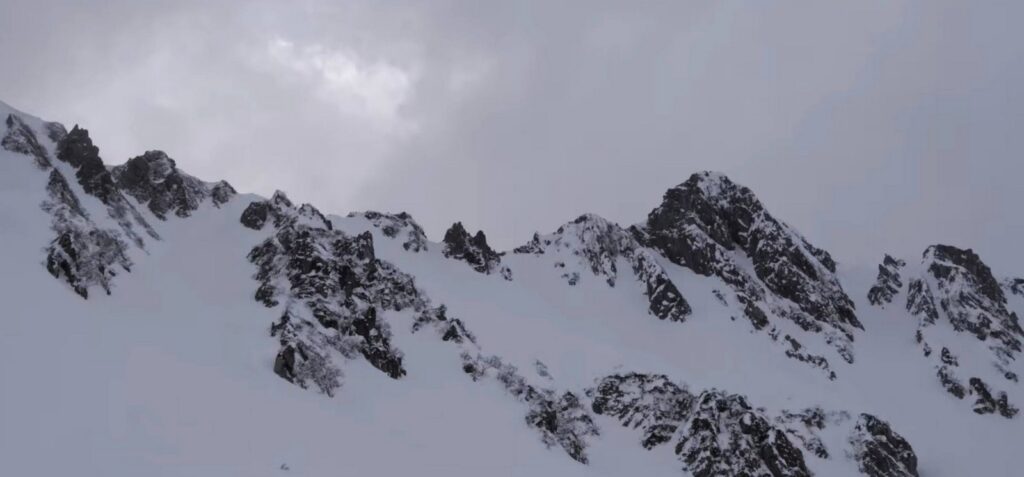
Traveller reviews of Senjojiki Cirque

Daniel Morgan
Visited in October 2025

We arrived just before 8:00 on a weekday, and the autumn colors were honestly unreal — yellow, red, green, under a sharp blue sky over Mount Hokendake. The kids stopped complaining the moment we stepped out of the ropeway station. Kengaike Pond was easily our best photo spot.
Laura Bennett
Visited in September 2023
Beautiful place, but colder than we expected. It was early September and only around 18°C at the top, while down below it still felt like summer. Sneakers were fine for the short walk, but I was very glad we brought windbreakers along.
Michael Adams
Visited in August 2019
The scenery was great, no argument there, but the costs added up fast: parking, bus, ropeway, and snacks for the kids. Also, the trail was rougher than the brochures made it sound. My younger son slipped twice on the loose stones, so we turned back earlier than planned.
Sophie Williams
Visited in February 2024
Winter at Senjojiki Cirque felt like another planet. Snow covered everything, the mountains looked sharp, and the air was very clear. We did not hike far, choosing to stay near the hotel and station area, but honestly, that was enough. Having coffee with that view was one of the quietest, best moments of our trip.
James Carter
Visited in June 2018

We came for a short walk, not a serious hike. The circular trail took us about an hour because we kept stopping for photos. The alpine flowers were tiny but really pretty. My only mistake was wearing city shoes — not a disaster, just annoying on the rocky parts.
Emma Richardson
Visited in October 2022
Honestly, our day was disappointing. Clouds covered almost everything, and at the top, we could barely see more than a few meters for a while. The ropeway ride was still interesting, but for the price, I expected more. It was bad luck with the weather, maybe, but it still hurt.
Oliver Hughes
Visited in July 2017
The ropeway was the absolute highlight for our kids. They loved how quickly we climbed from the thick forest into the high mountains. At the top, we walked only part of the trail, then had food near the station. The hot curry and drinks saved the mood when the wind picked up.
Rachel Miller
Visited in September 2025
We reached the bus stop very early and still found a long line. It wasn’t a disaster, but definitely not a place for a lazy morning during the autumn foliage season. Once we got up, the sea of clouds and the sunrise over the Southern Alps made everyone go quiet for a minute.
Thomas Walker
Visited in November 2021
I liked the landscape more than my wife did. She found the walking path too uneven and spent most of her time watching her steps instead of looking at the view. The café by the station was a lifesaver. It is a great place, but not as easy as the term “short trail” makes it sound.

Tips from the Itinerary Expert

Check the live camera before you commit to the ropeway
If the live camera shows the mountain completely covered in white, I would delay the ascent rather than rush up with children. I have seen the view clear later in the day, and that simple pause can turn an expensive ride into the fog into a real mountain experience.
Go to Kengaike Pond before doing the full loop
If the sky is clear when you arrive, I would head straight toward Kengaike Pond before spending too much time near the station. This is the classic frame: pond, cirque, flowers or autumn colors, and Mount Hokendake — and clouds can take it away very quickly.
Treat the 40–60 minute trail as a mountain walk
The Senjojiki Cirque Hiking Trail sounds short, but I would not describe it to children as an easy stroll. Stones, uneven ground, and small climbs slow everyone down, so I plan it as a real mini-hike and avoid promising a quick loop.
Keep Hotel Senjojiki as the family reset point
When wind, cold, or tired children start changing the mood, I use Hotel Senjojiki as the reset point. A warm drink near the station can save the day, and sometimes the clouds shift while everyone rests.
Do not mix the cirque walk with Mount Kiso Komagatake too casually
I would not casually add Mount Kiso Komagatake after the cirque loop. The summit hike is a completely different plan, around 3.5–5 hours round trip, and it needs proper equipment, good weather judgment, and enough time before the last ropeway.
Eat on the mountain only if it helps the timing
If the children are already hungry at the top, I would stay near 2612 Cafe & Restaurant instead of rushing down. Sauce katsudon, curry, omelet rice, or even coffee and juice can buy you a calmer return window for the ropeway.
Use the Southern Alps side as your backup view
When the cirque side is crowded or partly hidden, I always check the opposite side near Hotel Senjojiki. The Southern Alps view can be quieter, and in clear weather Mount Fuji may appear there — a detail many families miss.
Do not start with a lower-area stop on a clear morning
If the morning weather is good, I would not spend it first at Komagane Plateau or over a long lunch. Go up to Senjojiki Cirque while visibility is working, then use Komagane food or local stops after the descent.
Choose the route by the weakest walker
With mixed ages, I decide the walking plan after the first few minutes outside Senjojiki Station. If someone struggles on the rocky ground, I shorten the route to Kengaike Pond or the station viewpoints instead of forcing the full loop.
Insights from the Itinerary Expert
I visited Senjojiki Cirque in October 2025, and what stayed with me first was not just the mountain panorama, but the entire journey to reach it. We left our car at Suganodai Bus Center, paid for parking, and then caught the local bus up the narrow mountain road to Shirabidaira Station. The children were completely thrilled during the ropeway ride, but the moment we stepped out at Senjojiki Station, the cold hit us long before the view did. While it still felt like mild autumn down in Komagane, at 2,612 meters, it felt like an entirely different season.
For me, walking down to Kengaike Pond was much more rewarding than simply staying at the main viewpoint near the station. The angle from the water is perfect: it brings the pond, the cirque slopes, and Mount Hokendake into a single frame. However, the path is rocky and uneven, so it does not feel as effortless as the phrase “short walk” might suggest. One of the children in our group got tired halfway through, so we skipped the full loop and returned for hot drinks near Hotel Senjojiki. It turned out to be the right decision for the family, not a compromise.
Senjojiki Cirque is an excellent choice for families who want to experience dramatic alpine scenery in Japan without committing to a demanding mountain climb. If you are planning a trip, we can easily build a custom Japan itinerary around Senjojiki Cirque, Komagane, and local food stops, ensuring the route keeps your mountain days beautiful rather than exhausting.
Senjojiki Cirque prices
| Name | Amount | Description |
|---|---|---|
| Budget hotel in the Ina / Komagane / Takato area | from 5,856 JPY | A basic hotel room for one night in the wider area around Senjojiki Cirque. |
| Mid-range hotel in the Ina / Komagane / Takato area | from 13,140 JPY | A 4-star hotel option for one night in the wider Ina / Komagane / Takato area. |
| Komagane Kogen Resort Linx, room for 2 adults | 21,576–27,900 JPY | A comfortable hotel near Komagane Kogen; the nightly rate changes depending on the month. |
| Hotel Senjojiki, room for 2 adults | around 26,900 JPY | A simple plan for 2 adults at the mountain hotel near Senjojiki Station; availability and prices can change a lot during foliage season. |
| Highway bus Shinjuku — Komagane, one way | 4,300–4,600 JPY | A public transport option for traveling from the Tokyo area toward Komagane. |
| Highway bus Shinjuku — Komagane — Shinjuku | 8,600–9,200 JPY | A round-trip public transport option between Shinjuku and Komagane. |
| Local bus Komagane Station — Shirabidaira, round trip | 2,100 adult / 1,060 child JPY | The local access bus to Shirabidaira Station, the lower station for the Komagatake Ropeway. |
| Local bus Suganodai Bus Center — Shirabidaira, round trip | 1,660 adult / 840 child JPY | A practical option if you arrive by car and park at Suganodai Bus Center before going up to the ropeway. |
| Komagatake Ropeway, round trip | 2,290–3,050 adult / 1,130–1,510 child JPY | The seasonal round-trip fare for the ropeway from Shirabidaira Station to Senjojiki Station. |
| Bus + Komagatake Ropeway from Suganodai Bus Center, round trip | 3,950–4,710 JPY | The main mountain access cost for one adult starting from Suganodai Bus Center. |
| Parking at Suganodai Bus Center | 800 JPY | The 24-hour parking fee per car before continuing to the mountains by bus and ropeway. |
| Restaurant meal at 2612 Cafe & Restaurant | 1,500–1,800 JPY | Main dishes near Senjojiki Station, including sauce katsudon, curry, or omelet rice. |
| Coffee or local juice at 2612 Cafe & Restaurant | 500 JPY | A useful small cost for a warm-up, short rest, or weather-waiting break near Senjojiki Station. |
| Sauce katsudon at Meijitei Komagane Main Store | 1,790 JPY | A local Komagane food option that works well after descending from Senjojiki Cirque. |
| Nagano accommodation tax | 300 JPY | Charged per person per night from June 1, 2026, when the accommodation rate is 6,000 yen or more. |
Senjojiki Cirque FAQ
What we propose

Emma Heidi
Customer Experience Manager
Take all the stress out of planning your trip!
With our experts, you can create the perfect itinerary for you – complete, comfortable, and tailored to all your dreams, wishes, and needs.
We take care of every little detail, so you can simply focus on enjoying your journey.
We’ve been designing personalized itineraries since 2015, and over the years we’ve created thousands of custom itineraries for happy clients.

Save time, avoid confusion – we do the work for you. Our service saves you weeks of searching, reading, comparing, and complicated planning. Instead of wasting endless hours – you receive a ready-to-use, accurate and clear itinerary.

A tailor-made itinerary – built just for you. Your itinerary is personally designed based on our experts’ real field experience and genuine feedback from hundreds of travelers – including hidden discoveries and insider tips that don’t appear in any travel guide.

Smart accommodation selection – often saves you hundreds or even thousands of dollars. We help you choose verified and recommended places to stay, checking availability for your exact travel dates. Sometimes we suggest hotels not “in the center,” but in safe, convenient, and highly strategic locations – which can significantly reduce travel costs and save you even thousands of dollars.

We’re by your side even during the trip. We stay with you throughout your vacation – providing professional help whenever needed. If the weather changes, there’s a strike, a local event, heavy crowds, or any unexpected situation – we are here to update, guide, and adjust your itinerary in real time.

Easy-to-use itinerary – with direct navigation links. Your itinerary includes direct Waze / Google Maps links – no need to search for parking addresses, no stress, no mistakes. Just tap – and go.

Service cost: from only $420. (Special price for short itineraries up to 5 days). Clients tell us the itinerary saves them costly mistakes, fines, wrong choices – plus exclusive discounts on car rentals, better-priced accommodations, and money-saving local tips.
Want to know if it’s really worth it?
Take a look at the experiences of travelers who built their personal itinerary with us.
Click here and let’s start building the itinerary that will save you time, money, and stress – and turn your vacation into perfection.
Of course, your first inquiry is completely free – with no commitment whatsoever.
How it works


- You are welcome to contact us
- We discuss your trip
- You fill out a special form
- We create your itinerary
- You get it with all useful tips
- We are in touch with you all the time