My love for Japan began the moment I arrived in Tokyo. The country amazed me with its harmony of ancient traditions, cutting-edge technology, breathtaking nature, and a culture unlike any other. Since then, Japan has become a part of my life, and I return there again and again. Today I help travelers discover the real Japan: I create personalized itineraries, give lectures, and prepare guests for their unforgettable journey. I would be delighted to open Japan for you too!

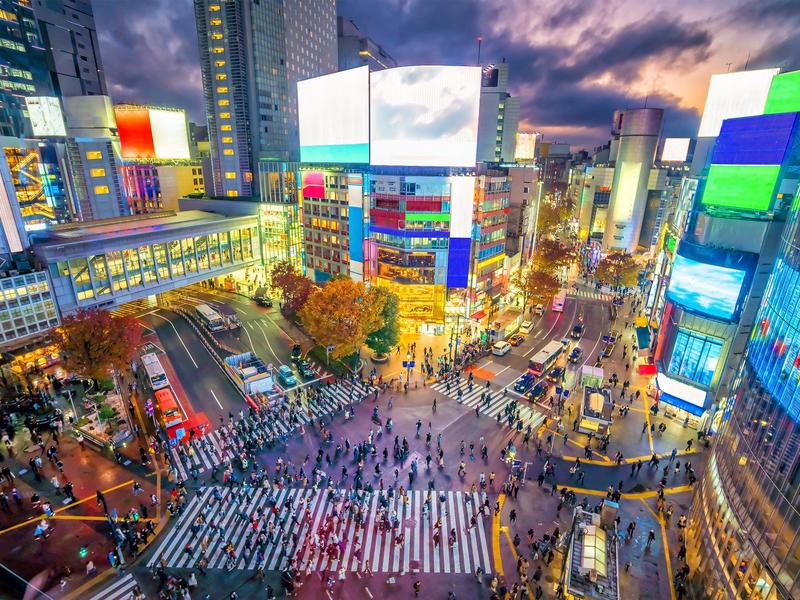


Tokyo Imperial Palace
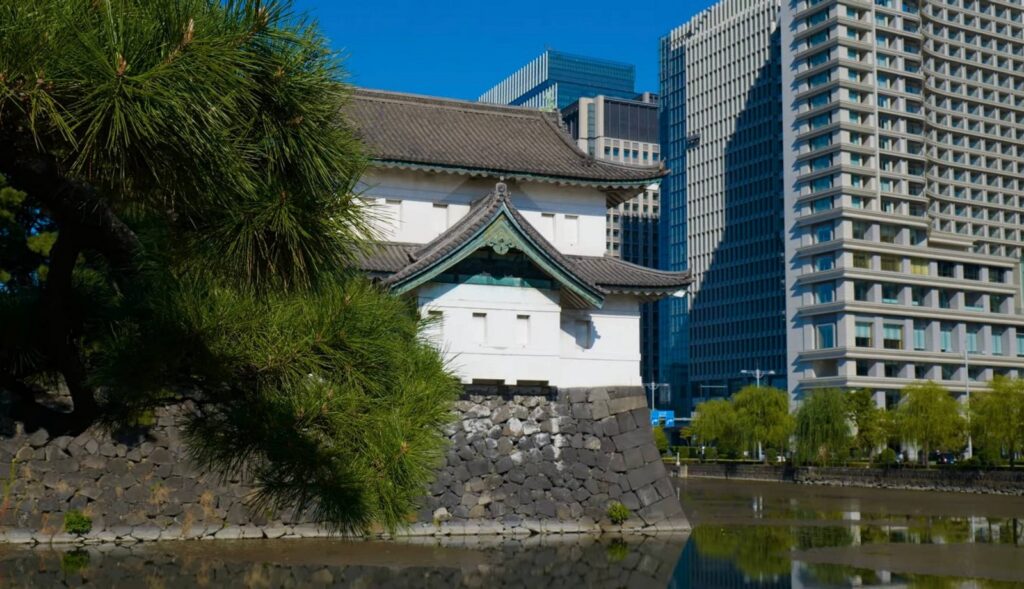
Tokyo Imperial Palace (Imperial Palace) is the official residence of Japan’s emperor and one of the most atmospheric green spaces in central Tokyo. Occupying the former grounds of Edo Castle, the site retains a sense of grand history. You can feel the ancient scale here through the wide moats, massive stone walls, and historic gates set against the striking backdrop of the city’s modern skyline.
A visit here is less about exploring ornate interiors and more about the experience of the grounds themselves. Since the inner palace is usually closed to independent visitors, the real pleasure lies in the walk. Take in the iconic view of Nijubashi Bridge, explore the remains of Edo Castle in the East Gardens, and enjoy the contrast between weathered stonework and the glass towers of Marunouchi.
Key Information for Your Visit
Address:
Chiyoda / Marunouchi area, central Tokyo, near Tokyo Station
How to Get There
The most straightforward way to reach the palace is via Tokyo Station, followed by a short walk through the Marunouchi district. Nijubashimae Station is also highly convenient, especially if your primary goal is to see the Main Gate and the famous Nijubashi Bridge. Depending on your starting point, several subway lines serve the area, including the Hanzomon, Tozai, Marunouchi, Chiyoda, and Mita lines.
Because the grounds are quite extensive, it is best to choose your station based on your intended walking route. Tokyo Station is ideal for a classic approach from the Marunouchi side, while Hanzomon or Kudanshita stations are more practical if you plan to visit Chidorigafuchi or the northern sections of the park.
Click here to learn more about creating a personal itinerary
Parking
Dedicated parking is limited in this area. For most visitors, public transport is the most practical choice, as the palace is located in a major business district surrounded by several train and subway hubs.
Opening Hours
The inner palace grounds are generally closed to independent visitors except for organized tours or special public appearance days. The East Gardens are open to the public but remain closed on Mondays, Fridays, and from December 28 to January 3. Seasonal hours may apply.
Tickets
Entry to the East Gardens is free. Guided tours of the palace grounds are also free, though spaces are limited and often require advance booking or same-day numbered tickets.
Duration
Allow about 1 to 2 hours to explore the East Gardens and main viewpoints. Official guided tours typically last around an hour, though your total walking time may be longer. Budget extra time if you wish to include Kitanomaru Park or the Chidorigafuchi moat in your itinerary.
Best Time to Visit
Spring and autumn are the most beautiful times to visit. In spring, cherry blossoms line the moats of Chidorigafuchi, while autumn brings vibrant red and gold foliage that complements the old stone walls and open lawns.
The inner grounds only open to the general public on January 2 and for the Emperor’s Birthday, when the Imperial Family makes public appearances. These dates involve significant crowds, security checks, and controlled movement, so plan for a much longer visit if attending these events.

Since 2015, our website has specialized in individual planning of unique routes, taking into account personal preferences and desires.
Each of you will receive a unique PDF file from us, which contains everything you need: travel routes, car rentals, hotels, the best tourist attractions, attractions for kids and everything you need for a perfect vacation.
During the trip, we are available for you by phone via WhatsApp.
Our personal service provides information from A to Z, taking into account many small details that can become a decisive factor on the way from a wasted trip to an unforgettable vacation.
Our service will make your trip comfortable, save a lot of time on planning and preparation, and most importantly – will allow you to become freer and fully enjoy the pleasure of the trip.
What to see at Tokyo Imperial Palace
The best way to experience Tokyo Imperial Palace is to view it as a sequence of open-air landmarks: iconic bridges, deep moats, massive stone walls, and tranquil gardens. Since the palace buildings themselves are not open for casual visits, the most lasting impressions come from the historic landscape and the grand scale of the former Edo Castle grounds.
Nijubashi Bridge
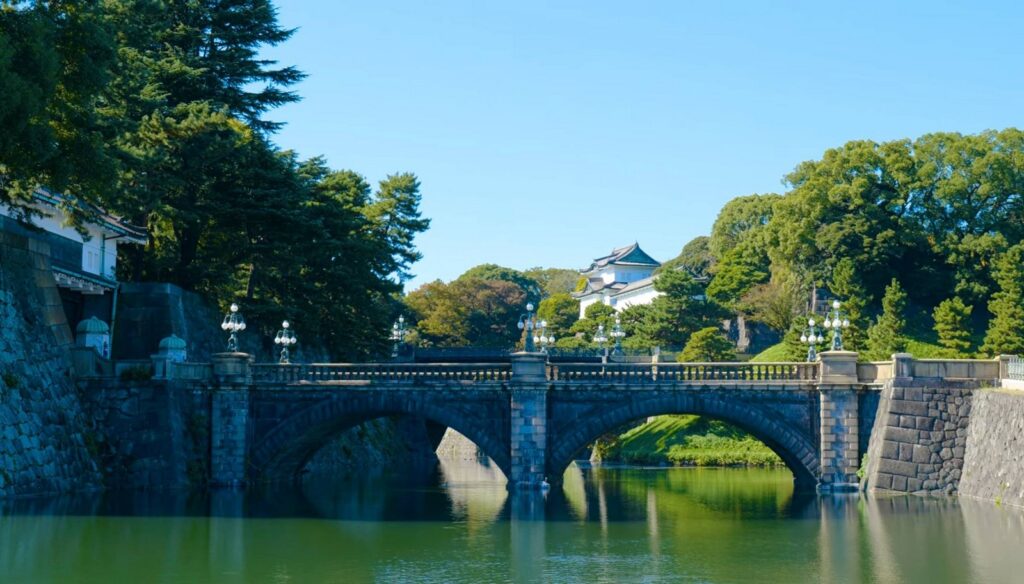
Nijubashi Bridge offers the quintessential view of the Imperial Palace and is one of Tokyo’s most recognizable photo spots. The combination of the elegant bridge, the reflective moat, and the Fushimi-yagura watchtower creates a timeless scene, even as the modern Marunouchi skyline rises just beyond the historic walls.
This is an ideal starting point for your visit. It provides an immediate sense of the palace’s scale and helps clarify a common point of confusion: while the outer viewing areas are open and easy to access, the inner palace grounds remain restricted.
Free to view from the outer palace area.
Tip from the itinerary expert: Visit the bridge before heading to the East Gardens. This iconic view serves as the perfect introduction to the route, helping travelers—especially families with children—understand that the experience is about history, architecture, and wide-open spaces rather than touring indoor rooms.

Distance/Time: Convenient from Tokyo Station or Nijubashimae Station
Kokyo Gaien National Garden
Kokyo Gaien National Garden is the vast, open plaza in front of the palace, characterized by manicured lawns, hundreds of black pine trees, and sweeping views of the fortification walls. After navigating the dense, bustling streets of Marunouchi, this area feels like a remarkably calm gateway into the imperial district.
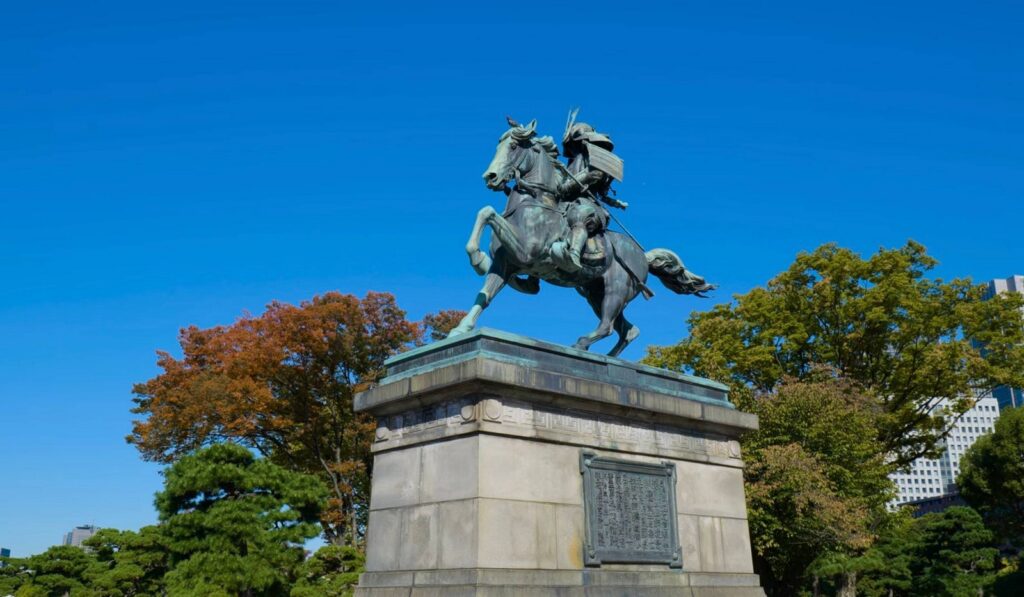
Keep an eye out for the famous bronze statue of the samurai Kusunoki Masashige. For those on a family-friendly route, these gardens offer a gentle transition before you move into the more structured historical sections of the palace grounds.
Free public area.
Tip from the itinerary expert: Use Kokyo Gaien as a natural spot for a short break. The broad paths and open lawns are far more comfortable for a rest than the often-crowded photo points near the bridges.
Distance/Time: Short walk from Tokyo Station
Tokyo Imperial Palace East Gardens
The East Gardens are the most significant accessible part of the palace grounds for those looking to dive deeper into Japan’s history. They occupy the former Honmaru and Ninomaru divisions of Edo Castle, blending serene garden scenery with the impressive ruins of what was once the center of the Shogunate’s power.
The atmosphere here is noticeably quieter than at many of Tokyo’s other major landmarks. You can expect to find massive stone gates, original guardhouses, and seasonal flora rather than palace interiors. Comfortable shoes are essential, as the grounds are quite large and the paths require a fair amount of walking.
Opening Hours: Closed on Mondays, Fridays, and from December 28 to January 3; seasonal hours may vary.
Free admission.
Tip from the itinerary expert: Always check the calendar before you set out. If the East Gardens are closed, you can still enjoy the walk around Nijubashi Bridge and the moats, but you will miss out on the most immersive historical part of the complex.
Distance/Time: Allow about 1–2 hours for a relaxed visit
Tenshudai: Edo Castle Tower Base
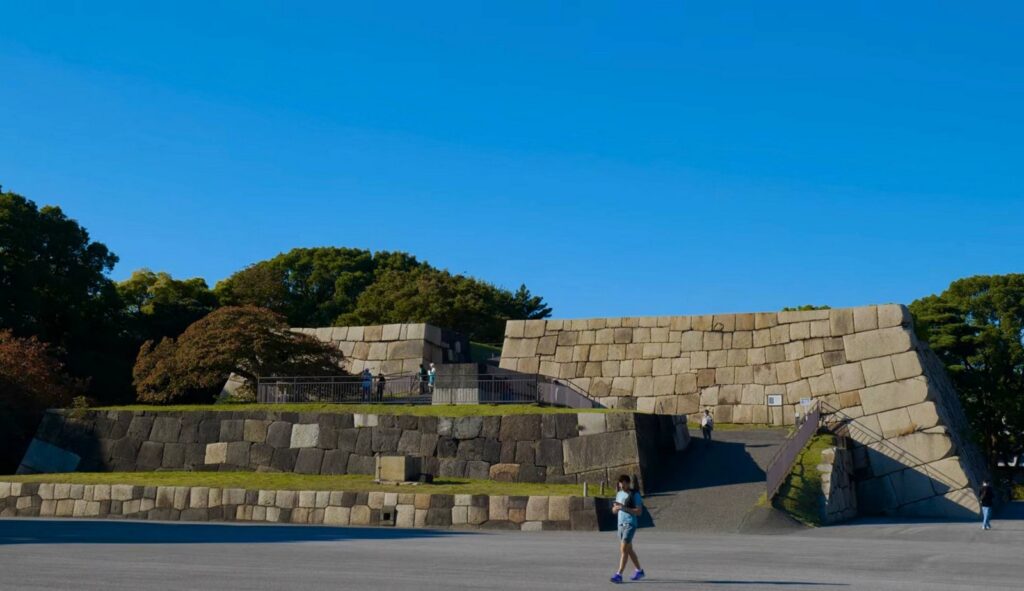
Tenshudai is the massive stone foundation of the former main keep of Edo Castle. Although the tower itself no longer stands, the remaining platform offers a clear perspective on the sheer size and defensive power of the original fortress.
This stop provides a visual anchor for the entire historical route. Even if you aren’t a history buff, the enormous scale of the stones and the elevated vantage point make the importance of the site easy to grasp at a glance.
Opening Hours: Accessible during East Gardens opening hours.
Included in free East Gardens admission.
Tip from the itinerary expert: Don’t just view Tenshudai as a pile of rocks. Take a moment to stand back and look at the height of the base before climbing up; it makes it much easier to imagine how Edo Castle once dominated the city skyline.
Distance/Time: Inside Tokyo Imperial Palace East Gardens
Ote-mon Gate
Ote-mon Gate served as the main entrance to Edo Castle and remains a striking gateway to the East Gardens. Its clever defensive layout was designed to slow down intruders, showcasing how the castle functioned as a high-security fortress as much as a royal residence.
As you walk through, take note of how the walls, sharp turns, and open squares were engineered for defense. Viewing the gate as part of a military structure—rather than just a park entrance—makes the walk through the gardens far more engaging.
Opening Hours: Accessible during East Gardens opening hours.
Included in free East Gardens admission.
Tip from the itinerary expert: Entering through Ote-mon Gate sets the tone for the entire visit. Frame it to your group as the official entrance to a samurai stronghold to make the walk feel like a true historical exploration.
Distance/Time: One of the main access points to the East Gardens
Ninomaru Garden
Ninomaru Garden offers a softer, more reflective experience compared to the rugged stone fortifications of the castle. This is a place for slowing down among traditional Japanese landscaping, seasonal blossoms, and shaded paths.
This stop provides a pleasant change of pace after exploring the gates and ruins. In spring, the garden is vibrant with fresh greenery and flowers, while autumn brings warm, rich colors to the landscape. It is one of the best spots within the palace grounds to pause and enjoy the scenery without breaking the flow of your journey.
Opening Hours: Accessible during East Gardens opening hours.
Included in free East Gardens admission.
Tip from the itinerary expert: Visit Ninomaru Garden toward the end of your East Gardens tour. The route feels much better balanced when the heavy stone architecture of the castle remains is followed by the tranquility of the garden.
Distance/Time: Inside Tokyo Imperial Palace East Gardens
Kitanomaru Park
Located just north of the main palace grounds, Kitanomaru Park offers a more wooded and informal atmosphere. It is home to wide walking paths and several major cultural institutions, including the Nippon Budokan, the National Museum of Modern Art, and the Science Museum.
For those traveling with family, this area provides a great opportunity for a relaxed break in a less formal green space. The proximity of the Science Museum also makes the northern side of the complex a great backup plan if you need an indoor activity on a rainy day.
The park itself is free; museums or nearby venues may have separate admission.
Tip from the itinerary expert: Only add Kitanomaru Park to your day if you still have plenty of energy. The Imperial Palace grounds are vast, and extending your walk to the northern park will add a significant distance to your route.
Distance/Time: North of the Imperial Palace grounds
Chidorigafuchi
Chidorigafuchi is widely considered one of the most beautiful moat sections of the palace, particularly during cherry blossom season. The sight of ancient walls draped in sakura blossoms reflecting in the water creates one of Tokyo’s most iconic visual experiences.
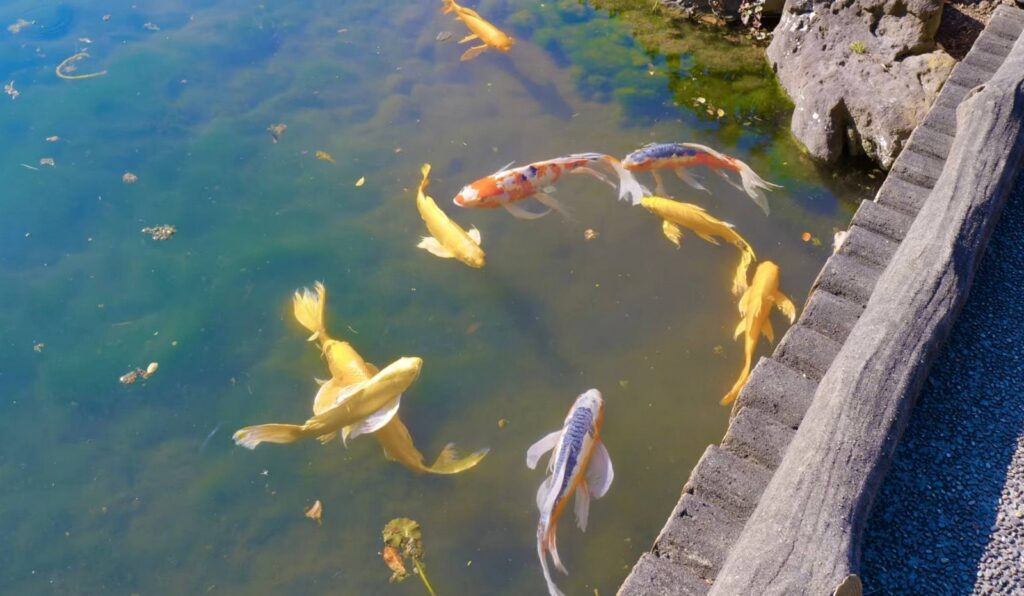
Be aware that it can become exceptionally crowded during peak bloom, and foot traffic is often strictly managed. If you can secure a spot, renting a boat to row along the moat offers a unique perspective, allowing you to see the blossoms from the water level rather than just the walking path.
Opening Hours: During the 2026 cherry blossom illumination period, the lights are scheduled from sunset (around 18:00) to 21:00.
The Chidorigafuchi Midori-do cherry blossom illumination is free. Boat rides require a separate ticket.
Tip from the itinerary expert: During cherry blossom season, try to arrive just before sunset to enjoy both the natural daylight and the dramatic evening illumination. On weekends, check the local signage for one-way walking routes to avoid getting caught in the crowds.
Distance/Time: About 5 minutes on foot from Hanzomon Station or Kudanshita Station
What is Near Tokyo Imperial Palace and Worth Visiting?
- Kitanomaru Park — This is the most natural extension of your walk after leaving the palace grounds, especially if you are looking for a quieter atmosphere with lush trees and water views. The park feels less formal than the East Gardens, serving as a peaceful retreat after exploring the stone walls and classic viewpoints.
- Chidorigafuchi — One of the most scenic spots in central Tokyo, Chidorigafuchi is particularly breathtaking during cherry blossom season. The combination of the deep moat, overhanging sakura trees, and the option for a boat ride makes a simple walk feel like a special event.
- Nippon Budokan — Located within Kitanomaru Park, this legendary venue is worth a look even if you aren’t attending an event. It is deeply connected to martial arts and major concerts, representing a unique bridge between Tokyo’s history and its modern cultural life.
- The National Museum of Modern Art, Tokyo (MOMAT) — A fantastic indoor option if the weather turns or you want to add a cultural layer to your trip. It is best suited for families who genuinely enjoy art, as the palace area already requires a significant amount of walking.
- Science Museum — This is a practical and engaging choice for families looking to balance historical sightseeing with interactive fun. It offers a great change of pace for children after the long, open-air walks around the palace.
- Marunouchi and Tokyo Station — This area is perfect for high-quality dining, shopping, and a well-deserved break. Its proximity to the city’s main transport hub makes it a convenient place to end your route comfortably.
The area around Tokyo Imperial Palace is best experienced as a single walking cluster rather than a series of scattered stops. A well-balanced route might start at Tokyo Station, head to Kokyo Gaien and Nijubashi Bridge, explore the East Gardens, and finally extend toward Kitanomaru Park or Chidorigafuchi depending on the season and your energy level.
Tip from the itinerary expert: Avoid trying to pack every museum and park into a single afternoon. For a more relaxed experience, choose either the historical path through the East Gardens or the northern route toward Kitanomaru Park. Combining both is possible but results in a noticeably long walking day.
Who is Tokyo Imperial Palace Best Suited For?
- Travelers who enjoy calm city walks — The palace is an ideal refuge when you need a break from the high-energy crowds of Shibuya or Shinjuku. The wide paths and quiet gardens allow you to slow down without leaving the heart of the city.
- Families who prefer outdoor sightseeing — This area is perfect for children who need space to move freely. The visit feels more like an adventure when framed as a mix of castle ruins, massive bridges, and moats rather than a formal palace tour.
- First-time visitors to Tokyo — The palace provides an essential first glimpse into the city’s past, illustrating how the old Edo Castle and the modern Imperial residence coexist with the surrounding skyscrapers.
- Photography enthusiasts — From the iconic Nijubashi Bridge to the reflection of the Fushimi-yagura watchtower in the moat, the area is full of classic Tokyo views. Spring and autumn offer the most vibrant colors for your photos.
- History buffs — The East Gardens are a must-visit for their preserved structures. Sites like the Tenshudai (castle tower base) and Ote-mon Gate help make Japan’s feudal history more tangible and easier to visualize.
- Active travelers and joggers — The perimeter of the palace is one of Tokyo’s most famous running routes, making it a great spot for those who like to stay active while they sightsee.
- Travelers with a tight schedule — Even a 30-minute visit to Kokyo Gaien and Nijubashi Bridge provides a sense of the palace’s grandeur, and its location near Tokyo Station makes it easy to fit between other appointments.
- What to keep in mind — Travelers expecting to tour ornate palace interiors may be disappointed, as the inner buildings are not open for casual visits. Additionally, the grounds are vast; those who dislike long walks should stick to the main viewpoints and wear very comfortable shoes.
Tokyo Imperial Palace is best for those who value atmosphere and history over high-speed entertainment. While it may not be Tokyo’s loudest attraction, it provides a rare sense of calm and a deep layer of cultural context to the city center.
Click here to learn more about creating a personal itinerary
Tip from the itinerary expert: If traveling with children or tired companions, keep it simple: see the bridge, take a short stroll through the garden, and then head to Marunouchi for a break. The experience is much better when it doesn’t feel like a mandatory checklist of every gate and wall.
Tokyo Imperial Palace: A Comprehensive 2-Day Itinerary
Trip Duration: 2 days
Day 1: Classic Views, East Gardens, and Marunouchi
Morning, 10:00–12:30. Begin your journey at Tokyo Station and take a leisurely 10-minute stroll toward the Kokyo Gaien National Garden. This expansive green space is the most pleasant way to start your route, offering ample room to walk, take photos, and adjust to the city’s pace. Continue toward the iconic Nijubashi Bridge, where the moat, historic stone walls, and the Fushimi-yagura tower create a quintessential Imperial Palace scene. Allocate about 45–60 minutes for Kokyo Gaien and another 30–40 minutes for the bridge viewpoint.
Lunch, 12:30–13:45. Head back toward Tokyo Station / Marunouchi (a 10–15 minute walk). For a convenient meal, try T’s TanTan inside the station for delicious vegan ramen, or Nemuro Hanamaru in KITTE Marunouchi for high-quality sushi. The area is packed with cafés and casual eateries, so there’s no need to travel far for a great lunch.
Afternoon, 14:00–16:30. Enter the Tokyo Imperial Palace East Gardens. Admission is free, but remember they are typically closed on Mondays and Fridays. Inside, focus on the Ote-mon Gate, the historic guardhouses, Tenshudai (the former Edo Castle tower base), and the serene Ninomaru Garden. Allow 1.5–2 hours for a steady, comfortable exploration.
Evening, 16:30–18:00. Conclude your day in Marunouchi. It’s the perfect spot for a coffee, some light shopping, or an early dinner. The KITTE Marunouchi building is especially recommended for its rooftop view of Tokyo Station and diverse dining options, providing a comfortable indoor retreat regardless of the weather.
Tip from the Itinerary Expert: I recommend starting your day at Kokyo Gaien and Nijubashi Bridge rather than the East Gardens. These spots provide the strongest visual introduction to the palace. Once you’ve taken in the classic views, the historical context of the East Gardens will feel much more meaningful.
Overnight Location: Tokyo Station / Marunouchi / Ginza area
Day 2: Guided Tours, Kitanomaru Park, and Chidorigafuchi
Morning, 10:00–12:00. Center your second day around the official guided tour. While the tour is free, it requires advance booking or securing limited same-day tickets (ID/passport required). The tour provides access to inner areas not reachable on your own, helping you connect the history of the gates and ceremonial spaces. Allow 75–90 minutes for the tour itself.
Lunch, 12:15–13:30. Post-tour, return to Marunouchi to refuel. Sarabeth’s near Tokyo Station is a fantastic family-friendly choice, or you can revisit KITTE for a wider selection of Japanese cuisine.
Afternoon, 13:45–16:30. Venture north to Kitanomaru Park. This wooded area offers a refreshing change of pace. Spend an hour wandering the paths, then choose an indoor activity: the Science Museum is perfect for families, while the National Museum of Modern Art (MOMAT) is a must-visit for art enthusiasts.
Evening, 16:30–18:00. End your journey at Chidorigafuchi. If you are visiting in Spring 2026, the cherry blossom illumination is scheduled from March 26 to April 6. The sight of the lit trees reflecting in the moat is unforgettable. If you plan to rent a boat, booking a ‘Smart Ticket’ in advance is essential to avoid long queues.
Tip from the Itinerary Expert: Book your guided tour as early as possible. If it’s fully booked, don’t worry—simply head straight to Kitanomaru Park and Chidorigafuchi to make the most of your morning without waiting around.
Overnight Location: Tokyo Station / Marunouchi / Ginza area
Traveller reviews of Tokyo Imperial Palace

Daniel Morgan
April 2018

We visited during cherry blossom season, and honestly, Chidorigafuchi is the part I remember most. The trees were leaning over the water, boats were drifting slowly under the blossoms, and everyone was busy taking photos. It was crowded, but not overwhelming. Our kids got tired toward the end, so a quick stop at a nearby 7-Eleven saved the day.
Rachel Stein
November 2023
The East Gardens were much more interesting than I expected. There are no palace rooms or fancy interiors — just massive walls, gates, historic stones, and a very peaceful garden. We spent about two hours there, and my son was fascinated by how they moved those huge stones. Definitely wear good shoes; it looks small on the map, but you end up walking a lot.
Omar Khalid
February 2025
I was a little disappointed. I expected to see the actual palace, but since most of it is closed to the public, you mainly see gardens, moats, and walls. The area is clean and peaceful, but in February, it felt a bit plain. Maybe spring or autumn would be better. For us, one short stop was enough.
Emily Carter
June 2019

We took the free guided tour, and it was very organized — perhaps a bit too much. You have to stay with the group and can’t wander off, but the guide made the history much easier to follow. There were gentle slopes and no steep stairs, but it was hot and shade was limited. Make sure to bring water with you before you enter.
Michael Harris
January 2024
We went on January 2 for the public appearance, and it felt very different from normal sightseeing. There was security and the crowds were large, but the line moved better than I expected. You don’t see much of the palace itself, but the atmosphere was special. The kids especially enjoyed the flags and the ceremony.
Sofia Bennett
March 2017
Kitanomaru Park was a pleasant surprise. We headed there after the Imperial Palace area and found it much more relaxed, with winding paths, water, and plenty of trees. The sakura had just started to bloom, so it wasn’t as dramatic as I’d hoped, but the children loved the open space much more than the formal palace grounds.
Adam Wilson
December 2022
It was okay, but I wouldn’t rearrange a whole day for it. We arrived on a cold, grey afternoon, the gardens were partly closed, and we were already tired from walking around Tokyo Station. The bridges looked nice from the outside, but after 25 minutes, we were ready to move on. I’d only recommend it if it fits naturally into your route.
Laura Miller
October 2021
The area around the palace was perfect for a slow stroll after lunch in Marunouchi. We didn’t book a tour; we just walked through the open parts and took photos near the moat. My daughter liked spotting birds by the water more than the history. The only tricky part was figuring out which entrance was actually open that day.
Nadia Rahman
April 2025
Chidorigafuchi at night was beautiful, but the crowd control was a surprise. On the weekend, we had to follow a specific walking direction and couldn’t just turn back for another photo. The lights on the cherry blossoms were worth it, though. If you want to rent a boat, definitely book ahead — the line looked painful.
Tips from the Itinerary Expert

Do not aim for the palace building first
If I come to the Tokyo Imperial Palace expecting to see the interiors, the experience can feel underwhelming. Instead, I start with Kokyo Gaien and Nijubashi Bridge — this way I get the most visually rewarding views right away and avoid the confusion of wondering where the palace actually is.
Use Tokyo Station for the classic route, not for Chidorigafuchi
When I’m after the classic palace view, I approach from Tokyo Station. But for Chidorigafuchi, I head to Hanzomon Station or Kudanshita Station — both are about a five-minute walk and help avoid an unnecessarily long trek, especially with tired kids.
Check the East Gardens before building the day around them
The East Gardens are the most accessible historical part, but they are closed on Mondays, Fridays, and from December 28 to January 3. I always plan them for the middle of the day only after checking the opening schedule; otherwise, the route can feel too sparse.
Treat the guided palace tour as a bonus, not the whole plan
For the guided tour, I never leave the whole morning empty without a backup. Same-day spots can run out, so if the tour is full, I switch straight to East Gardens, Kitanomaru Park or Chidorigafuchi instead of waiting around the gate.
With children, do the stones before the garden
Inside the East Gardens, I go first to Ote-mon Gate, the guardhouse areas, and Tenshudai. After the massive walls and the castle base, Ninomaru Garden works as a calmer finish, and children usually handle the walk better that way.
Do not add Kitanomaru Park automatically
Kitanomaru Park looks close, but after the palace grounds it adds a real walking stretch. I include it only if the family still has energy or if I want to use the Science Museum as an indoor reset for children.
Use Marunouchi as the practical food break
I do not count on finding a proper meal inside the palace gardens. After the bridge view or East Gardens, I return toward Tokyo Station, Marunouchi or KITTE Marunouchi; this keeps lunch easy and avoids a hungry walk through a large green area.
For sakura illumination, plan the walking direction
At Chidorigafuchi during cherry blossom illumination, weekend pedestrian flow can become one-way. I arrive around sunset and follow the route from the correct side, because turning back for “one more photo” may not be possible once the crowd system starts.
Book the Chidorigafuchi boat only if it is the main moment
The moat boat is beautiful during sakura, but it can dominate the schedule. I only book it when the family really wants that view from the water; otherwise, the free illuminated walk gives strong photos without locking the evening around a boat slot.
Insights from the Itinerary Expert
I visited the Tokyo Imperial Palace in November 2023. I remember it not as a conventional “palace tour,” but rather as a long, serene walk amidst historic stone walls, wide moats, and meticulously kept gardens. Starting from Tokyo Station, I reached Kokyo Gaien first before continuing toward the iconic Nijubashi Bridge. The scenery was stunning; however, if you arrive expecting to tour royal chambers or grand interiors, you may be disappointed. The essence of the visit lies entirely outdoors.
For me, the East Gardens were the true highlight. Standing at Tenshudai—the massive stone foundation of the former Edo Castle—provided much more historical context than the bridge photos alone. Be mindful that the walking distance accumulates quickly. By the time we reached the Ninomaru Garden, the children in our group were already asking about lunch. I was relieved we had planned to dine in Marunouchi rather than pushing the route further north.
The Tokyo Imperial Palace is a rewarding stop when approached with realistic expectations: it is about gardens, history, and tranquil open spaces. If you want to explore this area, and Japan in general, at a pace that perfectly suits your family, we can help design a personalized itinerary that connects historical landmarks with the best local food stops and essential rest breaks across the country.
Tokyo Imperial Palace prices: realistic travel costs for 2026
| Name | Amount | Description |
|---|---|---|
| Budget hotel in Tokyo | ¥7,000–15,000 per night JPY | For a budget-friendly stay, consider reliable business hotels like APA, Toyoko Inn, or Dormy Inn. You don't necessarily need to stay right next to the Imperial Palace; Marunouchi and the Tokyo Station area are typically much more expensive than surrounding districts. |
| Mid-range hotel in Tokyo | ¥20,000–35,000 per night JPY | For a comfortable stay in central Tokyo, it's wise to budget from approximately ¥25,000 per night. Prices around Tokyo Station and Marunouchi often sit well above the city average due to their premium location. |
| Luxury hotel near Tokyo Station | ¥63,000–90,000+ per night JPY | Premium accommodation near Tokyo Station can be one of your largest expenses. The Tokyo Station Hotel serves as a perfect reference point for a high-end experience located steps away from the palace route. |
| Apartment for a family of 5 | ¥35,000–70,000+ per night JPY | For larger groups, booking an apartment outside the pricey Marunouchi blocks usually makes more sense. Rates for spacious units near Tokyo Station climb quickly, especially on weekends and during the peak cherry blossom season. |
| Car rental (daily rate) | ¥7,000–14,000 per day JPY | Renting a car isn't very practical for visiting the Imperial Palace. The area is exceptionally well-connected by subway, while finding parking in the city center often makes the trip more stressful rather than easier. |
| Public transport | ¥1,000 adult / ¥500 child for a 24-hour Tokyo Subway Ticket; single JR or train rides from ¥160 JPY | Trains and subways are the most efficient way to reach the palace. Depending on your planned route, Tokyo Station, Nijubashimae, Hanzomon, or Kudanshita are all excellent starting points. |
| Restaurant meal in Marunouchi | ¥1,200–2,500 for lunch; ¥2,500–5,000 for dinner per person JPY | While a casual lunch near Tokyo Station remains manageable, dining at upscale venues in KITTE or the Marunouchi Building tends to push costs toward the higher end of the scale. |
| Parking in central Tokyo | ¥1,500–5,500 per day/night JPY | Hotel and public parking around Marunouchi can be very costly. For a smooth visit to the palace grounds, we recommend arriving by train or subway instead of driving. |
| Convenience store (konbini) essentials | ¥1,500–3,000 for two JPY | A quick stop at a konbini for drinks, snacks, or bento boxes is a great idea before exploring the East Gardens. Keep in mind that full-service dining options are not available inside the palace garden area itself. |
| East Gardens of the Imperial Palace | Free JPY | The most accessible and popular part of the palace grounds is free to the public. Note that the gardens are closed on Mondays and Fridays, as well as during the New Year period (Dec 28 – Jan 3). |
| Official Imperial Palace grounds tour | Free JPY | These guided tours offer access to inner areas of the grounds, though not the buildings themselves. Places are limited and highly sought after, so advance booking or arriving early for same-day tickets is essential. |
| Chidorigafuchi boat ride (Sakura Season 2026) | ¥12,000 per boat (1 hour) JPY | This is a quintessential seasonal experience near the palace. As the price is per boat, it becomes quite reasonable when split between 2 or 3 people for an unforgettable view of the cherry blossoms. |
FAQ: Visiting the Tokyo Imperial Palace
What we propose

Emma Heidi
Customer Experience Manager
Take all the stress out of planning your trip!
With our experts, you can create the perfect itinerary for you – complete, comfortable, and tailored to all your dreams, wishes, and needs.
We take care of every little detail, so you can simply focus on enjoying your journey.
We’ve been designing personalized itineraries since 2015, and over the years we’ve created thousands of custom itineraries for happy clients.

Save time, avoid confusion – we do the work for you. Our service saves you weeks of searching, reading, comparing, and complicated planning. Instead of wasting endless hours – you receive a ready-to-use, accurate and clear itinerary.

A tailor-made itinerary – built just for you. Your itinerary is personally designed based on our experts’ real field experience and genuine feedback from hundreds of travelers – including hidden discoveries and insider tips that don’t appear in any travel guide.

Smart accommodation selection – often saves you hundreds or even thousands of dollars. We help you choose verified and recommended places to stay, checking availability for your exact travel dates. Sometimes we suggest hotels not “in the center,” but in safe, convenient, and highly strategic locations – which can significantly reduce travel costs and save you even thousands of dollars.

We’re by your side even during the trip. We stay with you throughout your vacation – providing professional help whenever needed. If the weather changes, there’s a strike, a local event, heavy crowds, or any unexpected situation – we are here to update, guide, and adjust your itinerary in real time.

Easy-to-use itinerary – with direct navigation links. Your itinerary includes direct Waze / Google Maps links – no need to search for parking addresses, no stress, no mistakes. Just tap – and go.

Service cost: from only $420. (Special price for short itineraries up to 5 days). Clients tell us the itinerary saves them costly mistakes, fines, wrong choices – plus exclusive discounts on car rentals, better-priced accommodations, and money-saving local tips.
Want to know if it’s really worth it?
Take a look at the experiences of travelers who built their personal itinerary with us.
Click here and let’s start building the itinerary that will save you time, money, and stress – and turn your vacation into perfection.
Of course, your first inquiry is completely free – with no commitment whatsoever.
How it works


- You are welcome to contact us
- We discuss your trip
- You fill out a special form
- We create your itinerary
- You get it with all useful tips
- We are in touch with you all the time