My love for Japan began the moment I arrived in Tokyo. The country amazed me with its harmony of ancient traditions, cutting-edge technology, breathtaking nature, and a culture unlike any other. Since then, Japan has become a part of my life, and I return there again and again. Today I help travelers discover the real Japan: I create personalized itineraries, give lectures, and prepare guests for their unforgettable journey. I would be delighted to open Japan for you too!


Shibuya Crossing
Shibuya Crossing is not the place for a quiet pause; it is Tokyo in constant motion. Here, crowds spill across the road from every direction under the glow of massive screens and vibrant neon lights. With Shibuya Station and the Hachiko Statue at its heart, this intersection captures that unmistakable energy of a modern metropolis. It is the perfect stop if you are looking for atmosphere, photography, and shopping, rather than serene gardens or ancient temples. Beyond the crossing, Shibuya opens into a compact maze of trendy shops, pop-culture hubs, and late-night bars, so treat this famous scramble as the gateway to your exploration, not the final destination.
Practical details for visiting Shibuya Crossing
Address:
Shibuya Station, Hachiko Exit area, Shibuya, Tokyo
How to Get There
The simplest way to reach Shibuya Crossing is by taking the train to Shibuya Station. For your first visit, follow the signs for the Hachiko Exit: it leads you directly to the Hachiko Statue and the crossing, making it the most convenient starting point.
Shibuya pairs perfectly with Harajuku, located just one train stop away. Alternatively, you can walk between the two areas in about 15 minutes, which is a great way to experience the city’s transition. Once you arrive, stay on foot; the crossing, Hachiko, major shopping complexes, Center Gai, and various viewpoints are all tightly clustered around the station area.
Tip from the itinerary expert: Before stepping into the crowd, choose a specific meeting point, especially if traveling with children. While Hachiko is a classic landmark, it is often overwhelmed by people; it is much safer to agree on a specific shopfront or a nearby entrance instead of just saying “near the statue.”
Click here to learn more about creating a personal itinerary
Parking
Driving to Shibuya Crossing is generally impractical. The area is extremely dense and designed around pedestrian flow from the station, so arriving by train is far more efficient. If you are traveling with luggage, keep in mind that large bags must be stored before heading up to observation decks like Shibuya Sky, so plan your transfers accordingly.
Opening Hours
Shibuya Crossing is a public thoroughfare open 24/7. Mornings are best for clearer photos, while evenings offer the quintessential neon-lit atmosphere.
Tickets
Free
Duration
Allow about 20 minutes for the crossing itself, or longer if you plan to visit the Hachiko Statue and a nearby viewpoint.
Best Time to Visit
Morning is the best time for a calmer experience around Hachiko and the crossing. Arriving around 9:00 allows you to take photos before the midday rush begins. Daytime is ideal if you want to combine the crossing with visits to the Pokémon Center Shibuya, Nintendo Tokyo, or the vibrant Miyashita Park.
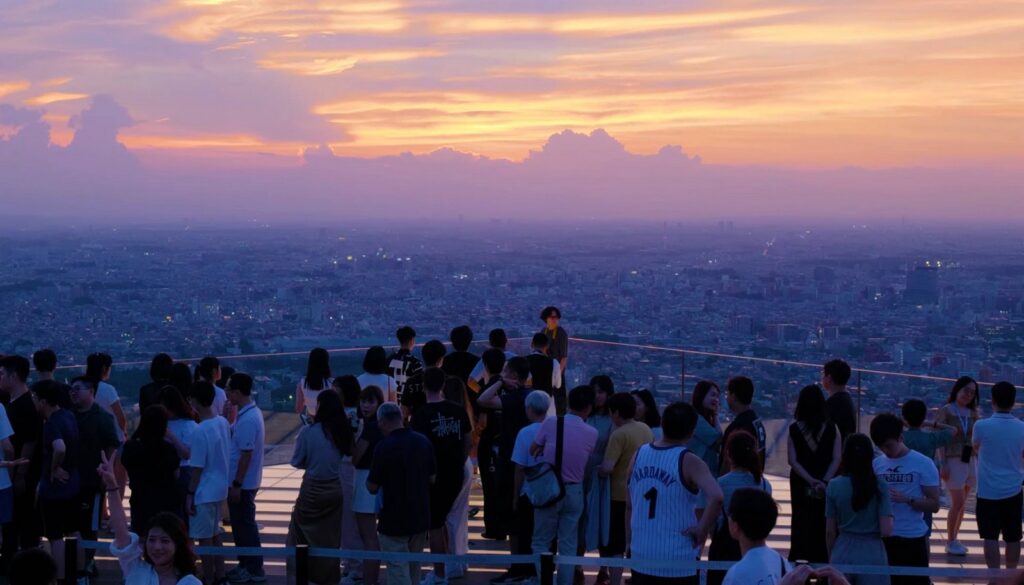
Evening is when Shibuya Crossing feels most cinematic. The bright screens, neon signs, and the constant flow of people create the classic “Tokyo” scene everyone recognizes. Try to catch the sunset at Shibuya Sky, but be sure to book popular time slots well in advance. If you prefer to avoid heavy crowds, try not to schedule your visit to Shibuya and Harajuku on a weekend.

Since 2015, our website has specialized in individual planning of unique routes, taking into account personal preferences and desires.
Each of you will receive a unique PDF file from us, which contains everything you need: travel routes, car rentals, hotels, the best tourist attractions, attractions for kids and everything you need for a perfect vacation.
During the trip, we are available for you by phone via WhatsApp.
Our personal service provides information from A to Z, taking into account many small details that can become a decisive factor on the way from a wasted trip to an unforgettable vacation.
Our service will make your trip comfortable, save a lot of time on planning and preparation, and most importantly – will allow you to become freer and fully enjoy the pleasure of the trip.
Top sights and experiences around Shibuya Crossing
Shibuya Crossing is best experienced as the anchor of a brief walking tour, rather than a standalone photo op. After witnessing the famous scramble and visiting Hachiko, round out your visit with a panoramic viewpoint, a pop-culture hub, and a stroll through the vibrant side streets. This approach ensures your trip feels energetic and diverse without becoming overwhelming, especially as the afternoon crowds peak.
Shibuya Crossing
The legendary scramble intersection at Shibuya Station
Shibuya Crossing serves as the beating heart of Tokyo’s urban energy. When the lights turn green, a massive wave of pedestrians surges from all directions, creating the “organized chaos” that has become a global icon. While it might appear smaller at street level than in aerial shots, the sensory impact of the giant screens, music, and the sheer human flow is far more powerful when you are part of it. To get the full experience, cross it once on foot, then find a nearby elevated spot to watch the rhythmic movement from above.
Opening Hours: Public crossing, accessible at any time
Free
Tip from the itinerary expert: Avoid stopping for long photo sessions in the middle of the street. Stay in motion with the crowd, keep your videos brief, and save the wide-angle shots for the sidewalks or upper-floor viewpoints to ensure you don’t obstruct the flow of commuters.

Distance/Time: Directly outside Shibuya Station, Hachiko Exit
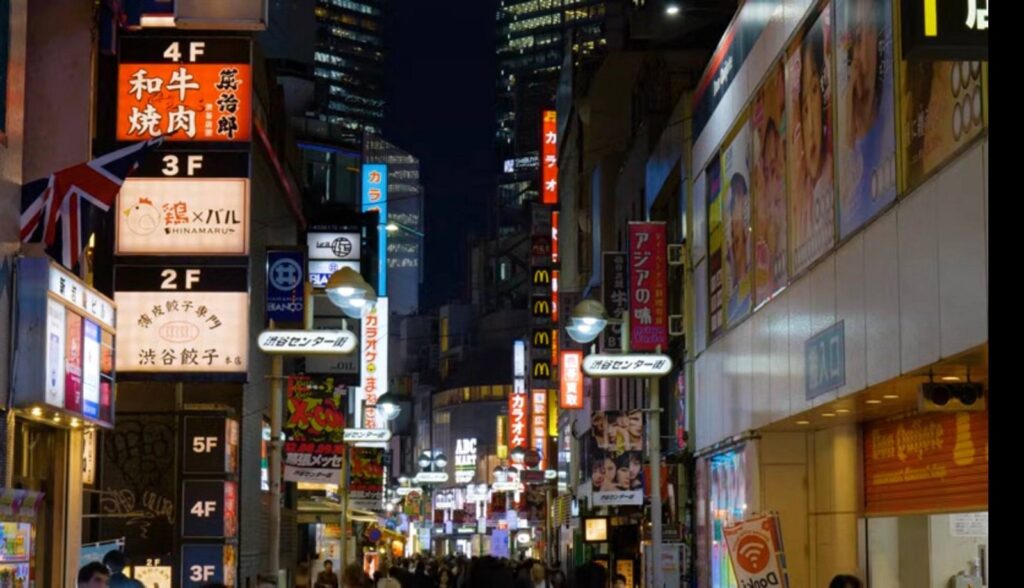
Hachiko Statue
The historic meeting point by Shibuya Station
The Hachiko Statue is the most logical starting point for your Shibuya adventure, located just steps away from both the station exit and the scramble crossing. Dedicated to the legendary loyal dog who waited years for his owner’s return, this bronze monument is now Tokyo’s most famous landmark for meeting up. It is a quick and essential photo stop, though be prepared for a short queue if you want a clear picture during peak tourist hours.
Opening Hours: Public outdoor monument, accessible at any time
Free
Tip from the itinerary expert: Visit Hachiko in the early morning if you want a photo without the crowds. During the rest of the day, treat it as a quick landmark to orient yourself before moving toward the crossing or the area’s many shopping hubs.
Distance/Time: Located at the Hachiko Exit, seconds from the crossing
Shibuya Sky
Panoramic open-air observation deck
For those seeking the ultimate bird’s-eye view of Tokyo’s skyline and the crossing below, Shibuya Sky is the premier choice. This open-air deck offers a stunning 360-degree panorama where, on clear days, you can spot the Tokyo Skytree, Tokyo Tower, and even the distant peak of Mount Fuji. Sunset is the most coveted time to visit, and because these tickets sell out rapidly, this is one part of your Shibuya itinerary that requires advance planning.
Opening Hours: Timed entry; check the current schedule before visiting
Paid; advance booking is strongly recommended, especially for sunset
Tip from the itinerary expert: Secure your Shibuya Sky tickets before finalizing the rest of your day. If the sunset slots are fully booked, don’t worry—a daytime visit offers much better visibility for the mountains and often feels less crowded and more relaxing.
Distance/Time: A 2-minute walk from the crossing, inside Shibuya Scramble Square
Shibuya Parco
A hub for gaming, anime, and modern Japanese culture
Shibuya Parco is a must-visit for anyone interested in Japan’s pop-culture scene. The sixth floor is a haven for fans, featuring flagship locations like Nintendo Tokyo, Pokémon Center Shibuya, and the Capcom Store. It’s more than just a retail space; the Pokémon Center offers unique photo opportunities and exclusive merchandise in a high-tech setting. It’s an ideal place to recharge in an air-conditioned environment after the sensory intensity of the crossing.
Opening Hours: Typically 11:00–21:00; check individual store times for accuracy
Free entry; shopping costs vary by store
Tip from the itinerary expert: Schedule your visit to Shibuya Parco after the crossing. For families with children or teens, it serves as an excellent ‘reward’ stop, providing a fun and interactive break from the busy streets.
Distance/Time: 5-minute walk from Shibuya Crossing
Mega Don Quijote Shibuya
The ultimate destination for souvenirs and Japanese snacks
Mega Don Quijote is a sprawling, multi-story discount store that captures the frantic spirit of Shibuya. It is the best place in the district to find everything from matcha-flavored snacks and Japanese cosmetics to quirky souvenirs and travel essentials. While the environment is loud and visually overwhelming, it is incredibly convenient for one-stop gift shopping. It works best if you visit with a specific list in mind to avoid getting lost in the maze of aisles.
Opening Hours: Open 24 hours (check for occasional maintenance closures)
Free entry
Tip from the itinerary expert: Enter Mega Don Quijote with a clear goal. The sheer variety of items can easily lead to ‘aisle fatigue,’ so decide in advance if you are there for snacks, beauty products, or electronics to keep your visit efficient.
Distance/Time: A short walk from the crossing toward the Center Gai area
Center Gai
The vibrant heart of Shibuya’s youth and nightlife culture
Center Gai is a pedestrian street that embodies the neon-lit, high-energy side of Tokyo. Packed with fashion boutiques, game centers, themed cafés, and izakayas, it is the perfect place to explore after crossing the scramble. The atmosphere is particularly electric in the evening when the lights are brightest. It is a fantastic spot for people-watching and grabbing a quick, casual bite, though the intensity of the crowds means it is best enjoyed in short bursts.
Opening Hours: Street accessible 24/7; most shops open until late evening
Free to explore; arcades and dining are paid
Tip from the itinerary expert: Treat Center Gai as an atmospheric walkthrough rather than a long trek. Walk a block or two in, enjoy the neon signs, visit one arcade or shop, and then head back to the main station area before the noise becomes tiring.
Distance/Time: Begins directly across from the Shibuya Crossing
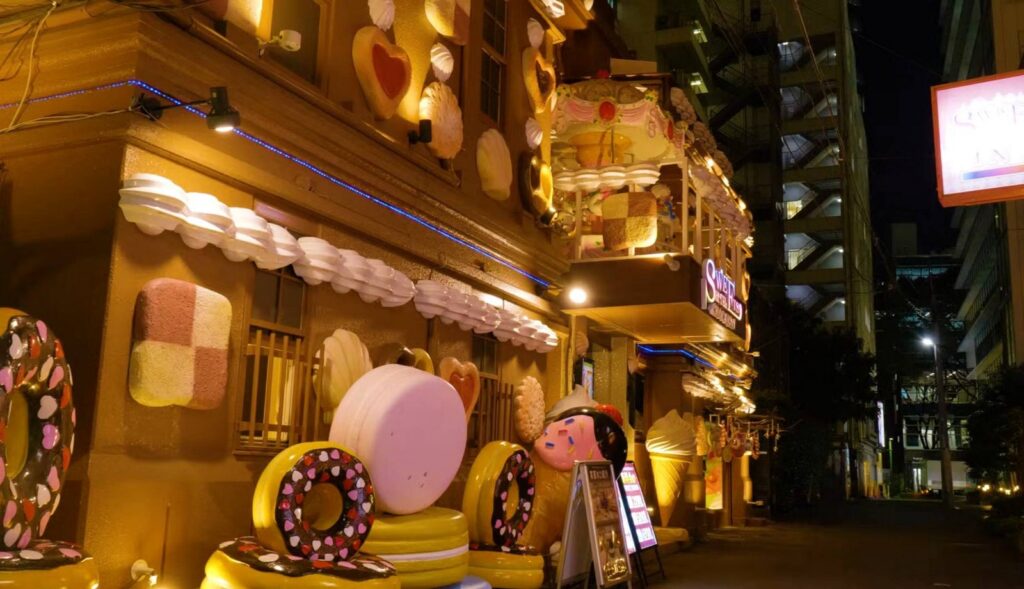
Top attractions near Shibuya Crossing
- Harajuku — Shibuya and Harajuku are natural neighbors, located just one train stop apart or a pleasant 15-minute walk. This pairing is ideal for a day dedicated to street fashion, youth culture, and trendy cafés without the hassle of long commutes.
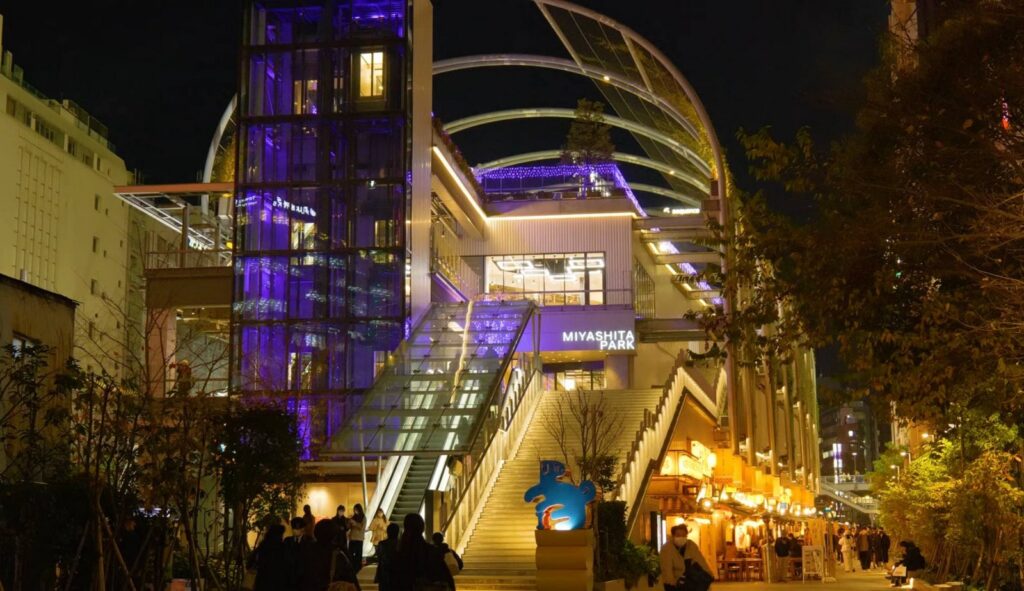
- Miyashita Park — A modern, multi-level park that offers a refreshing open-air break from the dense urban streets. The rooftop features a skate park, bouldering walls, and coffee spots, making it a perfect transition point between a shopping spree and the evening lights of the crossing.
- Shibuya Sakura Stage — One of the district’s newest landmarks, perfect for exploring upscale restaurants, boutiques, and immersive exhibitions. During the spring, it becomes a highlight of the area with its cherry blossom displays and festive illuminations.
- Tomigaya — A sophisticated, quieter neighborhood to keep in mind when the area around the station feels too intense. It offers a slower pace with its boutique shops, artisanal cafés, and a charming greenway where you can escape the city pressure for a while.
- Shibuya Scramble Square — Beyond the famous Shibuya Sky observatory, this complex is a premier destination for high-end shopping and dining. Its upper floors provide excellent indoor viewpoints of the station and crossing, perfect for escaping the elements.
- Magnet by Shibuya 109 — A practical choice for those who want a close-up view of the scramble from above. The rooftop crossing view is focused and intimate, making it ideal for capturing the rhythmic movement of the crowds below.
- Shibuya 109 and shopping streets — A classic Shibuya experience for anyone interested in fashion and youth trends. The surrounding streets are packed with energy; to avoid burnout, pick a few key stores to explore rather than trying to see everything.
- Karaoke, arcades, and izakayas — Shibuya truly comes alive after dark with its private karaoke rooms, game centers, and vibrant food alleys. It’s an easy district to enjoy late into the night, provided you keep your route realistic and don’t overextend yourself.
Click here to learn more about creating a personal itinerary
Tip from the itinerary expert: Keep your local route focused: Shibuya Crossing → Hachiko → one viewpoint → one pop-culture stop → a café or dinner. Only add Harajuku if you start your day early; otherwise, Shibuya offers more than enough to fill a high-energy itinerary.
Is Shibuya Crossing right for you?
- First-time visitors to Tokyo — The crossing delivers that quintessential “I’ve arrived” moment. With its massive screens and relentless energy, it is a must-see if your time is limited and you want to experience the Tokyo you’ve seen in films and media.
- Families and teens — The area is a hit with younger travelers thanks to the Pokémon Center, Nintendo Tokyo, and interactive arcades. The key to a successful family visit is keeping the walks short and identifying indoor “recharge” spots before everyone gets overwhelmed.
- Photography and video enthusiasts — This is the premier spot for dynamic street photography, neon-lit night shots, and time-lapses. It is better suited for capturing urban motion than for long, posed portrait sessions in the middle of the street.
- Anime and pop-culture fans — Places like Shibuya Parco bring immense value, acting as a hub for flagship stores like the Jump Shop and Capcom Store. These destinations make the area much more than just a famous intersection.
- Food and shopping lovers — The district is incredibly convenient, with everything from high-end department stores to hidden ramen spots and sushi bars clustered near the station. You can easily pivot your plans based on the weather or your energy levels.
- Travelers who embrace the rush — Shibuya is intense and loud, especially on weekends. It is perfect for those who thrive on atmosphere and movement, but might feel taxing if you are looking for Tokyo’s more traditional or serene side.
- Visitors with strollers or limited mobility — While accessible, the area requires patience. The station and crossing are often congested; we recommend visiting earlier in the day to avoid the peak evening crowds and keeping your itinerary compact.
- A note for travelers with luggage — Shibuya is not an ideal first stop straight from the airport. Navigating the crowded sidewalks and observation decks with large bags is difficult. We strongly suggest using station lockers or hotel drop-offs before you start exploring.
Tip from the itinerary expert: For a better family experience, don’t save Shibuya Crossing for the very end of a tiring day. Visit while everyone is still fresh, pick a clear indoor break nearby, and enjoy the neon lights as a final highlight rather than a stressful trek through the crowds.
Ultimate 2-day Shibuya Crossing itinerary
Trip Duration: 2 days
Day 1: Shibuya Crossing, Hachiko, and classic city views
Morning, 10:00–12:00. Begin your journey at Shibuya Station, following the signs for the Hachiko Exit. This is the most direct route to both the Hachiko Statue and Shibuya Crossing, helping you avoid the complexity of the station’s interior. Spend about 15–20 minutes at Hachiko for photos and orientation before heading to the crossing. For your first scramble, simply move with the flow; don’t stop in the middle—just let the sheer scale of the intersection sink in naturally.
After your first walk across Shibuya Crossing, linger on the sidewalk for another 20–30 minutes to watch several traffic-light cycles. This allows you to absorb the rhythm of the area without it feeling like an exhausting mission. For a bird’s-eye view, head to an elevated spot like Magnet by Shibuya 109 or the station-side viewing decks. Budget about 30–45 minutes here, depending on the pace of your group.
Lunch, 12:00–13:30. Stay near the crossing for a casual meal. Local favorites like ramen, udon, or Japanese curry are the most practical options for families, with a realistic budget of ¥900–¥1,500 per person. If you are craving sushi, a kaiten-style (conveyor belt) spot like Uobei typically costs between ¥1,500–¥3,000 per person.
Afternoon, 13:30–16:30. Walk over to Shibuya Parco, located just a few minutes from the crossing. Plan to spend 1.5–2 hours exploring Nintendo Tokyo, Pokémon Center Shibuya, and the Jump Shop. This hub serves as an excellent indoor break, offering a change of pace from the neon screens and station noise.
Next, visit Mega Don Quijote Shibuya or explore Center Gai. A 45–60 minute stop is perfect for picking up unique snacks, cosmetics, or souvenirs. Mega Don Quijote is visually intense and sprawling, so it is much more enjoyable if you have a clear shopping list rather than trying to browse every aisle.
Evening, 16:30–18:00. Return to Shibuya Crossing as the evening glow sets in. This is when the district feels most cinematic, with the crowds bathed in the light of massive digital billboards. Conclude your day with dinner in the Center Gai or Shibuya Parco areas. For an izakaya experience, expect to spend ¥3,000–¥6,000 per adult, while quick-service spots like ramen or curry shops remain the easiest choice for families.
Tip from the itinerary expert: I recommend starting your day with the outdoor landmarks rather than shopping. Visit Hachiko → Shibuya Crossing → an overhead viewpoint while everyone is still fresh. Save Parco and Don Quijote for later in the day, when air-conditioned breaks and snack stops are most needed.
Overnight Location: Shibuya or nearby areas such as Ebisu, Harajuku, Yoyogi, Meguro, or Shinjuku
Day 2: Shibuya Sky, Miyashita Park, and Tomigaya
Morning, 10:00–12:00. Start your second day with a more relaxed pace. If you want clearer, crowd-free photos, return to the Hachiko area before the midday rush. Limit this stop to 30–40 minutes, as the focus today is on discovering Shibuya’s hidden gems and modern developments rather than retracing yesterday’s steps.
Next, walk over to Shibuya Scramble Square and head up to Shibuya Sky. This is the district’s premier paid attraction and requires a bit of strategy; while sunset is popular, daytime visits often offer better visibility and a more peaceful atmosphere. Allow 1.5 hours for the full experience, including the high-speed elevators and the open-air observation deck. Note that lockers are required for bags, so it is best to visit without large luggage.
Lunch, 12:00–13:30. Explore the dining levels of Shibuya Scramble Square or the nearby Shibuya Stream. For high-end sushi or specialty restaurants, budget between ¥3,500–¥7,000 per person. For something lighter, the building’s many cafés and casual eateries provide a more budget-friendly alternative.
Afternoon, 13:30–16:30. Take a 45–60 minute break at Miyashita Park. This rooftop green space offers a unique urban energy with its skate park and bouldering walls, providing a much-needed open-air contrast to the surrounding skyscrapers. Afterward, visit Shibuya Sakura Stage, one of the area’s newest developments known for its immersive art and cherry blossom-themed aesthetics during the spring months.
If you need a break from the station’s intensity, head toward Tomigaya. This charming neighborhood is a local favorite, filled with artisanal coffee shops, boutique stores, and a quiet greenway. Spend about 1 hour here enjoying a coffee and a snack (typically ¥800–¥1,500) while soaking in the sophisticated, local vibe.
Evening, 16:30–18:00. Wrap up your trip with a return toward the station. If you have any energy left, a private-room karaoke session is the perfect way to experience a local tradition. Alternatively, find a cozy spot for a final dinner near Shibuya Parco, choosing between world-class ramen or a lively izakaya depending on your mood.
Tip from the itinerary expert: When planning Day 2, secure your Shibuya Sky time slot first and build everything else around it. If sunset tickets are sold out, don’t worry—the morning views are spectacular, and you can always experience the evening neon at street level later.
Overnight Location: Shibuya or nearby areas such as Ebisu, Harajuku, Yoyogi, Meguro, or Shinjuku
Traveller reviews of Shibuya Crossing

Daniel Carter
Visited in April 2018

I expected just a famous crosswalk, honestly, but when the lights changed it was kind of crazy. People came from every direction and somehow nobody looked annoyed or confused. My daughter kept asking where everyone was going. We crossed twice, then watched it from above with coffee. At night it looked much better.
Rachel Morgan
Visited in November 2022

Fun, crowded, loud — exactly what we expected, maybe even more. We came after lunch and it was already packed, but finding it from Hachiko Exit was easy. The line for a Hachiko photo moved quicker than I thought. I would not come here with suitcases, though. The station area was busy and a bit confusing with kids.
Michael Bennett
Visited in July 2019
To be honest, it looked bigger in videos. I am glad we saw it, but after one crossing and a few photos, I was done. The streets around it were more fun for us — shops, arcades, quick food. Maybe it feels better in the evening. We went on a hot afternoon, so that probably did not help.
Sophie Williams
Visited in October 2024
This was the real Tokyo moment for our family. Neon everywhere, huge screens, music, people filming, and somehow it still felt organized. My son loved watching the crowd from the Starbucks window, although getting a good seat was pure luck. We crossed once, then stayed almost an hour just watching the waves of people.
Adam Lewis
Visited in February 2017
We came by the Ginza Line and ended up near Hachiko, so it was very easy. The crossing itself took only a few minutes, but watching several light changes was the better part. It was windy and cold that evening, so we did not stay outside for long. Good quick stop before dinner in Center Gai.
Emily Johnson
Visited in May 2023
I know it is iconic, but I found it stressful. Some people stopped suddenly for videos, others were trying to get around them, and one child near us almost fell when the crowd shifted. The view from above was much better. On the road itself, I just wanted to get across.
Mark Thompson
Visited in September 2025
We did Shibuya Crossing together with Shibuya Parco, and that worked really well with teenagers. First the crossing, then Nintendo Tokyo and Pokémon Center. Honestly, the kids cared more about Parco than the road. Still, the crossing made the day feel properly Tokyo, especially once the screens lit up.
Laura Evans
Visited in March 2016
Worth seeing once. We went in light rain, and from above the umbrellas made the crossing look amazing. On the ground it felt cramped, a bit slippery near the curb, and hard to get a clean photo. I liked the surrounding streets more than the actual crossing.
James Anderson
Visited in December 2021
Short visit, nothing complicated. We took photos at Hachiko, crossed Shibuya Crossing, then went into Center Gai for ramen. The funniest part was watching tourists filming everything while locals just walked normally to work. It is not a full attraction on its own, but as part of Shibuya it makes sense.
Tips from the itinerary expert

Cross first, then observe from above
When traveling with children, I suggest crossing Shibuya Crossing at street level first, then heading straight to an upper-floor viewpoint. On the road, you feel the electric rush of the city; from above, kids can finally appreciate the true scale of the movement without the pressure of the crowd.
Use Hachiko Exit, but pick a specific meeting spot
I always use the Hachiko Exit to reach the crossing, but I never simply say “meet at Hachiko.” The statue area is constantly crowded, so I choose a specific storefront or a nearby landmark. This small detail prevents confusion if phone signals drop or children get distracted by the lights.
Avoid stopping in the center of the road to film
The most common mistake I see is travelers stopping mid-scramble at Shibuya Crossing for a long video. I recommend crossing normally, capturing a few seconds of footage while moving, and then filming properly from the sidewalk or an elevated deck. Your video will look cleaner, and you won’t disrupt the flow of thousands of commuters.
Pair the crossing with Parco for a teenage-friendly day
Once the novelty of the crossing wears off after 20 minutes, I take teenagers over to Shibuya Parco. Flagship stores like Nintendo Tokyo, Pokémon Center Shibuya, and the Jump Shop turn the visit into a highlight for the whole family, rather than just a quick stop at a famous intersection.
Don't schedule Shibuya Sky immediately after arrival
I strongly advise against booking Shibuya Sky right after arriving from the airport or a long train transfer. Navigating the busy station area with large luggage is stressful, and bags aren’t allowed on the observation deck anyway. Drop your luggage at your hotel first, then return to enjoy the view with your hands free.
Keep your Center Gai visit short and purposeful
In my experience, Center Gai works best as a short atmospheric stop: one arcade visit, one quick snack, and a brief stroll. If you linger too long after the crossing, the noise and density of the crowd can be draining for younger children. Keep the energy high by staying focused, then loop back toward the station.
Enter Mega Don Quijote with a clear mission
I never step into Mega Don Quijote Shibuya without a shopping list. Whether it’s snacks, cosmetics, or souvenirs-decide what you need before you enter. Otherwise, the store’s sheer scale can easily consume an hour of your day, and tired children may quickly lose patience in the crowded aisles.
Retreat to Tomigaya when the energy gets too high
If the station side becomes overwhelming, I shift the itinerary toward Tomigaya. The independent cafés, boutique shops, and greener streets offer a much-needed reset for the family without leaving the Shibuya district. It’s the perfect place to recharge before returning to see the evening neon lights.
Don't stress over the sunset slot
For Shibuya Sky, the sunset view is stunning, but I wouldn’t force your entire schedule around it if tickets are sold out. A clear daytime visit paired with a return to street level at night gives you two distinct, powerful perspectives of Tokyo without the stress of a ticket hunt.
Insights from the itinerary expert
I visited Shibuya Crossing in October 2024, and I’ll be honest: at street level, it can feel a bit smaller than the viral videos suggest. We arrived via the Hachiko Exit, took the essential photo at the Hachiko Statue, and joined the surge of the crowd. My first mistake was attempting to film too much while in motion; the footage was shaky, people were constantly weaving around us, and the youngest in our group felt a bit overwhelmed by the sudden, collective movement.
The experience improved immensely once we stepped aside to watch a few traffic cycles from the sidewalk. That’s when the rhythm of Shibuya truly clicks. It’s more than just a crossing—it’s the glow of the massive screens, the hum of the station, Center Gai, the quick-service eateries, and the convenient retreat into Shibuya Parco when the group needs a breather. The main challenge is the sheer density of the crowd. When traveling with children, I’d recommend keeping your time in the heart of the scramble brief, and I strongly advise against arriving with heavy luggage if you plan on heading up to Shibuya Sky.
Shibuya Crossing is a vibrant, beautifully chaotic landmark that works best when paired with the viewpoints and pop-culture hubs nearby. If you’re looking for a more tailored experience, we can design a personal route for Shibuya and beyond, ensuring a pace that works for your family in real life, not just on paper.
How much does a trip to Shibuya Crossing cost?
| Name | Amount | Description |
|---|---|---|
| Budget hotel (2–3★) near Shibuya | ¥10,000–¥18,000 JPY | A realistic starting price for a modest room. In nearby areas like Ebisu or Harajuku, prices often surge on weekends, and the best deals are booked months in advance. |
| Mid-range hotel (3–4★) near the Crossing | ¥22,000–¥38,000 JPY | A sensible budget for couples seeking comfort within walking distance of the main attractions without overspending on luxury. |
| High-end hotel (4–5★) for a couple | ¥45,000–¥85,000 JPY | Rates fluctuate significantly based on the view, season, and proximity to Shibuya Station. Expect higher prices during peak cherry blossom or holiday periods. |
| Family room or apartment (4–5 people) | ¥35,000–¥70,000 JPY | For families, it is often more practical and affordable to stay just outside the center in neighborhoods like Ebisu, Yoyogi, or Meguro. |
| Car rental (per day) | Not recommended for this area JPY | Driving is impractical in central Shibuya. The area is designed for walking and public transit. Save car rentals for exploring rural Japan. |
| Public transport to Shibuya | ¥160–¥330 JPY | Fares depend on the distance. For instance, a JR Yamanote Line trip from Tokyo Station to Shibuya costs approximately ¥260. |
| Casual restaurant meal | ¥900–¥1,500 JPY | The average price for a filling bowl of ramen, udon, or Japanese curry. A quick and delicious option for families on the go. |
| Sushi or premium casual dinner | ¥1,500–¥7,000 JPY | Kaiten (conveyor belt) sushi typically costs ¥1,500–¥3,000 per person. Upscale dining near Shibuya Parco can range from ¥3,500 to ¥7,000. |
| Parking near Shibuya Crossing | Avoid if possible JPY | Parking is scarce and expensive. Arriving via Shibuya Station is significantly more convenient than navigating traffic near the crossing. |
| Konbini breakfast for two | ¥1,000–¥2,000 JPY | A budget-friendly mix of onigiri, sandwiches, coffee, and pastries from a convenience store like Lawson or 7-Eleven. |
| Shibuya Crossing & Hachiko Statue | Free JPY | Enjoying the world's busiest intersection and visiting the Hachiko memorial costs nothing. Your budget will mainly go toward food and views. |
| Shibuya Sky Observation Deck | ¥2,700–¥3,400 JPY | A premium panoramic viewpoint. Online tickets are cheaper than walk-ins, and sunset slots usually sell out weeks in advance. |
| Magnet by Shibuya 109 View | Approx. ¥1,500 JPY | A great alternative for those who want a direct, lower-level view of the scramble rather than a high-altitude skyline. |
| Arcades & Crane Games | ¥100–¥600 per play JPY | A hit with teenagers in Center Gai. While individual games are cheap, costs can add up quickly if you're chasing a specific prize. |
FAQ about Shibuya Crossing
What we propose

Emma Heidi
Customer Experience Manager
Take all the stress out of planning your trip!
With our experts, you can create the perfect itinerary for you – complete, comfortable, and tailored to all your dreams, wishes, and needs.
We take care of every little detail, so you can simply focus on enjoying your journey.
We’ve been designing personalized itineraries since 2015, and over the years we’ve created thousands of custom itineraries for happy clients.

Save time, avoid confusion – we do the work for you. Our service saves you weeks of searching, reading, comparing, and complicated planning. Instead of wasting endless hours – you receive a ready-to-use, accurate and clear itinerary.

A tailor-made itinerary – built just for you. Your itinerary is personally designed based on our experts’ real field experience and genuine feedback from hundreds of travelers – including hidden discoveries and insider tips that don’t appear in any travel guide.

Smart accommodation selection – often saves you hundreds or even thousands of dollars. We help you choose verified and recommended places to stay, checking availability for your exact travel dates. Sometimes we suggest hotels not “in the center,” but in safe, convenient, and highly strategic locations – which can significantly reduce travel costs and save you even thousands of dollars.

We’re by your side even during the trip. We stay with you throughout your vacation – providing professional help whenever needed. If the weather changes, there’s a strike, a local event, heavy crowds, or any unexpected situation – we are here to update, guide, and adjust your itinerary in real time.

Easy-to-use itinerary – with direct navigation links. Your itinerary includes direct Waze / Google Maps links – no need to search for parking addresses, no stress, no mistakes. Just tap – and go.

Service cost: from only $420. (Special price for short itineraries up to 5 days). Clients tell us the itinerary saves them costly mistakes, fines, wrong choices – plus exclusive discounts on car rentals, better-priced accommodations, and money-saving local tips.
Want to know if it’s really worth it?
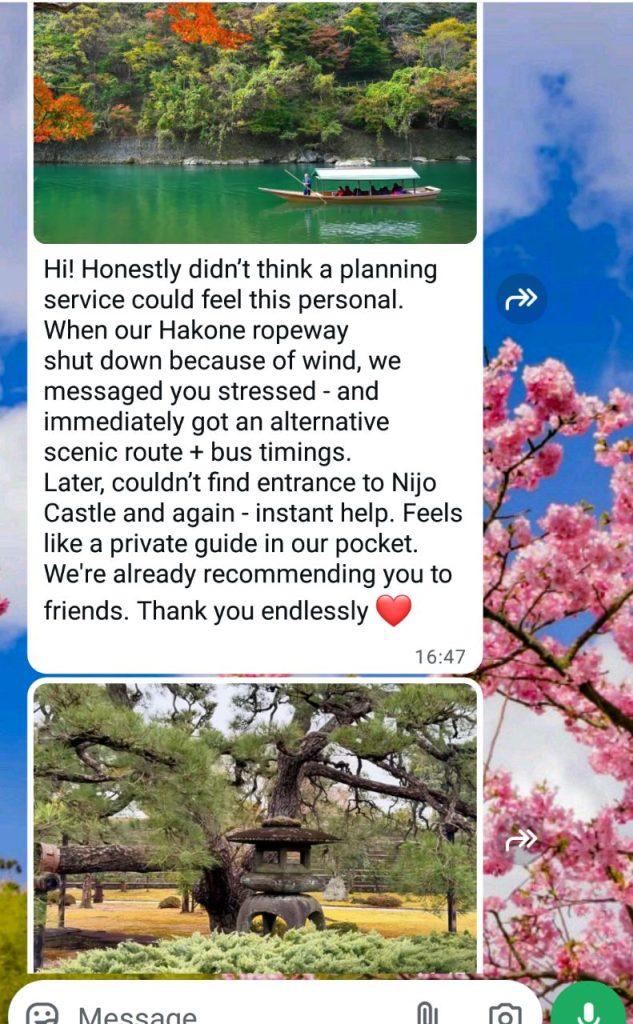
Take a look at the experiences of travelers who built their personal itinerary with us.
Click here and let’s start building the itinerary that will save you time, money, and stress – and turn your vacation into perfection.
Of course, your first inquiry is completely free – with no commitment whatsoever.
How it works


- You are welcome to contact us
- We discuss your trip
- You fill out a special form
- We create your itinerary
- You get it with all useful tips
- We are in touch with you all the time