My love for Japan began the moment I arrived in Tokyo. The country amazed me with its harmony of ancient traditions, cutting-edge technology, breathtaking nature, and a culture unlike any other. Since then, Japan has become a part of my life, and I return there again and again. Today I help travelers discover the real Japan: I create personalized itineraries, give lectures, and prepare guests for their unforgettable journey. I would be delighted to open Japan for you too!

Tokushima
Tokushima is one of Shikoku’s most rewarding under-the-radar gems—a region where the rhythmic pulse of Awa Odori, the raw power of the Naruto Whirlpools, and the serenity of ancient castle ruins coexist with deep mountain valleys. It is an ideal addition when a Japan itinerary calls for more nature, local character, and immersive outdoor experiences away from the typical tourist crowds. A well-rounded Tokushima journey usually balances the energy of Tokushima City and Mount Bizan with the wilder, rugged beauty of the Iya Valley and the Oboke/Koboke Gorges.
How do you reach and navigate Tokushima?
Tokushima is connected to Honshu via the Onaruto Bridge, making bus travel from Osaka or Kobe a smooth and scenic way to enter Shikoku. If your broader route continues through Kagawa or other parts of the island, the train network integrates naturally into a multi-prefecture itinerary. Alternatively, a ferry links Tokushima with Wakayama—a fantastic option if you want to transition between Shikoku and Honshu without backtracking over the same land route.
The Tokushima–Wakayama ferry is more than just a transfer; it’s a highlight of the journey. The crossing takes about 2.5 hours, with tickets easily purchased at the terminal. It’s a perfect choice for those who prefer a slower, more contemplative pace over the rush of bus or train transfers, turning travel time into a chance to enjoy the sea air.
Within Tokushima City, Tokushima Station serves as the most practical base. From here, the riverside districts, Awa Odori Kaikan, and Tokushima Castle ruins are all within easy reach. Mount Bizan is equally accessible, as the Bizan Ropeway departs directly from the Awa Odori Kaikan, allowing you to combine local culture with panoramic city views in one seamless afternoon.
While a car isn’t necessary for the city, it becomes invaluable for exploring the Iya Valley, the Kazurabashi Vine Bridge, and the remote onsen retreats of the Oboke/Koboke Gorges. Keep in mind that mountain driving here involves narrow, winding roads, numerous tunnels, and steep inclines. For families or those uncomfortable with technical driving, it is often better to rely on public transport for Naruto and Tokushima City, and approach the Iya area with a more carefully planned, slower-paced day.
Click here to learn more about creating a personal itinerary
Tip from the itinerary expert: Stay near Tokushima Station if you aren’t renting a vehicle. It keeps the castle park, Awa Odori Kaikan, dining spots, and onward transport links incredibly simple, saving you from unnecessary taxi rides with heavy luggage.

When is the best time to visit, and what are the seasonal highlights?
Spring is perhaps the most effortless time to experience Tokushima. The mild weather is perfect for exploring on foot, and cherry blossoms lend a soft atmosphere to the city without the intensity of peak festival season. Mount Bizan is particularly stunning during this time, offering clear views over the Yoshino River delta. For those heading toward the Nishi-Awa area in late March or early April, spots like Sakuragaoka Park and the Koboke Observation Point provide excellent hanami opportunities away from the usual crowds.
Summer belongs to the Awa Odori Festival. In mid-August, Tokushima City transforms into a vibrant open-air stage filled with music, drums, and traditional chanting. While this is the most electric time to visit, it requires significant advance planning; accommodation fills up quickly, and the city’s usual relaxed pace is replaced by festival energy.
Summer is also prime time for river activities in the Iya Valley and Oboke/Koboke Gorges, such as rafting and sightseeing cruises. However, be realistic about the heat and humidity. To avoid exhaustion, it’s best to focus on one major nature experience per day rather than trying to cram in too many distant mountain locations.
Autumn is arguably the best season for Tokushima’s rugged interior. The Iya Valley and the Oboke/Koboke Gorges come alive with fall colors, and the cooler air makes hiking and photography much more enjoyable. This is the time to visit if you want to see the prefecture’s natural beauty at its most dramatic.
Winter offers a quieter, more introspective version of Shikoku. While the city remains easy to navigate, the mountain passes require more caution. Even if the coastal weather feels mild, snow can affect higher elevations. For winter trips, always check road conditions before heading deep into the Iya Valley or toward remote viewpoints.

Since 2015, our website has specialized in individual planning of unique routes, taking into account personal preferences and desires.
Each of you will receive a unique PDF file from us, which contains everything you need: travel routes, car rentals, hotels, the best tourist attractions, attractions for kids and everything you need for a perfect vacation.
During the trip, we are available for you by phone via WhatsApp.
Our personal service provides information from A to Z, taking into account many small details that can become a decisive factor on the way from a wasted trip to an unforgettable vacation.
Our service will make your trip comfortable, save a lot of time on planning and preparation, and most importantly – will allow you to become freer and fully enjoy the pleasure of the trip.
Tip from the itinerary expert: Choose August only if the Awa Odori festival is your primary goal. For a more balanced trip that focuses on city sights, Naruto, and the mountain gorges, the stable weather and lighter crowds of spring or autumn are usually much more comfortable.
Tokushima's Must-See Attractions: 7 Highlights for Your Itinerary
Tokushima’s appeal lies in its diverse landscape, spanning the urban center, the rugged coast, and the deep interior mountains. To get the most out of your visit, start with the Awa Odori Kaikan and Mount Bizan in the city, dedicate a morning to the Naruto Whirlpools, and leave the Iya Valley or Oboke Gorges for a dedicated nature day where you can truly slow down.
Awa Odori Kaikan
Awa Odori Hall
The Awa Odori Kaikan is the definitive place to experience Tokushima’s soul when the vibrant August festival isn’t in full swing. More than just a museum, it houses a theater, an interactive exhibit space, and the lower station for the Bizan Ropeway. The daily performances are the highlight, introducing the pulse of the instruments and the unique grace of the dance. Since many shows invite the audience to participate, it’s an engaging experience that brings the tradition to life far more effectively than any exhibit could.
The most efficient approach is to check the performance schedule upon arrival and explore the compact museum or the local craft shop while waiting for the next show. With a daytime performance costing around **¥1,300** and museum entry at **¥500**, it’s a high-value cultural stop that fits perfectly into a morning city walk.
Opening Hours: Show times vary; check the daily schedule before arrival.
Daytime performance: ¥1,300. Museum entry: ¥500.
Tip from the itinerary expert: Prioritize the live performance over the museum exhibits. If a show is starting soon, secure your ticket first; you can easily use the museum and gift shop to fill any gaps in your schedule later.
Distance/Time: In central Tokushima City; also the departure point for Bizan Ropeway.
Mount Bizan and Bizan Ropeway
Bizan Ropeway
For the best perspective on Tokushima’s geography, head to the summit of Mount Bizan. From here, you can see the city grid, the sprawling Yoshino River delta, and the distant sea meeting the mountain range. The ropeway departs directly from the Awa Odori Kaikan, making it a logical and effortless follow-up to the dance performance. It’s an excellent “first-day” stop to help you get your bearings before heading into the more remote parts of the prefecture.
The view is particularly atmospheric at sunset or in the evening when the city lights begin to sparkle. During spring, the mountain is a popular cherry blossom spot, offering a softer, more colorful landscape. Just keep an eye on the clock; ropeway hours can vary, and it’s best not to leave this as the very last stop of a busy day to ensure you don’t miss the final descent.
Opening Hours: Ropeway hours vary; confirm the schedule for evening visits.
Ticket prices vary by season; check at the station.
Tip from the itinerary expert: Group Mount Bizan and Awa Odori Kaikan into a single afternoon block. This creates a smooth cultural-to-scenic transition and saves you from backtracking across the city center.
Distance/Time: Ropeway departs from Awa Odori Kaikan.
Naruto Whirlpools
Naruto Strait
The Naruto Whirlpools are Tokushima’s premier natural wonder. Formed by the powerful tides between the Seto Inland Sea and the Pacific Ocean, these swirling currents are best viewed from the Uzu-no-Michi walkway beneath the Onaruto Bridge or via a dedicated sightseeing boat. The most important rule for this visit: timing is everything. Arriving outside of the peak tidal window can lead to a much less dramatic experience.
This is a perfect half-day trip from the city. To keep the pace manageable, especially for families, avoid trying to rush from the coast to the Iya Valley on the same afternoon. Instead, pair the whirlpools with a relaxed lunch in Naruto Park or a visit to a nearby viewpoint to fully appreciate the coastal scenery.
Opening Hours: Viewing quality is tide-dependent; check the daily tide table before visiting.
Bus from Tokushima Station to Naruto Park: approx. ¥1,200–¥1,400 one way.
Tip from the itinerary expert: Anchor your entire day around the tide table, not your meal times. Identify the peak viewing window first, then build your lunch and transport plans around that specific time slot.
Distance/Time: Approximately 40-60 minutes by bus from Tokushima Station.
Tokushima Castle Ruins and Park
Tokushima Central Park
While the original fortress no longer stands, the Tokushima Castle Ruins offer a serene historical escape in the heart of the city. The impressive stone walls, the quiet moat, and the well-maintained garden provide a calm atmosphere for a morning stroll. It’s a convenient spot to visit if you have a few hours to spare between transport connections or before an evening meal.
The park serves as a great “reset” between more intensive sightseeing stops. In spring, it transforms into a major hanami destination. While the walk is generally easy, note that the paths leading up the hill for a better city view involve some steps and steeper sections.
Opening Hours: Open daily; museum and garden hours may vary.
Park entry is free; separate fee for the museum and traditional garden.
Tip from the itinerary expert: View this as a peaceful urban retreat rather than a major castle tour. It’s perfect for filling a gap in your central city itinerary, but don’t feel the need to go out of your way for it if your schedule is tight.
Distance/Time: Easy walking distance from Tokushima Station.
Iya Valley and Kazurabashi Vine Bridge
Iya Valley
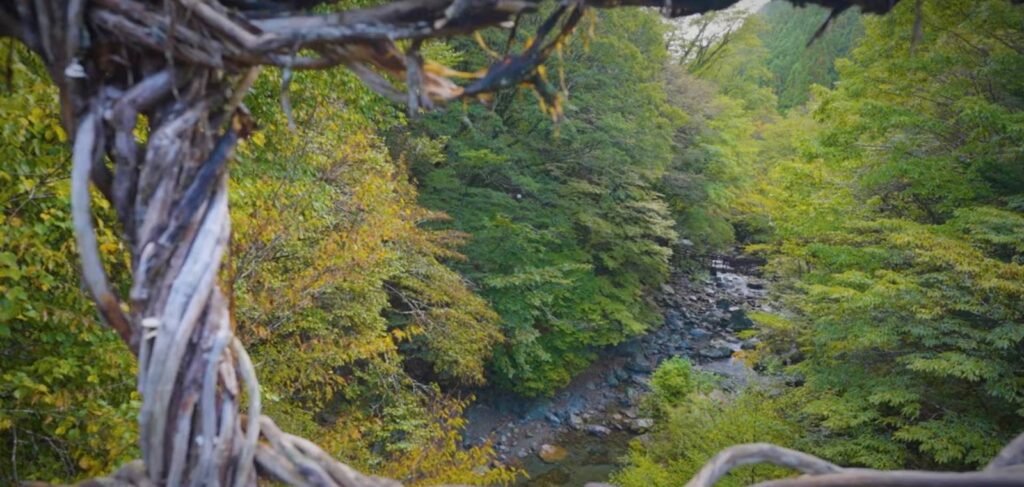
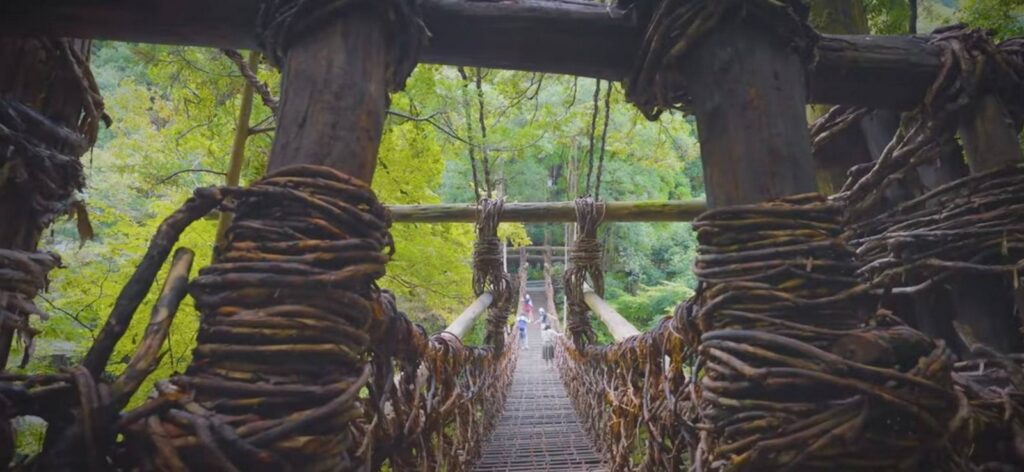
The Iya Valley is a world apart—a place of deep gorges, thatched-roof houses, and the legendary vine bridges that once served as secret crossings. It offers a rugged, rural side of Shikoku that feels untouched by time. Because of its remote nature and the beauty of its winding roads, it truly deserves its own dedicated day rather than being treated as a quick side trip.
Logistics are the main consideration here. While a rental car offers the most freedom, be prepared for narrow mountain roads that require careful driving, especially when passing other vehicles. In winter, the valley is strikingly beautiful and quiet, but always check for snow and road closures, as the mountain passes can be unpredictable even when the coast is clear.
Opening Hours: Outdoor access is subject to weather and road conditions.
Crossing the vine bridge requires a small fee.
Tip from the itinerary expert: Avoid overpacking your Iya Valley day. The driving itself takes time and focus; choose two or three key spots and leave plenty of daylight for the return trip.
Distance/Time: Best as a full-day trip from Tokushima City or an overnight stay in Miyoshi.
Oboke and Koboke Gorges
Carved by the emerald waters of the Yoshino River, the Oboke and Koboke Gorges feature some of the most dramatic rock formations in Japan. You can explore the area via a gentle sightseeing boat or, for the more adventurous, through seasonal rafting trips. The steep, forested walls of the gorge create a mood of isolation and natural grandeur that is a highlight of any Shikoku road trip.
The boat cruise is a relaxed way to see the rocks up close, though some travelers find the viewpoints from the road just as impressive. A key planning tip is to arrive earlier in the day; because the valley is so narrow, it loses direct sunlight by mid-afternoon, making the water and rock colors appear less vibrant.
Opening Hours: Boat tours are seasonal and weather-dependent.
Boat tour and activity prices vary by provider.
Tip from the itinerary expert: Aim to reach the gorges before 2:00 p.m. The high valley walls cast long shadows early, so morning or midday light is essential for seeing the river’s famous emerald hue at its best.
Distance/Time: Located near the entrance to the Iya Valley area.
Otsuka Museum of Art
Ōtsuka Museum of Art
The Otsuka Museum of Art is a unique cultural powerhouse located near Naruto. It houses over a thousand full-size ceramic reproductions of Western masterpieces, from the Sistine Chapel to the works of Van Gogh. It’s a fascinating, large-scale indoor experience that offers a distinct contrast to Tokushima’s outdoor nature spots.
This is an excellent option for a rainy day or if your Naruto schedule has a large gap between tide windows. However, keep in mind that the museum is massive—walking the entire layout takes several hours. Decide ahead of time if you want to see specific highlights or dedicate a whole afternoon to it, ensuring it doesn’t conflict with your whirlpool viewing plans.
Opening Hours: Typically 9:30–17:00; closed on Mondays.
Note: This is one of Japan's more expensive museums; check current pricing for adults and students.
Tip from the itinerary expert: Only add this to your Naruto day if your whirlpool viewing time allows for a 3-hour window. The tides should always be your priority, with the museum serving as a flexible indoor backup.
Distance/Time: Located in the Naruto Park area.
What are the natural wonders of Tokushima?
- Naruto Whirlpools
Tokushima’s most iconic natural phenomenon is fueled by the massive tidal currents of the Naruto Strait, where the Seto Inland Sea meets the Pacific. This isn’t a destination for a spontaneous drop-in; the entire experience hinges on the tide window. To keep your day stress-free, treat Naruto as your primary coastal focus and avoid trying to dash from the shore into the deep mountain valleys on the same afternoon. - Mount Bizan
For a perfect introduction to the region, Mount Bizan offers a panoramic sweep of the city, the Yoshino River delta, and the sea beyond. The Bizan Ropeway departs directly from the Awa Odori Kaikan, making it an effortless way to pair culture with scenery. Spring brings a wash of cherry blossoms to the slopes, while a sunset visit provides a softer, more romantic perspective of the city lights. - Iya Valley
The Iya Valley is the rugged heart of Tokushima, defined by steep limestone gorges, hidden villages, and ancient vine bridges. It truly requires a dedicated day to appreciate; the distances and winding roads are too demanding for a quick detour. While a rental car is the most practical way to explore, be prepared for an intense driving experience through narrow mountain passes and tunnels. - Oboke and Koboke Gorges
Carved by the Yoshino River, these gorges are among Tokushima’s most striking landscapes, featuring emerald waters and dramatic rock formations. The area is best experienced by sightseeing boat or, for those seeking more adrenaline, through seasonal white-water rafting. If you’re planning a boat cruise, aim for the morning or early afternoon, as the deep valley loses direct sunlight much earlier than the coast. - Miyoshi and Nishi-Awa Blossom Spots
For a more local, countryside hanami experience, the Miyoshi area is a fantastic alternative to the crowded city parks. Locations like Sakuragaoka Park and the Koboke Observation Point offer stunning views, typically reaching full bloom in late March. Note that many of these spots sit high in the mountains, so realistic timing and confident driving are essential.
Tip from the itinerary expert: For a balanced nature route, keep the coast and mountains separate. Dedicate a half-day to the Naruto Whirlpools and save the Iya Valley or Oboke Gorges for a different day to avoid spending your entire trip behind the wheel.
What are the 5 hidden gems for a more intimate experience of Tokushima?
- Koboke Observation Point
This quiet roadside stop offers a fantastic vantage point over the Yoshino River. It’s particularly beautiful in spring when the surrounding cherry blossoms add a layer of color to the rugged gorge. It works best as a scenic pause to stretch your legs rather than a destination in its own right. - Nishiyama Outlook
One of the more accessible viewpoints in the Miyoshi countryside, Nishiyama offers a glimpse into rural Tokushima without the stress of overly narrow mountain tracks. It’s a rewarding addition to a driving route through the Nishi-Awa area, especially during the blossom season. - Nobumasa Cherry Tree
This ancient tree feels truly remote, tucked deeper into the mountains than most attractions. It’s a stop for travelers who enjoy the journey as much as the destination. Because the access roads are small and local, it’s best saved for a day when your schedule isn’t already overflowing. - The Hill Paths of Tokushima Castle
While many visitors only see the main park, the elevated paths winding through the castle ruins offer a peaceful escape from the city bustle. Without a reconstructed tower to draw crowds, it remains a quiet spot to appreciate old stonework, moat fragments, and a slice of daily local life. - Awa Odori Kaikan Local Market
While the performances are the main draw, the first-floor market is a goldmine for regional specialties. It’s a convenient place to discover Tokushima’s unique flavors, such as the tart sudachi citrus or the famous Naruto Kintoki sweet potatoes, especially if you won’t be visiting rural farmers’ markets.
Click here to learn more about creating a personal itinerary
Tip from the itinerary expert: Treat hidden gems as natural pauses in your journey. In Tokushima, the most rewarding small stops are the ones that complement your main route—a quick viewpoint on the way to Miyoshi or a quiet park stroll before catching your train.
What are the family-friendly activities in Tokushima that offer engaging experiences for all ages?
- Interactive Dance at Awa Odori Kaikan
This is one of the best cultural stops for families because it’s high-energy and visual. Unlike a traditional museum, the theater often invites the audience to learn the steps, making it a fun, hands-on experience for kids. The museum section is small and manageable, so it won’t overwhelm shorter attention spans. - The Bizan Ropeway Journey
A ropeway ride is always a hit with children, and the reward at the top is a stunning bird’s-eye view of the city and sea. Since it shares a building with the dance hall, you can easily add this scenic moment to your morning without any extra logistics. - River Adventures in Oboke/Koboke
For families with older children, the sightseeing boats or seasonal rafting trips through the gorges provide an exciting way to see the landscape. It’s a great way to break up a day of driving, but keep the pace light—make the river the centerpiece of your mountain day rather than just a quick stop. - Outdoor Play at Tokushima Castle Park
When the kids need a break from transport and sight-seeing, this park offers plenty of open space and shade. The old walls and moat provide a sense of adventure without the pressure of a formal tour, making it a perfect spot to let off some steam before an evening meal. - The Spectacle of the Naruto Whirlpools
The visual drama of the whirlpools can be captivating for children, especially if viewed from a boat. Just remember to time your visit with the peak tide; a weak tide can lead to disappointment. Plan for a flexible schedule that allows for plenty of snack breaks in the surrounding Naruto Park area. - Approachale Local Flavors
Tokushima’s food is generally very kid-friendly. A bowl of Tokushima ramen is a hearty, casual meal that works for most palates, while local sweet potato snacks are a great on-the-go treat. It’s an easy way to keep the family fueled during a long day of exploring.
Tip from the itinerary expert: Alternate between high-energy activities and calm breaks. A successful family day might pair the rhythm of the Awa Odori Kaikan with a relaxed ropeway ride, leaving the more travel-intensive trips to Naruto or the gorges for their own dedicated days.
Essential Tokushima: 3 Days from City Sights to Mountain Gorges
Trip Duration: 3 days
Day 1 — Tokushima City, Awa Odori, and Panoramic Views
Morning, 10:00–12:30. Begin your journey at Tokushima Station, the most convenient hub for exploring the city. From here, a 10-minute walk brings you to the Awa Odori Kaikan. This multi-purpose center houses a theater, a museum, and the base for the Bizan Ropeway. Start by checking the performance schedule; it’s best to secure your show tickets first and then explore the museum’s interactive exhibits on festival history and traditional costumes while you wait.
Lunch, 12:30–13:30. Stay near the station area to sample authentic Tokushima Ramen. Expect to pay around ¥800–¥1,200 per bowl. Alternatively, a set lunch at a local café typically ranges from ¥1,000–¥1,800. This central location keeps your afternoon logistics simple and stress-free.
Afternoon and evening, 13:30–18:00. Board the Bizan Ropeway from the Awa Odori Kaikan for a 6-minute ascent to the summit of Mount Bizan. Fares are approximately ¥1,030 round trip for adults and ¥510 for children. Spend an hour taking in the sweeping views of the Yoshino River delta and the sea. After descending, head to the Tokushima Castle Ruins for a quiet late-afternoon stroll through the park’s historic stone walls. For dinner, the station area offers a variety of izakayas; plan for ¥2,500–¥4,500 per person, or up to ¥8,000 for a specialized seafood menu.
Tip from the itinerary expert: Group the Awa Odori Kaikan and Mount Bizan into one visit. Since the ropeway departs from the same building, it saves you a second trip across town. Just be sure to verify the last descent time if you’re aiming for sunset views.
Overnight Location: Tokushima City, ideally near Tokushima Station
Day 2 — Coastal Wonders and the Naruto Whirlpools
Morning, 10:00–12:30. Depart Tokushima Station for the Naruto Park area. A one-way bus journey costs about ¥1,200–¥1,400, though a 2-day Tokushima Bus Pass (¥2,000) is a great value if you are relying on public transit. Crucially, coordinate your arrival with the tide table—the whirlpools are a natural phenomenon and are only visible during peak tidal windows.
Lunch, 12:30–13:30. Enjoy a flexible lunch in Naruto Park or at a nearby coastal eatery. Since the whirlpools dictate the schedule, keep your meal plans casual. Budget ¥1,000–¥1,800 per person for a standard lunch set.
Afternoon and evening, 13:30–18:00. Explore the observation decks of Naruto Park for a bird’s-eye view of the strait. If you have a few hours to spare, the Ōtsuka Museum of Art is a world-class indoor option located nearby. Return to Tokushima City in the evening. A simple ramen dinner is a great way to end a coastal day, or choose a lively izakaya for a more celebratory family meal.
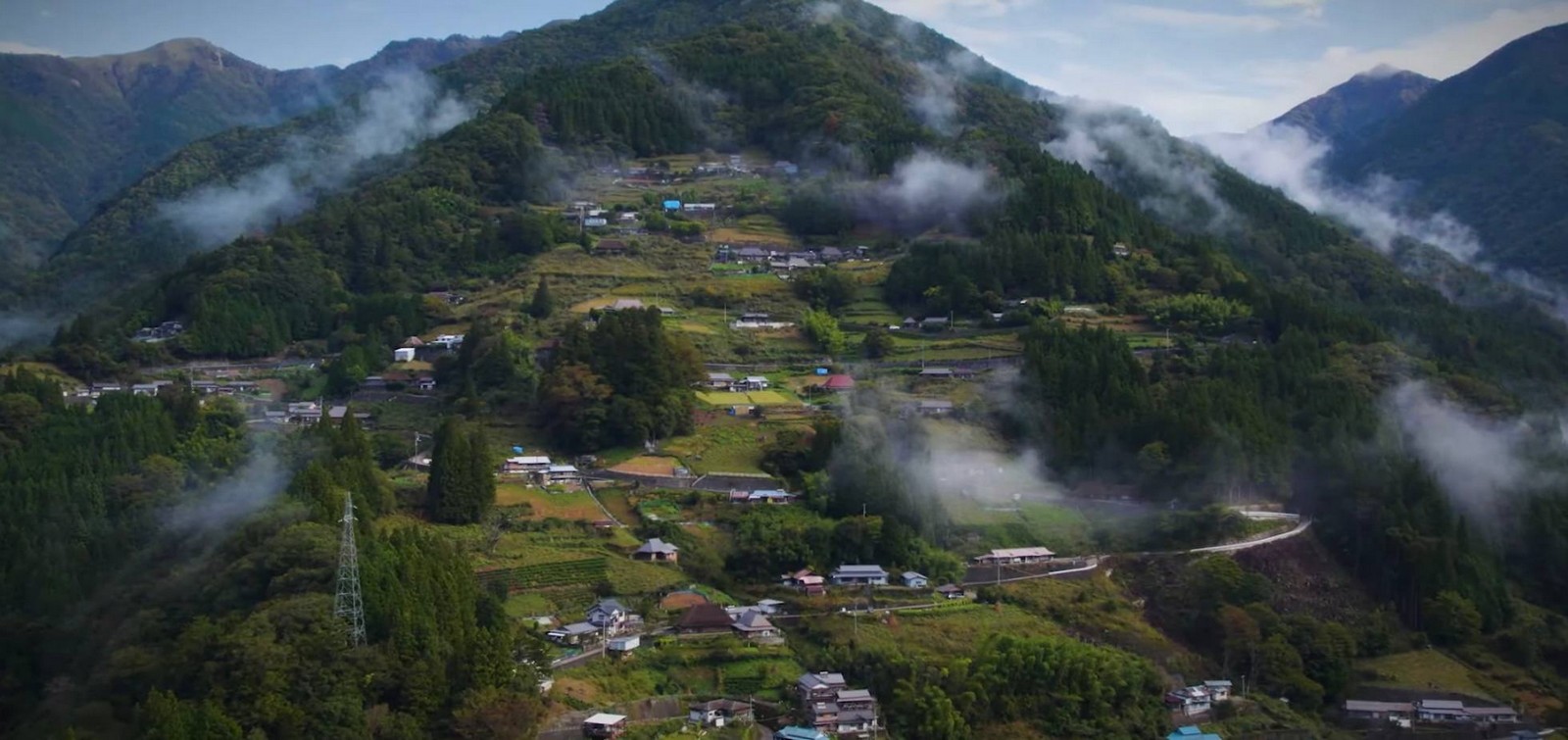
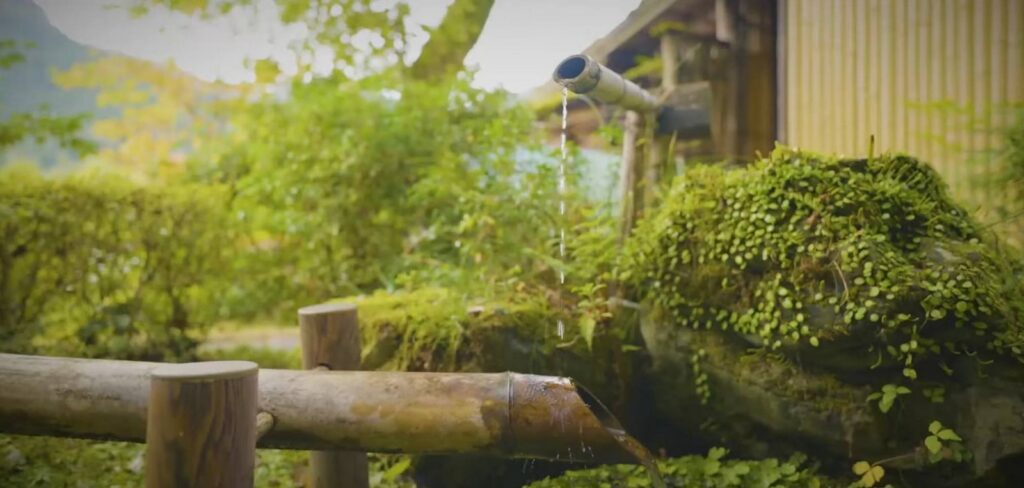
A mountain village hidden among the slopes of Iya Valley, surrounded by forests, fields and drifting clouds. The landscape gives a strong sense of Tokushima’s rural beauty and slow travel atmosphere.
Tip from the itinerary expert: Plan this entire day backward from the peak tide window. If the strongest whirlpools occur in the early afternoon, prioritize being at the observation deck then and fit your lunch and museum visits into the remaining gaps.
Overnight Location: Tokushima City
Day 3 — The Rugged Heart: Oboke Gorge and Iya Valley
Morning, 10:00–12:30. For your final day, renting a car is highly recommended to navigate the remote mountain regions. A compact rental typically costs between ¥7,000–¥13,000 per day. Drive toward the Oboke Gorge first. Be prepared for narrow, winding roads and mountain tunnels; while scenic, these routes require steady focus and a comfortable driving pace.
Lunch, 12:30–13:30. Stop at a roadside restaurant near Oboke or the Iya entrance. In these rural areas, dining options are less frequent than in the city, so it’s wise to eat when you see a good spot. A typical lunch will cost around ¥1,000–¥1,800.
Afternoon and evening, 13:30–18:00. Continue deep into the valley to visit the Kazurabashi Vine Bridge and nearby scenic outlooks. Municipal parking near the bridge is around ¥500. Keep an eye on the time—it’s best to finish your mountain exploration and begin the return trip while you still have daylight, as these roads can be more challenging to navigate after dark. Return to Tokushima for a final celebratory dinner.
Tip from the itinerary expert: Complete your mountain sightseeing by early afternoon to return before dusk. Focus on a few high-quality stops rather than a long checklist, as the driving itself is part of the experience and can be quite tiring.
Overnight Location: Tokushima City (or an overnight stay in an Iya Valley onsen ryokan)
Traveller Reviews: Real Experiences in Tokushima

Daniel Morgan
April 2018

We spent a slow morning at the Tokushima Castle ruins before catching the ferry. There isn’t an actual castle left, so don’t go expecting big towers or halls. Still, the stone walls, old trees, and quiet paths were really nice. My kids mostly just ran around the park while we had coffee nearby.
Sophie Bennett
August 2019

Awa Odori was easily the highlight of our Shikoku trip. The music gets stuck in your head straight away—drums, flutes, people shouting, and everyone dancing. It was crowded and very hot, but the atmosphere was amazing. We also visited the Awa Odori Kaikan before the festival, and it really helped the children understand what they were seeing.
Mark Wilson
February 2025
Awa Odori Kaikan was better than I expected. I thought it would just be a small museum, but the live show was the real reason to go. We arrived about 30 minutes early and still didn’t get the front row. The explanation was mostly in Japanese, but the dancing, drums, and audience participation were easy to enjoy anyway.
Rachel Adams
November 2017
Oboke Gorge was beautiful, but the boat ride felt a little too slow for our teenagers. The scenery was nice, especially the rocks and the green water, but the guide spoke only Japanese and we missed the background info. Next time I would probably choose rafting instead of the regular boat.
Thomas Reed
March 2024
We drove around Miyoshi during cherry blossom season and stopped at Koboke Observation Point and a few small countryside places. Some roads were steep, but the views felt completely different from Kyoto or Osaka. Quiet, rural, and no real pressure to rush. The kids liked buying sakura sweets more than looking at the blossoms, honestly.
Laura Collins
June 2016
Tokushima Castle ruins were disappointing for us. We expected more remains, maybe a clearer castle layout, but it mostly felt like a regular park with some old stone walls. It is fine if you already have spare time in the city, but I wouldn’t cross town just for it.
James Carter
May 2023
Naruto Whirlpools were impressive, but timing matters a lot. We checked the tide window and planned the bus from Tokushima Station around it. The kids liked the sea views and the idea that the water changes so quickly. Food options along the route were not great, so having snacks helped.
Emma Hughes
October 2022
Iya Valley was gorgeous, but the drive was not exactly relaxing. Narrow roads, tunnels, sharp curves, and sometimes I was just hoping no big car would come the other way. Still, the vine bridge and mountain villages made the day feel special. I would not do that drive after dark, especially with children.
Expert Insights for Your Tokushima Journey

Maximize Your Time at Awa Odori Kaikan
When visiting Tokushima City, prioritize a stop at the Awa Odori Kaikan first. By checking the performance schedule as soon as you arrive, you can seamlessly fit the museum exhibits or the souvenir shop into the wait time. Since the Bizan Ropeway departs from the same building, this approach turns a cultural visit into an efficient hub for sightseeing and panoramic views without unnecessary back-and-forth travel.
Focus on the Live Performance
While the museum offers valuable historical context, the live dance show is the true highlight of the Awa Odori Kaikan. If a performance is starting soon, secure your tickets immediately. The high-energy music and audience participation are often the most memorable parts of the trip, especially for families and first-time visitors.
Align Naruto Visits with the Tides
The Naruto Whirlpools are a natural spectacle that depends entirely on tidal strength. Build your day around the peak tide window—if it coincides with lunchtime, prioritize the viewing and eat a bit earlier or later. Visiting at the wrong time can result in a much calmer sea, missing the drama of the currents.
Evaluate the 2-Day Bus Pass
If you plan to use public transit for both Tokushima City and the trip to Naruto, the 2-day Tokushima Bus Pass is a cost-effective choice. Priced at ¥2,000 for adults and ¥1,000 for children (for overseas visitors), it covers all local routes and simplifies travel by removing the need for individual fares.
Dedicate a Full Day to the Iya Valley
The Iya Valley is best experienced as a standalone car journey. The mountain roads are beautiful but demanding, featuring narrow passes and numerous tunnels. Attempting to rush here after a morning in Naruto can be exhausting; a dedicated day ensures a safer, more relaxed exploration of the vine bridges and remote villages.
Capture Oboke Gorge in the Best Light
When visiting Oboke and Koboke Gorges, aim for a morning or early afternoon arrival. Because the valley is deep and narrow, it loses direct sunlight much earlier than the coast. Early visits ensure the emerald water and rock formations are well-lit for photography and sightseeing boats.
Utilize Castle Park for a Relaxed Break
The Tokushima Castle Ruins serve best as a peaceful urban escape rather than a major historical tour. With no standing towers, the park is ideal for a low-pressure stroll between other activities, providing open space that is particularly useful for those traveling with children.
Note Parking Restrictions for Larger Vehicles
If you are driving to the Awa Odori Kaikan, be aware that the on-site parking has a 155 cm height limit. While convenient for standard cars, SUVs or taller vans will need to use one of the many hourly parking lots located within a short walk of the facility.
Leverage Local Cuisine for a Smooth Schedule
Tokushima’s food scene is perfect for maintaining a busy itinerary. A quick bowl of Tokushima Ramen (typically ¥800–¥1,200) provides a hearty, local meal without the time commitment of a formal restaurant. This efficiency is especially helpful on days involving long bus rides or mountain driving.
Insights from the Itinerary Expert
I visited Tokushima in October 2023, and what stayed with me most was the contrast: a quiet, manageable city with surprisingly powerful nature close by. In the morning, the Awa Odori Kaikan felt lively and accessible—the performance makes the tradition easy to understand even without catching every word. Because the Bizan Ropeway leaves from the same building, I highly recommend doing them together to avoid unnecessary walking.
The mountain side is the more demanding part of the trip. The Iya Valley and Oboke Gorge are stunning, but the roads are narrow, winding, and can be tiring if children are restless in the back seat. For the Tokushima Castle Ruins, manage your expectations: it is a calm, historic park walk rather than a site with standing towers. For me, Tokushima works best when you don’t overload the schedule: city culture on day one, a sea day for the Naruto Whirlpools, and one proper nature day in the valley if you have the energy.
Tokushima is a fantastic choice if you want to experience Japan’s rivers, mountains, and local flavors at a pace that feels less crowded and more authentic. If you want to explore the region without the stress of guessing the logistics, we can create a personalized itinerary tailored to your specific travel style and dates.
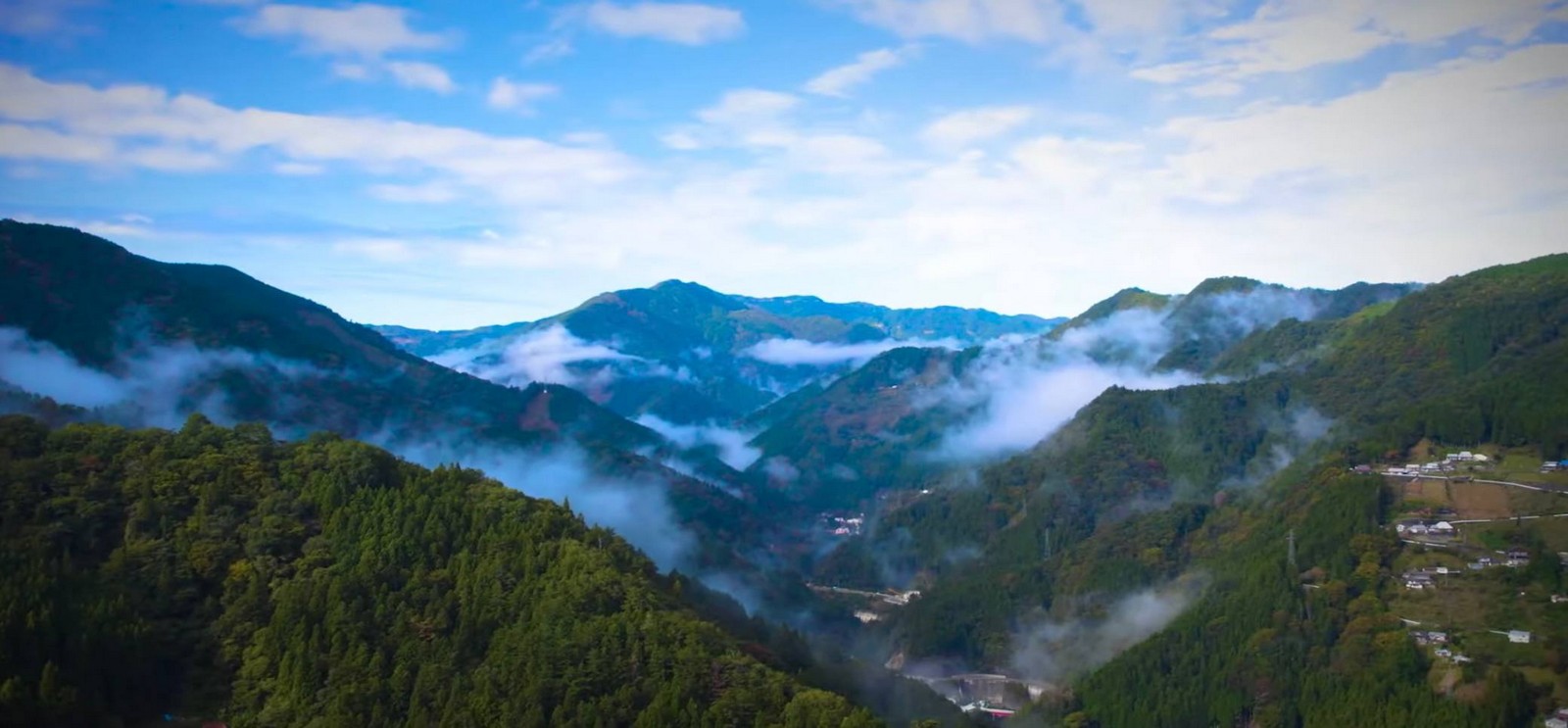
Misty mountains and deep green valleys reveal the wild side of Tokushima. This is the kind of scenery that makes the prefecture especially attractive for travelers who want nature, viewpoints and quiet mountain roads.
Tokushima Travel Prices in 2026
| Name | Amount | Description |
|---|---|---|
| Budget hotel in Tokushima City | 5,500–8,500 JPY | Per night. A practical choice near Tokushima Station. Simple business hotels are perfectly adequate if your days are focused on the Awa Odori Kaikan, Mount Bizan, and central city walks. |
| Mid-range hotel for a couple | 10,000–16,000 JPY | Per night. This range covers well-located hotels near Tokushima Station with smoother logistics, more room space, and often a public bath or onsen facility. |
| Comfortable central hotel for a couple | 16,000–25,000 JPY | Per night. Best for travelers wanting extra space and a full breakfast. Note that during the peak Awa Odori festival in August, prices can climb significantly above these rates. |
| Family room or apartment (4–5 people) | 18,000–35,000 JPY | Per night. Often better value than booking two separate rooms. Since Tokushima has fewer large-scale family accommodations than Osaka, early booking is highly recommended. |
| Car rental | 7,000–13,000 JPY | Per day for a compact class, excluding fuel and tolls. Renting a car is the most efficient way to access the Iya Valley, Oboke Gorge, and the Vine Bridge. |
| Regional public transport | 800–5,900 JPY | The airport shuttle to Tokushima Station is about ¥800. A bus from Kansai Airport is ¥3,500–¥5,000. A Limited Express train from Takamatsu costs between ¥2,840 and ¥5,900. |
| Tokushima Bus Pass | 2,000 (Adult) / 1,000 (Child) JPY | A two-day pass for local routes. It pays for itself quickly if you are combining Tokushima City sightseeing with a day trip to the Naruto area by bus. |
| Restaurant meal | 1,000–4,500 JPY | A bowl of Tokushima Ramen is roughly ¥800–¥1,200. A set lunch at a cafe is ¥1,000–¥1,800, while a typical izakaya dinner ranges from ¥2,500–¥4,500 per person. |
| Parking fees | 300–1,500 JPY | City parking ranges from ¥300 for a short stop to ¥1,500 for a full day. Parking at rural attractions like the Kazurabashi Vine Bridge is typically a flat fee of ¥500. |
| Casual breakfast for two | 1,000–1,800 JPY | Based on coffee and quick items from a supermarket or convenience store. This is a time-efficient option before starting a long day of driving or coastal exploration. |
FAQ: Planning Your Tokushima Journey
01
Is Tokushima Station a good base if we do not rent a car?
Yes. Tokushima Station is the most practical hub for accessing the Awa Odori Kaikan, Mount Bizan, and the Tokushima Castle Ruins. It also serves as the primary terminal for regional buses, diverse dining options, and onward travel to other parts of Shikoku.
02
Is it worth renting a car for Tokushima if our route includes the Iya Valley?
Absolutely. While the city is walkable, the Iya Valley, Kazurabashi Vine Bridge, and the Oboke/Koboke Gorges are much easier and more efficient to reach by car. Having your own vehicle allows you to explore remote viewpoints that are difficult to access via public transit.
03
Can we combine the Naruto Whirlpools and the Iya Valley into a single day?
I would not recommend it. Naruto must be carefully timed around the daily tide schedule, whereas the Iya Valley requires a slow, focused drive through narrow mountain roads. It is best to treat them as two separate, dedicated day trips to avoid a rushed and exhausting experience.
05
Is the Awa Odori Kaikan interesting outside the August festival season?
Yes. The facility offers daily live performances and a detailed museum, allowing visitors to experience the energy and history of Tokushima’s famous dance tradition throughout the year, even when the main festival isn’t happening.
07
Is the Tokushima Castle Ruins worth visiting with children?
Yes, provided you treat it as a relaxed park break rather than a major architectural tour. While there is no standing castle tower, the expansive green space, moats, and stone walls provide a great environment for children to run around and explore.
10
What is the main challenge of driving in the Iya Valley?
The primary challenges are the narrow, winding mountain roads and the physical fatigue that comes with navigating them. It requires steady concentration, especially through tunnels and steep sections. In winter, checking for snow or icy road conditions is essential before you depart.
What we propose

Emma Heidi
Customer Experience Manager
Take all the stress out of planning your trip!
With our experts, you can create the perfect itinerary for you – complete, comfortable, and tailored to all your dreams, wishes, and needs.
We take care of every little detail, so you can simply focus on enjoying your journey.
We’ve been designing personalized itineraries since 2015, and over the years we’ve created thousands of custom itineraries for happy clients.

Save time, avoid confusion – we do the work for you. Our service saves you weeks of searching, reading, comparing, and complicated planning. Instead of wasting endless hours – you receive a ready-to-use, accurate and clear itinerary.

A tailor-made itinerary – built just for you. Your itinerary is personally designed based on our experts’ real field experience and genuine feedback from hundreds of travelers – including hidden discoveries and insider tips that don’t appear in any travel guide.

Smart accommodation selection – often saves you hundreds or even thousands of dollars. We help you choose verified and recommended places to stay, checking availability for your exact travel dates. Sometimes we suggest hotels not “in the center,” but in safe, convenient, and highly strategic locations – which can significantly reduce travel costs and save you even thousands of dollars.

We’re by your side even during the trip. We stay with you throughout your vacation – providing professional help whenever needed. If the weather changes, there’s a strike, a local event, heavy crowds, or any unexpected situation – we are here to update, guide, and adjust your itinerary in real time.

Easy-to-use itinerary – with direct navigation links. Your itinerary includes direct Waze / Google Maps links – no need to search for parking addresses, no stress, no mistakes. Just tap – and go.

Service cost: from only $420. (Special price for short itineraries up to 5 days). Clients tell us the itinerary saves them costly mistakes, fines, wrong choices – plus exclusive discounts on car rentals, better-priced accommodations, and money-saving local tips.
Want to know if it’s really worth it?
Take a look at the experiences of travelers who built their personal itinerary with us.
Click here and let’s start building the itinerary that will save you time, money, and stress – and turn your vacation into perfection.
Of course, your first inquiry is completely free – with no commitment whatsoever.
How it works


- You are welcome to contact us
- We discuss your trip
- You fill out a special form
- We create your itinerary
- You get it with all useful tips
- We are in touch with you all the time