My love for Japan began the moment I arrived in Tokyo. The country amazed me with its harmony of ancient traditions, cutting-edge technology, breathtaking nature, and a culture unlike any other. Since then, Japan has become a part of my life, and I return there again and again. Today I help travelers discover the real Japan: I create personalized itineraries, give lectures, and prepare guests for their unforgettable journey. I would be delighted to open Japan for you too!



Nikko National Park
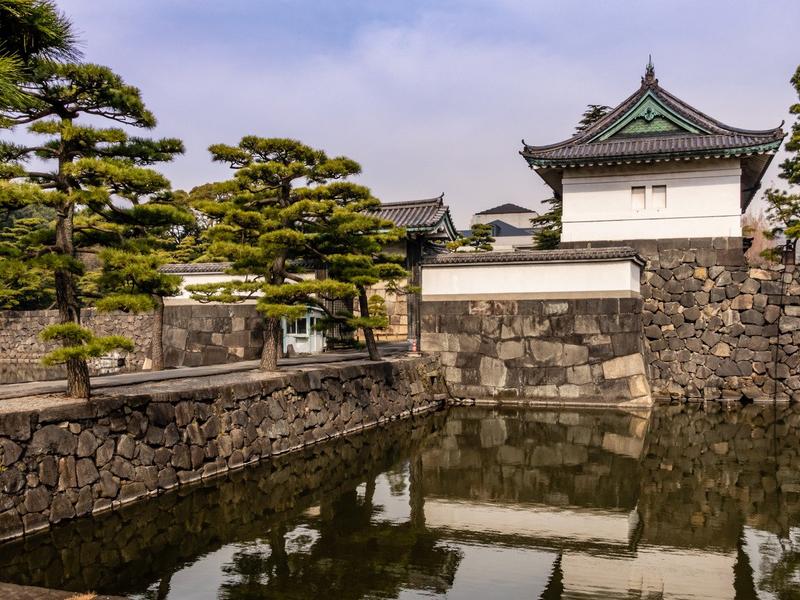
Nikko National Park is one of the premier escapes from Tokyo, offering a rich experience from the moment you arrive. This journey seamlessly blends sacred shrines and ancient cedar forests with serene lakes, dramatic waterfalls, and alpine landscapes. Established in 1934 as one of Japan’s first national parks, it encompasses the historic Nikko area, the highlands of Okunikko, Lake Chuzenji, and the famous Kegon and Ryuzu Falls. To truly appreciate the contrast between the ornate World Heritage sites and the wild beauty of the Senjogahara Marshland, a 1–2 day stay is highly recommended over a rushed day trip.
Key Information for Visiting Nikko National Park
Address:
Nikko National Park is located in the Nikko region of Tochigi Prefecture, Japan. The park's primary visitor zones include Nikko city, the UNESCO World Heritage shrine and temple district, Okunikko, Lake Chuzenji, Kegon Falls, Ryuzu Falls, Senjogahara Marshland, and Yumoto Onsen.
How to Get There
The most straightforward route from Tokyo is the Tobu Railway from Asakusa Station to Tobu Nikko Station, a journey of approximately 110–120 minutes. Alternatively, you can take the JR Shinkansen from Tokyo Station to Utsunomiya and transfer to the JR Nikko Line.
Upon reaching Nikko, local buses head toward Chuzenji Onsen and Yumoto Onsen, providing access to Lake Chuzenji and Kegon Falls. This bus ride typically takes 45–65 minutes. While public transport effectively connects the main sights, renting a car offers significantly more freedom to explore multiple nature spots at your own pace, especially when your schedule is tight.
Click here to learn more about creating a personal itinerary
Parking
For those exploring by car, the Akanuma area serves as an excellent base for visiting Senjogahara Marshland, Sainoko Lake, or Senjugahama. Note that in certain protected zones, private vehicles are restricted. Between Akanuma and areas like Odashirogahara or Senjugahama Beach, visitors must transition to low-emission hybrid buses.
While this eco-friendly transit may add time to your itinerary, it preserves the pristine landscape and prevents overcrowding. Always verify bus schedules before heading deep into the wilderness. **Do not rely on the final return bus**, particularly during the off-season when services may be less frequent.
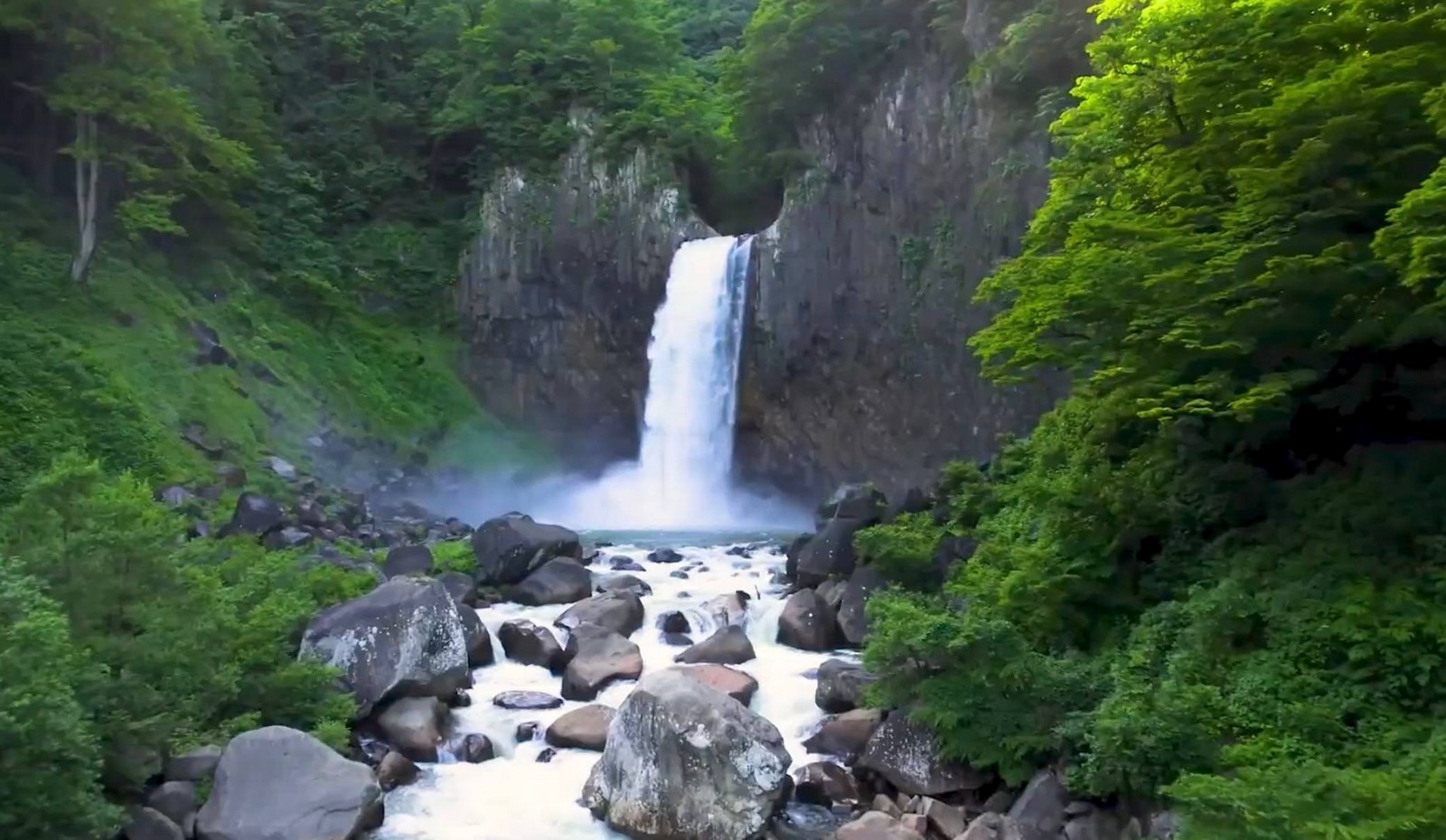
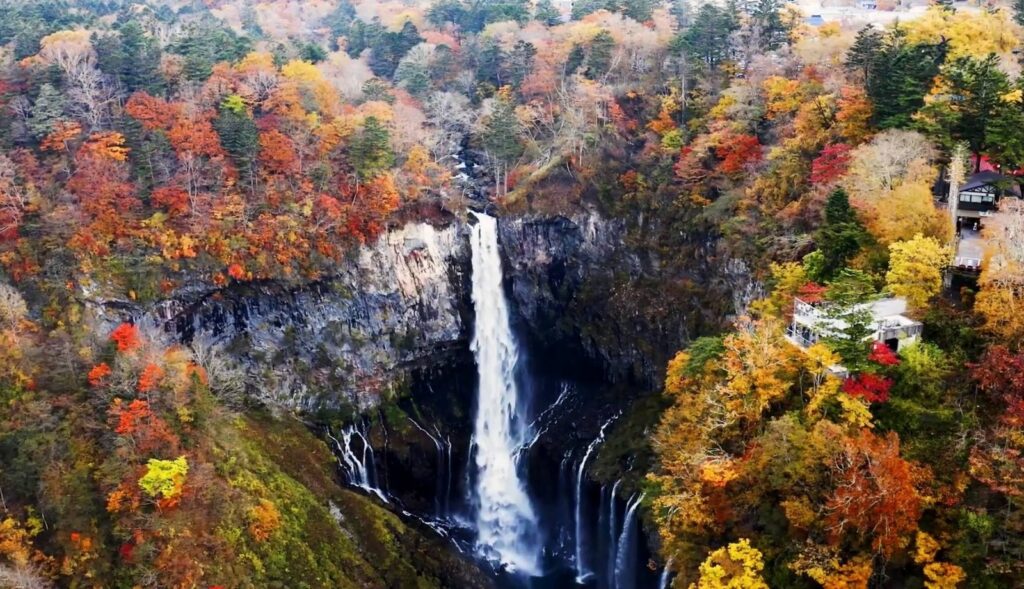
A powerful waterfall drops into a rocky river gorge surrounded by dense green forest, creating a fresh and dramatic natural scene.
Opening Hours
Nikko National Park is an expansive natural area without a single set opening schedule; however, individual attractions maintain their own hours. For instance, the Kegon Falls Elevator typically operates from 8:00am to 5:00pm, subject to seasonal changes. Note that the Akechidaira Ropeway will be closed for extensive renovations from January 16, 2026, until approximately late August or September 2027, and should not be included in 2026 travel plans.
Tickets
While entry to Nikko National Park itself is free, various sites within the park charge admission. Nikko Toshogu Shrine is ¥1,600 for adults and ¥550 for children, with a combined Shrine and Museum ticket available for ¥2,400. Entry to the Sanbutsudo Hall at Rinno-ji Temple is ¥400 for adults, while crossing the iconic Shinkyo Bridge costs ¥300. The Kegon Falls Elevator is priced at ¥570 for adults. Additionally, the British and Italian Embassy Villa Memorial Parks charge ¥200 each, or ¥300 for a combined entry ticket.
Duration
Minimum: 1 full day to see either the World Heritage shrines or the Okunikko nature area. Recommended: 2 days to comfortably cover both the cultural treasures of Toshogu and Rinno-ji, and the scenic landscapes of Lake Chuzenji and the waterfalls.
Best Time to Visit
Autumn is undeniably spectacular in Nikko, as the vibrant foliage frames Lake Chuzenji and Ryuzu Falls, though this popularity brings heavy traffic and potential bus delays. Spring and early summer offer mild weather perfect for hiking and lake activities. Winter provides a quiet, atmospheric experience, but requires sturdy gear for icy paths and a flexible schedule for snow-related transport shifts.

Since 2015, our website has specialized in individual planning of unique routes, taking into account personal preferences and desires.
Each of you will receive a unique PDF file from us, which contains everything you need: travel routes, car rentals, hotels, the best tourist attractions, attractions for kids and everything you need for a perfect vacation.
During the trip, we are available for you by phone via WhatsApp.
Our personal service provides information from A to Z, taking into account many small details that can become a decisive factor on the way from a wasted trip to an unforgettable vacation.
Our service will make your trip comfortable, save a lot of time on planning and preparation, and most importantly – will allow you to become freer and fully enjoy the pleasure of the trip.
What to See in Nikko National Park
The most rewarding route through Nikko National Park balances the grandeur of the World Heritage shrines with the raw beauty of Okunikko’s lakes, waterfalls, and expansive marshlands. If your time is limited, it is best to choose a single focus: either the cultural treasures surrounding Nikko Toshogu Shrine or the scenic nature trails around Lake Chuzenji. Attempting to rush through both often leads to a frantic and fragmented experience.
For a more comprehensive journey, the ideal flow begins at the shrine complex before heading into the highlands toward Lake Chuzenji, Kegon Falls, Ryuzu Falls, and Senjogahara Marshland. This sequence creates a natural rhythm—starting with intricate architecture and sacred cedar groves, then opening up into sweeping mountain vistas and serene nature walks.
Nikko Toshogu Shrine
Nikko Toshogu Shrine is the historical centerpiece of the region and the primary reason the World Heritage area carries such immense visual weight. Dedicated to Tokugawa Ieyasu, the shrine is renowned for its lavishly decorated structures, the Yomeimon Gate, and famous carvings like the Three Wise Monkeys and the Sleeping Cat. A forested path also leads visitors up to the founder’s mausoleum.
This site deserves more than a quick glance. The grounds are extensive, featuring gravel paths and numerous stairs, and the most popular sections can draw significant crowds. **Sturdy, comfortable shoes are essential**, particularly if you intend to climb the stone steps to the inner shrine.
Opening Hours: Hours vary by season; check the current schedule before visiting.
¥1,600 adult / ¥550 child; Nikko Toshogu Shrine + Museum combo ¥2,400.
Tip from the itinerary expert: Visit Nikko Toshogu Shrine first thing in the morning rather than at the end of a long day of hiking. The shrine requires energy and focus to appreciate; arriving before the peak crowds ensures a much better experience at the Yomeimon Gate and the famous carvings.

Distance/Time: Allow at least 120 minutes for a comfortable visit, especially when combined with nearby Rinno-ji Temple and Futarasan Shrine.
Nikko-zan Rinno-ji Temple
Nikko-zan Rinno-ji Temple is a cornerstone of Buddhist practice in Nikko, providing vital context to the sacred mountain landscape. Its Sanbutsudo Hall houses three towering gold-leaf statues representing the deities of the region’s three sacred peaks, making it a perfect companion visit to the Toshogu Shrine.
The temple offers a more contemplative atmosphere compared to its ornate neighbors, serving as a peaceful interval within the World Heritage zone. It highlights the deeper spiritual roots of Nikko, focusing on mountain worship and the ancient connection between religious tradition and the natural world.
Opening Hours: Hours vary by season; check the current schedule before visiting.
Sanbutsudo Hall: ¥400 adult / ¥200 child; Rinno-ji Temple + Taiyuin: ¥900 adult.
Distance/Time: Located just a short walk from Nikko Toshogu Shrine within the main heritage area.
Lake Chuzenji
Lake Chuzenji serves as the scenic heart of Okunikko, perched at the foot of Mount Nantai at an elevation of 1,269 meters. With a 25-kilometer circumference and depths reaching 163 meters, the atmosphere here is distinctly alpine and airy compared to the town below.
This is where the itinerary shifts to a slower pace. You can enjoy lakeside strolls, mountain views, sightseeing cruises, or even stand-up paddleboarding (SUP). The lake is perfectly positioned for visiting Kegon Falls, the historic embassy villas, and the bus route leading further into the Senjogahara Marshland.
Opening Hours: Open natural area; activity and facility hours vary by season.
Lake access is free; paid activities such as SUP on Lake Chuzenji are approximately ¥6,500.
Tip from the itinerary expert: If Lake Chuzenji is on your list, consider staying overnight nearby or leaving Nikko Station very early. The bus climb to Chuzenji Onsen is time-consuming, and an early start provides the necessary buffer to enjoy Kegon Falls and a relaxed lakeside lunch without feeling rushed.
Distance/Time: The bus journey from Tobu Nikko or JR Nikko Station takes 45–65 minutes, depending on traffic and seasonal demand.
Kegon Falls
Kegon Falls is one of Japan’s most iconic natural landmarks, plunging nearly 97 meters from Lake Chuzenji. While the upper viewpoint is free, the paid elevator is worth the trip; it descends to lower platforms where you can truly feel the immense power, spray, and roar of the water.
The falls are conveniently located in the Chuzenji Onsen area, making them an easy addition to any lakeside visit. The character of the falls shifts dramatically with the seasons—from vibrant autumn framing to spectacular ice formations in winter.
Opening Hours: The elevator typically operates from 8:00am to 5:00pm, with seasonal adjustments.
Kegon Falls Elevator: ¥570 adult / ¥340 child.
Distance/Time: A short walk from the Chuzenji Onsen bus terminal and Lake Chuzenji.
Senjogahara Marshland
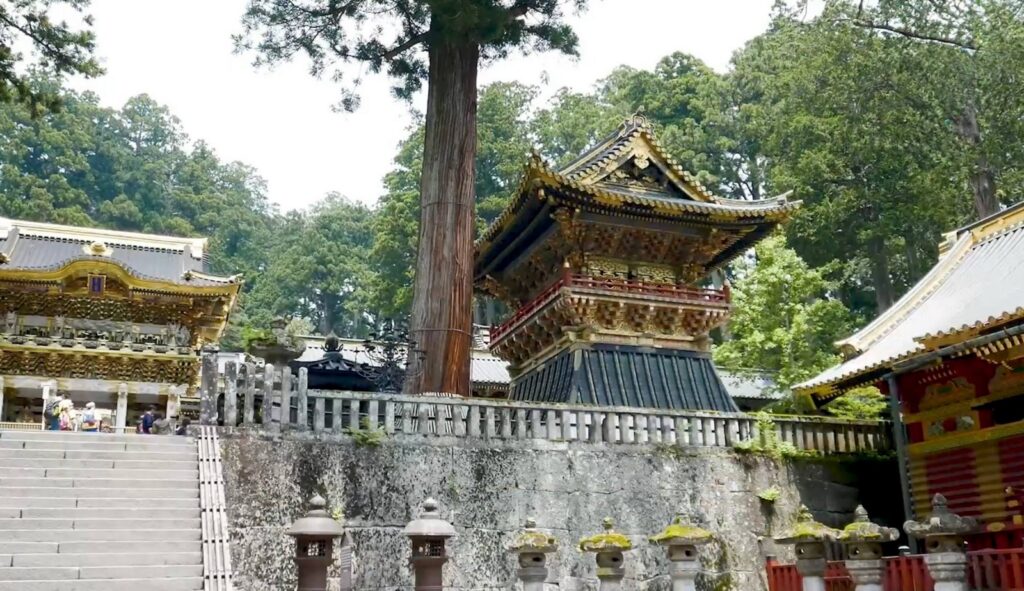
Senjogahara Marshland offers a striking change of scenery: a vast high-altitude wetland crisscrossed by wooden boardwalks. According to local myth, this plateau was the site of a legendary battle between mountain gods. Today, it provides panoramic views of the surrounding peaks and is a haven for native birdlife and flora.
The marshland spans roughly 400 hectares. The main hiking trail takes about 2 hours to complete at a steady pace. It is an ideal choice for those seeking fresh mountain air and easy movement without the physical demands of a steep climb.
Opening Hours: Open natural area; trail conditions vary by season.
Free natural area; separate fees may apply for guided eco-tours.
Distance/Time: Take the Tobu bus toward Yumoto Onsen and alight at the Akanuma stop to access the trailheads.
Ryuzu Falls
Ryuzu Falls is a unique, 210-meter long cascade that flows over ancient volcanic rock. Its name translates to “Dragon Head,” inspired by the way a large rock at the base splits the water, creating a shape that resembles a dragon’s head and whiskers.
This is a highly convenient stop in Okunikko as it sits directly between Lake Chuzenji and the Senjogahara Marshland. It requires less time than a major hike, making it an excellent scenic break before continuing your exploration of the highlands.
Opening Hours: Open natural area; nearby rest houses operate seasonally.
Access to the waterfall viewpoints is free.
Distance/Time: Accessible via the Tobu bus toward Yumoto Onsen; use the Ryuzunotaki bus stop.
Shinkyo Bridge
The vermilion Shinkyo Bridge is the symbolic gateway to Nikko’s sacred grounds and one of Japan’s most photographed bridges. It marks the transition from the modern town to the ancient forest landscape. It is best enjoyed as a quick, scenic introduction to the World Heritage area.
While there is a fee to actually walk across the bridge, it is easily viewed and photographed from the roadside. It fits perfectly into a compact day focused on the cultural trio: Toshogu Shrine, Rinno-ji Temple, and Futarasan Shrine.
Opening Hours: Standard hours apply for crossing; the bridge is visible 24/7.
Bridge crossing fee: ¥300.
Distance/Time: An ideal first stop on your way into the World Heritage shrine and temple district.
What Is Near Nikko National Park and Worth Adding?
- Futarasan Shrine: Located adjacent to Nikko Toshogu Shrine and Rinno-ji Temple, Futarasan Shrine integrates seamlessly into a walking tour of the World Heritage area. It offers a tranquil contrast to its more famous neighbor, providing a serene atmosphere after the intricate and dense decorations of Toshogu. While the forested grounds feature stone paths and shaded corners, note that certain inner sanctums may require a modest admission fee.
- Taiyuin: This is an essential stop for those focusing on Nikko’s spiritual heritage. As the mausoleum of the third Tokugawa shogun, it pairs perfectly with Rinno-ji Temple, offering a deeper and more contemplative look at the region’s history. The site involves several flights of stairs and a slower visitor pace, so it is best visited early in the day while energy levels are high.
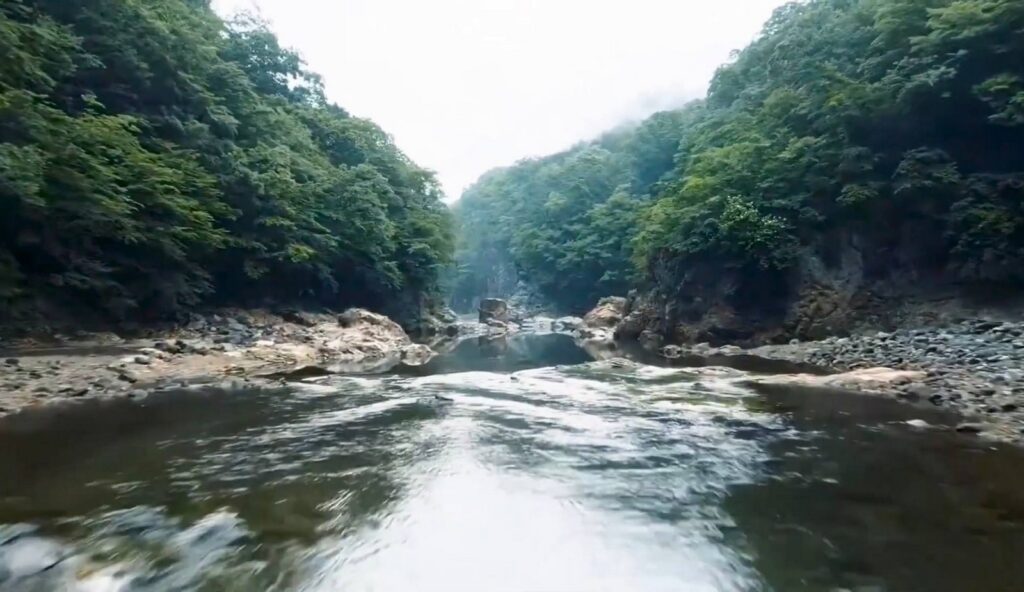
- Kanmangafuchi Abyss: For a more atmospheric and quiet experience near the town center, the Kanmangafuchi Abyss is unbeatable. This riverside trail, lined with iconic stone Jizo statues draped in red, creates a mystical mood far removed from the busier tourist zones. It is best enjoyed as a meditative stroll rather than a landmark to be rushed through.
- Tamozawa Imperial Villa Memorial Park: This former retreat for the Imperial Family is a masterpiece of architectural fusion, blending traditional Japanese styles with Western influences. The surrounding gardens are particularly stunning during the cherry blossom season and autumn. It serves as an excellent cultural alternative when mountain weather isn’t suitable for hiking.
- British Embassy Villa Memorial Park: Perched on the shores of Lake Chuzenji, this villa offers a sophisticated lakeside pause. It combines effortlessly with a visit to the Italian Embassy Villa and a walk toward Kegon Falls. The draw here is the exceptional view of the lake, inviting travelers to slow down and enjoy a softer pace in the heart of Okunikko.
- Italian Embassy Villa Memorial Park: Another gem on Lake Chuzenji, this villa is ideal for those prioritizing scenery over temples. The distinctive architecture and quiet waterfront setting offer a peaceful retreat between more active nature stops. If you plan to explore both embassy villas, the combined ticket is the most practical choice.
- Yumoto Onsen: Situated at the far end of the Okunikko route, this hot spring town is perfect for travelers seeking mountain air and relaxation. While it can feel a bit distant for a single-day trip from Tokyo, it becomes a highlight of a two-day itinerary, especially when paired with Senjogahara Marshland and Yudaki Falls.
Tip from the itinerary expert: Avoid the common mistake of mixing stops from different zones into one day. Keep your World Heritage explorations together, and save Lake Chuzenji, the embassy villas, and Yumoto Onsen for a dedicated Okunikko nature route. This strategy minimizes transfer times and ensures you aren’t spending your entire trip on a bus.
Who Is Nikko National Park Best For?
- Families: Nikko is an excellent family destination because it balances culture with outdoor adventure. Children are often captivated by the waterfalls, forest boardwalks, and the vivid carvings of the shrine area, which feels more like an open-air gallery than a dry history lesson. To ensure a smooth trip, be mindful of the stairs and gravel in the shrine zone and allow extra time for bus transfers in Okunikko.
- Travelers who enjoy nature: The park is incredibly rewarding for those seeking diverse landscapes, from alpine lakes to vast marshlands. Sites like Kegon Falls and Senjogahara Marshland provide a sense of scale and wild beauty that far exceeds a standard day trip. A two-day plan is ideal here, as these natural wonders deserve more than a cursory glance after visiting the temples.
- Culture and history travelers: With its intricate gates, pagodas, and ancient trees, the World Heritage area is one of Japan’s most visually stunning religious sites. It is perfect for those who appreciate historic architecture and the traditions of mountain worship, offering a rich experience that is accessible even without extensive prior knowledge of Japanese history.
- Active travelers: From the wooden boardwalks of Senjogahara Marshland to the nature trails leading to Yumoto Onsen, Nikko offers plenty of opportunities for movement. While these routes do not require technical hiking skills, proper footwear is essential. The mountain weather can shift rapidly, so a flexible approach to your daily route is recommended.
- Older travelers: Nikko is highly enjoyable for older visitors if the itinerary allows for a relaxed pace. Since the shrine area involves uphill sections and uneven stone paths, focusing on a few key sites rather than a packed schedule is best. Around Lake Chuzenji, the embassy villas and lakeside viewpoints offer beautiful scenery with less physical strain.
- Travelers with limited mobility: Accessibility varies throughout the park. Many historical sites feature stairs and gravel, while some nature trails are not fully paved. The most comfortable approach is to prioritize the accessible viewpoints at Lake Chuzenji and Kegon Falls, focusing on the scenic drives and shorter, flatter transfers.
- Visitors with strollers: While strollers are useful in the flatter parts of town, they can be challenging in the World Heritage zone due to stairs and crowds. For the nature trails of Okunikko, a child carrier is often more practical. To keep the day stress-free, limit the number of stops and avoid tight connections between bus rides.
Tip from the itinerary expert: For a comfortable family trip, focus on one theme per day: either the shrines and town culture or the nature of Okunikko. This keeps the walking manageable and ensures you have plenty of time for meals, avoiding the trap of spending more energy on logistics than on the sights themselves.
Nikko National Park 2-Day Family Itinerary
Trip Duration: 2 days
Day 1 — Nikko World Heritage Area, Shinkyo Bridge and the Move to Lake Chuzenji
Morning, 10:00–13:00: Begin your journey at Tobu Nikko Station or JR Nikko Station and board the World Heritage sightseeing bus toward the historic district. Your first stop is the iconic Shinkyo Bridge, followed by Nikko-zan Rinno-ji Temple and the magnificent Nikko Toshogu Shrine. Admission for the bridge is ¥300, Rinno-ji’s Sanbutsudo Hall is ¥400 for adults / ¥200 for children, and Nikko Toshogu Shrine is ¥1,600 for adults / ¥550 for children. We recommend 15–20 minutes for the bridge, 45–60 minutes for Rinno-ji, and at least 2 hours for Toshogu to properly appreciate the Yomeimon Gate and the climb to the inner shrine without rushing.
Lunch, 13:00–14:00: We suggest staying near the World Heritage area for lunch to avoid immediate travel stress. Gyoshintei offers an authentic taste of Buddhist vegetarian cuisine, while nearby eateries serve local specialties like yuba, soba, and hearty curry sets. Budget approximately ¥1,500–3,000 per person. This break is vital for families, as the shrine’s gravel paths and stairs can be surprisingly tiring for younger travelers.
Afternoon and evening, 14:00–18:00: If energy levels allow, add a quick visit to Futarasan Shrine before departing the heritage zone. Afterward, take the bus toward Chuzenji Onsen. This scenic climb takes about 45–65 minutes. Checking into a lakeside hotel or ryokan for the night is a strategic move—it allows you to wake up already in the heart of Okunikko. For dinner, enjoy a traditional meal at your accommodation or a local lakeside izakaya, typically costing ¥2,500–5,000 per person.
Tip from the itinerary expert: Always visit Nikko Toshogu Shrine in the morning while everyone is fresh. The terrain is a mix of stairs and heavy gravel, which is much easier to navigate early in the day. Moving to Lake Chuzenji in the late afternoon ensures your second day starts peacefully by the water rather than on a crowded uphill bus.
Overnight Location: Lake Chuzenji / Chuzenji Onsen area
Day 2 — Lake Chuzenji, Kegon Falls, Embassy Villas, Ryuzu Falls and Senjogahara Marshland
Morning, 10:00–12:30: Wake up to the serene views of Lake Chuzenji, located at a cool 1,269 meters. Enjoy a lakeside walk before heading to the powerful Kegon Falls. The elevator to the base of the 97-meter falls is a highlight for families (¥570 for adults / ¥340 for children). Please note for 2026: the Akechidaira Ropeway is closed for major renovations through late 2027, so plan for more time at the falls or the lakeside instead.
Lunch, 12:30–13:30: Keep the relaxed mountain pace by dining near the lake. Coffee House Yukon is a wonderful spot for a mid-day meal with a resort feel. Other lakeside cafés offer casual dining with prices ranging from ¥1,500 to ¥3,000. It is the perfect time to try some local sweets or a quiet coffee by the water.
Afternoon and evening, 13:30–18:00: Explore the British and Italian Embassy Villa Memorial Parks. These historic summer retreats offer some of the best views of the lake. Combined tickets are ¥300 for adults / ¥150 for children. Afterward, hop on a bus toward Ryuzu Falls, famous for its “dragon head” shape. If the family is still up for adventure, head to Akanuma for a gentle walk along the Senjogahara Marshland boardwalks. The full trail is 2 hours, but even a 30-minute out-and-back walk offers stunning views of the surrounding peaks before you catch the bus back to the station.
Tip from the itinerary expert: Be flexible with the Senjogahara Marshland walk on Day 2. If the kids are tired or the weather turns, the view from Ryuzu Falls is a perfectly satisfying natural finale. Always prioritize making it back for the earlier return buses to ensure a stress-free journey back to Tokyo.
Overnight Location: Lake Chuzenji, Nikko Station area, or onward travel to Tokyo
Traveller Reviews of Nikko National Park

Daniel Cohen
October 2024

We spent two days in Nikko, and honestly, I’m so glad we didn’t try to force it into one. Toshogu Shrine had so many details — the monkeys, the Sleeping Cat, that gold gate — and then Lake Chuzenji felt like a totally different trip. Our kids liked Kegon Falls way more than I thought they would. But the wind near the lake was cold, so yes, bring layers.
Emily Harris
May 2023
Really beautiful, but there was more walking than I expected. The shrine area has gravel, stairs and small uphill bits, so my younger child started complaining after about an hour. Still, seeing the carvings at Nikko Toshogu up close was amazing. We had yuba for lunch near the shrine area, and that was a nice surprise — very different from what we ate in Tokyo.
Karim Mansour
August 2022

The nature was great, but the buses were honestly tiring. We waited longer than expected on the way to Lake Chuzenji, and by the time we got to Kegon Falls everyone was hungry already. The waterfall itself was strong and loud, definitely worth seeing. But I would not do the lake and the temples on the same day again.
Laura Mitchell
November 2025
The autumn colors around Lake Chuzenji and Ryuzu Falls were unreal. I kept stopping every few minutes for photos, which annoyed my family a little. Senjogahara Marshland was actually my favorite part because it felt open and quiet after the busy shrine area. Just be warned: it gets cold quickly, especially after sunset near the water.
Samir Haddad
February 2019
We went in winter, and the atmosphere was special, almost silent in some places. At Toshogu, we had to take off our shoes inside one building and my feet were freezing, so thick socks would have been smart. The kids didn’t get bored because there were stairs, gates, carved animals and little details to spot everywhere.
Anna Roberts
July 2021
I wanted to love it more. Nikko is beautiful, yes, but our day felt messy: humid weather, crowded buses, and not many quick food options exactly where we needed them. Toshogu was impressive, but the famous carvings were smaller than I had imagined. Maybe with an overnight stay it would have felt better.
Michael Stein
April 2018
Short and simple: don’t skip Kegon Falls if you go up to Lake Chuzenji. The elevator view was the best part for our family, much better than just looking from above. We also liked the quiet lakeside near the embassy villas. Not exciting like a theme park, but very peaceful.
Nadia Williams
June 2016
My strongest memory is the smell of wet cedar after the rain near the shrine paths. The stones were slippery, and I held my daughter’s hand most of the time. Futarasan Shrine felt much calmer than Toshogu, almost like a relief after the crowds. We bought snacks near the station before going up to the lake, and that really helped later.

Tips from the Itinerary Expert

Split the Shrine Day and the Lake Day
Attempting to combine the World Heritage area and Lake Chuzenji into a single push often results in too much time spent on buses. Tip from the itinerary expert: keep Toshogu, Rinno-ji, and Futarasan together for one day, then dedicate the next to Lake Chuzenji, Kegon Falls, and Senjogahara.
Use the Bus Direction to Save Energy
When exploring the shrine area, I recommend taking the bus up from the station and moving gradually through the sites, rather than starting with a long uphill climb. This approach preserves energy for children, which is essential before tackling the many stairs and gravel paths around Nikko Toshogu Shrine.
Do Not Rely on Akechidaira Ropeway in 2026
If your original plan included viewing Kegon Falls from the Akechidaira Ropeway, you should remove it from your 2026 route. It is closed for long-term renovation starting January 16, 2026. Instead, build your day around the Kegon Falls Elevator, Lake Chuzenji, and the lakeside villa area.
Choose the Transport Pass That Matches the Route
If you are staying exclusively around Toshogu and the World Heritage zone, the World Heritage Area Pass is sufficient. However, if your route extends to Lake Chuzenji, Ryuzu Falls, or Yumoto Onsen, the All Area Pass is much more cost-effective. Tip from the itinerary expert: using the wrong pass for a lake route is a common way to waste money.
Have Lunch before the Okunikko Transfer
With children in tow, it is best not to delay lunch until after the bus ride to Lake Chuzenji. The Toshogu area offers plenty of accessible options like yuba, soba, or ramen. Once you transfer to the highlands, options can feel more limited and everyone will already be tired.
Turn Toshogu into a Detail Hunt for Children
To keep younger travelers engaged at Nikko Toshogu Shrine, turn the visit into a search game for the famous carvings: the Three Wise Monkeys, the Sleeping Cat, and the hidden animals on the Yomeimon Gate. Children stay much more interested when they are looking for specific details rather than just listening to history.
Use Akanuma as the Practical Nature Base
When planning visits to Senjogahara, Sainoko Lake, or Senjugahama, use Akanuma as your primary hub. Private cars are restricted in these protected zones, so you will need to switch to the low-emission hybrid bus here. Tip from the itinerary expert: check the bus schedule in advance to avoid getting stuck.
Walk Only Part of Senjogahara with Children
While the full Senjogahara hiking course takes about two hours, I often suggest choosing a shorter boardwalk section starting from Akanuma if you are with children. You still experience the unique marshland atmosphere and open views without the risk of exhausting the kids before the return bus arrives.
Use the Embassy Villas as a Weather Backup
If the weather at the lake turns windy or rainy, the British and Italian Embassy Villa Memorial Parks are excellent indoor alternatives to long outdoor walks. The combined ticket is more affordable than paying separately, and the glass-enclosed porches still offer spectacular, dry views over Lake Chuzenji.
Stay near Lake Chuzenji for a Calmer Second Day
For itineraries that include Kegon Falls, Ryuzu Falls, and Senjogahara, I highly recommend sleeping near Lake Chuzenji. This eliminates the morning bus climb from Nikko Station, giving you a head start on the nature stops and a far more relaxed experience before your afternoon return.
Insights from the Itinerary Expert
My visit to Nikko National Park in October 2024 reinforced one vital lesson: Nikko is far more than just a quick side trip from Tokyo. On my first day, I attempted to pack in the Shinkyo Bridge, Rinno-ji Temple, and Nikko Toshogu Shrine before heading to Lake Chuzenji. By late afternoon, the children were exhausted. While the World Heritage area is breathtaking, navigating the gravel paths, steep stairs, and queues at the famous carvings requires a slow, stop-and-start pace that can be draining for families.
In contrast, Lake Chuzenji and Kegon Falls felt much more manageable the following morning. A few practical takeaways: the mountain air is significantly colder than expected, bus travel requires patience, and lakeside dining options are less flexible than in town—so don’t leave your meals to chance. The highlight was undoubtedly the Senjogahara Marshland. Its wide-open spaces and easy boardwalks offered a refreshing, nature-focused escape where the scenery speaks for itself without the need for historical explanations.
Nikko National Park offers an incredible family adventure, provided your itinerary has enough breathing room. We invite you to collaborate with us to design a custom journey through Nikko and beyond, ensuring a perfect balance of nature, seamless transport, and realistic timing.
Nikko National Park Travel Costs
| Name | Amount | Description |
|---|---|---|
| Budget Hotels & Guesthouses | ¥7,000–23,000 JPY | Rate per night. An affordable and practical choice for staying in Nikko without the premium cost of a traditional ryokan. |
| Mid-Range Hotels | ¥20,000–35,000 JPY | Per night. Ideally located near Nikko Station or the World Heritage Area, convenient for visiting Toshogu Shrine and Shinkyo Bridge. |
| Ryokans & Onsen Resorts | ¥30,000–80,000 JPY | Per room (double occupancy), includes dinner and breakfast. Best for a relaxing experience near Lake Chuzenji. |
| Family Apartments (5+ People) | Varies JPY | Rates depend on the season. For large families, comparing the cost of one apartment versus two hotel rooms is recommended. |
| Car Rental (Daily) | Varies JPY | Recommended for nature lovers. Note: Private cars are restricted in protected areas like Senjugahama; use hybrid buses from Akanuma. |
| Public Transport Passes | ¥600–8,000 JPY | Options range from the World Heritage Pass (¥600) to the NIKKO PASS All Area (¥8,000). Half-price for children. |
| Restaurant Meals | ¥1,000–5,000 JPY | Simple lunches (ramen/soba) cost ¥1,000–2,000. Lakeside dining or izakaya dinners typically range from ¥2,500 to ¥5,000 per person. |
| Lakeside Coffee & Desserts | ¥800–1,800 JPY | Per person. Perfect for a scenic break near Kegon Falls or the historic Embassy Villas. |
Nikko National Park FAQ
What we propose

Emma Heidi
Customer Experience Manager
Take all the stress out of planning your trip!
With our experts, you can create the perfect itinerary for you – complete, comfortable, and tailored to all your dreams, wishes, and needs.
We take care of every little detail, so you can simply focus on enjoying your journey.
We’ve been designing personalized itineraries since 2015, and over the years we’ve created thousands of custom itineraries for happy clients.

Save time, avoid confusion – we do the work for you. Our service saves you weeks of searching, reading, comparing, and complicated planning. Instead of wasting endless hours – you receive a ready-to-use, accurate and clear itinerary.

A tailor-made itinerary – built just for you. Your itinerary is personally designed based on our experts’ real field experience and genuine feedback from hundreds of travelers – including hidden discoveries and insider tips that don’t appear in any travel guide.

Smart accommodation selection – often saves you hundreds or even thousands of dollars. We help you choose verified and recommended places to stay, checking availability for your exact travel dates. Sometimes we suggest hotels not “in the center,” but in safe, convenient, and highly strategic locations – which can significantly reduce travel costs and save you even thousands of dollars.

We’re by your side even during the trip. We stay with you throughout your vacation – providing professional help whenever needed. If the weather changes, there’s a strike, a local event, heavy crowds, or any unexpected situation – we are here to update, guide, and adjust your itinerary in real time.

Easy-to-use itinerary – with direct navigation links. Your itinerary includes direct Waze / Google Maps links – no need to search for parking addresses, no stress, no mistakes. Just tap – and go.

Service cost: from only $420. (Special price for short itineraries up to 5 days). Clients tell us the itinerary saves them costly mistakes, fines, wrong choices – plus exclusive discounts on car rentals, better-priced accommodations, and money-saving local tips.
Want to know if it’s really worth it?
Take a look at the experiences of travelers who built their personal itinerary with us.
Click here and let’s start building the itinerary that will save you time, money, and stress – and turn your vacation into perfection.
Of course, your first inquiry is completely free – with no commitment whatsoever.
How it works


- You are welcome to contact us
- We discuss your trip
- You fill out a special form
- We create your itinerary
- You get it with all useful tips
- We are in touch with you all the time