My love for Japan began the moment I arrived in Tokyo. The country amazed me with its harmony of ancient traditions, cutting-edge technology, breathtaking nature, and a culture unlike any other. Since then, Japan has become a part of my life, and I return there again and again. Today I help travelers discover the real Japan: I create personalized itineraries, give lectures, and prepare guests for their unforgettable journey. I would be delighted to open Japan for you too!

Okayama
Okayama shines brightest as a peaceful, strategic base between the heavy-hitters like Osaka, Kyoto, and Hiroshima. It offers seamless access to Korakuen Garden, Okayama Castle, and the charm of old merchant streets without the frantic pace of Japan’s headline cities. For a first-timer, the most rewarding route begins with the castle and garden district, then extends to Kurashiki, Kibitsu Shrine, or the rustic Kibiji countryside. The atmosphere here is noticeably quieter, making it the perfect choice when you want natural scenery, wide walking spaces, and simple logistics all in one place.
Transport in Okayama
Okayama Station is the central hub that makes organizing your visit effortless. Positioned directly on the Shinkansen line between Osaka and Hiroshima, it’s easy to drop in for a night or two without overhaulng your entire Japan itinerary. From the station, the main sights are easily reachable on foot, by tram, or by a quick taxi ride, depending on your pace and the weather.
For Korakuen Garden and Okayama Castle, the route is simple: a pleasant walk from the station, a short tram ride toward the castle district, or a taxi if the group is tired or the sun is too high. The tram isn’t just transport; it offers a glimpse into the city’s daily rhythm. The fare is **160 ¥ for adults and 80 ¥ for children**, making it an affordable way to navigate the center. Just follow the signs at Okayama Station to the streetcar stop; you can pay with exact cash or an IC card.
Kurashiki is a natural and essential side trip. A short local train ride brings you to Kurashiki Station, where a brief walk leads to the historic canal district. The fare typically ranges from **330–420 ¥ one way**. It’s a perfect half-day or full-day escape filled with canals, traditional storehouses, and quiet cafés.
To visit Kibitsu and Kibitsuhiko Shrines, hop on the JR Kibi Line (the Momotaro Line). Kibitsu Shrine is a short walk from Kibitsu Station, while Kibitsuhiko Shrine sits right near Bizen-Ichinomiya. The trip to Kibitsu costs about **210 ¥ one way**, offering a serene cultural experience tied to local folklore away from the urban bustle.
Uno Port is ideal if you want to include the Seto Inland Sea or art islands in your journey. The trip from Okayama by train or bus costs roughly **590–790 ¥ one way**. This works best on a day with a more relaxed schedule, giving you time to appreciate the coastal installations and seaside atmosphere.
While you won’t need a car in central Okayama, **renting one makes exploring the wider region much smoother**. It’s especially helpful for reaching Fukiya Furusato Village or the Ushimado coastline, where public transport is less frequent. A compact car rental averages **8,800–12,500 ¥ for 24 hours**, while a 6-hour rental is around **6,200–7,400 ¥**. Hotel parking near the station generally costs **850–1,500 ¥ per day**.
Click here to learn more about creating a personal itinerary
Tip from the itinerary expert: **Stick to public transport for your first day in Okayama**, especially for the garden, castle, and Kurashiki. Rent a car only for the days you plan to venture into the rural landscapes of Fukiya or the scenic coast of Ushimado.

When to visit Okayama?
Spring is the most effortless season for an initial trip, particularly for enjoying Korakuen Garden, Okayama Castle, and the cherry blossoms along the Asahi River. The garden is exceptionally vivid, and the city’s relaxed pace suits a day of outdoor exploration. We recommend leaving some breathing room in your schedule to truly appreciate the castle grounds without rushing.
Early summer brings lush greenery and beautiful irises to Korakuen, though the heat can be intense. A smart plan involves starting early to enjoy the garden in the morning, saving indoor cafés or the shaded streets of Kurashiki for the afternoon. **Footwear is key here:** some paths in the garden are sandy or uneven, so comfortable walking shoes are much better than stylish city options.
Autumn offers a perfect balance. The mild weather makes Kurashiki especially pleasant and the Kibiji cycling route a joy to ride. This is the prime season for travelers seeking striking photography and a route that prioritizes natural scenery over indoor museums.
Winter is quiet and peaceful, showing a more restrained side of Korakuen Garden and Okayama Castle. While the landscapes are less lush, the lack of crowds creates a serene atmosphere. For coastal spots like Uno Port or Ushimado, clear winter days offer crisp views that are much more rewarding than overcast ones.
Okayama is known as one of Japan’s sunnier regions, which helps with outdoor planning, but the seasons still define the experience. Garden aesthetics, cycling comfort, and coastal views all rely on the weather. The best approach is to keep one flexible slot in your itinerary, allowing you to move your most scenic outdoor activities to the day with the clearest forecast.

Since 2015, our website has specialized in individual planning of unique routes, taking into account personal preferences and desires.
Each of you will receive a unique PDF file from us, which contains everything you need: travel routes, car rentals, hotels, the best tourist attractions, attractions for kids and everything you need for a perfect vacation.
During the trip, we are available for you by phone via WhatsApp.
Our personal service provides information from A to Z, taking into account many small details that can become a decisive factor on the way from a wasted trip to an unforgettable vacation.
Our service will make your trip comfortable, save a lot of time on planning and preparation, and most importantly – will allow you to become freer and fully enjoy the pleasure of the trip.
Tip from the itinerary expert: **Save the clearest day for Korakuen Garden, Okayama Castle, and coastal views.** If the weather is overcast, shift your focus to Kurashiki’s cafés, covered shopping arcades, or shorter city walks.
Top attractions in Okayama
Okayama is best explored through a compact mix of garden scenery, castle views, old merchant streets, and local legends. The most rewarding route usually begins at Korakuen Garden and Okayama Castle, then extends to the historic canals of Kurashiki, the Momotaro-linked shrines, or the scenic Kibiji countryside if you have time for a slower pace.
Korakuen Garden
One of Japan’s three great gardens
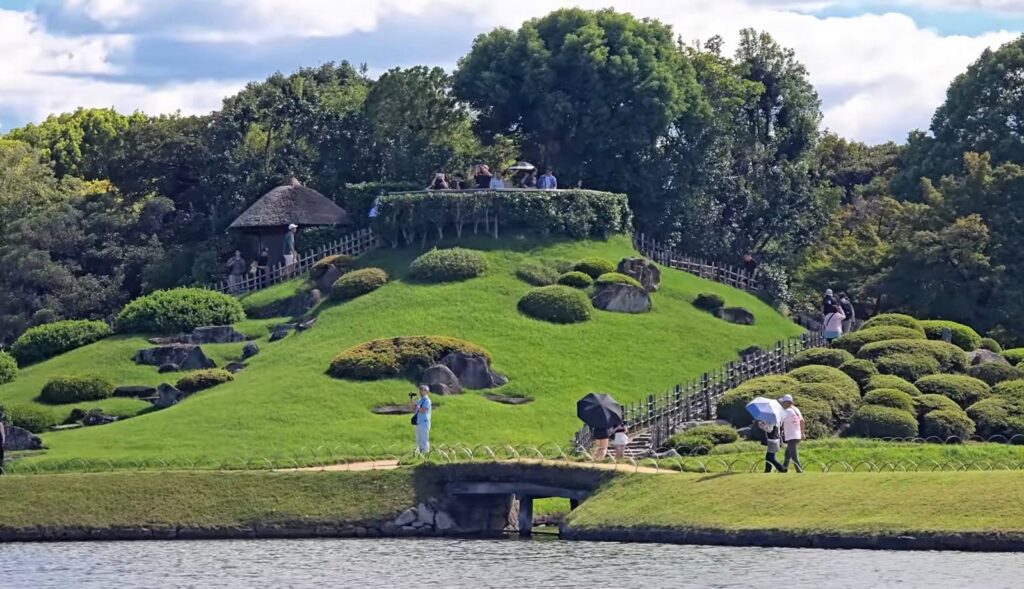
Korakuen Garden is the undisputed symbol of Okayama, offering a stunning first impression of the city. Completed in the Edo period, this spacious landscape is designed for discovery: open lawns, koi ponds, tea houses, and arched bridges reveal themselves one after another along the winding paths. One of the garden’s most iconic features is the borrowed scenery of Okayama Castle, which looms over the greenery like a dramatic black backdrop. Even on busier days, the garden’s vast layout ensures a sense of tranquility that is often hard to find in Japan’s more crowded tourist hubs.
Opening Hours: March 20 to September 30: 07:30–18:00. October 1 to March 19: 08:00–17:00.
Adult ticket: 500 ¥. Children (elementary/junior high): 200 ¥. Combined ticket with Okayama Castle: 720 ¥.
Tip from the itinerary expert: **Visit Korakuen Garden before the castle if the weather is clear.** The garden’s beauty depends heavily on natural light and shadows, whereas the castle interior is much easier to enjoy regardless of shifts in the afternoon sun.
Distance/Time: Easily accessible from Okayama Station by tram, bus, or taxi. A walk from the station takes about 25–30 minutes.
Okayama Castle
The black Crow Castle by the Asahi River
Okayama Castle serves as the visual partner to Korakuen Garden, the two landmarks facing each other across the Asahi River. Originally built in 1597, it earned the nickname ‘Crow Castle’ (U-jo) due to its rare black exterior, a striking contrast to the white ‘Heron Castle’ in nearby Himeji. While the current main tower is a meticulous post-war reconstruction, it remains one of the city’s most impressive sights. Inside, you’ll find engaging historical exhibits and samurai artifacts, topped off with a panoramic view of the river and garden from the highest floor.
Opening Hours: 09:00–17:30 (Last entry 17:00). Subject to seasonal changes.
Combined ticket with Korakuen Garden: 720 ¥.
Tip from the itinerary expert: **Always opt for the combined garden-and-castle ticket.** It’s the most logical flow: start with a morning stroll through Korakuen, then cross the bridge to explore the castle’s history and views.
Distance/Time: Located directly across the river from Korakuen Garden; easily combined into a single morning or afternoon.
Kurashiki Bikan Historical Quarter
Canals, old storehouses and cafés near Okayama
The Kurashiki Bikan District is arguably the best side trip from Okayama, feeling like a step back into the Edo period. This preserved merchant quarter is centered around a willow-lined canal and rows of distinctive white-walled storehouses (kura). Today, these historic buildings house sophisticated cafés, art museums, and local craft boutiques. It’s a place designed for slow wandering rather than ticking off sights—perfect for a relaxed afternoon of photography, traditional sweets, and exploring the narrow side lanes.
Opening Hours: The district is open 24/7; individual shops and museums typically open 09:00–17:00.
Walking through the canal district is free; museums and boat rides are paid separately.
Tip from the itinerary expert: **Do not rush Kurashiki as a one-hour stop.** The area’s real charm lies in its atmosphere, which is best enjoyed with time for a quiet café break and a walk beyond the main canal into the residential side streets.
Distance/Time: Approx. 15–20 minutes by local train from Okayama Station, followed by a 10-minute walk to the historic quarter.
Kibitsu Shrine
A peaceful shrine tied to the Momotaro legend
Kibitsu Shrine is a deeply atmospheric cultural stop that brings the legend of Momotaro to life. More than just a place of prayer, it is famous for its stunning 400-meter covered wooden corridor that follows the natural slope of the hillside. This architectural marvel, combined with the quiet woodland setting, gives the shrine a unique, rhythmic beauty. It’s an ideal destination for those who want to experience Japan’s spiritual side without the crowds found at major urban temples.
Opening Hours: 05:00–18:00 (Corridor remains accessible; internal buildings follow shorter hours).
Entrance to the shrine grounds and corridor is free.
Tip from the itinerary expert: **Pair Kibitsu Shrine with Kibitsuhiko Shrine only if your schedule is relaxed.** Both share the Momotaro theme, but if you’re short on time, prioritize Kibitsu for its incredible covered corridor.
Distance/Time: Take the JR Kibi Line (Momotaro Line) to Kibitsu Station, then walk about 7–10 minutes.
Kibitsuhiko Shrine
A shrine with a giant stone lantern and sacred tree
Kibitsuhiko Shrine is another important stop dedicated to the legendary prince Kibitsuhiko no Mikoto. While more compact than its neighbor, it feels incredibly ancient thanks to its towering sacred tree and one of the tallest stone lanterns in Japan. Because it sits right on the Momotaro Line, it’s a very easy add-on for anyone interested in regional folklore and Shinto architecture. The pond near the entrance provides a peaceful spot for reflection before continuing your journey.
Opening Hours: 06:00–18:00. Check local schedules for festival dates.
Entrance to the shrine grounds is free.
Tip from the itinerary expert: **Time your visit with the Momotaro Line train schedule.** Trains on this rural line are less frequent, so check the return times before you start your walk from the station to avoid a long wait later.
Distance/Time: Take the JR Kibi Line (Momotaro Line) to Bizen-Ichinomiya Station, then walk about 5 minutes.
Kibiji District and Kibiji Cycling Route
Countryside cycling through shrines, fields and ancient history
The Kibiji District offers a breath of fresh air and a glimpse into rural Japanese life. This flat, scenic plain is dotted with burial mounds, rice fields, and pagodas, all connected by a well-maintained cycling path. It’s a wonderful way to break up a trip focused on cities and castles, allowing for a relaxed, self-paced exploration of the countryside. The ride is gentle and beginner-friendly, focusing more on the scenery and the historical stops along the way than on physical endurance.
Opening Hours: The route is always open; bike rentals usually operate between 09:00 and 17:00.
Bike rental is typically around 1,000–1,500 ¥ depending on duration.
Tip from the itinerary expert: **Only attempt the full cycling route on a day with mild weather.** There is very little shade along the fields, so in peak summer heat or driving rain, the experience can become quite taxing.
Distance/Time: The 17km path runs between Bizen-Ichinomiya and Soja Stations on the JR Kibi Line.
Uno Port
Gateway to the Seto Inland Sea art islands
Uno Port is the primary departure point for travelers heading to the famous art islands of Naoshima and Teshima. However, the port itself has a unique, contemporary coastal vibe worth appreciating. Dotted with outdoor art installations from the Setouchi Triennale, the area offers wide horizon views and the refreshing atmosphere of a working harbor. It’s the best place to feel the transition from inland Okayama to the artistic, nautical world of the Seto Inland Sea.
Opening Hours: The port area is always accessible; ferry schedules vary by destination and season.
Train/bus from Okayama: 590–790 ¥. Ferry prices vary by island (approx. 300–600 ¥).
Tip from the itinerary expert: **Treat Uno Port as the beginning of an art-filled day, not just a transit point.** Check the ferry times in advance so you can arrive with enough time to see the outdoor sculptures at the port before your boat departs.
Distance/Time: About 45–60 minutes from Okayama Station by train or bus.
Natural places in Okayama
- Asahi River
The Asahi River is the most convenient nature break to weave into a day in central Okayama, as it flows right alongside Korakuen Garden and Okayama Castle. After exploring the landmarks, the riverside offers a gentler rhythm: open water, fresh perspectives of the castle, and a peaceful stroll without the need for additional transport. On a clear day, a short boat ride transforms a standard city walk into a scenic pause between major sights. - Korakuen Garden as a landscape walk
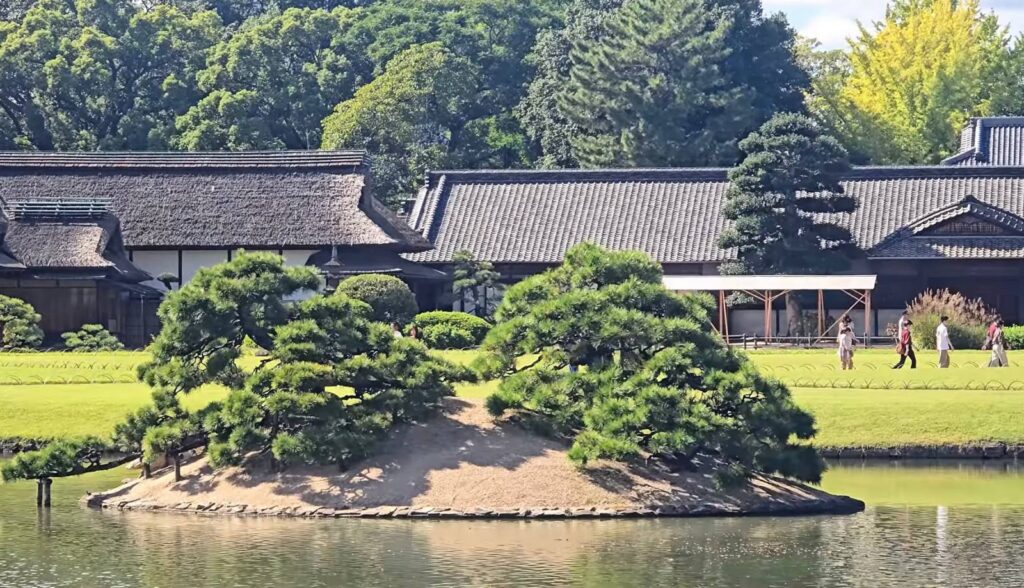
Korakuen Garden is far more than just a historical monument; its true strength lies in the living landscape. The experience is defined by koi ponds, sweeping lawns, elegant tea houses, and carefully framed views of Okayama Castle. While the garden is at its most vivid in spring and early summer, autumn provides a softer light perfect for photography. During hotter months, the exposed paths can be draining, so aim for an early morning visit to enjoy the serenity in comfort. - Kibiji Plain
The Kibiji Plain is an excellent choice for those seeking immersion in nature without a strenuous hike. Following the Kibiji Cycling Route, you’ll encounter a harmonious blend of rice fields, rural shrines, ancient burial mounds (kofun), and the iconic Bitchu Kokubunji Pagoda. The vast, quiet landscape offers a complete change of pace from the city center. This outing is best enjoyed on a mild day, particularly if you plan to explore the route on two wheels. - Ushimado
Ushimado brings a Mediterranean flair to Okayama, often earned the title of the “Aegean Sea of Japan.” The appeal here lies in the calm coastline and sweeping views over the Seto Inland Sea’s olive groves and scattered islands. At low tide, the mysterious Venus Road appears—a slender sandbar connecting the mainland to nearby islands. This area is a highlight for clear days when your schedule allows for unhurried exploration. - Seto Inland Sea and Uno Port
Uno Port is the most straightforward link between Okayama and the region’s maritime heritage. While it serves as the gateway to the famous art islands, the port itself is worth a visit for its open sea views and quirky outdoor art installations. Rather than treating it as a quick transit point, plan a relaxed visit to check ferry schedules and enjoy a pressure-free walk along the docks.
Tip from the itinerary expert: **Dedicate your best-weather day to Okayama’s natural side** — whether it’s Korakuen Garden, the Asahi River, or the coastal views of Ushimado. If the forecast calls for rain or wind, pivot your route toward the covered streets and cozy cafés of Kurashiki.
Top 5 hidden gems in Okayama
- Fukiya Furusato Village
For a glimpse into Okayama’s preserved rural heritage, Fukiya Furusato Village is an essential stop. This mountain village is famous for its distinctive red-ochre townscape, colored by the *bengala* pigment once produced here. The uniform wooden architecture creates an atmosphere entirely different from the city’s castle district, offering fresh mountain air and a quiet, authentic look at the region’s history. - Achi Shrine in Kurashiki
Achi Shrine is a rewarding addition to any Kurashiki itinerary. Perched slightly above the Bikan Historical Quarter, it offers a unique vantage point over the traditional tiled rooftops. This short climb provides a perfect break in the day: start with the canal-side warehouses, ascend to the quiet shrine for a moment of reflection, and then descend back to the bustling shops and cafés below. - Ivy Square in Kurashiki
Housed in a repurposed cotton mill, Ivy Square beautifully bridges Kurashiki’s textile past with its modern denim culture. The red-brick buildings and ivy-draped walls create a sophisticated, atmospheric space that feels more like a cultural hub than a museum. With its mix of restaurants, artisanal shops, and quiet courtyards, it’s an ideal spot for an architectural break between canal walks. - Betty Smith Jeans Museum and Kojima denim experience
Kojima is the heart of Japanese denim, and the Betty Smith Jeans Museum offers a hands-on experience that goes beyond typical sightseeing. Depending on the workshop, you can customize your own denim items with specific buttons, rivets, and patches. It’s a standout choice for travelers who value craftsmanship and want a high-quality, personalized souvenir of their journey. - Rural homestay in Okayama
A rural homestay offers a deep connection to local life that city hotels simply can’t match. These experiences often include traditional countryside hospitality, such as making mochi or enjoying home-cooked meals like oden or hand-rolled sushi. It’s the perfect choice for those seeking a slower, more personal interaction with Japanese culture. Be sure to confirm meal preferences and transport details in advance.
Click here to learn more about creating a personal itinerary
Tip from the itinerary expert: **Don’t try to fit all these hidden gems into a single day.** Fukiya and Kojima deserve their own dedicated trips, while Achi Shrine and Ivy Square can be integrated naturally into your time in Kurashiki.
Children’s activities in Okayama
- Korakuen Garden — The koi ponds, winding bridges, and wide lawns make the garden a perfect spot for a gentle, exploratory walk that feels like play rather than formal sightseeing.
- Okayama Castle — The dramatic black exterior and panoramic views from the top floor, combined with samurai-themed displays, keep the experience engaging for younger visitors.
- Okayama tram — A ride on the city tram is both practical and fun, especially if you happen to catch one of the uniquely themed or vintage-style cars.
- Asahi River boats — In pleasant weather, renting a rowboat near the castle adds an active, fun element to the central route without requiring a long detour.
- Kurashiki — Between the small boat rides on the canal, traditional sweets, and hunting for unique *omikuji* (fortunes) in the shops, the historic quarter offers plenty of variety for kids.
- Kibiji Cycling Route — This flat, easy-to-ride countryside path is ideal for active families with older children who enjoy shrines and open fields.
- Betty Smith Jeans Museum / Kojima — The opportunity to create a custom denim accessory is a fantastic, hands-on activity for creative children and teenagers.
- Uno Port — Turning the search for outdoor sculptures into a visual scavenger hunt makes the port area fun and interactive while waiting for a ferry.
Tip from the itinerary expert: **For a successful family day, balance one calm site, one active element, and one local treat.** A mix of Korakuen Garden, a short tram ride, and some riverside sweets usually works better than a day of back-to-back historical stops.
Okayama itinerary: 4 days of gardens, canals, legends and sea views
Trip Duration: 4 days
Day 1 — Korakuen Garden, Okayama Castle and the Asahi River
Morning, 10:00–12:30. Kick off your journey at Okayama Station and head toward Korakuen Garden. For a smooth start, the tram or a quick taxi is your best bet, though it’s a pleasant long walk if the weather is mild. The local tram fare is 160 ¥ for adults and 80 ¥ for children. Dedicate about 1.5–2 hours to the garden; it’s a place for slow discovery, featuring koi ponds, sweeping lawns, and tea houses that offer stunning views of Okayama Castle reflecting in the water.
Lunch, 12:30–13:30. Stay within the garden and castle district for lunch to keep your momentum. You’ll find charming cafés and ramen shops near the garden exit. If it’s a particularly warm day, take this time to cool off indoors before heading across the river.
Afternoon, 13:30–16:00. Cross the bridge to Okayama Castle, famously known as the “Crow Castle” due to its rare black exterior. While the main tower is a post-war reconstruction, it remains a striking landmark with a great panoramic view from the top floor. A combined ticket for Korakuen Garden and Okayama Castle costs 720 ¥, which is a great value. Spend 60–90 minutes here exploring the exhibits and the riverside grounds.
Evening, 16:00–18:00. Wind down with a relaxed stroll along the Asahi River. This is the golden hour for photography, as the setting sun catches the dark castle walls. For dinner, head back toward Okayama Station for a wider selection. Try local specialties like mamakari fish or a family-friendly teishoku (set meal). A typical dinner budget ranges from 1,800–3,500 ¥ per person.
Tip from the itinerary expert: Visit Korakuen Garden before Okayama Castle. The garden is much more sensitive to light and temperature, making it better for a morning walk, whereas the castle offers plenty of shade and indoor exhibits for later in the day.
Overnight Location: Okayama
Day 2 — Kurashiki Bikan Historical Quarter
Morning, 10:00–12:30. Take a local train to Kurashiki (roughly 15–20 minutes), with tickets costing 330–420 ¥ one way. From the station, it’s a 15-minute walk to the Kurashiki Bikan Historical Quarter. This morning is all about the atmosphere: willow-lined canals, white-walled kura storehouses, and quiet side streets. Take your time wandering through the boutiques and along the canal banks.
Lunch, 12:30–13:30. Dine in the heart of the historic district. Hamayoshi is a standout for those wanting to sample mamakari (pickled fish), a true Okayama delicacy. Alternatively, many of the old storehouses have been converted into atmospheric cafés serving light lunches and traditional sweets.
Afternoon, 13:30–16:30. Explore Ivy Square, a beautifully repurposed red-brick cotton mill that highlights the area’s rich textile history. If you’re feeling active, a short climb to Achi Shrine offers a bird’s-eye view of the tiled rooftops below. If you prefer a slower pace, simply stay by the water for a boat ride or browse the local denim shops.
Evening, 16:30–18:00. Return to Okayama by train. We recommend dinner back near the station, as Kurashiki’s historical quarter tends to quiet down early. Expect to spend around 1,800–3,500 ¥ for a casual but high-quality dinner.
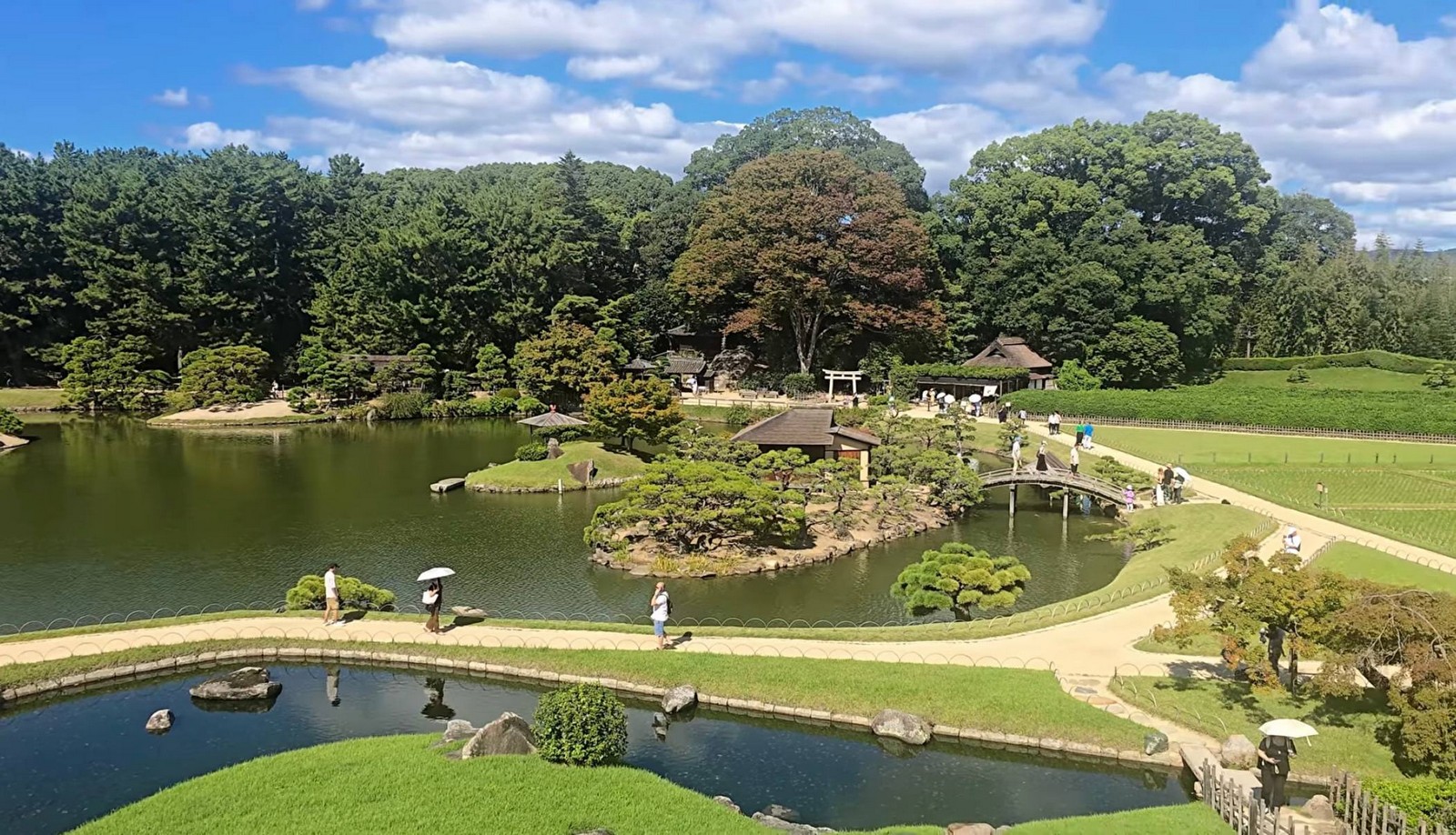
Historic wooden structures and peaceful ponds inside Korakuen Garden offer a timeless glimpse into Japan’s refined landscape culture, where simplicity and balance define every scene.
Tip from the itinerary expert: Don’t treat Kurashiki as just a quick photo op. To truly feel the charm of the canal district and explore Ivy Square, you’ll need at least 4–5 hours including a lunch break.
Overnight Location: Okayama
Day 3 — Momotaro legends and the Kibiji countryside
Morning, 10:00–12:30. Board the JR Kibi Line, appropriately nicknamed the Momotaro Line. A short ride (210 ¥) brings you to Kibitsu Shrine. This is one of the most atmospheric sites in the region, famous for its 400-meter covered wooden corridor that winds through the hills. Take your time walking the corridor to soak in the spiritual energy of this legend-steeped site.
Lunch, 12:30–13:30. The countryside is quieter, so restaurant options are more limited. We suggest keeping lunch simple near the station or returning toward central Okayama if you prefer a wider selection. It’s best to have a plan for lunch today to avoid being caught out in the rural areas.
Afternoon, 13:30–16:30. Continue to Kibitsuhiko Shrine near Bizen-Ichinomiya Station. It’s more compact than Kibitsu but just as meaningful, featuring a massive stone lantern and an ancient sacred tree. For those with energy to spare, rent a bike for part of the Kibiji Cycling Route. The full path is 17 km of flat, scenic countryside through rice fields and past ancient burial mounds.
Evening, 16:30–18:00. Head back to Okayama Station. After a day of culture and fresh air, a casual dinner near your hotel is the most relaxing way to finish. If you’re heading to the coast tomorrow, take a few minutes tonight to check the ferry or rental car schedules.
Tip from the itinerary expert: Check the train times on the Momotaro Line before you leave the station. Combining the two shrines is a perfect half-day trip; only add the cycling if you have the energy and the weather is on your side.
Overnight Location: Okayama
Day 4 — Uno Port and the Seto Inland Sea, or Ushimado by car
Morning, 10:00–12:30. For your final day, head toward the water. Uno Port is the easiest destination by public transport (590–790 ¥ one way). It serves as the gateway to the famous art islands, but the port itself is full of character, featuring outdoor art installations and a refreshing sea breeze. It’s a wonderful change of pace from the city’s historical sites.
Lunch, 12:30–13:30. Grab lunch near the port. There are several simple, high-quality eateries close to the station and ferry terminals. If you are planning to take a ferry to one of the islands, make sure your lunch time aligns with the departure schedule.
Afternoon, 13:30–16:30. Enjoy a coastal walk around Uno Port or hop on a ferry for a short island visit if time allows. Alternatively, if you’ve opted for a rental car, spend the day in Ushimado. This area is known for its “Aegean” atmosphere, olive groves, and panoramic views of the Seto Inland Sea. A car gives you the freedom to reach the best viewpoints that are harder to access by bus.
Evening, 16:30–18:00. Return to Okayama for your final dinner. If you rented a car, return it early to keep your evening flexible. Rental prices usually range from 8,800–12,500 ¥ for 24 hours. Celebrate the end of your trip with one last local meal near Okayama Station.
Tip from the itinerary expert: If you head to Uno Port, check the ferry return times in advance. If you choose Ushimado, rent a car for just this day—it makes the coastal viewpoints much easier to access and saves a lot of travel time.
Overnight Location: Okayama
Traveller reviews of Okayama

Laura Bennett
April 2018

I enjoyed Korakuen Garden much more than I actually expected. Entering from the side near Okayama Castle provided a truly lovely view of the black fortress. The kids were mesmerized by the koi in the pond for ages, nearly forgetting there was a castle to explore! Be sure to wear sturdy shoes, as some of the paths can get quite sandy and dusty.
Daniel Harris
June 2019
Getting around Okayama by tram and train was effortless. The tram from the station was affordable and straightforward, and Kurashiki was just a quick local train ride away. However, the June heat was more intense than we anticipated. By mid-afternoon, wandering the garden felt like a chore, so we ducked into a café to recharge before continuing.
Maya Collins
November 2022

Kurashiki turned out to be the highlight of our stay in Okayama. I expected a quick photo stop by the canal, but we ended up spending half a day there without a dull moment. The area is packed with old storehouses, charming boutiques, local sweets, and even unique denim shops. My daughter still talks about the canal boat ride.
Thomas Miller
March 2023
Korakuen Garden is famous for a reason, but in early March, it felt a bit sparse. Many trees still had that wintry, bare look, and the scenery wasn’t quite as lush as I had imagined. Thankfully, the view of the castle made up for it. I wouldn’t skip it, but I’d definitely recommend visiting during a more vibrant season.
Emily Carter
May 2017
We spent a lovely, slow-paced day at Korakuen and Okayama Castle. Having accessible benches and toilets throughout the garden was a lifesaver with kids. We also discovered a charming tea house nearby for a quick break. The only minor confusion was navigating the exit and confirming if re-entry was permitted later in the day.
Mark Johnson
January 2024
It seems winter wasn’t the ideal time for our visit. While the garden was peaceful, it felt somewhat bleak, and even the koi seemed sluggish in the cold. Okayama Castle looked impressive from the outside, but the entire area was much quieter than we hoped. If you’re looking for vibrant flowers and colors, I’d suggest planning for a different month.
Sophie Martin
October 2025
Our day at Kibitsu Shrine was incredibly serene—a nice change of pace from the standard tourist route. The long wooden corridor is truly unforgettable. Access via the Momotaro Line was simple, and the walk from the station was easy. Just a heads-up: dining options nearby are scarce, so it’s wise to pack snacks or eat before you arrive.
Adam Wilson
August 2021
Uno Port was an interesting stop, but I highly recommend checking the schedules beforehand. We lost quite a bit of time because I hadn’t coordinated our ferry connections properly. That said, the sea breeze and outdoor art installations were wonderful, and the kids loved hunting for them. Better logistics would have made the day much smoother.

Tips from the Itinerary Expert

Use the side entrance between Korakuen Garden and Okayama Castle
When combining Korakuen Garden and Okayama Castle, there is no need to return to the main road. Simply exit via the gate near the bridge on the castle side. This allows for a scenic photo stop by the river and leads you straight to the castle, streamlining the route—especially when traveling with children.
Buy the combined ticket only if you plan to enter both sites
While the combined ticket (720 ¥) offers a discount over the individual garden ticket (500 ¥), I recommend buying it only if you are certain about visiting the castle the same day. If the kids are already exhausted after the garden, opting for separate tickets is the safer and more flexible choice.
Don't save Kurashiki for the end of a long day
Treating Kurashiki as a quick add-on can feel rushed and stressful. It deserves at least a dedicated half-day: start with the canal streets, enjoy lunch in the historic quarter, and then explore Ivy Square or Achi Shrine. Kurashiki is best enjoyed when you aren’t constantly watching the clock.
Eat before the Kibitsu Shrine route if traveling with kids
Don’t count on finding the perfect lunch spot near the shrines on the Momotaro Line. I suggest eating before leaving Okayama Station or packing plenty of snacks. The shrine route is wonderfully peaceful, but dining options are far more limited than in central Okayama or Kurashiki.
View the tram as an experience, not just transport
In central Okayama, the tram is a lifesaver when children start to tire. At just 160 ¥ for adults and 80 ¥ for children, it’s an affordable way to rest your legs while enjoying a classic local-city moment between the castle and the station.
Plan the Kibiji cycling route for mild weather only
The Kibiji Cycling Route covers about 17 km, so it’s best reserved for mild days when the group has plenty of energy. In extreme heat, rain, or strong winds, I recommend visiting Kibitsu and Kibitsuhiko shrines by train instead. The day still feels rewarding without turning into an exhausting ride.
Check Uno Port connections before leaving the city
Uno Port requires a bit of planning. Before departing Okayama by train or bus, always verify the onward ferry schedules to the art islands. Clear timing ensures the sea air, outdoor art, and island atmosphere remain relaxing rather than a logistical headache.
Visit Korakuen Garden during the clearest part of the day
If the weather forecast shifts, prioritize Korakuen Garden during the sunniest hours. The garden’s beauty relies heavily on light and seasonal views. If the sky turns grey, that’s the perfect time to pivot to Kurashiki’s cozy cafés or other indoor activities.
Insights from the Itinerary Expert
I explored Okayama in April 2023 and found the city remarkably practical. It felt peaceful and compact, making it easy to coordinate short side trips without feeling overwhelmed. I began at Korakuen Garden before crossing to Okayama Castle—a pairing that felt perfectly balanced. For me, the garden was the highlight, with its serene koi ponds and expansive lawns offering beautiful vistas of the castle from every path. While the castle’s exterior is striking, the interior serves better as a brief historical stop rather than a full afternoon activity.
A key lesson learned: avoid squeezing Kurashiki into the same day after extensive walking. By the time we reached the canal district, the children were exhausted, and those charming historical streets truly deserve more unhurried time. Additionally, keep in mind that garden paths offer little shade on sunny days, and the winter scenery can appear much more sparse than visitors might expect.
Okayama is an ideal choice for a relaxed family journey through Japan, offering a mix of gardens, canals, local delicacies, and charming trams. If you’re interested, we can collaborate to build a personalized itinerary for Okayama and beyond, tailoring the pace and stops to your unique travel style.
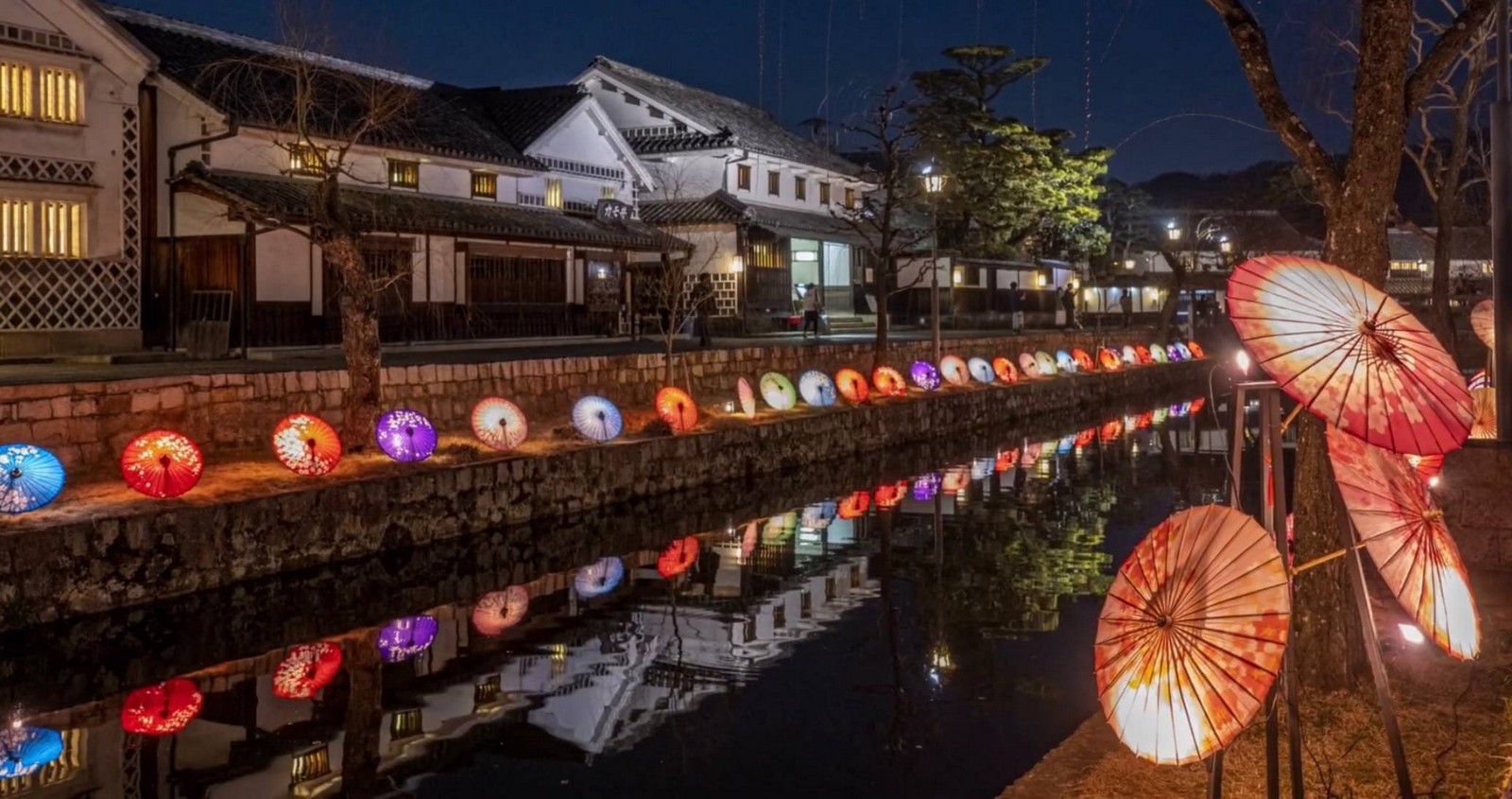
Glowing lanterns and colorful umbrellas transform Kurashiki’s historic canal into a magical evening scene, where white-walled merchant houses reflect beautifully on the water.
Prices in Okayama: Realistic Travel Costs for 2026
| Name | Amount | Description |
|---|---|---|
| Budget hotel near Okayama Station | 6,500–10,000 ¥ per night | A realistic price range for standard business hotels near the station. For couples, a compact double room often offers better value than booking two separate singles. |
| Mid-range 3–4★ hotel | 12,000–20,000 ¥ per night | An ideal budget for a comfortable stay near Okayama Station or the city center, where trams, trains, restaurants, and day trips are easy to manage. |
| Higher-end hotel for a couple | 22,000–35,000 ¥ per night | This range accounts for larger rooms, premium service, or a scenic view. During the peak cherry blossom or autumn foliage seasons, rates may increase further. |
| Apartment or house for a family of 5 | 18,000–35,000 ¥ per night | For larger groups, a rental with a kitchen provides significantly more comfort than multiple hotel rooms. This is particularly advantageous for longer stays or families with children. |
| Compact rental car | 8,800–12,500 ¥ per 24 hours | While unnecessary for central Okayama or Kurashiki, a car is highly recommended for reaching Fukiya Furusato Village, Ushimado, and other rural areas. |
| Short car rental | 6,200–7,400 ¥ for 6 hours | A practical choice for a quick afternoon trip to the coast or countryside when a full-day rental isn't required. |
| Okayama Electric Tramway | 160 adult / 80 child ¥ per ride | Convenient for short trips across the city, especially between Okayama Station and the castle district. Payment is accepted via exact cash or IC card. |
| Train from Okayama to Kurashiki | 330–420 ¥ one way | One of the most accessible and cost-effective side trips from Okayama. The historic Bikan district is just a short walk from Kurashiki Station. |
| Train from Okayama to Kibitsu Station | About 210 ¥ one way | An easy route to visit the legendary Kibitsu Shrine via the JR Kibi (Momotaro) Line, followed by a brief walk from the station. |
| Casual restaurant dinner | 1,800–3,500 ¥ per person | Expect to pay this for izakaya-style dishes, seafood sets, or tonkatsu. Ordering drinks or specialized regional plates will likely push the bill toward the upper end. |
| Simple lunch in a restaurant | 900–1,500 ¥ per person | A standard budget for ramen, udon, curry, or a basic teishoku (set meal). This is the most reliable daily food cost to plan for in Okayama. |
| Hotel parking near Okayama Station | 850–1,500 ¥ per day | Most station-side hotels charge for parking and spaces can be limited. Always confirm parking availability and rules before finalizing your car rental. |
| Basic supermarket shopping for 2 people | 2,000–4,000 ¥ | A sensible budget for beverages, fruit, and light breakfast items. This approach is especially helpful when staying in apartments or traveling with young children. |
FAQ about Okayama
What we propose

Emma Heidi
Customer Experience Manager
Take all the stress out of planning your trip!
With our experts, you can create the perfect itinerary for you – complete, comfortable, and tailored to all your dreams, wishes, and needs.
We take care of every little detail, so you can simply focus on enjoying your journey.
We’ve been designing personalized itineraries since 2015, and over the years we’ve created thousands of custom itineraries for happy clients.

Save time, avoid confusion – we do the work for you. Our service saves you weeks of searching, reading, comparing, and complicated planning. Instead of wasting endless hours – you receive a ready-to-use, accurate and clear itinerary.

A tailor-made itinerary – built just for you. Your itinerary is personally designed based on our experts’ real field experience and genuine feedback from hundreds of travelers – including hidden discoveries and insider tips that don’t appear in any travel guide.

Smart accommodation selection – often saves you hundreds or even thousands of dollars. We help you choose verified and recommended places to stay, checking availability for your exact travel dates. Sometimes we suggest hotels not “in the center,” but in safe, convenient, and highly strategic locations – which can significantly reduce travel costs and save you even thousands of dollars.

We’re by your side even during the trip. We stay with you throughout your vacation – providing professional help whenever needed. If the weather changes, there’s a strike, a local event, heavy crowds, or any unexpected situation – we are here to update, guide, and adjust your itinerary in real time.

Easy-to-use itinerary – with direct navigation links. Your itinerary includes direct Waze / Google Maps links – no need to search for parking addresses, no stress, no mistakes. Just tap – and go.

Service cost: from only $420. (Special price for short itineraries up to 5 days). Clients tell us the itinerary saves them costly mistakes, fines, wrong choices – plus exclusive discounts on car rentals, better-priced accommodations, and money-saving local tips.
Want to know if it’s really worth it?
Take a look at the experiences of travelers who built their personal itinerary with us.
Click here and let’s start building the itinerary that will save you time, money, and stress – and turn your vacation into perfection.
Of course, your first inquiry is completely free – with no commitment whatsoever.
How it works


- You are welcome to contact us
- We discuss your trip
- You fill out a special form
- We create your itinerary
- You get it with all useful tips
- We are in touch with you all the time