My love for Japan began the moment I arrived in Tokyo. The country amazed me with its harmony of ancient traditions, cutting-edge technology, breathtaking nature, and a culture unlike any other. Since then, Japan has become a part of my life, and I return there again and again. Today I help travelers discover the real Japan: I create personalized itineraries, give lectures, and prepare guests for their unforgettable journey. I would be delighted to open Japan for you too!


Autumn in Japan
Autumn in Japan is a season like no other, with vivid colors, refreshing air, and rich cultural experiences. As temperatures drop and nature changes, visitors from all over the world flock to the country to witness the breathtaking beauty of the changing leaves. Whether you’re strolling through ancient temples, exploring national parks, or enjoying seasonal food, autumn in Japan offers a truly unforgettable experience. Let’s dive into the details of what makes autumn in Japan special.
Autumn Nature and Weather
Autumn in Japan is characterized by dramatic changes in the landscape, typically from September to December. The season is marked by cool and refreshing breezes, making it the perfect time for a trip. Here’s a look at the climate and temperature patterns during these months.
Features of the Climate in the Autumn Season
Autumn is generally a pleasant time to visit Japan as the summer heat fades and the country experiences cooler and more comfortable weather. From the breezy air of the north to the mild climate of the south, autumn provides an opportunity to enjoy outdoor activities without the intensity of summer heat.
Click here to learn more about creating a personal itineraryMonthly Temperature Breakdown:
- September (9th month): Temperatures begin to cool down, especially in northern regions like Hokkaido. In Tokyo, maximum temperatures range from 25°C to 30°C (77°F to 86°F), with cooler nights.
- October (10th month): Temperatures range from 15°C to 23°C (59°F to 73°F) in most of Japan, with autumn in full swing in cooler northern regions. Central and southern parts of Japan, including Kyoto and Tokyo, enjoy a calm and comfortable climate. Daytime temperatures average around 10°C–15°C (50°F–59°F) in cities such as Tokyo and Kyoto, and even colder in the mountains.
- November (11th month): By now, temperatures typically drop below 10°C (50°F) in the south and approach freezing in the north.
Rain and Typhoon Season
The likelihood of a typhoon affecting travel is lower in autumn than in summer, but it’s important to keep an eye on weather updates. In the northern and central parts of Japan, rainfall is moderate, especially during September and October.

Autumn Leaves
Autumn is most famous in Japan for its stunning autumn leaves. The sight of colorful leaves, ranging from deep red to golden yellow, attracts visitors every year. This phenomenon is deeply embedded in Japanese culture and symbolizes the fleeting beauty of nature.
The Best Areas to See the Leaves:
- Hokkaido: The northernmost region of Japan is one of the first places to witness the changing leaves. National parks like Daisetsuzan National Park are perfect for those who want to experience early autumn.
- Tohoku: Known for its rugged scenery, you can enjoy stunning views in places such as Lake Towada and Oirase Gorge, where the vivid leaves contrast with crystal-clear water.
- Kanto: Areas like Nikko, near Tokyo, are famous for their historic shrines surrounded by colorful forests.
Autumn Illumination
One of the most magical experiences in Japan during autumn is the night illumination of temples and parks. In cities like Kyoto, autumn light-up events are held at Kiyomizu-dera Temple and Eikando Temple, with soft lighting accentuating the vibrant foliage colors. These illuminations create a surreal atmosphere, perfect for an evening walk.

Famous Places for Autumn Leaves
Japan offers countless spots to immerse yourself in the stunning colors of autumn. Here are some top destinations where you can witness the full beauty of the season:
- Hokkaido: Daisetsuzan National Park
Known for its alpine beauty, this sprawling park is a great destination for autumn hikes. The bright red and yellow leaves contrast beautifully with the park’s towering mountains and crystal-clear streams. - Tohoku: Lake Towada and Oirase Mountain Stream
Lake Towada is famous for its autumn leaves. The surrounding mountains are decorated with rich colors, and nearby Oirase Gorge offers picturesque walks through the gorge, complete with waterfalls and a variety of trees. - Kanto: Nikko
Nikko, a UNESCO World Heritage Site, is famous for its elaborate shrines and temples set against the backdrop of vivid autumn leaves. Tosho-gu Shrine and Rinno-ji Temple are particularly stunning during the autumn season.
- Fuji Area: Five Lakes
Located at the foot of Mt. Fuji, the Fuji Five Lakes region is famous for its autumn leaves. The lake provides a tranquil environment, with bright reds and oranges reflecting on the water. - Kyoto and its Surroundings
Kyoto is one of Japan’s most famous autumn destinations, known for its historic temples, gardens, and tranquil atmosphere. Kiyomizu-dera Temple and Eikando Hall are famous for their autumn leaves. The surrounding hills, such as Arashiyama, are equally breathtaking, with bamboo forests adding a mystical quality to the experience. - Tokyo: Urban Parks and Gardens
Even in the bustling capital, autumn foliage can be found in calm city parks. Shinjuku Gyoen and Meiji Jingu Gaien are great places to enjoy the changing leaves in a more urban atmosphere.

Transportation and Logistics
Thanks to Japan’s efficient public transport system, it’s easy to get around during the autumn season.
Japan Rail Pass
The Japan Rail Pass offers unlimited travel on most JR trains across the country and is a convenient option for tourists. It’s a great way to explore regions such as Hokkaido, Tohoku, and Kansai without worrying about individual ticket purchases.
IC Card
For more localized travel within cities, IC cards like Suica and Pasmo can be used for purchases on trains, buses, and even at convenience stores. These cards make it much easier to travel around urban areas such as Tokyo and Kyoto.
Since 2015, our website has specialized in individual planning of unique routes, taking into account personal preferences and desires. Each of you will receive a unique PDF file from us, which contains everything you need: travel routes, car rentals, hotels, the best tourist attractions, attractions for kids and everything you need for a perfect vacation. During the trip, we are available for you by phone via WhatsApp. Our personal service provides information from A to Z, taking into account many small details that can become a decisive factor on the way from a wasted trip to an unforgettable vacation. Our service will make your trip comfortable, save a lot of time on planning and preparation, and most importantly – will allow you to become freer and fully enjoy the pleasure of the trip.
Cultural Features of the Autumn Season
Autumn is also a time of rich cultural traditions in Japan, with seasonal festivals, special dishes, and unique experiences.
Traditional Autumn Festivals
Autumn festivals in Japan, such as the Nagasaki Kunchi Festival and the Jidai Matsuri Festival, celebrate the harvest and the changing of the seasons. These festivals feature parades, traditional performing arts, and stalls where visitors can experience local culture.
Seasonal Dishes and Delicacies
Autumn is the harvest season, and Japanese markets and restaurants are full of fresh seasonal ingredients. Try sake brewed with chestnuts, pumpkins, and autumn rice. Another autumn specialty is matsutake mushrooms, which are considered a delicacy.
Hot Springs
Japanese hot springs (onsen) are especially pleasant during the cooler months. Relaxing in a natural hot spring surrounded by autumn leaves is an experience not to be missed.
Ryokan
Staying in a traditional ryokan (Japanese inn) is a great way to immerse yourself in Japanese hospitality. These inns offer tatami rooms, futon bedding, multi-course meals, and many feature their own hot springs.

Practical Tips for Autumn Japan Travel
Japan offers an incredible travel experience, but autumn comes with some logistical considerations. Here are some important tips to help you navigate your journey and make the most of your trip.
New Tourism Tax
In recent years, Japan has imposed a tourism tax in certain regions, especially in cities like Kyoto and Tokyo. Hotel accommodations and other tourism-related activities are typically subject to a tax of several hundred yen per person. Check if your accommodation or other services charge this fee, as it may not be included in your initial booking. This is part of Japan’s efforts to support sustainable tourism.
Click here to create a personal itinerary for JapanTax-Free Shopping
For foreign tourists, Japan offers tax-free shopping on many items such as clothing, electronics, and souvenirs. Here are the updated rules:
- To qualify for tax exemption, you must spend a minimum amount at a single store (usually 5,000 yen or more before tax).
- You must present your passport at the time of purchase.
- Duty-free shops are only available at designated stores, marked with the “Duty-free” symbol.
- Duty-free items must be taken out of the country and cannot be used during your stay.

Book Accommodation During Peak Season
Autumn is one of Japan’s peak tourist seasons, especially in cities like Kyoto, Tokyo, and Hokkaido, due to the popularity of autumn leaves. To secure desired accommodation, it’s essential to make reservations well in advance. Popular hotels, inns, and guest houses fill up quickly, so consider booking a few months before your trip. For a more authentic experience, try staying at a ryokan with hot springs, where you can relax surrounded by the peaceful autumn scenery.
Avoiding Crowds at Popular Destinations
Japan is known for its efficient and well-managed tourism, but it can get crowded during the peak of autumn, especially in Kyoto and Tokyo. To avoid the heaviest crowds:
- Visit popular sites early in the morning or late at night, particularly for autumn light-up events.
- Consider visiting lesser-known parks and temples for a more peaceful experience, such as Tokyo’s Tama Forest, which offers beautiful autumn leaves with fewer tourists.
- If visiting famous spots like Kiyomizu-dera Temple or Fushimi Inari, try to go on weekdays rather than weekends.

Autumn Photography: Capturing the Beauty of Japan
For many tourists, autumn in Japan is a photographer’s paradise. Bright colors, ancient temples, and picturesque landscapes offer endless opportunities for stunning photos. Here’s how to capture the best of Japan’s autumn beauty.
Click here to learn more about creating a personal itineraryBest Places for Photography
Some of the top spots to capture the essence of autumn include:
- Arashiyama Bamboo Forest: The combination of bamboo stems and colorful autumn leaves provides an impressive contrast, especially at dawn when the crowd is thin.
- Lake Kawaguchiko: One of the Fuji Five Lakes, this location offers an iconic autumn landscape with Mt. Fuji in the background and autumn leaves in the foreground.
- Kyoto’s Eikando Hall: Famous for its beautiful gardens and autumn night illumination.
- Sunlight: Offers both natural beauty and cultural landmarks, such as the Toshogu Shrine, surrounded by trees that turn bright red and golden.

Best Timing for Photos
- Morning and Late Afternoon: The best time for photography is during the golden hours — early morning and late afternoon — when the sunlight is soft and the colors are vivid. The light during this time creates stunning contrasts with the leaves and architecture.
- Night Illumination: During autumn nights, illuminated temples and gardens offer magical photography opportunities. Bring a tripod for long exposure shots to capture the beauty of the lights.
Photography Tips
- Color Contrast: Take advantage of the contrast between the bright red, orange, and yellow leaves and the cool blue sky, or the soft lighting at dusk.
- Architectural Elements: Incorporate elements of Japanese architecture into your shots, such as pagodas, torii gates, and traditional bridges, for a culturally rich composition.
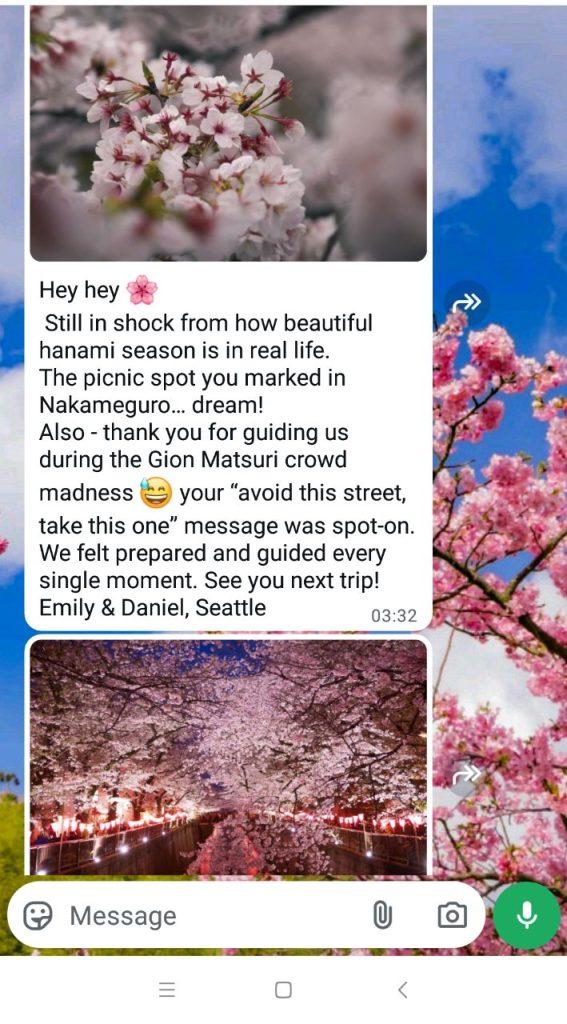
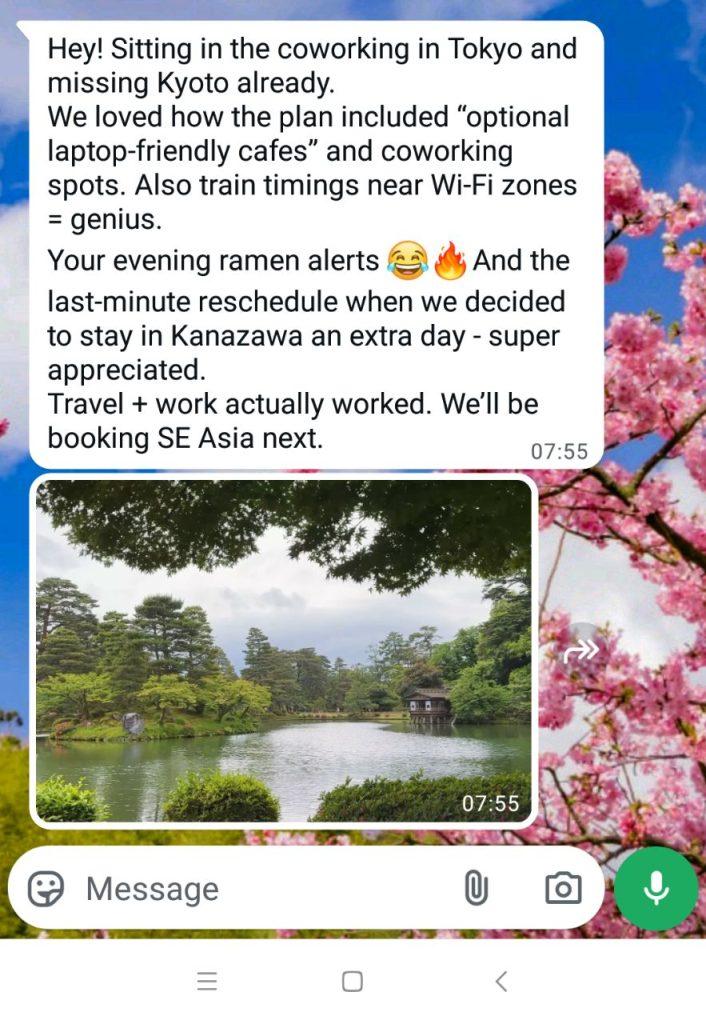
What we propose Emma Heidi Take all the stress out of planning your trip! With our experts, you can create the perfect itinerary for you – complete, comfortable, and tailored to all your dreams, wishes, and needs. We take care of every little detail, so you can simply focus on enjoying your journey. We’ve been designing personalized itineraries since 2015, and over the years we’ve created thousands of custom itineraries for happy clients. Save time, avoid confusion – we do the work for you. Our service saves you weeks of searching, reading, comparing, and complicated planning. Instead of wasting endless hours – you receive a ready-to-use, accurate and clear itinerary. A tailor-made itinerary – built just for you. Your itinerary is personally designed based on our experts’ real field experience and genuine feedback from hundreds of travelers – including hidden discoveries and insider tips that don’t appear in any travel guide. Smart accommodation selection – often saves you hundreds or even thousands of dollars. We help you choose verified and recommended places to stay, checking availability for your exact travel dates. Sometimes we suggest hotels not “in the center,” but in safe, convenient, and highly strategic locations – which can significantly reduce travel costs and save you even thousands of dollars. We’re by your side even during the trip. We stay with you throughout your vacation – providing professional help whenever needed. If the weather changes, there’s a strike, a local event, heavy crowds, or any unexpected situation – we are here to update, guide, and adjust your itinerary in real time. Easy-to-use itinerary – with direct navigation links. Your itinerary includes direct Waze / Google Maps links – no need to search for parking addresses, no stress, no mistakes. Just tap – and go. Want to know if it’s really worth it? Take a look at the experiences of travelers who built their personal itinerary with us. Click here and let’s start building the itinerary that will save you time, money, and stress – and turn your vacation into perfection. Of course, your first inquiry is completely free – with no commitment whatsoever. How it works
Customer Experience Manager


Service cost: from only $420. (Special price for short itineraries up to 5 days). Clients tell us the itinerary saves them costly mistakes, fines, wrong choices – plus exclusive discounts on car rentals, better-priced accommodations, and money-saving local tips.


Latest articles