My love for Japan began the moment I arrived in Tokyo. The country amazed me with its harmony of ancient traditions, cutting-edge technology, breathtaking nature, and a culture unlike any other. Since then, Japan has become a part of my life, and I return there again and again. Today I help travelers discover the real Japan: I create personalized itineraries, give lectures, and prepare guests for their unforgettable journey. I would be delighted to open Japan for you too!

Shiga
Shiga often catches travelers by surprise, offering a peaceful escape that stands in stark contrast to its bustling neighbors. Just a short hop from Kyoto, the rhythm of life noticeably slows down. Here, Lake Biwa (Biwa-ko) opens up the horizon, historic temple towns feel intimate rather than crowded, and the surrounding mountains reveal a calmer, more expansive side of Japan. It is an ideal destination for those seeking a mix of raw nature, heritage corners, and scenic vistas, all while staying perfectly connected by a reliable rail network.
Lake Biwa (Biwa-ko) is the heart of the prefecture, shaping its landscapes, culture, and leisure. The lake provides the backdrop for everything from scenic cycling routes and waterfront promenades to boat excursions and iconic viewpoints. Compared to the high energy of Kyoto, Shiga offers a flexible and airy atmosphere, with a local pace that invites you to breathe deeply, explore freely, and tailor your journey to your own tempo.
Getting Around Shiga
Shiga is remarkably accessible from Kyoto, particularly its southern reaches. Otsu (Otsu-shi) is a mere 10-minute train ride away via JR, making it one of the simplest day trips available. Omihachiman (Omihachiman-shi) can be reached in about 35 minutes, while Hikone (Hikone-shi) and the northern lakeside areas require a bit more time but remain very manageable by rail.
While train links between major towns are efficient, reaching secluded temples, quiet villages, or specific nature spots requires a bit more foresight. Local buses bridge these gaps, though it’s worth noting that schedules can be less frequent outside the main hubs. In Omihachiman, for instance, a bus from the station to the historic Hachiman-bori (Hachiman-bori Canal) takes about 7 minutes, with fares typically around ¥230.
Cycling is arguably one of Shiga’s highlights, especially around the shores of Lake Biwa (Biwa-ko). With rentals starting at approximately ¥500, a bike is often the most practical and scenic way to explore areas where walking feels too slow. While the full Lake Biwa cycling loop is a famous challenge for enthusiasts, casual visitors will find shorter lakeside segments much more enjoyable for a family outing.
For those aiming to visit rural shrines, hidden beaches, or multiple distant landmarks in a single day, renting a car provides maximum freedom. While Shiga is perfectly navigable without one, travelers relying on public transport will find it most helpful to build their day around train and bus timings to avoid a rushed experience.
Click here to learn more about creating a personal itinerary
Tip from the itinerary expert: For your first visit, pick one specific area to use as a base rather than trying to see the whole prefecture in a day. Focusing on either Otsu, Omihachiman, or Hikone allows for a much more immersive experience than a whistle-stop tour.

The Best Time to Visit
Shiga has its own charm in every season, but spring and autumn are the standout choices for most. Spring blankets temple grounds, lakeside paths, and old merchant districts in cherry blossoms, bringing a soft, vibrant energy to every stroll. April is particularly well-balanced, offering mild temperatures and peak sakura for comfortable sightseeing.
Autumn is equally captivating, as Shiga’s temples, mountain passes, and rural landscapes are transformed. In November, deep crimson maples and golden ginkgo trees line the routes, especially around Keisoku-ji (Keisoku-ji Temple) and the heritage areas of Maibara (Maibara-shi). Even a bit of rain can deepen the colors of the foliage, though it’s wise to take extra care on the potentially slippery trails.
Summer is the prime time for enjoying Lake Biwa (Biwa-ko) itself—boating, local festivals, and lakeside relaxation are the main draws, even if the humidity makes intensive sightseeing more tiring. In contrast, winter brings a dramatic transformation to northern Shiga, with snow-covered landscapes, quiet retreats, and access to local ski slopes. For the best mix of scenery and comfort, April and November remain the ideal months for a diverse and rewarding trip.

Since 2015, our website has specialized in individual planning of unique routes, taking into account personal preferences and desires.
Each of you will receive a unique PDF file from us, which contains everything you need: travel routes, car rentals, hotels, the best tourist attractions, attractions for kids and everything you need for a perfect vacation.
During the trip, we are available for you by phone via WhatsApp.
Our personal service provides information from A to Z, taking into account many small details that can become a decisive factor on the way from a wasted trip to an unforgettable vacation.
Our service will make your trip comfortable, save a lot of time on planning and preparation, and most importantly – will allow you to become freer and fully enjoy the pleasure of the trip.
Tip from the itinerary expert: Choose your season based on your interests, not just the weather. April is unrivaled for cherry blossoms, November is perfect for autumn colors and temple visits, summer belongs to the lake, and winter is for those seeking snow-covered serenity.
Top Shiga Attractions
Shiga reveals its true charm when you balance the vast beauty of Lake Biwa (Biwa-ko) with a few carefully selected historic stops, rather than rushing through the prefecture. These highlights offer a perfect introduction to the region, seamlessly blending lakeside vistas, original castles, sacred mountains, and preserved merchant districts into a journey that feels both diverse and cohesive.
Lake Biwa
Lake Biwa (Biwa-ko) is more than just Shiga’s centerpiece; it defines the entire soul of the prefecture. In many areas, it feels more like an inland sea than a lake, influencing everything from waterfront promenades and cycling paths to sightseeing cruises and hidden beaches. While Otsu (Otsu-shi) provides quick lakeside access, the lake’s true character emerges as you venture north into the quieter, more rural landscapes.
Opening Hours: Accessible year-round depending on area
Most lakeside areas are free; specific activities vary
Tip from the itinerary expert: Do not limit Lake Biwa to a single viewpoint. The southern shore is the most accessible from Kyoto, but the northern sections often feel calmer, more expansive, and far more rewarding for those seeking pristine scenery.
Distance/Time: From Kyoto to Otsu: about 9–10 minutes by JR
Hikone Castle
Hikone Castle (Hikone-jo) stands out as one of Japan’s few remaining original castles, offering a setting that feels remarkably complete. The preserved wooden keep, its surrounding moats, and the elegant Genkyuen Garden (Genkyuen) create a deep historical experience rather than a simple photo opportunity. Be prepared for steep interior staircases, which reward more active travelers with an authentic sense of the past.
Opening Hours: Hours vary by season
Around ¥1,000 based on provided materials
Tip from the itinerary expert: Dedicate ample time to Hikone Castle, ideally starting early. The sprawling grounds and traditional gardens offer much more depth than a quick climb to the top of the tower.
Distance/Time: About 40–60 minutes from Kyoto depending train route
Enryaku-ji Temple
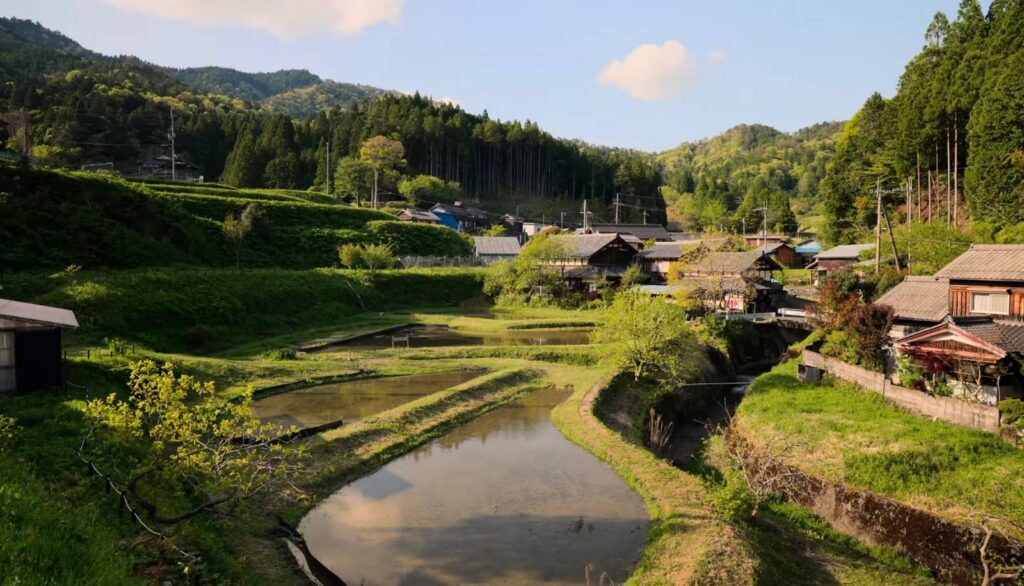
Perched high on Mount Hiei (Hiei-zan), Enryaku-ji Temple (Enryaku-ji) is a powerful complex where spiritual history meets ancient cedar forests. This is not a single-stop destination, but a vast area of wooded paths and sacred halls that invite a slower, more meditative pace. It is an excellent choice for travelers who value atmosphere and historical depth over a fast-paced sightseeing checklist.
Opening Hours: Seasonal schedules apply
Ticket details depend on access and area
Tip from the itinerary expert: Plan Enryaku-ji as a major destination, not just a stop in transit. The mountain environment is a vital part of the experience, and the site deserves at least half a day to be fully appreciated.
Distance/Time: Accessible from Kyoto/Shiga with combined transit planning
Shirahige Shrine
Shirahige Shrine (Shirahige-jinja) is famous for its striking torii gate that rises directly from the waters of Lake Biwa (Biwa-ko), creating one of Shiga’s most iconic images. Its appeal is largely atmospheric; the site is most memorable in the soft morning light or during quieter hours. For most, this works best as a scenic pause along a wider route rather than a primary standalone destination.
Opening Hours: Shrine grounds generally accessible daily
General visit is typically free
Tip from the itinerary expert: Incorporate Shirahige Shrine into a larger Lake Biwa road trip or rail journey. It is most impressive when viewed as part of the region’s broader lakeside scenery.
Distance/Time: Best combined with Lake Biwa regional travel
Hachiman-bori Canal
Hachiman-bori (Hachiman-bori Canal) captures the essence of old-world Shiga with its preserved canals and merchant-era architecture. The traditional buildings and gentle waterways make it a perfect spot for those who enjoy wandering at a leisurely pace. It’s an ideal choice for families or those seeking a more relaxed historical outing without the steep climbs found at castle sites.
Opening Hours: Area accessible daily
Walking is free; boat activities vary
Tip from the itinerary expert: Take the short bus from Omihachiman Station instead of walking the distance. Especially in the heat or rain, this small convenience makes the start of your visit much smoother.
Distance/Time: About 7 minutes by bus from Omihachiman Station
Mii-dera Temple
Mii-dera Temple (Mii-dera) offers a beautiful blend of expansive grounds, seasonal colors, and occasional lake views. Located near Otsu (Otsu-shi), it is one of the more accessible major temples in the prefecture. While cherry blossoms are a significant draw in spring, the temple’s peaceful rhythm and historical significance make it a worthy visit at any time of year.
Opening Hours: Seasonal hours
Entry costs vary
Tip from the itinerary expert: Make Mii-dera the cornerstone of a day in Otsu, rather than rushing to more distant sites. Its accessibility makes it a very efficient choice for those staying nearby.
Distance/Time: Convenient from Otsu area
Chikubu Island
Chikubu Island (Chikubushima) provides a more adventurous way to experience Lake Biwa (Biwa-ko), combining a ferry journey with visits to sacred spiritual sites. The boat trip across the water adds a sense of occasion and seclusion that is rare on the mainland. Because of the ferry crossing, careful planning around transport schedules is essential to make the most of this unique destination.
Opening Hours: Dependent on ferry schedules
Boat and access costs vary
Tip from the itinerary expert: Thoroughly check the ferry logistics before you set out. Chikubu Island is a standout experience, but a poorly timed schedule can easily take up more of your day than intended.
Distance/Time: Requires ferry access
Natural Wonders of Shiga
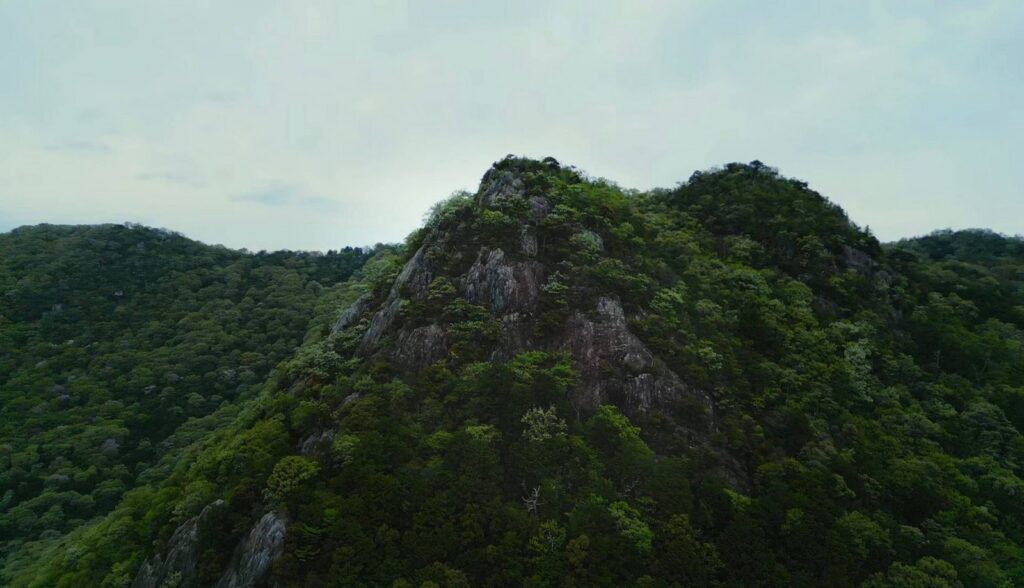
Shiga’s true allure lies not in a single landmark, but in the remarkable variety packed into one prefecture. While Lake Biwa (Biwa-ko) defines the horizon, the landscape beyond the shore unfolds into rugged mountain ridges, serene northern vistas, and hidden valleys. These seasonal routes offer a sense of seclusion and space that is often hard to find in nearby Kyoto.
1. Mount Ibuki
As the highest peak in the prefecture, Mount Ibuki (Ibuki-yama) offers a more elevated and expansive perspective of Shiga. It is a premier choice for travelers seeking dramatic scenery beyond the usual lakeside paths. Since conditions at the summit can shift rapidly, it is a destination where weather awareness and timing are far more critical than on standard sightseeing routes.
2. Lake Yogo
Smaller and far more understated than its famous neighbor, Lake Yogo (Yogo-ko) possesses a quiet beauty perfectly suited to a slower pace of travel. It is an ideal spot for reflective walks and rural immersion, catering to those who prefer the charm of calm, local landscapes over high-profile attractions.
3. Suzuka Mountains
The Suzuka Range (Suzuka-sanmyaku) is designed for those who prioritize active exploration, offering challenging hiking trails and vibrant seasonal scenery. While it demands more energy than a lakeside stroll, the reward for outdoor enthusiasts is a profound sense of immersion in Japan’s wilderness.
4. Biwako Valley
With convenient ropeway access and high-altitude observation decks, Biwako Valley delivers some of the region’s most spectacular visual payoffs with minimal physical effort. It is one of the simplest ways to experience panoramic mountain views supported by modern, accessible infrastructure.
5. Western and Northern Lake Biwa Shores
Often, Shiga’s most rewarding nature is found in the simplest experiences—open lakeside roads, quiet beaches, and scenic cycling stretches. These northern and western reaches feel broader and far less urbanized than the bustling southern areas near Kyoto, offering a genuine sense of tranquility.
Tip from the itinerary expert: If nature is your priority, venture well beyond the city of Otsu. Western and northern Shiga (Shiga-ken) offer a much calmer, more scenic atmosphere that is particularly rewarding for autumn colors and expansive lakeside vistas.
Hidden Gems in Shiga
Once you step off the well-trodden castle-and-lake circuit, Shiga reveals its most memorable corners. These smaller, local stops add a layer of texture and atmosphere to your journey—the kind of uncurated places that often leave the most lasting impression.
1. Keisoku-ji Temple Ruins
The site of the former Keisoku-ji Temple (Keisoku-ji) carries a hauntingly beautiful and atmospheric presence, especially during the autumn peak. Its moss-covered stone paths and vibrant foliage, left in a slightly less polished state, are precisely what make this ruin feel so distinctive and authentic.
2. Kohoku Library
A unique detour for the culturally curious, the Kohoku Library (Kohoku Toshokan) offers a quiet retreat defined by its retro interiors and a thoughtful, historical charm. It is a place that appeals to travelers who value character and local soul over grand spectacles.
3. Yutani Shrine
Tucked away in a secluded mountain setting, Yutani Shrine (Yutani-jinja) provides a spiritual experience that feels untouched by mainstream tourism. It is a perfect stop for those who appreciate quietude and the depth of local Shinto traditions.
4. Kinomoto Old Town
Kinomoto (Kinomoto-cho) preserves an understated atmosphere of old Japan through its traditional merchant streets and historic temples. This is a destination that rewards those who choose to wander aimlessly rather than rush from one landmark to the next.
5. La Collina Omihachiman
A striking blend of organic architecture, lush greenery, and contemporary café culture, La Collina Omihachiman provides a modern, design-focused contrast to the region’s ancient history. It serves as an excellent, family-friendly pause between more traditional sightseeing stops.
Click here to learn more about creating a personal itinerary
Tip from the itinerary expert: Shiga’s hidden spots shine brightest when paired with a nearby major landmark. Combining a famous site with a smaller local gem creates a balanced day that feels both grand and personal.
Family and Kids Activities
Shiga may lack the intensity of Japan’s major family-oriented hubs, but its gentle pace is precisely what makes it an advantage. For families seeking open space, freedom of movement, and less pressure to follow a rigid schedule, the prefecture offers a much smoother travel experience.
1. Biwako Valley Ropeway
This is arguably the most effortless family adventure in the region. The ascent on the ropeway provides a thrill for children, while the panoramic views at the top make it a more dynamic experience than a typical ground-level viewpoint.
2. Lake Biwa Cycling
Short, flat sections along the shores of Lake Biwa (Biwa-ko) are ideal for a family outing. While the full professional cycling circuit is too demanding for most, selected lakeside stretches offer a realistic and enjoyable way to stay active together.
3. Hachiman-bori Canal Boat Rides
A boat trip through the Hachiman-bori Canal (Hachiman-bori) offers a relaxing balance of history and scenery without the fatigue of constant walking. This makes it a highly practical choice for groups with both young children and seniors.
4. Lakeside Parks and Camping
The shores of Lake Biwa provide a flexible outdoor playground with far more room for downtime than nearby cities. These natural spaces are perfect for letting kids run free between visits to cultural or historical sites.
5. Castle Grounds and Outdoor Spaces
Historic sites like Hikone Castle (Hikone-jo) are best enjoyed with children when treated as open spaces for movement and discovery rather than formal museum visits. This slight shift in perspective can make the day significantly more enjoyable for younger travelers.
Tip from the itinerary expert: To keep the family energy high, alternate your cultural visits with outdoor breaks by the lake. Shiga is at its best when you balance structured sightseeing with plenty of room for active play and exploration.
4-Day Shiga Family Itinerary
Trip Duration: 4 days
Day 1 — Otsu: Lakeside Serenity and Mii-dera Temple
Morning, 10:00–12:30. Depart from Kyoto via the JR Biwako Line to Otsu (Otsu-shi). The journey is a swift 9–10 minute ride (approx. ¥200), making it an effortless gateway into Shiga. Begin with a leisurely stroll along the Lake Biwa (Biwa-ko) waterfront. The vast, sea-like horizon immediately sets a calmer tone, offering a refreshing contrast to the dense crowds of Kyoto and allowing the family to settle into a slower, more open pace.
Lunch, 12:30–13:30. Enjoy a relaxed meal in central Otsu. Café Restaurant Inti is a budget-friendly local favorite, offering morning sets from ¥500 and hearty lunch options like Omi beef curry for around ¥880. It provides a practical and comfortable environment to recharge before the afternoon’s cultural exploration.
Afternoon, 13:45–16:30. Discover Mii-dera Temple (Mii-dera), a sprawling spiritual complex known for its peaceful atmosphere and historic architecture. Dedicate at least 2 hours to wander through its wooded paths and take in the seasonal beauty. For a brief rest, try the traditional temple sweets—2 mochi served with tea for ¥360—while enjoying the elevated views of the lake from the grounds.
Evening, 16:30–18:00. Return to the lakefront for a quiet sunset walk. If staying in Shiga, consider a hotel with hot spring (onsen) facilities to end the day; otherwise, the short return trip to Kyoto remains perfectly convenient.
Tip from the itinerary expert: Start your journey in Otsu to set the right pace. It acts as a perfect introduction to the lake’s rhythm, helping the family transition smoothly before moving deeper into the more regional areas of Shiga (Shiga-ken).
Overnight Location: Otsu or Kyoto
Day 2 — Omihachiman: Historic Canals and Modern Design
Morning, 10:00–12:30. Travel to Omihachiman (Omihachiman-shi), roughly 35 minutes from Kyoto by train (approx. ¥680). From the station, a short 7-minute bus ride (¥230) brings you to the Hachiman-bori Canal (Hachiman-bori). Spend the morning exploring the preserved merchant district, where the combination of traditional wooden architecture and willow-lined waterways creates a stunning, photogenic atmosphere.
Lunch, 12:30–13:45. Dine at one of the small eateries near the canal. It is best to keep lunch light, as the afternoon visit includes several tempting opportunities for traditional and modern sweets.
Afternoon, 14:00–16:30. Head to La Collina Omihachiman, a unique architectural landmark that blends organic design with a love for nature. It is an excellent stop for children, offering open green spaces and a whimsical environment. Spend about 2 hours exploring the grounds, visiting the on-site bakery, and enjoying the lively café atmosphere.
Evening, 16:30–18:00. Relax in Omihachiman or travel ahead to Hikone. For dinner, consider trying the famous Omi beef at a local specialty restaurant to experience one of the region’s most celebrated culinary traditions.
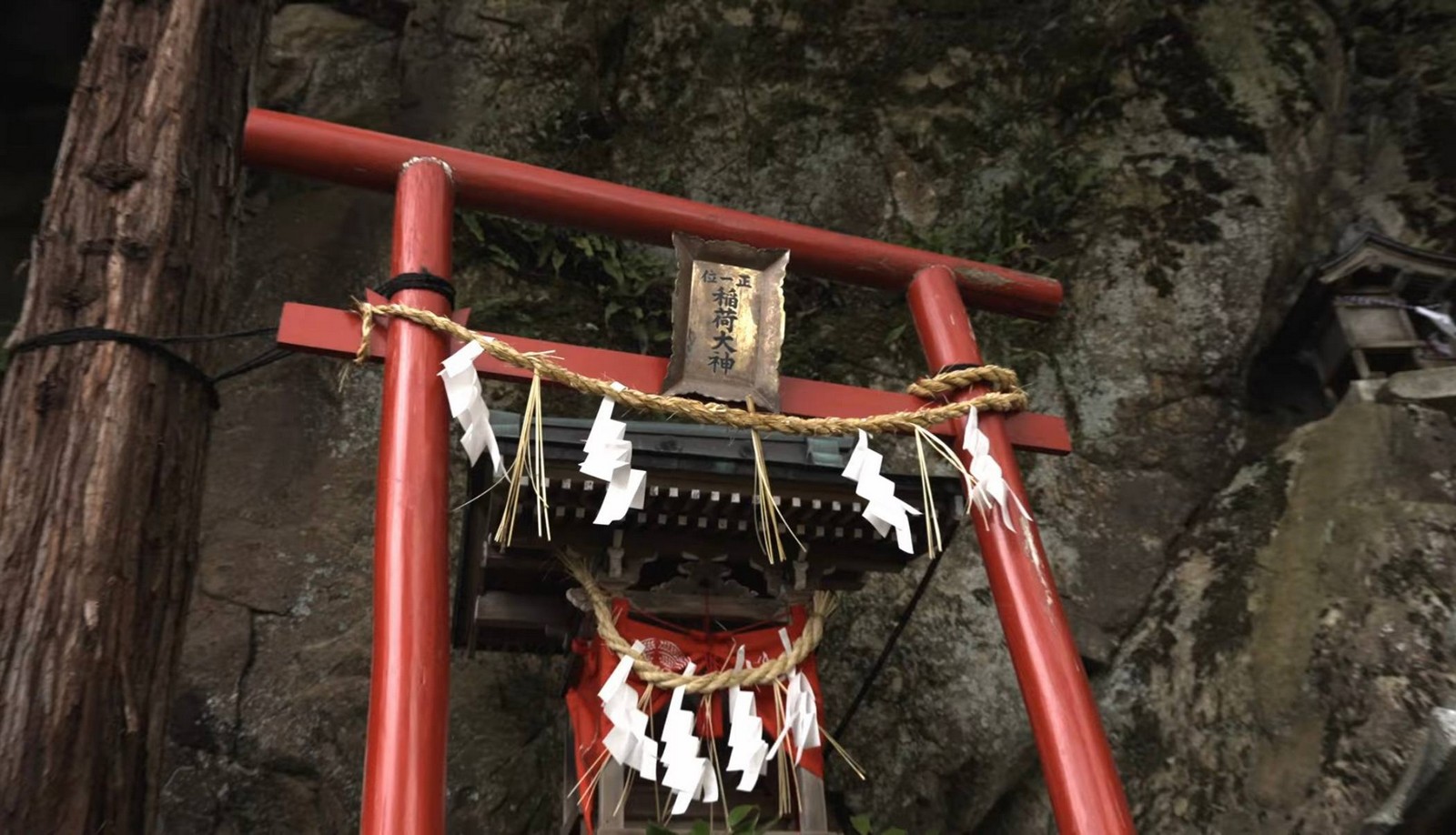
Tucked beneath ancient stone and cedar, this quiet torii gate captures the spiritual mystery hidden in Shiga’s mountain paths.
Tip from the itinerary expert: Visit Hachiman-bori in the morning to enjoy the quietest light. The canal is most atmospheric before the afternoon visitors arrive, leaving the later hours perfect for a relaxed snacks-and-photos session at La Collina.
Overnight Location: Omihachiman, Otsu or Hikone
Day 3 — Hikone: Original Castles and Traditional Gardens
Morning, 10:00–12:30. Arrive in Hikone (Hikone-shi) and head straight to Hikone Castle (Hikone-jo), one of Japan’s few remaining original wooden castles. Please note the interior features exceptionally steep stairs; it is worth checking if younger children or seniors are comfortable with the climb. The view from the top provides a sweeping panorama of the city and the lake beyond.
Lunch, 12:30–13:45. Explore the dining options in central Hikone. While casual spots are plentiful, those seeking a premium experience can find high-end Omi beef meals (such as shabu-shabu or sukiyaki) for approximately ¥9,680–¥12,100. Alternatively, enjoy a lighter lunch now and save the culinary indulgence for a celebratory dinner.
Afternoon, 14:00–16:30. Descend to Genkyuen Garden (Genkyuen), located at the base of the castle hill. The meticulously maintained ponds and paths offer a peaceful retreat and the best vantage points for photographing the castle keep. Allow 3–4 hours for the entire castle and garden area to maintain a comfortable, unhurried pace.
Evening, 16:30–18:00. Take a stroll along the Hikone shore of Lake Biwa (Biwa-ko) for a final view of the water as the light fades. Staying overnight in Hikone provides a more immersive experience and saves travel time for the northern route the following morning.
Tip from the itinerary expert: Wear comfortable shoes and keep your hands free at Hikone Castle. A small backpack is far better than a shoulder bag for navigating the castle’s narrow, historic staircases with children.
Overnight Location: Hikone
Day 4 — Northern Shiga: Hidden Temples and Rural Charm
Morning, 10:00–12:30. For this final day, a rental car is highly recommended as public transport in northern Shiga (Shiga-ken) is less frequent. Begin at the Keisoku-ji Temple Ruins (Keisoku-ji), a deeply atmospheric site known for its moss-covered stone steps and brilliant autumn maples. Even without the original buildings, the sense of history and quietude makes it a standout destination. Spend about 90 minutes soaking in the environment.
Lunch, 12:30–13:45. Stop for a meal in the Kinomoto (Kinomoto-cho) area. In this rural part of the prefecture, it is wise to check opening days for local cafés and small restaurants in advance. A warm bowl of noodles or a home-style set meal fits the rustic mood of the northern countryside perfectly.
Afternoon, 14:00–16:30. Continue to Shakudo-ji Temple (Shakudo-ji) and the nearby Kamisaki Shrine (Kamisaki-jinja). This area is less about grand monuments and more about the beauty of quiet paths, local shrines, and rolling hills. End your journey with a walk through the streets of Kinomoto Old Town, a compact area with a genuine, lived-in feel and local craft shops.
Evening, 16:30–18:00. Begin your return trip toward Nagahama (Nagahama-shi), Hikone, or back to Kyoto. Ensure you finish your exploration before dark, as rural Shiga is best experienced during the daylight hours when the scenery is fully visible.
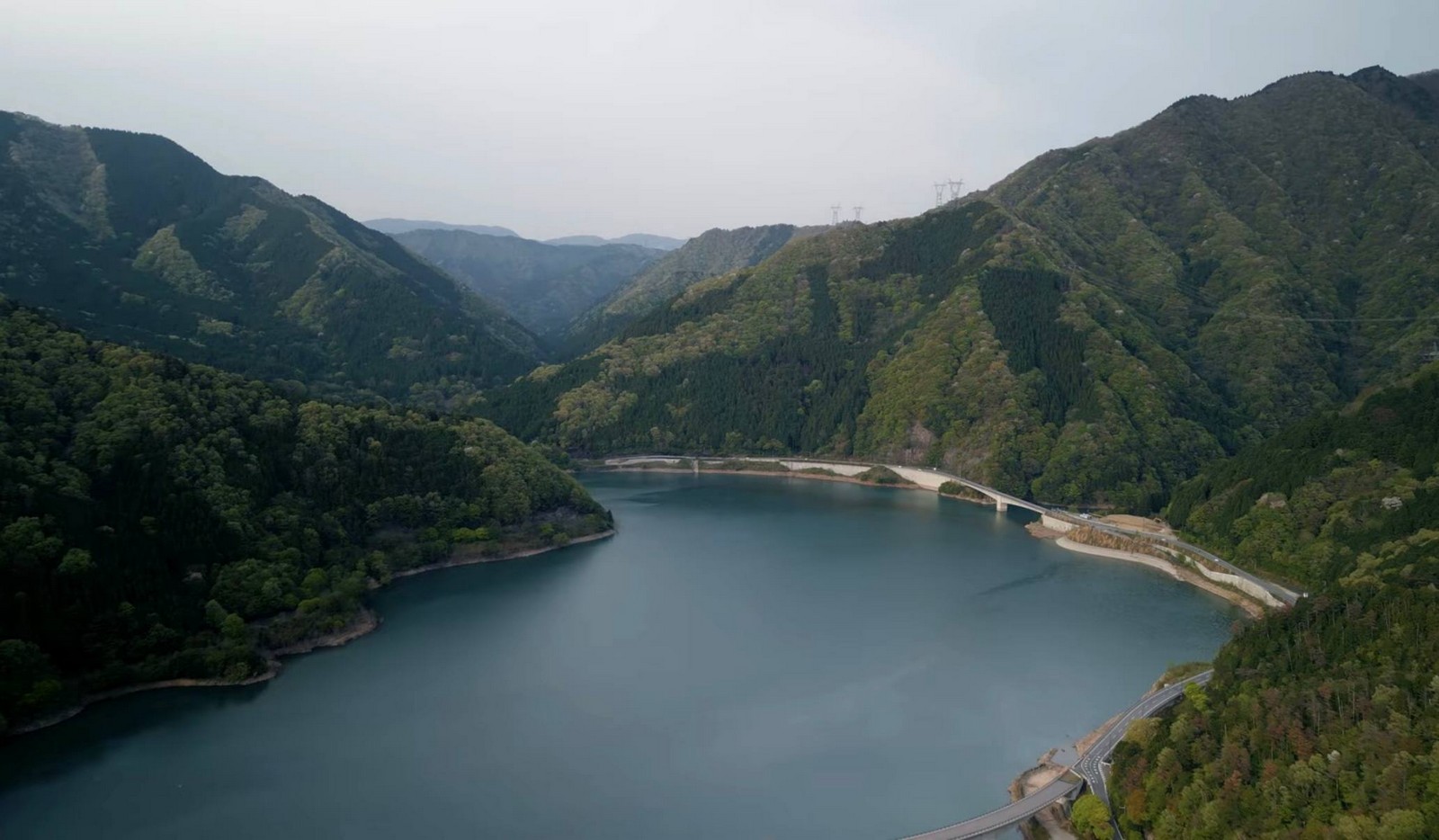
Surrounded by endless ridges, this Shiga reservoir offers panoramic views that feel far removed from Japan’s busy cities.
Tip from the itinerary expert: Do not rely on the last bus when exploring northern Shiga. Having your own vehicle or allowing for a very generous time buffer is key, as missed connections in rural areas can be difficult to resolve.
Overnight Location: Hikone, Nagahama or return to Kyoto
Traveller Reviews of Shiga

Daniel Morgan
November 2024

I honestly didn’t expect Shiga to be so peaceful. We walked by Lake Biwa (Biwa-ko) after a rainy morning, and everything smelled like wet leaves. For once, the kids were quiet, just staring at the water and the mountains. It wasn’t a massive sightseeing day, but it ended up being one of the highlights of our Japan trip.
Sophie Reynolds
April 2023

Otsu (Otsu-shi) was so easy to reach from Kyoto—just a quick train ride, which made the day much simpler with children. Mii-dera Temple (Mii-dera) had a lovely spring atmosphere and plenty of space to wander without being pushed around. Lunch was affordable and delicious. I definitely wouldn’t try to squeeze in northern Shiga on the same day.
Mark Evans
January 2019
Hikone Castle (Hikone-jo) was interesting, but the stairs inside were much steeper than I imagined. My younger son got a bit nervous, and carrying our shoes around in a plastic bag was a bit of a hassle. The Genkyuen Garden (Genkyuen) was much calmer and, honestly, more enjoyable for us.
Laura Bennett
November 2022
Keisoku-ji Temple (Keisoku-ji) was the real surprise of the trip. No massive temple building or grand entrance—just stone steps, red maples, and a very quiet path. We arrived after the rain, so the leaves were glowing, but the ground was slippery in spots. Wear shoes with good grip, not nice city shoes!
Adam Clarke
August 2025
Lake Biwa (Biwa-ko) in summer felt massive, almost like the sea. We stopped along the shore, then drove through small towns and visited roadside stations. The children enjoyed the open space more than another temple. Some lake areas looked a bit less polished than I expected, but having a car gave us so much freedom.
Rachel Miller
October 2018
The scenery was beautiful, but public transport made the day stressful. One rural bus was late, and the next one wasn’t coming for ages. With kids, that waiting felt endless. I liked the quiet places, but I would only go back if I had a rental car.
Nadia Collins
May 2021
Omihachiman (Omihachiman-shi) was my favorite stop. Hachiman-bori Canal (Hachiman-bori) had this gentle old-town feeling, and La Collina was a fun break for sweets and photos. It didn’t feel like another heavy museum day, which was great because the kids were already tired from Kyoto.
James Walker
February 2017
We stayed in Hikone (Hikone-shi) for one night. It was a quiet town and good for slowing down, but there wasn’t much to do in the evening. The castle area looked beautiful in winter, especially with a little snow, but after dinner the streets felt almost asleep.
Emma Carter
November 2016
We rented bikes near a small station for about ¥500, and it completely changed the day. Instead of rushing between places, we rode past trees, little shrines, and a riverside path. The only annoying part was timing the train back—if you miss one, you wait a long time.

Tips from the Itinerary Expert

Use Otsu as a transport buffer, not your biggest sightseeing push
Treat Otsu as a low-fatigue gateway rather than a packed sightseeing destination. Since it is only a 9–10 minute JR ride from Kyoto, it works perfectly for a relaxed arrival day. Use this time for a gentle walk by Lake Biwa (Biwa-ko) or a visit to Mii-dera Temple (Mii-dera) to settle into Shiga’s slower rhythm.
At Hikone Castle, decide before you enter who is actually climbing
Be realistic about the steep wooden stairs inside Hikone Castle (Hikone-jo). They can be quite a challenge for younger children or grandparents. If anyone is unsure, consider splitting up: one group can explore the castle’s interior, while the others enjoy a peaceful stroll through Genkyuen Garden (Genkyuen) at the base.
In northern Shiga, plan for bus failure, not ideal bus timing
When exploring Keisoku-ji, Kohoku, or rural temple routes, do not rely on tight bus connections. In northern Shiga (Shiga-ken), a single missed or delayed bus can derail your entire afternoon. For families, renting a car in this region provides the flexibility needed to avoid stressful waits.
La Collina usually works better after lunch, not as your first stop
Schedule La Collina Omihachiman as a rewarding afternoon reset. After exploring the historic Hachiman-bori Canal (Hachiman-bori) in the morning, children are usually ready for something lighter. The open spaces, whimsical architecture, and sweets make it the perfect spot for a mid-day energy boost and photo break.
Keep bike rentals short and local
Stick to compact zones for cycling to avoid exhaustion. While Shiga’s ¥500 bike rentals are convenient, distances around Lake Biwa (Biwa-ko) can be deceptively long. Focus on smaller areas like Omihachiman (Omihachiman-shi) or specific station neighborhoods where a short, scenic ride adds to the day without draining everyone’s energy for tomorrow.
Rain can improve temple and foliage days more than you think
Do not let a rainy forecast cancel your plans; simply shift your focus. Some of the region’s best scenery—vibrant maple leaves and misty gardens—is enhanced by a light rain. If the weather turns, pivot from open lake activities to sheltered temple routes or garden paths where the atmosphere becomes even more serene.
Do not stack Hikone Castle with northern hidden gems on the same day
Keep Hikone separate from the rural sites further north to avoid burnout. Combining the physical climb of Hikone Castle (Hikone-jo) with the walking required at Keisoku-ji Temple (Keisoku-ji) is often too much for a single day. Give each area its own space so the family stays fresh and engaged.
In smaller Shiga towns, always check café opening patterns before relying on one place
Always have a backup dining option when visiting rural Shiga. Many beautiful local cafés or book spots in smaller towns have irregular schedules, sometimes opening only on specific weekends. Keeping a second food stop in mind ensures that a closed door doesn’t lead to a stressful search for lunch, especially with kids in tow.
Insights from the Itinerary Expert
I visited Shiga in November 2024, and what truly resonated with me wasn’t a single iconic landmark, but the region’s unique rhythm. Our journey began by Lake Biwa after a morning rain; the scent of wet leaves, the soft air, and that expansive, quiet atmosphere the lake is known for set a peaceful tone. However, as we moved toward secluded temples and smaller towns, I quickly realized that transport timing is far more critical than one might expect. A single missed train connection can be a challenge—especially with children—where a minor delay can easily reshape your entire day’s plans.
Shiga taught me that the experience is best when you step away from the frantic pace of Kyoto. While Hikone Castle is a must-see, its steep wooden stairs are quite demanding and may not appeal to every young traveler. Autumn visits to northern spots like Keisoku-ji offer incredible atmosphere, though I wouldn’t recommend exploring these rural areas without a rental car. I also discovered that the local food culture shines in its simplicity—a warm bowl of soba, seasonal tea, or a quiet moment in a local café often fits the local tempo much better than a formal, pre-planned restaurant circuit.
For me, Shiga stands out as one of Japan’s premier choices for families seeking lakeside vistas, vibrant foliage, and a more breathable style of travel. It’s less about checking off a list of highlights and more about finding the right flow. If you’re planning a trip, we can design a personalized Shiga itinerary together, focusing on the transport, timing, and family-friendly stops that genuinely align with your travel style.
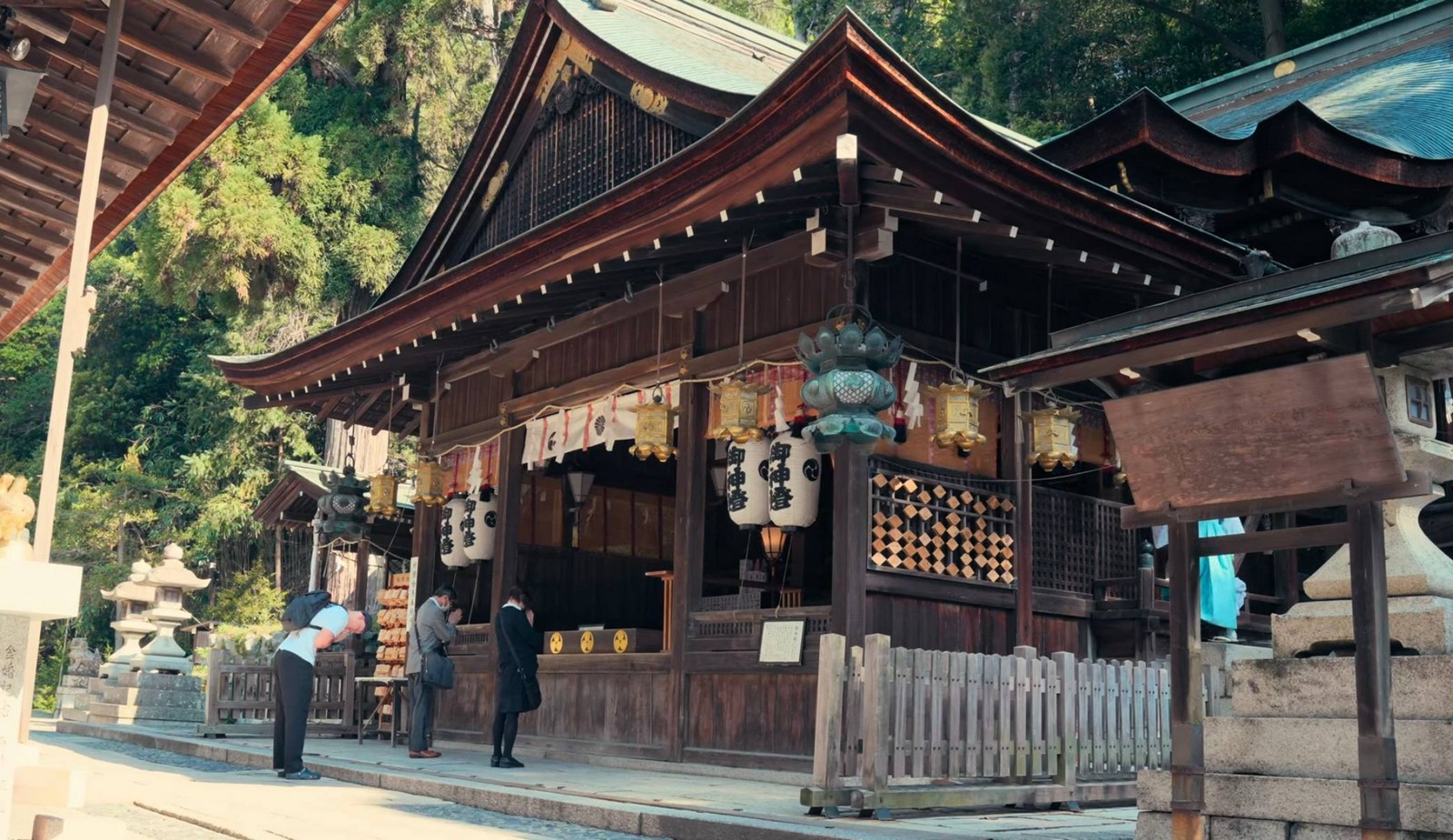
Shiga’s historic shrines preserve Japan’s spiritual heritage, where cedar forests and traditional wooden halls create a deeply peaceful atmosphere.
Shiga Prices
| Name | Amount | Description |
|---|---|---|
| Budget hotels (per night / 1 person) | 6,800–8,000 JPY | Simple business hotels near major stations in Otsu or Hikone; practical for short stays where convenience matters more than atmosphere. |
| Mid-range hotels (per night) | 11,800–15,000 JPY | Comfortable standard hotels or traditional ryokans, often including breakfast and sometimes dinner, depending on the location. |
| High-end hotels (per night / couple) | 21,000–30,000+ JPY | Premium lakefront stays like the Biwako Hotel, offering spacious rooms, panoramic views, and superior location advantages. |
| Apartment for family of 5 (per night) | 18,000–35,000 JPY | Family-sized apartments or vacation rentals; prices vary significantly by season, location, and proximity to Lake Biwa. |
| Car rental (per day) | 8,000–15,000 JPY | Standard daily rates for regional rentals; highly recommended for exploring the hidden gems of northern Shiga. |
| Public transport | 200–1,170 JPY | Kyoto to Otsu (~¥200), Omihachiman (~¥680), or Hikone (~¥1,170); local city buses typically cost around ¥230 per ride. |
| Restaurant meal (per person) | 880–2,500 JPY | Casual lunches start around ¥880–¥1,200, while dinner or regional specialties like Omi beef will be at the higher end of the scale. |
| Parking | 150+ JPY | Tolls for the Lake Biwa Bridge start at ¥150 for standard cars; town and attraction parking fees vary by time and popularity. |
| Basic supermarket shopping for 2 people | 2,500–5,000 JPY | Daily essentials including snacks, drinks, and breakfast supplies, depending on your choice of local or imported brands. |
Shiga FAQ
01
Is Shiga realistic as a day trip from Kyoto, or should we stay overnight?
Otsu is an effortless day trip from Kyoto, perfect for a lakeside stroll and one or two nearby sights. However, to truly appreciate Hikone, Omihachiman, or the hidden gems of northern Lake Biwa, an overnight stay ensures a much more relaxed pace.
What we propose

Emma Heidi
Customer Experience Manager
Take all the stress out of planning your trip!
With our experts, you can create the perfect itinerary for you – complete, comfortable, and tailored to all your dreams, wishes, and needs.
We take care of every little detail, so you can simply focus on enjoying your journey.
We’ve been designing personalized itineraries since 2015, and over the years we’ve created thousands of custom itineraries for happy clients.

Save time, avoid confusion – we do the work for you. Our service saves you weeks of searching, reading, comparing, and complicated planning. Instead of wasting endless hours – you receive a ready-to-use, accurate and clear itinerary.

A tailor-made itinerary – built just for you. Your itinerary is personally designed based on our experts’ real field experience and genuine feedback from hundreds of travelers – including hidden discoveries and insider tips that don’t appear in any travel guide.

Smart accommodation selection – often saves you hundreds or even thousands of dollars. We help you choose verified and recommended places to stay, checking availability for your exact travel dates. Sometimes we suggest hotels not “in the center,” but in safe, convenient, and highly strategic locations – which can significantly reduce travel costs and save you even thousands of dollars.

We’re by your side even during the trip. We stay with you throughout your vacation – providing professional help whenever needed. If the weather changes, there’s a strike, a local event, heavy crowds, or any unexpected situation – we are here to update, guide, and adjust your itinerary in real time.

Easy-to-use itinerary – with direct navigation links. Your itinerary includes direct Waze / Google Maps links – no need to search for parking addresses, no stress, no mistakes. Just tap – and go.

Service cost: from only $420. (Special price for short itineraries up to 5 days). Clients tell us the itinerary saves them costly mistakes, fines, wrong choices – plus exclusive discounts on car rentals, better-priced accommodations, and money-saving local tips.
Want to know if it’s really worth it?
Take a look at the experiences of travelers who built their personal itinerary with us.
Click here and let’s start building the itinerary that will save you time, money, and stress – and turn your vacation into perfection.
Of course, your first inquiry is completely free – with no commitment whatsoever.
How it works


- You are welcome to contact us
- We discuss your trip
- You fill out a special form
- We create your itinerary
- You get it with all useful tips
- We are in touch with you all the time