My love for Japan began the moment I arrived in Tokyo. The country amazed me with its harmony of ancient traditions, cutting-edge technology, breathtaking nature, and a culture unlike any other. Since then, Japan has become a part of my life, and I return there again and again. Today I help travelers discover the real Japan: I create personalized itineraries, give lectures, and prepare guests for their unforgettable journey. I would be delighted to open Japan for you too!

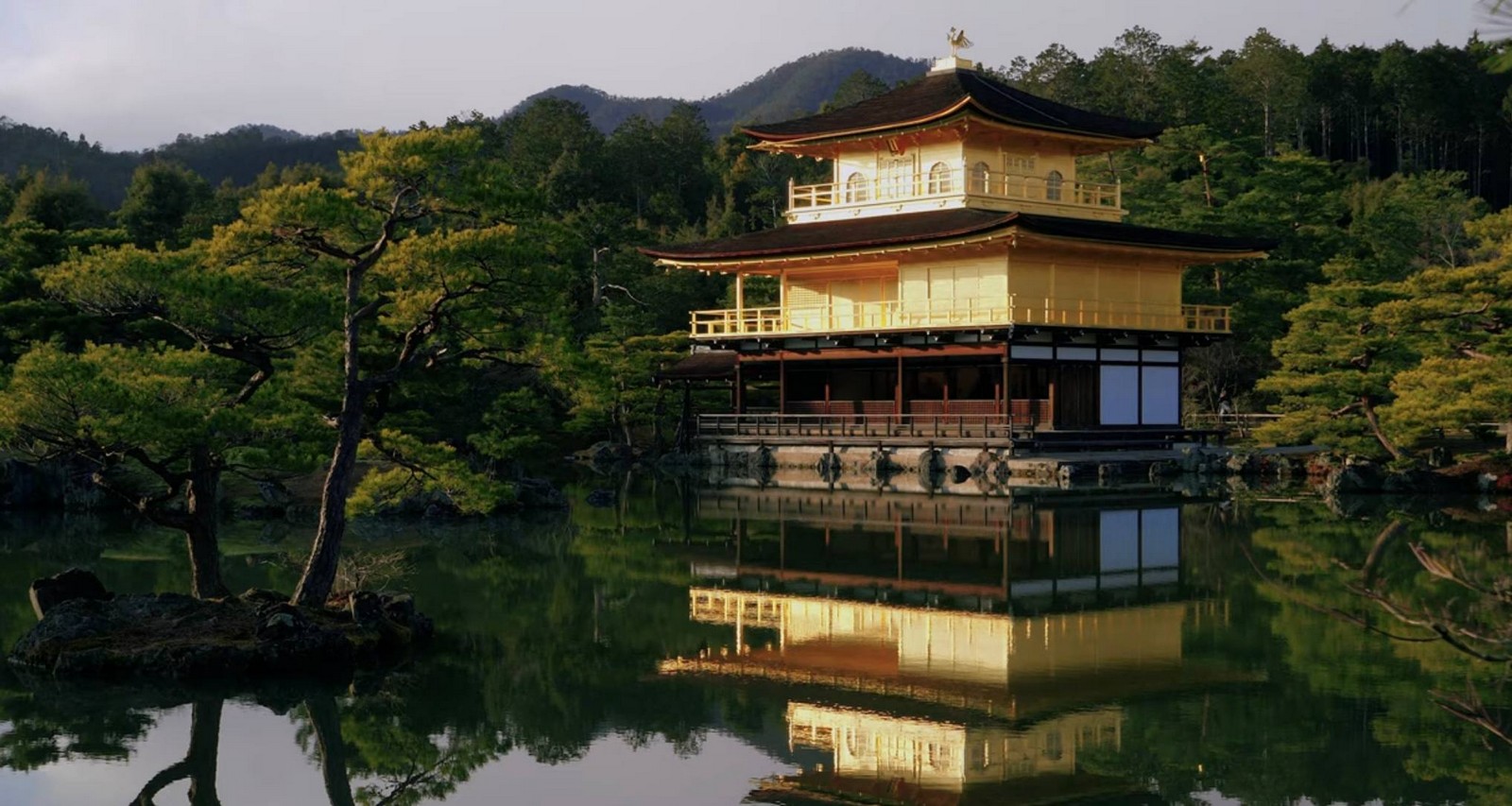


Asakusa
Asakusa is one of Tokyo’s most atmospheric districts, where ancient temple rituals, historic shopping streets, and vibrant street food meet iconic views of the Tokyo Skytree. This compact, walkable area revolves around the famous Senso-ji Temple, Kaminarimon Gate, and Nakamise-dori, but the experience becomes much richer when you explore the Sumida River bank, quiet backstreets, and the panoramic viewpoint at the Asakusa Culture Tourist Information Center.
For those visiting Tokyo for the first time, Asakusa offers a perfect introduction to the city’s traditional side. It is lively and full of character without requiring a complex route. In a single visit, you can easily combine photography, local snacks, and souvenir shopping with the serene atmosphere of the temple and a relaxed riverside stroll.
Transport in Asakusa
Reaching Asakusa is straightforward, as Asakusa Station connects the Tokyo Metro Ginza Line, Toei Asakusa Line, and Tobu Railway. Nearby Tawaramachi Station offers additional flexibility. For travelers arriving from Narita Airport, the Keisei Access Express is a highly practical choice, while Haneda Airport is well-connected via direct subway and railway lines, though some routes may require a quick transfer.
Once you arrive, walking is undoubtedly the best way to explore. Kaminarimon, Nakamise-dori, and Senso-ji are located close together, and many of the most charming food stalls and hidden lanes are only discovered on foot. While rickshaws are iconic, they are best enjoyed as a unique sightseeing experience rather than a primary mode of transport.
If you are planning onward travel, such as heading to Kyoto, it is more efficient to connect via Tokyo Station or Shinagawa Station for the Shinkansen. While a car is unnecessary within Asakusa, it can be a convenient option for broader regional trips outside central Tokyo, particularly for families traveling with heavy luggage or making multiple stops.
Click here to learn more about creating a personal itinerary
Tip from the itinerary expert: Avoid treating Asakusa as a series of disconnected metro stops. The most rewarding route is a continuous walk: viewpoint first, then Kaminarimon, Nakamise-dori, Senso-ji, the backstreets, and finally the Sumida River. This approach minimizes backtracking and keeps your day relaxed.

When to visit Asakusa
Asakusa is particularly beautiful in March and April during the cherry blossom season, in May during the Sanja Matsuri festival, and throughout October and November when the weather is ideal for walking. The summer months offer a vibrant festival atmosphere, but the heat and crowds can be intense, making a slower pace and frequent breaks essential.
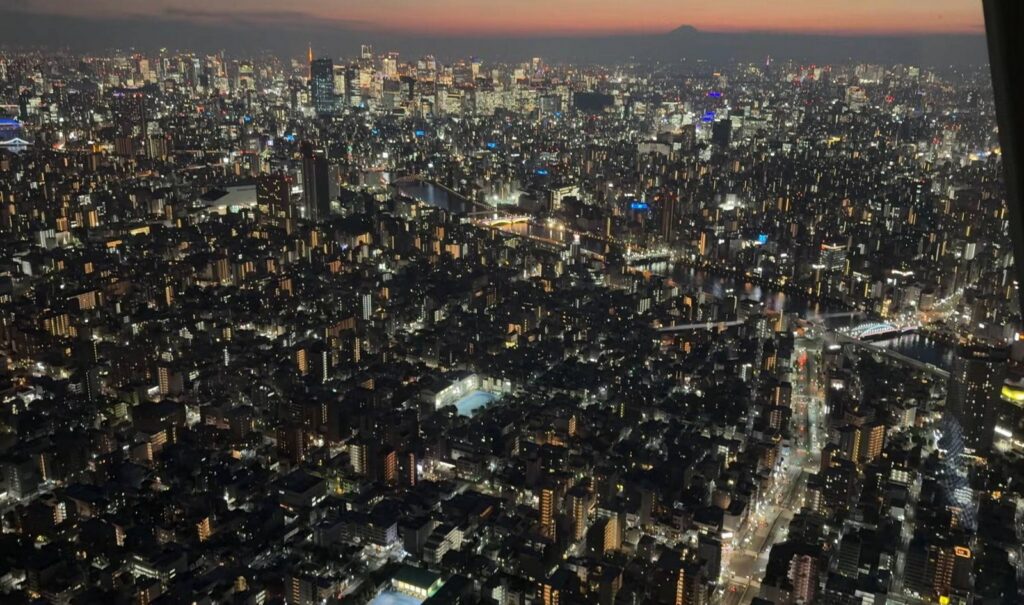
For a peaceful walk through Nakamise-dori and Senso-ji, the early morning is unbeatable before the daily crowds arrive. Evening brings a completely different vibe: the temple grounds grow quiet, the traditional architecture is beautifully illuminated, and the walk toward the Sumida River offers stunning night views of the Tokyo Skytree.
Winter is also a great time to visit, as the district’s appeal doesn’t rely solely on greenery. The street food, temple architecture, and riverside views remain just as captivating, while the cooler air makes ducking into a cozy cafe or trying hot local snacks even more rewarding.

Since 2015, our website has specialized in individual planning of unique routes, taking into account personal preferences and desires.
Each of you will receive a unique PDF file from us, which contains everything you need: travel routes, car rentals, hotels, the best tourist attractions, attractions for kids and everything you need for a perfect vacation.
During the trip, we are available for you by phone via WhatsApp.
Our personal service provides information from A to Z, taking into account many small details that can become a decisive factor on the way from a wasted trip to an unforgettable vacation.
Our service will make your trip comfortable, save a lot of time on planning and preparation, and most importantly – will allow you to become freer and fully enjoy the pleasure of the trip.
Tip from the itinerary expert: For the best photos, aim for early morning before the shops open or the transition from late afternoon into dusk. Midday is perfect for snacking and browsing the stalls, but it is often too crowded for clean, atmospheric temple photography.
Top Asakusa attractions
Asakusa is best experienced when you balance its iconic temple core with vibrant food streets, panoramic skyline views, and quieter local spots. These key attractions define the district’s character without making your day feel rushed or overloaded.
Senso-ji Temple
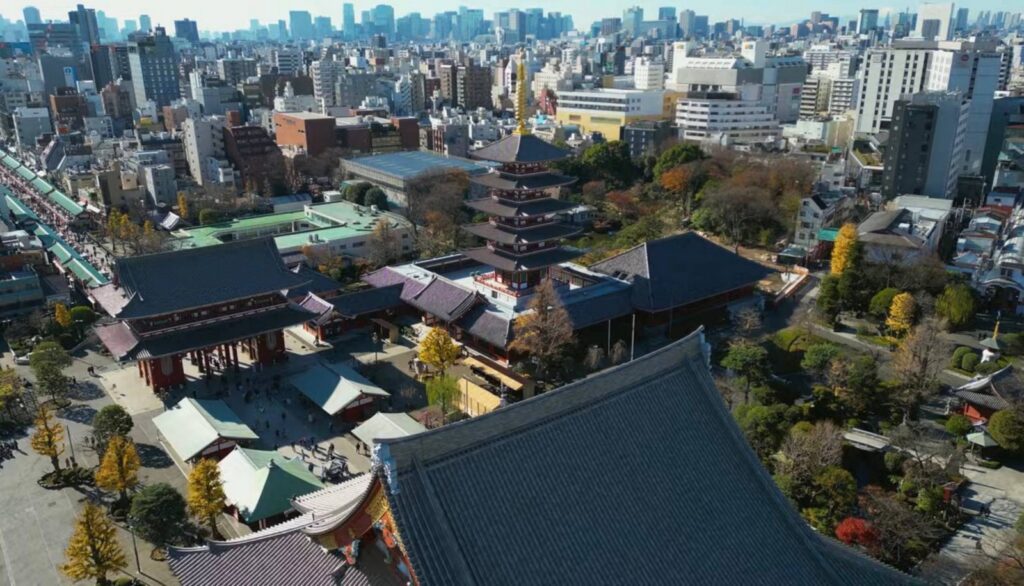
The spiritual and visual heart of Asakusa, Senso-ji is Tokyo’s oldest temple and the district’s most defining landmark. The main hall, five-story pagoda, and incense area offer vastly different experiences throughout the day. While the early morning is perfect for quiet photography, the evening brings a soft, cinematic atmosphere as the structures are beautifully illuminated and the crowds thin out.
Opening Hours: Grounds can be explored throughout the day; schedules for specific halls may vary seasonally.
Main temple grounds are free to enter.
Tip from the itinerary expert: Visit Senso-ji twice if time allows — once early for quiet Nakamise photos, and again after dark when the illuminated temple feels dramatically different.
Distance/Time: Central Asakusa
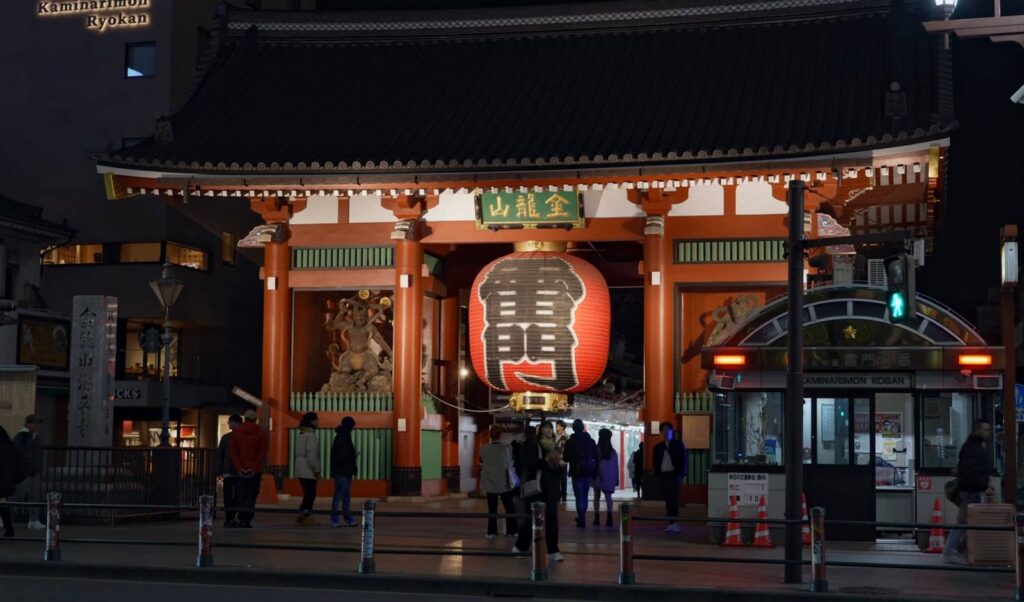
Kaminarimon Gate
Kaminarimon, the famous Thunder Gate adorned with a giant red lantern, serves as the symbolic entrance to Asakusa and is one of Tokyo’s most recognizable landmarks. Beyond the classic front-facing photo, keep an eye out for the intricate details carved under the lantern and the imposing guardian statues on either side, which are often overlooked by visitors in a hurry.
Opening Hours: Open public gateway area.
Free.
Tip from the itinerary expert: Arriving before the peak hours makes Kaminarimon far easier for clean photos, especially if you want to capture the gate without the dense crowd lines.
Distance/Time: At the entrance to Nakamise-dori
Nakamise-dori
This historic shopping street connects Kaminarimon to Senso-ji and remains one of the city’s premier spots for traditional snacks, souvenirs, and cultural browsing. Local specialties like Ningyo-yaki, kibi dango, and melon pan make this more than just a tourist corridor, though it’s worth noting that the street can become very densely packed during peak periods.
Opening Hours: Most shops operate daytime hours; individual schedules vary.
Free to walk; food and shopping costs vary.
Tip from the itinerary expert: Walk through Nakamise once for photos, then return later for food — trying to do both during peak crowd flow usually slows down your entire route.
Distance/Time: Between Kaminarimon and Senso-ji
Asakusa Culture Tourist Information Center
Located directly opposite Kaminarimon, this striking modern building designed by Kengo Kuma is a must-visit free stop. The upper-floor observation deck provides exceptional views overlooking Nakamise-dori, Senso-ji, and the Tokyo Skytree, making it an ideal first stop for getting your bearings in the district.
Opening Hours: Typically open from morning to evening; schedules may vary.
Free entry.
Tip from the itinerary expert: Use the viewpoint before heading into Senso-ji to understand the district layout and identify the best spots to return to for sunset or night shots.
Distance/Time: Across from Kaminarimon
Sumida River Walk
The Sumida River bank offers some welcome breathing room away from the temple crowds, featuring some of Asakusa’s most impressive skyline views toward the Tokyo Skytree and the surrounding bridges. While cherry blossom season makes this area incredibly photogenic, the riverside is equally rewarding for a peaceful evening stroll.
Opening Hours: Open public riverside area.
Free.
Tip from the itinerary expert: Head here after visiting Senso-ji rather than before — the river serves as a perfect, slower-paced reset once you have finished in the busy temple zone.
Distance/Time: Short walk from Senso-ji
Hoppy Street
Famous for its authentic izakaya atmosphere, grilled specialties, and casual energy, Hoppy Street offers a local contrast to the historic temple area. It is less about monuments and more about experiencing Tokyo’s traditional street-dining culture firsthand.
Opening Hours: Best experienced from late afternoon into evening.
Food prices vary by venue.
Tip from the itinerary expert: Hoppy Street works best as an evening stop after your main sightseeing is complete, ensuring you don’t break your momentum during the day.
Distance/Time: Walking distance from Senso-ji
Kappabashi Kitchen Street
A practical and surprisingly unique side trip, Kappabashi is renowned for its high-quality Japanese knives, tableware, and incredibly realistic food samples. It feels much less touristy than Nakamise and is perfect for those looking for specific high-quality souvenirs or specialized kitchenware.
Opening Hours: Most shops open daytime hours.
Free to explore; shopping costs vary.
Tip from the itinerary expert: Kappabashi is a smarter choice for practical shopping than Nakamise, especially if you are looking for professional kitchen goods or unique, functional Japanese gifts.
Distance/Time: Around 10–15 minutes on foot from central Asakusa
Natural spaces in Asakusa
While Asakusa is best known for its urban energy, several outdoor spaces provide a refreshing balance to the dense temple grounds and bustling shopping streets.
• Sumida River Walk & Riverside: The riverside is one of the district’s most valuable breathing spaces, offering a perfect escape after the crowds of Senso-ji. It features wide skyline views, great opportunities for bridge photography, and some of the finest angles for capturing the Tokyo Skytree.
• Sumida Park: Particularly stunning during cherry blossom season, this park is ideal for leisurely walks, seasonal photos, and short breaks without having to leave central Asakusa.
• Sumida River Cruises: These cruises are a practical way to enjoy the water and gain a different perspective of Tokyo’s skyline without the exhaustion of navigating another major walking district.
• Riverside evening walks: After sunset, the combination of illuminated bridges, shimmering river reflections, and the glowing Skytree creates one of Asakusa’s most serene visual experiences.
• Small temple gardens and quiet side streets: Although these aren’t large parks, these softer green pockets help break up the intensity of the main tourist flow.
Click here to learn more about creating a personal itinerary
Tip from the itinerary expert: Head to the river after you have finished your core temple route. Senso-ji first, Sumida second creates a much smoother energy balance and prevents your day from feeling too front-loaded.
Top 5 hidden gems in Asakusa
Beyond the famous Kaminarimon and Senso-ji, Asakusa reveals its true character when you explore side routes and shift your timing.
• Night walks around Senso-ji: Once the main crowds have thinned, the illuminated temple grounds feel more spacious, peaceful, and visually dramatic.
• Backstreets behind the tourist path: Hidden alleys reveal quiet shrines, local eateries, and traditional ryokan-style buildings, showcasing a slower side of Asakusa that many visitors overlook.
• Asahi Sky Room views: This spot offers a less obvious skyline perspective for those seeking panoramic views of the river and district away from the standard Skytree route.
• Food sample workshops near Kappabashi: Engaging in a hands-on workshop is a distinctly Japanese experience that feels much more interactive than typical souvenir shopping.
• Early kimono rental: Starting your day early dramatically improves the quality of your photos around Nakamise-dori and the temple gates before the crowd density rises.
Tip from the itinerary expert: Finding hidden gems in Asakusa is often more about timing than distance. Visiting famous landmarks at unusual hours can feel far more exclusive than searching for distant alternatives.
Family-friendly activities in Asakusa
Asakusa is an excellent destination for families when the itinerary balances cultural sites with movement, snacks, and interactive stops.
• Rickshaw rides: A fantastic way to add fun to the journey while reducing walking fatigue, making it a great orientation activity early in your visit.
• Omikuji fortunes at Senso-ji: Drawing a fortune is a simple, engaging cultural tradition that doesn’t require much time but is always a highlight for kids.
• Street snacks on Nakamise-dori: Local treats like ningyo-yaki, melon pan, and dango naturally turn a walk into a more engaging and delicious experience.
• Sumida River cruises: These are perfect for a change of pace and adding a bit of excitement for younger travelers without overwhelming them.
• Kappabashi food sample experiences: Whether it’s a hands-on workshop or just browsing the lifelike displays, this area feels much more memorable than a standard shopping street.
• Tokyo Skytree combination: Pairing the traditional atmosphere of Asakusa with the modern skyline views nearby creates a well-rounded day plan with plenty of variety.
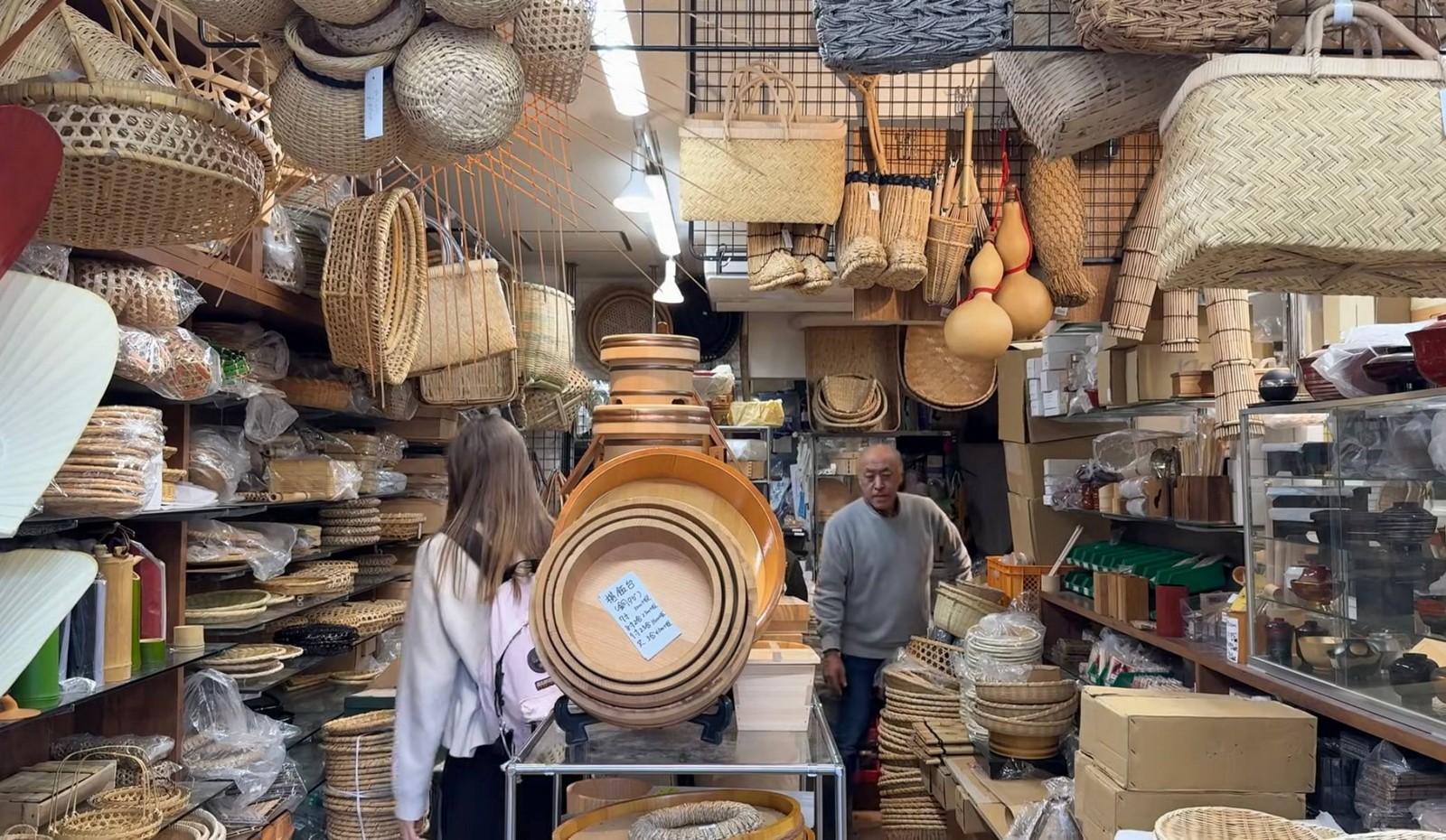
Traditional craft shops in Asakusa offer a deeper glimpse into old Tokyo, where handmade treasures and local culture still thrive.
Tip from the itinerary expert: For a more relaxed pace, combine one cultural anchor (Senso-ji), one lively food street, and one movement-based activity like a river cruise or rickshaw ride instead of focusing only on historical landmarks.
Asakusa 2-day family itinerary
Trip Duration: 2 days
Day 1 — Classic Asakusa, Senso-ji and riverside views
Morning, 10:00–12:30. Begin your journey at Asakusa Station and take a short walk to the Asakusa Culture Tourist Information Center, located directly across from Kaminarimon. Spend about 25–35 minutes here; head up to the free observation deck for a sweeping view over Nakamise-dori, Senso-ji, and the Tokyo Skytree. This is an excellent way to get your bearings before diving into the busier streets.
Next, head to Kaminarimon Gate for photos, then stroll along Nakamise-dori. While the walk itself is brief, you should allow 45–60 minutes to enjoy the snacks, browse souvenirs, and take photos. Don’t miss local street foods like ningyo-yaki, dango, or melon pan; these quintessential Asakusa treats typically range from ¥150 to ¥600.
Lunch, 12:30–14:00. Stay near Nakamise or the narrow lanes surrounding Senso-ji for a casual lunch. A simple ramen shop or a set-meal (teishoku) restaurant works perfectly here, with ramen priced around ¥900–¥1,300 and cafe meals ranging from ¥1,000 to ¥1,500. Afterward, visit Senso-ji Temple. Allow 60–90 minutes to explore the main hall, the aromatic incense area, and the five-story pagoda. Entry is free, though an omikuji (fortune) will cost ¥100.
Evening, 14:00–18:00. Once you have finished at the temple, take a quieter path toward Sumida Park and the Sumida River Walk. Plan for 45–60 minutes to capture photos of the Tokyo Skytree and the city’s iconic bridges. If the family still has energy, consider a Sumida River Cruise, with tickets priced at approximately ¥1,000 for adults and ¥500 for children. End the day with an early dinner on Hoppy Street, where an izakaya-style meal with drinks typically costs ¥3,000–¥5,000 per person.
Tip from the itinerary expert: If Nakamise-dori looks overwhelmingly crowded, don’t rush in. I recommend heading first to the free observation deck at the Asakusa Culture Tourist Information Center. This allows you to view the gate from a better angle and enter the temple area with a clearer sense of the crowd flow.
Overnight Location: Asakusa or nearby Ueno / Tokyo Station area
Day 2 — Kappabashi, hands-on Asakusa and evening temple atmosphere
Morning, 10:00–12:30. Start your second day at Asakusa Station or Tawaramachi Station and head toward Kappabashi Kitchen Street. The walk from central Asakusa takes about 10–15 minutes. Spend 90 minutes browsing through high-quality Japanese knives, unique tableware, and the famous realistic food samples. This area offers a practical and fascinating contrast to the temple-focused sites of the previous day.
For a more interactive experience, consider booking a food sample workshop. These hands-on activities are a hit with children and usually cost between ¥2,000 and ¥5,000. Scheduling this before lunch ensures the kids have plenty of energy for the craft.
Lunch, 12:30–14:00. Find a local eatery around Kappabashi or walk back toward central Asakusa for sushi, curry rice, or teishoku. A kaiten (conveyor belt) sushi lunch typically costs ¥1,500–¥2,500, while a light cafe meal is a great choice if you plan on doing a lot of walking in the afternoon.
Afternoon and evening, 14:00–18:00. Return to the Senso-ji area to experience a slower side of the district: explore the quiet backstreets, browse small boutiques, or enjoy a short rickshaw ride. Kimono rentals in Asakusa generally start at ¥3,000–¥8,000, while rickshaw tours range from ¥4,000 to ¥20,000 depending on the duration. A brief ride is often enough to make the day memorable for the whole family.
Conclude your itinerary with a peaceful late-afternoon stroll around Senso-ji. This second visit allows you to focus on the finer details, such as the intricate lanterns and side gates, in much softer light. For a final treat, pick up some matcha ice cream near the temple, usually priced around ¥500–¥900.
Tip from the itinerary expert: To keep the family day running smoothly, I recommend visiting Kappabashi before lunch and saving activities like kimono rentals or rickshaw rides for the afternoon. Shopping for kitchenware is best done while everyone is fresh, while the golden hour light is far better for photography around the temple.
Overnight Location: Asakusa or nearby Ueno / Tokyo Station area
Traveller reviews about Asakusa

Sarah Mitchell
April 2024

I honestly didn’t expect Asakusa to feel this alive. We visited during sakura season, and even with the crowds, walking through Nakamise with cherry blossoms all around and that giant lantern at Kaminarimon felt truly special. My daughter got obsessed with the omikuji fortunes; we spent 20 minutes laughing over our bad luck. It was packed, sure, but a night walk around Senso-ji completely changed the vibe.
Daniel Brooks
November 2022
Stayed near Tawaramachi, so logistics were a breeze. Asakusa Station made navigating Tokyo much less stressful than I had imagined. Senso-ji was impressive, but Nakamise felt a bit more touristy than my usual style. I definitely bought too many snacks, though. Kappabashi was actually the highlight for me — better shopping, fewer people, and incredibly sharp knives.
Emma Collins
July 2019
Way too hot. We picked Asakusa on a summer afternoon and I regretted that immediately. The kids got tired fast, and the heat coming off the pavement was brutal. Senso-ji was beautiful, but by midday everyone was getting cranky. The melon pan helped save the day. I’d do it differently next time — probably an evening visit only.
Michael Turner
December 2018
Cold air, clear skies, and no rain — a perfect day. I loved how Asakusa felt traditional without being frozen in time. My son was more excited about the rickshaw ride than the temple itself, which I probably should’ve predicted. We ended up doing both, then sat by the Sumida River watching the Skytree light up. It was one of those days where everything just worked.
Rachel Foster
May 2025

The Sanja Matsuri energy was intense, but with children? Honestly exhausting. Noise, packed streets, and nowhere to pause without bumping into someone. I get why people love festivals, but I spent more time managing family stress than enjoying Asakusa. The beauty of the temple was somewhat lost in the chaos.
James Walker
March 2017
Short version: good food, easy walking, but a very crowded gate. We arrived early to get clean photos and ate ningyo-yaki before the lunch rush. My wife found some great kitchen souvenirs in Kappabashi. Public transport was simple enough. The only minor annoyance was the wait for the elevator at the tourist center.
Olivia Reed
October 2023
I liked Asakusa much more once we accidentally wandered off the main tourist streets. The quieter lanes, random little shops, and seeing an old man fixing bicycles outside his house stayed with me more than Nakamise did. The main area was fine, just a lot louder and more commercial than I expected.
Andrew Lewis
February 2016
Rainy morning, wet pavement, and umbrellas everywhere. Not ideal, but weirdly memorable. Seeing Senso-ji through the light rain looked quite dramatic, and the smell of incense felt stronger somehow. My youngest slipped once on a wet side path, so we slowed down after that. Not a flawless trip, but I’m still glad we went.

Tips from the Itinerary Expert

Visit the Asakusa Culture Tourist Information Center before Kaminarimon
My first mistake was walking straight into the heart of Nakamise-dori. Now, I always head to the free upper-floor terrace first. Seeing Senso-ji, Kaminarimon, and the Tokyo Skytree from above helps me plan which spots to revisit for better photos later, saving me from unnecessary backtracking through the crowds.
Skip lunch on Nakamise if the children are getting tired
I’ve learned that trying to have lunch on the busiest snack street often slows everything down. If the kids start to fade, I move one or two streets behind Senso-ji to eat in a quieter setting before returning. This simple shift reduces noise, saves patience, and avoids the stress of crowded standing-only food stops.
Use Kappabashi for practical shopping rather than Nakamise
I once wasted money on impulse souvenirs near the temple, only to find better options later. Now, I keep Nakamise for enjoying the atmosphere and snacks, and save my shopping for Kappabashi. The prices are often better, the aisles are calmer, and it’s much easier to find high-quality knives, tableware, or unique family gifts.
Stick to main paths when navigating with a stroller
While some of the smaller side paths in Asakusa look charming, they can be incredibly frustrating to navigate with wheels. I’ve found that staying on the wider approaches around Kaminarimon and the main temple grounds saves a lot of energy, especially before afternoon fatigue makes small stairs feel like a major obstacle.
Save Hoppy Street for after your sightseeing is done
I once broke up my day too early with a long meal on Hoppy Street and lost all my momentum. Now, I save it for the late afternoon or early evening. At that time, a long sit-down feels like a rewarding break rather than making the family too sluggish for temple visits or riverside walks.
On rainy days, reverse your route to stay dry
During wet weather, I prioritize indoor or semi-covered spots first—like the Tourist Information Center, Kappabashi shops, or covered snack streets. I wait to visit the open grounds of Senso-ji when the rain softens. Doing the temple first in heavy rain usually just leads to wet shoes and poor-quality photos.
Use a rickshaw ride as an energy reset for the kids
When traveling with children, I use a short rickshaw ride as a strategic break once their energy for walking starts to drag. It feels exciting for them, provides a quick orientation of the district, and prevents total burnout without turning the whole day into an expensive novelty.
Head to the Sumida River after 15:00 for the best views
I’ve captured much stronger skyline photos by moving my riverside time to later in the day. The transition from afternoon to evening light near the Sumida River makes the views of the Tokyo Skytree feel far more dramatic than they do earlier in the morning.
Insights from the Itinerary Expert
I visited Asakusa in October 2023, and what stays with me isn’t the classic photo at Kaminarimon. It was that post-lunch moment when the kids were exhausted, Nakamise-dori felt too cramped, and we escaped toward the Sumida River just to find some breathing room. That reset worked much better than trying to push through every single shop near Senso-ji.
Asakusa is incredibly rewarding, but it isn’t always comfortable. The crowds around Kaminarimon and Nakamise can be intense, and on a warm day, the slow pace becomes draining. Rather than building your entire visit around shopping there, I recommend starting at the Asakusa Culture Tourist Information Center. Save Senso-ji for your main cultural experience, then head toward Kappabashi or the riverside once the temple area feels like too much.
Asakusa is an excellent choice for families seeking the atmosphere of old Tokyo, great snacks, and iconic photos without the need to travel across the entire city. We can design a custom route through Asakusa and Japan that ensures your journey remains practical, balanced, and realistic.
Tip from the itinerary expert: Use the river as your ‘escape hatch.’ When the temple crowds peak, a five-minute walk to the Sumida River completely changes the energy of the day.
Asakusa travel prices (2026 Estimates)
| Name | Amount | Description |
|---|---|---|
| Budget hotel (2–3★) | ¥12,000 – ¥20,000 per night JPY | Realistic for compact rooms in Asakusa; proximity to the metro often takes priority over room size for budget travelers. |
| Mid-range hotel (3–4★) | ¥22,000 – ¥40,000 per night JPY | The most balanced choice for families seeking easier station access and more generous living space. |
| High-end hotel (for 2 people) | ¥45,000 – ¥75,000+ per night JPY | Premium stays prioritize skyline views, refined service, and superior comfort over simple proximity to landmarks. |
| Apartment / family room (family of 5) | ¥30,000 – ¥60,000 per night JPY | A more cost-effective and comfortable alternative to booking multiple hotel rooms, especially for extended stays. |
| Public transport (Tokyo Metro & Toei) | ¥180 – ¥330 per ride / ¥1,000 day pass JPY | The metro is the gold standard for efficiency; 24-hour passes are highly recommended when visiting multiple districts. |
| Restaurant meal | ¥1,500 – ¥6,000 per person JPY | Quick lunches average around ¥1,500, while izakaya dinners with drinks typically start from ¥4,000. |
| Basic supermarket shopping (2 people/day) | ¥4,000 – ¥7,000 JPY | Covers snacks, drinks, and breakfast; note that daily essentials in central Tokyo have seen modest price increases recently. |
Asakusa FAQ
What we propose

Emma Heidi
Customer Experience Manager
Take all the stress out of planning your trip!
With our experts, you can create the perfect itinerary for you – complete, comfortable, and tailored to all your dreams, wishes, and needs.
We take care of every little detail, so you can simply focus on enjoying your journey.
We’ve been designing personalized itineraries since 2015, and over the years we’ve created thousands of custom itineraries for happy clients.

Save time, avoid confusion – we do the work for you. Our service saves you weeks of searching, reading, comparing, and complicated planning. Instead of wasting endless hours – you receive a ready-to-use, accurate and clear itinerary.

A tailor-made itinerary – built just for you. Your itinerary is personally designed based on our experts’ real field experience and genuine feedback from hundreds of travelers – including hidden discoveries and insider tips that don’t appear in any travel guide.

Smart accommodation selection – often saves you hundreds or even thousands of dollars. We help you choose verified and recommended places to stay, checking availability for your exact travel dates. Sometimes we suggest hotels not “in the center,” but in safe, convenient, and highly strategic locations – which can significantly reduce travel costs and save you even thousands of dollars.

We’re by your side even during the trip. We stay with you throughout your vacation – providing professional help whenever needed. If the weather changes, there’s a strike, a local event, heavy crowds, or any unexpected situation – we are here to update, guide, and adjust your itinerary in real time.

Easy-to-use itinerary – with direct navigation links. Your itinerary includes direct Waze / Google Maps links – no need to search for parking addresses, no stress, no mistakes. Just tap – and go.

Service cost: from only $420. (Special price for short itineraries up to 5 days). Clients tell us the itinerary saves them costly mistakes, fines, wrong choices – plus exclusive discounts on car rentals, better-priced accommodations, and money-saving local tips.
Want to know if it’s really worth it?
Take a look at the experiences of travelers who built their personal itinerary with us.
Click here and let’s start building the itinerary that will save you time, money, and stress – and turn your vacation into perfection.
Of course, your first inquiry is completely free – with no commitment whatsoever.
How it works


- You are welcome to contact us
- We discuss your trip
- You fill out a special form
- We create your itinerary
- You get it with all useful tips
- We are in touch with you all the time