My love for Japan began the moment I arrived in Tokyo. The country amazed me with its harmony of ancient traditions, cutting-edge technology, breathtaking nature, and a culture unlike any other. Since then, Japan has become a part of my life, and I return there again and again. Today I help travelers discover the real Japan: I create personalized itineraries, give lectures, and prepare guests for their unforgettable journey. I would be delighted to open Japan for you too!

Mie
Mie is the kind of region that often surprises travelers looking for a deeper side of Japan beyond the usual Tokyo, Kyoto, and Osaka circuit. Sacred shrines, the coastal beauty of Ise-Shima, pearl culture, seasonal flower parks, peaceful islands, family-friendly attractions, and historic pilgrimage trails all come together here in a way that feels varied without becoming exhausting.
It’s especially rewarding for those who prefer a more thoughtful pace — combining nature, scenic coastal drives, meaningful cultural stops, and excellent local food rather than rushing through a checklist of famous sights.
Transport in Mie
For most travelers, the easiest way into Mie is by Kintetsu Railway from Osaka, Kyoto, or Nagoya, with key arrival points such as Ise-shi, Ujiyamada, Toba, and Kashikojima. This setup works particularly well for the classic Ise-Shima route, especially when the trip centers around Ise Jingu, Okage Yokocho, Toba, and the main coastal highlights.
For broader exploration, a car often makes the trip far easier — particularly for families or travelers planning to reach places like Kumano Kodo, Suzuka, Nabana no Sato, scenic coastal viewpoints, or quieter rural corners. Buses are practical around major hubs like Ise Jingu and Okage Yokocho, but once the route becomes more regional, schedules can thin out quickly. In some areas, especially around Ago Bay, ferries or small local boats may also become part of the journey.
Click here to learn more about creating a personal itinerary
Tip from the itinerary expert: Use trains for the main Ise-Shima corridor, but rent a car for flexibility beyond it. In places like Kumano Kodo or the Ago Bay islands, transport can be limited to only a handful of departures each day, so it’s smarter to build your route around confirmed schedules rather than assuming easy spontaneous connections.

When to visit Mie?
Spring is one of Mie’s standout seasons, especially for travelers drawn to flowers and comfortable sightseeing weather. Suzuka Forest Garden, Nabana no Sato, and cherry blossom spots like Miyagawa Tsutsumi become especially rewarding from February through April, when plum blossoms, tulips, sakura, and mild temperatures create an easy rhythm for exploring.
Summer is better suited to the Ise-Shima coastline, Toba Aquarium, and sea-based activities, though heat and humidity can be intense. Autumn is particularly strong for Kumano Kodo walks and broader regional touring thanks to cooler conditions, though typhoon timing still matters. Winter offers a quieter, calmer version of Mie that works especially well for Ise Jingu, Matsusaka beef, onsen stays, and travelers who prefer fewer crowds with a slower cultural pace.

Since 2015, our website has specialized in individual planning of unique routes, taking into account personal preferences and desires.
Each of you will receive a unique PDF file from us, which contains everything you need: travel routes, car rentals, hotels, the best tourist attractions, attractions for kids and everything you need for a perfect vacation.
During the trip, we are available for you by phone via WhatsApp.
Our personal service provides information from A to Z, taking into account many small details that can become a decisive factor on the way from a wasted trip to an unforgettable vacation.
Our service will make your trip comfortable, save a lot of time on planning and preparation, and most importantly – will allow you to become freer and fully enjoy the pleasure of the trip.
Tip from the itinerary expert: Choose the season based on the core goal of the trip. Spring is strongest for flowers, summer for coastal experiences and family attractions, autumn for walking routes and wider touring, while winter works best for shrine visits, food, and a quieter regional experience.
Top attractions in Mie
Mie is most rewarding when your route blends sacred landmarks, coastal scenery, and family-friendly experiences rather than focusing on a single base. These attractions form the backbone of a well-rounded itinerary, offering both cultural depth and practical variety.
Ise Jingu
Japan’s most revered Shinto shrine is more than a famous stop — it is an experience defined by quiet forest paths, sacred spaces, and the iconic Uji Bridge. The scale, atmosphere, and natural setting create one of Mie’s most meaningful cultural anchors, while nearby traditional districts perfectly balance spiritual depth with local food and exploration.
Opening Hours: Opening hours vary by season
Main shrine access is free
Tip from the itinerary expert: Early morning offers the most peaceful atmosphere before the crowds arrive. Visiting Geku before Naiku follows the traditional pilgrimage flow for a more authentic experience.
Distance/Time: Best explored as a half-day or longer stop
Okage Yokocho & Oharai-machi
Located just beyond Ise Jingu, this atmospheric district features Edo-style streets, regional food culture, and charming shops. It is one of Mie’s best places to enjoy heritage and family-friendly pacing without the need for complex planning.
Opening Hours: Most shops operate daytime hours
Free entry; food and shopping extra
Tip from the itinerary expert: Treat this as an integral part of the shrine visit rather than a quick add-on. Set aside time for local specialties like Ise Udon or Akafuku Mochi to make the experience truly satisfying.
Distance/Time: Often combined with Ise Jingu
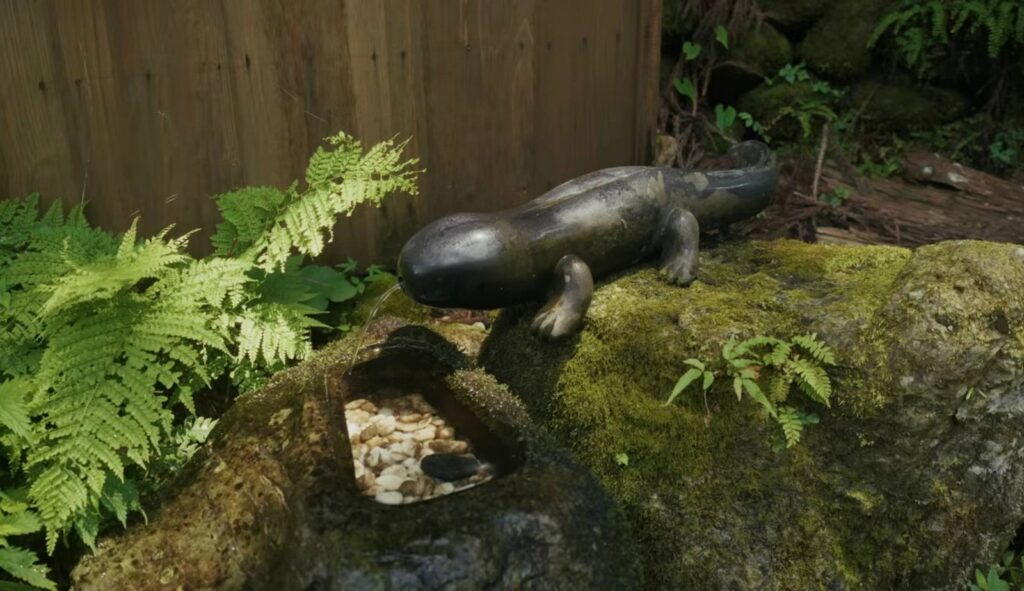
Meoto Iwa (Wedded Rocks)
These iconic sacred rocks rising from the sea are among Mie’s most recognizable coastal symbols, blending spiritual significance with sweeping ocean views. The setting is especially memorable for travelers seeking a scenic stop that contrasts beautifully with inland cultural sites.
Opening Hours: Accessible year-round
Free viewing area
Tip from the itinerary expert: This location works best when folded into a wider Futami or Ise route, adding visual variety and coastal atmosphere without requiring much additional travel time.
Distance/Time: Usually a shorter scenic stop
Toba Aquarium
Toba Aquarium brings a different energy to Mie, serving as one of the prefecture’s premier family-oriented attractions and a reliable all-weather option. It is perfect for balancing a shrine-heavy itinerary with an interactive, slower-paced experience ideal for mixed-age groups.
Opening Hours: Hours vary seasonally
Adult and child tickets available
Tip from the itinerary expert: Toba is best enjoyed as a dedicated family day or a regional base rather than trying to squeeze it into an already busy Ise schedule.
Distance/Time: Half-day to full-day visit
Mikimoto Pearl Island
More than just a place to shop, this landmark offers a deep dive into pearl cultivation, Ama diver heritage, and one of Mie’s defining industries. The museum and waterfront setting are rewarding for those who want to explore regional history alongside coastal sightseeing.
Opening Hours: Hours vary by season
Ticketed entry
Tip from the itinerary expert: Approach this as a cultural and historical experience rather than purely retail. Pairing it with other Toba attractions makes for a much smoother day out.
Distance/Time: Usually 2–3 hours
Yokoyama Observatory
For the best of Mie’s scenic side, Yokoyama Observatory delivers sweeping views over the intricate coastline and islands of Ago Bay. It reveals a different perspective of the prefecture — wide, open, and deeply connected to the natural beauty of Ise-Shima National Park.
Opening Hours: Best checked before visiting
Viewpoint access may vary depending on transport
Tip from the itinerary expert: Clear weather makes a massive difference here. Exploring the surrounding terraces turns this from a quick photo stop into one of the most memorable pauses in your journey.
Distance/Time: Often part of an Ise-Shima day
Shima Spain Village
This unique theme park adds a fun layer of rides and entertainment to a region typically associated with shrines and nature. For longer trips, it provides a great change of pace and a dedicated child-friendly day within the prefecture.
Opening Hours: Seasonal operating schedule
1-day and multi-day passports available
Tip from the itinerary expert: This attraction is best treated as a full dedicated day, particularly for families or those visiting during special seasonal events.
Distance/Time: Full-day attraction
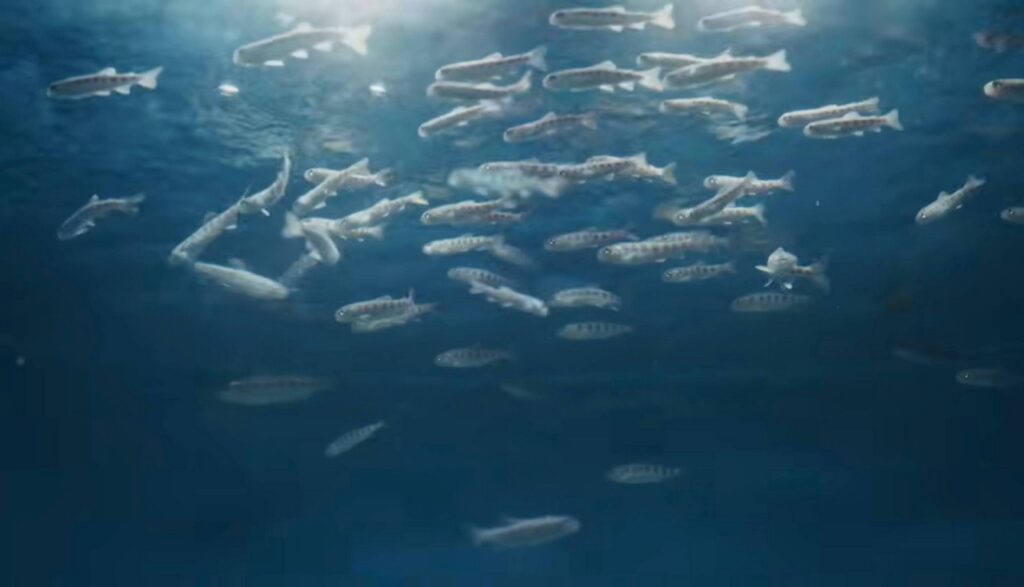
Natural highlights in Mie
• Ise-Shima National Park
This is where Mie’s natural variety truly unfolds. Dramatic coastlines, forested stretches, island views, and scenic roads come together in a way that feels expansive yet easy to navigate. It is especially rewarding for travelers seeking panoramic sea views and a more flexible rhythm beyond shrine-centered routes.
• Ago Bay
With its layered islands, pearl heritage, and calm waters, Ago Bay delivers some of the prefecture’s most memorable landscapes. The area is best explored beyond simple transit points—look for observation decks, coastal terraces, or slower sea-based experiences to truly appreciate its beauty.
• Suzuka Forest Garden
During the weeping plum blossom season from mid-February to late March, this becomes one of Mie’s standout spring destinations. For flower-focused travelers, it offers one of the region’s most striking and unique early-season landscapes.
• Nabana no Sato
Seasonal blooms, expansive gardens, and large-scale illumination displays make this one of Mie’s most accessible nature experiences. It works perfectly for travelers who want beauty and strong infrastructure without committing to remote outdoor trekking.
• Miyagawa Tsutsumi
A practical and visually rewarding sakura stop near Ise, this spot is ideal for spring itineraries that want cherry blossoms without requiring major route changes or long detours.
• Kumano Kodo Iseji Route
For travelers who prefer movement and history, these pilgrimage trails through ancient forests offer one of Mie’s richest outdoor experiences. It is less about passive sightseeing and more about soaking in the atmosphere and spiritual connection.
• Futami Coast
Open sea views and sacred coastal symbolism provide a refreshing contrast to shrine-heavy itineraries, adding visual variety to your journey without logistical complexity.
Click here to learn more about creating a personal itinerary
Tip from the itinerary expert: Mie feels far richer when nature is planned as a central part of the journey, not just an optional add-on. Combining coastal scenery, flower parks, and at least one walking route creates a much more layered and authentic experience.
Top-5 hidden gems in Mie
• Masakijima
Quiet, weathered, and far removed from mainstream tourism, this peaceful island offers wandering cats, narrow alleys, and a red lighthouse. Its slower emotional texture feels completely different from Mie’s larger attractions, making it compelling for travelers drawn to reflective coastal spaces.
• Lesser-known Kumano Kodo Iseji sections
Outside the famous pilgrimage stretches, quieter trail segments reveal an intimate balance of forest, history, and rural life. These paths offer a stronger sense of discovery and far fewer visitors.
• Komorebi Terrace
Often overshadowed by larger viewpoints, this peaceful terrace near Yokoyama Observatory is a gem for travelers who value quiet scenery and a calm atmosphere over busier, popular photo stops.
• Small islands of Ago Bay
Exploring beyond the main transport lines reveals overlooked fishing villages and local boat routes. This is the softer, more authentic side of Ise-Shima that many travelers never get to experience.
• Local Kashikojima overnight stays
Rather than treating Kashikojima as a mere transit hub, staying overnight unlocks calm mornings and stunning sunset views, allowing for a more personal relationship with the bay.
Tip from the itinerary expert: Some of Mie’s most unforgettable moments come from its quieter corners rather than its headline attractions. Side islands and peaceful coastal stops can completely reshape your perception of the region.
Best family-friendly activities in Mie
• Toba Aquarium
One of Mie’s most reliable family options, offering great all-weather flexibility and interactive pacing. It provides a welcome break for children between shrine visits or nature-heavy days.
• Shima Spain Village
For families wanting rides and high-energy entertainment, this is the prefecture’s premier child-focused stop—particularly useful for adding variety to longer regional trips.
• Toba Bay Cruise & Dolphin Island
With its playful pacing and beautiful marine scenery, this cruise is a practical alternative for families seeking something more dynamic than traditional museums.
• Nabana no Sato seasonal gardens
The vibrant flowers and world-class illuminations create an easy visual highlight for all ages, offering a high-impact experience without exhausting logistics.
• Ago Bay boat and island experiences
Short cruises and island-hopping feel like a real adventure for children while keeping the day manageable and stress-free for parents.
• Okage Yokocho food walks
Street snacks, traditional sweets, and a lively atmosphere make cultural sightseeing engaging for children through the fun of exploration and tasting local treats.
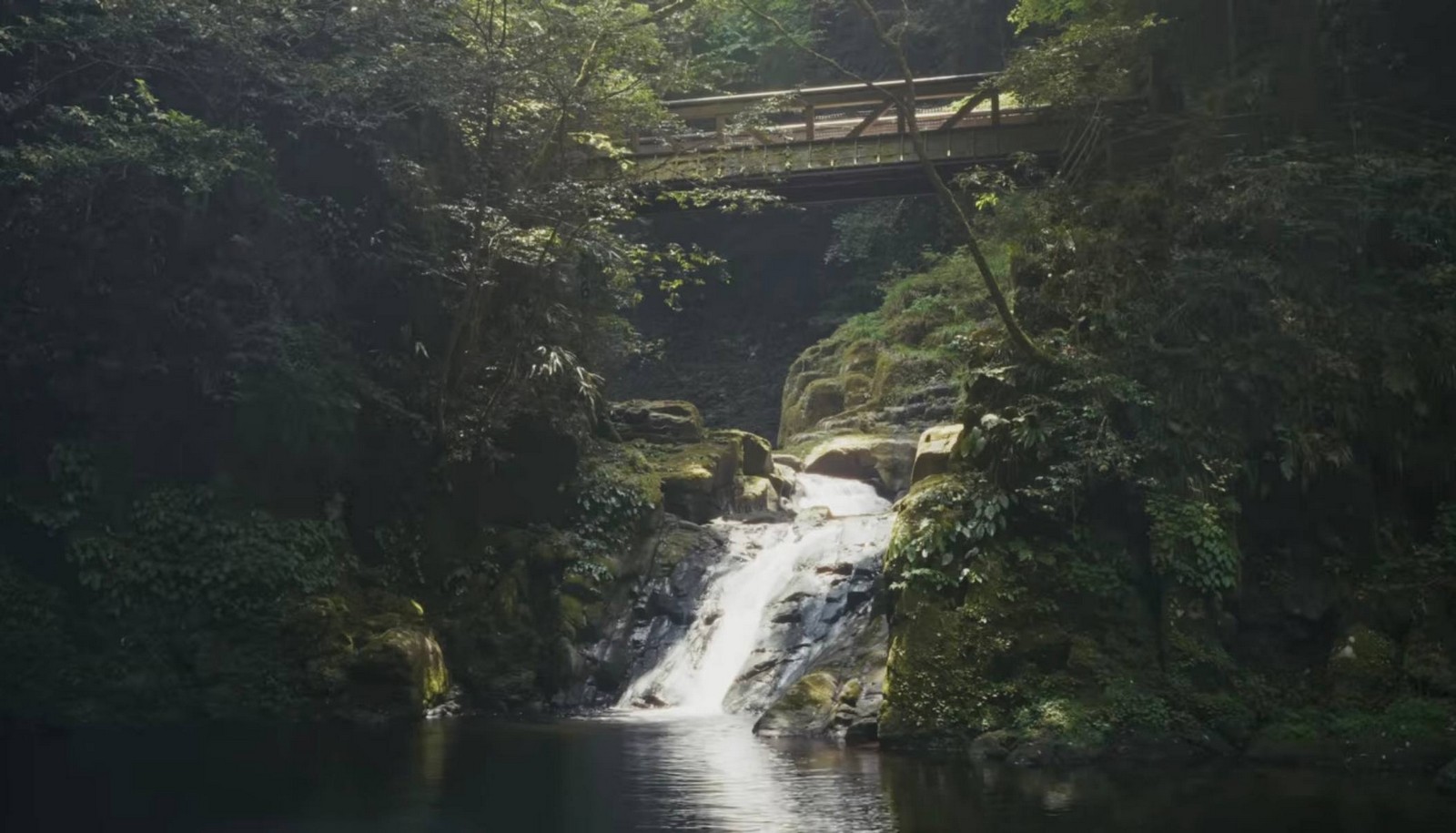
A forest bridge above a small waterfall, where soft light, mossy rocks, and flowing water create a peaceful walking spot in Mie.
Tip from the itinerary expert: Mie works best for families when each day balances one major attraction with a lighter experience. This rhythm keeps energy levels steady and ensures the trip remains enjoyable for both children and adults.
4-Day Family Itinerary in Mie
Trip Duration: 4 days
Day 1: Ise Jingu, Okage Yokocho and Miyagawa Tsutsumi
Morning, 10:00–12:30. Begin your journey in Ise at the region’s spiritual centerpiece. Starting at Geku before continuing to Naiku creates a smoother, more traditional flow—ideal for families pacing their first day. Plan for 1–1.5 hours at Naiku to truly appreciate the gravel paths, Uji Bridge, and the serene forested approach that makes the visit feel complete rather than rushed. Entry to Ise Jingu is free.
Lunch, 12:30–14:00. Shift naturally into Oharai-machi and Okage Yokocho, where the atmosphere becomes lighter and easier for children. Fukusuke is a practical choice for Ise Udon, with a regular bowl priced around ¥650. Adding Akafuku Mochi with tea for roughly ¥400 offers a classic local experience that serves as the perfect mid-day break.
Afternoon and evening, 14:00–18:00. During sakura season, head to Miyagawa Tsutsumi for a riverside cherry blossom walk, typically requiring 45–60 minutes. Outside of spring, it is better to slow down in Okage Yokocho—browsing crafts, ceramics, and food stalls without over-scheduling. Dinner in Ise is flexible, ranging from simple regional dishes to premium Matsusaka beef meals starting around ¥3,000–8,000 per person.
Tip from the itinerary expert: Avoid rushing straight to Naiku. A more balanced family route is Geku → Naiku → Okage Yokocho, as it naturally transitions from a sacred atmosphere into food, movement, and exploration.
Overnight Location: Ise or Toba
Day 2: Toba Aquarium, Mikimoto Pearl Island and Toba Bay
Morning, 10:00–12:30. Head to Toba for one of the most accessible family days in the region. Toba Aquarium is practical and weather-safe, providing a comfortable change of pace after a cultural first day. Tickets are approximately ¥2,800 for adults and ¥800–1,600 for children. It is worth allowing at least 2–3 hours to explore the variety of marine life properly.
Lunch, 12:30–13:30. Staying near Toba Station or the aquarium keeps the day efficient. A casual meal typically costs around ¥1,000–2,000 per person, while fresh seafood bowls (kaisendon) range from ¥1,800 to ¥3,500 depending on the daily catch.
Afternoon and evening, 13:30–18:00. Visit Mikimoto Pearl Island to discover the heritage of pearl culture and the famous Ama divers. Entry is around ¥1,650 for adults. If energy levels permit, the Toba Bay Cruise adds a lighter maritime rhythm to the afternoon. Ending your day in Toba with a seafood dinner feels much more natural than rushing to the next destination.
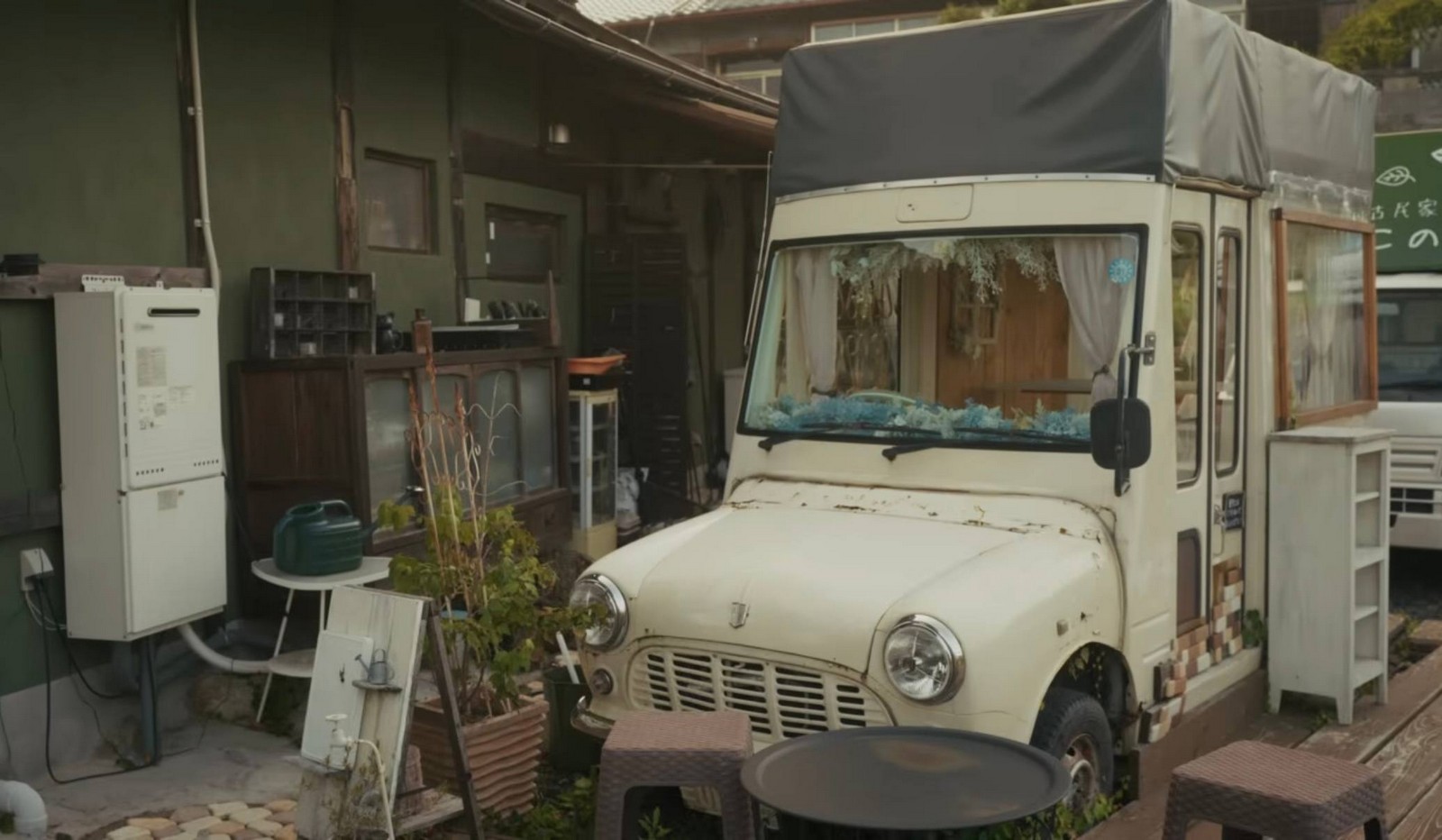
A charming countryside café or small shop in Mie, with a vintage vehicle, wooden details, and a relaxed local atmosphere.
Tip from the itinerary expert: If you plan to visit both Mikimoto Pearl Island and the bay cruise, check for combo pricing. The Pearl Cruise combo at around ¥3,500 for adults can simplify logistics and save you money.
Overnight Location: Toba or Shima
Day 3: Yokoyama Observatory, Ago Bay and Kashikojima
Morning, 10:00–12:00. Shift to Mie’s scenic coastal side at Yokoyama Observatory. This is much more than a single viewpoint—exploring the various terraces like Komorebi and Soyokaze makes the visit far more rewarding when the weather is clear. Allow 1.5–2 hours to soak in the views of Ago Bay rather than treating it as a quick photo stop.
Lunch, 12:30–14:00. Continue toward Kashikojima or Ugata, but be mindful that dining options in this quieter region can close early. Planning your lunch before hunger sets in is the smarter move here. Local seafood is the highlight, with meals typically costing ¥1,800–3,500 per person.
Afternoon and evening, 14:00–18:00. Dedicate the afternoon to Ago Bay boat tours or exploring the quiet streets of Kashikojima. If you are staying on one of the smaller islands, prepare in advance as convenience options become limited quickly. This is a day where planning your dinner logistics ahead of time truly pays off.
Tip from the itinerary expert: Always keep backup snacks on this day. Around Kashikojima, restaurants can be limited and often close early—a little preparation ensures a much smoother evening.
Overnight Location: Kashikojima, Ago Bay area or Shima
Day 4: Shima Spain Village or seasonal flower parks
Morning, 10:00–13:00. For families prioritizing high-energy entertainment, Shima Spain Village is the perfect final-day anchor. A 1-day passport is approximately ¥5,900 for adults. This park works best when treated as the main event of the day rather than a rushed partial stop.
Lunch, 13:00–14:00. Eating within the park saves time and keeps energy levels high. If your family prefers flowers over rides, pivot toward Nabana no Sato or Suzuka Forest Garden instead. Suzuka is particularly striking from mid-February to late March, while Nabana no Sato offers incredible illuminations year-round with tickets around ¥2,500–3,000.
Afternoon and evening, 14:00–18:00. Fully commit to your chosen route—either stay for the parades and rides at the theme park, or enjoy a relaxed stroll through the gardens. If you are driving back, remember that compact rentals typically cost ¥10,000–12,000 per 24 hours. Enjoy a comfortable final dinner before your departure.
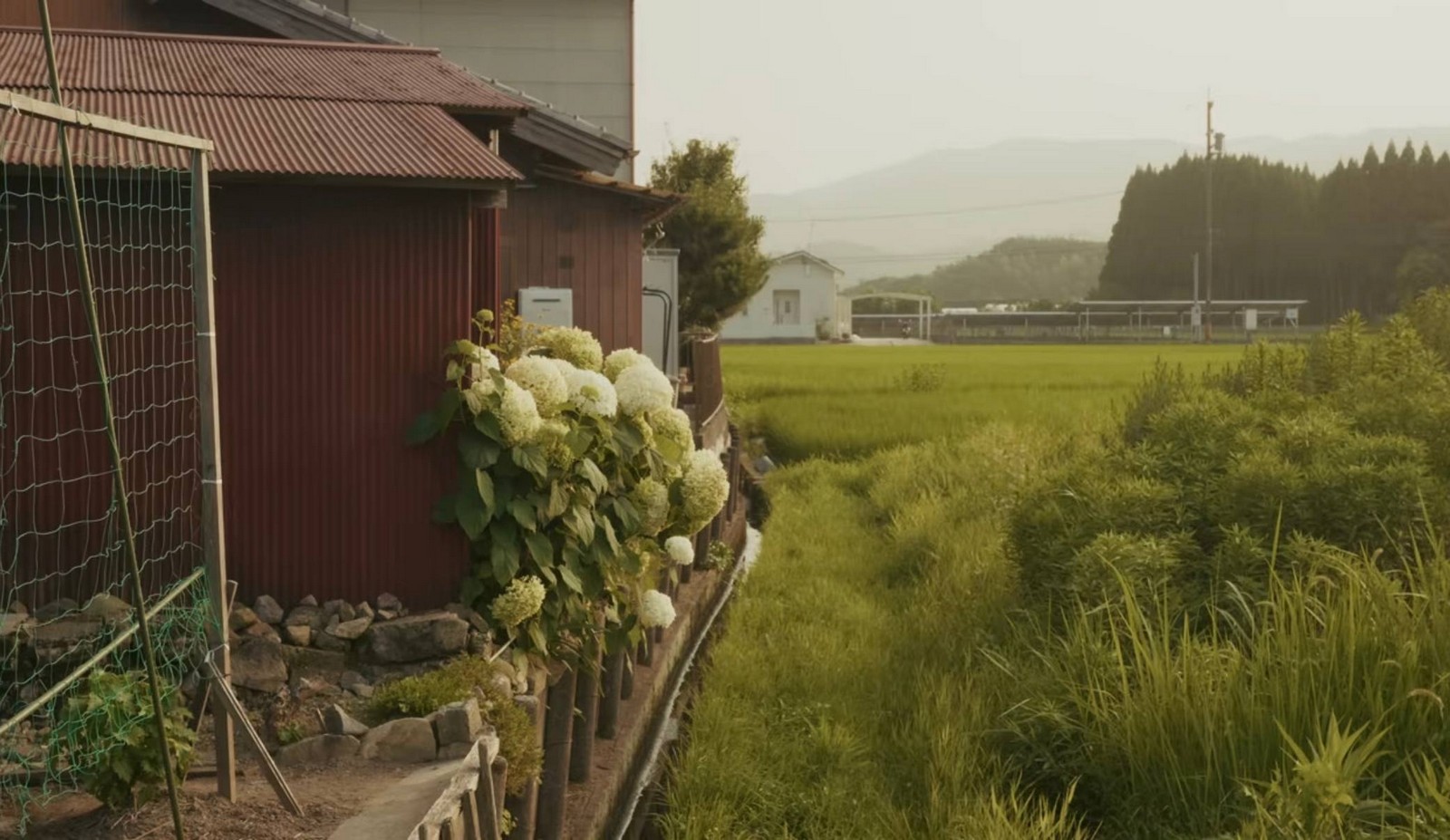
A peaceful rural view in Mie, with rice fields, hydrangeas, and soft evening light over the countryside.
Tip from the itinerary expert: Don’t overload your final day. Shima Spain Village works best as a dedicated experience, while seasonal gardens are a better fit for those with a shorter remaining schedule.
Overnight Location: Shima, Kuwana, Nagoya area or departure city
Traveller reviews about Mie

Daniel Morgan
Visited in April 2024

Mie honestly surprised us more than Kyoto on this trip. Ise Jingu was calm, quiet, almost heavy in a good way, then suddenly Okage Yokocho turned into snacks, little shops, and hot Ise Udon. Total mood change. Our kids definitely liked that part more. We still talk about the Akafuku tea stop, which seemed tiny at the time but somehow became one of those random family memories.
Laura Bennett
Visited in August 2019
Toba Aquarium absolutely saved us that day because the heat outside was rough. Humid, sticky, exhausting. Inside was so much easier with kids. Parking was manageable—not free, but fine. We did Mikimoto Pearl Island after lunch too; interesting enough, but honestly my youngest was way more into the sea views than anything pearl-related.
Mark Wilson
Visited in June 2023
Kashikojima was beautiful, no question, but wow it was quieter than I expected. We got there hungry and one waterfront restaurant that looked open online was closed. That was frustrating with kids. The seafood bowl we eventually found was excellent, so not all bad, but next time I’d absolutely bring snacks first.
Sophie Clarke
Visited in March 2025
Suzuka Forest Garden ended up being the prettiest part of our whole spring trip. The plum trees looked almost fake, like somebody overdesigned them. Pink, white, mountains behind everything. We were probably there about two hours, not all day, but my daughter kept stopping every few steps because she wanted photos with different trees.
Adam Green
Visited in October 2018

We rented a car for Mie and I’d do the same again. Trains were fine for Ise and Toba, but once we wanted coastlines, viewpoints, and smaller stops, the car made things much less tiring. Biggest downside was weather stress—October still had that annoying typhoon-season uncertainty hanging over parts of the trip.
Maya Richardson
Visited in May 2022
Yokoyama Observatory was really peaceful when we went on a weekday. We wandered between terraces, grabbed coffee, took our time. Ago Bay felt soft and calm rather than dramatic, which I actually liked. The kids enjoyed the open space more than I thought they would. Definitely better with clear weather though.
Thomas Reed
Visited in July 2021
Masakijima just wasn’t really for us. I understand why some people love it—cats, silence, little lighthouse, that forgotten island feel—but with family it felt more abandoned than charming. Hardly anything open, almost nobody around, and I kept worrying about boat timing. Interesting? Sure. Relaxing with kids? Not really.
Emma Carter
Visited in November 2024
Mikimoto Pearl Island was more interesting than I expected, mostly because of the ama diver demonstration. That was the part everyone actually paid attention to. The museum itself was decent, the shop was beautiful but very expensive, so we mostly just looked around. Good choice in Toba, especially on a rainy day with the aquarium nearby.
Nicolas Martin
Visited in February 2025
Ise Jingu early morning was beautiful, but freezing. Seriously colder than we expected. The wooden bridge, gravel paths, thin shoes—bad combination. The atmosphere was special enough that I’m still glad we went, but our kids got tired and cranky faster than planned. Next time: warmer clothes, better shoes, no debate.
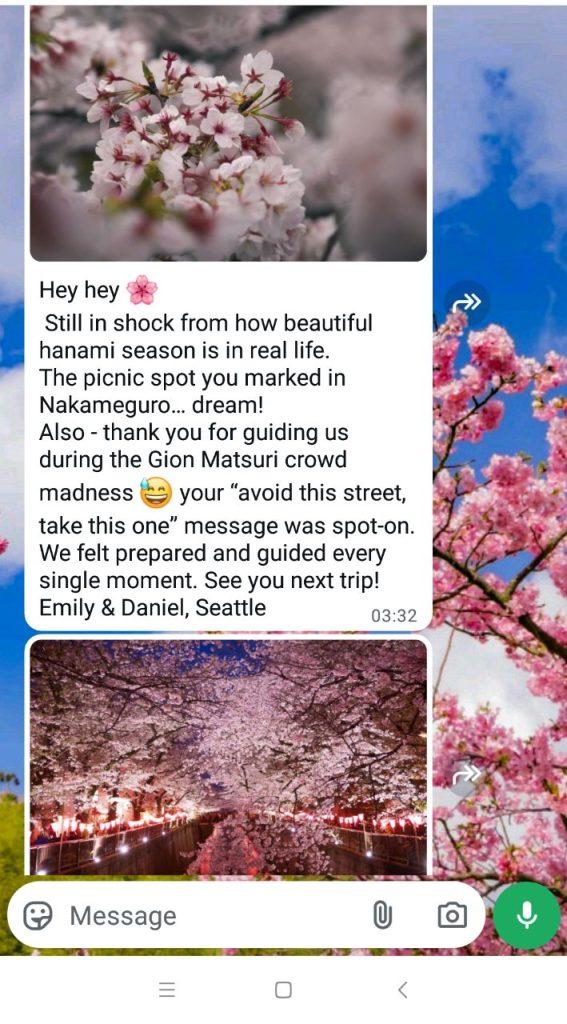
Tips from the itinerary expert

Visit Okage Yokocho after Naiku
I once made the mistake of starting with snacks, and by the time we reached Naiku, the kids were already losing patience. Naiku first, Okage Yokocho after works much better—food becomes the reward, energy lasts longer, and you avoid dragging shopping bags through the sacred grounds.
Secure dinner in Kashikojima before exploring
I learned this the hard way. Some quieter island stays or remote bay areas can feel surprisingly empty by evening. If you are going beyond Kashikojima Station, pick up bentos or snacks before you leave—this simple decision can completely save your night.
Don’t stop at the first platform at Yokoyama Observatory
The first viewpoint offers the obvious photo, but I had a much better experience by continuing to Komorebi Terrace and Soyokaze Terrace. There is more space for children, a calmer atmosphere, and honestly, even better angles for your photos.
Concentrate Toba attractions into one day
I once split the aquarium and Mikimoto across separate days and immediately regretted it. Keeping Toba Aquarium, Mikimoto Pearl Island, and the cruise together reduces transport fatigue and creates one easy, all-weather family day instead of fragmented logistics.
Use Shima Spain Village strategically
If your children are already worn out from shrine visits or coastal walks, do not force a visit to Spain Village for just a few hours. It works far better as a dedicated high-energy day; otherwise, the walking and queues can feel much more exhausting.
Masakijima: a peaceful choice, but not for every family
I personally loved the quiet atmosphere and the lighthouse, but my kids lost interest fast. Masakijima makes sense if your family genuinely enjoys slow wandering. If not, an Ago Bay cruise offers similar coastal charm with much easier logistics.
Match your route to spring flower cycles
I once planned around “spring flowers” too vaguely and missed the peak bloom. Suzuka Forest Garden peaks earlier than many other spots. Matching the exact bloom windows is crucial—otherwise, long scenic drives can end in disappointing conditions.
Prioritize convenient parking near Ise
With children, I found that parking closer to the Naiku–Okage route was worth the extra cost. The walking energy you save early on makes a noticeable difference once you reach Oharai-machi and still need energy for the food stalls and browsing.
Insights from the Itinerary Expert
I visited Mie in May 2024, and what resonated most wasn’t just a single attraction, but the dynamic shift between serene beauty and the necessity of practical planning. Ise Jingu felt calm, spacious, and deeply grounding — yet within minutes, we were in Okage Yokocho, enjoying Ise Udon and traditional sweets at a vibrant, family-friendly pace. This contrast is precisely what made the journey work; with children, these smooth transitions are more vital than they might seem.
Kashikojima taught me another essential lesson: Mie appears effortless on paper, but logistics are paramount. I assumed dinner would be straightforward, only to find multiple establishments closed, resulting in an unexpected convenience-store meal near the station. Conversely, Yokoyama Observatory became a highlight of the region — simply because we chose to explore beyond the first terrace rather than treating it as a brief photo opportunity.
In my experience, Mie is most rewarding when the itinerary maintains a genuine balance. Shrines, coastlines, local cuisine, and family energy must all align with smart transport logistics. When executed well, the experience feels layered and profound. Without that balance, even the most beautiful destinations can become unnecessarily taxing.
Together, we can design a personalized itinerary for Mie and across Japan. Our focus will be on realistic pacing, seamless transport, and curated dining — ensuring your journey matches your family’s unique rhythm rather than just ticking off a list of famous landmarks.
Typical travel prices in Mie
| Name | Amount | Description |
|---|---|---|
| Budget / business hotel | ¥8,000–14,000 per night JPY | Standard double rooms in hubs like Ise, Toba, or Shima. Prices rise sharply during sakura season and public holidays, so booking in advance is more critical than many travelers assume. |
| Mid-range hotel or ryokan | ¥18,000–35,000 per night JPY | A comfortable middle ground for those seeking a traditional regional stay without luxury costs. Many options include breakfast or light meal plans, offering some of the best value in the prefecture. |
| High-end ryokan or resort | ¥35,000–80,000+ per night JPY | Premium stays in Ago Bay and Kashikojima. Prices fluctuate based on ocean views, private baths, and high-grade seafood dinners, where scenic positioning is as much a factor as room quality. |
| Family stay (up to 5 people) | ¥20,000–45,000 per night JPY | Large-capacity rentals are available but less common than in major cities. Early booking is essential to secure properties with functional family layouts and dedicated parking. |
| Car rental (compact, 24 hours) | ¥10,000–12,000 per day JPY | Compact cars offer the ideal balance of cost and mobility for Mie’s coastal routes. While larger vans are more expensive, they provide necessary space for families visiting rural viewpoints. |
| Public transport (5-day pass) | ¥6,700 adult / ¥3,350 child JPY | The Kintetsu Rail Pass is a practical choice for the Ise-Shima area. Note that Limited Express fees are often charged separately, so check your specific train types to avoid unexpected costs. |
| Standard restaurant meal | ¥1,800–3,500 per person JPY | The typical cost for fresh seafood bowls (kaisendon) or regional sets. Matsusaka beef dishes will significantly increase the bill and are best treated as a planned culinary highlight. |
| Daily parking fees | ¥500–1,100 JPY | Standard rates for several hours near major sites like Ise Jingu. Choosing convenient parking near attraction entrances can save significant walking energy for families with children. |
| Basic supermarket groceries | ¥3,000–5,000 JPY | Essential for snacks and breakfast, particularly in quieter areas like Kashikojima where evening dining options are limited. A well-timed supermarket stop is a highly practical travel strategy. |
FAQ: Planning your trip to Mie
01
Is it worth renting a car in Mie if I am already using trains in Japan?
Yes — it makes a significant difference. While trains efficiently connect major hubs like Ise, Toba, and Kashikojima, a car is essential for accessing coastal viewpoints, Suzuka, Nabana no Sato, and the Kumano Kodo trails comfortably, especially for families.
02
Can Ise Jingu and Okage Yokocho be visited in a single day?
Absolutely. The most effective route is visiting Geku first, followed by Naiku, and ending at Okage Yokocho. This sequence preserves the spiritual atmosphere of the shrines before transitioning into the lively food and shopping district.
What we propose

Emma Heidi
Customer Experience Manager
Take all the stress out of planning your trip!
With our experts, you can create the perfect itinerary for you – complete, comfortable, and tailored to all your dreams, wishes, and needs.
We take care of every little detail, so you can simply focus on enjoying your journey.
We’ve been designing personalized itineraries since 2015, and over the years we’ve created thousands of custom itineraries for happy clients.

Save time, avoid confusion – we do the work for you. Our service saves you weeks of searching, reading, comparing, and complicated planning. Instead of wasting endless hours – you receive a ready-to-use, accurate and clear itinerary.

A tailor-made itinerary – built just for you. Your itinerary is personally designed based on our experts’ real field experience and genuine feedback from hundreds of travelers – including hidden discoveries and insider tips that don’t appear in any travel guide.

Smart accommodation selection – often saves you hundreds or even thousands of dollars. We help you choose verified and recommended places to stay, checking availability for your exact travel dates. Sometimes we suggest hotels not “in the center,” but in safe, convenient, and highly strategic locations – which can significantly reduce travel costs and save you even thousands of dollars.

We’re by your side even during the trip. We stay with you throughout your vacation – providing professional help whenever needed. If the weather changes, there’s a strike, a local event, heavy crowds, or any unexpected situation – we are here to update, guide, and adjust your itinerary in real time.

Easy-to-use itinerary – with direct navigation links. Your itinerary includes direct Waze / Google Maps links – no need to search for parking addresses, no stress, no mistakes. Just tap – and go.

Service cost: from only $420. (Special price for short itineraries up to 5 days). Clients tell us the itinerary saves them costly mistakes, fines, wrong choices – plus exclusive discounts on car rentals, better-priced accommodations, and money-saving local tips.
Want to know if it’s really worth it?
Take a look at the experiences of travelers who built their personal itinerary with us.
Click here and let’s start building the itinerary that will save you time, money, and stress – and turn your vacation into perfection.
Of course, your first inquiry is completely free – with no commitment whatsoever.
How it works


- You are welcome to contact us
- We discuss your trip
- You fill out a special form
- We create your itinerary
- You get it with all useful tips
- We are in touch with you all the time