My love for Japan began the moment I arrived in Tokyo. The country amazed me with its harmony of ancient traditions, cutting-edge technology, breathtaking nature, and a culture unlike any other. Since then, Japan has become a part of my life, and I return there again and again. Today I help travelers discover the real Japan: I create personalized itineraries, give lectures, and prepare guests for their unforgettable journey. I would be delighted to open Japan for you too!

Tottori
Tottori reveals a side of Japan that many travelers never expect: sweeping sand dunes rolling beside the Sea of Japan, dramatic coastlines, and mountain temples hidden among forested slopes. Between peaceful onsen towns and a lively manga culture that adds a splash of color to the region, Japan feels wider, quieter, and more atmospheric here. It is the perfect destination for those seeking nature, open space, and easy family adventures away from the relentless pace of Tokyo, Kyoto, or Osaka.
Transport in Tottori: How to Plan Your Route Efficiently
For most travelers, Tottori Station is the main gateway, especially when arriving from Osaka or Kyoto via the Super Hakuto express. The trip from Kansai usually takes around 2.5–3 hours, but keep in mind that some rail passes may require an extra fare supplement, so checking ticket details beforehand can save a lot of stress. From Tokyo, flying into Tottori Sand Dunes Conan Airport is often the most efficient choice, as rail journeys typically require a transfer in Osaka.
Once you are in Tottori Prefecture, distances can feel longer than they appear on the map. While buses work well for major spots like the Tottori Sand Dunes, the Sand Museum, and Hakuto Shrine, transport in rural areas is often slower and less frequent than in Japan’s larger hubs. If your route includes Mount Daisen, Misasa Onsen, the Uradome Coast, or Mt. Mitoku, renting a car is often the smarter choice for families or nature-focused itineraries, as many of the most memorable spots are spread across the countryside.
For the sand dunes area specifically, local buses from Tottori Station are practical and straightforward. Taxis are also a great option for families with children, heavy luggage, or tight schedules. The Loop Kirinjishi Bus is another excellent choice for a day centered around the dunes, the Sand Museum, and nearby attractions like Kodomonokuni. Drivers will find the area easy to navigate, with plenty of free and paid parking options available around the dunes.
Click here to learn more about creating a personal itinerary
Tip from the itinerary expert: Do not approach Tottori the way you would Kyoto. Attractions are far more spread out, so it is best to build each day around one focused zone: Tottori Station → Sand Dunes → Sand Museum → Coast, or Daisen → Onsen stay → Mountain landscapes. This approach saves time, energy, and unnecessary backtracking.

When to Visit Tottori: Which Season Fits Your Trip Best?
Spring is one of Tottori’s most rewarding seasons, especially for travelers looking to combine cherry blossoms, flower parks, and outdoor exploration without the intense summer heat. March and April are particularly comfortable for visiting the sand dunes, where limited shade and soft sand can make walking quite demanding later in the year. For families, spring offers the ideal balance of beautiful scenery and pleasant temperatures.
Summer shifts the focus toward the coast: the Uradome Coast, beaches, kayaking, and boat rides become the main highlights. However, the dunes can feel very intense under the direct sun, so early morning or late afternoon visits are much better than midday excursions. Summer also brings a livelier energy with events like the Shan Shan Matsuri festival, though smart planning with shade breaks and shorter walking stretches becomes essential.
Autumn is a top choice for those drawn to Tottori’s wilder side. From September through November, Mount Daisen, Mt. Mitoku, and the various temple trails are at their best. You will find cooler trekking weather and a calm, visually rich atmosphere as the foliage changes.
Winter gives Tottori a completely different character: this is the season for Matsuba crab, Misasa Onsen, and skiing near Daisen. The dunes take on an unexpectedly dramatic look when winter winds, snow, or wet sand transform the landscape. Visitors should prepare for cold, windy conditions, making shorter outdoor visits paired with long onsen stays and seafood feasts the best way to enjoy the season.

Since 2015, our website has specialized in individual planning of unique routes, taking into account personal preferences and desires.
Each of you will receive a unique PDF file from us, which contains everything you need: travel routes, car rentals, hotels, the best tourist attractions, attractions for kids and everything you need for a perfect vacation.
During the trip, we are available for you by phone via WhatsApp.
Our personal service provides information from A to Z, taking into account many small details that can become a decisive factor on the way from a wasted trip to an unforgettable vacation.
Our service will make your trip comfortable, save a lot of time on planning and preparation, and most importantly – will allow you to become freer and fully enjoy the pleasure of the trip.
Tip from the itinerary expert: For a versatile first visit, spring or autumn usually provides the best balance. While summer is perfect for beaches and winter is best for crab and skiing, the transitional seasons make it much easier to combine the dunes, temples, and nature in one well-paced trip.
Top Tottori Attractions: 7 Places That Define the Region
Tottori is at its best when your route brings together wild landscapes, rugged coastlines, and a touch of manga culture for an experience that feels genuinely different from the usual Japan itinerary. Instead of planning a standard city break, treat Tottori as a land of contrasts: dunes, sea cliffs, ancient mountains, and peaceful onsen towns that give a first trip real variety.
Tottori Sand Dunes
The Tottori Sand Dunes (Tottori Sakyu) are the region’s signature landscape and one of the most unusual sights in Japan: massive coastal dunes spreading out beside the Sea of Japan. The experience feels much grander on foot than in photos, featuring wind-shaped ripples, steep sandy climbs, and open ocean views. You can enjoy camel rides, sandboarding, or a walk along the dramatic “Horse’s Back” ridge. Sunset is the most atmospheric time to visit, as midday heat can make the trek across the sand surprisingly demanding.
Opening Hours: Open natural area; conditions and nearby attractions may vary seasonally
Sand dunes: free; nearby Sand Museum and optional activities priced separately
Tip from the itinerary expert: Wear shoes that can handle deep sand or bring protection. The climb is more tiring than it looks, especially with children. Late afternoon offers the best light, cooler air, and the perfect conditions for photos.
Distance/Time: Around 20 minutes from Tottori Station by bus
Sand Museum
Located right next to the dunes, the Sand Museum (Suna no Bijutsukan) often proves to be more memorable than visitors expect. Its massive sand sculptures, created by international artists around changing yearly themes, make it one of Tottori’s most distinctive cultural attractions. It pairs perfectly with a visit to the dunes, providing a welcome air-conditioned break and a structured, family-friendly experience.
Opening Hours: Hours may vary by exhibition season
Adults from ¥800; school-age children from ¥400
Tip from the itinerary expert: Visit the Sand Museum on the same day as the dunes. This makes your route more efficient and balances the outdoor physical climb with a calmer indoor gallery experience.
Distance/Time: Next to Tottori Sand Dunes
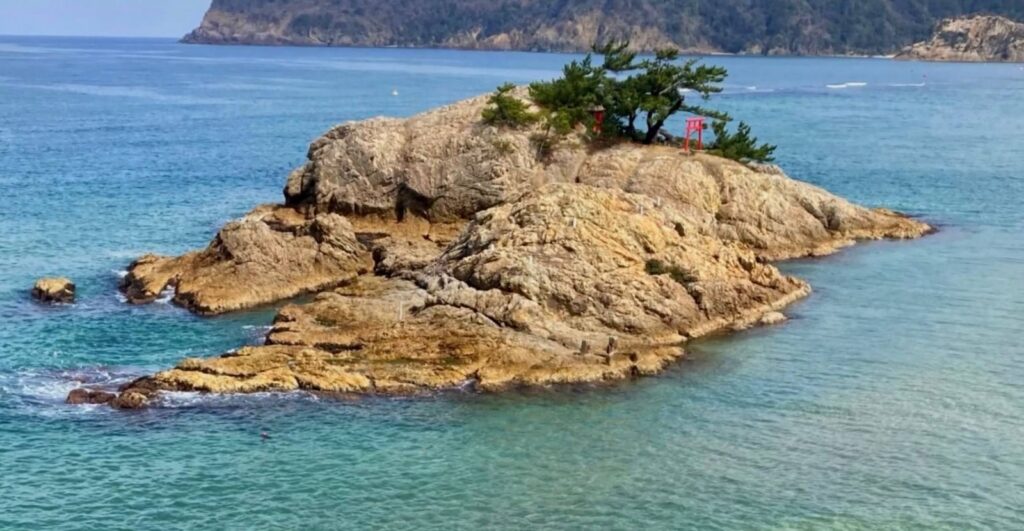
Uradome Coast
The Uradome Coast reveals a completely different side of Tottori: jagged cliffs, sea caves, and crystal-clear blue water. With boat cruises, kayaking, and scenic walking trails, it is one of the most beautiful nature stops in western Japan. On a sunny day, the white sands and rock formations look almost tropical, offering a refreshing contrast to the nearby desert-like dunes.
Opening Hours: Best enjoyed in stable weather; marine activities seasonal
Coast access varies by activity
Tip from the itinerary expert: Do not treat Uradome as a quick photo stop. In good weather, allow at least half a day to combine a boat tour or kayaking with the nearby coastal viewpoints.
Distance/Time: Best accessed by car or regional transport planning
Mount Daisen & Daisen-ji
Often called the “Mt. Fuji of Western Japan,” Mount Daisen offers mountain trails, ancient temple atmosphere, and winter sports. It is the premier choice for travelers seeking cooler air, spiritual landscapes, or a snow-season alternative to the coast. Even if you aren’t planning a long hike, the base area around Daisen-ji Temple provides a rewarding mountain setting with a slower, more grounded rhythm.
Opening Hours: Season-dependent access for hiking and winter activities
Area access varies by activity
Tip from the itinerary expert: Daisen is much easier to explore with a car, especially if you want to combine it with Misasa Onsen or wider nature routes without relying on infrequent bus connections.
Distance/Time: Better as a dedicated regional day trip
Mizuki Shigeru Road
Mizuki Shigeru Road in Sakaiminato transforms a simple town walk into a playful manga-themed route. The street is lined with bronze Yokai (supernatural spirit) statues, character shops, and themed snacks. Even if you aren’t familiar with the GeGeGe no Kitaro series, the area’s mix of humor, detailed collectibles, and relaxed walkability makes it a fun detour for all ages.
Opening Hours: Street area open daily; shops vary
Street access free; museums and purchases separate
Tip from the itinerary expert: Allow at least 2 hours here if traveling with children or souvenir hunters. The character stamp hunts and themed snacks make this much more than just a quick walk by the station.
Distance/Time: Around Yonago / Sakaiminato area
Gosho Aoyama Manga Factory
The Gosho Aoyama Manga Factory is a must-see for Detective Conan fans, but it also appeals to families through its interactive exhibits and themed displays. The museum celebrates the creator’s work in his hometown of Hokuei, where Conan-themed statues and details are spread throughout the streets, making the entire town feel like an open-air attraction.
Opening Hours: Hours may vary
Ticketed attraction
Tip from the itinerary expert: Combine the museum with a walk through the Conan-themed town. The surrounding street details and hidden characters are what make the detour truly worthwhile.
Distance/Time: Hokuei area; easier with route planning
Hakuto Shrine & Hakuto Coast
Hakuto Shrine blends ancient mythology with beautiful sea views. Based on the legend of the White Rabbit of Inaba, the shrine carries deep cultural significance, while the nearby coast provides an atmospheric backdrop for a stroll. It is a peaceful, compact stop that captures the spiritual and natural essence of Tottori’s coastline.
Opening Hours: Shrine grounds generally accessible
Typically free access
Tip from the itinerary expert: Pair Hakuto Shrine with a coastal drive or a day at the dunes. Since it is a shorter visit, combining it with nearby sights keeps your itinerary balanced and avoids long travel times for a single stop.
Distance/Time: Accessible from Tottori coastal route

Natural Places in Tottori: Where the Prefecture Feels Most Scenic
• Uradome Coast
With its crystal-clear waters, sea caves, and rugged rock formations, the Uradome Coast (Uradome Kaigan) is one of Tottori’s most impressive natural areas beyond the dunes. It offers a completely different coastal atmosphere, perfect for boat rides or kayaking. It is especially rewarding in the warmer months when the sea becomes an active part of the journey rather than just a view.
• Mount Daisen
Sweeping mountain vistas, diverse hiking trails, vibrant seasonal colors, and winter snow make Mount Daisen (Daisen) one of the region’s premier outdoor destinations. It is a fantastic choice for travelers who want to weave forest scenery, high elevations, and ancient temple landscapes into a single route.
• Hakuto Coast
Sea views, a rocky shoreline, and the mythic setting of Hakuto Shrine (Hakuto Jinja) create a quieter, more symbolic coastal stop compared to Uradome. It works best as a scenic addition to a broader itinerary rather than a standalone full-day destination.
• Misasa Onsen River Area
The riverfront, traditional bridges, and slower pace of life give Misasa a gentler connection to nature. This experience is less about high-octane adventure and more about atmosphere and recovery. It feels especially worthwhile when paired with an overnight stay in a local ryokan.
• Tottori Hanakairo Flower Park
This is one of the region’s most visually stunning stops for travelers who appreciate floral displays and wide-open spaces. With easier walking paths than mountain trails, it becomes one of the most photogenic parts of any route when the seasonal blooms are at their peak.
• Mitokusan / Nageiredo Trail
Mount Mitoku (Mitokusan) offers one of Tottori’s most dramatic and active experiences, combining steep forest paths with unique temple architecture. This is a serious excursion that requires physical preparation and should be planned as a dedicated trek rather than a quick stop.
• Tottori Sand Dunes Coastline
Beyond the dunes themselves, the meeting point of sand and sea creates a rare visual identity that shifts with the wind and weather. The landscape feels most powerful when you move beyond the standard photo spots and give yourself time to explore the unfolding scenery.
Click here to learn more about creating a personal itinerary
Tip from the itinerary expert: Tottori’s nature is strongest when you mix landscapes — the dunes, the coast, and either the mountains or an onsen town. Do not build your whole route around only one type of scenery, or the prefecture will feel much flatter than it truly is.
Tottori Hidden Gems: 5 Places That Often Surprise Travelers
• Mt. Mitoku / Nageiredo Temple
For active travelers, this is one of Tottori’s ultimate “wow” moments. The steep climb leads to a spiritual atmosphere and temple scenery that feels worlds away from mainstream Japan. The physical effort involved is exactly what makes the visit so memorable.
• Oenosato Natural Farm & Pancake Stops
Known for its incredibly popular pancakes and focus on local ingredients, this farm is a perfect countryside break. It is a great way to soften the pace between sightseeing landmarks. Since it gets quite busy, making a reservation or arriving early will make your visit much smoother.
• Conan Airport & Hokuei Town Atmosphere
Even beyond the main museum, the Detective Conan theme spread throughout the area turns the trip into a fun scavenger hunt for fans and families. The charm lies in the small, playful, and interactive discoveries tucked away in unexpected corners.
• Misasa Onsen Beyond the Baths
Misasa is about more than just the hot springs. Its quiet townscape, historic bridges, and traditional aesthetic often leave a lasting impression, especially for those seeking the feeling of classic, regional Japan.
• Seasonal Pear Culture
Tottori’s Nijisseiki pears are more than just a fruit. From specialized pear sweets to local tasting experiences, this regional specialty adds a distinct flavor to the trip that many visitors don’t expect to find.
Tip from the itinerary expert: Use Tottori’s hidden gems as route enhancers, not isolated goals. Place them between major landmarks to add variety without making your daily schedule feel too heavy.
Tottori with Kids: Activities That Offer More Than Just Sightseeing
• Tottori Sand Dunes adventures
The dunes are a giant natural playground. Climbing, running, and camel rides turn a simple visit into an active adventure. For many families, this is the most engaging and memorable stop in the entire prefecture.
• Sand Museum
The massive sand sculptures and changing themes capture the imagination of all ages. It is also a practical choice for balancing outdoor time at the dunes with a calm, sheltered indoor break.
• Mizuki Shigeru Road
With its bronze character statues, themed snacks, and stamp hunts, this is one of Tottori’s easiest child-friendly stops. The playful street design makes it fun for kids even if they aren’t familiar with the anime series.
• Gosho Aoyama Manga Factory
While Detective Conan fans will get the most out of it, the interactive exhibits and the themed statues throughout the town make this a broad, entertaining visit for the whole family.
• Tottori Kodomonokuni
Adding this dedicated children’s area to your dunes day helps break up the sightseeing. It gives kids plenty of space to run and play before travel fatigue starts to set in.
• Flower parks and farm stops
Places like Hanakairo and Oenosato are ideal for families needing a slower pace. The combination of open space and food-centered breaks works perfectly between visits to larger attractions.
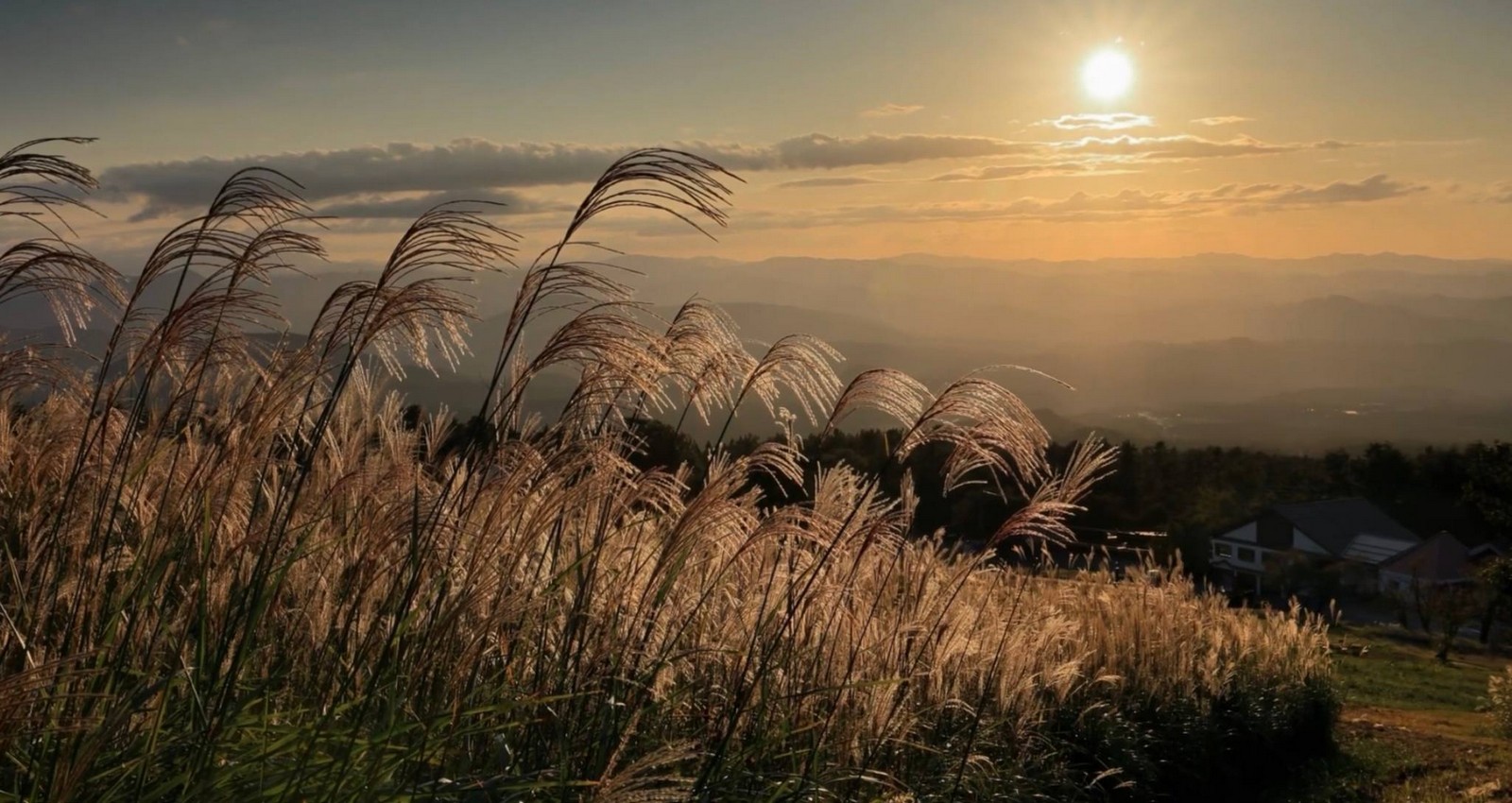
Golden pampas grass glowing in the afternoon light, with layered mountain views that reveal the calm natural side of Tottori.
Tip from the itinerary expert: Alternate high-energy stops like the dunes or manga streets with calmer food or nature breaks. Distances in Tottori can feel longer than expected, so good pacing is just as important as choosing the right locations.
Tottori Itinerary: 4 Days of Dunes, Coast, Manga Towns and Onsen
Trip Duration: 4 days
Day 1 — Tottori City, Sand Museum and Tottori Sand Dunes
Morning, 10:00–12:00. Arrive at Tottori Station and head straight to the Tottori Sand Dunes (Tottori Sakyu) area by local bus or taxi. The bus ride takes about 20 minutes, while a taxi is a convenient choice for families with luggage. Start your journey at the Sand Museum; it provides a fascinating introduction to the area before you experience the dunes firsthand. Tickets are approximately ¥800 for adults and ¥400 for students.
Lunch, 12:15–13:15. Enjoy a meal near the dunes at Murakami Suisan Tottori Daisakyu Ten or another local seafood spot. Expect to spend between ¥1,000–¥2,999 per person, depending on whether you choose a fresh seafood bowl or a full set meal.
Afternoon and evening, 13:30–18:00. Explore the Tottori Sand Dunes, which are free to enter. Plan for 1.5–2 hours to walk the ridges, climb the famous “Horse’s Back,” and take in the ocean views. Optional camel rides cost around ¥1,500–¥2,000, and the Sand Dunes Lift is about ¥400 for adults. In the summer, it is best to visit closer to sunset to avoid the midday heat. For dinner, return to Tottori Station where Seafood Tonya Murakami Suisan and Sandaime Amimoto Uosen Suisan offer excellent regional seafood.
Tip from the itinerary expert: Avoid tackling the dunes at high noon during summer. Visit the air-conditioned museum first, have lunch, and step onto the sand later when the light is softer and the air is cooler. Bring a small towel to wipe your feet and wear footwear that can handle soft sand.
Overnight Location: Tottori City
Day 2 — Hakuto Coast, Uradome Coast and Coastal Cuisine
Morning, 10:00–11:30. Pick up a rental car in Tottori City and drive toward Hakuto Shrine & Hakuto Coast. This is a peaceful start to the day: visit the shrine dedicated to the White Rabbit of Inaba, enjoy the sea views, and take a short walk along the beach. Allow about an hour here to soak in the mythic atmosphere.
Lunch, 12:00–13:00. Continue your drive along the coast and stop for a fresh kaisendon (seafood bowl). A typical lunch budget ranges from ¥1,000 to ¥1,800, though specialty crab or seasonal dishes may be higher.
Afternoon and evening, 13:30–18:00. Spend your afternoon at the Uradome Coast, a stunning natural heritage site. If the weather is clear, take a boat cruise or go kayaking to see the sea caves up close; otherwise, enjoy the many scenic viewpoints along the cliffs. Give yourself at least 2–3 hours here, as the rugged beauty of the islands and clear water shouldn’t be rushed. Return to Tottori City for dinner or find a quiet restaurant along the coastal road.
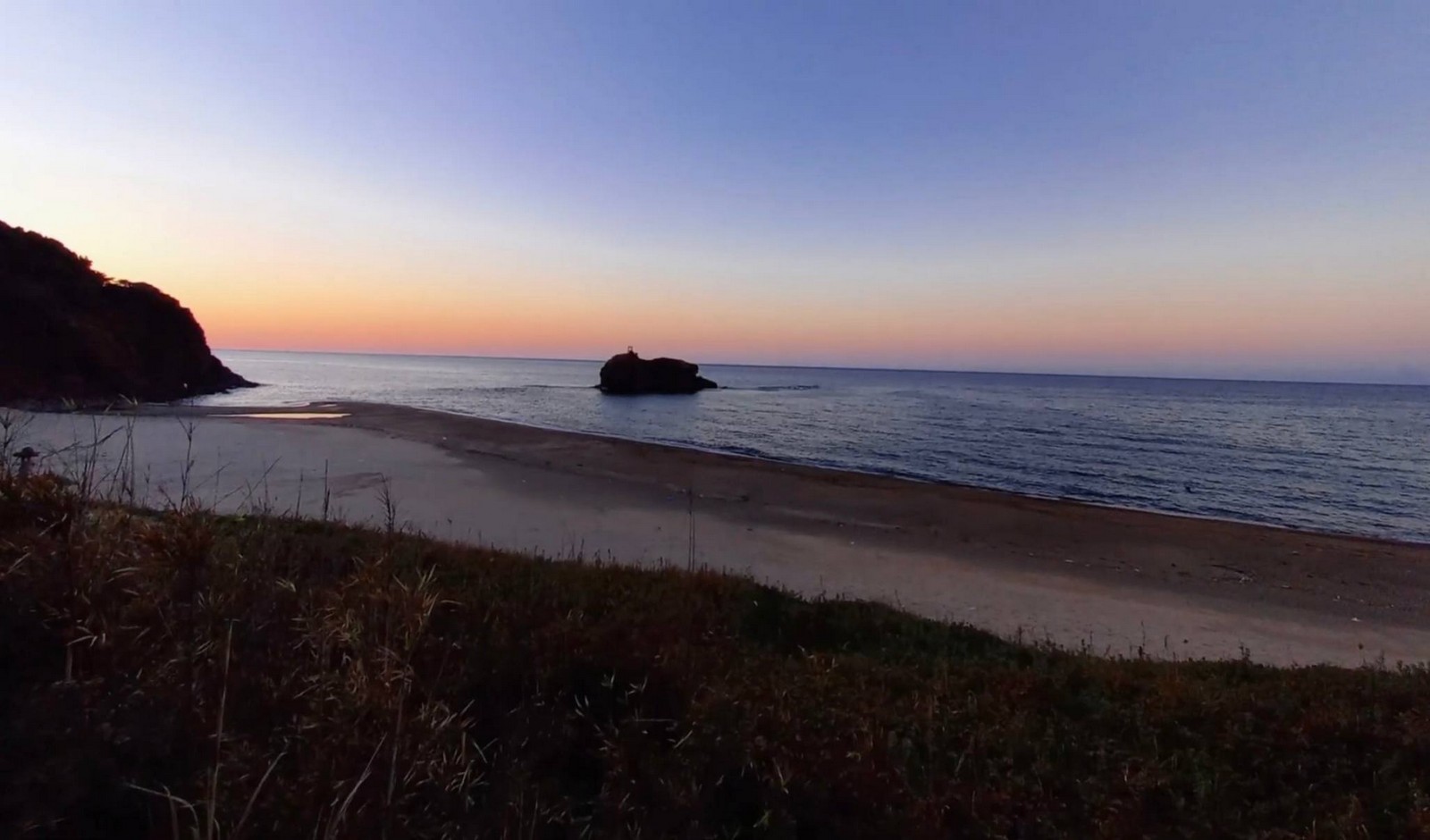
A quiet Tottori beach at dusk, with a small offshore rock and a fading pastel sky over the Sea of Japan.
Tip from the itinerary expert: Dedicate this entire day to the coast. Uradome is the highlight here, and leaving your schedule flexible allows for spontaneous photo stops or a longer, more relaxed seafood lunch by the water.
Overnight Location: Tottori City
Day 3 — Detective Conan, Mizuki Shigeru Road and Manga Culture
Morning, 10:00–12:00. Drive to Hokuei to visit the Gosho Aoyama Manga Factory. While the museum is dedicated to Detective Conan, the entire town is filled with statues and themed details that make for a fun walk. Tickets cost ¥700 for adults and ¥300 for children. Plan for about 90 minutes inside the museum plus time to explore the town’s themed streets.
Lunch, 12:30–13:30. Enjoy a relaxed lunch as you move west. Oenosato Natural Farm is a highly recommended stop for their famous pancakes and countryside views. You can choose between Oenosato Terrace and Cocogarden, but be sure to check their menus as they offer different dining experiences.
Afternoon and evening, 14:30–18:00. Continue to Mizuki Shigeru Road in Sakaiminato. This is one of Japan’s most unique family walks, featuring over 170 bronze yokai statues, themed shops, and character snacks. The Mizuki Shigeru Museum (approx. ¥700 for adults) adds extra depth to the experience. For dinner, Sakaiminato is famous for its seafood; try Gyo San Tei or Kanijiman for local crab and fresh catches before settling in for the night in the Yonago or Sakaiminato area.
Tip from the itinerary expert: Do not rush Mizuki Shigeru Road. The charm lies in the small details—searching for hidden statues and trying the themed snacks. Allowing at least 2 hours makes the experience much more enjoyable for both kids and adults.
Overnight Location: Yonago or Sakaiminato
Day 4 — Mount Daisen, Daisen-ji and Misasa Onsen
Morning, 10:00–12:30. Head to Mount Daisen & Daisen-ji. In the warmer months, the focus is on lush forest trails and temple architecture; in winter, the area transforms into a premier ski destination. Plan for a 2-hour visit to see the temple and enjoy the mountain air, or longer if you intend to hike one of the many trails.
Lunch, 12:30–13:30. Have a simple mountain lunch in one of the local eateries near the temple base. If the weather is poor, this is the perfect time to slow down and enjoy a warm meal before moving on.
Afternoon and evening, 14:30–18:00. Drive to Misasa Onsen, a historic hot spring town famous for its healing radon waters. The best way to end your trip is with an overnight stay at a traditional ryokan, where an elaborate multi-course kaiseki dinner is usually included. In winter, this is your chance to feast on local Matsuba crab. If you aren’t staying for dinner, Misasa has several charming local options like Ajisho Misasaya or Yushoku Kukan Kiraku.
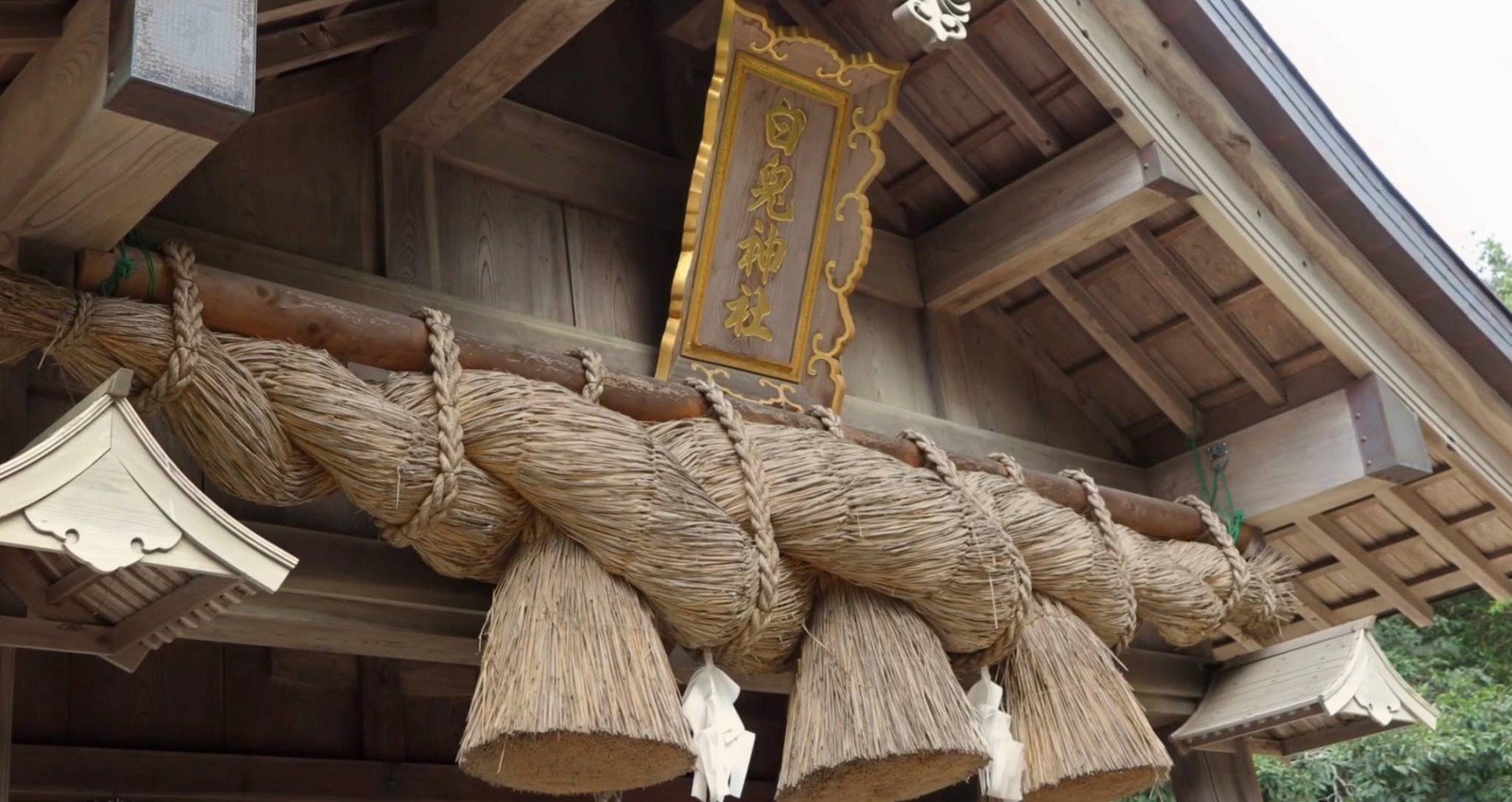
A traditional shrine detail with a large sacred rope, reflecting the spiritual atmosphere and old Japanese rituals found in the Tottori region.
Tip from the itinerary expert: Stay overnight in Misasa Onsen for the perfect finale. After exploring the mountains, nothing beats a traditional soak and a ryokan dinner. It saves you from a long drive back and ends your Tottori journey on a high note.
Overnight Location: Misasa Onsen
Traveller Reviews of Tottori

Daniel Carter
Visited in April 2019

I honestly didn’t expect the Tottori Sand Dunes to feel so massive. My kids ran straight up the ridge and then regretted it almost immediately — that climb was much harder than it looked! But the sea view from the top was worth every grain of sand in our shoes. We visited in the late afternoon, and the shadows on the dunes looked incredible in photos.
Sophie Martin
Visited in August 2023

The dunes were beautiful, but August was tough. There was zero shade, the sand was scorching, the kids got tired fast, and we ran out of water much earlier than planned. The camel area was also smaller than I expected. I’m glad we saw it, but I definitely wouldn’t go again in the middle of a summer day.
Michael Reed
Visited in November 2021
We used Tottori as a slower break after Osaka, and that worked really well for us. The Sand Museum was better than expected — not just a quick tourist stop. The sculptures had amazing detail, and it gave us a nice indoor pause before heading out to the dunes. Food near the station was easy to find, especially the seafood.
Anna Collins
Visited in May 2018
Mizuki Shigeru Road was the surprise of the trip. I barely knew the characters, but the statues, little shops, and stamp hunt kept the kids busy for almost two hours. It felt quirky and authentic, not overly polished. Some shops sold similar things, but the street had a fun, unique energy.
James Wilson
Visited in February 2025
Winter in Tottori was strange in the best way possible. We saw wet sand, snow near the dunes, and the Sea of Japan all in one frame. The wind was freezing, though, and sand got into my bag and hair within minutes. Pro tip: bring a warm jacket, not just a camera.
Laura Bennett
Visited in October 2022
The Uradome Coast was my favorite part — even more than the dunes, actually. The water was incredibly clear, and the cliffs made the whole place feel wild. We had a rental car, and I’m glad we did, because moving between the coast, the shrine, and the hotel would have been a bit of a hassle by bus.
Chris Morgan
Visited in July 2017
I liked the idea of Tottori more than the logistics. The buses weren’t as frequent as we expected, and we wasted time waiting with two bored kids. The dunes were impressive, but after that, the day felt a bit stretched. Without a car, I’d suggest keeping your plan very simple.
Emily Scott
Visited in December 2024
Misasa Onsen was exactly the quiet ending we needed. After some windy sightseeing, sitting by the river and then heading into the bath felt perfect. Dinner at the ryokan included local crab, which made the whole winter trip feel extra special. There isn’t much nightlife, but we didn’t need it.
Tips from the Itinerary Expert

Visit the Sand Museum before the dunes, not after
I learned this from experience: starting with the Tottori Sand Dunes (Tottori Sakyu) first, especially with children, can drain everyone’s energy quickly once the climb begins. Beginning at the Sand Museum (Suna no Bijutsukan) provides indoor momentum, easy access to facilities, and a structured start. This lets you tackle the dunes later with better timing and far fewer complaints.
Skip the closest parking for a smoother experience
The nearest paid parking seems like the obvious choice, but it often becomes crowded and slow. With children and sandy gear in tow, I found it much easier to use the parking on the opposite side and cross over. It makes leaving the area far less chaotic when everyone is tired at the end of the day.
At Oenosato, check the menu before joining the queue
I initially viewed Oenosato Natural Farm as a single pancake stop, but Oenosato Terrace and Cocogarden do not always offer the same menu. Checking which location has exactly what you want will save you from wasting time in the wrong line with hungry kids.
Do not force Tottori into one giant sightseeing loop
My first route tried to combine the dunes, the Detective Conan area, and Mount Daisen in one long stretch—it was a mistake. Tottori works much better in clusters: the dunes and the coast, the manga towns, or the mountain regions. Breaking it up this way cuts down on driving and avoids travel burnout.
Turn Mizuki Shigeru Road into a mission
Children can lose interest quickly if you treat this like just another themed street. Once I turned the walk into a ‘statue-spotting’ mission combined with snack breaks and small souvenir goals, the whole experience became much more engaging and lasted much longer without boredom.
Winter dunes can be easier to navigate than summer
I expected winter to be the difficult season, but firm, slightly damp sand can actually be easier to walk on than the loose, scorching sand of summer. The real challenge is the wind; focusing on face protection and warm layers made the visit far more enjoyable than I anticipated.
Stay overnight in Misasa Onsen rather than visiting for the day
I once squeezed Misasa Onsen into the middle of a busy route as a quick stop, and it felt wasted. Arriving later in the day to slow down and stay the night changed the experience completely. It becomes a period of genuine recovery rather than just another checkbox on a list.
Rent a car for nature days, use buses for the city
Managing Tottori City and the dunes without a car is straightforward. However, once you add the Uradome Coast, Daisen, or a family-paced schedule, buses can become a bottleneck. Renting a car specifically for the regional nature days saves both time and frustration without the need for a full-trip rental.
Insights from the Itinerary Expert
I visited Tottori in October 2022, and what struck me first was how much less polished it felt compared to Japan’s more classic tourist routes. That was part of its charm — and sometimes part of the challenge. The Tottori Sand Dunes were genuinely impressive, but the climb required more effort than I expected, and sand somehow ended up everywhere: in shoes, pockets, and camera bags. For those traveling with children, I would never treat the dunes as a quick photo stop and move on.
For me, the strongest day was not just about seeing the dunes themselves, but about building the schedule properly: starting with the Sand Museum, catching the dunes later when the afternoon light softened the landscape, and ending with fresh seafood near Tottori Station. That rhythm worked far better than trying to rush the experience. Mizuki Shigeru Road also surprised me, mostly because it provided children with a playful experience instead of another stop built around simply walking and looking.
The real weak point, based on my experience, was transport. On paper, places like the Uradome Coast, Mount Daisen, and Misasa Onsen can seem manageable, but without a car, they often become slower and more tiring than expected. Tottori works best for travelers who seek a version of Japan with more space, nature, and those unique surprises that larger destinations often smooth out. Done well, it feels refreshingly different — but the route planning matters more here than in many other parts of Japan.
Tottori Prices: What a Real Trip Usually Costs
| Name | Amount | Description |
|---|---|---|
| Budget hotel / business hotel | ¥5,000–¥9,000 per night JPY | Around Tottori Station, the cheapest rooms may occasionally start lower, but for a cleaner, more practical base — especially for family logistics — I found the realistic comfort zone to be closer to ¥7,000–¥9,000. |
| Mid-range hotel | ¥10,000–¥18,000 per night JPY | This is often the best balance for couples or smaller families who want easier station access, parking, and smoother logistics without stepping into ryokan-level pricing. |
| Higher-end hotel / ryokan for a couple | ¥18,000–¥35,000+ per night JPY | Stays at Misasa Onsen or Daisen can rise quickly once dinner and breakfast are included, but this is also where Tottori often feels more memorable as a regional experience rather than just another hotel stay. |
| Apartment / family stay for 5 people | ¥16,000–¥30,000 per night JPY | For larger families, I would personally plan for closer to ¥20,000+ on weekends, especially when space, parking, and practical comfort matter more than proximity to the station. |
| Car rental (economy / compact) | ¥7,000–¥12,500 per day JPY | Tottori becomes much easier to navigate once the route expands beyond the dunes to the coastline, Daisen, or Misasa. A compact car is usually sufficient unless luggage volume or family size requires extra space. |
| Public transport | ¥380–¥700 JPY | A one-way bus from Tottori Station to the Sand Dunes is usually around ¥380–¥400, while the Loop Kirinjishi Bus day pass at ¥700 can make a dunes-focused sightseeing day simpler and more efficient. |
| Restaurant meal | ¥1,000–¥5,000 per person JPY | Simple lunches, such as seafood bowls, often cost around ¥1,000–¥1,800, while izakaya dinners or more formal seafood meals can easily reach ¥3,000–¥5,000 depending on crab or seasonal specialty choices. |
| Parking | Free–¥500 JPY | Around the Tottori Sand Dunes, I found both free and paid parking options. Paying for a closer spot can save walking time, but some families may prefer less crowded alternatives even if it requires a slightly longer approach. |
| Basic supermarket shopping for 2 people | ¥3,000–¥5,000 JPY | A realistic grocery stop for breakfast basics, snacks, drinks, and simple prepared food usually remains manageable, though fruit or regional specialties can push the total upward faster than expected. |
Tottori FAQ for Planning a Family Trip
01
Is it worth renting a car in Tottori if we want to see more than the sand dunes?
Yes — I would absolutely recommend it if your plan goes beyond the dunes. While public transport is manageable for reaching the Tottori Sand Dunes, places like the Uradome Coast, Daisen, Misasa Onsen, and Mt. Mitoku become much more accessible and far less tiring by car.
02
Can the Tottori Sand Dunes and the Sand Museum fit into one half-day?
Yes, quite comfortably. I would personally start with the Sand Museum, then move to the dunes later in the day. This keeps the indoor portion of the trip at the start and usually offers better lighting for the sand and sea views afterward.
03
Are the Tottori Sand Dunes difficult to navigate with children?
They are a lot of fun but more physically demanding than they first appear. The main climb can be surprisingly exhausting as feet sink into the soft sand. Children often enjoy it more when it’s framed as an active adventure rather than just a quick scenic walk.
04
What should we do in Tottori if it rains?
Rain changes the itinerary, but not necessarily for the worse. The Sand Museum, the Gosho Aoyama Manga Factory, and the seafood restaurants around Tottori Station are great indoor options. An onsen stay in Misasa also works much better than visiting exposed dunes on wet days.
09
Which food experiences are most worth planning around in Tottori?
If you are building a route around food, I would focus on Matsuba crab (in winter), fresh seafood bowls, Nijisseiki pear sweets, Oenosato pancakes, and local snacks at the manga-themed stops. These offer the most distinct regional flavors.
What we propose

Emma Heidi
Customer Experience Manager
Take all the stress out of planning your trip!
With our experts, you can create the perfect itinerary for you – complete, comfortable, and tailored to all your dreams, wishes, and needs.
We take care of every little detail, so you can simply focus on enjoying your journey.
We’ve been designing personalized itineraries since 2015, and over the years we’ve created thousands of custom itineraries for happy clients.

Save time, avoid confusion – we do the work for you. Our service saves you weeks of searching, reading, comparing, and complicated planning. Instead of wasting endless hours – you receive a ready-to-use, accurate and clear itinerary.

A tailor-made itinerary – built just for you. Your itinerary is personally designed based on our experts’ real field experience and genuine feedback from hundreds of travelers – including hidden discoveries and insider tips that don’t appear in any travel guide.

Smart accommodation selection – often saves you hundreds or even thousands of dollars. We help you choose verified and recommended places to stay, checking availability for your exact travel dates. Sometimes we suggest hotels not “in the center,” but in safe, convenient, and highly strategic locations – which can significantly reduce travel costs and save you even thousands of dollars.

We’re by your side even during the trip. We stay with you throughout your vacation – providing professional help whenever needed. If the weather changes, there’s a strike, a local event, heavy crowds, or any unexpected situation – we are here to update, guide, and adjust your itinerary in real time.

Easy-to-use itinerary – with direct navigation links. Your itinerary includes direct Waze / Google Maps links – no need to search for parking addresses, no stress, no mistakes. Just tap – and go.

Service cost: from only $420. (Special price for short itineraries up to 5 days). Clients tell us the itinerary saves them costly mistakes, fines, wrong choices – plus exclusive discounts on car rentals, better-priced accommodations, and money-saving local tips.
Want to know if it’s really worth it?
Take a look at the experiences of travelers who built their personal itinerary with us.
Click here and let’s start building the itinerary that will save you time, money, and stress – and turn your vacation into perfection.
Of course, your first inquiry is completely free – with no commitment whatsoever.
How it works


- You are welcome to contact us
- We discuss your trip
- You fill out a special form
- We create your itinerary
- You get it with all useful tips
- We are in touch with you all the time