My love for Japan began the moment I arrived in Tokyo. The country amazed me with its harmony of ancient traditions, cutting-edge technology, breathtaking nature, and a culture unlike any other. Since then, Japan has become a part of my life, and I return there again and again. Today I help travelers discover the real Japan: I create personalized itineraries, give lectures, and prepare guests for their unforgettable journey. I would be delighted to open Japan for you too!

Wakayama
Wakayama (Wakayama) feels like the soul of Kansai once the pace finally slows down. It is a serene stretch south of Osaka where coastal roads, sacred mountains, and ancient pilgrimage trails replace the urban rush. This region is the perfect choice for travelers seeking dramatic ocean scenery, authentic temple experiences, and gentle nature walks. Here, the focus shifts to fresh local seafood and quiet evenings, rather than a frantic race between major attractions.
Transport in Wakayama
Reaching Wakayama from Osaka is surprisingly simple, making it an ideal escape. From central Osaka, the JR Kishu Rapid Service takes about 80 minutes, while the Limited Express Kuroshio shortens the trip to roughly 60 minutes. The Nankai Line from Namba is another convenient 60-minute option. Travelers arriving at Kansai International Airport (Kansai International Airport) will find the connection even easier, usually taking between 40 and 60 minutes, which positions Wakayama as a practical first or last stop on any Kansai itinerary.
Within Wakayama City, buses are the most efficient way to navigate between key landmarks. Taxis, rental bicycles, and local trains are useful depending on your specific route. A city bus day pass costs about ¥1,000 and typically pays for itself after just a few rides. Beyond the city limits, transport becomes less frequent. While trains connect major towns, having a rental car offers the freedom to explore coastal viewpoints, mountain passes, hidden beaches, and rural shrines at your own rhythm.
Click here to learn more about creating a personal itinerary
Tip from the itinerary expert: A rental car changes the game in Wakayama, especially if you plan to visit Shirahama, Kizetsu-kyo Gorge, or the Kumano region. If you prefer to travel car-free, keep your itinerary focused on areas with reliable train and bus links.

When to Visit Wakayama
Spring and autumn offer the most rewarding experiences in Wakayama, particularly for those interested in temple visits, traditional gardens, and scenic valley walks. Spring coats the countryside in cherry blossoms and fresh greenery, while autumn transforms the mountain roads and gorges with vibrant seasonal colors. Both seasons provide much more comfortable temperatures for active exploration than the intense summer humidity.
Summer draws crowds to the white sands of Shirahama and coastal water activities, though the heat can make a packed sightseeing schedule feel quite draining. Winter is the quietest season, offering a peaceful atmosphere for onsen retreats and reflective moments in the mountain pilgrimage zones. Regardless of the season, if you plan to explore coastal rock formations or river trails, sturdy footwear is essential, and water shoes are highly recommended for slippery riverbeds.

Since 2015, our website has specialized in individual planning of unique routes, taking into account personal preferences and desires.
Each of you will receive a unique PDF file from us, which contains everything you need: travel routes, car rentals, hotels, the best tourist attractions, attractions for kids and everything you need for a perfect vacation.
During the trip, we are available for you by phone via WhatsApp.
Our personal service provides information from A to Z, taking into account many small details that can become a decisive factor on the way from a wasted trip to an unforgettable vacation.
Our service will make your trip comfortable, save a lot of time on planning and preparation, and most importantly – will allow you to become freer and fully enjoy the pleasure of the trip.
Tip from the itinerary expert: Spring or autumn provides the ideal balance of pleasant weather and natural beauty for a first-time visit. Summer is best reserved for those whose primary goal is enjoying the region’s famous beaches.
Top Wakayama Attractions
Wakayama shines most when you stop trying to cover everything and instead build a route that blends its diverse faces — city history, sacred mountains, and laid-back coastal stops. Distances here can be longer than they first appear, so a well-paced mix of sights almost always feels more rewarding than an overloaded checklist.
Wakayama Castle
Wakayama Castle is the city’s most accessible starting point, offering far more than just a quick photo opportunity. Between the imposing main keep, sweeping views over the city and coast, and the serene surrounding gardens, it serves as a practical introduction to the region without the need for complex planning. The spacious grounds invite you to slow down and explore at a relaxed pace.
Opening Hours: Castle tower hours vary by season; note that final admission is typically 30 minutes before closing.
Adult admission is approximately ¥410, with discounted rates for children.
Tip from the itinerary expert: Visit in the morning when the uphill walk is cooler and the air is clearer for the best views over the city.
Distance/Time: About 15–25 minutes from central stations depending on route
Kimiidera Temple
Kimiidera feels less like a typical tourist stop and more like a scenic climb with a spiritual reward. The long stone stairways and elevated setting are what make it stand out, especially as the city and coastline begin to reveal themselves from the heights. It works best as a highlight of a broader Wakayama City day trip rather than an isolated destination.
Opening Hours: Operating hours may shift according to the season.
Entry fees vary depending on the season and specific temple areas accessed.
Tip from the itinerary expert: This is a spot where your choice of footwear truly matters—prepare for more stairs than you might initially expect.
Distance/Time: Best combined with Wakayama City by local transport or car
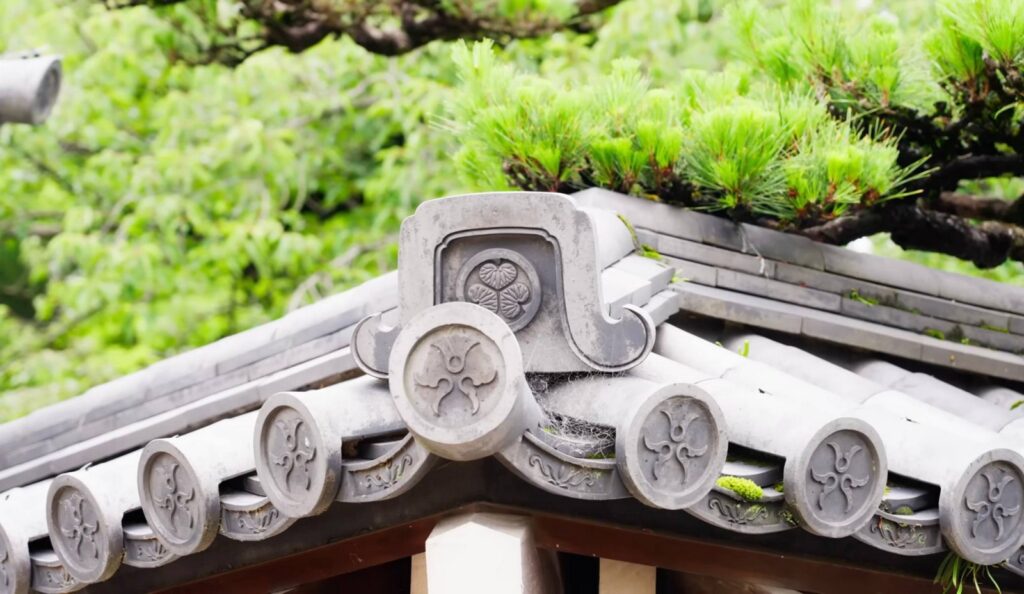
Wakayama Marina City / Porto Europe
Marina City showcases the breezier, more playful side of Wakayama. With its themed European streets, lively markets, and waterfront views, it offers a lighthearted atmosphere without the frantic energy of Japan’s massive theme parks. It’s an excellent half-day option for those wanting a coastal break after visiting inland temples or mountain routes.
Opening Hours: Hours depend on the season and specific attractions within the complex.
Entrance to certain zones is free, while rides and specific attractions require separate tickets.
Tip from the itinerary expert: This is a perfect low-pressure stop for transition days, offering an enjoyable experience without demanding a heavy physical effort.
Distance/Time: Accessible from Wakayama City by bus or car
Koyasan
Koyasan shifts the mood entirely, transporting you from the coast into the heart of sacred mountain Japan. Here, temple lodgings, mist-shrouded forested paths, and a deep spiritual stillness take center stage. It is an immersive experience that goes well beyond a standard temple visit, making it one of the most memorable chapters of any Wakayama journey when given the time it deserves.
Opening Hours: Access to temple grounds and the Okunoin cemetery varies by site.
Temple stay costs and entry fees vary significantly based on your choice of accommodation.
Tip from the itinerary expert: Staying overnight transforms Koyasan from a simple visit into a profound experience; the stillness of the evening and early morning is truly magical.
Distance/Time: Longer mountain transfer; best as full day or overnight
Kumano Hongu Taisha
Kumano Hongu Taisha is far more than a single shrine—it is the focal point of a vast pilgrimage landscape where forest, tradition, and physical movement converge. The massive torii gates and ancient stone paths create a powerful harmony between culture and nature. It deeply rewards travelers who appreciate the journey and the history etched into the mountains.
Opening Hours: Access varies by shrine section and weather conditions in the surrounding trails.
Main grounds are generally accessible, though specific activities may have associated costs.
Tip from the itinerary expert: The distances around the Kumano region can be deceptively taxing; plan for fewer stops to ensure you have enough breathing room.
Distance/Time: Better by car or carefully planned regional transport
Yunomine Onsen
Yunomine Onsen is a place where time seems to stand still. This historic hot spring village, with its sulfur-rich waters and small pilgrimage-era rituals, offers an authentic atmosphere focused on rest rather than sightseeing. Simple traditions, like boiling eggs in the public hot spring water, make you feel truly connected to the local way of life.
Opening Hours: Public bathhouses and private facilities operate on individual schedules.
Bathing fees depend on the specific facility and type of bath chosen.
Tip from the itinerary expert: Resist the urge to rush this stop; Yunomine is at its best when you have time to soak, wander, and appreciate the small details.
Distance/Time: Usually paired with Kumano region planning
Shirahama / Engetsu Island
Shirahama reveals Wakayama’s vibrant coastal side, famous for its white sand beaches, dramatic rock formations, and stunning sunset views. While the town balances beach culture with relaxing onsens, Engetsu Island becomes the star of the show as evening approaches. It’s an ideal destination to add a sense of seaside relaxation to a temple-heavy itinerary.
Opening Hours: Outdoor coastal access is subject to daylight and weather conditions.
Most coastal viewpoints are free of charge, though nearby attractions have their own fees.
Tip from the itinerary expert: Timing is everything here—arriving for the sunset provides a dramatically different and better experience than a midday visit.
Distance/Time: Best for overnight or coastal day route
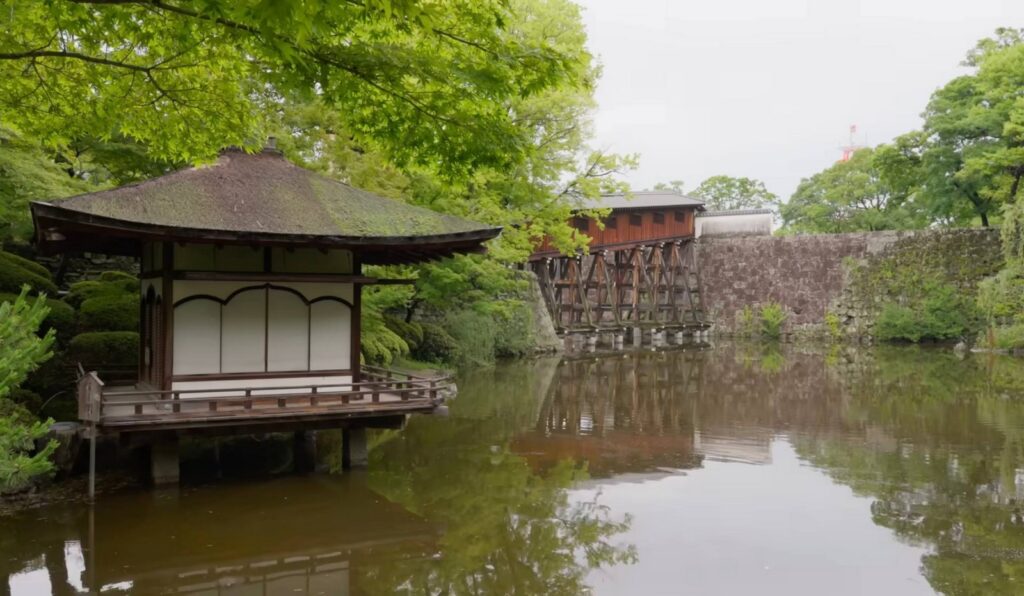
Natural Highlights in Wakayama
1. Kumano Kodo
These ancient pilgrimage trails are where the spirit of Wakayama truly comes alive. Expect quiet forest paths, towering cedar trees, and stone-paved routes that feel deeply layered with history. It is more than just a hike; it is a walk through a living cultural landscape. Since the difficulty varies greatly between sections, picking a shorter, manageable segment often proves more rewarding, especially if your day already includes other stops.
2. Nachi Falls (Nachi Falls)
This is one of those iconic views that defines Japan — a majestic waterfall framed by elegant shrine buildings and lush green mountains. You don’t need a grueling trek to appreciate its scale, making it a perfect stop when you want high visual impact without a full day of trekking. Try to visit on a clear day to see the colors at their best.
3. Engetsu Island (Engetsu Island)
A distinctive rock arch rising from the ocean, this spot becomes magical as evening approaches. Late afternoon and sunset are the prime times to visit, as the light creates a stunning silhouette. It is best enjoyed as a scenic highlight during a wider drive along the Shirahama coast rather than as a standalone destination.
4. Shirahama Beach
With its soft white sand and wide-open seaside vibe, Shirahama offers a complete change of pace from Wakayama’s mountain trails. It is accessible, relaxing, and an excellent choice for families or anyone looking to reset after a few days of structured sightseeing.
5. Kizetsu-kyo Gorge
A more secluded nature escape featuring river views, dramatic boulders, and a variety of walking paths. While the gorge is beautiful year-round, it is most impressive during the cherry blossom season or when the autumn leaves are in full color. It’s worth checking the trail maps in advance, as some paths are significantly steeper than others.
Click here to learn more about creating a personal itinerary
Tip from the itinerary expert: The real strength of Wakayama is contrast — combining the rugged coast, sacred mountains, and ancient pilgrimage routes in one trip creates a much richer experience than focusing on just one landscape.
Top-5 Hidden Gems in Wakayama
1. Kada Fishing Town
A charming coastal village where life moves to the rhythm of the tides. With its traditional fishing boats and narrow streets, Kada feels authentic and untouched by major tourism. It’s not a polished resort, and that is exactly where its beauty lies.
2. Burakuricho Arcade
An old-school covered shopping street that offers a nostalgic glimpse into local life. While it isn’t flashy, it is a great place for a slow wander, grabbing a local bite, and seeing the everyday side of Wakayama City away from the main tourist hubs.
3. Yunomine Onsen
This is far more than just a place to bathe. The atmosphere of the sulfur-scented streets and the unique tradition of cooking eggs or vegetables in the bubbling hot spring water make it feel remarkably different from more commercial onsen towns.
4. Rinkaiura Beach
A rugged stretch of coastline characterized by rocky outcrops and tidal pools. While it doesn’t offer the classic sandy expanse of Shirahama, it is a fantastic spot for quiet exploration and enjoying the ocean without the crowds.
5. Tea Farm or Countryside Ryokan Stays
In Wakayama, your choice of lodging is a highlight in itself. Staying at a rural guesthouse overlooking tea fields or a riverside ryokan often creates a more lasting memory than a stay in a standard city hotel.
Tip from the itinerary expert: Don’t rush the quieter spots — these hidden gems only truly reveal their charm when you give them enough time to breathe.
Family and Kids Activities in Wakayama
1. Wakayama Marina City / Porto Europe
Easy to navigate and visually engaging, this themed park is one of the simplest ways to keep children entertained. It offers a fun, relaxed environment without the overwhelming crowds or scale of Japan’s larger amusement parks.
2. Adventure World
A major highlight for families that easily fills an entire day. It combines an animal theme park with safari-style areas and impressive shows. If the kids are looking for a big, high-energy day out, this is the region’s best option.
3. Cat Train on Wakayama Electric Railway
A delightful detail that can brighten up any travel day. These themed trains turn a simple commute into an adventure, which is especially popular with younger children and fans of unique Japanese quirks.
4. Beach Time in Shirahama
After a few days of visiting temples and mountain trails, a few hours on the sand can be a great reset for the whole family. The open space and shallow waters allow children to move freely and burn off some energy.
5. Castle Parks and Open Grounds
The expansive green areas surrounding Wakayama Castle are often more appealing to families than the museum interiors. The lawns and paths provide plenty of space for children to explore in a beautiful, historic setting.
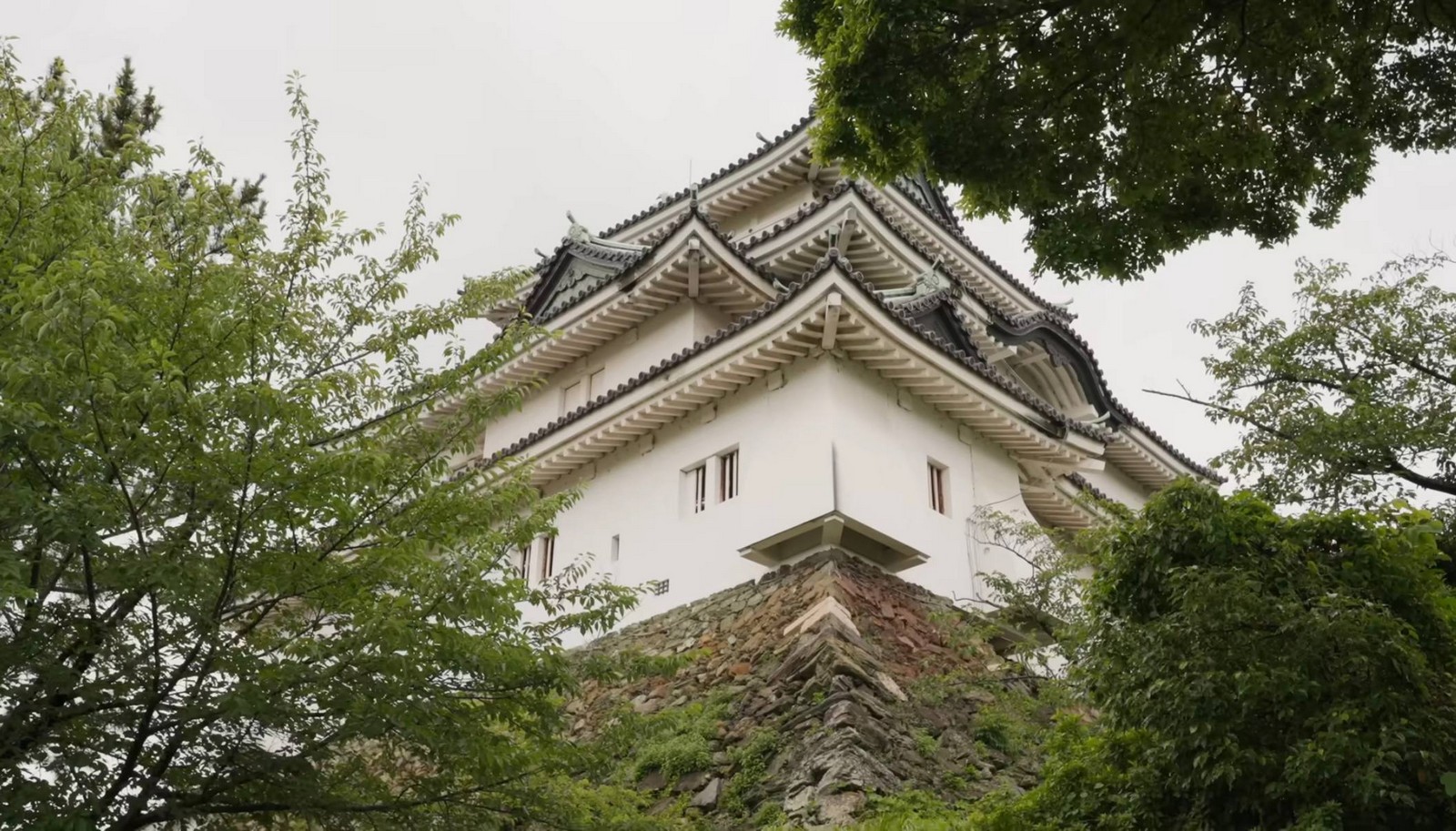
Rising above trees and stone foundations, Wakayama Castle stands as a timeless symbol of samurai history and regional pride.
Tip from the itinerary expert: Mix structured sightseeing with space to move — alternating castles and temples with beaches or open parklands keeps the trip much smoother and more enjoyable for everyone when traveling with kids.
4-Day Wakayama Family Itinerary
Trip Duration: 4 days
Day 1 — Wakayama City, Castle Views and Marina City
Morning, 10:00–12:30: Ease into Wakayama (Wakayama) through Wakayama Castle. This is a smart first stop that combines history and city views with manageable logistics for your arrival day. From Osaka, the Limited Express Kuroshio takes about 60 minutes, while the JR Kishu Rapid Service is closer to 80 minutes. From Kansai International Airport (Kansai International Airport), expect a 40–60 minute journey. Dedicate roughly 2 hours to explore the castle tower, ancient stone walls, and gardens. The panoramic views over the city and coastline are a highlight. Adult admission is about ¥410. Wear comfortable shoes, as the uphill slopes and stone steps are more demanding than they first appear.
Lunch, 12:30–14:00: Keep things practical with a meal near the castle or station area. A casual lunch usually costs between ¥900–1,600 per person. It’s a good time to try a local set meal or relax in a quiet café before heading to the coast.
Afternoon, 14:00–17:30: Shift the mood and head toward Wakayama Marina City / Porto Europe by bus or car. From JR Wakayama Station, buses cost roughly ¥390–550. This stop feels much lighter, offering themed European streets, waterfront views, and a flexible pace. Since some park areas are free to enter, it works perfectly for a relaxed coastal stroll, snacks, and photos.
Evening, 17:30–18:00: Enjoy the sea air for a while longer or return to the city center for dinner. A simple dinner typically costs between ¥1,000–2,500. Staying overnight in Wakayama City ensures a smooth start and avoids long transfers too early in your trip.
Tip from the itinerary expert: I recommend keeping your first day simple. Castle + Marina City provides a great mix of history, sea views, and family-friendly pacing without exhausting everyone before the journey south.
Overnight Location: Wakayama City
Day 2 — Tanabe, Kizetsu-kyo Gorge and Shirahama Sunset
Morning, 10:00–12:00: Travel south toward Tanabe. A rental car is highly recommended for this leg of the trip. The drive from Wakayama City takes about 1.5–2 hours. Tanabe has a slower, more local feel, characterized by its coastal rhythm and quiet streets—a perfect bridge before the more famous scenic stops.
Lunch, 12:00–13:30: Tanabe is ideal for a simple, local lunch. You can find quality casual meals for around ¥1,000, such as pork ginger sets. Local bakeries are also a great option for a light, quick bite.
Afternoon, 13:30–15:30: Drive roughly 20 minutes to Kizetsu-kyo Gorge. This quiet countryside gem is best enjoyed without rushing. Plan for about 1.5 hours to explore the gentle walking paths, river views, and boulders. If it has rained or the kids are tired, stick to the flatter routes along the water.
Late Afternoon and Evening, 15:30–18:00: Continue to Shirahama (Shirahama) to see Engetsu Island, a 30–40 minute drive away. Timing is essential here: the sunset transforms the rock arch into a stunning silhouette. For dinner, explore Shirahama or Tanabe; local options range from simple pork sets (¥990) to more indulgent broiled eel sets (¥1,540).
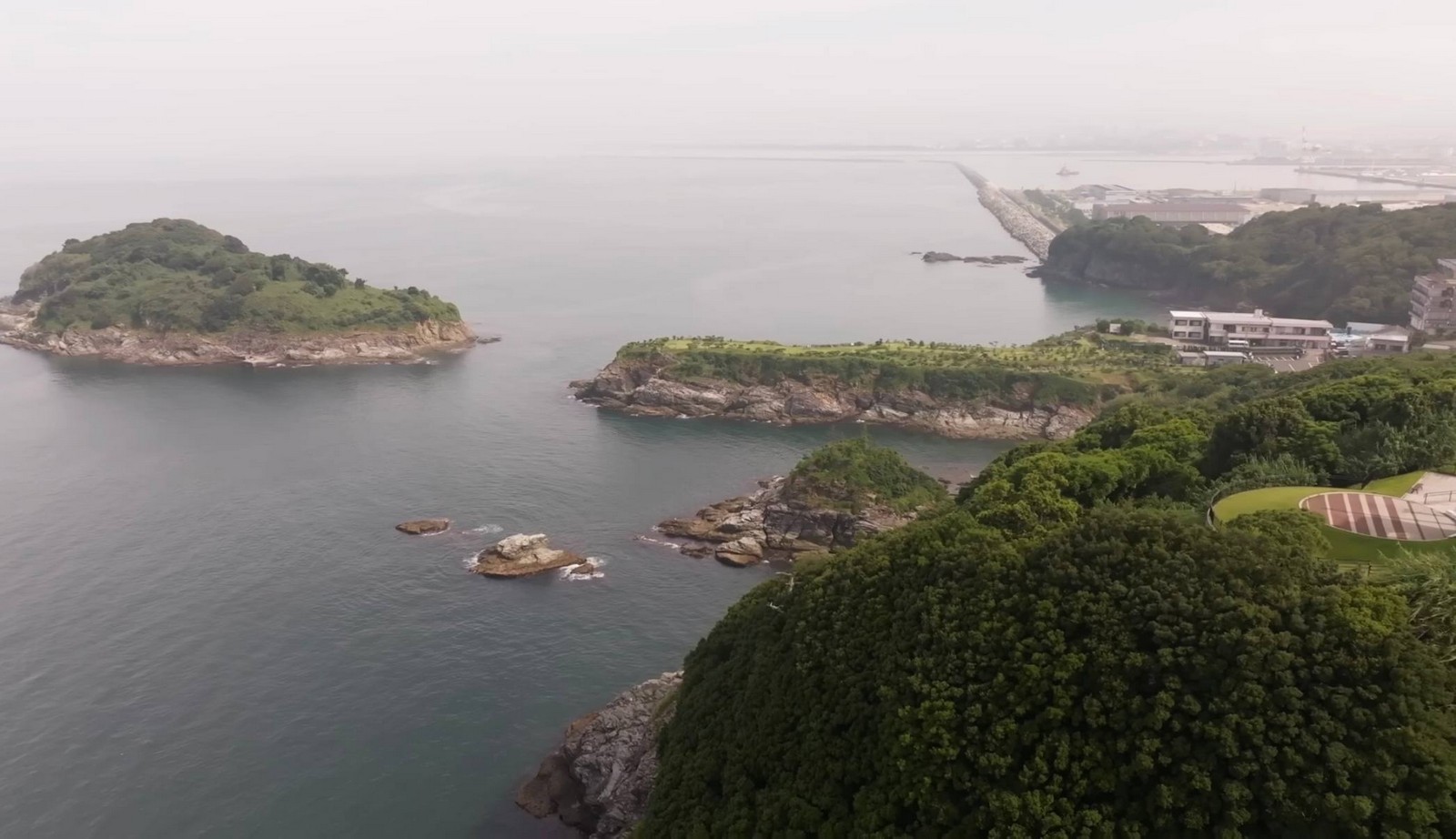
Wakayama’s rugged coastline reveals dramatic islands, quiet coves, and ocean views that feel untouched by time.
Tip from the itinerary expert: Visit Kizetsu-kyo first and Engetsu Island later. Daylight is vital for the gorge, while Engetsu Island is most impressive when the coast begins to glow at sunset.
Overnight Location: Tanabe or Shirahama
Day 3 — Shirahama Beach, Adventure World and Yunomine Onsen
Morning, 10:00–12:00: Start your day with the bright sands of Shirahama Beach or a nearby viewpoint. After the previous days of walking, a flexible morning by the sea is a welcome change. In the warmer months, enjoy the water; otherwise, a scenic coastal walk provides a refreshing start.
Late Morning to Afternoon, 12:00–15:30: Move on to Adventure World, the region’s premier family attraction. Combining a safari park with various animal encounters and shows, it is a major highlight for children. Give yourself at least 3 hours here; eating on-site is the most efficient way to maximize your time.
Late Afternoon, 15:30–18:00: Head inland toward Yunomine Onsen in the Kumano region. This drive takes time, so don’t leave it too late. Upon arrival, the pace slows down instantly. The sulfur-scented air and the tradition of cooking eggs in the public hot spring water make this village incredibly atmospheric and memorable.
Dinner: I suggest staying at an onsen inn (ryokan) with dinner included to avoid driving on winding mountain roads after dark. If dining out, local meals typically cost between ¥1,000–2,500.
Tip from the itinerary expert: Let Adventure World be your high-energy activity for the day, then simplify everything else. Trying to squeeze too much in before reaching Yunomine can make the evening feel rushed instead of relaxing.
Overnight Location: Yunomine Onsen or Kumano area
Day 4 — Kumano Hongu Taisha, Oyunohara and Return Route
Morning, 10:00–12:30: Begin your final day at Kumano Hongu Taisha, the spiritual heart of the Kumano Kodo (Kumano Kodo). It’s a short 15-minute drive from Yunomine Onsen. Allow about 1.5 hours to soak in the atmosphere of the forested approaches and the ancient architecture—it’s a place where the setting is as important as the shrine itself.
Midday, 12:30–14:00: Walk to Oyunohara to see the world’s largest torii gate. Standing in a wide, open landscape, it is far more imposing in person than in photos. Spend about an hour walking through the site and capturing the view of the mountains framed by the gate.
Lunch, 14:00–15:00: Grab a practical lunch in the Kumano Hongu area before starting the journey back. Local spots offer simple, satisfying rice dishes and set meals for around ¥1,000.
Afternoon, 15:00–18:00: Use this time for the return journey toward Osaka or the airport. This is a long drive, so it is best not to add extra stops. If you have an extra night, Tanabe or Wakayama City are perfect places to rest before your final departure.
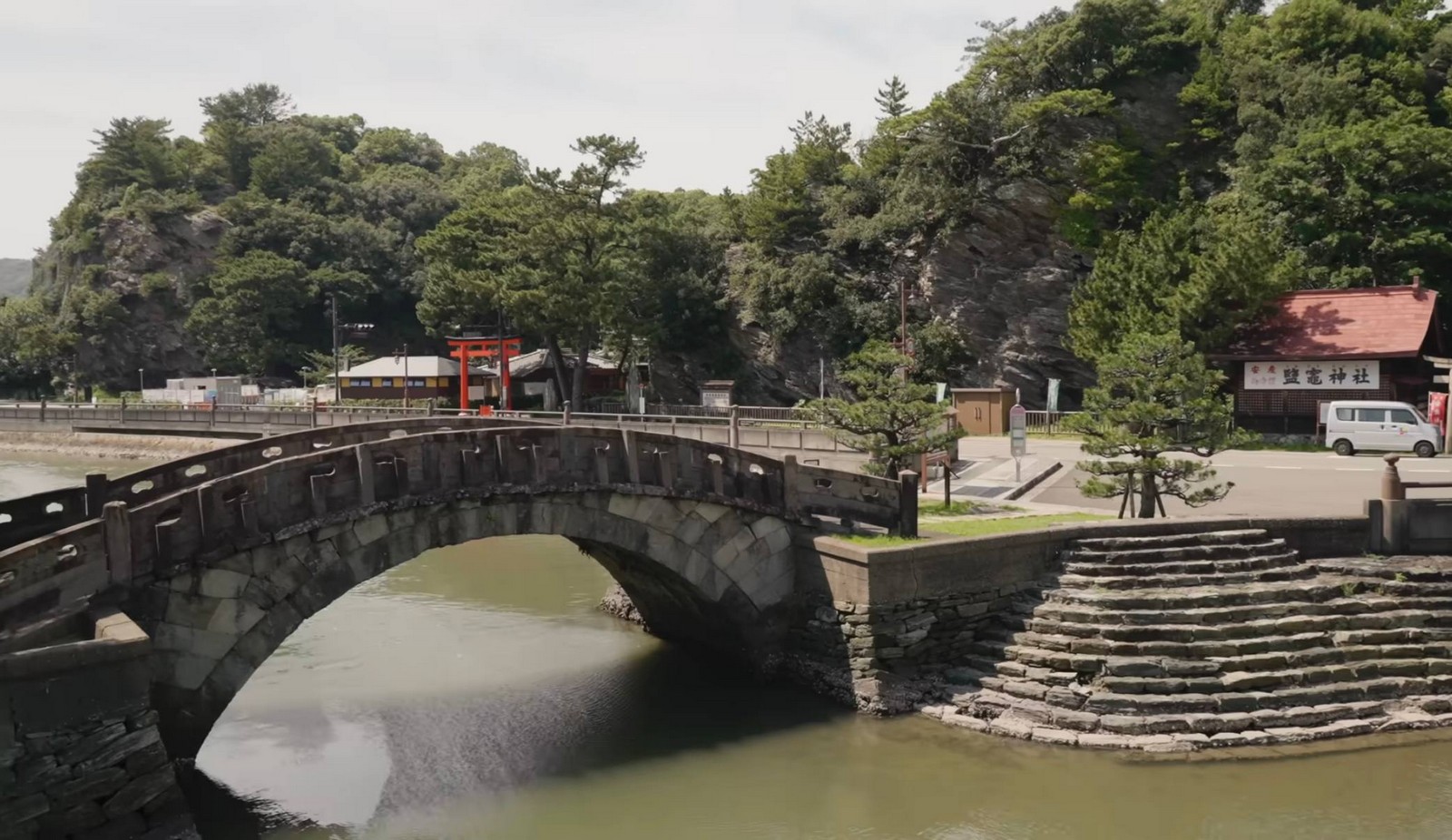
Stone bridges and shrine gates in Wakayama connect visitors to spiritual landscapes shaped by centuries of pilgrimage.
Tip from the itinerary expert: Finish your trip on a high note without overextending. Kumano Hongu Taisha and Oyunohara provide a powerful conclusion to the journey; adding more stops today often turns the finale into an exhausting drive.
Overnight Location: Wakayama City, Shirahama, Tanabe or onward departure
Traveller Reviews of Wakayama

Daniel Carter
April 2024

We came here after several packed days in Kyoto, and honestly, Wakayama felt like a reset button. The castle grounds were peaceful, there was loads of room for the kids, and the view from the top surprised us. Yeah, the uphill part got sweaty, but I’d still absolutely do it again.
Maya Reynolds
November 2023
Kizetsu-kyo Gorge ended up being my favorite part of Wakayama. We went after some rain, so a few stones were definitely slippery, and decent shoes really mattered. The kids actually enjoyed the waterfall path more than I expected. It’s not polished or overly touristy, which honestly made it better.
Omar Williams
August 2022

Shirahama looked great, no question, but summer was rough. Beautiful beach, really hot day, and getting around without a car got frustrating fast. Buses with tired kids in that heat? I wouldn’t do that again.
Laura Bennett
March 2025
We visited during cherry blossom season, and the slower pace was exactly what we needed. Porto Europe is definitely not some huge theme park, but that actually worked for us. Easy with children, not expensive just to walk around, and perfect for a relaxed half day.
Adam Mitchell
December 2021
Yunomine Onsen was easily the strangest and best surprise of our trip. You smell the sulfur immediately, so that part takes a second, but the whole place felt genuinely special. We boiled eggs in the hot spring water, wandered slowly and stayed overnight nearby. Nothing fancy — just quiet and unforgettable.
Sophie Grant
May 2019
The castle itself was nice enough, and the gardens plus views were worth seeing, but the small zoo nearby honestly ruined part of it for us. My kids noticed the enclosures right away, and the mood shifted. I’d still visit the castle, just skip that section completely.
Ethan Brooks
October 2018
Tanabe was one of those places we barely planned and ended up really liking. We found this tiny bakery in an older building, picked up local citrus and just wandered. Nothing dramatic happened. It was just sea breeze, quiet streets and a surprisingly good day.
Nadia Collins
July 2025
Adventure World honestly rescued the trip for us. After too many shrines and temple stops, the kids were done, and this gave everyone a needed break. Animals, shows, more energy. The heat was exhausting though, and there’s a lot of walking. Bring water, hats, and seriously don’t schedule another major sightseeing stop after.
Tips from the Itinerary Expert

Maximize the Wakayama City bus pass
I suggest using the ¥1,000 Wakayama Bus 1-day pass specifically for your city-based day. Plan the castle in the morning and Marina City for the afternoon; this provides real value and saves you from paying individual fares between the major city hubs.
Explore beyond the main tower at Wakayama Castle
Don’t make the mistake of treating the castle tower as the only highlight. I found the experience much richer by visiting the Momijidani Garden and the Ohashi Rouka bridge before making the climb. It keeps the family engaged and breaks up the uphill walking segments.
Use Porto Europe for energy management
When the kids are starting to flag after a morning of history, Porto Europe is the perfect afternoon pivot. It offers a lighter pace, open spaces, and plenty of flexibility without the physical demand of a major historical site.
In Tanabe, choose bakeries over hotel buffets
I’ve found that morning routines in Tanabe are much better when you skip the hotel breakfast. Local bakeries are cheaper, faster for families, and offer a much more authentic taste of the local neighborhood before you hit the road.
Choose your Kizetsu-kyo route wisely
At Kizetsu-kyo Gorge, it is better to prioritize scenery over difficulty. Choosing the easier waterfall-and-shrine path allows you to enjoy the natural beauty without exhausting everyone’s energy before the coastal drive.
Time your visit to Engetsu Island for sunset
A midday stop here is a missed opportunity. Plan to arrive at Engetsu Island closer to sunset—the lighting is dramatically better, the photos are iconic, and the overall atmosphere is far more memorable.
Adventure World is a main event, not a side trip
Adventure World requires a significant time commitment. On family trips, I treat it as the day’s anchor and cut out other major attractions. Trying to squeeze it into an already packed schedule usually leads to an exhausting afternoon.
Stay overnight near Yunomine Onsen
While driving back to a larger city might seem efficient on a map, staying near Yunomine is the smarter play. The village is incredibly peaceful in the evening, and avoiding winding mountain roads after dark makes for a much more relaxed experience.
Don't underestimate Kumano travel times
Southern Wakayama distances can be deceiving. Map logic doesn’t account for mountain curves, shrine pacing, or family breaks. In the Kumano area, cutting one planned stop usually results in a much higher quality day for everyone.
Insights from the Itinerary Expert
I visited Wakayama (Wakayama) in late 2023, and what struck me immediately was how the rhythm of the trip shifted the moment I left Osaka. Everything felt slower, quieter, and more expansive—which turned out to be the region’s greatest strength. In just a few days, I moved from the historic heights of Wakayama Castle to the charming citrus shops of Tanabe, caught the sunset by Engetsu Island, and finished in the ancient, sulfur-scented air of Yunomine Onsen. The contrast was incredible. However, I quickly learned that what looks simple on a map often takes longer in reality, especially when you factor in family snack stops and those spontaneous scenic detours that are too good to skip.
A clear lesson came at Kizetsu-kyo Gorge after a light rain. The stones were slicker than they looked, and I decided to drop the longer hiking route almost immediately. That choice saved the day; by not forcing the trek, we kept our energy for the coast later that afternoon. That is how Wakayama works best—not by racing to every landmark, but by staying flexible. I also realized that building the trip solely around temples would have been a missed opportunity. It was the mix of beaches, gorge walks, local bakeries, and quiet onsen villages that gave the prefecture its real personality.
For travelers seeking a side of Japan with deep nature, quieter roads, and fewer crowds, Wakayama is deeply rewarding. The secret is pacing. We can help you design a personalized Wakayama and Japan route that keeps travel times realistic, balances family energy, and ensures the beautiful scenery never feels like an exhausting marathon of long drives.
Tip from the itinerary expert: Prioritize the experience over the checklist. Wakayama is a place that rewards those who leave room for the unexpected, whether it’s a quiet coastal viewpoint or a hidden mountain bakery.
Wakayama Prices
| Name | Amount | Description |
|---|---|---|
| Budget hotels (per night) | 5600–12000 JPY | Simple business hotels, practical city stays or lower-season accommodation in Wakayama City and quieter areas |
| Mid-range hotels (per night) | 15000–23200 JPY | Comfortable 3-star hotels or reliable regional stays with a better balance of comfort, location and flexibility |
| High-end hotels / ryokan (per night for 2) | 30000–70000 JPY | Shirahama resorts, coastal upscale hotels or ryokan and temple stays with meals; weekend and peak-season prices often rise |
| Apartment for family of 5 (per night) | 18000–35000 JPY | Larger family rentals, vacation homes or apartment-style stays that usually work better for longer or car-based routes |
| Car rental (per day) | 8000–15000 JPY | Compact to family-size rental cars; often the most practical option for Kumano, Shirahama and wider countryside planning |
| Public transport | 1000 JPY | Wakayama City 1-day bus pass; longer regional train routes, airport transfers and southern routes cost more |
| Restaurant meal | 1000–3000 JPY | Casual lunches often stay around ¥900–1600, while seafood dinners or broader evening meals usually land higher |
| Parking | 500–1500 JPY | Typical parking range for city areas, castle visits or attraction zones depending on location and time parked |
| Basic supermarket shopping for 2 | 3000–5000 JPY | Practical groceries, drinks, breakfast basics and simple snacks for roughly one to two days |
Wakayama FAQ
01
Is Wakayama realistic as a short trip from Osaka, or does it need several days?
Wakayama City absolutely works as an easy short trip from Osaka. Once you start adding Shirahama, Yunomine Onsen, Koyasan or Kumano, though, the route becomes much better over several days because southern transfers take longer than many people expect.
What we propose

Emma Heidi
Customer Experience Manager
Take all the stress out of planning your trip!
With our experts, you can create the perfect itinerary for you – complete, comfortable, and tailored to all your dreams, wishes, and needs.
We take care of every little detail, so you can simply focus on enjoying your journey.
We’ve been designing personalized itineraries since 2015, and over the years we’ve created thousands of custom itineraries for happy clients.

Save time, avoid confusion – we do the work for you. Our service saves you weeks of searching, reading, comparing, and complicated planning. Instead of wasting endless hours – you receive a ready-to-use, accurate and clear itinerary.

A tailor-made itinerary – built just for you. Your itinerary is personally designed based on our experts’ real field experience and genuine feedback from hundreds of travelers – including hidden discoveries and insider tips that don’t appear in any travel guide.

Smart accommodation selection – often saves you hundreds or even thousands of dollars. We help you choose verified and recommended places to stay, checking availability for your exact travel dates. Sometimes we suggest hotels not “in the center,” but in safe, convenient, and highly strategic locations – which can significantly reduce travel costs and save you even thousands of dollars.

We’re by your side even during the trip. We stay with you throughout your vacation – providing professional help whenever needed. If the weather changes, there’s a strike, a local event, heavy crowds, or any unexpected situation – we are here to update, guide, and adjust your itinerary in real time.

Easy-to-use itinerary – with direct navigation links. Your itinerary includes direct Waze / Google Maps links – no need to search for parking addresses, no stress, no mistakes. Just tap – and go.

Service cost: from only $420. (Special price for short itineraries up to 5 days). Clients tell us the itinerary saves them costly mistakes, fines, wrong choices – plus exclusive discounts on car rentals, better-priced accommodations, and money-saving local tips.
Want to know if it’s really worth it?
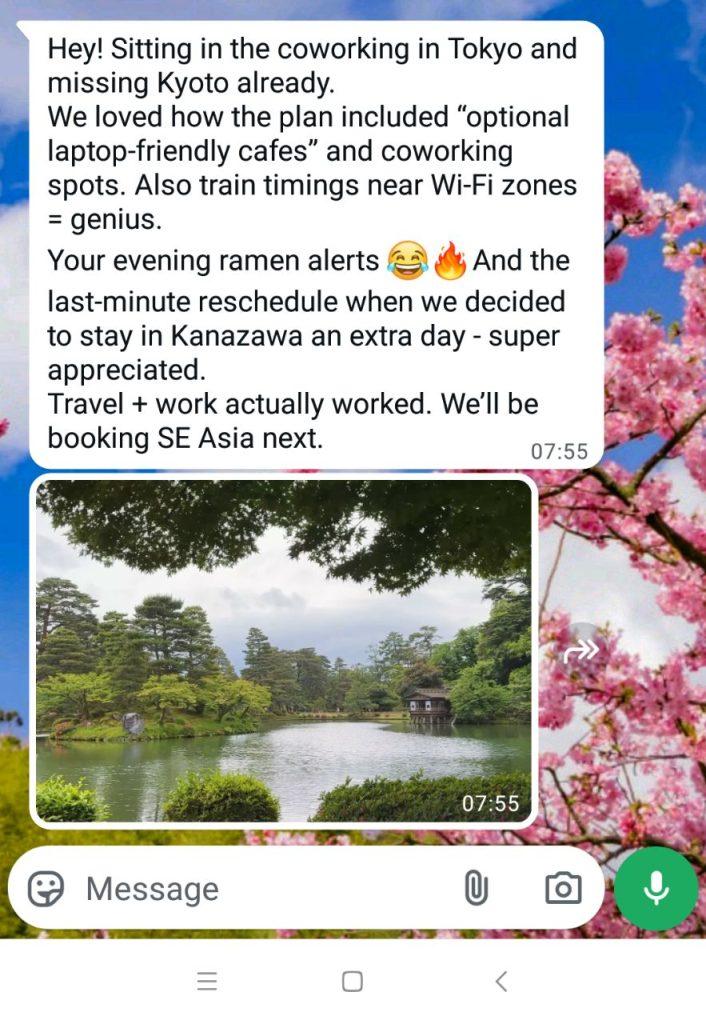
Take a look at the experiences of travelers who built their personal itinerary with us.
Click here and let’s start building the itinerary that will save you time, money, and stress – and turn your vacation into perfection.
Of course, your first inquiry is completely free – with no commitment whatsoever.
How it works


- You are welcome to contact us
- We discuss your trip
- You fill out a special form
- We create your itinerary
- You get it with all useful tips
- We are in touch with you all the time