My love for Japan began the moment I arrived in Tokyo. The country amazed me with its harmony of ancient traditions, cutting-edge technology, breathtaking nature, and a culture unlike any other. Since then, Japan has become a part of my life, and I return there again and again. Today I help travelers discover the real Japan: I create personalized itineraries, give lectures, and prepare guests for their unforgettable journey. I would be delighted to open Japan for you too!

Hyogo
Hyogo is one of Japan’s most diverse regions, seamlessly blending the urban energy of Kobe with the historic soul of Himeji. Its landscape shifts from coastal vistas and island scenery to unique themed attractions, making it remarkably easy to design a varied itinerary. While it serves as a perfect short escape from Osaka or Kyoto, Hyogo offers more than enough depth for a full-scale journey—think grand castles, waterfront promenades, mountain sanctuaries, and exceptional food stops.
Transport in Hyogo
Hyogo’s proximity to Osaka and Kyoto makes it incredibly accessible, with the train being the primary gateway for most travelers. You can reach Kobe from Osaka in just 20–30 minutes via JR lines, and the local rail network makes hopping between cities within the prefecture both simple and efficient. Himeji is another seamless day-trip option, particularly if your main goal is the castle and its immediate surroundings.
Within the major cities, public transport is usually all you need. A network of trains, buses, subways, and ropeways covers the primary sights. In Himeji, the walk from the station to the castle is a straight, easy shot, though the local bus is a smart backup if you are short on time or traveling with children. However, reaching Mt. Shosha and Engyo-ji Temple requires a bus followed by a ropeway, so it’s best to treat this as a dedicated half-day trip rather than a quick stop.
Exploring Awaji Island or the more remote mountain towns requires a bit more foresight. While buses do run, the schedules can be infrequent and transfers time-consuming. For these areas, renting a car is a game-changer. It eliminates the wait for public transport and gives you the freedom to adjust your pace as you discover hidden nature spots and scenic viewpoints throughout the day.
Click here to learn more about creating a personal itinerary
Tip from the itinerary expert: Stick to trains for Kobe and Himeji, but definitely consider a car for Awaji Island. This keeps your city days fast and efficient while sparing you from the logistical headaches of the more spread-out rural areas.

When to Visit Hyogo
If you are looking for peak scenery and comfortable walking weather, spring and autumn are the definitive seasons for Hyogo. During March and April, cherry blossoms transform the castle grounds into something out of a postcard—Himeji Castle, in particular, looks stunning framed by pale pink petals. Just keep in mind that this is the busiest time of year, so early arrivals are essential to beat the crowds at the most iconic spots.
October and November offer another fantastic window, especially for visiting traditional gardens and mountain temples. The air is crisp, making it ideal for long days of sightseeing, and the autumn foliage adds a rich layer of color to the parks and mountain routes. It’s an excellent choice for travelers who want spectacular views without the pressure of the fleeting cherry blossom bloom.
Summer is perfect for enjoying the sea breezes and coastal life on the islands, though the heat can make steep castle stairs and long urban walks quite taxing. Winter, by contrast, is much quieter and more atmospheric, with the possibility of snow in the northern mountain areas. While Hyogo is a year-round destination, spring and autumn provide the most rewarding balance of natural beauty and a relaxed, family-friendly pace.

Since 2015, our website has specialized in individual planning of unique routes, taking into account personal preferences and desires.
Each of you will receive a unique PDF file from us, which contains everything you need: travel routes, car rentals, hotels, the best tourist attractions, attractions for kids and everything you need for a perfect vacation.
During the trip, we are available for you by phone via WhatsApp.
Our personal service provides information from A to Z, taking into account many small details that can become a decisive factor on the way from a wasted trip to an unforgettable vacation.
Our service will make your trip comfortable, save a lot of time on planning and preparation, and most importantly – will allow you to become freer and fully enjoy the pleasure of the trip.
Tip from the itinerary expert: Plan your Himeji Castle visit for the first thing in the morning, especially during the cherry blossom season. The castle’s interior involves climbing steep wooden stairs and navigating narrow corridors, so you’ll want to have your full energy for the ascent.
Top Attractions in Hyogo
Hyogo is a treasure trove of iconic landmarks, vibrant waterfronts, and serene nature spots. These highlights are perfectly suited for a flexible itinerary, offering a balanced taste of the region's rich culture and modern energy.
Himeji Castle
Widely regarded as Japan’s most spectacular castle, this UNESCO World Heritage site has remained beautifully preserved in its original form for over 400 years. Dubbed the “White Heron” for its elegant, wing-like white walls, it impresses with its massive scale and ingenious defensive design. The complex offers expansive grounds to explore and rewarding panoramic views of the city from the top floors.
Opening Hours: Hours may vary depending on season
Adult ticket about 2,500 yen (from March 2026)
Tip from the itinerary expert: Arrive as soon as the gates open. Explore the outer grounds first while the light is soft, then head inside the keep to beat the afternoon crowds and conserve your energy for the steep climb up the wooden stairs.
Distance/Time: About 1 hour from Osaka
Kobe Harborland & Meriken Park
Kobe’s modern waterfront is the city’s pulse, featuring wide promenades, striking architecture, and a refreshing sea breeze. It’s a space where maritime history meets contemporary leisure, housing both the Maritime Museum and the poignant Earthquake Memorial. The area is perfect for a relaxed stroll with views of the iconic Port Tower and the bustling harbor.
Opening Hours: Open area, accessible all day
Free access
Tip from the itinerary expert: Time your visit for the late afternoon. Watching the sun set over the water and seeing the harbor light up in neon is a classic Kobe experience that shouldn’t be missed.
Distance/Time: Central Kobe
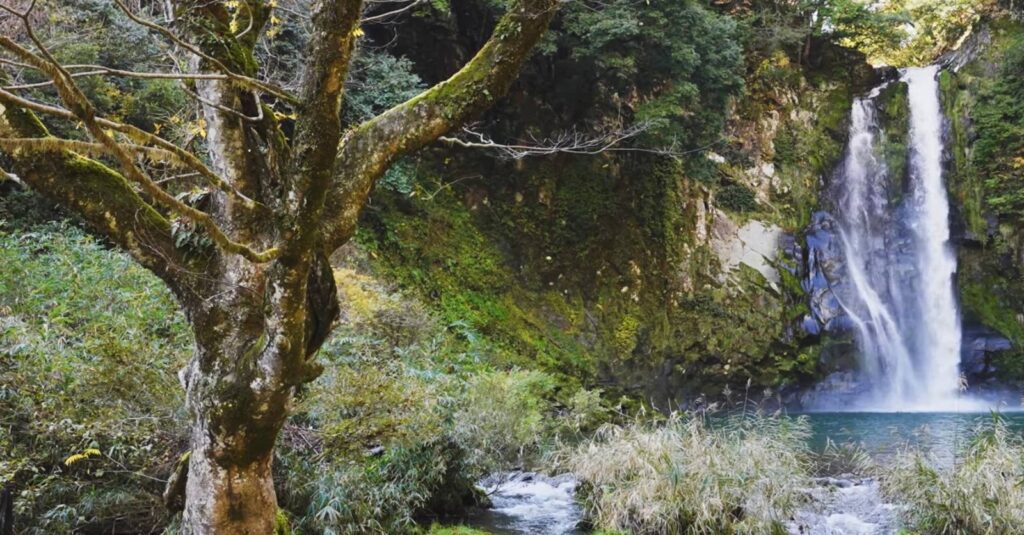
Ikuta Shrine
Hidden in plain sight amidst the neon and bustle of central Kobe, Ikuta Shrine is one of Japan’s oldest and most respected spiritual sites. It serves as a peaceful urban sanctuary, offering a quiet moment of reflection under its ancient trees. Its proximity to the city’s main hubs makes it an effortless cultural stop during a day of exploring.
Opening Hours: Open daily
Free entry
Tip from the itinerary expert: This shrine is a perfect pallet cleanser between shopping and dining in the Sannomiya area. Step inside for ten minutes to reset and enjoy the traditional atmosphere.
Distance/Time: Walking distance in central Kobe
Mt. Shosha & Engyo-ji Temple
Perched atop Mt. Shosha, this sprawling temple complex feels like a journey back in time. Deeply nestled in a dense forest, Engyo-ji’s ancient wooden halls are so authentic they served as a filming location for “The Last Samurai.” The experience begins with a scenic ropeway ride and continues through peaceful trails that connect the various temple buildings.
Opening Hours: Varies by season and transport schedule
Transport and ropeway tickets required
Tip from the itinerary expert: Don’t try to squeeze this into a tight schedule. Give yourself at least half a day to soak in the silence and explore the forest paths—rushing here defeats the purpose of the mountain’s calm energy.
Distance/Time: From Himeji by bus + ropeway
Nankinmachi (Kobe Chinatown)
As one of Japan’s three major Chinatowns, Nankinmachi is a vibrant explosion of color, lanterns, and aromas. The streets are packed with stalls serving everything from steamed buns to spicy skewers. Its compact size makes it an ideal spot for a culinary safari where you can sample numerous snacks in one go.
Opening Hours: Shops open throughout the day
Free entry; food from about 200–500 yen per item
Tip from the itinerary expert: Treat this as a “grazing” stop. Instead of sitting down for a heavy meal, hop from stall to stall to try as many different street foods as possible.
Distance/Time: Central Kobe
Awaji Island
Awaji is a refreshing escape defined by its rolling hills, coastal cafes, and creative architecture. It offers a much slower tempo than the mainland, with flower parks that bloom year-round and unique themed attractions. It’s the perfect destination for those looking to swap city pavement for ocean views and farm-to-table dining.
Opening Hours: Depends on specific locations
Transport by bus from 1,650–2,440 yen one way
Tip from the itinerary expert: Resist the urge to over-schedule. Awaji is best enjoyed at a leisurely pace—pick two or three key spots and allow yourself time to linger over the views and the food.
Distance/Time: From Kobe by bus
Takenaka Carpentry Tools Museum
This isn’t just for woodworkers; it’s a stunning tribute to Japanese aesthetics and precision. Located near Shin-Kobe station, the museum showcases the history of traditional carpentry and the incredible art of joinery—building complex structures without a single nail. The building itself is a masterpiece of design and craftsmanship.
Opening Hours: Check schedule in advance
Ticket required
Tip from the itinerary expert: This is a top-tier indoor option. If the weather turns rainy, head here for a fascinating look at the soul of Japanese architecture in a beautiful, quiet setting.
Distance/Time: Kobe
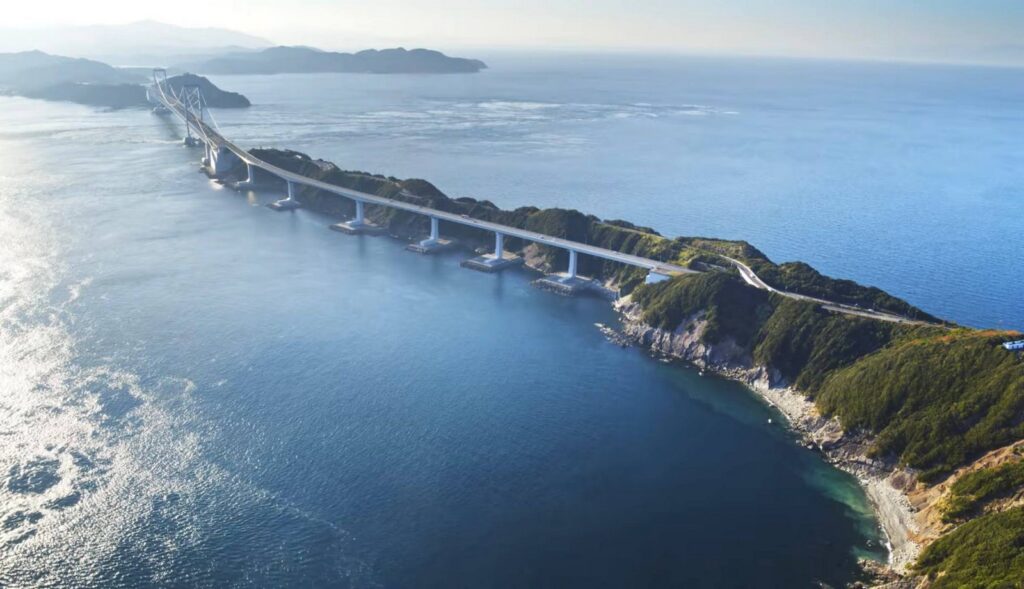
Natural Spots in Hyogo
Nature in Hyogo is remarkably accessible, allowing you to easily weave scenic escapes into a city-focused itinerary. A short journey is often all it takes to reach quiet mountains, dramatic coastlines, and lush green sanctuaries.
- Mount Shosha — A densely forested mountain offering serene walking trails and wide-angle views. The combination of a ropeway ride and peaceful temple paths makes it an ideal half-day retreat from Himeji.
- Awaji Island Coast — Defined by open sea vistas, impressive bridges, and a laid-back island rhythm. This area is perfect for slow scenic drives, stopping at coastal cafés, and simply taking in the maritime landscape.
- Naruto Strait (near Awaji) — Famous for its powerful and captivating whirlpools. It’s a spectacular natural phenomenon best enjoyed as a visual highlight while exploring the southern reaches of the island.
- Kobe Waterfront Parks — These manicured green spaces along the harbor provide a welcome breath of fresh air. They offer plenty of room to walk, rest, and enjoy casual views of the bustling port between sightseeing stops.
- Local City Parks — You’ll find charming smaller parks tucked away in both Kobe and Himeji. These are invaluable for quick breaks, especially for families with children who need a little downtime to run around.
Tip from the itinerary expert: Combine one major natural destination with a few shorter park visits throughout the day. This creates a comfortable flow and prevents your trip from feeling like a series of endless transfers.
Hidden Gems in Hyogo
Beyond the famous landmarks, Hyogo hides several unique experiences that add a touch of the unexpected to your journey, making your trip feel much more personal and less predictable.
- Fukusaki (Yokai Town) — A quirky town dedicated to the mischievous creatures of Japanese folklore. Its surreal atmosphere and hidden monster statues make for a memorable, offbeat detour that doesn’t require a whole day.
- Stamp Rally Experiences — An interactive way to explore the region by collecting unique stamps at various stations and sights. It turns simple city walks into an engaging discovery game.
- Hidden Local Cafés in Kobe — Tucked away in narrow side streets, these gems are often missed by the crowds. They offer a cozy, authentic atmosphere that is a world away from the busy tourist hubs.
- Herb Gardens and Perfume Workshops (Awaji) — Inviting, creative spaces where you can immerse yourself in scents and plants. These workshops offer a tactile, hands-on break from standard sightseeing.
- Modern and Underground Temple Architecture — Hyogo is home to contemporary sacred spaces that blend concrete, water, and minimalist design. These sites offer a fascinating, modern contrast to Japan’s traditional wooden temples.
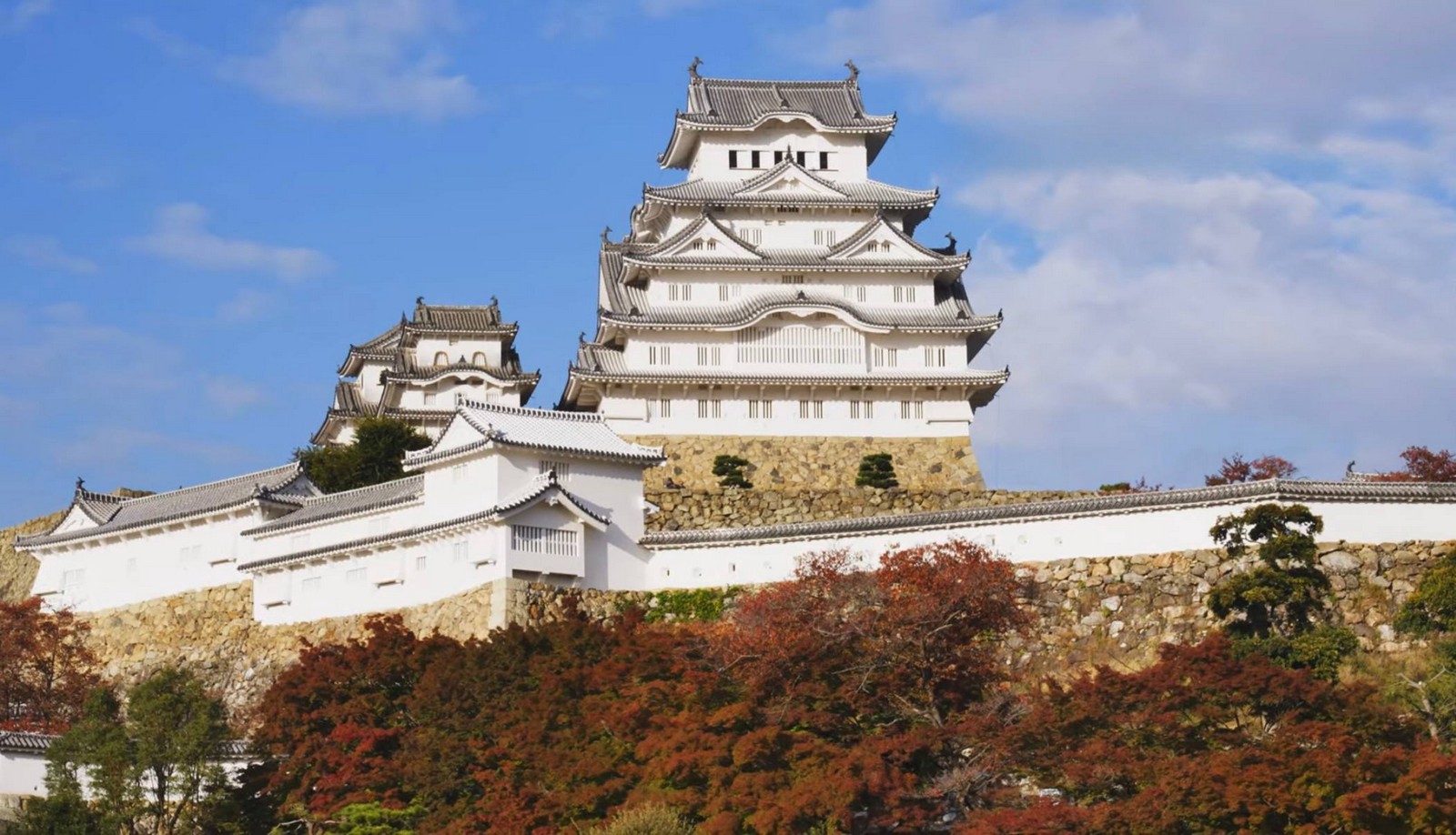
Surrounded by autumn colors, the castle stands proud and timeless, its white walls contrasting beautifully with the deep reds and golds of the season.
Tip from the itinerary expert: Sprinkle one hidden gem into each day’s plan rather than building an entire day around them. They shine brightest as unexpected highlights discovered between major attractions.
Family-Friendly Activities in Hyogo
Hyogo is exceptionally well-suited for multi-generational travel, as it naturally balances light exploration with interactive fun and great food.
- Kobe Aquarium — Featuring engaging, interactive zones, this aquarium is designed to keep visitors of all ages interested. It’s also an excellent, reliable option for a rainy day.
- Awaji Island Farms and Parks — From seasonal fruit picking to wide-open pastures, these spots allow for a relaxed pace where kids can roam and explore freely.
- Strawberry Picking and Farm Visits — These hands-on activities provide a playful break from traditional sightseeing, giving the whole family a chance to enjoy the local harvest.
- Ropeways and Mountain Routes — A simple yet thrilling way to see the region. These routes offer spectacular views with very little effort, especially when paired with short, easy walks.
- Nankinmachi (Kobe Chinatown) — The lively colors and incredible street food make this a natural favorite. Sampling different snacks as you wander is an activity in itself.
- Yokai Park in Fukusaki — An unusual themed space that is both whimsical and slightly eerie, making it a standout experience compared to your typical city park.
Tip from the itinerary expert: Alternate your active sightseeing with food stops or interactive experiences. This keeps everyone’s energy levels steady and ensures that nobody gets “temple fatigue” during a full day of travel.
Hyogo Itinerary: 4 Days in Kobe, Himeji, Fukusaki and Awaji
Trip Duration: 4 days
Day 1: Kobe Waterfront, Chinatown and City Atmosphere
Morning, 10:00–12:30. Begin your journey in the heart of Kobe at Ikuta Shrine. As one of Japan’s most ancient spiritual sites, it offers a serene start to the day before you dive into the city’s more energetic districts. Spend about 30–45 minutes soaking in the traditional atmosphere. From here, a short walk or quick hop on public transport brings you to Nankinmachi, Kobe’s vibrant Chinatown, where the narrow, lantern-lined streets are a joy to explore at your own pace.
Lunch, 12:30–14:00. Dive into the street food culture of Nankinmachi. Rather than a formal sit-down meal, treat this as a culinary safari—small bites like steamed buns and local snacks typically cost between 200–500 yen each. This approach lets you sample a variety of flavors without losing momentum. Allow 60–90 minutes to wander and graze through the stalls.
Afternoon and evening, 14:00–18:00. Head toward the coast to Kobe Harborland & Meriken Park. Dedicate 2–3 hours to this waterfront area, perfect for scenic photos and relaxing by the port. For a truly iconic dinner, Kobe is the place to indulge in world-famous Kobe beef. Teppanyaki courses at local hotels often start around 14,000 yen, while premium multi-course experiences can begin at 20,000 yen. If you prefer something more casual, Harborland offers plenty of waterfront dining options with fantastic evening views.
Tip from the itinerary expert: Resist the urge to pack your first day with heavy museum visits. Keep it light with the shrine, Chinatown, and harbor views. It’s the perfect way to get a feel for Hyogo’s character without exhausting yourself right at the start.
Overnight Location: Kobe
Day 2: Himeji Castle, Koko-en Garden and Mt. Shosha
Morning, 10:00–12:30. Take the train from Kobe to Himeji—the journey from JR Sannomiya takes about 60 minutes (approx. 990 yen). Once at Himeji Station, the castle is a 15–20 minute walk, or a quick bus ride if you want to save your legs for the climb ahead. Himeji Castle is a masterpiece of wooden architecture; allow 1.5–2 hours for a thorough visit. As of March 2026, adult tickets are approximately 2,500 yen. Be prepared for steep stairs and remember that you’ll need to remove your shoes inside, so comfortable socks are a must.
Lunch, 12:30–13:30. Find a spot near the castle or station to refuel. This is a great chance to try Himeji oden—a local specialty—or enjoy a quick meal at a nearby café. Keep it efficient to ensure you have plenty of time for the mountain temple this afternoon.
Afternoon, 13:30–17:30. Journey to the serene Mt. Shosha & Engyo-ji Temple. A bus from the station to the ropeway costs about 280 yen, though a combined bus and ropeway ticket for 1,700 yen is usually the best value. Plan for at least 3 hours here. The contrast is striking: after the grand, white brilliance of the castle, the ancient forest and weathered wooden halls of the temple offer a deep, atmospheric quiet.
Evening, 17:30–18:00. Head back to Himeji Station. You can enjoy dinner in the city or return to your base in Kobe. Staying overnight in Himeji is also a great option if you want a more relaxed start to the following day.
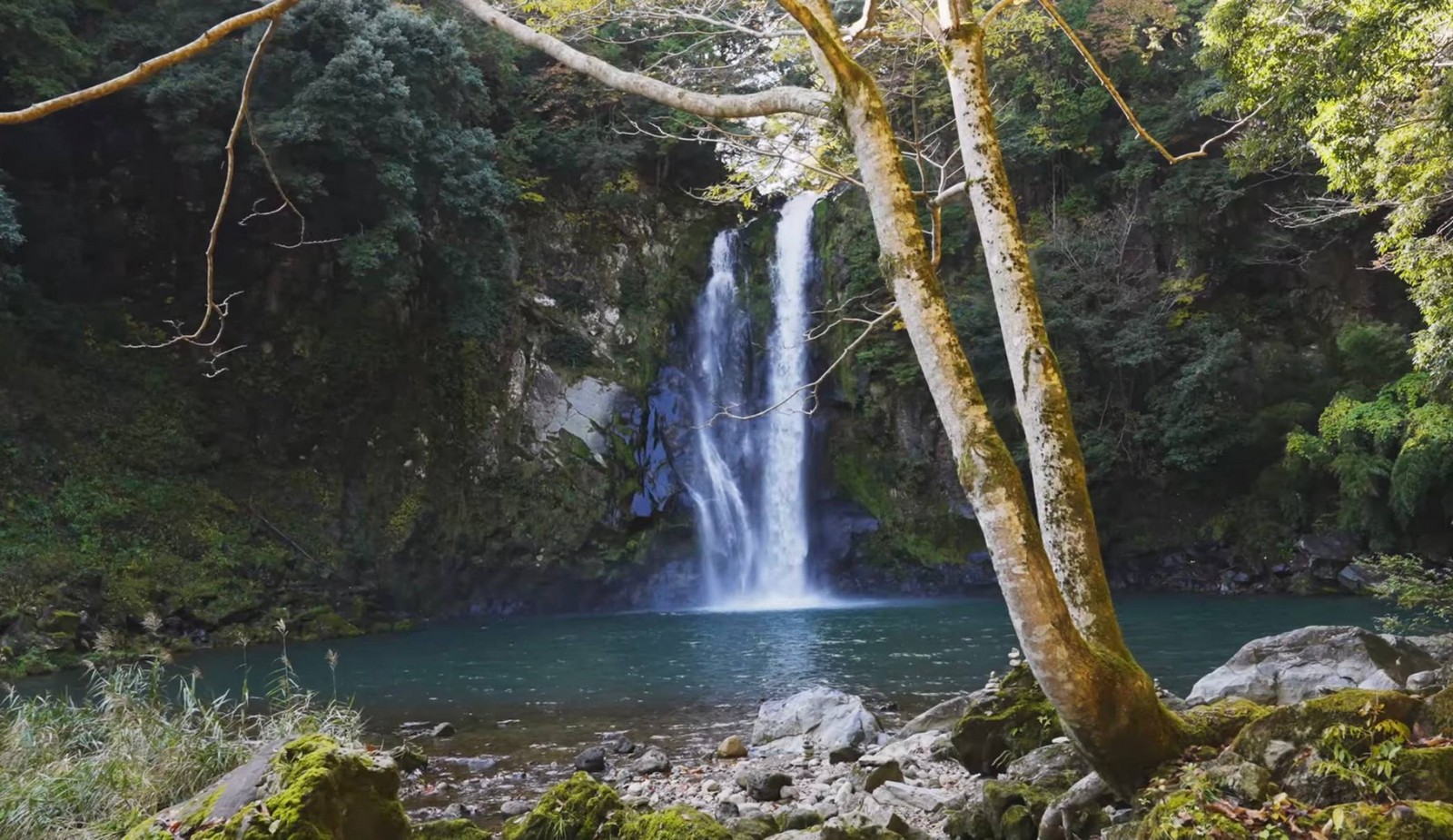
The waterfall feels almost magical, framed by ancient trees, where every drop of water sparkles before disappearing into the calm pool below.
Tip from the itinerary expert: Try to get inside the castle keep before lunch. Entry lines tend to move slower in the afternoon, and navigating the narrow, steep stairs is much more pleasant before the peak crowds arrive.
Overnight Location: Himeji or Kobe
Day 3: Fukusaki Yokai Town and a Slower Local Day
Morning, 10:00–12:30. Travel north from Himeji to Fukusaki (about 30 minutes by train), a town that has embraced its folklore roots. Start at the Tourist Information Center near the station to grab a map and a 100-yen stamp rally sheet. This turns your walk through town into a playful scavenger hunt for “Yokai” (supernatural creatures) hidden in the most unexpected places.
Late morning, 11:00–13:00. For a unique way to get around, consider renting a Yokai-themed electric vehicle (approx. 3,000 yen per day). Make your way to Osho-ji Temple, the town’s oldest spiritual site. For around 800 yen, you can enjoy traditional sweets in a room overlooking a beautiful garden. It’s a quiet, local experience that feels miles away from the typical tourist trail.
Lunch, 13:00–14:00. Stay in the town center for a local lunch. Fukusaki is known for its regional noodles; finding a small restaurant along the stamp rally route allows you to keep the playful momentum of the day going without long detours.
Afternoon and evening, 14:00–18:00. Complete your stamp rally by visiting the themed park and the various Yokai statues scattered throughout the town. From a monster popping out of a pond to creatures sitting on park benches, it’s a surreal and fun contrast to the grand history of Himeji. Later, return to Himeji or Kobe for the evening. If you choose to dine in Fukusaki, look for a restaurant in one of the town’s restored traditional buildings for an authentic local finish.
Tip from the itinerary expert: Treat Fukusaki as a leisurely experience rather than a quick stop. The real magic lies in the small details—the funny statues, the satisfaction of the stamp rally, and the quiet pauses in local spots.
Overnight Location: Himeji or Kobe
Day 4: Awaji Island Coast, Farms and Relaxed Food Stops
Morning, 10:00–12:30. Set off from Kobe-Sannomiya for Awaji Island. While highway buses (1,650–2,440 yen) are available, a rental car is highly recommended for this leg of the trip. The island’s best spots are spread out, and having your own wheels lets you stop at scenic coastal viewpoints whenever the mood strikes. Begin with a drive along the coast to soak in the ocean air and island atmosphere.
Lunch, 12:30–14:00. Awaji is famous for its “farm-to-table” dining and stylish coastal cafés. A relaxed brunch or a lunch at a terrace café usually ranges from 1,200–2,000 yen. To get the best experience, try to arrive slightly before or after the peak 12:30 rush, giving you more time to enjoy the views over your meal.
Afternoon, 14:00–17:30. Focus on one or two quality experiences. You might explore a fragrant herb garden, join a perfume-making workshop, or go strawberry picking if the season is right. This is a great day for families to slow down and enjoy the open space. If you’re craving one last natural spectacle, drive south to the Naruto Strait to see the famous whirlpools, provided you have enough time in your schedule.
Evening, 17:30–18:00. Wrap up your journey by heading back to Kobe or choosing to stay overnight in one of Awaji’s resorts. Island accommodations tend to be more of a splurge, with resort stays often starting around 26,000 yen, making it a perfect “grand finale” if you want to end your trip on a luxurious note.
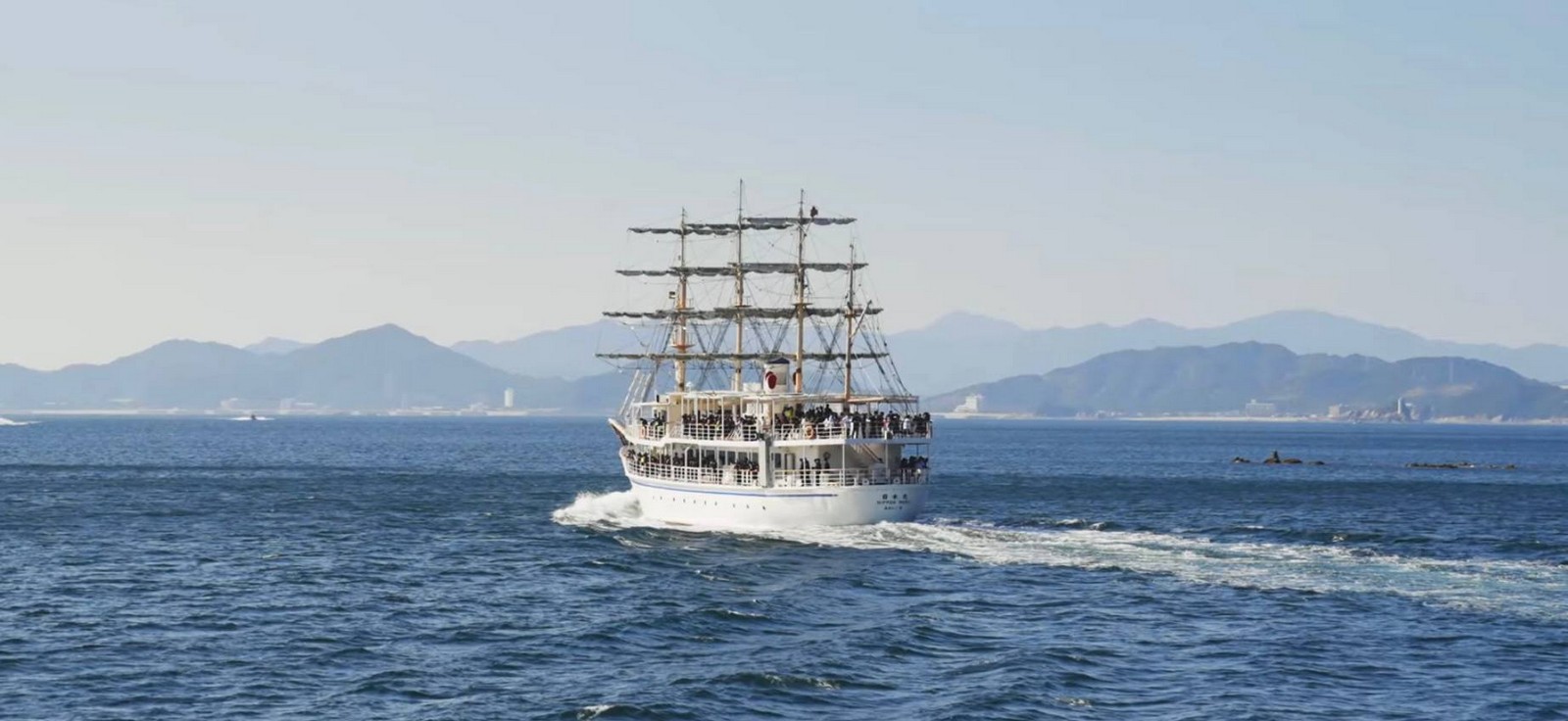
A classic ship glides across the open sea, leaving a trail behind, as mountains in the distance fade into the sky like a painted backdrop.
Tip from the itinerary expert: On Awaji Island, less is definitely more. Don’t try to see every attraction; instead, build your day around great scenery, one hands-on activity, and plenty of time to linger over the local food.
Overnight Location: Kobe or Awaji Island
Traveller Reviews of Hyogo

Daniel Morgan
April 2024

Himeji Castle in cherry blossom season was easily the highlight of our trip. The white walls with those soft pink trees — it didn’t look real. Inside was tougher than I thought: steep stairs, shoes off, and a slow line near the top. Still worth it. Kids didn’t care much about history, but they loved the view from the top.
Sofia Bennett
January 2025

We stayed in Kobe and used it as a base, and that actually worked really well. Chinatown was great for quick snacks, Harborland was nice in the evening, and trains were easy enough to figure out. Only downside was moving around near the station at lunchtime. Way too crowded, everyone rushing everywhere.
Michael Harris
August 2023
Awaji Island looked great, but without a car it was kind of frustrating. Buses do run, but waiting around between stops just slowed everything down. We managed a café and some nice views, but had to skip a few places we wanted to see. I’d only go again with a rental car.
Laura Mitchell
November 2022
Mt. Shosha was the biggest surprise for us. The ropeway, the forest, the temples — it felt like a completely different place compared to Kobe and Himeji. My daughter kept saying it looked like a movie set. We stayed longer than planned and missed an earlier train, but honestly didn’t care at all.
Adam Collins
March 2025
The castle looks amazing from outside, no argument there. But inside it was just a slow-moving line on narrow wooden stairs, and the rooms felt pretty empty. With two tired kids it turned stressful fast. If I went again, I’d stick to the grounds and the garden and skip the climb inside.
Nina Roberts
October 2021
Fukusaki was strange in a fun way. The yokai figures made the kids laugh and jump at the same time. We bought the stamp sheet and it turned the walk into a little game. Not a massive attraction, more like a quirky half-day stop. The town got very quiet after lunch though.
Thomas Reed
May 2019
Kobe turned out to be really easy with kids. We did Ikuta Shrine, walked through Chinatown, then headed to the harbor. Street food was cheap enough to try a few things, and no one had to sit through a long meal. Harborland in the evening with all the lights was probably the best moment.
Emma Clark
December 2018
Hyogo was good overall, but winter made it feel a bit flat in places. Himeji was beautiful, but the wooden floors inside the castle were freezing in socks — wish I’d brought thicker ones. Kobe was easier to enjoy because we could mix walking outside with cafés and shopping when it got too cold.

Tips from the Itinerary Expert

Skip the full climb inside Himeji Castle at peak time
I got stuck in a painfully slow bottleneck on those steep wooden stairs once during midday. My advice? Walk the expansive grounds first and check the queue. If it looks backed up, stick to the exterior and the gardens—you’ll save 60 minutes of frustration and avoid a meltdown from tired kids halfway up the keep.
Use the bus to Himeji Castle only in one direction
I tried walking both ways from the station and really felt it in my legs after climbing the castle. The smart move is to take the local bus (~200 yen) on the way there to save your energy for the stairs, then enjoy a relaxed walk back toward the station afterward. It’s much easier on everyone.
Combine Mt. Shosha transport into one ticket
I almost made the mistake of buying separate fares, but the combined bus and ropeway ticket (~1,700 yen) is a no-brainer. It’s simpler, cheaper, and saves you from fumbling with change or ticket machines at every transfer point. Grab it at the Himeji Station bus terminal.
Turn Fukusaki into a game, not just a stop
On its own, Fukusaki can feel like a quiet town with scattered statues. Everything changed when I picked up the stamp sheet (~100 yen). Suddenly, the kids weren’t complaining about walking; they were on a mission to find the next location. It completely transforms the vibe of the visit.
Plan Awaji Island around fewer stops, not more
I once tried to hit every major park and museum on Awaji and spent the whole day staring at the dashboard. Now, I cap it at 2–3 stops max: one coastal view, one great café, and one hands-on activity. The island’s charm is the slow pace, so don’t rush it.
Avoid peak lunch hours at popular Awaji cafés
I rolled up to a famous terrace café at 13:00 and had to wait an hour just to sit down. Now I aim to arrive by 11:30 or wait until after 14:00. You get the same stunning ocean views but without the stressful wait, which is a lifesaver when traveling with family.
Use Chinatown as a food strategy, not a meal stop
I’ve stopped doing sit-down meals in Nankinmachi. It’s much more fun to graze. Just grab small bites from various stalls (200–500 yen each) as you go. It keeps the group moving, eliminates wait times, and ensures everyone gets to try exactly what they want.
Split Himeji day into castle + mountain, not back-to-back rush
I totally underestimated the scale of Mt. Shosha the first time I visited. Now I always tackle Himeji Castle in the morning and leave a solid 3-hour window for the mountain temple. Trying to squeeze both into a tight afternoon just leads to exhaustion and missed views.
Use Kobe as a base to avoid constant hotel changes
I found that staying in Kobe and doing Himeji as a day trip (~60 minutes by train) was incredibly smooth. Lugging suitcases and checking in/out of hotels every 24 hours adds way too much stress. Keep your base in Kobe and enjoy the easy commutes instead.
Insights from the Itinerary Expert
During my visit to Hyogo in April 2024, the sight of Himeji Castle framed by cherry blossoms was unforgettable, but it also taught me a valuable lesson about pacing. While the castle is architectural perfection, exploring the interior is physically demanding—expect steep wooden stairs, slow-moving queues, and the slight inconvenience of carrying your shoes in a bag throughout the keep. If you are traveling with children, I highly recommend taking a proper break before attempting the climb rather than rushing straight from the station.
Kobe, by contrast, felt remarkably effortless. Nankinmachi is ideal for a “graze-as-you-go” lunch, which saves you from the commitment of a long sit-down meal, and Harborland offers a scenic, low-pressure way to wind down the evening. Awaji Island is stunning, but it’s the one place where I’d insist on a rental car. Relying on buses there can be frustrating, as you lose the flexibility to stop at coastal viewpoints and end up spending more time at bus stops than at the actual attractions.
Ultimately, Hyogo is a fantastic addition to any Japan trip because it packs city life, world-class food, grand history, and coastal beauty into such a compact area. The secret is to keep the route balanced rather than overloaded. We can help you design a personal itinerary for Hyogo and beyond that stays realistic, comfortable, and truly enjoyable from start to finish.
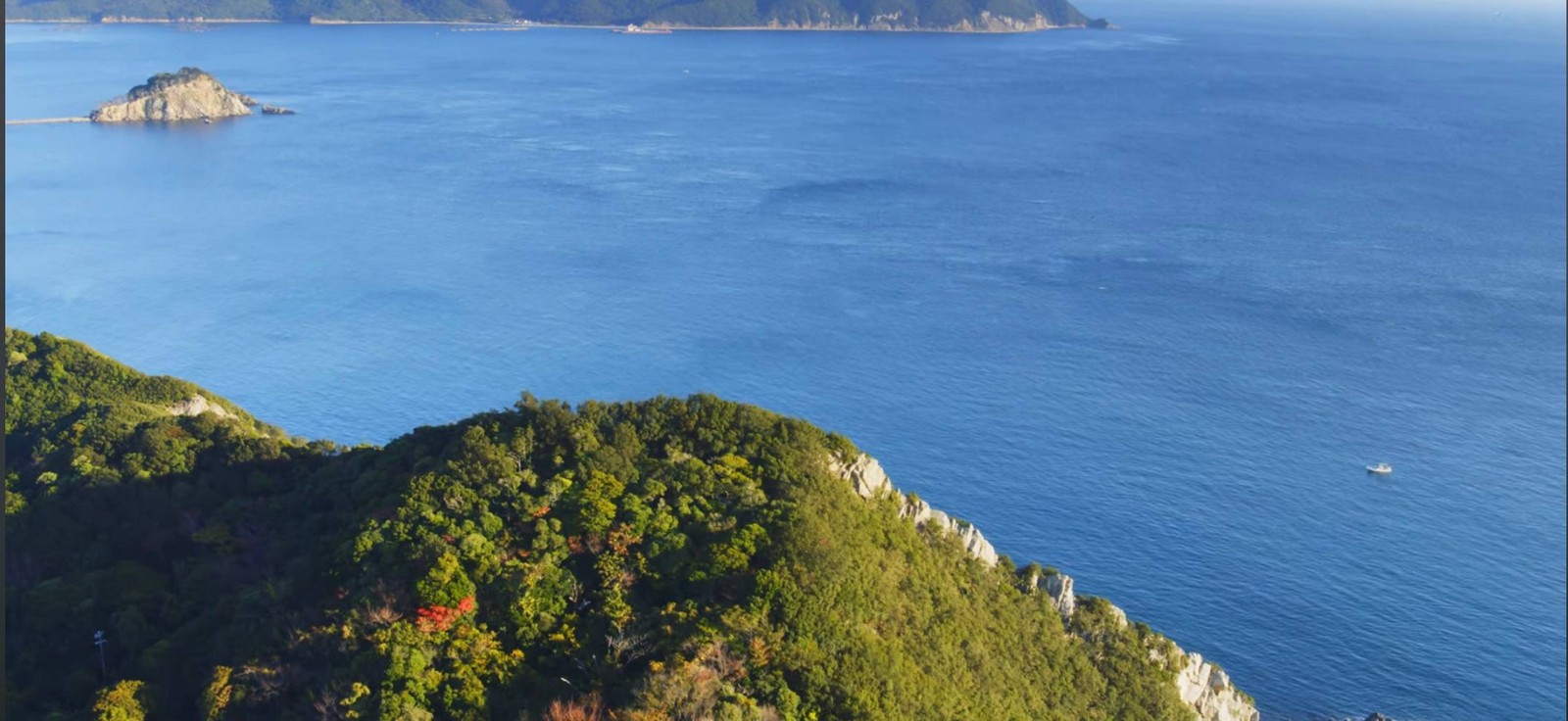
From above, the coastline reveals its wild beauty — cliffs, forests, and endless water blending into a peaceful, almost untouched landscape.
Average Prices in Hyogo
| Name | Amount | Description |
|---|---|---|
| Budget Hotels (per night) | 12,000+ JPY | Clean, functional business hotels in Kobe, offering compact rooms with essential amenities. |
| Mid-range Hotels (per night) | 20,000–24,000 JPY | Comfortable, well-located hotels near Himeji Station or within Kobe's central districts. |
| Luxury & Resort Stays (per night) | 26,000–35,000+ JPY | High-end coastal resorts or traditional onsen ryokans, primarily on Awaji Island. |
| Family Apartments (per night) | 20,000–35,000 JPY | Spacious rentals for groups of 5; prices vary significantly based on location and season. |
| Car Rental (per day) | 5,000–8,000 JPY | Standard compact cars; remember to factor in insurance, fuel, and toll road fees. |
| Public Transport | 190–990 JPY | Local bus fares start at ~190 JPY; a rapid train from Kobe to Himeji is roughly 990 JPY. |
| Dining & Meals | 1,200–35,000 JPY | Ranges from casual café lunches (1,200 JPY) to premium Kobe beef dinner courses. |
| Parking Fees | 1,000–2,000 JPY | Average overnight parking rate at city hotels or central public lots. |
| Groceries (for 2 people) | 2,000–5,000 JPY | Daily cost for basic supermarket supplies or high-quality ready-made 'bento' meals. |
Hyogo FAQ
01
Is it better to visit Himeji Castle from Kobe or stay overnight in Himeji?
Both options have their merits. Staying in Kobe offers more dining and evening flexibility. However, an overnight stay in Himeji allows you to reach the castle gates as they open, beating the crowds before you head off to Mt. Shosha.
02
Should I rent a car for Hyogo when traveling with children?
For exploring Awaji Island, rural towns, and nature spots—absolutely. A car provides essential flexibility for families. Within the city centers of Kobe and Himeji, however, the public transport system is efficient and perfectly sufficient.
03
Is Himeji Castle difficult to navigate with younger children?
The castle interior is more physically demanding than it looks. It involves steep, slippery wooden stairs and narrow passages, and you must carry your shoes in a bag. While the castle grounds are stroller-friendly, the full climb is best suited for older children comfortable with heights and stairs.
04
Is half a day enough for both Himeji Castle and Mt. Shosha?
In short: no. Himeji Castle requires at least 2 hours to appreciate, and Mt. Shosha needs a dedicated 3-hour window including transport and the ropeway. Attempting both in a single morning or afternoon will result in a rushed and exhausting experience.
05
Where is the best place for a quick meal in Kobe without a long wait?
Nankinmachi (Chinatown) is your best bet. It’s perfect for ‘grazing’ on street food like steamed buns and skewers (usually 200–500 yen each). It’s fast, fun, and allows everyone to choose exactly what they want without a formal reservation.
06
Can I realistically visit Awaji Island without a car?
Yes, highway buses run frequently from Kobe-Sannomiya (1,650–2,440 yen one way). However, once on the island, attractions are spread out. A rental car is strongly recommended to avoid long waits and to enjoy the scenic coastal drives at your own pace.
09
Is spring in Hyogo only worth it for the cherry blossoms?
While the sakura at Himeji Castle is iconic, spring in Hyogo offers much more. It’s the peak season for the vibrant flower parks on Awaji Island, mild hiking weather on Mt. Shosha, and pleasant temperatures for exploring Kobe’s waterfront.
What we propose

Emma Heidi
Customer Experience Manager
Take all the stress out of planning your trip!
With our experts, you can create the perfect itinerary for you – complete, comfortable, and tailored to all your dreams, wishes, and needs.
We take care of every little detail, so you can simply focus on enjoying your journey.
We’ve been designing personalized itineraries since 2015, and over the years we’ve created thousands of custom itineraries for happy clients.

Save time, avoid confusion – we do the work for you. Our service saves you weeks of searching, reading, comparing, and complicated planning. Instead of wasting endless hours – you receive a ready-to-use, accurate and clear itinerary.

A tailor-made itinerary – built just for you. Your itinerary is personally designed based on our experts’ real field experience and genuine feedback from hundreds of travelers – including hidden discoveries and insider tips that don’t appear in any travel guide.

Smart accommodation selection – often saves you hundreds or even thousands of dollars. We help you choose verified and recommended places to stay, checking availability for your exact travel dates. Sometimes we suggest hotels not “in the center,” but in safe, convenient, and highly strategic locations – which can significantly reduce travel costs and save you even thousands of dollars.

We’re by your side even during the trip. We stay with you throughout your vacation – providing professional help whenever needed. If the weather changes, there’s a strike, a local event, heavy crowds, or any unexpected situation – we are here to update, guide, and adjust your itinerary in real time.

Easy-to-use itinerary – with direct navigation links. Your itinerary includes direct Waze / Google Maps links – no need to search for parking addresses, no stress, no mistakes. Just tap – and go.

Service cost: from only $420. (Special price for short itineraries up to 5 days). Clients tell us the itinerary saves them costly mistakes, fines, wrong choices – plus exclusive discounts on car rentals, better-priced accommodations, and money-saving local tips.
Want to know if it’s really worth it?
Take a look at the experiences of travelers who built their personal itinerary with us.
Click here and let’s start building the itinerary that will save you time, money, and stress – and turn your vacation into perfection.
Of course, your first inquiry is completely free – with no commitment whatsoever.
How it works


- You are welcome to contact us
- We discuss your trip
- You fill out a special form
- We create your itinerary
- You get it with all useful tips
- We are in touch with you all the time