My love for Japan began the moment I arrived in Tokyo. The country amazed me with its harmony of ancient traditions, cutting-edge technology, breathtaking nature, and a culture unlike any other. Since then, Japan has become a part of my life, and I return there again and again. Today I help travelers discover the real Japan: I create personalized itineraries, give lectures, and prepare guests for their unforgettable journey. I would be delighted to open Japan for you too!


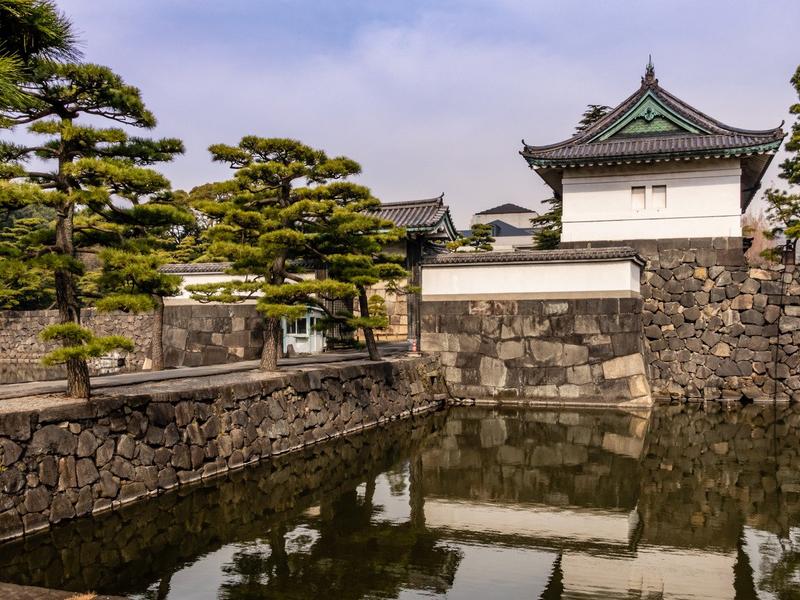
Nagatoro Iwadatami
Nagatoro Iwadatami is the heart of Nagatoro’s landscape—a striking stretch of layered stone slabs along the Arakawa River that honestly look like giant, natural tatami mats. It’s the perfect, low-effort escape from Tokyo. You can keep things simple by wandering across the rocks, snapping some photos by the water, and grabbing local snacks on Iwadatami-dori. Or, if you’re looking for a full day out, it’s easy to build around the rocks with river boating, a visit to Hodosan Shrine, or a ride on the Mount Hodo Ropeway.
Key Information for Nagatoro Iwadatami
Address:
Nagatoro Iwadatami, near Nagatoro Station, Nagatoro, Chichibu District, Saitama Prefecture, Japan
How to Get There
It’s a quick walk from Nagatoro Station. Just head through Iwadatami-dori—a charming little shopping street packed with cafés and snack stalls—and it’ll lead you straight out to the river and those famous stone formations. It’s such an easy route that even if you’re on a tight schedule, it’s a no-brainer to include.
If you’re coming from Tokyo, a solid bet is taking the train to Kumagaya Station and switching to the Chichibu Railway. Alternatively, you can head via Ikebukuro and Seibu-Chichibu, with a transfer to Nagatoro. Heads up: some parts of the Chichibu Railway don’t support IC cards like Suica or PASMO, so it’s safer to buy a paper ticket at the station.
Click here to learn more about creating a personal itinerary
Parking
Driving yourself is a breeze. Just park near Nagatoro Station or the entrance to the trail. Once your car is settled, you can reach the rocks, the boats, and the main street on foot without ever needing to move your vehicle.
Expect to pay a flat day-parking rate of around 300–500 ¥ in the area. Having a car makes it much easier to hop over to Hodosan Shrine or the ropeway, especially if you’re traveling with kids or want to explore the wider Chichibu area at your own pace.
Opening Hours
The rocks are part of the natural landscape, so you can explore them whenever there’s daylight. Just keep in mind that river boat operations depend on the current weather and water levels.
Tickets
Access to the rocks is completely free. If you want to head out on the river, tickets for the boat run 2,000–2,200 ¥ for adults and 1,000–1,100 ¥ for children, depending on the season. Sometimes you might see older pricing tiers (like 1,600 ¥ or 3,000 ¥ depending on the course length), so it's worth double-checking the current rate with the operator when you arrive.
Duration
You can comfortably wander the rocks in 30–60 minutes. If you’re planning to do the boat, grab some lunch, and explore the shopping street, set aside 2–3 hours. If you’re making it a full day, definitely budget extra time to hit Hodosan Shrine and the ropeway.
Best Time to Visit
Spring, autumn, and mild winter days are perfect here; the weather is ideal for scrambling over the rocks and taking in the river views. Be careful in the summer—the exposed stone can get scorching, so pack good shoes and try to get there earlier in the day when it’s cooler.

Since 2015, our website has specialized in individual planning of unique routes, taking into account personal preferences and desires.
Each of you will receive a unique PDF file from us, which contains everything you need: travel routes, car rentals, hotels, the best tourist attractions, attractions for kids and everything you need for a perfect vacation.
During the trip, we are available for you by phone via WhatsApp.
Our personal service provides information from A to Z, taking into account many small details that can become a decisive factor on the way from a wasted trip to an unforgettable vacation.
Our service will make your trip comfortable, save a lot of time on planning and preparation, and most importantly – will allow you to become freer and fully enjoy the pleasure of the trip.
Must-See Spots Around Nagatoro Iwadatami
Nagatoro Iwadatami isn't a place you just check off a list—it's meant to be experienced at a slower pace. The best approach is to wander between the layered rocks, the banks of the Arakawa River, the boat landings, and the charming streets near the station, letting the atmosphere shift as you explore.
I suggest starting with the rock formations themselves, then deciding where to head next based on the weather, the river's mood, and your group's energy levels. You can easily loop in a boat ride, a bite to eat, or a hike up to Hodosan Shrine or Mount Hodo.
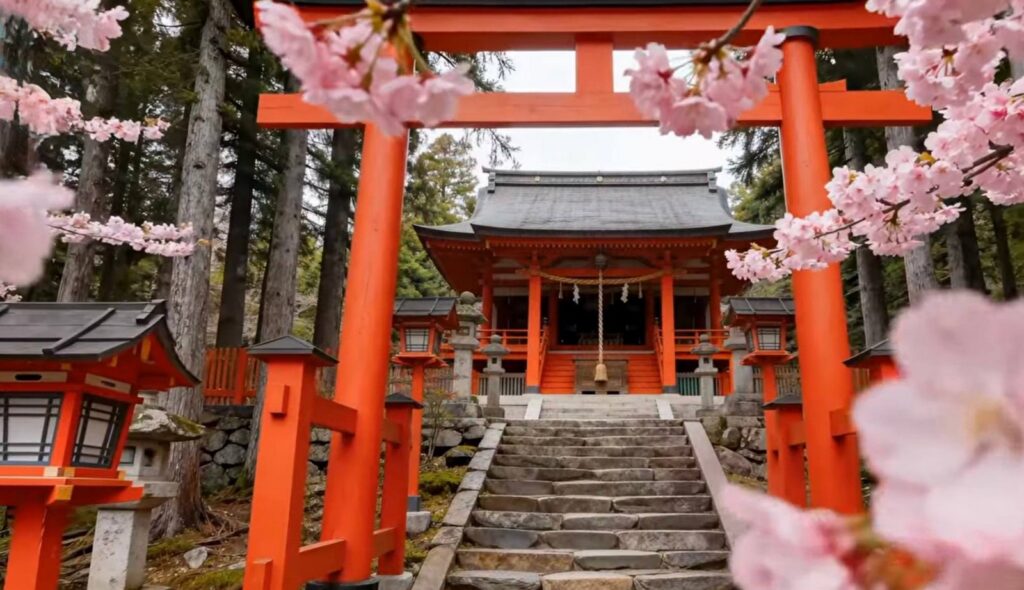
Nagatoro Iwadatami Rock Formations
Layered stone slabs by the Arakawa River
These massive, layered stone slabs along the Arakawa River are the main event. Their distinct, flat appearance is exactly why they’re called ‘Iwadatami’—it really does look like a field of giant tatami mats spread out by the water. It’s a beautifully simple landscape: the geometric rock patterns set against calm water and the lush hills on the far bank.
Geologically, this is a fascinating spot where you can see the earth’s history written in stone, shaped by the river over eons. For families, the real win is just letting the kids scramble over the uneven slabs, spot interesting textures, and watch the boats glide by from a front-row seat.
Opening Hours: Open as an outdoor natural area; best visited during daylight.
Free to walk around.
Tip from the Itinerary Expert: Start with the wider, flatter sections near the entrance. The rocks can be surprisingly uneven and slippery, so leave the sandals in your bag and wear comfortable, non-slip shoes.

Distance/Time: About 5 minutes on foot from Nagatoro Station
Arakawa River Viewpoint
River scenery and boat views from the rocks
The Arakawa River is the soul of Nagatoro. When you’re out on the rocks, you get a perfect view of the water, the gorge, and the wooden boats navigating the current. It feels lively and sun-drenched in the warmer months, while winter brings a quiet, spacious stillness to the landscape.
This is arguably the best photo spot in the region. The scenery shifts dramatically with the seasons—from fresh spring greens to fiery autumn leaves or the stark beauty of a light dusting of snow. Don’t just rush in for a quick selfie; pull up a patch of rock and soak in the view for a bit.
Opening Hours: Open as part of the outdoor riverside area; daylight hours are the most practical.
Free viewpoint.
Tip from the Itinerary Expert: Don’t settle for the first crowded overlook. If it looks safe, venture a bit further along the rock bed. You’ll find quieter angles and much better photo opportunities without other tourists in your shot.
Distance/Time: Directly beside Nagatoro Iwadatami
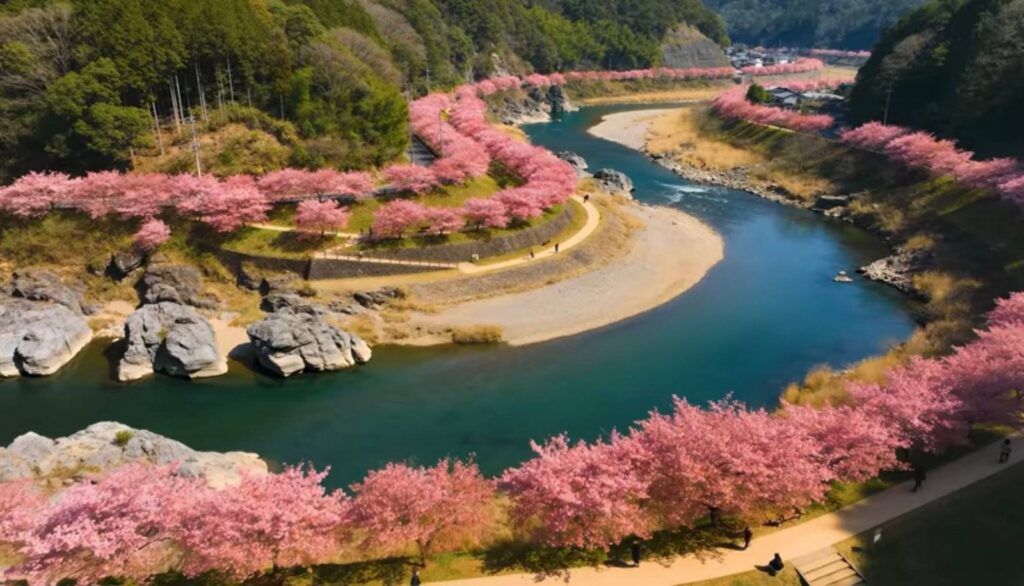
Nagatoro River Boating
Boat ride along the Arakawa River
If you want the full Nagatoro experience, hopping on a river boat is a must. It gives you a totally different perspective, looking up at the rock walls from the water level. It’s not an adrenaline-pumping whitewater ride, but rather a gentle, scenic cruise where you can appreciate the skill of the local boatmen as they guide you through the gorge.
A typical trip lasts about 30 minutes. Keep in mind that everything depends on the water level; if the river is too low, the operator might shorten the route or switch to a more localized sightseeing loop around the main rocks.
Opening Hours: Seasonal operation; generally runs from mid-March to early December, roughly 9:00–16:00.
Prices are 2,000–2,200 ¥ for adults and 1,000–1,100 ¥ for children, depending on the season. Fares can vary by course, so check the latest at the ticket booth.
Tip from the Itinerary Expert: Keep the boat ride as a flexible option. If water conditions or long wait times change your plans, don’t sweat it—there’s plenty more to do in Nagatoro to fill your day.
Distance/Time: Boat departure and arrival areas are near Nagatoro Iwadatami and Nagatoro Station
Iwadatami-dori Shopping Street
Short food and souvenir street between the station and rocks
Iwadatami-dori is the charming little artery connecting the station to the river. It’s the perfect place to bridge your nature walk with a bit of local culture. You can grab a meal, pick up a souvenir, or just treat yourself to a snack without having to travel across town.
You’ll find everything from traditional soba and udon to hearty ‘waraji’ (straw sandal-shaped) katsudon and the famous local kakigori (shaved ice). It’s a lifesaver for families—after a bit of time on the rocks, grabbing a quick lunch here is the perfect way to recharge.
Opening Hours: Shop and café hours vary by business and season.
Free to enter. Expect to pay 1,000–1,600 ¥ for a standard noodle dish, 1,200–1,800 ¥ for a katsudon, and 1,200–1,800 ¥ for shaved ice.
Tip from the Itinerary Expert: Save your food stop for after you’ve explored the rocks. It makes for a much more rewarding lunch or afternoon break after you’ve finished your walk.
Distance/Time: Between Nagatoro Station and Nagatoro Iwadatami
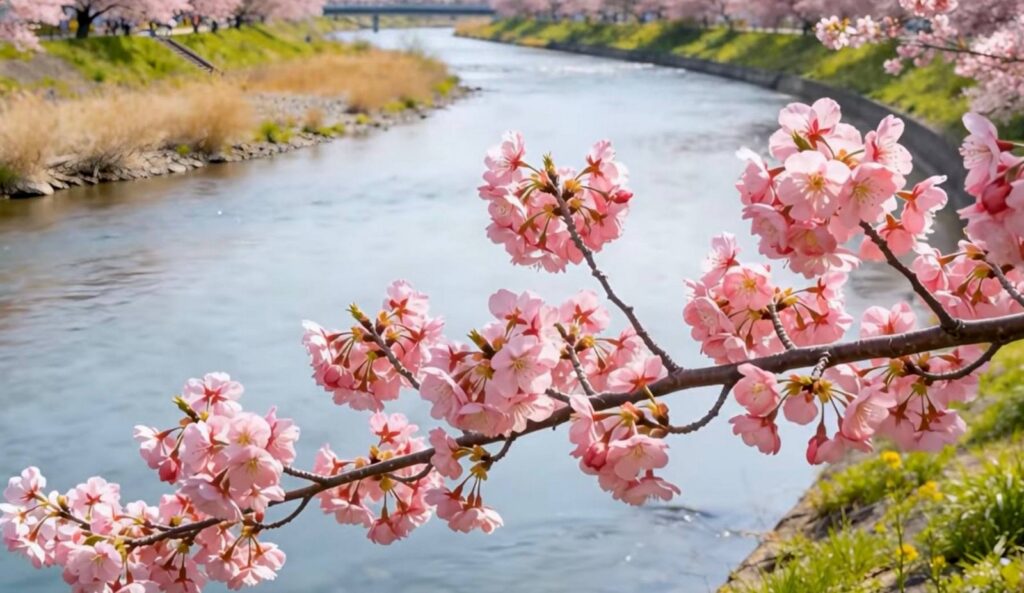
Hodosan Shrine
Peaceful shrine near Nagatoro Station
If you’re looking for a change of pace after the river, Hodosan Shrine is a beautiful, serene choice. It’s about a 15-minute walk from the station, taking you through a quieter, more local side of Nagatoro.
This is a place of deep history, filled with intricate wood carvings and vibrant shrine architecture. It’s not an ‘attraction’ for kids in the active sense, but it’s a lovely, quiet pocket of the town where you can take a breath and enjoy the tranquil atmosphere.
Opening Hours: Shrine grounds are open to the public; individual building hours vary.
No admission fee for the grounds.
Tip from the Itinerary Expert: Only head over to the shrine if you have plenty of energy left. It’s a great walk, but after a busy morning on the rocks, it’s best to keep your expectations relaxed and focus on the peaceful stroll rather than ticking off every landmark.
Distance/Time: About 15 minutes on foot from Nagatoro Station
Mount Hodo Ropeway
Ropeway, seasonal flowers and Chichibu mountain views
If you want to turn your visit into a full-day adventure, take the Mount Hodo Ropeway. The station is about a 20-minute walk from the main area, and the ride itself offers a great change of rhythm from the riverside.
Once you reach the summit, you’ll find beautiful seasonal gardens featuring wintersweet, plum blossoms, and cherry trees. While it’s not the highest mountain around, the panoramic views of the Chichibu region make it well worth the trip up.
Opening Hours: Ropeway operation depends on the daily schedule and season.
700 ¥ one-way (350 ¥ for kids) or 1,200 ¥ round-trip (600 ¥ for kids).
Tip from the Itinerary Expert: Only plan for the ropeway if it’s a clear day. If it’s cloudy or you’re already feeling the pace, skip the mountain and spend more time relaxing by the river or exploring the local shops.
Distance/Time: About 900 m from Nagatoro Station, around 20 minutes on foot
Saitama Museum of Natural History
Geology-focused stop near the Iwadatami area
Want to know *why* the rocks at Nagatoro look so strange? This museum is the place to find out. It connects the dots between geology, fossils, and the unique landscape of Chichibu, turning a simple walk into a deeper story about the earth beneath your feet.
It’s a fantastic stop for families. Giving the kids a bit of context about rivers, time, and rock layers makes the experience at Iwadatami feel much more like an adventure and less like just walking on stone.
Opening Hours: Typically 9:00–16:30; stays open until 17:00 during July and August.
200 ¥ for adults, 100 ¥ for students, and free for middle schoolers and younger.
Tip from the Itinerary Expert: This is my go-to indoor backup if the weather turns sour. It’s also great for giving kids a bit of ‘detective’ work to do when you head out to see the actual rock formations later.
Distance/Time: Near the Nagatoro Iwadatami and Nagatoro Station area
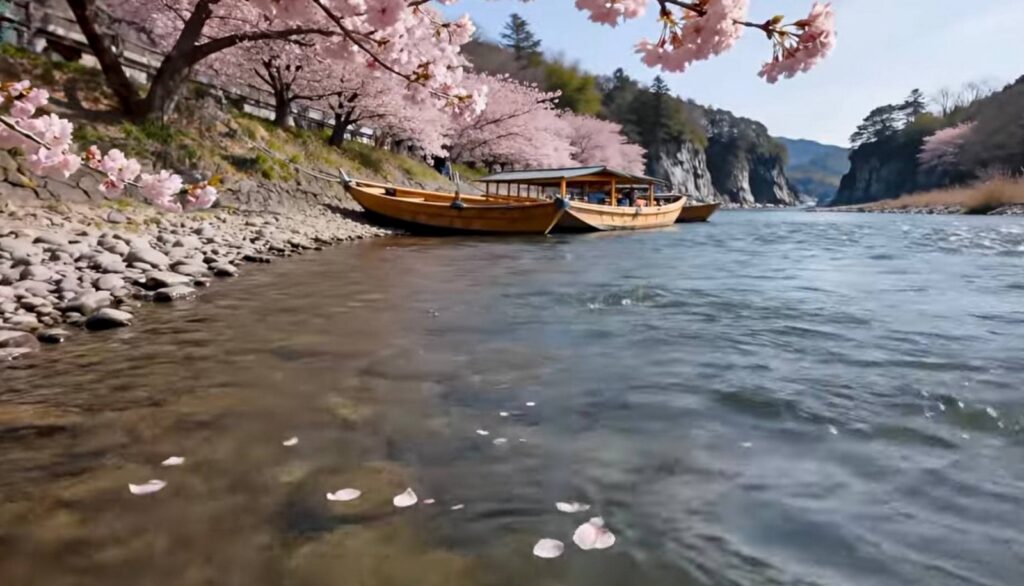
What Is Near Nagatoro Iwadatami and Worth Visiting?
- Iwadatami-dori: This short street connecting Nagatoro Station to the river is the most convenient spot to visit before or after exploring the rocks. With its mix of shops, cafés, and local eateries, it’s the perfect place to recharge after walking across the uneven stone. It’s ideal for families, as the rocks, river views, and souvenir shops are all tucked into one compact, walkable area.
- Hodosan Shrine: Located just a 15-minute walk from Nagatoro Station, this shrine offers a peaceful cultural contrast to the riverside scenery. The shrine buildings are known for their intricate, colorful carvings, and the grounds provide a quieter, shaded retreat. It’s a great addition if you want to round out your visit without adding too much travel time.
- Mount Hodo Ropeway: The ropeway station is about 900 meters from Nagatoro Station. It’s best to visit on a clear day when you have plenty of energy. At the summit, you’ll find not just great views, but beautiful seasonal scenery like wintersweet, plum blossoms, and cherry blossoms. It’s the logical next step if you want to turn your quick riverside stop into a more substantial half-day or full-day trip.
- Saitama Museum of Natural History: This is the best nearby indoor attraction for anyone curious about how these unique rock formations came to be. Nagatoro Iwadatami is a key site for understanding the region’s geological history and earth science. It’s also a perfect backup plan if the weather gets too hot, rainy, or if you simply need a break from walking outdoors.
- Local Dining near Nagatoro Station: You’ll find plenty of simple, satisfying options like soba, udon, hearty waraji katsudon (cutlet bowls), and refreshing kakigori (shaved ice). Staying near the station for lunch is much more practical than traveling elsewhere. Expect to budget roughly 1,000–1,600 ¥ for noodles, 1,200–1,800 ¥ for a katsudon bowl, and 1,200–1,800 ¥ for a signature shaved ice dessert.
Click here to learn more about creating a personal itinerary
Tip from the Itinerary Expert: For a smooth day, I recommend this order: Nagatoro Iwadatami → river boat (if available) → lunch on Iwadatami-dori → Hodosan Shrine. Add the Mount Hodo Ropeway only if the weather is clear and you’re feeling energetic; otherwise, the itinerary might become too rushed.
Who Is Nagatoro Iwadatami Suitable For?
- Families wanting a stress-free nature trip: Because Nagatoro Iwadatami is so close to the station, you don’t need to commit to a long, grueling hike. You can simply walk to the river, explore the rocks, watch the boats, and grab a bite to eat. Just be sure to supervise children closely, as the river’s edge isn’t a designated playground.
- Travelers seeking a picturesque escape from Tokyo: With its dramatic layered rocks, the flowing Arakawa River, and seasonal mountain foliage, this area is highly photogenic. It isn’t a theme park, so keep your expectations focused on a scenic nature walk. It’s most enjoyable when paired with a boat ride, a stroll down Iwadatami-dori, and one nearby cultural stop.
- Those looking for gentle outdoor activity: While the rocks are easy to access, the terrain is natural, uneven, and can be quite slippery. Sturdy, comfortable shoes are a must—especially after rain, in winter, or if you plan to venture further along the riverbank. Sandals are not recommended if you want to do more than just view the rocks from the main entrance.
- Families with younger children: A visit is definitely doable, but adults need to keep a close eye on kids near the water and rocky drop-offs. Some sections are broad and level, while others are more rugged. A shorter visit paired with a food break is usually more rewarding than a long-distance hike along the river.
- Older travelers or those preferring a relaxed pace: You don’t have to tackle the entire riverbank to enjoy the beauty of the area. Simply reaching the main rock platform, taking in the views, and heading back through Iwadatami-dori is a lovely experience. If you have limited mobility, stick to the accessible viewpoints and avoid the rougher, uneven parts of the rock bed.
- Travelers expecting a major attraction: If you are looking for a high-energy theme park, you might be disappointed. The charm of Nagatoro Iwadatami lies in its relaxed atmosphere, the river, and the natural scenery. It shines brightest when treated as a piece of a broader Nagatoro itinerary rather than a standalone, full-day destination.
Tip from the Itinerary Expert: If you’re traveling with children or older adults, stick to the main rock area, designated safe viewpoints, and the food street. While the further riverside paths are lovely, they may not be the most comfortable terrain for a casual family day out.
2-Day Nagatoro Iwadatami Itinerary
Trip Duration: 2 days
Day 1 — Nagatoro Iwadatami, Arakawa River Boat Ride, and Iwadatami-dori
Morning, 10:00–12:00: Start your journey at Nagatoro Station and take a quick 5-minute stroll through Iwadatami-dori toward Nagatoro Iwadatami. This is the most rewarding way to arrive: you wander through a charming little street filled with local snacks and souvenirs before the landscape suddenly opens up to reveal the Arakawa River and its expansive, layered stone slabs. Spend about 45–60 minutes exploring the rocks, taking photos, and watching the wooden boats drift by below.
Because the terrain is natural and uneven, take your time; there is no need to rush to cover every inch of the path. You’ll find the best photo opportunities not at the first crowded overlook, but a bit further along, where you can frame the river, boats, and hillsides in one shot. If you are traveling with children, stick to the wider, flatter sections of stone, as the edges closer to the water can be slippery and less predictable.
Lunch, 12:00–13:30: Head back to Iwadatami-dori for an authentic local meal. You can find soba or udon for around 1,000–1,600 ¥, or try the Chichibu-style waraji katsudon (a large pork cutlet bowl) for 1,200–1,800 ¥. On a warm day, don’t miss out on kakigori (shaved ice)—it’s a local favorite and the perfect way to cool down after walking on the exposed rocks.
Afternoon, 13:30–15:30: If the boats are running, treat yourself to the Nagatoro River Boating experience. It’s a scenic 30-minute cruise (adults 2,000–2,200 ¥; children 1,000–1,100 ¥ depending on the season) that lets you see the dramatic rock formations from below. The boating season typically runs from March 10 to December 4, but remember that the route and availability depend on daily river conditions. If the water level is too low for the full descent, they may offer a shorter sightseeing tour instead—keep your plans flexible and enjoy a relaxing café stop if the full ride isn’t available.
Evening, 15:30–18:00: Wind down near Nagatoro Station. It’s a great time to browse for souvenirs or enjoy an early dinner. If you are staying overnight, you’ll find simple guesthouses starting around 6,600–12,000 ¥ per person, while traditional ryokan stays typically range from 10,000–22,000 ¥ per person.
Tip from the Itinerary Expert: Don’t anchor your entire day around the boat ride. Use it as a flexible bonus: enjoy the rocks first, check the river conditions, and if the boats are running, hop on after lunch. If not, the rest of your day is already perfectly planned around the rocks and the food street.
Overnight Location: Nagatoro or Chichibu area
Day 2 — Hodosan Shrine, Mount Hodo Ropeway, and Saitama Museum of Natural History
Morning, 10:00–11:30: Start your second day with a 15-minute walk from Nagatoro Station to Hodosan Shrine. This offers a serene change of pace from the open river, featuring quiet, shaded paths and beautifully detailed shrine architecture. Spend about 45–60 minutes here to soak in the atmosphere without rushing.
Hodosan Shrine is steeped in history and famous for its intricate, colorful wood carvings. It’s a wonderful cultural pause that is visually captivating even if you aren’t usually a ‘shrine person.’ It works best as a relaxed stop for families before heading up the mountain.
Late morning, 11:30–13:30: Head toward the Mount Hodo Ropeway. The base station is about a 20-minute walk (900 m) from Nagatoro Station. Round-trip tickets are 1,200 ¥ for adults and 600 ¥ for children. Once at the top, take your time enjoying the seasonal gardens—whether it’s wintersweet, plum blossoms, or cherry blossoms, the scenery is stunning. If it’s a clear day, this will be your scenic highlight; if it’s cloudy, save time for the museum instead.
Lunch, 13:30–14:45: Return to the area near the station or Iwadatami-dori for a quick bite. Stick to lighter meals like soba or udon to keep your energy up for the afternoon.
Afternoon, 14:45–16:30: Visit the Saitama Museum of Natural History. Admission is 200 ¥ for adults and 100 ¥ for students (children are free). It’s open until 16:30 (and until 17:00 in July/August). This museum provides the perfect context for the geological wonders you walked on yesterday, turning the rocks into a fascinating story. It’s also an excellent indoor retreat if the weather turns hot or rainy.
Evening, 16:30–18:00: Wrap up your visit with one final stroll through Iwadatami-dori for souvenirs, or head straight to the station to begin your return journey. If you’ve driven, parking is simple and cheap (about 300–500 ¥ per day) and lets you avoid the hassle of moving your car between sights.
Tip from the Itinerary Expert: Keep the ropeway for clear days when the views are worth the price. On overcast days, focus on the shrine and the museum for a much more relaxed, stress-free family experience.
Overnight Location: Nagatoro or Chichibu area, or return to Tokyo after 18:00
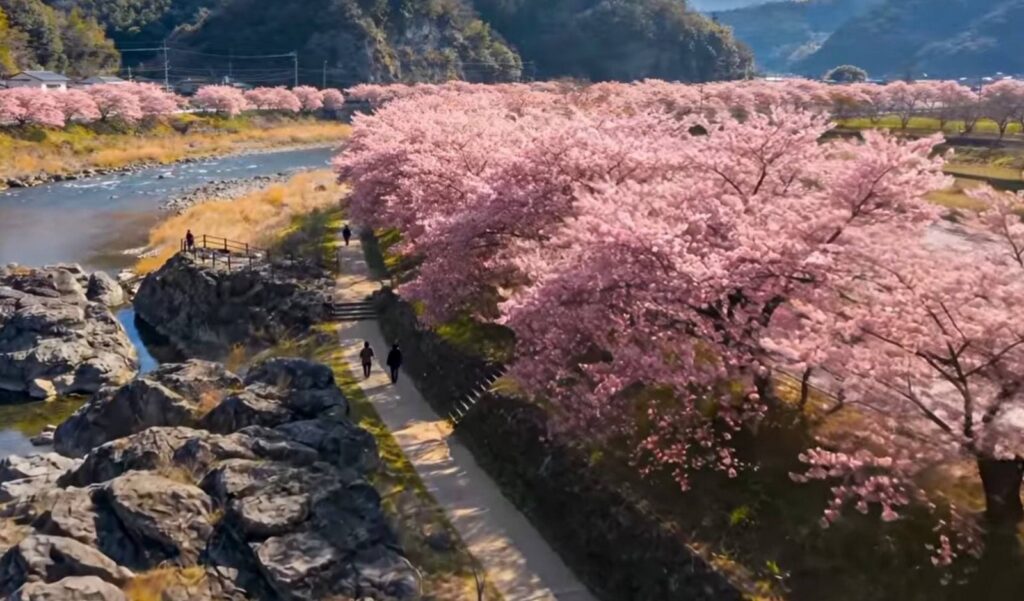
Traveler Reviews of Nagatoro Iwadatami

Daniel Morgan
Visited in April 2018

We visited during cherry blossom season, and the river area looked absolutely magical. It’s super easy to get to from Nagatoro Station, and our kids had a blast carefully climbing around the flatter sections of the rocks. The boat ride felt a little pricey for how short it was, but honestly, seeing the Arakawa River from the water was a highlight that made the whole day feel special.
Sophie Bennett
Visited in August 2022

It’s a beautiful spot, but visiting in August was tough. The rocks were scorching, there was barely any shade, and my youngest got tired much faster than we anticipated. We still loved the river views, but I wouldn’t recommend going in the middle of a summer day. The ice cream near the station definitely saved the day!
Mark Wilson
Visited in November 2019
I came mainly for the autumn colors and photography. The leaves were just starting to turn—not quite at peak yet—but the combination of the river, rocks, and boats still looked fantastic. The ground is quite uneven, so wearing sneakers was definitely the right move. There are plenty of cute cafés and shops on the way back, making it a perfect half-day trip.
Laura Mitchell
Visited in February 2024
It was quiet—almost *too* quiet—but in a really nice way. We visited on a mild winter day, and the kids spent ages just examining the different rock shapes. The kotatsu boat looked like so much fun, though we didn’t end up taking it. A quick heads-up: the water is right there next to the path, so I kept a very close eye on the kids the entire time.
Adam Clarke
Visited in October 2025
The standard river boat wasn’t running because the water level was low, which was pretty disappointing. We took a shorter sightseeing boat instead, but it felt overpriced for what it was. The rocks themselves were cool for about 30 minutes, but after that, the kids just wanted lunch. It’s not a bad place, just not the major attraction I was expecting.
Maya Collins
Visited in January 2023
We walked from the station through the little shopping street, and then suddenly the river opened up right in front of us. It was cold, but there were hardly any crowds. Even though some shops were closed, the stillness really suited the area. The rock bed was way wider than I’d imagined, and the kids had fun pointing out all the different layers.
James Carter
Visited in July 2017
The scenery is great, but the walking route along the rocks got a bit confusing in places. We hit a few dead ends and had to turn back, plus some of the safety ropes were a bit of an eyesore. Still, the color of the river is stunning, and the grilled fish we had near the station afterward was top-notch.
Emily Harris
Visited in May 2021
This was one of the easiest nature trips we’ve done with our kids in Saitama. It’s only five minutes from the station, no strenuous hiking involved, and the views look amazing in photos. We had soba for lunch and grabbed some shaved ice after our walk. A simple, relaxed day that felt quintessentially Japanese.

Tips from the Itinerary Expert

Prioritize the rock formations over boat bookings
Start by exploring the Nagatoro Iwadatami rock formations before committing to a boat ride. Since river levels can affect routes or limit availability, keeping your schedule flexible helps avoid disappointment if boating options change.
Use Iwadatami-dori to recharge
Treat Iwadatami-dori as your designated reset point. A quick stop for soba, udon, or kakigori near the station is the best way to revive tired legs and keep everyone energized for the next part of your route.
Keep to the main path along the river
Stick to the central rock area where the path is obvious and safe. The further riverside sections often lead to dead ends or rugged, sloping terrain that can be challenging, especially when traveling with children.
Park near the station to save time
Avoid searching for remote river access by parking near Nagatoro Station or the main Iwadatami entrance. Everything you need—the rocks, boats, and food street—is within easy walking distance once you’ve parked.
Save the ropeway for a clear day
Only include the Mount Hodo Ropeway if the sky is clear enough for panoramic views. On overcast days, you’ll have a much better experience sticking to the river, shopping street, and Hodosan Shrine.
Plan bathroom breaks strategically
Use the facilities near the station before heading down to the rocks. Once you are deep in the open natural area, finding a restroom can be a hassle that disrupts your visit at an inconvenient time.
Adapt your visit for summer heat
In hot weather, keep your time on the exposed stone to a minimum. Focus on a quick stroll followed by a move to a shaded café or a cooling treat, rather than attempting a long riverside hike.
Add educational context with the museum
If the kids get bored of just looking at rocks, head to the Saitama Museum of Natural History. It’s an affordable, insightful stop that brings geology to life and provides a comfortable indoor break on rainy or particularly hot days.
Insights from the Itinerary Expert
My visit to Nagatoro Iwadatami in October 2025 proved that this destination shines brightest when you set aside the expectation of a “major attraction” and embrace a slower pace. The initial view is striking: vast, flat stone layers meet the Arakawa River, with wooden boats drifting quietly through the gorge. While the landscape is stunning, keep in mind that the walking path along the rocks is not always clearly marked—some areas can be quite rough, so don’t hesitate to turn back if the terrain feels less than ideal for a relaxed family stroll.
For families, I recommend keeping your route compact: start at Nagatoro Station, explore Iwadatami-dori and the main rock area, and perhaps add a boat ride if the water conditions are favorable. In hot weather, the exposed stone can be exhausting; avoid the temptation to overextend your walk just to see more. Planned realistically, Nagatoro Iwadatami is a fantastic natural escape, easily combined with a broader Japan itinerary without making your day feel overloaded.
Nagatoro Iwadatami: Estimated Costs
| Name | Amount | Description |
|---|---|---|
| Budget guesthouse (for 2 people) | 13,200–24,000 JPY | Approximately 6,600–12,000 ¥ per person per night. The most practical choice for staying close to the river. |
| Mid-range ryokan or onsen hotel (for 2 people) | 20,000–44,000 JPY | Approximately 10,000–22,000 ¥ per person per night. Ideal if you prefer a relaxing evening in the area over a quick return to Tokyo. |
| Premium ryokan near Nagatoro Station (for 2 people) | 39,710–44,000 JPY | Comfort-focused plans at Nagatoro Choseikan Ryokan (approx. 19,855–22,000 ¥ per person), typically including meals. |
| Public transport: SEIBU 1Day Pass + Nagatoro | 1,500 (adult) / 300 (child) JPY | A great value pass. Note: add 900 ¥ if taking the 'Laview' Limited Express between Ikebukuro and Seibu-Chichibu. |
| Chichibu Railway (section to Nagatoro) | 500–750 JPY | Estimated one-way fare from Kumagaya or Ishiwara stations. |
| Local restaurant meal | 1,000–1,800 JPY | Soba or udon bowls (1,000–1,600 ¥) or hearty waraji katsudon (1,200–1,800 ¥) near the station. |
| Daily parking near Nagatoro Station | 300–500 JPY | Standard daily rates for most lots near the Iwadatami area. Smaller lots may offer lower prices. |
Nagatoro Iwadatami FAQ
What we propose

Emma Heidi
Customer Experience Manager
Take all the stress out of planning your trip!
With our experts, you can create the perfect itinerary for you – complete, comfortable, and tailored to all your dreams, wishes, and needs.
We take care of every little detail, so you can simply focus on enjoying your journey.
We’ve been designing personalized itineraries since 2015, and over the years we’ve created thousands of custom itineraries for happy clients.

Save time, avoid confusion – we do the work for you. Our service saves you weeks of searching, reading, comparing, and complicated planning. Instead of wasting endless hours – you receive a ready-to-use, accurate and clear itinerary.

A tailor-made itinerary – built just for you. Your itinerary is personally designed based on our experts’ real field experience and genuine feedback from hundreds of travelers – including hidden discoveries and insider tips that don’t appear in any travel guide.

Smart accommodation selection – often saves you hundreds or even thousands of dollars. We help you choose verified and recommended places to stay, checking availability for your exact travel dates. Sometimes we suggest hotels not “in the center,” but in safe, convenient, and highly strategic locations – which can significantly reduce travel costs and save you even thousands of dollars.

We’re by your side even during the trip. We stay with you throughout your vacation – providing professional help whenever needed. If the weather changes, there’s a strike, a local event, heavy crowds, or any unexpected situation – we are here to update, guide, and adjust your itinerary in real time.

Easy-to-use itinerary – with direct navigation links. Your itinerary includes direct Waze / Google Maps links – no need to search for parking addresses, no stress, no mistakes. Just tap – and go.

Service cost: from only $420. (Special price for short itineraries up to 5 days). Clients tell us the itinerary saves them costly mistakes, fines, wrong choices – plus exclusive discounts on car rentals, better-priced accommodations, and money-saving local tips.
Want to know if it’s really worth it?
Take a look at the experiences of travelers who built their personal itinerary with us.
Click here and let’s start building the itinerary that will save you time, money, and stress – and turn your vacation into perfection.
Of course, your first inquiry is completely free – with no commitment whatsoever.
How it works


- You are welcome to contact us
- We discuss your trip
- You fill out a special form
- We create your itinerary
- You get it with all useful tips
- We are in touch with you all the time