My love for Japan began the moment I arrived in Tokyo. The country amazed me with its harmony of ancient traditions, cutting-edge technology, breathtaking nature, and a culture unlike any other. Since then, Japan has become a part of my life, and I return there again and again. Today I help travelers discover the real Japan: I create personalized itineraries, give lectures, and prepare guests for their unforgettable journey. I would be delighted to open Japan for you too!

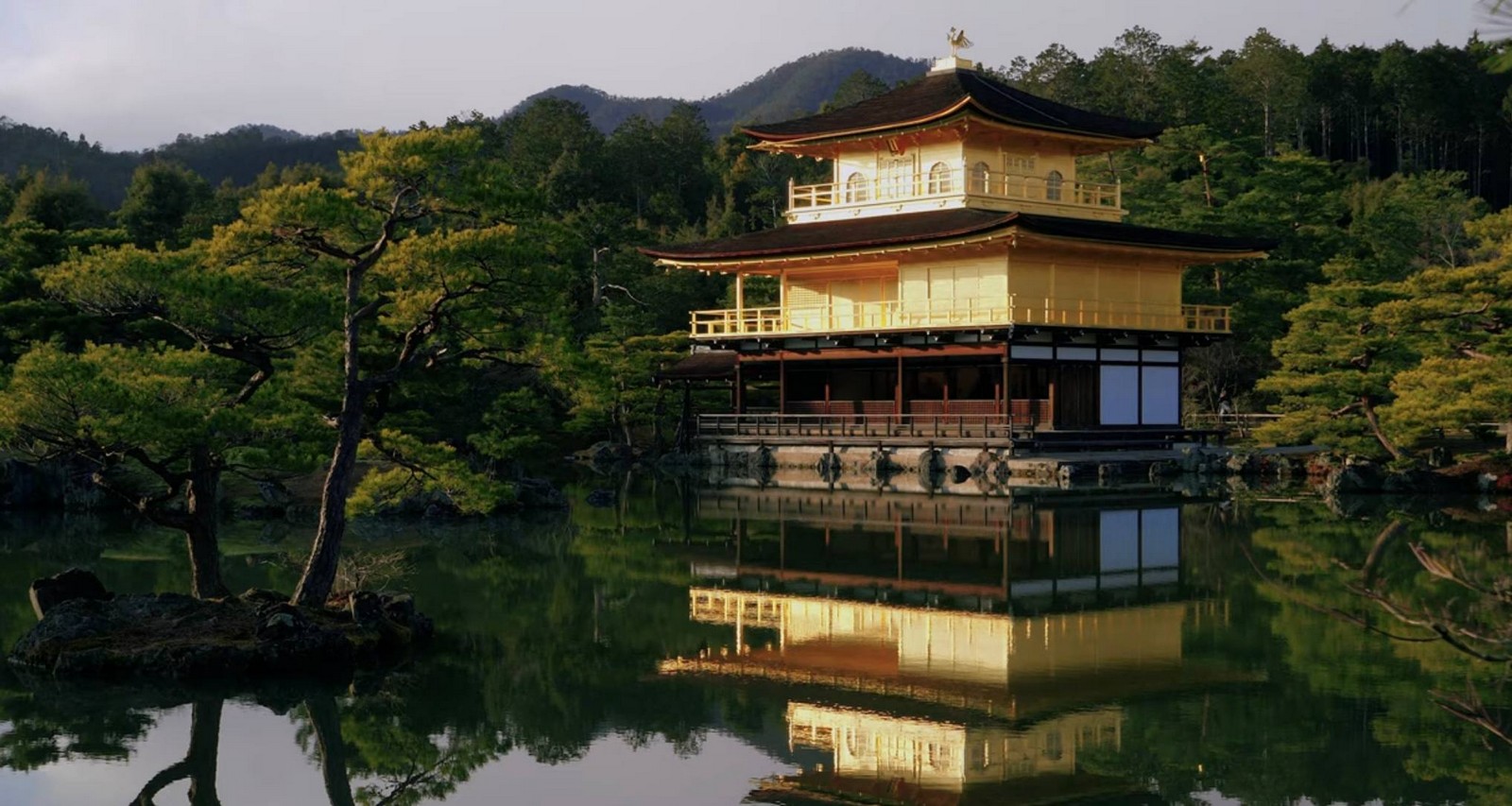


The Golden Pavilion
Kinkaku-ji is one of those timeless landmarks that instantly defines the spirit of Kyoto. The moment the gold-leaf pavilion comes into view, shimmering above the Mirror Pond, it feels almost surreal. Originally built as a retirement villa for Shogun Ashikaga Yoshimitsu in the late 14th century, it was later converted into a Zen temple. After being destroyed by fire in 1950, it was meticulously reconstructed in 1955, staying true to its original architectural splendor. What makes a visit so memorable is how the entire landscape is curated — the pond, the manicured pine trees, and the winding paths are all designed to reveal the pavilion from various, equally stunning perspectives. Even a shorter visit feels rich and complete, making it easy to fit into a busy Kyoto itinerary.
Practical info for visiting the Golden Pavilion
Address:
1 Kinkakujicho, Kita Ward, Kyoto, 603-8361, Japan
How to Get There
Kinkaku-ji is located in northwestern Kyoto and is most easily reached by city bus, taxi, or a mix of both. The most convenient stop is Kinkakuji-michi, served by buses 12, 59, 205, and M1. Many travelers logically pair this visit with Arashiyama or the nearby Ryoan-ji temple to make the most of their day.
While getting there is simple, the temple sits outside the central sightseeing hub. It’s best to plan your route carefully rather than trying to squeeze it in between distant districts. Keep in mind that buses can be quite crowded during peak seasons, so allow a little extra time for the journey.
Click here to learn more about creating a personal itinerary
Parking
On-site parking is available, with rates typically around ¥400 per hour for cars and ¥200 per hour for motorcycles. However, most visitors find that public transport is the more stress-free option, especially during busy periods when parking spots fill up quickly and local traffic builds up.
Opening Hours
Open daily, typically from 9:00 to 17:00.
Tickets
Admission is ¥500 for adults and ¥300 for students (grades 1–9).
From: 500 JPY
Duration
A comfortable walk through the grounds usually takes about 40–60 minutes.
Best Time to Visit
The ideal time to experience Kinkaku-ji is early in the morning. Right after opening, the paths are quieter and the main viewpoints are far more enjoyable. On clear days, the morning light hits the gold leaf beautifully, creating a perfect reflection in the water. Every season offers a unique backdrop, from the vibrant maples of autumn to the rare, serene beauty of winter snow.
By midday, the temple grounds become significantly busier, so your timing matters more than the actual length of your stay. Since the site follows a set, one-way walking path, arriving early helps maintain a peaceful rhythm, making the whole visit feel much more rewarding.

Since 2015, our website has specialized in individual planning of unique routes, taking into account personal preferences and desires.
Each of you will receive a unique PDF file from us, which contains everything you need: travel routes, car rentals, hotels, the best tourist attractions, attractions for kids and everything you need for a perfect vacation.
During the trip, we are available for you by phone via WhatsApp.
Our personal service provides information from A to Z, taking into account many small details that can become a decisive factor on the way from a wasted trip to an unforgettable vacation.
Our service will make your trip comfortable, save a lot of time on planning and preparation, and most importantly – will allow you to become freer and fully enjoy the pleasure of the trip.
What to see at the Golden Pavilion in Kyoto
The Golden Pavilion (Kinkaku-ji)
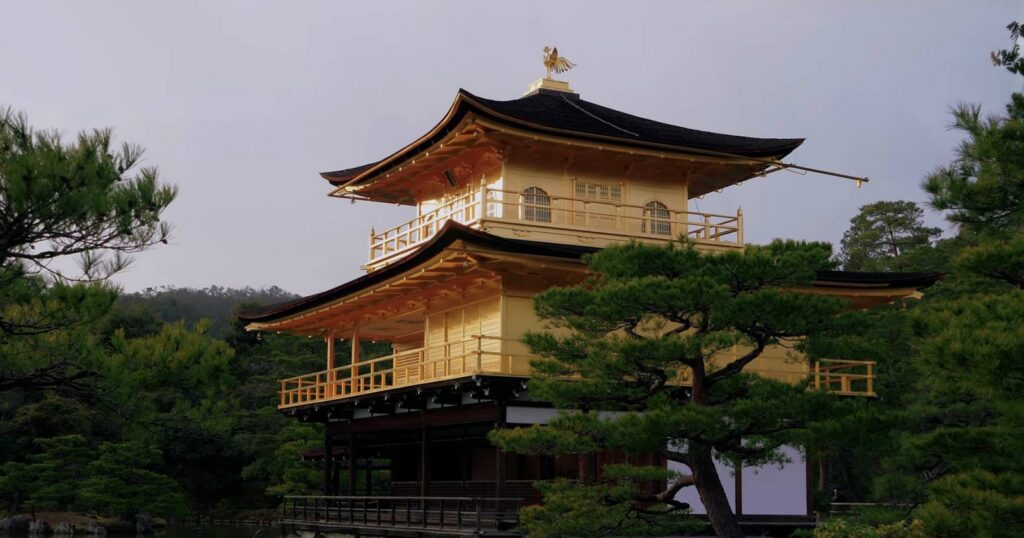
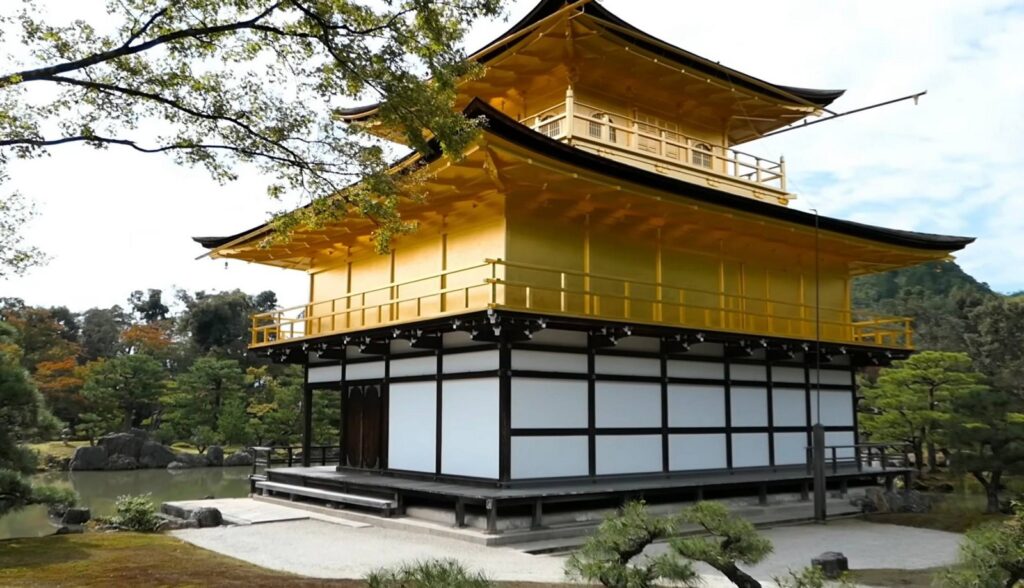
The moment you arrive, your attention is immediately drawn to the pavilion itself. Its top two stories shimmer with genuine gold leaf, catching the light in a way that feels almost ethereal. Each level represents a distinct architectural style—ranging from aristocratic elegance and samurai simplicity to Chinese Zen influence—all harmoniously layered into one striking structure. While you cannot enter the pavilion, the experience is designed to be appreciated from the outside, where the building reveals its full splendor against the natural backdrop.
The Mirror Pond (Kyokochi)
Directly in front of the pavilion lies the tranquil Mirror Pond, where the entire scene truly comes to life. On a clear day, the golden structure reflects perfectly in the water, creating that iconic, symmetrical view often seen in professional photography. The surrounding islets, carefully placed rocks, and sculpted pine trees ensure the composition remains balanced and visually stunning from every possible angle.
The strolling garden
The visit follows a dedicated one-way path that guides you through the historic Zen garden. What makes this walk so engaging is the way the pavilion reappears from fresh perspectives as you move. The route is compact, but it never feels repetitive; every turn offers a new frame for the pavilion, keeping the experience visually dynamic from start to finish.
Islands and stone arrangements
As you explore, take a moment to notice the precision of the landscaping. The stones, small islands, and pine trees are hallmarks of traditional Japanese design. Every element is intentional, contributing to a profound sense of quiet harmony and environmental balance that has been maintained for centuries.
The phoenix on the roof
If you look closely at the very top of the pavilion, you will spot a shimmering golden phoenix. Though it appears small from a distance, this symbolic bird represents protection and renewal, adding a meaningful finishing touch to the building’s famous silhouette.
Additional details along the path
Continuing along the route, the experience expands beyond the main viewpoint. You will encounter quiet garden corners, a traditional tea house area, and small statues where visitors toss coins for good luck. These subtle details add depth to the walk and provide a more intimate look at the temple grounds after you have captured the main view.
Tip from the itinerary expert: Resist the urge to leave immediately after the primary photo spot. Even though the path is short, it is worth following to the very end—some of the most unique and peaceful perspectives emerge further along, where the crowds thin out and the atmosphere feels much more relaxed.

What to visit near the Golden Pavilion in Kyoto
Several of Kyoto's most renowned landmarks are within easy reach of the Golden Pavilion, making it simple to create a cohesive route. These nearby spots offer a wonderful shift in energy — moving from the vibrant opulence of the pavilion to quiet Zen minimalism and scenic nature — allowing for a perfectly balanced half-day or full-day exploration.
Ryoan-ji
This Zen temple is world-famous for its dry landscape garden — a masterfully composed arrangement of fifteen stones set in a sea of raked white gravel. The design is profoundly minimalist and abstract, providing a striking aesthetic contrast to the golden brilliance of Kinkaku-ji. Visiting both on the same morning allows you to experience two very different, yet equally iconic, sides of Japanese temple culture.
Admission is approximately ¥600 for adults.
Tip from the itinerary expert: Visit Ryoan-ji immediately after Kinkaku-ji to keep your route efficient. The transition from a bright, busy landmark to this quiet, contemplative Zen space naturally slows the pace and provides a refreshing mental reset.
Distance/Time: About 15–20 minutes on foot
Ninna-ji
Ninna-ji is a sprawling temple complex characterized by its wide-open grounds, historic wooden halls, and a significantly more relaxed pace. While Kinkaku-ji focuses on a singular, spectacular view, Ninna-ji invites you to wander freely and explore at your own speed. It is especially beloved during the late cherry blossom season, but its grand architecture makes it a rewarding stop year-round.
The main grounds are free outside of blossom season; entry to specific areas like the Goten Palace is around ¥800.
Tip from the itinerary expert: If the crowds at Kinkaku-ji feel overwhelming, Ninna-ji is the perfect place to find some breathing room. Its larger scale and calmer atmosphere allow you to enjoy Kyoto’s heritage without the rush.
Distance/Time: About 20–25 minutes on foot or a short bus ride
Arashiyama
Located in western Kyoto, Arashiyama is a vibrant district famous for its towering bamboo grove, the iconic Togetsukyo Bridge, and scenic river views. It offers a lively mix of nature and traditional sightseeing that works beautifully as the second half of your day. After the structured temple visits of the morning, Arashiyama provides a more open-ended environment for walking and exploring.
Most outdoor areas are free; specific temples and attractions have individual entry fees.
Tip from the itinerary expert: Combining Kinkaku-ji with Arashiyama works best if you plan your transport in advance. Taking a quick taxi between the two can save significant time compared to the bus, giving you more daylight to enjoy the bamboo forest.
Distance/Time: Around 20–30 minutes by car or bus
Who should visit the Golden Pavilion in Kyoto?
For families with children
Kinkaku-ji is an excellent choice for families thanks to its short, clearly defined walking route. The paths are easy to navigate, and the grounds are filled with small, engaging details—shimmering ponds, tiny islands, and spots for tossing coins for luck—that keep children curious without requiring a long attention span.
For photography enthusiasts
If you are looking for that quintessential Kyoto shot, this is the place. The striking contrast of the gold-leaf exterior against the water and meticulously manicured greenery offers numerous iconic photo angles within a compact area, ensuring a visually rewarding visit even if you are short on time.
For travelers on a tight schedule
As one of Kyoto’s most efficient major sights, Kinkaku-ji fits perfectly into a busy itinerary. Most visitors spend around 40–60 minutes here, and the experience is refreshingly straightforward—just follow the designated path and take in the views without the need for complex planning.
Click here to learn more about creating a personal itinerary
For history and architecture lovers
The pavilion is a fascinating piece of cultural history, uniquely blending three distinct architectural styles into a single structure. Even from the outside, the design provides a clear and beautiful glimpse into the various historical influences that shaped Zen temple aesthetics.
For those seeking quiet — with a caveat
While the garden setting is inherently peaceful, this remains one of Kyoto’s most popular landmarks. It is best enjoyed as a visually stunning highlight rather than a spot for deep solitude, particularly during the middle of the day when crowds are at their peak.
For visitors with limited mobility
The main route is generally flat and easy to walk, making it accessible for most travelers. However, some minor sections may have slight limitations, so while the experience is comfortable overall, it is worth noting that the site is not entirely barrier-free.
Tip from the itinerary expert: If you want to enjoy the atmosphere rather than just rushing through a famous landmark, visit Kinkaku-ji right at opening and pair it with a quieter temple nearby, such as Ryoan-ji. This combination creates a much more balanced and pleasant pace for your morning.
2-Day Itinerary: The Golden Pavilion and Beyond
Trip Duration: 2 days
Day 1 — Zen Mastery: Kinkaku-ji, Ryoan-ji, and Ninna-ji
Morning
Start your journey at Kinkaku-ji (The Golden Pavilion) right as the gates open at 9:00. Arriving early makes a world of difference—you’ll enjoy softer light, fewer crowds, and a much calmer atmosphere across the Mirror Pond. Plan for about 40–60 minutes here. While the walking route is short, take your time to appreciate how the pavilion’s gold leaf reflects differently from every vantage point.
Next, take a leisurely 15–20 minute walk to Ryoan-ji. This transition serves as a perfect palette cleanser, shifting the mood from golden opulence to minimalist Zen. Spend 45–60 minutes here, perhaps finding a quiet spot to observe the famous rock garden and explore the surrounding temple grounds at a slower pace.
Lunch
For a convenient midday break, head to Hanamakiya. With an average meal cost of around ¥1,600, it’s a practical and welcoming spot that keeps you close to the action without the need for extra travel.
Afternoon & Evening
Continue to Ninna-ji, reachable by another 15–20 minute walk or a very quick transfer. This expansive temple complex feels much more open, offering a sense of freedom that’s perfect for the late afternoon. While parts of the grounds are free, the palace and garden entry is approximately ¥800. Allocate 60–90 minutes to explore. For dinner, return toward central Kyoto; Kyoto Hamburger Shokudo Koneru is a great choice for a satisfying meal (around ¥2,728) to round off a successful day of exploration.
Tip from the itinerary expert: Avoid visiting Kinkaku-ji in the middle of the day. Starting early ensures a smoother experience with better photos and far less stress. By focusing your first day on this specific northwestern cluster, you save hours of travel time and keep the day feeling relaxed rather than rushed.
Overnight Location: Kyoto
Day 2 — Arashiyama Nature and Cultural Traditions
Morning
Dedicate your second day to the scenic district of Arashiyama. Arriving around 10:00 allows for a relaxed start. This area is all about the atmosphere—soaring bamboo, river views, and charming side streets. The journey from central Kyoto takes 20–30 minutes. While buses are available, taking a taxi is often worth the small extra cost here to bypass the crowds and start your walk refreshed. Allocate 2.5–3 hours to wander the bamboo grove and the riverside.
Lunch
Lunch in Arashiyama is best kept flexible. Most quality local spots offer sets between ¥1,000–1,999. It’s a great chance to try local specialties in a scenic setting without over-scheduling your time.
Afternoon & Evening
In the afternoon, you might choose to return toward the Kinkaku-ji area for a hands-on cultural experience. Tea Ceremony KOTO, located just a minute’s walk from the Golden Pavilion, offers a memorable way to end your trip. Sessions range from ¥3,300 for a basic introduction to ¥16,800 for premium private experiences. If you prefer a quieter end to the day, simply head back to central Kyoto for a final dinner and a relaxed stroll through the city’s illuminated streets.
Tip from the itinerary expert: Keep your second day intentionally light. Focusing on Arashiyama as your primary destination prevents burnout. Kyoto is best experienced when you aren’t constantly rushing between transfers, so a slower pace will almost always lead to better memories.
Overnight Location: Kyoto
Traveller reviews of the Golden Pavilion in Kyoto

Daniel Carter
April 2025

Arriving right at opening completely transformed the experience. That first glimpse of the Golden Pavilion reflected in the Mirror Pond was even more striking than I had imagined, and for a while, the atmosphere felt truly calm and unhurried. We spent about 45 minutes there, which was perfect for photos, a relaxed stroll, and a quick look at the small shops near the exit.
Maya Thompson
November 2024
The setting is genuinely beautiful — the pavilion, the water, and the curated garden harmonise perfectly. I appreciated the straightforward walking route; there is no need for complex on-site planning. The only drawback was the density of the crowd at the primary viewpoint. My advice: keep moving, as some of the most serene and lovely views appear further along the path.
Omar Hassan
February 2025

I visited on a crisp weekday, and it was a definitive highlight of my trip. The shimmering gold against the winter landscape looked incredible, and although the walk is relatively short, the experience felt complete. While there were other visitors, it never felt overwhelming. I would love to return in a different season to see how the character of the site shifts with the light and weather.
Sarah Mitchell
July 2023
We added Kinkaku-ji to an already packed Kyoto day because it is such an efficient stop, and that was the right call. It worked well with the kids — the route is simple and the flow is very natural. By late morning, however, it became quite hot and crowded, so for the next trip, I would definitely prioritise an early morning visit.
Karim Nasser
December 2022
What resonated most wasn’t just the pavilion itself, but the way it reflects in the Mirror Pond and how the trees frame the structure from various angles. I expected a quick photo stop, but the atmosphere felt much deeper than that. We finished the circuit in about 40 minutes. A practical tip: bring some cash, as it makes small purchases at the temple shops much easier.
Emily Rogers
May 2019
I really enjoyed the visit, but it is worth noting that this is not a quiet, hidden gem. It is a world-famous landmark, and you certainly feel that energy. That said, its beauty absolutely lives up to the hype. The gold, the water, and the greenery create one of the most photogenic scenes in Kyoto. Going early is undoubtedly the best decision you can make here.
Yousef Rahman
March 2021
The route is short, clear, and exceptionally well-organised, making the visit feel smooth rather than exhausting. I particularly liked how the pavilion reveals new facets as you walk — every few minutes you get a fresh perspective. We paired it with nearby Zen temples afterward, which worked perfectly. No need to over-complicate your plan; just arrive early and take your time.
Laura Bennett
October 2018
The Golden Pavilion looks almost ethereal in person, especially when the light catches the gold leaf just right. We experienced some light rain, which actually enhanced the atmosphere rather than dampening it. The only downside was how quickly the main viewpoint became congested. It is a short visit, but timing your arrival matters far more than you might expect.

Tips from the itinerary expert

Arrive before the main rush
I always aim to be at Kinkaku-ji right around 9:00. That early window makes a real difference — the paths are calmer, the reflections in the pond are clearer, and the whole experience feels far more relaxed before the large tour groups arrive.
Don't stop at the first viewpoint
It’s tempting to take all your photos at the first viewing spot, but I never do. Keep moving along the full path — the pavilion reveals itself differently from each angle, and some of the quieter, more interesting views come later.
Treat it as a short, focused stop
I usually plan 40–60 minutes here, no more. That’s enough time to enjoy the pavilion, walk the full route, take photos, and glance at the small shops near the exit without turning it into a tiring stop.
Combine it with nearby temples
I prefer to pair Kinkaku-ji with Ryoan-ji and Ninna-ji rather than jumping across the city. Keeping everything in the same area makes the day feel smoother, with less time spent on transport and more time actually enjoying the places.
Carry cash for convenience
I always carry some cash when visiting temple areas in Kyoto. It makes everything easier — tickets, small snacks, quick purchases, or souvenirs — especially when you don’t want to waste time looking for an ATM at the end of the route.
Prioritize a sunny day
If I have flexibility, I try to visit on a clear day. The gold leaf and its reflection in the Mirror Pond look much more striking in direct sunlight, and the entire stop becomes noticeably more photogenic.
Manage your expectations for solitude
I never treat Kinkaku-ji as a peaceful, hidden corner of Kyoto. It’s one of the city’s most famous spots, and it feels that way. I approach it as a visual highlight, then plan a quieter temple afterward if I want a slower moment.
Consider a taxi for tight schedules
When combining Kinkaku-ji with Arashiyama or other busy areas, I sometimes choose a taxi instead of relying entirely on buses. It costs more, but it can save a surprising amount of time and make the day feel much less rushed.
Insights from the itinerary expert
I visited Kinkaku-ji (The Golden Pavilion) in October 2024, and even after seeing it countless times in photos, the first real view still caught me off guard. The gold shimmering above the Mirror Pond, the precise placement of the pine trees, and the gentle flow of the walking path all feel masterfully composed. It is not necessarily about how long you stay here—it is about how you move through the space and how each new angle reveals a different facet of the pavilion’s beauty.
At the same time, I always set clear expectations: this is not a hidden, quiet temple. It attracts crowds, especially around the primary viewing area. What truly elevates the experience is your approach to timing and movement. Arriving early is essential, but just as important is continuing steadily along the path rather than stopping at the first congested viewpoint. The route itself is simple and comfortable, even for families with children, but knowing these small logistical nuances makes all the difference.
One of the things I appreciate most is how seamlessly Kinkaku-ji fits into a well-structured day. It pairs perfectly with nearby Zen spaces like Ryoan-ji, or serves as a focused, high-impact highlight within a broader Kyoto itinerary. There is no need for complex planning here—just a few thoughtful decisions regarding your pace and timing can completely transform the feel of the visit.
Kinkaku-ji is one of those iconic landmarks that visually defines Kyoto. It is compact, instantly recognizable, and easy to weave into almost any travel plan. If you want to experience it in the most balanced and comfortable way, I invite you to create a personalized travel route with us—tailoring not just this stop, but your entire journey through Japan to your specific interests and travel style.
Tip from the itinerary expert: I always suggest making Kinkaku-ji the first stop of your day and pairing it with nearby temples. This keeps your route efficient, significantly reduces transit time, and allows you to enjoy the pavilion’s splendor before the midday peak begins.
Typical travel costs near the Golden Pavilion in Kyoto
| Name | Amount | Description |
|---|---|---|
| Budget hotel (per night) | ≈ ¥12,000 JPY | Simple, functional accommodation within Kyoto. At this price point, expect compact rooms and standard comforts, typically situated in convenient locations for daily sightseeing. |
| Mid-range hotel (per night) | ≈ ¥26,000 JPY | A comfortable choice offering a solid balance of location, living space, and modern amenities—ideal for most travelers seeking a smooth and reliable stay. |
| High-end hotel (per night) | ≈ ¥52,000+ JPY | Stylish or luxury properties featuring more generous space, refined design, and premium service. Prices fluctuate significantly based on the season and specific availability. |
| Family apartment (per night) | ≈ ¥30,000–60,000 JPY | A practical and spacious alternative for families or small groups. Rates vary by size and neighborhood but generally fall between mid-range and luxury hotel pricing. |
| Car rental & parking considerations | ≈ ¥400/hour parking JPY | While daily rental rates depend on the provider, parking near Kinkaku-ji typically costs around ¥400 per hour, which is the key logistical cost to keep in mind. |
| Public transport | ¥1,100 (day pass) JPY | The Kyoto Subway & Bus 1-day pass provides maximum flexibility for city-wide exploration. While single rides are available, the pass is much more convenient for a full itinerary. |
| Restaurant meal | ¥1,000–2,728 JPY | A casual lunch or quick meal usually starts around ¥1,000, while a more substantial sit-down dinner can range up to ¥2,728 depending on the venue. |
| Parking | ¥400/hour JPY | The standard parking rate for cars in the temple vicinity; motorcycle parking is usually more affordable at approximately ¥200 per hour. |
| Basic groceries (for 2 people) | ≈ ¥2,500–4,500 JPY | An estimated daily budget for simple meals and snacks from local supermarkets or convenience stores, ideal for travelers looking to manage food expenses. |
FAQ about the Golden Pavilion in Kyoto
07
Is it worth renting a car to visit the Golden Pavilion?
Renting a car is beneficial if you plan to explore the city’s outskirts or visit several distant sites in one day. However, for a standard Kyoto itinerary, the city’s public transport and taxis are generally more efficient for reaching the temple.
What we propose

Emma Heidi
Customer Experience Manager
Take all the stress out of planning your trip!
With our experts, you can create the perfect itinerary for you – complete, comfortable, and tailored to all your dreams, wishes, and needs.
We take care of every little detail, so you can simply focus on enjoying your journey.
We’ve been designing personalized itineraries since 2015, and over the years we’ve created thousands of custom itineraries for happy clients.

Save time, avoid confusion – we do the work for you. Our service saves you weeks of searching, reading, comparing, and complicated planning. Instead of wasting endless hours – you receive a ready-to-use, accurate and clear itinerary.

A tailor-made itinerary – built just for you. Your itinerary is personally designed based on our experts’ real field experience and genuine feedback from hundreds of travelers – including hidden discoveries and insider tips that don’t appear in any travel guide.

Smart accommodation selection – often saves you hundreds or even thousands of dollars. We help you choose verified and recommended places to stay, checking availability for your exact travel dates. Sometimes we suggest hotels not “in the center,” but in safe, convenient, and highly strategic locations – which can significantly reduce travel costs and save you even thousands of dollars.

We’re by your side even during the trip. We stay with you throughout your vacation – providing professional help whenever needed. If the weather changes, there’s a strike, a local event, heavy crowds, or any unexpected situation – we are here to update, guide, and adjust your itinerary in real time.

Easy-to-use itinerary – with direct navigation links. Your itinerary includes direct Waze / Google Maps links – no need to search for parking addresses, no stress, no mistakes. Just tap – and go.

Service cost: from only $420. (Special price for short itineraries up to 5 days). Clients tell us the itinerary saves them costly mistakes, fines, wrong choices – plus exclusive discounts on car rentals, better-priced accommodations, and money-saving local tips.
Want to know if it’s really worth it?
Take a look at the experiences of travelers who built their personal itinerary with us.
Click here and let’s start building the itinerary that will save you time, money, and stress – and turn your vacation into perfection.
Of course, your first inquiry is completely free – with no commitment whatsoever.
How it works


- You are welcome to contact us
- We discuss your trip
- You fill out a special form
- We create your itinerary
- You get it with all useful tips
- We are in touch with you all the time