My love for Japan began the moment I arrived in Tokyo. The country amazed me with its harmony of ancient traditions, cutting-edge technology, breathtaking nature, and a culture unlike any other. Since then, Japan has become a part of my life, and I return there again and again. Today I help travelers discover the real Japan: I create personalized itineraries, give lectures, and prepare guests for their unforgettable journey. I would be delighted to open Japan for you too!


Osaka Castle
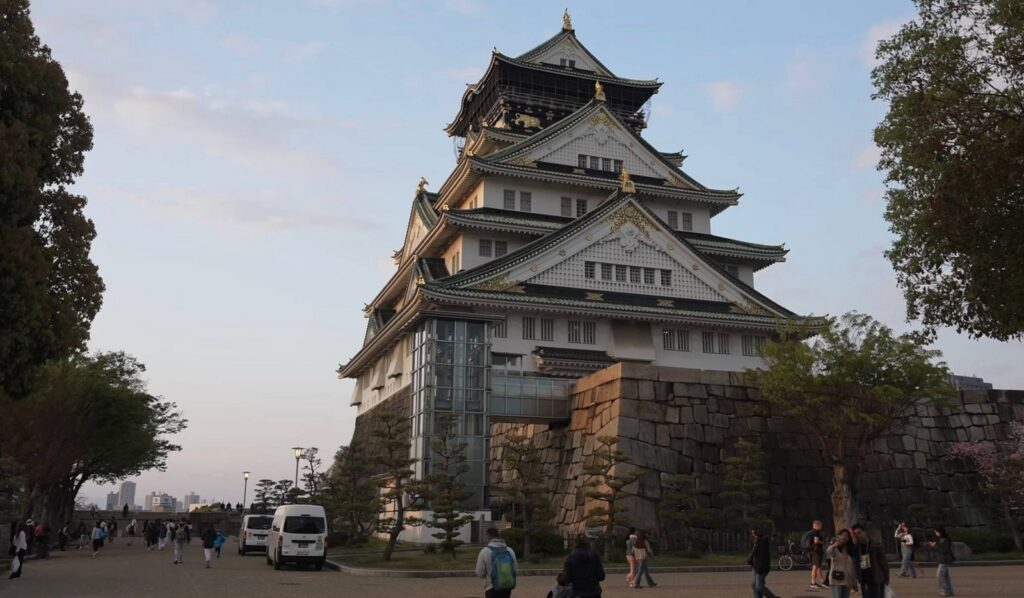
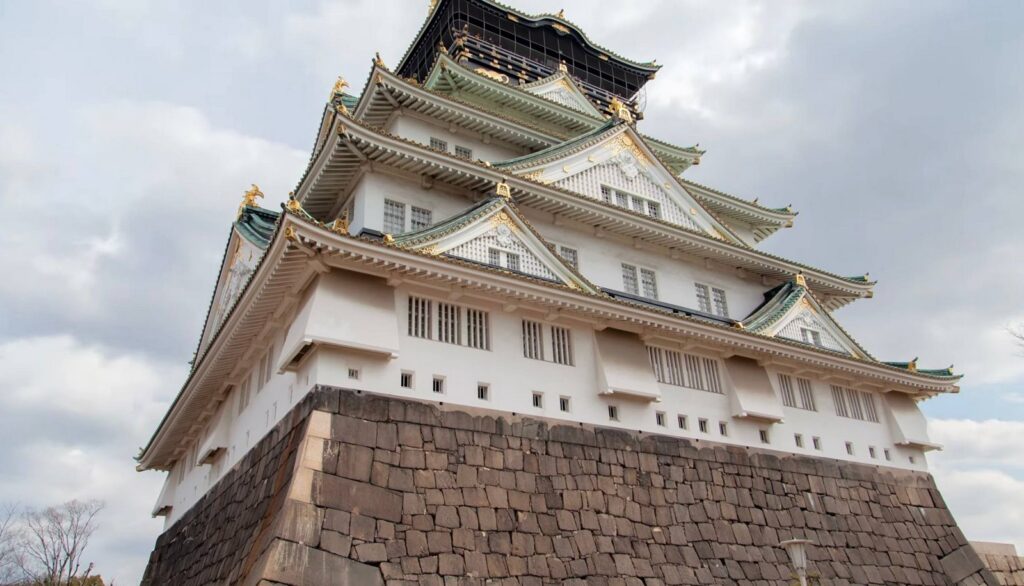
Osaka Castle is one of the city’s most iconic landmarks, deeply connected to Toyotomi Hideyoshi and the dramatic history of the Sengoku period. Before you visit, it is helpful to set the right expectations: this isn’t a walk through a preserved medieval fortress. The main tower is actually a modern reconstruction housing a detailed museum and an observation deck, all nestled within a vast landscape of massive stone walls, wide moats, and the scenic Osaka Castle Park.
For many, the highlight of the visit is the castle’s exterior. The sight of the white, green, and gold tower rising above the stone ramparts is truly impressive. Inside, the experience shifts to a professional museum setting with historical displays, models, and visual exhibits, culminating in panoramic city views from the top floor. With a solid rating of **4.4**, the consensus is clear: the park and the castle’s grand architecture are the main attractions, while the museum is best enjoyed by those interested in a modern historical exhibition.
Key information for visiting Osaka Castle
Address:
1-1 Osakajo, Chuo-ku, Osaka City 540-0002, Japan
How to Get There
Reaching Osaka Castle is straightforward via Osaka’s efficient train and metro network. Since the surrounding park is quite large, your choice of station will determine your walking path. Popular options include **Osaka-jo Koen**, **Osakajokitazume**, **Morinomiya**, and **Tanimachi**. The best station for you depends on your starting point and which side of the park you prefer to enter from.
From Osaka-jo Koen Station, expect a pleasant **10–15 minute** walk to reach the castle area. Morinomiya Station is ideal if you want to start with the open park spaces, while Tanimachi is the best approach from the west. For most travelers, public transport is much more convenient than driving, especially if you plan to explore other central Osaka neighborhoods on the same day.
Click here to learn more about creating a personal itinerary
Parking
For those arriving by car, the most practical parking areas are **Morinomiya Parking** and a designated **Bus Parking** lot located on the southern or south-eastern side of the park. However, keep in mind that a car offers little advantage here; even after parking, you will still need to walk through the park grounds to reach the main tower.
Given the central location, taking the train or metro is usually faster and saves you the stress of navigating city traffic and finding a spot. A car is only recommended if your daily route includes destinations outside the main rail network. For a visit centered on Osaka Castle, public transport remains the smarter and more practical choice.
Opening Hours
The Osaka Castle Museum (Main Tower) is typically open from 09:00 to 17:00, with the last entry at 16:30. Opening hours are sometimes extended during peak seasons. The surrounding park area is accessible 24 hours a day, offering more flexibility for a stroll.
Tickets
Entrance to Osaka Castle Park is free. Tickets for the Osaka Castle Museum (Main Tower) are ¥1,200 for adults, ¥600 for high school and university students, and free for children up to junior high age. Access to the Nishinomaru Garden requires a separate ticket: ¥300 for adults and free for children under 15. The Osaka Castle Gozabune Boat tour costs ¥1,800 for adults, ¥900 for elementary/junior high students, ¥1,200 for seniors (65+), and is free for preschool children.
From: 1200 JPY
Duration
Allow approximately 1.5–2 hours for a focused visit covering the main tower and some photography. For a more relaxed experience that includes the full park, the impressive stone walls, gardens, and all museum floors, plan for **2–3 hours**.
Best Time to Visit
The castle is most photogenic during the spring cherry blossom season and the autumn foliage peak, when maples and ginkgo trees transform the park with vibrant colors. Late March to early April is particularly popular for sakura, so be prepared for larger crowds during this time.
To enjoy a quieter atmosphere, try to arrive early in the morning and purchase your tower tickets online in advance. Even if you choose to skip the museum, the park remains a wonderful destination for a relaxed walk to admire the massive moats, historic stone walls, and the castle’s striking exterior.

Since 2015, our website has specialized in individual planning of unique routes, taking into account personal preferences and desires.
Each of you will receive a unique PDF file from us, which contains everything you need: travel routes, car rentals, hotels, the best tourist attractions, attractions for kids and everything you need for a perfect vacation.
During the trip, we are available for you by phone via WhatsApp.
Our personal service provides information from A to Z, taking into account many small details that can become a decisive factor on the way from a wasted trip to an unforgettable vacation.
Our service will make your trip comfortable, save a lot of time on planning and preparation, and most importantly – will allow you to become freer and fully enjoy the pleasure of the trip.
What to see at Osaka Castle
Osaka Castle is best experienced as a blend of its iconic main tower, informative museum floors, and the sprawling defensive landscape that surrounds it. While the tower is the central landmark, the massive stone walls, deep moats, and historic gates are equally vital to the experience, creating a sense of grandeur long before you step inside.
Osaka Castle Main Tower
Main Tower / Osaka Castle Museum
The main tower serves as the visual heart of the complex, its white walls and gold-leaf accents rising elegantly above the park. As a 1931 reconstruction, the interior feels more like a modern gallery than a drafty medieval fortress. Today, it houses a comprehensive museum dedicated to the life of Toyotomi Hideyoshi and the pivotal conflicts of the Sengoku period.
Setting expectations is key: visitors seeking original wooden interiors might be surprised by the concrete structure and elevators. However, those interested in well-curated exhibits, historical models, and panoramic city views will find the visit highly rewarding. Be aware that the observation deck and elevator areas can become quite congested during peak hours.
Opening Hours: Usually 9:00–17:00, last admission at 16:30
Adults — ¥1,200; high school and university students — ¥600; children up to junior high school age — free
Tip from the itinerary expert: buy your tickets online in advance to bypass the longest lines. If you are physically comfortable doing so, taking the stairs instead of waiting for the elevator can save significant time, though be prepared for **several flights of steps**.

Distance/Time: Inside Osaka Castle Park
Observation Deck
Top-floor viewpoint
The castle’s top floor offers a sweeping 360-degree view of the park, the protective moats, and the shimmering modern skyline of Osaka. This vantage point provides a unique perspective on the castle’s defensive layout, highlighting the contrast between the historic fortifications and the surrounding urban development.
As one of the most popular spots in the tower, the deck is rarely quiet. During busy times, expect a steady flow of people along the railing. On a clear day, the visibility is excellent, making it a perfect spot to orient yourself and see how the castle grounds connect to the nearby Osaka Business Park.
Opening Hours: Accessible during Main Tower opening hours
Included with Osaka Castle Museum / Main Tower admission
Tip from the itinerary expert: when you enter the tower, consider heading straight to the observation deck first. You can then leisurely explore the museum exhibitions on each floor as you descend, which often feels more relaxed than rushing the view at the end.
Distance/Time: Top floor of the Main Tower
Museum Exhibitions
History floors inside the tower
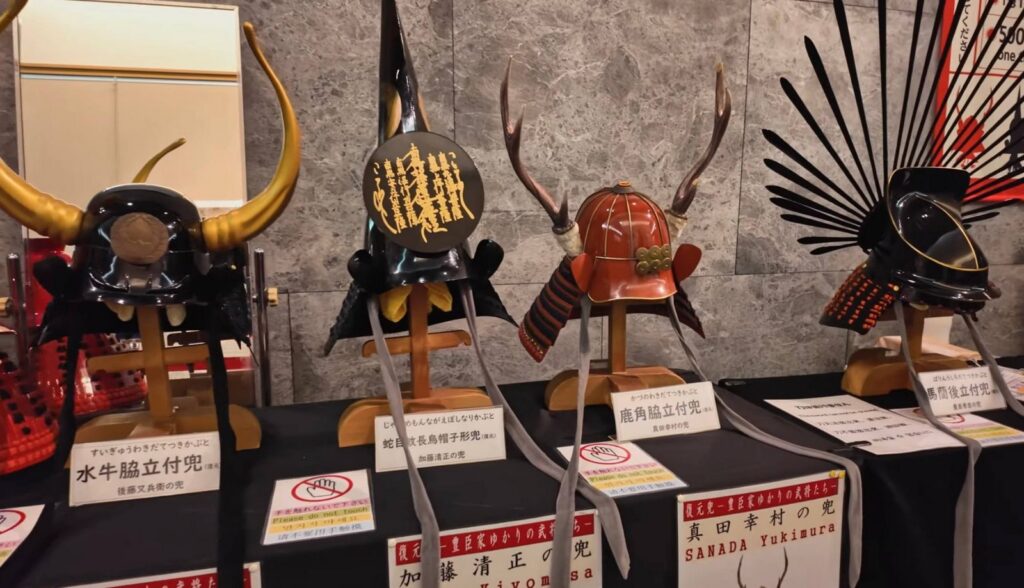
The museum floors masterfully detail the rise and fall of the Toyotomi clan and the dramatic Siege of Osaka. Through a mix of authentic artifacts, detailed dioramas, and digital panels, the history of the Sengoku period is made accessible to everyone, regardless of their prior knowledge of Japanese history.
The strength of this museum lies in its storytelling and educational value. It focuses on the political and military significance of the site rather than architectural preservation. Note that photography is restricted in certain areas to protect the artifacts, so it is best to focus on the information rather than planning for indoor photos.
Opening Hours: Accessible during Main Tower opening hours
Included with Osaka Castle Museum / Main Tower admission
Tip from the itinerary expert: before heading inside, ensure children or first-time visitors understand that this is a **modern museum, not an original 16th-century interior**. This small distinction helps manage expectations and leads to a much more satisfying visit.
Distance/Time: Inside the Main Tower
Stone Walls and Giant Stones
Ishigaki walls and Tako-ishi Stone
The massive stone walls (Ishigaki) are perhaps the most authentic remaining feature of the castle. Built from enormous granite blocks fitted together without mortar, they rely entirely on gravity and precise engineering for their legendary stability. The sheer scale of these ramparts offers a tangible sense of the castle’s historical defensive power.
Look out for the legendary giant blocks, some weighing over 100 tons. The most famous is the Tako-ishi (Octopus Stone), a testament to the immense resources and labor available to the shogunate. For many travelers, these weathered walls and the deep moats they support feel even more atmospheric than the reconstructed tower itself.
Opening Hours: Open as part of the park and castle grounds
Free to view from the park and castle grounds
Tip from the itinerary expert: don’t just walk past the walls on your way to the tower. Take a moment near the main gates to appreciate the **monumental scale of the masonry**; it is often the most memorable part of the entire complex.
Distance/Time: Around the main castle area
Sakuramon Gate
Main approach to the inner castle area
Sakuramon Gate marks the transition from the outer park into the inner sanctum of the fortress. As you pass through this historic entry point, the defensive architecture becomes more intimate and imposing. The paths narrow, the stonework grows more intricate, and the main tower suddenly comes into full view.
This area is a prime spot for photography, as it perfectly layers the gate’s traditional architecture with the looming castle tower in the background. While it can get crowded—especially during the cherry blossom season—it remains the best place to appreciate the strategic layout of the original fortress.
Opening Hours: Open as part of the castle grounds
Free to view
Tip from the itinerary expert: treat Sakuramon Gate as a natural pause in your walk. It’s an ideal spot to slow down, take your photos, and absorb the atmosphere before continuing your approach to the main tower.
Distance/Time: On the approach to the Main Tower
Moats and Gokuraku-bashi Bridge
Water views around Osaka Castle
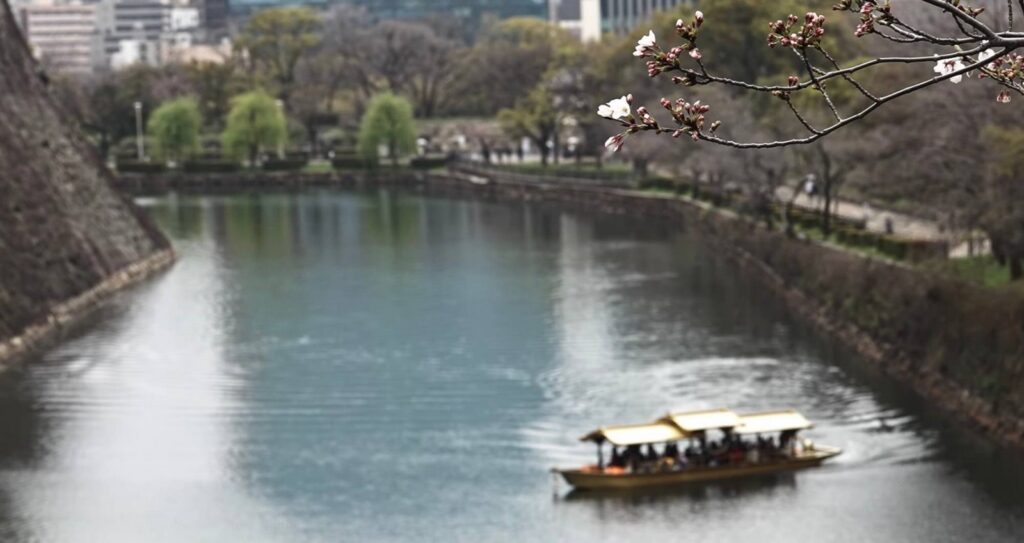
The expansive moats provide Osaka Castle with its unique character, separating the historic grounds from the modern city and creating stunning reflections. Gokuraku-bashi Bridge offers one of the most scenic approaches, framing the castle beautifully against the water and high stone walls.
These outdoor spaces are perfect for those with limited time or those traveling with children who might find museum queues difficult. A walk along the water’s edge provides a powerful impression of the castle’s scale and beauty without requiring a ticket or an indoor wait.
Opening Hours: Open as part of Osaka Castle Park and the surrounding grounds
Free to view
Tip from the itinerary expert: if you are on a tight schedule, prioritize the views from the moats and Gokuraku-bashi Bridge. This allows you to capture the essence of Osaka Castle and its grand exterior in a relatively short amount of time.
Distance/Time: Around the inner and outer castle grounds
Nishinomaru Garden
Garden views of Osaka Castle
Nishinomaru Garden is a beautifully maintained lawn and garden that offers some of the most famous views of the castle tower. It is a premier destination during the spring, when hundreds of cherry trees create a classic ‘hanami’ setting. Beyond the blossoms, the garden provides a peaceful retreat from the more crowded areas near the museum.
Even outside of the flower seasons, the garden is worth a visit for anyone seeking a quieter, greener perspective of the castle. Since it requires a separate entry fee, it is a good idea to check the seasonal conditions and your overall schedule before deciding to head inside.
Opening Hours: Opening times may vary by season; check before visiting
Adults — ¥300; children under 15 — free
Tip from the itinerary expert: during cherry blossom season, treat Nishinomaru Garden as a destination in its own right. It is one of the best places to enjoy the blossoms with the castle as a backdrop, though you should still expect seasonal crowds.
Distance/Time: Within Osaka Castle Park
What is near Osaka Castle and worth visiting?
- Osaka Castle Park — The most natural addition to your route, as the castle is located right in the heart of this expansive green space. With its walking paths, open lawns, and seasonal blooms, the park is perfect for a stroll before or after your museum visit. Since entry is free, it also serves as an excellent backup plan if the tower queues are too long or if the weather is better suited for the outdoors.
- Nishinomaru Garden — A serene, ticketed garden within the castle grounds offering some of the most iconic unobstructed views of the tower. It is world-famous for its cherry blossoms in spring, but even in other seasons, it provides a peaceful alternative to the busier areas of the park. This spot is best for those who prefer a slower, more scenic pace.
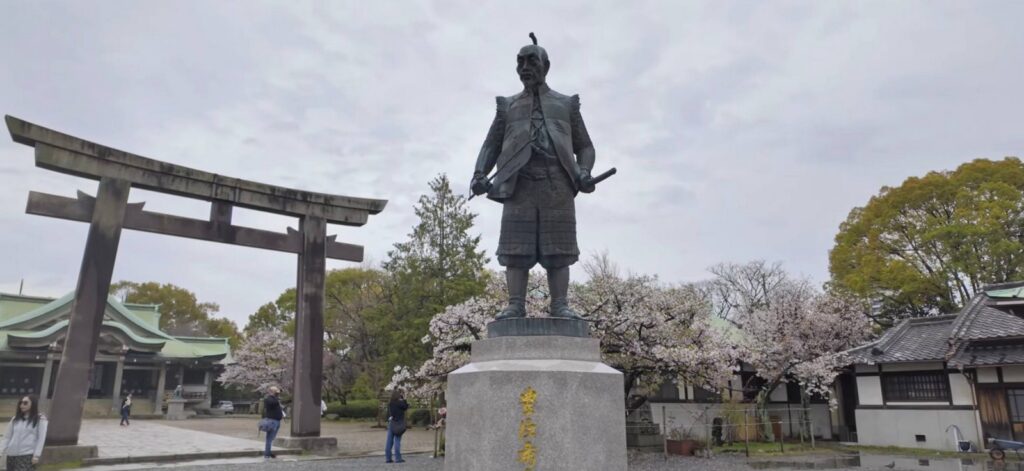
- Hokoku Shrine — A charming shrine located just a short walk from the castle, dedicated to Toyotomi Hideyoshi. It is a quick and easy stop that adds a layer of spiritual and historical context to your trip without the commitment of another full museum visit.
- Miraiza Osaka-jo — Located right next to the main tower, this historic building has been converted into a hub for snacks, souvenirs, and dining. It is a convenient place to regroup and rest, especially on crowded days, offering a much more comfortable experience than the smaller gift shops inside the tower itself.
- Osaka Castle Gozabune Boat — A roughly **20-minute** boat ride that glides along the inner moat. It offers a unique perspective of the monumental stone walls and the tower from the water. It’s a great ‘light’ activity for families or anyone needing a break from historical displays. Tickets are separate: adults — ¥1,800, children (elementary/junior high) — ¥900, seniors (65+) — ¥1,200, and preschool children — free.
- Osaka Museum of History — Situated just outside the park, this museum is perfect for those who want a deeper dive into the city’s overall development. However, if your group is already feeling tired after the castle and park, it’s better to save this for another day to avoid ‘museum fatigue.’
- Osaka Business Park — Easily visible from the castle’s observation deck, this district offers a sharp modern contrast to the historic ruins. With its sleek skyscrapers and urban atmosphere, it’s an interesting place for a quick walk-through as you head back toward the city’s rail stations.
Tip from the itinerary expert: avoid the temptation to visit every single nearby attraction. A well-balanced route usually consists of **Osaka Castle Park + the Main Tower + one extra stop**, like the Gozabune Boat or Hokoku Shrine. This keeps the experience enjoyable rather than turning it into a tiring checklist.
Who is Osaka Castle suitable for?
- First-time visitors to Osaka — As the city’s most recognizable landmark, the castle is an essential introduction to the region’s heritage. Even if you choose not to go inside, exploring the massive moats, gates, and the tower’s exterior provides a powerful visual experience that defines a trip to Osaka.
- Families — The wide-open spaces of the park are ideal for children to move around freely. You can easily scale the visit: a full route might include the museum and a boat ride, while a lighter version can focus on the outdoor areas. Just be mindful that the museum interior can become very crowded, especially around the elevators and narrow stairs.
- Photography enthusiasts — The best shots are often found outside the tower: the reflection of the castle in the moat, the dramatic stone ramparts, and the seasonal colors of spring or autumn. While the observation deck offers wide city views, the protective railings can sometimes hinder professional photography, so prioritize the garden and moat areas for the cleanest exterior shots.
- History buffs — The museum is a treasure trove of information regarding the Sengoku period and the life of Toyotomi Hideyoshi. Keep in mind that the interior is a modern reconstruction designed for education rather than atmosphere. If you are specifically looking for an original, preserved feudal interior, you may want to adjust your expectations accordingly.
- Seniors and those preferring a gentle pace — The park is quite enjoyable at a slow stroll without ever entering the tower. While the museum has an elevator, there are often long waits, and some stair climbing is still required between floors. For a more relaxed day, focus on the benches, the garden views, and the more accessible outdoor sections.
- Visitors with limited mobility — The castle grounds are extensive and involve significant walking, sometimes over uneven surfaces. While the tower is equipped with an elevator, it doesn’t always eliminate the need to navigate through dense crowds. For the most comfortable experience, stick to the paved outdoor viewpoints and try to avoid visiting during peak hours.
- Travelers on a tight schedule — Osaka Castle works well as a quick photo stop. You can see the most impressive features—the stone walls, the moats, and the tower’s grand exterior—in a short amount of time by focusing on the area around Sakuramon Gate. Entering the museum significantly increases the duration of your visit due to potential ticket and elevator lines.
Click here to learn more about creating a personal itinerary
Tip from the itinerary expert: decide on your approach before you arrive. For a **quick scenic stop**, focus primarily on the exterior and park grounds; for a **deep historical experience**, allow plenty of time to explore the museum floors and the observation deck.
2-day Osaka Castle itinerary
Trip Duration: 2 days
Day 1 — Osaka Castle Main Tower, museum floors and classic park views
Morning, 10:00–12:30. Begin your journey at Osaka-jo Koen Station or Morinomiya Station. From either entrance, it’s a pleasant 10–15 minute walk to reach the heart of the complex. Stroll through the expansive park, taking in the deep moats and towering stone walls before you reach the ticket gate. While the park is free to explore, entry to the Main Tower costs ¥1,200 for adults and ¥600 for high school/university students (children up to junior high age enter free).
Inside the Main Tower, head straight to the observation deck for panoramic city views, then work your way down through the exhibition floors. Keep in mind this is a modern museum rather than a preserved wooden interior. Focus on the fascinating displays regarding Toyotomi Hideyoshi and the historic Siege of Osaka. Allow 1.5–2 hours for the tower, especially if there are queues for the elevator during peak times.
Lunch, 12:30–13:30. Stay within the castle grounds to maximize your time. Miraiza Osaka-jo offers a variety of convenient dining options, from quick cafés to proper sit-down meals. For a simple lunch of ramen, curry, or udon, budget roughly ¥900–¥1,500 per person, while a casual restaurant meal typically ranges from ¥1,500–¥2,500.
Afternoon, 13:30–16:30. Transition back outside to explore Sakuramon Gate and the legendary inner fortifications. Don’t miss the massive granite blocks—some, like the famous Tako-ishi, weigh up to 130 tons. Afterward, cross the Gokuraku-bashi Bridge, which provides one of the most stunning angles of the castle rising above the water and stone ramparts.
Evening, 16:30–18:00. Conclude the day with a relaxed walk through the park’s seasonal areas. Whether it’s the cherry blossoms of spring or the golden ginkgo leaves of autumn, the atmosphere is perfect for a slow exit. For dinner, Jo-Terrace Osaka near the station offers a great selection of casual eateries and izakayas, with meals ranging from ¥1,500 to ¥4,500 per person depending on your choice of drinks and style.
Tip from the itinerary expert: I highly recommend purchasing your Main Tower tickets online in advance. By arriving near opening time and treating the park as an essential part of the experience rather than just a path, you can avoid the heaviest crowds at the elevator and observation deck.
Overnight Location: Osaka
Day 2 — Nishinomaru Garden, Gozabune Boat and slower family-friendly park route
Morning, 10:00–11:30. Approach the castle from the west today, starting at Tanimachi or Osakajokitazume station for a fresh perspective. Head directly to Nishinomaru Garden. This day is designed to be slower and more scenic, prioritizing the outdoors and quiet moments over indoor exhibitions. Entry to the garden is ¥300 for adults (children under 15 are free).
Nishinomaru Garden is the premier spot for cherry blossom viewing, but its wide-open lawns offer the best unobstructed views of the castle tower year-round. Spend 1–1.5 hours here enjoying the scenery at your own pace. If you’re visiting during the peak of spring, arrive early as this area is a favorite for local families and photographers.
Lunch, 11:30–12:30. For a light bite, visit the food kiosks or cafés near the Morinomiya side of the park. You can find high-quality onigiri, sandwiches, or bakery sets for ¥500–¥1,200. If you prefer a full meal, the restaurants at Miraiza Osaka-jo remain a reliable choice with lunch sets averaging ¥900–¥1,500.
Afternoon, 12:30–15:30. Board the Osaka Castle Gozabune Boat for a unique 20-minute cruise around the moat. This gold-leaf trimmed boat offers an incredible angle on the high stone walls that you simply can’t get from the shore. Tickets are ¥1,800 for adults, ¥900 for children, and ¥1,200 for seniors.
After the boat tour, enjoy a gentle walk through the quieter eastern and northern sections of the park. If your group still has some energy, make a brief 20-minute stop at Hokoku Shrine to admire its traditional architecture and the statue of Toyotomi Hideyoshi before heading out.
Evening, 15:30–18:00. Exit the park toward Osaka Business Park, where the sleek skyscrapers provide a striking modern contrast to the day’s historic views. For your final dinner, Jo-Terrace Osaka is again a great option, or you can try one of the yakiniku (Japanese BBQ) restaurants in the area, which typically range from ¥2,000 to ¥4,000 per person for a satisfying meal.
Tip from the itinerary expert: on the second day, I recommend skipping the Main Tower interior. Focusing on the Nishinomaru Garden and the Gozabune Boat gives you a completely different experience of the castle that is much easier on the feet and perfect for families with younger children.
Overnight Location: Osaka
Traveller reviews of Osaka Castle

Daniel Morgan
April 2018

We visited in early April, and the cherry blossoms made the entire park feel surreal. Interestingly, the kids were more captivated by the deep moats and massive stones than the museum itself. The panoramic view from the top is definitely worth the climb, though the balcony area can feel quite cramped during peak hours.
Emma Collins
November 2023

The exterior is breathtaking, though the interior is much more modern than I had anticipated. While I appreciated the historical exhibits about Toyotomi Hideyoshi, my son lost interest after a few floors. The stunning autumn foliage throughout the grounds was a highlight for us. Buying tickets online was a lifesaver to skip the long queues.
Michael Adams
July 2019
The castle looks magnificent from afar, but inside it feels more like a crowded museum within a concrete shell. It was incredibly hot during our July visit, and many paths through the park offer very little shade. It’s great for photos, but it lacks that ancient ‘magical’ atmosphere I expected.
Sophie Bennett
March 2025
Spending most of our time exploring the grounds was the right call. The stone walls are truly imposing, the moat views are serene, and the children enjoyed having space to run around. Nishinomaru Garden was a lovely addition, even if the crowds were starting to gather for the blossoms.
Robert Hughes
May 2017
It was far too crowded for my liking. From the ticket machines to the elevator queues and narrow corridors, the whole experience felt quite stressful. While the view from the top is pleasant, we barely had room to move. I would have preferred a quiet walk through the park without entering the tower at all.
Laura Mitchell
January 2024
A crisp morning with a clear sky made for a wonderful visit without the usual chaos. The museum was surprisingly easy to navigate with excellent English signage, and the city views were incredibly sharp. We enjoyed warming up with some hot coffee near Miraiza Osaka-jo afterward.
Thomas Walker
October 2022
A very practical and enjoyable visit. We took the train to Osaka-jo Koen and enjoyed the 15-minute walk. To our surprise, the kids absolutely loved the little road train! The museum shop was a bit tight, so I’d recommend looking for souvenirs at the outdoor stalls instead.
Nina Roberts
August 2016
The architecture is undeniably gorgeous, but visiting in August was a challenge. The walk was humid, though the air conditioning inside provided some relief. It still felt very packed despite the cooling. I’m glad I saw it, but I would definitely recommend visiting in spring or winter instead.
Tips from the Itinerary Expert

Buy the Main Tower ticket online only if you are actually going inside
Don’t waste time standing in the physical ticket machine line. If the queue at Osaka Castle Main Tower looks long, I recommend buying your ticket online on the spot to go straight to the entrance. However, if the kids are already tired, feel free to skip the tower and enjoy the moats, walls, and park instead.
Treat the tower and the park as two different experiences
During my first visit, I rushed through everything as one quick stop. The experience is much better when split into two distinct parts: exploring the Main Tower and observation deck first, followed by a slower outdoor walk past Sakuramon Gate, the giant stones, and Gokuraku-bashi Bridge. This variety helps keep children engaged.
Use the stairs strategically, not heroically
If the elevator queue is stalled, only opt for the stairs if everyone has enough energy. The tower has several floors, and the climb can be exhausting with children or in humid weather. A more comfortable compromise is often taking the elevator up and walking back down.
Explain beforehand that the interior is a modern museum
To manage expectations, I always tell children that Osaka Castle is a modern museum inside a reconstructed shell, not an ancient samurai residence. This simple explanation prevents disappointment and makes the displays on Toyotomi Hideyoshi and historic battles more interesting to explore.
Use Miraiza Osaka-jo as your reset point
After visiting the Main Tower, avoid dragging everyone immediately to the next landmark. Use Miraiza Osaka-jo as a convenient ‘reset’ stop for restrooms, snacks, or coffee. It’s a great time-saver because it keeps you right in the heart of the park.
For the best photos, look beyond the tower's front entrance
The area directly in front of the Main Tower is usually too crowded for a clean shot. I find that moving toward the moat, Gokuraku-bashi Bridge, or the garden-side angles yields much better photos, capturing the castle as it rises majestically above the water and stone walls.
Save Nishinomaru Garden for a relaxed finish
Don’t treat Nishinomaru Garden as a rushed add-on. It’s best used when you want open views, cherry blossoms, or a quiet break after the museum. While the entry fee is small, the garden is most enjoyable when you actually have the time to slow down and linger.
Opt for the Gozabune Boat when children need a change of pace
When museum exhibits start to feel repetitive, switch to the Osaka Castle Gozabune Boat. The 20-minute ride is short and engaging, offering children a fresh perspective of the massive stone walls from the water without requiring them to read more displays.
Do not underestimate the walking distance from the station
The walk from Osaka-jo Koen or Morinomiya is straightforward but takes about 10–15 minutes. Especially in the summer heat, factor this walk into your energy budget instead of expecting to start the tower tour the moment you step off the train.
Insights from the Itinerary Expert
I visited Osaka Castle in November 2023, and honestly, the exterior impressed me far more than the interior at first glance. The tower looks magnificent from the park, especially with the surrounding moat, the massive stone walls, and the intricate green-and-gold details. Inside, however, it is clearly a modern museum rather than an ancient wooden fortress, which can be a disappointment for visitors expecting a more historic atmosphere.
We arrived later than planned, around midday, when the area near the Main Tower was already packed with tourists. Traveling with children, we noticed they grew tired quickly due to the crowded floors and the slow-moving elevator lines. What worked much better was stepping back outside to explore Sakuramon Gate and Gokuraku-bashi Bridge, where we could take stunning photos from the moat without fighting for space near the entrance.
Osaka Castle remains a worthwhile stop in Japan, provided you build your visit around the park views, the boat ride, or the gardens rather than just the museum. If you’re looking for a stress-free trip, we can design a personalized route for you through Osaka and beyond, at a pace that perfectly fits your family’s needs.
Osaka Castle travel prices
| Name | Amount | Description |
|---|---|---|
| Budget hotel / simple business hotel | ¥6,000–¥12,000 per room per night JPY | A practical choice for travelers seeking a private room without the cost of extra amenities. Rates often increase during the cherry blossom season, weekends, and Japanese public holidays. |
| Mid-range 3-star hotel | ¥12,000–¥22,000 per room per night JPY | A realistic budget for a comfortable stay for two people in Osaka. This is especially applicable in convenient districts such as Namba, Shinsaibashi, or Umeda. |
| Higher-end 4-star or premium family hotel | ¥22,000–¥40,000+ per room per night JPY | Ideal for families, peak-season trips, or stays near major transport hubs. Prices fluctuate significantly depending on the date, room category, and cancellation policies. |
| Public transport to Osaka Castle | ¥190–¥390 per Osaka Metro ride JPY | Fares depend on the distance, but a short ride is typically sufficient. The Osaka Metro 1-Day Pass is ¥820 on weekdays and ¥620 on weekends/holidays for adults; children pay ¥310. |
| Casual restaurant meal | ¥1,500–¥2,500 per person JPY | A standard range for a casual meal near sightseeing areas. More affordable options like ramen, udon, or curry sets usually range between ¥900 and ¥1,500. |
Osaka Castle FAQ
06
Is Osaka Castle comfortable to visit with a stroller?
While the park is spacious, the full route involves long walking distances, crowds, and some uneven surfaces. Inside the tower, elevator queues can be inconvenient, so a lighter outdoor route is often more practical for families with strollers.
07
Is it worth renting a car for Osaka Castle?
A car is convenient if your itinerary includes areas outside central Osaka. However, for the castle alone, the train or metro is easier; the site is centrally located, and you will still need to walk a fair distance through the park from any parking lot.
What we propose

Emma Heidi
Customer Experience Manager
Take all the stress out of planning your trip!
With our experts, you can create the perfect itinerary for you – complete, comfortable, and tailored to all your dreams, wishes, and needs.
We take care of every little detail, so you can simply focus on enjoying your journey.
We’ve been designing personalized itineraries since 2015, and over the years we’ve created thousands of custom itineraries for happy clients.

Save time, avoid confusion – we do the work for you. Our service saves you weeks of searching, reading, comparing, and complicated planning. Instead of wasting endless hours – you receive a ready-to-use, accurate and clear itinerary.

A tailor-made itinerary – built just for you. Your itinerary is personally designed based on our experts’ real field experience and genuine feedback from hundreds of travelers – including hidden discoveries and insider tips that don’t appear in any travel guide.

Smart accommodation selection – often saves you hundreds or even thousands of dollars. We help you choose verified and recommended places to stay, checking availability for your exact travel dates. Sometimes we suggest hotels not “in the center,” but in safe, convenient, and highly strategic locations – which can significantly reduce travel costs and save you even thousands of dollars.

We’re by your side even during the trip. We stay with you throughout your vacation – providing professional help whenever needed. If the weather changes, there’s a strike, a local event, heavy crowds, or any unexpected situation – we are here to update, guide, and adjust your itinerary in real time.

Easy-to-use itinerary – with direct navigation links. Your itinerary includes direct Waze / Google Maps links – no need to search for parking addresses, no stress, no mistakes. Just tap – and go.

Service cost: from only $420. (Special price for short itineraries up to 5 days). Clients tell us the itinerary saves them costly mistakes, fines, wrong choices – plus exclusive discounts on car rentals, better-priced accommodations, and money-saving local tips.
Want to know if it’s really worth it?
Take a look at the experiences of travelers who built their personal itinerary with us.
Click here and let’s start building the itinerary that will save you time, money, and stress – and turn your vacation into perfection.
Of course, your first inquiry is completely free – with no commitment whatsoever.
How it works


- You are welcome to contact us
- We discuss your trip
- You fill out a special form
- We create your itinerary
- You get it with all useful tips
- We are in touch with you all the time