My love for Japan began the moment I arrived in Tokyo. The country amazed me with its harmony of ancient traditions, cutting-edge technology, breathtaking nature, and a culture unlike any other. Since then, Japan has become a part of my life, and I return there again and again. Today I help travelers discover the real Japan: I create personalized itineraries, give lectures, and prepare guests for their unforgettable journey. I would be delighted to open Japan for you too!


Japan
Japan is a captivating blend of contrasts, where ultra-modern megacities coexist with ancient temples, and cutting-edge technology merges seamlessly with centuries-old traditions. Over the past two decades, this country has transformed from an exotic destination into one of the world’s most sought-after travel spots, and rightly so.
Key Highlights
- Timing is crucial – Spring (sakura) and autumn (momiji) provide unforgettable experiences, while summer festivals and winter onsens offer their own unique charm. It’s best to avoid Golden Week (late April to early May) due to large crowds and inflated prices.
- Exceptional Transportation – IC cards (Suica/Pasmo) are accepted everywhere, and the JR Pass is beneficial only if you take three or more shinkansen trips. Trains arrive with 30-second precision, so avoid rush hours from 7:30-9:30 AM and 5:30-7:30 PM.
- Tokyo – A City of Contrasts – Experience traditional Asakusa with Senso-ji Temple, and the futuristic Shibuya, where 3 million people cross daily. For attractions like TeamLab and Tokyo Skytree, advance booking is required.
- Kyoto – A Living History – Home to 1,600 temples, including Fushimi Inari with its 10,000 torii gates (best visited before 7:00 AM), the Golden Pavilion, and the Gion geisha district. Engage in tea ceremonies and kimono walks for a richer cultural experience.
- Culinary Capital – From 100 yen conveyor sushi to Michelin-starred restaurants at 30,000 yen, Japan offers a gastronomic adventure. Don’t miss okonomiyaki in Osaka, Hida beef in Takayama, and four types of ramen, along with strict chopstick etiquette.
- Cultural Etiquette – Bowing replaces handshakes, silence is expected on public transport, shoes must be removed in temples, tipping is not customary, and personal space is highly respected. While Japanese politeness is renowned, it also requires reciprocity.
- Smart Budgeting – Aim for 50,000-70,000 yen in cash per week, enjoy tax-free shopping starting at 5,000 yen, book early for sakura season, and consider regional passes over the JR Pass for shorter routes.
Brief Overview of Japan
Japan is a unique place where 1,400-year-old temples coexist with robot waiters, and traditional onsens are nestled in the shadows of skyscrapers. This guide covers the main destinations from the megacity of Tokyo to the cultural capital Kyoto and the gastronomic Osaka.
What You’ll Find in This Guide
- Detailed transportation information, including secrets of using IC cards and JR Pass profitability calculations.
- Practical accommodation advice – from capsule hotels at 3,000 yen to traditional ryokans with kaiseki dinners.
- Insider lifehacks for avoiding crowds at popular places and optimal timing for visits.
- Detailed etiquette and cultural features for respectful interaction with Japanese people.
- Gastronomic guide from street food to Michelin restaurants with behavioral rules explanation.
- Ready-made 10-day itinerary with time and budget optimization.
Planning Your Japan Trip
Best Time to Visit Japan
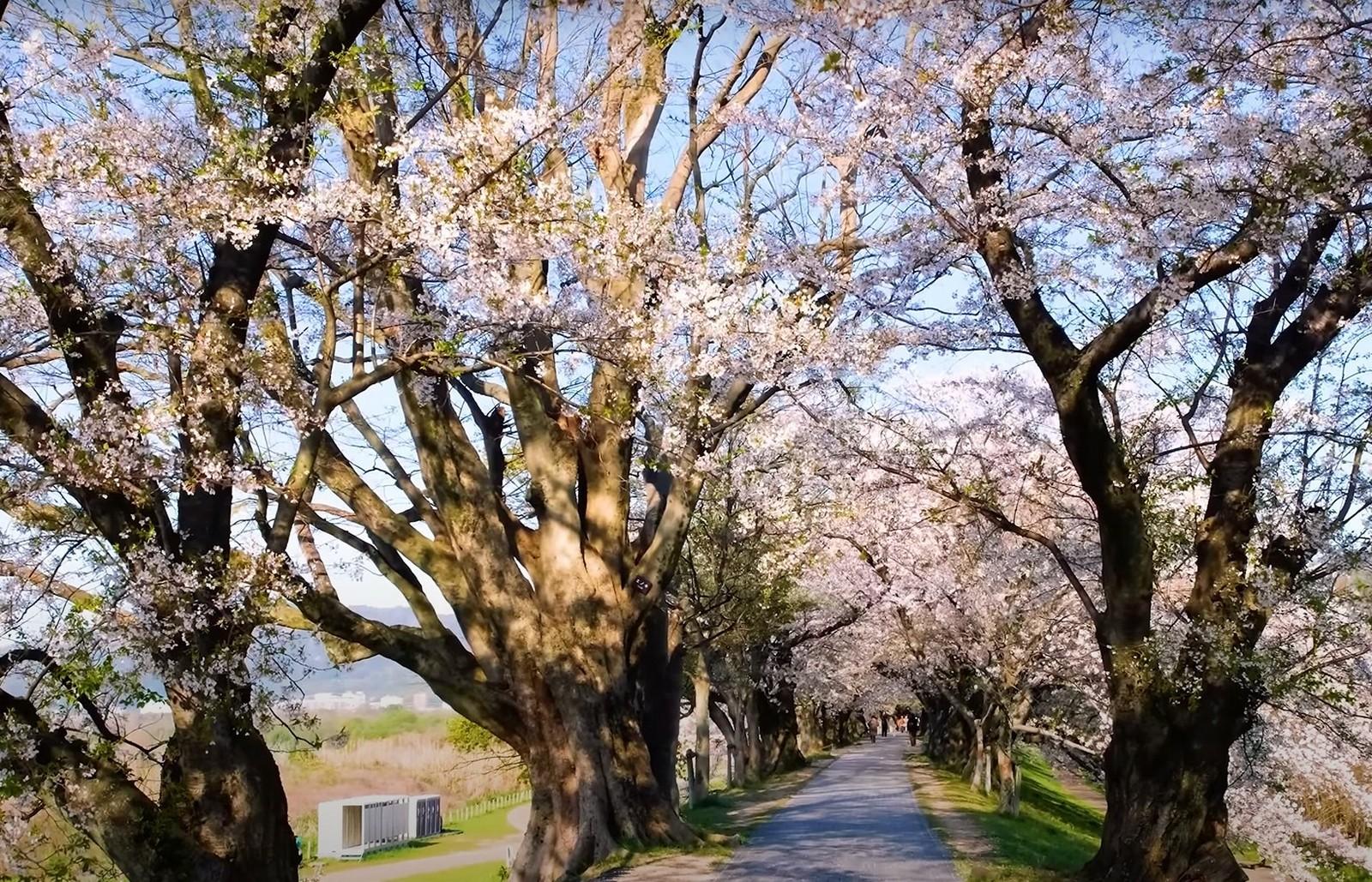
Spring (March-May) is the most enchanting time to visit, as cherry blossom season transforms the landscape into a pink fairy tale. The hanami (flower viewing) tradition offers a glimpse into Japanese aesthetics, though expect crowds and higher prices.
Summer (June-August) brings heat and the rainy season, but also vibrant festivals. Tsuyu (rainy season) lasts from mid-June to mid-July, but don’t be discouraged—rain often falls at night, leaving fresh, pleasant days.
Autumn (September-November) is often regarded as the ideal time to visit. The beauty of momiji (autumn leaves) rivals that of cherry blossoms, with fewer tourists around. The weather is comfortable, and humidity decreases.
Winter (December-February) is perfect for onsen enthusiasts and those who enjoy winter illuminations. You can save on accommodation costs while experiencing a quieter side of Japan.
Choosing Your Arrival Airport
For Tokyo: Haneda Airport is conveniently located just 13-15 km from the city center, accessible in 15-30 minutes via the Tokyo Monorail (490 yen) or the Keikyu Line (410 yen). In contrast, Narita Airport is situated 60-80 km away, requiring about one hour on the Narita Express (3,070 yen) or 1.5 hours on regular trains (1,340 yen).
Pro tip: Opt for Haneda for late arrivals, as transport to Narita stops around midnight to 1:00 AM, and taxi fares range from 20,000 to 35,000 yen.
Click here to learn more about creating a personal itineraryTransportation and Connectivity in Japan: Moving Around and Staying Connected
Public Transportation in Japan
IC cards are essential for navigating Japanese transport. Suica and Pasmo cards can be used nationwide, even at vending machines. You can purchase one at any machine for a 500 yen deposit, which is refunded upon return.
The JR Pass is worth considering only if you plan to take at least three shinkansen trips. A 7-day regular pass costs 50,000 yen, while a one-way ticket from Tokyo to Kyoto is 13,320 yen.
Riding the Shinkansen is not just about getting from point A to B; it’s a quintessential Japanese experience. Trains are known for their punctuality and offer beautiful views along the way, along with bento boxes priced between 800 and 1,500 yen, including glimpses of Mount Fuji.
Tip: For the best views of Mount Fuji while traveling from Tokyo to Kyoto, sit on the right side of the train between Kozu and Shizuoka stations.
Urban Transport
Major city metros operate from 5:00 AM to 12:30-1:00 AM. To avoid crowded conditions, steer clear of rush hours (7:30-9:30 AM and 5:30-7:30 PM). Fares within the city range from 180 to 330 yen (Tokyo Metro) and 180 to 430 yen (Toei).
Communication and Internet
Using an eSIM is more convenient than pocket Wi-Fi, as it eliminates the need to carry or charge an additional device. Popular options include:
- Ubigi: starting at $4 for 1GB over 30 days (NTT DOCOMO network)
- Airalo: starting at $4.50 for 1GB over 7 days (KDDI au & SoftBank networks)
Pocket Wi-Fi is ideal for families or groups, as one router can connect multiple devices. Rentals start at 500 yen per day, with airport pickup and return options.
Accommodation in Japan: From Capsules to Luxury Ryokans
Accommodation Types
Capsule hotels offer a unique Japanese experience, costing between 3,000 and 5,000 yen per night. Modern capsules are designed to be more spacious, featuring USB ports and personal lighting. Recommended options include The Millennials Shibuya and First Cabin.
Business hotels embody Japanese practicality, with compact yet well-designed rooms. Notable chains include Daiwa Roynet, Dormy Inn, and APA Hotels, with prices ranging from 8,000 to 15,000 yen.
Ryokans are traditional inns featuring tatami mats and futons, often with private onsens. Prices range from 15,000 to 30,000 yen, typically including kaiseki dinner and breakfast.
Airbnb accommodations are popular in residential areas, offering more space and a chance to experience authentic Japanese living. However, they may be farther from transport hubs and have strict garbage and noise regulations.
Location Selection
Tokyo:
- Shinjuku: vibrant nightlife and convenient transport
- Asakusa: charming old Tokyo atmosphere
- Harajuku: youthful fashion scene and close to parks
- Akihabara: hub for anime and electronics
Kyoto:
- Gion district: a deep dive into traditional culture
- City center: easy access to transport
Osaka:
- Namba/Dotonbori: the culinary heart of the city
- Umeda: A bustling business district with excellent transportation options.
Major Destinations in Japan
Tokyo: The Megacity of the Future
Tokyo is not just one city but a collection of districts, each showcasing its own unique character.
Traditional Areas
Asakusa captures the essence of old Tokyo. The Senso-ji Temple, established in 628 AD, is open 24/7, with the main hall accessible from 6:00 to 17:00 (6:30 to 17:00 from October to March). Entry is free. The best times to visit are early morning (6:00-8:00) or late evening when the temple is beautifully illuminated until 23:00. The Nakamise-dori entrance street features traditional shops selling omikuji (fortune-telling slips for 100 yen) and ningyo-yaki (doll-shaped cookies).
Meiji Shrine, located in Harajuku, is surrounded by 70 hectares of trees from across Japan, providing a peaceful oasis amid the urban hustle. Entry is free, and it is open from sunrise to sunset.
Modern Areas
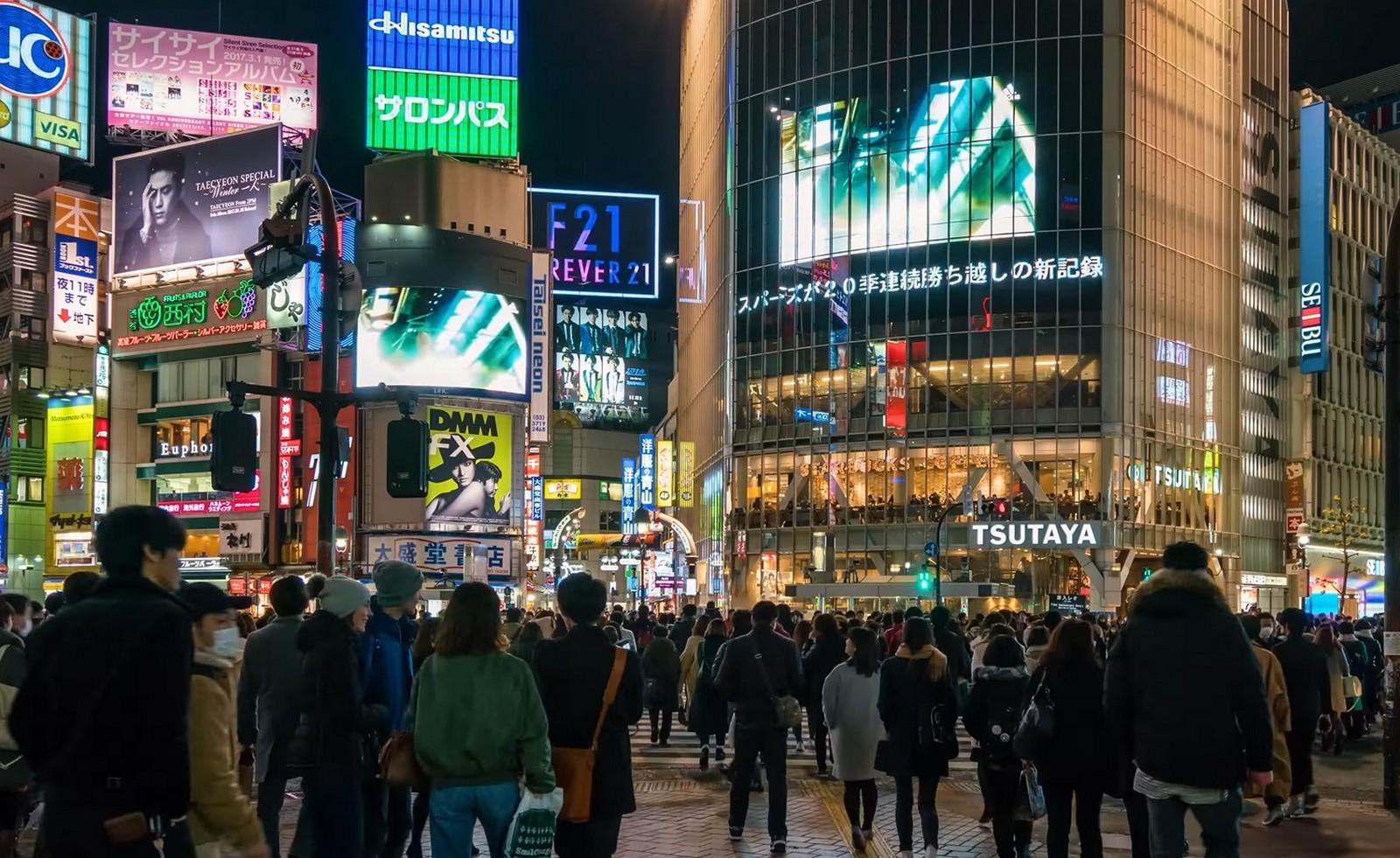
Shibuya is renowned for its bustling crossing, where three million people pass daily. Unique viewpoints abound, including Shibuya Sky, which offers panoramic city views for 1,800 yen, and the free observation deck at the Tokyo Metropolitan Government Building, providing stunning vistas of Tokyo Skytree.
Shinjuku is a vibrant area that never sleeps, filled with neon signs, thousands of restaurants, and home to the world’s busiest station, which serves 3.6 million passengers daily. A must-visit is Omoide-yokocho alley, famous for its tiny yakitori bars.
Akihabara is the epicenter of otaku culture, featuring numerous electronics, manga, and anime shops. Don Quijote, open 24/7, offers quirky souvenirs like wasabi-flavored Kit-Kats.
Click here to create a personal itinerary for JapanObservation Decks
Tokyo Skytree (634m) is the tallest tower in the world. Tickets for the first deck (350m) are 1,800 yen if purchased online in advance or 2,400 yen on-site. Access to the second deck (450m) costs an additional 900 to 1,100 yen. Booking online is recommended to avoid long queues.
Tokyo Tower serves as a more affordable alternative (1,500 yen for the main deck) and is less crowded, particularly beautiful when illuminated in the evening.
Unique Experiences
TeamLab Borderless & Planets are digital art museums where the art interacts with visitors’ movements. Tickets for Planets start at 3,600 yen (open 9:00-22:00), while Borderless tickets begin at 3,800 yen (open 10:00-21:00). Advance booking is essential. Planets offers more interactive experiences, such as barefoot water walking, while Borderless features larger-scale installations.
Themed cafes are popular attractions, ranging from cat cafes to robot-themed venues. Notable examples include Kawaii Monster Cafe in Harajuku (500 yen entry plus an order) and the Mipig Cafe featuring micro-pigs (2,200 yen for 30 minutes).
Tsukiji Outer Market remains vibrant, with the best time to visit being early morning (5:00-9:00) when sushi restaurants serve the freshest fish. Try the tamagoyaki (sweet omelet) at Maruchu for 200 yen.
Day Trips from Tokyo
Mount Fuji is visible only on about 70 clear days each year, with the best viewing months being November to February. The climbing season runs from July to September, with a registration fee of approximately 1,000 yen.
Lake Kawaguchi offers beautiful views of Fuji and serves as an alternative to climbing. It is located about two hours from Shinjuku, accessible by train and bus for 1,440 yen. The best views can be enjoyed from Chureito Pagoda in Arakurayama Sengen Park.
Nikko is a city rich in temples and natural beauty, located two hours from Tokyo. A JR + Tobu day pass costs 2,670 yen and covers all temple entrances. A must-see is the Toshogu complex, which contains the tomb of Tokugawa Ieyasu (1,300 yen entry).
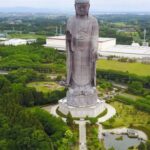
Kamakura – An ancient capital known for the 13-meter Great Buddha. Train fare from Tokyo: 920 yen; entry to the statue: 300 yen. For an additional 20 yen, you can enter the statue’s interior.
Kyoto: Heart of Traditional Japan
Kyoto, the former capital, boasts 1,600 temples and shrines, including 17 UNESCO World Heritage sites.
Temples and Shrines
Fushimi Inari – Renowned for its 10,000 red torii gates that ascend the mountain. Open 24/7 with free entry. For the best crowd-free photos, visit before 7:00 AM or after 6:00 PM. The full climb takes 2-3 hours.
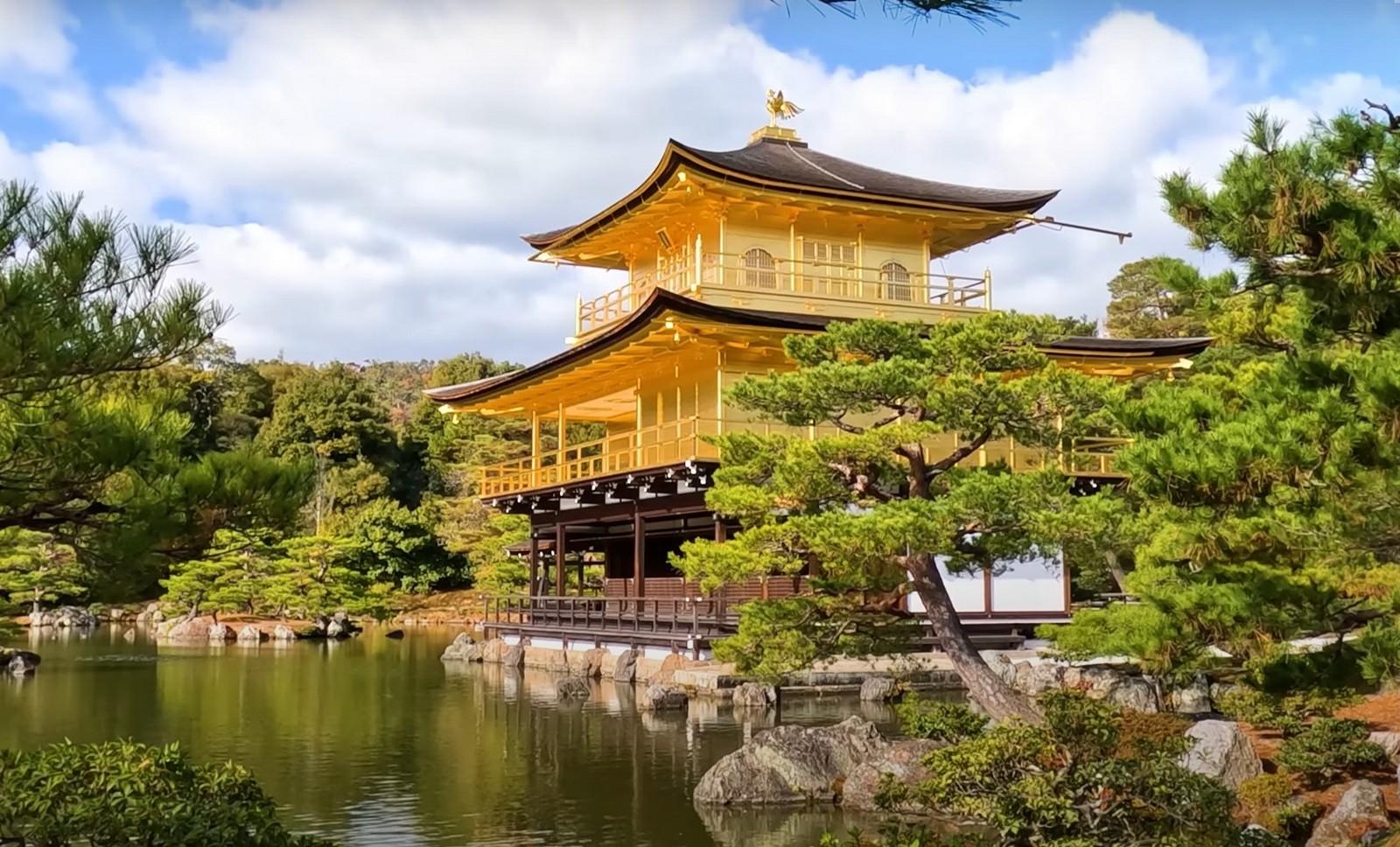
Kinkaku-ji (Golden Pavilion) – Japan’s most photographed temple, with an entry fee of 400 yen. The best time for photos is in the morning when the sun illuminates its gold leaf coating.
Kiyomizu-dera – This temple features a panoramic view of the city from a wooden terrace constructed without nails. Entry is 500 yen. Night illuminations are held in spring and autumn for the same price.
Traditional Districts
Gion – A geisha district where time seems to stand still. Shinbashi-dori lane retains traditional tea houses (ochaya). Real geisha and maiko can be spotted in the evenings (5:00 PM – 7:00 PM), but photographing them is considered impolite.
Arashiyama – Famous for its bamboo grove, best visited early in the morning (before 8:00 AM) to avoid crowds. Nearby Iwata-yama Monkey Park (550 yen) offers stunning views of all of Kyoto.
Cultural Activities
Tea Ceremony at Kodai-ji Temple – Participate in an authentic ceremony for 600 yen. The session lasts 30 minutes and includes English explanations.
Kimono Walks – Popular among tourists, kimono rentals start at 3,000 yen daily in the Gion area, including dressing and hairstyling.
Nishiki Market – A 400-meter stretch known as “Kyoto’s kitchen.” Sample yuba (tofu skin), matcha desserts, and traditional sweets. Most shops open from 10:00 AM to 6:00 PM.
Osaka: Japan’s Culinary Capital
Osaka lives by the motto “kuidaore,” meaning “eat until you drop.” It is the birthplace of takoyaki, okonomiyaki, and conveyor sushi.
Main Attractions
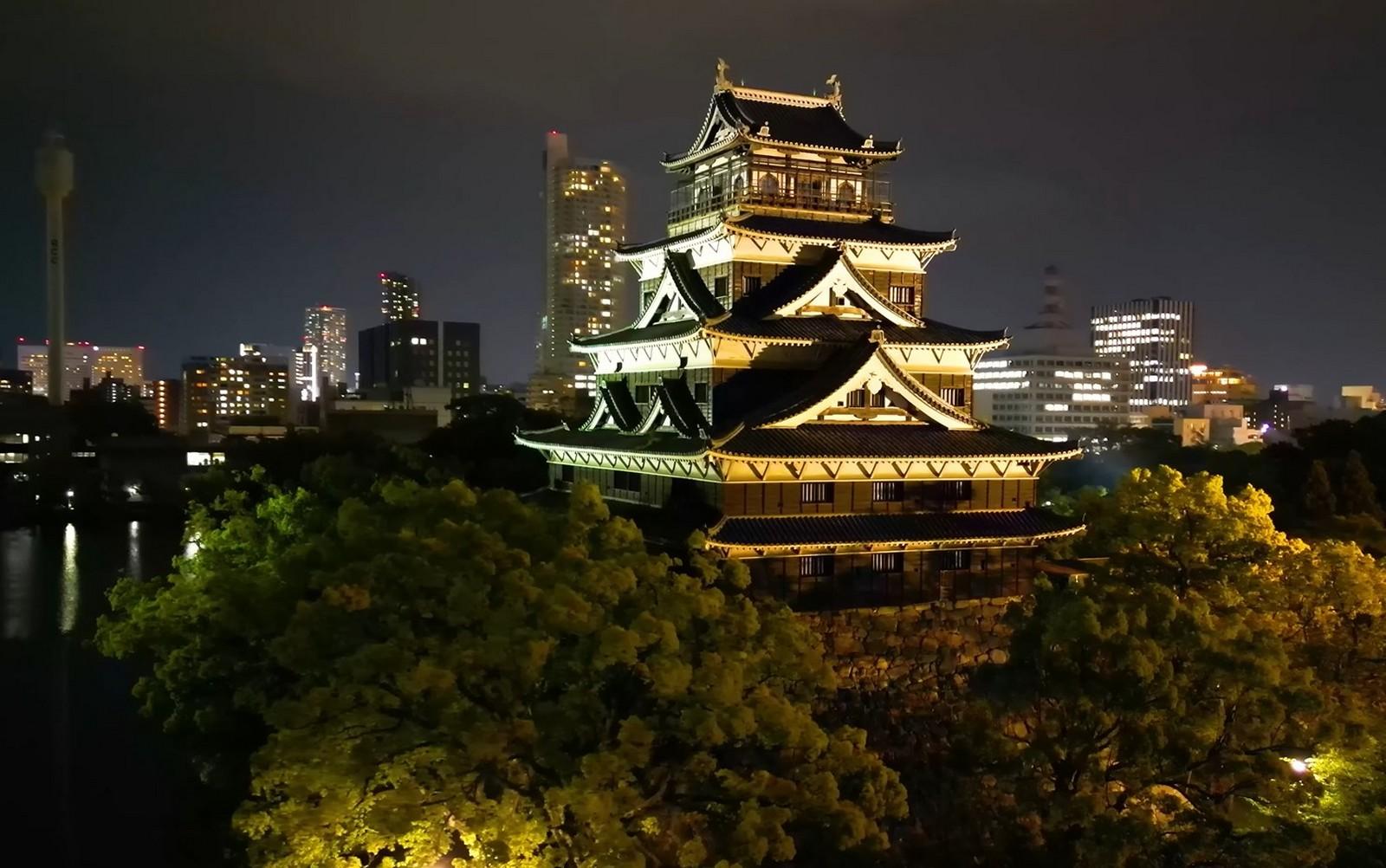
Osaka Castle – An impressive 16th-century reconstruction with an entry fee of 1,200 yen. The interior museum showcases samurai artifacts, and the top floor provides city views. In spring, the grounds transform into a sea of sakura blossoms.
Dotonbori – An entertainment district famous for its neon signs and the iconic Glico running man. The evening brings vibrant energy, but expect large crowds. The best photos can be taken from the Dotonbori-hashi bridge.
Kaiyukan Aquarium – One of the largest aquariums in the world, renowned for its whale sharks. Tickets cost 2,700 yen (peak days: 3,200-3,500 yen). Plan to spend 3-4 hours here, and check the website for the animal feeding schedule.
Gastronomic Capital
Okonomiyaki – Often referred to as “Japanese pizza,” made with cabbage and meat or seafood. Recommended spots include Fukutaro Osaka (starting from 800 yen) or Kiji (closes at 2:30 PM, so arrive early).
Takoyaki – Octopus balls, a symbol of Osaka. The authentic experience can be found at Takoyaki Juhachiban (8 pieces for 500 yen). They are served very hot, so be cautious!
Kushikatsu – Fried vegetables and meat on skewers. The Shinsekai district features numerous specialist restaurants.
Other Fascinating Cities
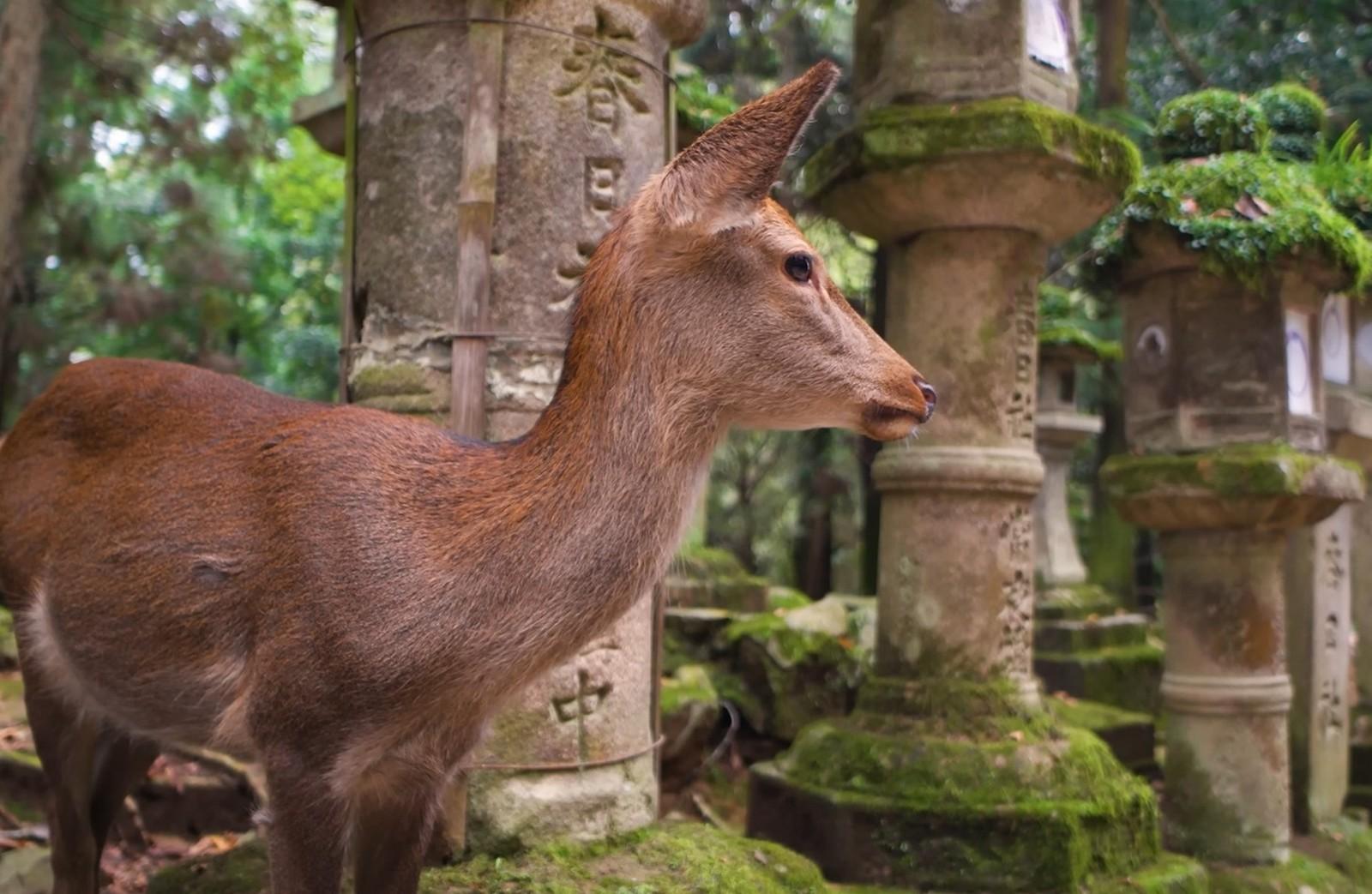
Nara – Japan’s first capital, famous for the tame deer found in Nara Park. Approximately 1,200 deer are regarded as divine messengers, and feeding them specially made crackers (shika-senbei) costs 200 yen. The deer have even learned to bow for treats!
Todai-ji Temple is home to Japan’s largest bronze Buddha statue, standing at 15 meters tall. Entry is 600 yen. A temple pillar features a hole the size of the Buddha’s nostril; crawling through it is said to bring enlightenment.
Kanazawa produces 99% of Japan’s gold leaf. Kenroku-en Garden, one of Japan’s three most beautiful gardens, charges an entry fee of 320 yen. In winter, the protective “yukitsuri” ropes wrapped around trees create stunning artistic displays.
The Higashi Chaya district preserves traditional geisha houses. Be sure to try the edible gold leaf ice cream (891 yen) – it may be pricey, but it’s an impressive treat.
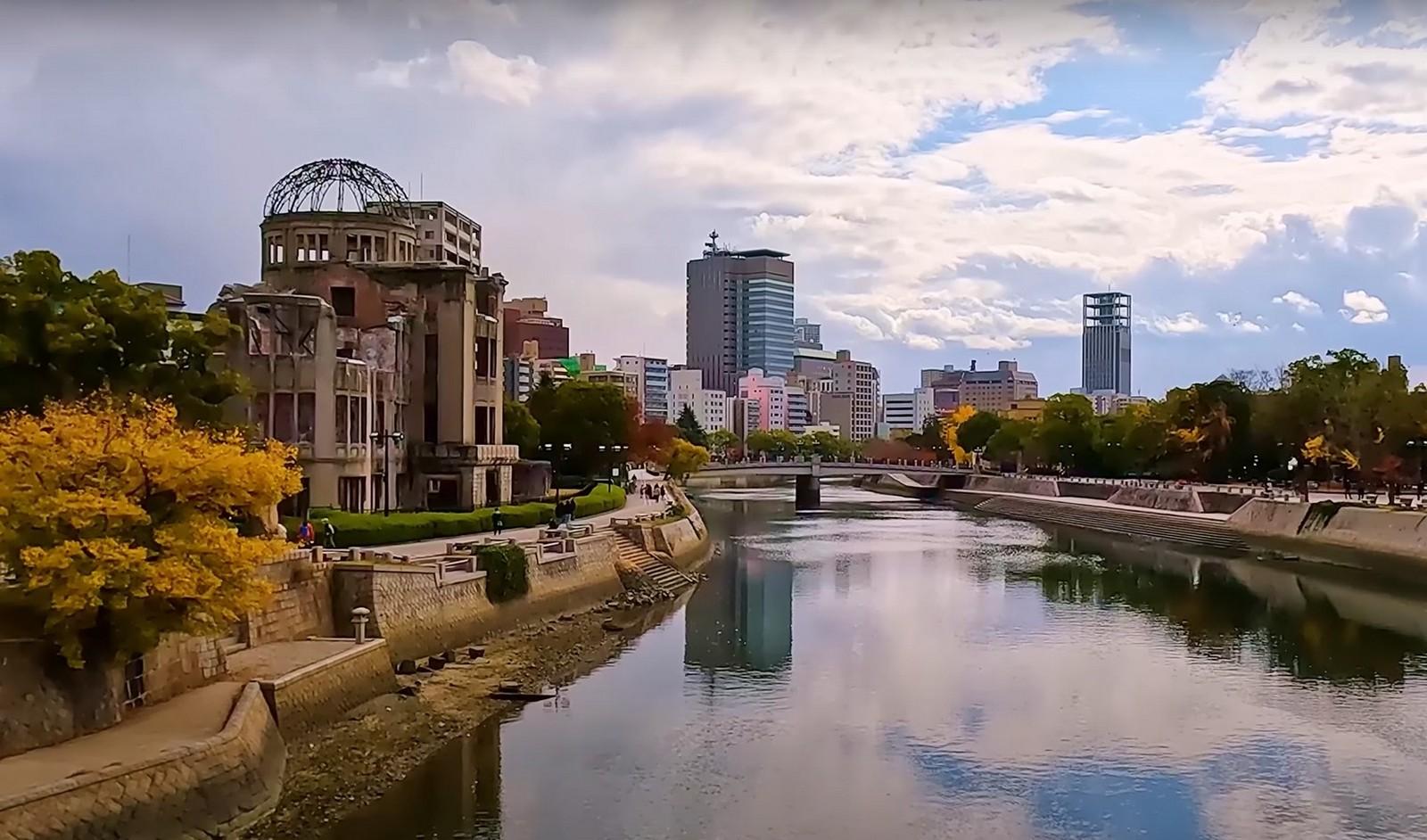
Hiroshima has left an indelible mark on world history. The Peace Memorial Park (free entry) and its museum (200 yen) are essential visits, though they can be emotionally challenging.
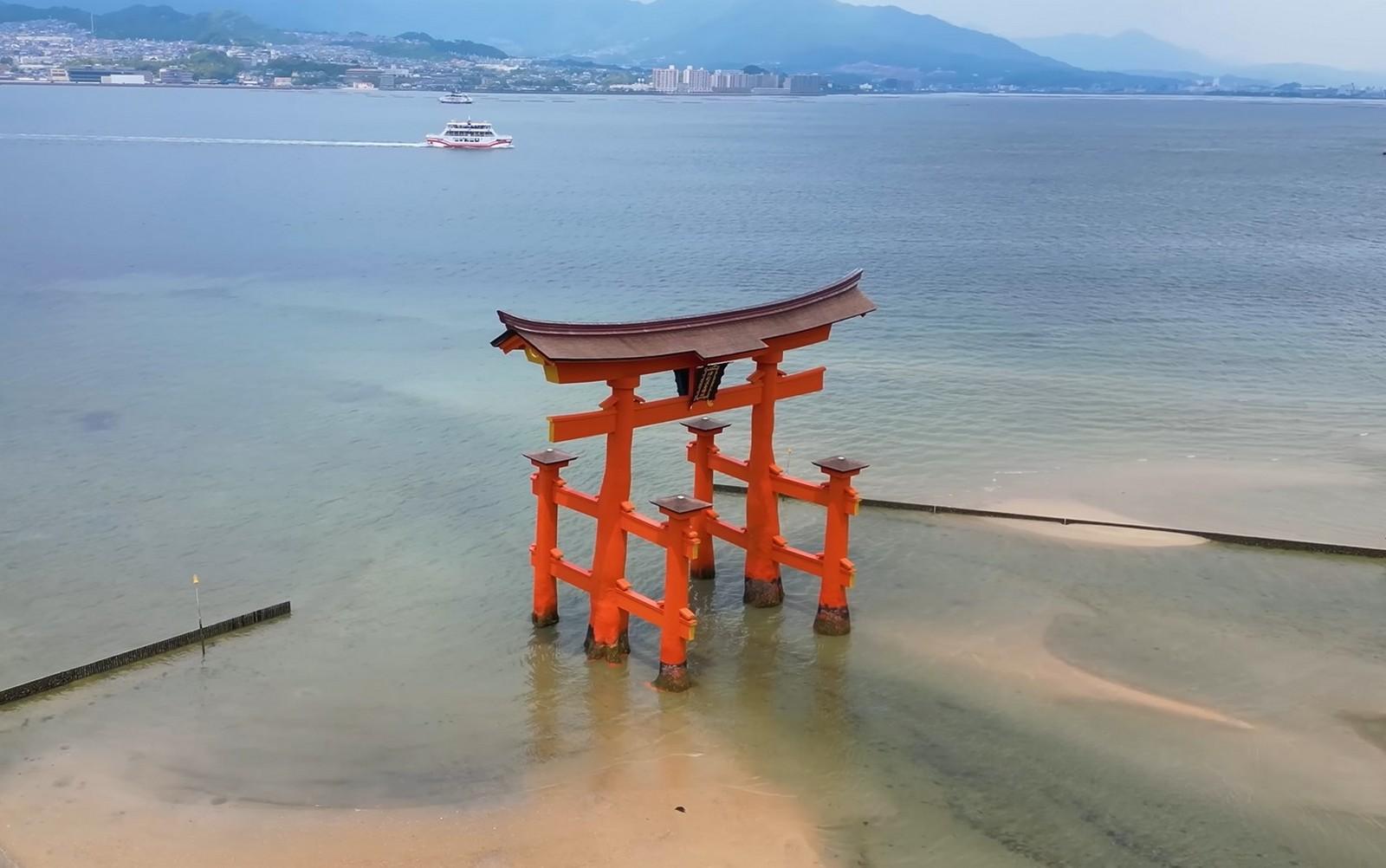
Miyajima Island is home to the iconic floating Itsukushima gates, recognized as one of Japan’s three most scenic spots. The ferry from the mainland costs 180 yen, and the gates appear to “float” during high tide, providing the best photo opportunities.
Takayama, located in the Japanese Alps, is known for its Edo-period architecture and Hida beef. The morning market operates from 6:00 AM to 12:00 PM. Be sure to try Hida beef, a marbled delicacy that melts in your mouth, starting at 2,000 yen for 100 grams.
Nearby, the village of Shirakawa-go features traditional gassho-zukuri thatched-roof houses. While particularly picturesque in winter, it can be more challenging to reach during that season.
Since 2015, our website has specialized in individual planning of unique routes, taking into account personal preferences and desires. Each of you will receive a unique PDF file from us, which contains everything you need: travel routes, car rentals, hotels, the best tourist attractions, attractions for kids and everything you need for a perfect vacation. During the trip, we are available for you by phone via WhatsApp. Our personal service provides information from A to Z, taking into account many small details that can become a decisive factor on the way from a wasted trip to an unforgettable vacation. Our service will make your trip comfortable, save a lot of time on planning and preparation, and most importantly – will allow you to become freer and fully enjoy the pleasure of the trip.
Japanese Culture and Etiquette
Behavioral Basics
Bowing is used instead of handshakes. A light head nod (15°) is appropriate for acquaintances, a medium bow (30°) is for respected individuals, and a deep bow (45°) is reserved for apologies or special respect.
Silence on public transport is an ironclad rule. Phone calls are prohibited, and music should only be listened to with headphones. Seats designated for the elderly and pregnant women are marked differently.
Shoe removal is required when entering homes, ryokans, some restaurants, and all temples. Look for shoe shelves (getabako) or house slippers at the entrance.
Restaurants and Cafes
Otoshi is a mandatory appetizer automatically served at some establishments, costing between 300-500 yen per person, and cannot be refused.
Tipping is not accepted. Servers may chase after you thinking you’ve forgotten to leave money. Good service is considered standard and does not warrant extra payment.
Chopstick etiquette: Never stick chopsticks vertically in rice (as it resembles memorial rites), pass food from chopstick to chopstick (similar to the transfer of bones at funerals), or point at people. The proper way to place chopsticks is on a hashioki stand or on the edge of your plate, parallel to the table.
Temples and Shrines
Purification ritual before entering a temple:
- Pour water into the ladle with your right hand.
- Rinse your left hand, then your right.
- Pour water into your left palm and rinse your mouth.
- Rinse the handle of the ladle.
Main hall worship:
- Toss a coin into the donation box (5 or 50 yen are considered lucky).
- Bow twice.
- Clap twice.
- Make a wish or pray.
- Bow once more.
Photography is generally allowed in courtyards but prohibited inside buildings. Please check for signs or ask for permission.
Shopping Specialties
Tax-Free Shopping: Tourists can enjoy tax-free shopping for purchases over 5,000 yen per store. A passport is required. You can receive an immediate 10% consumption tax refund or have it processed later.
Don Quijote: This discount chain offers a wide range of products, from cosmetics to anime costumes. Many locations operate 24/7 and feature lower prices than typical stores.
Japanese Cuisine: From Street Food to Michelin RestaurantsMust-Try Dishes
Sushi & Sashimi: Enjoy a variety of sushi, ranging from conveyor belt restaurants (100 yen per plate) to Michelin-starred establishments (30,000+ yen). Mid-range options include Numazuko and Katsuya (sets priced between 2,000 and 4,000 yen).
Etiquette: Eat ginger between different types of fish, wasabi is typically pre-added to sushi, and soy sauce is used only with sashimi.
Ramen: There are four main broth types:
- Shoyu (soy): light and clear
- Miso: thick and hearty
- Shio (salt): clear and delicate
- Tonkotsu: rich with pork bone flavor
Prices range from 800 to 1,500 yen. Recommended chains include Ichiran, Ippudo, and Menya Saimi.
Tempura: Enjoy vegetables and seafood in a light batter. Specialist restaurants start at 3,000 yen, while family-friendly places offer dishes from 1,000 yen.
Unagi (eel): A delicacy, especially popular in summer. Unadon (eel on rice) is priced between 2,000 and 4,000 yen.
Tonkatsu: Breaded pork cutlet. Top places to try include Katsukura or Wako (1,500 to 2,500 yen).
Click here to create a personal itinerary for Japan10-Day Japan Itinerary
Day 1: Tokyo Arrival
- Arrive at Narita or Haneda, check into your hotel
- Explore the local neighborhood
- Dinner at a nearby restaurant
Day 2: Traditional Tokyo
- Morning: Visit Asakusa and Senso-ji Temple (2-3 hours)
- Afternoon: Explore the Imperial Palace and Gardens (1-2 hours)
- Evening: Shopping and dinner in Ginza
Day 3: Modern Tokyo
- Morning: Discover Harajuku and Meiji Shrine
- Day: Enjoy the Shinjuku observation deck and shopping
- Evening: Experience Shibuya Crossing and Shibuya Sky
Day 4: Culture and Entertainment
- Morning: Explore Akihabara for electronics and anime
- Day: Visit TeamLab Planets or Ueno museums
- Evening: Choose between Tokyo Tower or Tokyo Skytree
Day 5: Mount Fuji Trip
- Full day: Visit Lake Kawaguchi and Chureito Pagoda
- Return to Tokyo in the evening
Day 6: Transfer to Kyoto
- Morning: Take the Shinkansen to Kyoto (3 hours)
- Day: Check in and explore Gion
- Evening: Dinner at a traditional restaurant
Day 7: Kyoto Temples
- Early morning: Visit Fushimi Inari (before crowds)
- Day: Explore Kinkaku-ji (Golden Pavilion)
- Evening: Visit Kiyomizu-dera at sunset
Day 8: Arashiyama and Culture
- Morning: Stroll through the Arashiyama bamboo grove
- Day: Visit the monkey park and Tenryu-ji Temple
- Evening: Attend a tea ceremony or go for a kimono walk
Day 9: Osaka
- Morning: Transfer to Osaka
- Day: Explore Osaka Castle and Amerikamura
- Evening: Enjoy food and entertainmentin Dotonbori
Day 10: Final Day and Departure
- Morning: Last-minute shopping
- Transfer to Kansai Airport
Expert Review on Japan Travel
Japan is a country that manages to surprise even the most experienced travelers. After years of working in the tourism industry, I’ve had the privilege of organizing hundreds of trips to the Land of the Rising Sun, and each one has been unique. Japan’s main characteristic is its ability to seamlessly blend ancient traditions with cutting-edge technology in a way that feels completely natural.
The first thing that surprises tourists is the legendary Japanese politeness and willingness to help. In Tokyo (Tokyo), someone might walk three blocks with you to show you the way to the right metro station, even if you didn’t ask them to. In provincial cities, locals are delighted at the opportunity to practice their English and often invite you for tea. The language barrier exists, but Japanese people are so creative in non-verbal communication that understanding is always possible.
Japan’s transportation system is a work of art in itself. Shinkansen trains arrive with 30-second precision, and even a one-minute delay is considered an emergency. During rush hour in Tokyo’s metro, special staff indeed help push passengers into cars, but this is more of an exotic experience for tourists – locals have long adapted to this pace of life. The main advice is to always carry an IC card with you and don’t be shy about asking for directions. Japanese people understand that their transportation system can confuse foreigners.
Japan’s culinary scene goes far beyond sushi and ramen. The country has more Michelin restaurants than anywhere else in the world, but at the same time, family restaurants can thrive with prices of 1,000 yen. Pay special attention to regional specialties – Hida-gyu in Takayama (Takayama), okonomiyaki in Osaka (Osaka), or kaiseki in Kyoto (Kyoto). Don’t miss the depachika – food departments in department store basements, where delicacies and restaurant-quality prepared foods are sold.
Click here to learn more about creating a personal itineraryExpert Travel Tips for a Successful Journey to Japan
Should I Buy a JR Pass for Tokyo-Kyoto-Osaka?
The 7-day JR Pass costs 50,000 yen, while a round-trip ticket from Tokyo to Kyoto is approximately 27,300 yen. Therefore, the JR Pass is not cost-effective for this route; it’s better to purchase separate tickets. Alternatively, consider the JR West Kansai Wide Area Pass for 12,000 yen over five days, which covers the Kansai region and includes the shinkansen to Okayama—making it a better value.
How Much Cash Should I Bring?
Japan remains predominantly cash-based. It’s advisable to bring between 50,000 and 70,000 yen per week per person. Note that ATMs are not available everywhere; you can find them at 7-Eleven stores, post offices, and select metro stations.
What Are Common Tourist Mistakes?
Many tourists make the following mistakes: over-scheduling their days, attempting to see the entire country in just one week, failing to remove shoes in traditional settings, eating or drinking while walking, photographing people without permission, and speaking loudly on public transport.
Is Japan Safe?
Japan is one of the safest countries in the world, with minimal crime rates. Lost wallets are returned 80% of the time. The primary risks come from natural disasters, such as earthquakes and typhoons, but the warning systems in place are highly effective.
How to Use Onsen Properly?
Before entering an onsen, wash yourself thoroughly while sitting on the low stool provided—soap and shampoo are available. Once clean, enter the hot water nude, separated by gender. Leave your towel poolside or on your head, and avoid splashing or using soap in the water. Be aware of tattoo policies, as many onsens prohibit them.
What we propose Emma Heidi Take all the stress out of planning your trip! With our experts, you can create the perfect itinerary for you – complete, comfortable, and tailored to all your dreams, wishes, and needs. We take care of every little detail, so you can simply focus on enjoying your journey. We’ve been designing personalized itineraries since 2015, and over the years we’ve created thousands of custom itineraries for happy clients. Save time, avoid confusion – we do the work for you. Our service saves you weeks of searching, reading, comparing, and complicated planning. Instead of wasting endless hours – you receive a ready-to-use, accurate and clear itinerary. A tailor-made itinerary – built just for you. Your itinerary is personally designed based on our experts’ real field experience and genuine feedback from hundreds of travelers – including hidden discoveries and insider tips that don’t appear in any travel guide. Smart accommodation selection – often saves you hundreds or even thousands of dollars. We help you choose verified and recommended places to stay, checking availability for your exact travel dates. Sometimes we suggest hotels not “in the center,” but in safe, convenient, and highly strategic locations – which can significantly reduce travel costs and save you even thousands of dollars. We’re by your side even during the trip. We stay with you throughout your vacation – providing professional help whenever needed. If the weather changes, there’s a strike, a local event, heavy crowds, or any unexpected situation – we are here to update, guide, and adjust your itinerary in real time. Easy-to-use itinerary – with direct navigation links. Your itinerary includes direct Waze / Google Maps links – no need to search for parking addresses, no stress, no mistakes. Just tap – and go. Want to know if it’s really worth it? Take a look at the experiences of travelers who built their personal itinerary with us. Click here and let’s start building the itinerary that will save you time, money, and stress – and turn your vacation into perfection. Of course, your first inquiry is completely free – with no commitment whatsoever. How it works
Customer Experience Manager


Service cost: from only $420. (Special price for short itineraries up to 5 days). Clients tell us the itinerary saves them costly mistakes, fines, wrong choices – plus exclusive discounts on car rentals, better-priced accommodations, and money-saving local tips.


FAQ
Latest articles