My love for Japan began the moment I arrived in Tokyo. The country amazed me with its harmony of ancient traditions, cutting-edge technology, breathtaking nature, and a culture unlike any other. Since then, Japan has become a part of my life, and I return there again and again. Today I help travelers discover the real Japan: I create personalized itineraries, give lectures, and prepare guests for their unforgettable journey. I would be delighted to open Japan for you too!

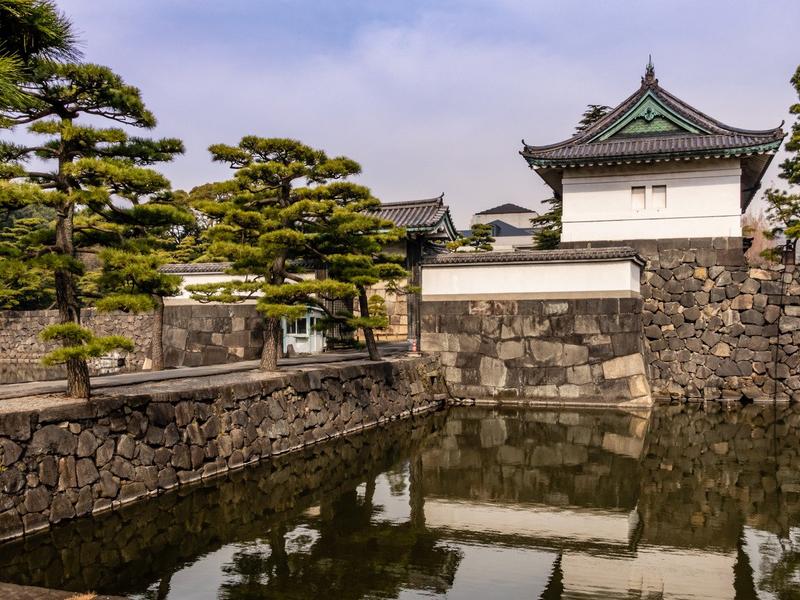


Tokyo Skytree
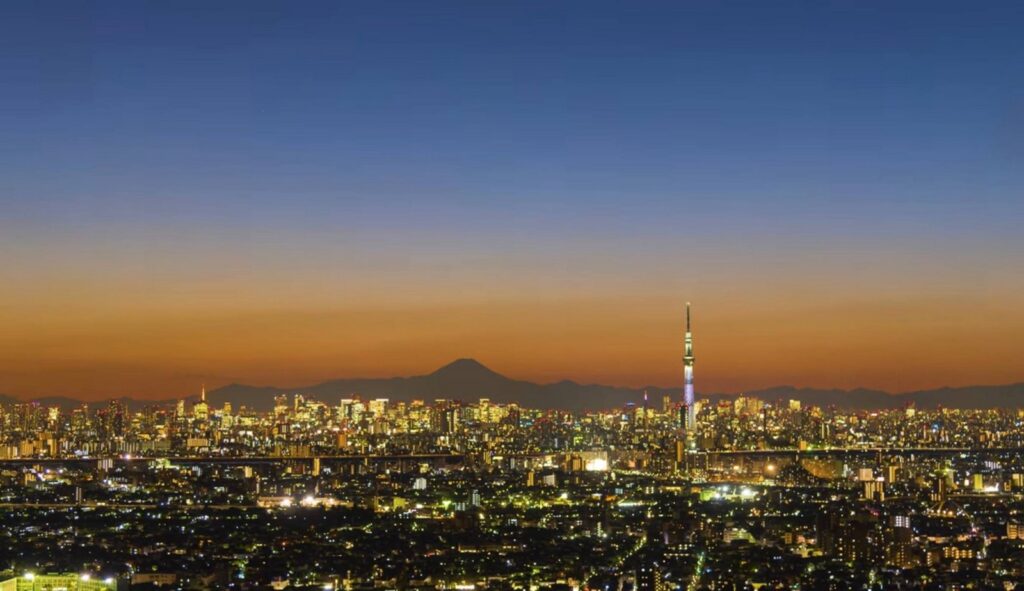
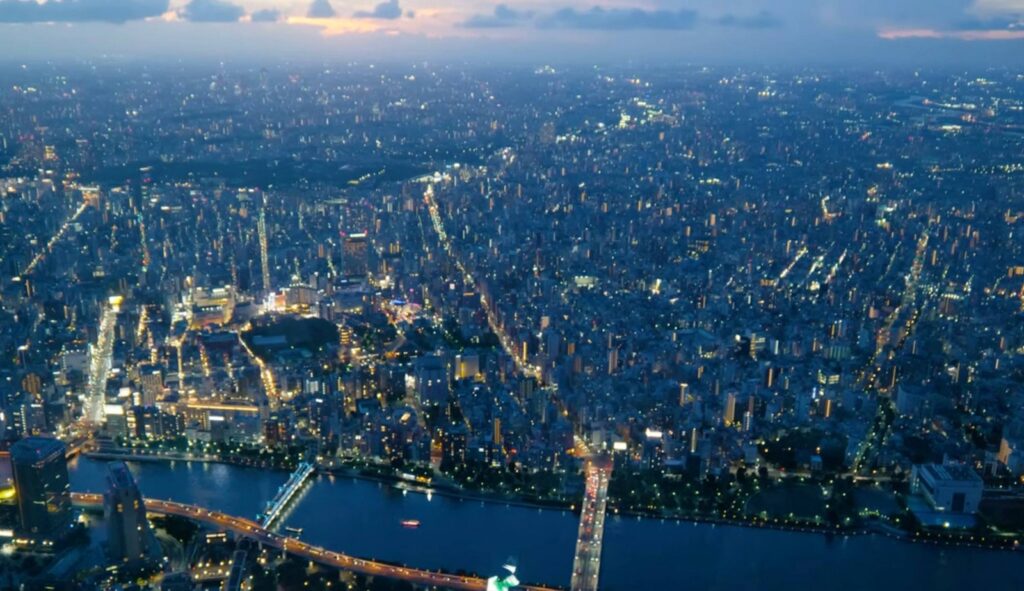
Tokyo Skytree is one of those landmarks that commands your attention long before you even reach its base. Soaring above the Sumida district at 634 meters, it serves a dual purpose as a vital broadcasting hub and one of the city’s premier vantage points. From its observation decks, the panorama unfolds to reveal the Sumida River, the historic charm of Asakusa, the iconic Tokyo Tower, and—on those crisp, clear days—the majestic silhouette of Mount Fuji. However, the experience goes beyond the heights; the tower is seamlessly integrated with Tokyo Solamachi, offering a mix of curated shops, cozy cafés, and scenic riverside paths that make this entire area surprisingly easy to navigate and enjoy.
Essential Visitor Information for Tokyo Skytree
Address:
1 Chome-1-2 Oshiage, Sumida City, Tokyo 131-0045, Japan
How to Get There
Reaching Tokyo Skytree is straightforward via Tokyo’s efficient rail network. The two primary gateways are Tokyo Skytree Station and Oshiage Station. Oshiage is typically the more convenient choice for most travelers, as it provides direct, seamless access to both the tower and the sprawling Tokyo Skytree Town complex.
Upon arrival, it’s wise to allow a small time buffer to navigate the facility. Since you’ll likely enter through the Tokyo Solamachi shopping mall, the walk to the ticket counters and elevator banks can take a bit longer than expected, especially during peak hours.
Click here to learn more about creating a personal itinerary
Parking
For those arriving by car, Tokyo Skytree Town provides an on-site parking facility. Standard rates are typically 450 ¥ per 30 minutes, with operations running from 7:30 to 23:00 (last entry at 22:00).
Driving is a viable option if the Skytree is just one stop on a larger family road trip involving heavy luggage or multiple locations. However, for a standard city visit, the train remains the superior choice. Parking fees in this area accumulate quickly, so consider the car a premium for comfort rather than a cost-effective alternative.
Opening Hours
The tower is generally open daily from 10:00 to 22:00. It is always a good idea to verify the current schedule on the official website before your visit, as hours may fluctuate due to seasonal events or specific holidays.
Tickets
Pricing varies based on the specific decks you choose and your visit date. Standard Tembo Deck tickets usually range from 1,800–2,400 ¥. For the full experience, combo tickets including the Tembo Galleria start at approximately 3,000 ¥.
From: 1800 JPY
Duration
Allow 1.5–2 hours if your focus is strictly on the observation decks. If you plan to explore the shops at Tokyo Solamachi, enjoy the aquarium, or take a walk along the river, a window of 3–4 hours is much more realistic.
Best Time to Visit
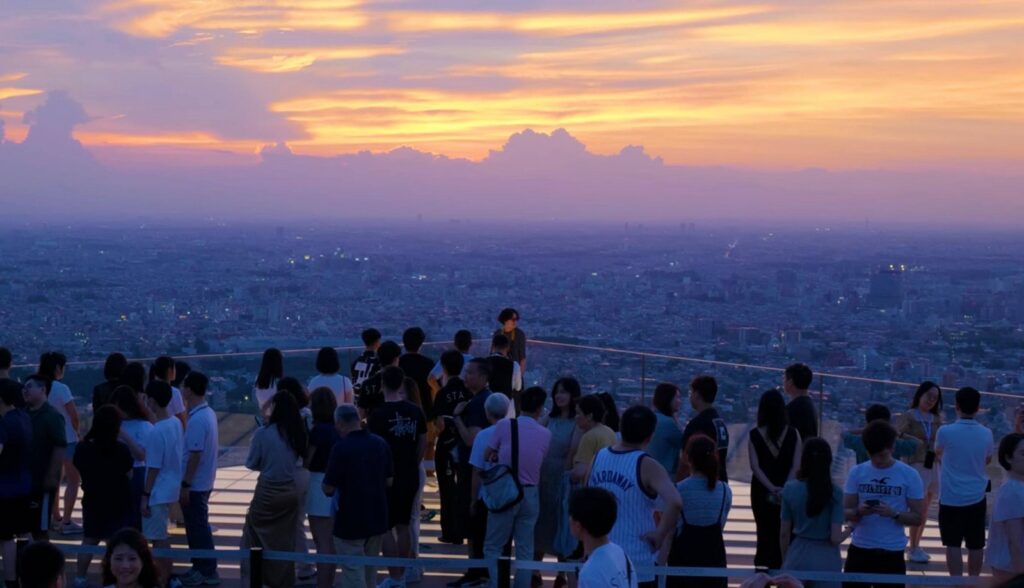
The ideal window for visiting is late afternoon leading into early evening. This allows you to appreciate the city in full daylight, catch the golden hour glow, and then watch as Tokyo transforms into a shimmering sea of neon lights after sunset.
Keep in mind that sunset is the most popular time to visit, making advanced booking essential. Weekdays tend to be noticeably quieter than weekends. Visibility is the most important factor here—the clearer the sky, the better your chances of spotting Mount Fuji on the horizon.

Since 2015, our website has specialized in individual planning of unique routes, taking into account personal preferences and desires.
Each of you will receive a unique PDF file from us, which contains everything you need: travel routes, car rentals, hotels, the best tourist attractions, attractions for kids and everything you need for a perfect vacation.
During the trip, we are available for you by phone via WhatsApp.
Our personal service provides information from A to Z, taking into account many small details that can become a decisive factor on the way from a wasted trip to an unforgettable vacation.
Our service will make your trip comfortable, save a lot of time on planning and preparation, and most importantly – will allow you to become freer and fully enjoy the pleasure of the trip.
Highlights of the Tokyo Skytree Experience
The Tokyo Skytree experience centers on two distinct observation levels: the foundational Tembo Deck and the sky-high Tembo Galleria. To truly appreciate the scale of this landmark, I suggest moving beyond a simple "up and down" trip. Dedicate time to experience the thrill of the glass floor, enjoy a coffee with a view, and explore the extensive Tokyo Skytree Town complex at the base.
Before booking, consider which access level fits your pace. The Tembo Deck offers a spectacular, wide-angle look at the metropolis, while the Tembo Galleria provides a more dramatic, soaring perspective for those who want to stand at the very top of Tokyo's skyline.
Tembo Deck
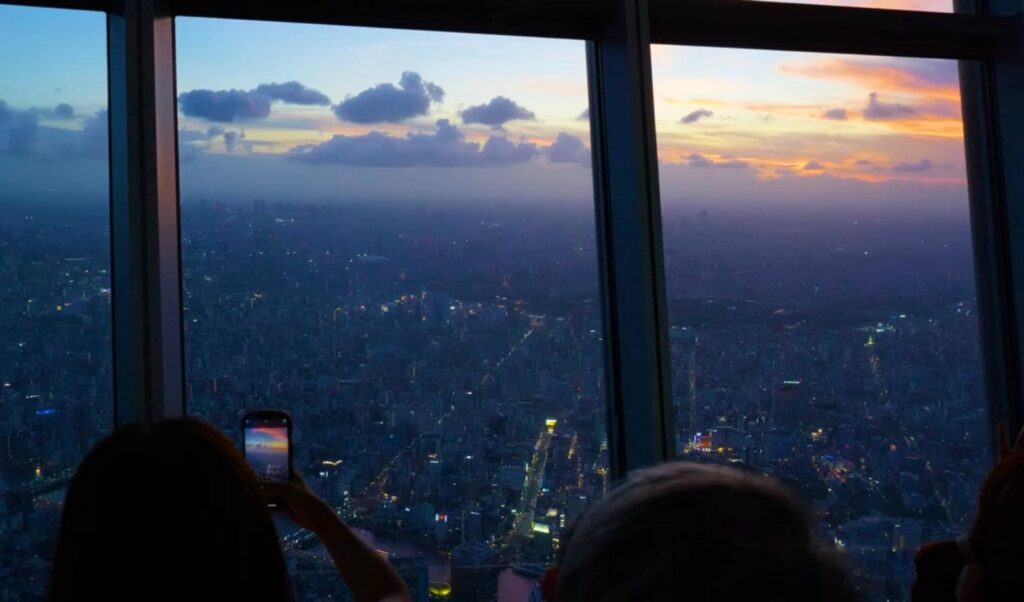
The Tembo Deck serves as the tower’s primary observation hub, situated 350 meters above the city. This level delivers the quintessential Skytree panorama: the winding Sumida River, the historic roofs of Asakusa, and Tokyo Tower puncturing the horizon. On exceptionally clear days, Mount Fuji emerges in the distance. With its massive floor-to-ceiling windows, the deck offers a 360-degree perspective that is equally captivating in the morning light as it is under the city’s evening glow.
For many travelers, this deck provides the perfect balance of height and comfort without requiring additional transit between floors. While it is a popular spot—particularly during the golden hour—the spacious, climate-controlled environment ensures a pleasant visit regardless of the season.
Opening Hours: Typically aligned with general tower hours, 10:00–22:00.
Tickets for the Tembo Deck range from 1,800–2,400 ¥, depending on the day and booking method.
Tip from the itinerary expert: If you only have time for one level, make it the Tembo Deck. It provides the most comprehensive views and accessible facilities, ensuring your visit remains efficient and family-friendly.

Distance/Time: Inside Tokyo Skytree
Tembo Galleria
Ascending further to 450 meters, the Tembo Galleria offers a more immersive architectural experience. Rather than a traditional deck, you traverse a sloping glass-walled corridor that winds upward, making you feel as though you are walking through the sky. It is a must-visit for anyone who enjoys a true sense of verticality and dramatic architecture.
The journey culminates at Sorakara Point, reaching an altitude of 451.2 meters. At this height, the city’s complex grid of streets and blocks feels remarkably direct, appearing almost as a miniature model beneath your feet. The shift in perspective from the lower deck to this higher vantage point is quite striking.
Opening Hours: Typically aligned with general tower hours, 10:00–22:00.
Available via a combo ticket with the Tembo Deck; prices start at approximately 3,000 ¥.
Tip from the itinerary expert: Go for the combo ticket if the Skytree is a centerpiece of your Tokyo trip. However, if your schedule is tight or visibility is limited by haze, the Tembo Deck alone is the more practical route.
Distance/Time: Above Tembo Deck
Glass Floor
Located on the Tembo Deck, the glass floor section is a brief but memorable highlight. Looking through the transparent panels provides a dizzying view of the tower’s steel structure and the tiny cars below, making the immense height feel visceral. It’s a small detail that consistently leaves a lasting impression.
This stop only takes a few moments but adds a playful thrill to the afternoon, particularly for younger travelers. For those with a significant fear of heights, the section is easy to bypass while still enjoying the rest of the observation area.
Opening Hours: Accessible during Tembo Deck operating hours.
Included in the standard Tembo Deck admission.
Tip from the itinerary expert: Make sure to stop here before heading toward the elevators. It’s a quick, effortless addition to the walk that provides one of the best photo opportunities of the day.
Distance/Time: On Tembo Deck
Skytree Cafe and Souvenir Areas
The Skytree experience isn’t limited to the view. Within the observation levels, you’ll find specialized cafés and boutiques. Taking a moment for a drink at the café allows you to actually soak in the atmosphere and the horizon, rather than just moving from window to window.
The souvenir corners are excellent for finding unique, tower-themed gifts and limited-edition items. While prices reflect the premium location, these shops are perfect for picking up a high-quality memento of your visit without having to search through the larger mall below.
Opening Hours: Generally follows observation deck hours, though specific stalls may vary.
Food, beverages, and merchandise are sold separately.
Tip from the itinerary expert: I suggest saving heavy shopping for the Solamachi mall at the base. Use the deck-side shops only for exclusive Skytree-branded items to keep your hands free while you enjoy the views.
Distance/Time: Inside the observation area
Tokyo Solamachi
At the base of the tower lies Tokyo Solamachi, an expansive shopping, dining, and entertainment hub. This complex is invaluable for adding variety to your visit, providing a wide array of restaurants and diverse retail therapy options all in one convenient location.
Solamachi is a great “safety net” for your itinerary; if the weather turns or you find yourself with extra time, it seamlessly extends the day without requiring extra travel. It makes the entire Skytree area a very complete, family-friendly destination.
Opening Hours: Hours vary; shops typically open at 10:00, restaurants often stay open later.
Free entry; individual attractions and dining are paid separately.
Tip from the itinerary expert: If you have an evening ticket for the tower, arrive a few hours early to explore Solamachi. This ensures you aren’t rushing through the crowds to make your elevator time slot.
Distance/Time: At the base of Tokyo Skytree
Skytree Town Viewpoints and Cafés
Beyond the paid decks, Tokyo Skytree Town offers several hidden gems for city viewing. Notable among these are the dining floors around the 30th level, roughly 150 meters up. These spots offer a fantastic perspective that includes the Skytree itself as part of the skyline, creating a different kind of visual impact.
These locations are perfect for a quieter, more sophisticated break. During the spring, you can also catch glimpses of the cherry blossoms lining the Sumida River from above. It’s an excellent way to see the tower from a nearby angle rather than just looking out from its windows.
Opening Hours: Dependent on specific restaurant and facility schedules.
No tower ticket required; standard dining or café costs apply.
Tip from the itinerary expert: Use the 30th-floor cafés as a calmer alternative if the main decks feel too busy. You still get a sophisticated view and a high-altitude atmosphere, but usually with a more relaxed pace.
Distance/Time: Inside Tokyo Skytree Town
What to visit near Tokyo Skytree
- Tokyo Solamachi — This is the most convenient addition to your visit, located directly at the base of the tower. It’s an expansive destination for dining, local snacks, and high-quality souvenirs. Being entirely indoors, it’s a perfect refuge on rainy or humid days, allowing you to keep your itinerary compact and comfortable without any extra travel.
- Sumida Aquarium — An excellent choice if you want to diversify the experience beyond city panoramas. Situated within Tokyo Skytree Town, it turns a simple sightseeing stop into a full-scale family outing. It’s particularly effective for travelers with children who might need a more interactive environment after the quiet of the observation decks.
- Planetarium and Postal Museum — These are wonderful, quieter alternatives tucked away within the complex. They are ideal for those who wish to extend their stay without much walking or for those looking to escape the main crowds. I view these as flexible “extras” that add a unique layer to the day if your schedule allows.
- Sumida River — For a softer end to the day, a stroll along the river is highly recommended. The riverside offers fresh air, open space, and fantastic views of the skyline you just stood upon. In spring, this path becomes even more scenic with blooming cherry blossoms, providing a refreshing change of pace from the busy shopping floors.
- Asakusa and Sensō-ji Temple — This is the most iconic cultural pairing for the Skytree. While you can see the temple grounds from the observation deck, walking through its traditional gates and lively food stalls offers a completely different, historic mood. To avoid the heaviest crowds, try to time your visit to Asakusa for the early morning or later in the evening.
- Viewpoint Cafés in Skytree Town — If you prefer a slower rhythm, look for the specialized cafés located around the 31st floor. At 150 meters high, they offer a sophisticated perspective of the tower itself and Mount Fuji on clear days. These spots are perfect for a relaxed break when the main decks are at peak capacity.
Click here to learn more about creating a personal itinerary
Tip from the itinerary expert: The most logical and rewarding route is Tokyo Skytree → Tokyo Solamachi → Sumida River → Asakusa. This sequence flows naturally from the modern heights down to the traditional streets, with a nice balance of shopping, dining, and outdoor exploration in between.
Who is Tokyo Skytree suitable for?
- First-time visitors to Tokyo — If you want to grasp the sheer scale of the metropolis immediately, this is the place. The Tembo Deck at 350 meters provides a powerful introduction to the city’s geography, while the higher Galleria offers that extra dramatic “wow” factor for your first day.
- Families seeking convenience — The tower is a dream for logistically-minded travelers. Because the observation decks, diverse restaurants, and indoor attractions are all part of one interconnected complex, you don’t have to worry about cross-city transfers when energy levels start to dip.
- Photography enthusiasts — The window from late afternoon into twilight is spectacular. You can capture the city in three different lights: bright day, golden sunset, and the neon glow of the night. The glass floor and the sloping gallery also provide unique architectural angles for your shots.
- Travelers needing weather-safe plans — Unlike open-air decks, the Skytree is fully enclosed and climate-controlled. While heavy fog can affect visibility, the visit remains comfortable and viable during wind, rain, or winter chill, making it a reliable anchor for your itinerary.
- Note for crowd-sensitive travelers — The tower is a major attraction and can feel overwhelming on weekends or public holidays. Be prepared for potential waits at elevators and ticket counters. If you prefer personal space, the peak sunset window might feel a bit tight.
- Budget-conscious travelers — To get the most value, sticking to the Tembo Deck is often the smartest move. It provides 90% of the experience at a lower price point. Reserve the combo ticket for days when the sky is exceptionally clear and the Skytree is your primary destination for the day.
Tip from the itinerary expert: For the most peaceful experience, I always recommend a weekday morning slot booked in advance online. Start with the Tembo Deck, then assess the visibility and your own energy before deciding whether to upgrade to the higher Galleria at the ticket machines upstairs.
Tokyo Skytree: A 2-Day Expert Itinerary
Trip Duration: 2 days
Day 1 — Scaling the Tower and Exploring Solamachi
Morning, 10:00–12:30. Begin your journey at Oshiage Station. From here, follow the clear signage through Tokyo Skytree Town toward the tower entrance. If you are arriving with a family or heavy bags, allow at least 10 minutes to navigate the complex to the 4th-floor ticket lobby. I strongly recommend booking your slot online in advance; same-day ticket lines can be unpredictable, and a reserved time keeps your morning flowing smoothly.
Your first stop is the Tembo Deck at 350 meters. Dedicate 60–75 minutes here to soak in the 360-degree panorama. Beyond the windows, you’ll find interactive displays, a café for a quick pause, and the famous glass floor section. On a crisp day, keep an eye out for the Sumida River, the iconic Tokyo Tower, and the distant silhouette of Mount Fuji. Remember that visibility is weather-dependent, so treat a Fuji sighting as a lucky bonus rather than a certainty.
Lunch, 12:30–14:00. Descend to Tokyo Solamachi at the base of the tower. It’s the most convenient choice for lunch, offering everything from quick ramen and udon to set lunches (typically 900–1,800 ¥ per person). If you have a sweet tooth, the area is famous for themed desserts, usually priced between 700–1,500 ¥. Staying within the complex saves you an extra transfer and keeps the day relaxed.
Afternoon, 14:00–16:00. If you’ve opted for the combo ticket, head up to the Tembo Galleria, situated 450 meters high. Spend about 45–60 minutes walking the sky-high glass corridor toward Sorakara Point. This level offers a more dramatic, vertical perspective of the city grid below and is well worth the extra height if the weather is clear.
Evening, 16:00–18:00. Wind down with some light shopping for character goods and local sweets in Solamachi. For a memorable dinner, Sky Restaurant 634 Musashi offers fine dining with a view. Alternatively, grab a seat at a conveyor-belt sushi spot (budget around 1,500–2,500 ¥) or a mid-range restaurant (2,500–5,000 ¥). Before leaving, take a moment to photograph the tower from the ground as the evening illumination begins.
Tip from the itinerary expert: I suggest booking your tower slot for the late morning. This allows you to enjoy the views in full daylight and spend the afternoon shopping or dining, finishing just in time to see the tower light up from the outside without the stress of the sunset crowds.
Overnight Location: Asakusa, Oshiage or Sumida area
Day 2 — Aquatic Wonders, Riverside Paths and Old Tokyo
Morning, 10:00–12:00. Return to the complex for the Sumida Aquarium on the 5th and 6th floors. This is a fantastic, modern space that works perfectly as a family-friendly indoor activity. Plan for about 1.5–2 hours. Tickets are generally 2,500–2,700 ¥ for adults, with reduced rates for children and students.
Lunch, 12:00–13:30. Take another lunch break at Tokyo Solamachi, perhaps trying a different area like the food court for a quick ramen or curry. This keeps your transition to the next stop efficient. For a lighter mid-day pause, grab a specialty coffee or a seasonal Japanese dessert (budget 700–1,500 ¥).
Afternoon, 13:30–15:30. For a change of pace, visit one of the high-floor cafés in the East Yard of Skytree Town. A café on the 30th floor, approximately 150 meters up, offers a wonderful perspective of the Skytree itself and the city without the tower’s main crowds. It’s a sophisticated spot for a quiet break.
Afterward, head outside for a walk along the Sumida River. Spend 30–45 minutes enjoying the open air and the impressive views of the skyline. If you are visiting during cherry blossom season, this area is particularly beautiful, providing a natural, scenic path that leads you toward your final destination.
Evening, 15:30–18:00. End your day in Asakusa at the historic Sensō-ji Temple. It’s a short walk or a quick ride from Oshiage. The contrast between the futuristic Skytree and Asakusa’s traditional gates and lantern-lit streets is striking. Spend 1.5–2 hours exploring the temple grounds and the Nakamise-dori shopping street before finding a local dinner in the heart of the old town.
Tip from the itinerary expert: Keep this second day flexible. If it’s a beautiful sunny day, prioritize the Sumida River walk and the outdoor views. If it’s raining, you can easily spend more time inside the aquarium and the upper floors of Solamachi without losing the spirit of the route.
Overnight Location: Asakusa, Oshiage or Sumida area
Tips from the Itinerary Expert

Decide on the Tembo Galleria after checking the sky
I don’t recommend buying access to the higher deck automatically, especially on hazy days. Check the visibility from the Tembo Deck first. If the city looks soft or cloud-covered from 350 meters, that view is usually enough, and your budget is better spent on a meal or the Sumida Aquarium.
Make the lower deck your primary family base
When traveling with children, I treat the Tembo Deck as the main event rather than a transition point. It houses the glass floor, the café, and the souvenir shops. It offers the full Skytree experience without the fatigue of constant elevator transfers.
Book your slot for just before sunset
I always try to avoid the absolute peak of the sunset rush. An earlier slot allows you to enter before the crowds thicken, see the city in daylight, and then watch the lights flicker on without having to fight for a spot at the window.
Explore Tokyo Solamachi while waiting for your slot
If you have a fixed-time ticket, arrive at the complex early and explore Tokyo Solamachi first. It’s the perfect opportunity for a snack or light shopping, and it helps avoid the common stress of rushing through the huge mall at the last minute trying to find the elevator entrance.
Use the glass floor for a quick energy boost
If the kids start to find the horizon repetitive, head straight to the glass floor. It only takes a few minutes, but that sudden view straight down provides a burst of excitement that usually re-energizes the group for the rest of the day.
Manage expectations regarding Mount Fuji
I never make Mount Fuji the centerpiece of my promise to children. Visibility is unpredictable. Instead, I present Fuji as a lucky bonus and focus the excitement on the Sumida River, the dense city grid, and the glowing night lights of Tokyo.
Keep the Sumida Aquarium as your weather backup
If the sky turns gray or the observation decks feel too congested, shift your focus to the Sumida Aquarium within the complex. It’s an engaging environment for children and saves you from a wet or windy transfer across the city.
Buffer your exit time
On busy evenings, the lines for the elevators heading down can be surprisingly long. I advise against booking dinner in a different district immediately after your visit. Staying in Tokyo Solamachi for your evening meal makes the transition much more relaxed.
Visit Asakusa after the Skytree, not before
The day feels more cohesive if you start at Tokyo Skytree and then move toward Asakusa. Seeing the historic district from above first makes the walk through the temple gates feel like a natural and grounded continuation of the journey.
Insights from the Itinerary Expert
When I visited Tokyo Skytree in October 2023, what struck me most wasn’t just the sheer height, but the dramatic shift in atmosphere as the golden hour approached. While booking in advance saved us from the longest lines, we still found ourselves moving at a measured pace through the ticket lobby and elevator banks. The perspective from 350 meters on the Tembo Deck is profoundly impactful; the way the Sumida River winds through Asakusa and the endless urban sprawl makes you realize that Tokyo truly has no visible edge.
While the Tembo Galleria is undeniably impressive, I wouldn’t label it a “must” for every family. If your children are reaching their limit or the horizon looks a bit hazy, I’d suggest staying on the Tembo Deck. You can spend that extra time at the glass floor, which is always a hit. My main takeaway regarding logistics: the descent can often take longer than the ascent. I’d advise against scheduling a dinner across town immediately after your slot; keeping your evening plans within the complex makes for a much calmer finish.
The Skytree is a fantastic anchor for a Tokyo day, especially when paired with Solamachi or the historic streets of Asakusa. If you want your journey to feel effortless rather than a marathon, we can design a custom itinerary that balances the Skytree’s heights with the right food stops and a pace that works for the whole family.
Prices near Tokyo Skytree: realistic travel costs
| Name | Amount | Description |
|---|---|---|
| Budget or business hotel in Asakusa–Sumida | 8,000–16,000 per night JPY | A realistic range for a standard room for 1–2 people. Prices typically spike during cherry blossom season, public holidays, and weekends. |
| Mid-range hotel near Oshiage or Sumida River | 16,000–28,000 per night JPY | The sweet spot for convenience: usually within walking distance of the tower and metro, making your daily transitions effortless. |
| Comfort-level hotel with Skytree views | 28,000–55,000 per night JPY | Ideal for those wanting more space or a window facing the illuminated tower. Booking early is essential to secure specific view-oriented rooms. |
| Family apartment or suite (Sleeps 4–5) | 28,000–60,000 per night JPY | Often better value than two hotel rooms. Many local rentals include a washing machine and kitchenette, which is a lifesaver for longer family stays. |
| Car rental for one day | 8,000–15,000 (avg. base) JPY | While public transport is superior for the Skytree itself, a car is useful if you are managing heavy luggage or visiting multiple spots outside the metro grid. |
| Tokyo Metro / Toei Subway ride | 180–330 per ride JPY | Fares are distance-based. Using an IC card (like Pasmo or Suica) is the smoothest way to navigate between Oshiage and the rest of Tokyo. |
| Casual lunch at Tokyo Solamachi | 900–1,800 per person JPY | Covers popular options like ramen, udon, or Japanese curry. Many restaurants offer competitive 'lunch sets' that are great value. |
| Kaiten-zushi (Conveyor belt sushi) dinner | 1,500–2,500 per person JPY | A fun, family-friendly dinner. The cost is quite flexible, as you pay per plate based on the color-coded pricing. |
| Full restaurant dinner in the complex | 2,500–5,000 per person JPY | A standard budget for a sit-down meal without heavy alcohol. Eating at Solamachi saves you the stress of finding a spot while tired. |
| Skytree Town / Solamachi parking | 450 per 30 minutes JPY | Standard rates apply from 7:30 to 23:00. Note that during peak periods like Golden Week, rates can increase to 550 ¥ per 30 minutes. |
| Grocery/Supermarket run for two | 2,000–4,000 (avg. basket) JPY | A smart way to handle breakfast and snacks. Buying drinks and fruit at the supermarket significantly reduces your daily 'incidental' spending. |
FAQ about Tokyo Skytree
01
Is the Tembo Deck enough, or should we pay for the Tembo Galleria?
For most families, the Tembo Deck (350m) provides a complete experience. I recommend deciding on the Tembo Galleria (450m) only after you’ve seen the visibility from the first level. If it’s a clear day and the group still has energy, you can purchase an upgrade ticket inside.
02
What is the best time to book for sunset views?
I suggest booking a slot for roughly one hour before sunset. This gives you enough buffer for the elevator lines, allows you to see the city in full daylight, and ensures you’re already on the deck to watch the transformation into Tokyo’s night lights.
What we propose

Emma Heidi
Customer Experience Manager
Take all the stress out of planning your trip!
With our experts, you can create the perfect itinerary for you – complete, comfortable, and tailored to all your dreams, wishes, and needs.
We take care of every little detail, so you can simply focus on enjoying your journey.
We’ve been designing personalized itineraries since 2015, and over the years we’ve created thousands of custom itineraries for happy clients.

Save time, avoid confusion – we do the work for you. Our service saves you weeks of searching, reading, comparing, and complicated planning. Instead of wasting endless hours – you receive a ready-to-use, accurate and clear itinerary.

A tailor-made itinerary – built just for you. Your itinerary is personally designed based on our experts’ real field experience and genuine feedback from hundreds of travelers – including hidden discoveries and insider tips that don’t appear in any travel guide.

Smart accommodation selection – often saves you hundreds or even thousands of dollars. We help you choose verified and recommended places to stay, checking availability for your exact travel dates. Sometimes we suggest hotels not “in the center,” but in safe, convenient, and highly strategic locations – which can significantly reduce travel costs and save you even thousands of dollars.

We’re by your side even during the trip. We stay with you throughout your vacation – providing professional help whenever needed. If the weather changes, there’s a strike, a local event, heavy crowds, or any unexpected situation – we are here to update, guide, and adjust your itinerary in real time.

Easy-to-use itinerary – with direct navigation links. Your itinerary includes direct Waze / Google Maps links – no need to search for parking addresses, no stress, no mistakes. Just tap – and go.

Service cost: from only $420. (Special price for short itineraries up to 5 days). Clients tell us the itinerary saves them costly mistakes, fines, wrong choices – plus exclusive discounts on car rentals, better-priced accommodations, and money-saving local tips.
Want to know if it’s really worth it?
Take a look at the experiences of travelers who built their personal itinerary with us.
Click here and let’s start building the itinerary that will save you time, money, and stress – and turn your vacation into perfection.
Of course, your first inquiry is completely free – with no commitment whatsoever.
How it works


- You are welcome to contact us
- We discuss your trip
- You fill out a special form
- We create your itinerary
- You get it with all useful tips
- We are in touch with you all the time