My love for Japan began the moment I arrived in Tokyo. The country amazed me with its harmony of ancient traditions, cutting-edge technology, breathtaking nature, and a culture unlike any other. Since then, Japan has become a part of my life, and I return there again and again. Today I help travelers discover the real Japan: I create personalized itineraries, give lectures, and prepare guests for their unforgettable journey. I would be delighted to open Japan for you too!


Nara Park
Nara Park is the heartbeat of Nara, making it a natural day trip from Kyoto or Osaka. Deer roam freely across the lawns, while major landmarks like Todaiji Temple, Kasugataisha Shrine, and Kofukuji Temple are close enough to explore comfortably on foot. Don’t treat this as just a quick photo stop; a visit easily stretches into several hours once you venture into the quiet gardens or visit the park’s primary temples.
The park’s wild deer are famous for their charm, and many travelers come specifically to feed them shika senbei (deer crackers). While some deer bow and follow visitors, they remain wild animals. Your experience will be much smoother if children stay close, bags remain securely closed, and you offer crackers calmly, one at a time.
Key information for visiting Nara Park
Address:
Nara Park, Nara, Japan
How to Get There
Kintetsu Nara Station is the most convenient arrival point. From there, the park is just a 5–10 minute walk, making it the simplest option for day-trippers.
JR Nara Station is also an option, though it’s a longer 20-minute walk. If you prefer to save your energy, you can catch a local bus from JR Nara toward stops near Nara Park, Todaiji Temple, or Kasugataisha Shrine. This is particularly helpful in hot weather or when traveling with family.
Click here to learn more about creating a personal itinerary
Parking
Paid parking is available at several locations, including the Nara Park Bus Terminal and designated areas like Noborioji and Takabatake parking lots, with rates varying by day. Spaces fill up rapidly on weekends and holidays.
Unless you are exploring areas well beyond the central park zone, arriving by train is almost always more convenient than driving.
Opening Hours
Nara Park is open 24 hours. However, individual temples, shrines, and museums typically operate on their own schedules and often close between 16:00 and 17:00.
Tickets
Entry to Nara Park is free. Deer crackers are available for purchase inside the park for approximately ¥200 per pack. Notable paid sites nearby include the Todaiji Temple Great Buddha Hall, the inner precincts of Kasugataisha Shrine, and various local gardens and museums.
Duration
Allow 1–2 hours for a simple stroll with the deer. For a comprehensive visit that includes Todaiji Temple, Kasugataisha Shrine, Kofukuji Temple, and a museum or garden, plan for 5–7 hours.
Best Time to Visit
Mornings are ideal for visiting Nara Park, especially if you plan on feeding the deer and exploring cultural sites. You’ll beat the worst of the crowds, making deer interactions easier and ensuring you reach the main temples before they stop admitting visitors.
In the heat, keep in mind that the walk across the park can be more taxing than it appears on a map. Wear comfortable shoes and plan for short breaks in the shade, particularly along the forested path leading to Kasugataisha Shrine.

Since 2015, our website has specialized in individual planning of unique routes, taking into account personal preferences and desires.
Each of you will receive a unique PDF file from us, which contains everything you need: travel routes, car rentals, hotels, the best tourist attractions, attractions for kids and everything you need for a perfect vacation.
During the trip, we are available for you by phone via WhatsApp.
Our personal service provides information from A to Z, taking into account many small details that can become a decisive factor on the way from a wasted trip to an unforgettable vacation.
Our service will make your trip comfortable, save a lot of time on planning and preparation, and most importantly – will allow you to become freer and fully enjoy the pleasure of the trip.
What to see in Nara Park
Nara Park is best experienced as a single, connected walking area rather than a series of isolated stops. While the deer are the initial draw, a truly rewarding visit balances open lawns, forest-lined temple approaches, quiet gardens, and one or two cultural sites—all explored at a relaxed, steady pace.
Nara Park deer
Sacred deer of Nara
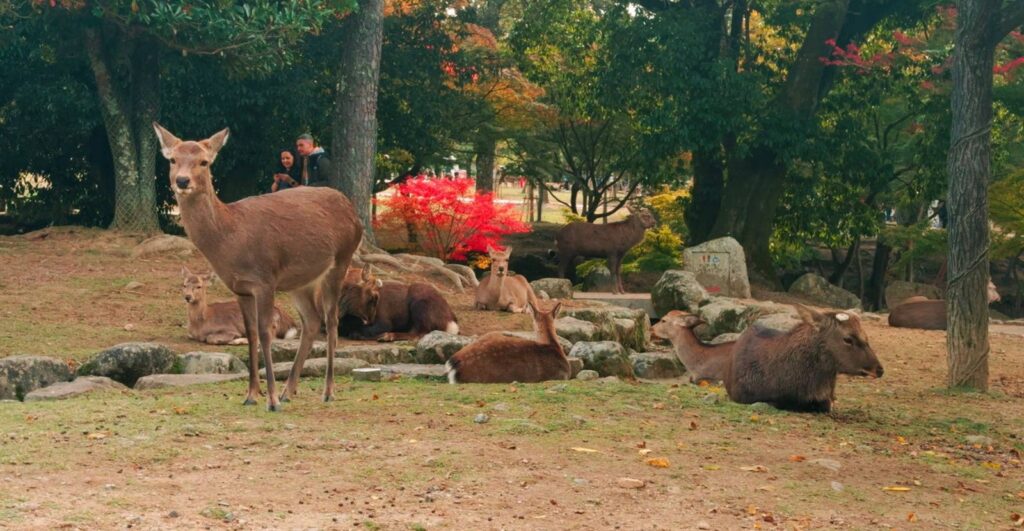
The free-roaming deer are the living symbol of Nara Park. You will see them grazing on lawns, wandering along paths, and resting near temple grounds. Many have learned to bow for shika senbei (deer crackers), which makes for a playful and memorable photo opportunity, especially for families.
However, keep in mind that they are wild animals. They can gather quickly when they spot food, nudge bags, or nibble at paper and loose clothing. Feed them only the crackers sold in the park, keep your own snacks securely packed away, and offer crackers one at a time rather than holding out the entire stack.
Opening Hours: The deer roam freely in the park throughout the day.
Seeing the deer is free. Deer crackers cost about ¥200 per pack.
Tip from the itinerary expert: Do not buy crackers at the busiest park entrance if the area feels crowded. Walk a little further into the park and choose a calmer, open space; the interaction will be much more manageable, especially if you are visiting with children.

Distance/Time: Inside Nara Park
Todaiji Temple
Great Buddha Hall
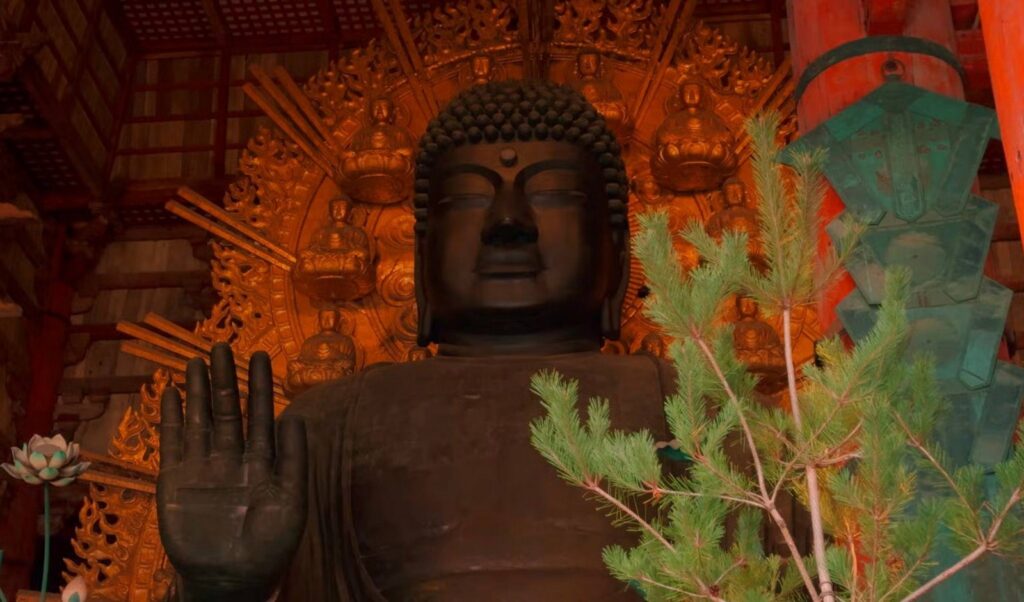
Todaiji Temple is the cultural anchor of Nara Park and the highlight that transforms a simple walk into a deeper historical experience. The journey through the massive Nandaimon Gate sets the scale, building anticipation before you even reach the Great Buddha Hall.
Inside, the towering Great Buddha is the primary reason to purchase an entry ticket. I recommend taking your time here. The sheer scale of the hall leaves an impression even on those who don’t typically prioritize temples, offering a powerful visual experience that is far more engaging for children than a standard history lesson.
Opening Hours: Temple buildings follow their own schedules and usually close earlier than the park itself.
Great Buddha Hall: ¥800 adult / ¥400 child. Combined ticket with the temple museum: approximately ¥1,200 adult / ¥600 child.
Tip from the itinerary expert: Plan your visit to Todaiji Temple before the late afternoon. Nara Park covers a large area, and most paid temple sites and museums in the district close between 16:00 and 17:00.
Distance/Time: Within walking distance from the main deer area
Nigatsudo Hall
Todaiji Nigatsudo
Nigatsudo Hall is the perfect spot for a scenic pause after the intensity of Todaiji Temple. As part of the wider Todaiji complex, it offers a different atmosphere—rather than a grand hall to explore, it acts as a raised viewpoint with sweeping vistas over the city.
The balcony view is the main attraction here. This stop is particularly valuable when you feel a bit “templed out,” as it provides a breath of fresh air and a sense of perspective, helping to break up your walk before you head deeper into the park.
Opening Hours: Access may vary depending on the area and specific temple schedule.
No separate ticket price is specified in the provided materials.
Tip from the itinerary expert: Treat Nigatsudo Hall as a brief reset rather than a lengthy destination. It fits naturally into the route immediately after Todaiji Temple.
Distance/Time: Near Todaiji Temple
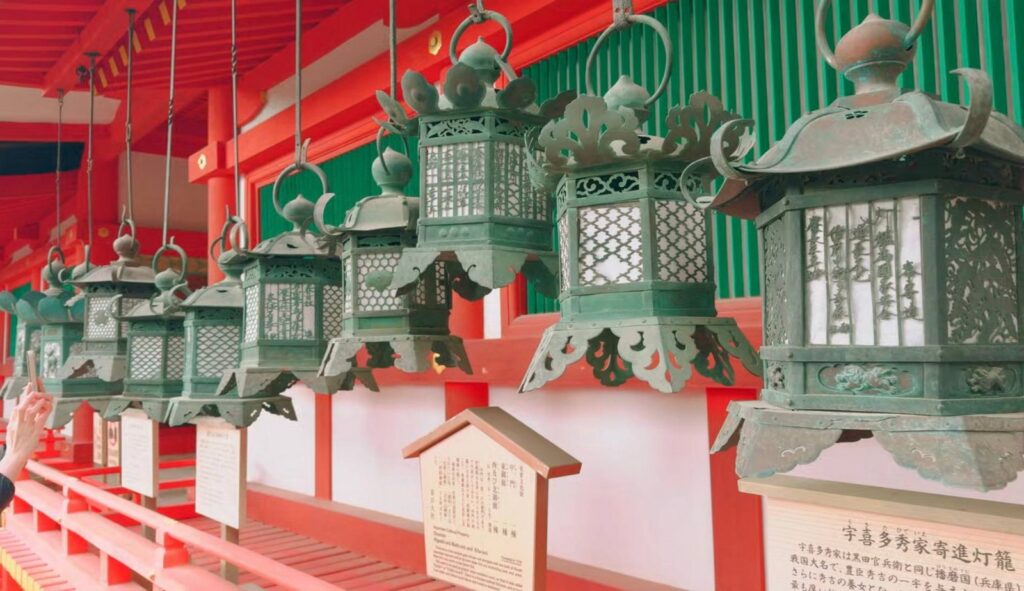
Kasugataisha Shrine
Kasuga Taisha
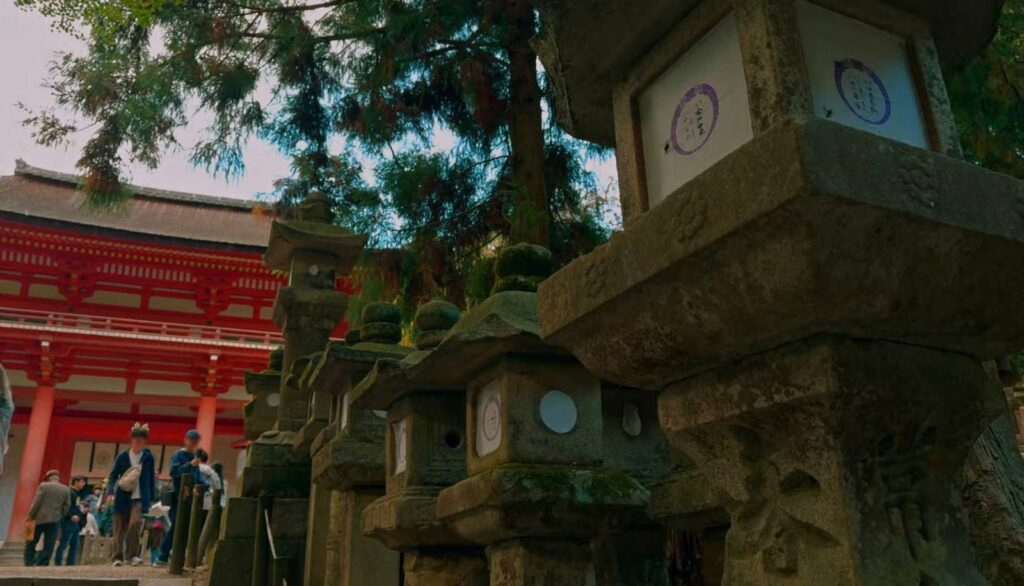
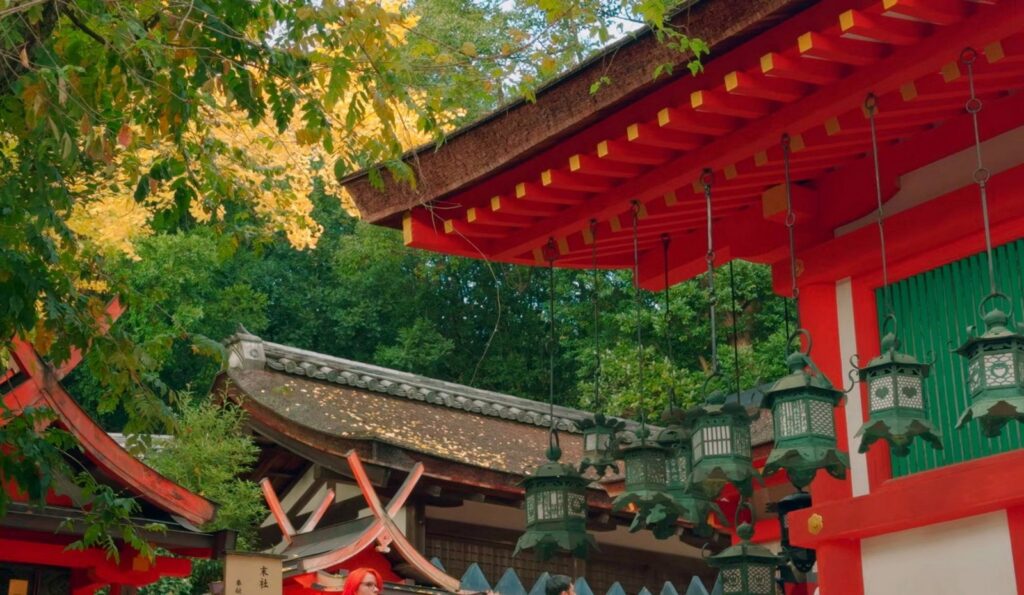
Kasugataisha Shrine offers a distinct change of pace from the rest of Nara Park. Instead of the open, sunny lawns and bustling deer-feeding spots, the approach winds through a dense forest shaded by thousands of stone and bronze lanterns, creating a quiet, sacred atmosphere.
The inner shrine area is well worth a visit if you have the time. It is an excellent stop for travelers who want to experience Nara Park as a blend of nature, history, and ritual, rather than just a place to photograph the deer.
Opening Hours: Shrine areas follow their own unique schedules.
Special worship/inner area: ¥700. Kasugataisha Museum: ¥700 adult. Manyo Botanical Garden: ¥700 adult / ¥300 child.
Tip from the itinerary expert: Pair your visit to Kasugataisha with a slow-paced walk through the forest approach. This path is an experience in itself and provides a welcome, quiet break from the more crowded zones of the park.
Distance/Time: In the forested part of the Nara Park area
Kofukuji Temple
Kofukuji Temple grounds
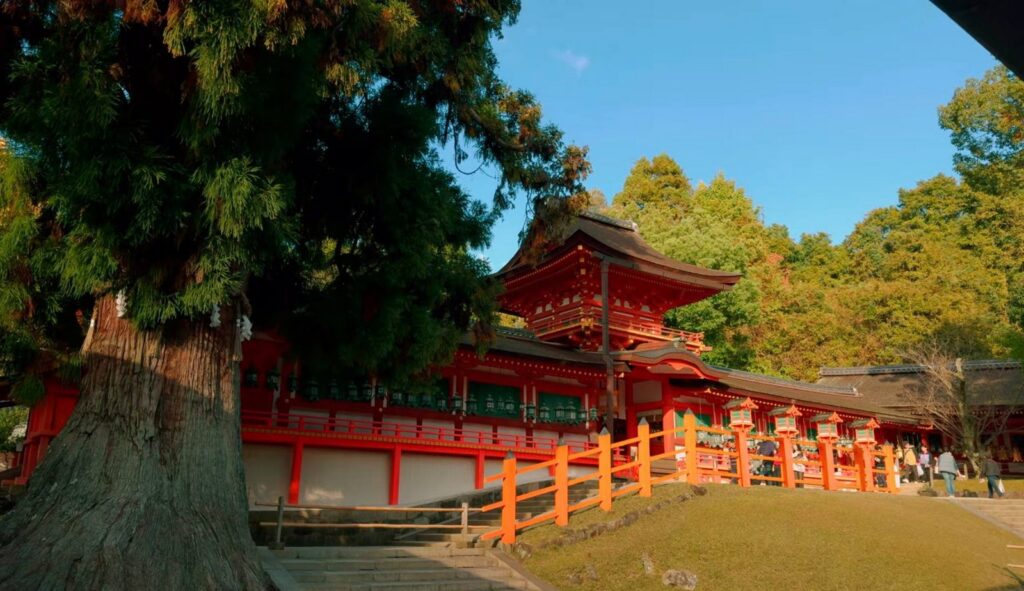
Kofukuji Temple is arguably the most convenient first stop if you are arriving from Kintetsu Nara Station. Its grounds naturally lead you toward the heart of Nara Park, serving as a gentle introduction to the area’s historical significance before you reach the main deer lawns.
Connected to the powerful Fujiwara clan, the temple complex features significant historic buildings and a museum filled with Buddhist treasures. For a family itinerary, I suggest using this as a compact starting point: walk the grounds, choose whether to enter the paid buildings, and then proceed toward the main park and Todaiji Temple.
Opening Hours: Temple grounds and buildings follow separate access rules and operating hours.
The temple grounds can be visited for free, while paid entry applies to specific buildings and the museum.
Tip from the itinerary expert: If you start your day at Kintetsu Nara Station, visit Kofukuji Temple first. This creates a logical, linear route and avoids any backtracking.
Distance/Time: A practical stop between Kintetsu Nara Station and Nara Park
Nara National Museum
Nara National Museum
Nara National Museum is your best indoor retreat if the weather turns rainy, gets too hot, or if you simply need a break from continuous walking. It is particularly valuable for visitors who want to delve into the history of Buddhist art and gain context for the temples they are exploring.
I wouldn’t force a museum visit into every itinerary—Nara Park is already a full outdoor experience—but it becomes a highlight when you need a quiet indoor block or want to understand the deeper cultural importance of Nara.
Opening Hours: Museum hours vary based on the day and current exhibition schedule.
Permanent exhibition: ¥700 adult / ¥350 student.
Tip from the itinerary expert: Keep the museum as a flexible “wildcard” option. On a beautiful day, prioritize the gardens and temple walks; save the museum for when you need to escape the heat or rain to maintain the rhythm of your day.
Distance/Time: Near the main sightseeing route through Nara Park
Yoshikien Garden and Isuien Garden
Gardens near Nara Park
Yoshikien and Isuien gardens provide a serene contrast to the activity of Nara Park. Situated close to the main sightseeing area, they offer a controlled, peaceful environment, which makes them perfect for a “soft reset” during your day.
Yoshikien is an excellent, compact choice, especially as foreign visitors can enter for free with a passport. Isuien, combined with the Neiraku Museum, is a paid option that offers a more curated, refined atmosphere—ideal if you are looking to slow down the day rather than visiting yet another large temple.
Opening Hours: Garden hours vary; check before you go.
Yoshikien is free for foreign tourists with a passport. Isuien + Neiraku Museum: ¥1,200 adult.
Tip from the itinerary expert: Choose just one garden rather than both. Yoshikien is better for a quick, effortless break, while Isuien is better suited to those who want a slower, more deliberate garden-viewing experience.
Distance/Time: Close to the main Nara Park sightseeing area
What is near Nara Park and worth visiting?
- Higashimuki Shopping Street and Sanjo-dori: These streets are perfect for your pre- or post-park stroll. They bridge the station area with cafés, local eateries, and small shops. They’re a great spot for breakfast, coffee, or picking up souvenirs before heading into the park.
- Nakatanidou mochi shop: This is a must-visit near the main route to the park. The mochi-pounding demonstrations are popular and draw crowds; if it’s too packed, don’t worry—just circle back later to enjoy the fresh mochi without the wait.
- Naramachi: This historic district is a fantastic addition if you have time left over. It offers a quieter, traditional side of Nara with narrow streets and small artisan shops that contrast beautifully with the grander sights of the park.
- Sarusawa Pond: A lovely scenic spot near Kofukuji Temple. It’s ideal for a quick photo pause, though the view may vary depending on any ongoing renovation work on the nearby pagoda.
- Mt. Wakakusa: If you’re craving panoramic views, this is your best bet. It’s a bit of a hike, so save this for a clear day when you have plenty of energy to enjoy the vista over the city.
- Nara Park Bus Terminal area: Primarily a logistics hub, but highly useful for orientation, finding buses, or taking a quick break between the station and Todaiji Temple.
Click here to learn more about creating a personal itinerary
Tip from the Itinerary Expert: Don’t try to cram every nearby spot into one day. Choose one city-side experience, like Naramachi, and dedicate the rest of your time to the park, the deer, and the serene temple paths.
Who is Nara Park suitable for?
- Families: Nara Park is a hit with families due to its mix of animals, open spaces, and easy walking paths. While the deer are a major highlight, ensure children interact safely: discourage them from waving food, holding full packs of crackers, or standing in the middle of large deer groups.
- Nature and photography lovers: With expansive lawns, shaded forest paths, and endless opportunities for wildlife photography, the park is a dream. For the best shots, move away from the busy entrance gates and venture deeper into the park.
- Culture seekers: If you want to explore Japanese history without feeling trapped in museums all day, this is for you. The temples, shrines, and gardens are set in a beautiful outdoor environment, allowing you to move naturally between them.
- Older travelers: You’ll certainly enjoy the park, but keep the distances in mind. A focused route covering the main deer area and Todaiji Temple is far more enjoyable than trying to see everything at once.
- Travelers with limited mobility: While some areas are accessible, the park is vast with varying terrain. Using taxis or buses to move between distant points like JR Nara Station and the major temples will make your day much more comfortable.
- Visitors with strollers: The main paths are stroller-friendly, but the park is large. Plan shorter segments and stay in the more open areas to avoid the densest deer-feeding spots, keeping your hands free for the little ones.
- Those uncomfortable with animals: If you’re not a fan of close encounters, the park can be overwhelming in busy areas. You can still enjoy the scenery by watching the deer from a distance and skipping the feeding sections.
Tip from the Itinerary Expert: For a stress-free day with children or seniors, build your route around just one main paid attraction, one relaxing walk, and a planned meal break. Keeping your itinerary manageable is the secret to a great Nara experience.
Nara Park 2-day itinerary
Trip Duration: 2 days
Day 1 — Deer, Kofukuji Temple, Todaiji Temple, and the classic Nara Park route
10:00 — Start at Kintetsu Nara Station. This is the most convenient gateway to Nara Park, as the walk to the main grounds takes only about 5–10 minutes. If you arrive at JR Nara Station, budget about 20 minutes on foot or take a local bus toward Nara Park, Todaiji Temple, or Kasugataisha Shrine. Before entering the park, Higashimuki Shopping Street and Sanjo-dori are perfect for coffee, a light snack, or a quick breakfast.
10:20 — Kofukuji Temple. Begin here, as the temple sits naturally between the station and the park. The grounds are an easy, non-backtracking addition that provides a cultural introduction before the deer become the main focus. Plan for 35–45 minutes if you are only walking the grounds, or longer if you choose to enter the museum or paid buildings.
11:15 — Nara Park deer area. Venture into the heart of the park and spend about 60–90 minutes exploring the lawns and paths. Purchase shika senbei (deer crackers) only if you are comfortable with the deer; they cost about ¥200 per pack. Feed them one cracker at a time, keep your bags zipped, and avoid holding out the entire stack at once.
12:45 — Lunch near the Todaiji approach. Choose a local café or restaurant within the park district to avoid unnecessary travel. A practical budget is about ¥1,500–¥2,500 per person. If you prefer something lighter, the shopping streets near the station offer plenty of snacks and sweets.
14:00 — Todaiji Temple and Nandaimon Gate. Walk through the impressive Nandaimon Gate and allow 1.5–2 hours for this area. The Great Buddha Hall is a must-see, even for non-temple enthusiasts. Tickets are ¥800 for adults and ¥400 for children; combined tickets with the museum are roughly ¥1,200 for adults and ¥600 for children.
16:00 — Nigatsudo Hall. After Todaiji, head to Nigatsudo Hall for a peaceful, scenic pause. A 30–45 minute visit here offers beautiful views over Nara without the feel of a heavy indoor attraction.
17:00–18:00 — Explore Higashimuki Shopping Street or Sanjo-dori. Walk back toward the station area to enjoy local sweets or dinner. Expect to pay about ¥2,500–¥4,500 per person for a nice izakaya or restaurant meal. If the group is tired, dining near the station is much easier than trekking back through the park.
Tip from the itinerary expert: Don’t buy deer crackers at the very first stall you see. Walk deeper into the park, find a quiet clearing, and enjoy the experience there—it is much easier to manage, and your photos will be much better without a crowd of deer blocking the view.
Overnight Location: Nara city center, preferably near Kintetsu Nara Station or between the station and Nara Park
Day 2 — Kasugataisha Shrine, gardens, and the quieter side of Nara Park
10:00 — Return to Nara Park. Start from your hotel or Kintetsu Nara Station. Since yesterday covered the “classics,” focus today on the slower side of Nara: forest trails, serene gardens, and cultural stops.
10:20 — Walk toward Kasugataisha Shrine. Follow the forested path toward the shrine. This area feels entirely different from the open lawns, with thousands of stone lanterns and shaded walkways. Allow 60–90 minutes here. The inner area costs ¥700, and the museum is also ¥700.
12:00 — Lunch near Kasugataisha Shrine. Consider Mizuya, a local restaurant known for its udon and beautiful forest setting. It’s perfect for keeping your route smooth and avoiding a midday trip back to the station.
13:15 — Manyo Botanical Garden. If the group has energy, visit this garden near the shrine. Tickets are ¥700 for adults and ¥300 for children. If you’re feeling tired, feel free to skip this and head toward the gardens near the central park area.
14:30 — Yoshikien Garden or Isuien Garden. Choose one. Yoshikien Garden is a short, beautiful stop that is free for foreign tourists with a passport. Isuien Garden + Neiraku Museum (¥1,200) offers a more curated, refined atmosphere. Plan for 45–75 minutes.
16:00 — Nara National Museum or relaxed stroll. Use this time flexibly. On rainy or hot days, the museum is an excellent indoor choice (¥700 for adults). Otherwise, enjoy a slow walk through the park and take photos away from the crowds.
17:15–18:00 — Dinner and sweets. End your trip around Higashimuki or Sanjo-dori. Grab some fresh mochi (¥200–¥500 per portion) or settle in for a final meal (¥2,500–¥4,500 per person).
Tip from the itinerary expert: On your second day, stick to either Kasugataisha Shrine plus one garden, or the shrine plus the museum. Trying to see every paid sight will leave you exhausted; keep it simple to enjoy the atmosphere.
Overnight Location: Nara city center or departure to Kyoto/Osaka
Traveller reviews of Nara Park

Emily Carter
April 2019

We visited with two kids, and they still talk about the deer bowing for crackers. At first, it honestly felt surreal. The park was green and bustling, but not chaotic, and Todaiji Temple was a real surprise—much more impressive than we expected. We bought just one pack of crackers each, and that was plenty.
Daniel Morris
November 2023
A beautiful place, but it’s huge. We walked from the station, through the deer area, around Todaiji Temple, and up toward Nigatsudo. By 4 p.m., everyone was exhausted. The deer were much calmer away from the main cracker stalls. I’d definitely recommend wearing proper walking shoes rather than city sneakers.
Sophie Bennett
August 2018

The deer are cute, sure, but summer was rough. The walk from the station felt much longer in the heat, and the kids got cranky before we even reached Todaiji. Some deer were quite pushy around food. It makes for nice photos, but I wouldn’t do it again in August.
Michael Adams
October 2025
We arrived around 10 a.m., and it was already getting busy near the main deer area. The trick was to walk farther in before buying crackers. It was much more peaceful there. Lunch near the shrine was simple udon with quick service, and the forest setting felt much more relaxing than the streets near the station.
Rachel Miller
May 2022
This was one of our best family days in Japan. The mix of deer, wide paths, temples, and little snack streets worked perfectly. My younger daughter loved the deer, and my older son liked the huge Buddha at Todaiji more than he expected. We ended the day with fresh, warm mochi near Sanjo-dori.
Oliver Grant
March 2017
Honestly, I was disappointed. There were too many people clustered around the deer crackers, and the animals kept biting at bags and jackets. One even pulled at my paper shopping bag and tore it. The temple was impressive, but the deer-feeding part felt stressful rather than charming, at least on the day we went.
Laura Evans
December 2024
A cold morning with a clear sky made the park look lovely. We skipped feeding the deer after watching one group get swarmed near the stalls. Just walking around and taking photos from a distance was enough for us. Yoshikien Garden was a quiet, welcome break after the busier temple side.
Thomas Reed
June 2016
It was a good day, but not as relaxed as I’d imagined. There was quite a bit of deer waste on some paths, so you really have to watch your step. The kids laughed about it; I didn’t. Still, Todaiji made the trip worth it. Next time, I’d plan fewer stops and more frequent breaks.

Tips from the Itinerary Expert

Avoid the Botanical Garden loop after rain
If the ground is wet, skip the route to Kagami-ike Pond via the Togakushi Forest Botanical Garden when traveling with children. The path can become muddy and confusing at junctions. Opt for the easier road approach instead to ensure the visit remains enjoyable rather than a struggle with dirty shoes and tired legs.
Visit Kagami-ike Pond before the shrine walk
Incorporate Kagami-ike Pond into your Togakushi Shrine visit by stopping at the pond first. After exploring Okusha, the stairs and forest walk may drain everyone’s energy. Starting with the pond keeps the photo stop relaxing and allows your family to gauge how much more walking they are realistically up for.
Treat Donguri House as a bonus, not your only lunch option
If Donguri House Café Restaurant is open, use it for a quick drink or galette by the water. However, never rely on it as your sole lunch plan. If it’s closed or full, having a backup plan to head toward Chusha for Togakushi soba will save you from a stressful, hungry search.
Wait for the pond to settle
If the water surface is rippled upon your arrival, don’t leave immediately. Spend 10–15 minutes waiting. Wind, clouds, ducks, and shifting light can quickly change the reflection, turning an ordinary view into a stunning mirror scene.
Don't treat the Lake Walk Course as an endurance test
The Lake Walk Course is marked as a 3-hour route, but with children, it’s best to stick to a section unless everyone is eager for a longer hike. This keeps the experience fun and leaves room for soba, the cedar avenue, or a ninja-themed stop without feeling rushed.
Schedule ninja attractions after nature walks
If children need a boost of activity, place the Togakushi Folk Museum, Ninja Trick House, or Kids’ Ninja Village after your time at Kagami-ike Pond and the forest. Doing it the other way around makes it difficult to return to the quiet scenery of the forest, as the pond might feel too slow for them afterward.
Expect unreliable phone signal near the pond
Before heading to Kagami-ike Pond, save your next destination and return route offline. Mobile reception can be spotty around the pond, and you don’t want to waste time checking maps when you need to decide between Chusha, Okusha, or the parking area.
Avoid the full Okusha walk in snow with children
In snowy conditions, keep your plans concise and don’t push for the full Okusha approach after visiting Kagami-ike Pond. Snow makes the walk significantly slower and more taxing. A brief look at the cedar avenue combined with the pond is a safer and cleaner family alternative.
Use Chusha as your practical reset point
If your day starts to feel too spread out, head back toward Chusha. It offers excellent soba restaurants, better infrastructure, and a more logical route. From there, it is much easier to decide whether to continue to Okusha, add a smaller activity, or head back to Nagano.
Insights from the Itinerary Expert
During my visit to Nara Park in November 2023, I realized that this destination is much more than just a “cute stop” with deer. The first 20 minutes were honestly a little chaotic: we bought shika senbei too close to the main entrance, and several deer swarmed us at once, nudging our bags in search of food. However, once we ventured deeper into the park, the entire experience shifted. It felt calmer, the children could observe the deer from a comfortable distance, and the scenic walk toward Todaiji Temple added significant depth to our day.
I truly appreciated the variety: open lawns, the majestic Nandaimon Gate, the awe-inspiring Great Buddha Hall at Todaiji Temple, and the quiet, contemplative paths. Still, it is important to be realistic about the downsides. Nara Park is vast, requiring a lot of walking, and some areas can feel a bit untidy or carry the distinct scent of the deer population.
Ultimately, Nara Park works perfectly for families when the route is planned with enough room for spontaneity and breaks. We specialize in creating custom itineraries for Nara and beyond, balancing nature, local food, and cultural landmarks with a pace that allows children to actually enjoy the day rather than rushing from one stop to the next.
Nara Park: Estimated Prices
| Name | Amount | Description |
|---|---|---|
| Budget hotel (2–3*) | ¥8,000–¥15,000 per night JPY | Simple, practical accommodation near the station or park area, ideal for travelers seeking a cost-effective base. |
| Mid-range hotel | ¥15,000–¥25,000 per night JPY | Comfortable options within easy reach of Kintetsu Nara Station and the main park routes. |
| Luxury hotel stay | ¥45,000–¥80,000+ per night JPY | Premium accommodations offering superior design, larger rooms, and a more immersive atmosphere. |
| Family stay (up to 5 people) | ¥20,000–¥45,000 per night JPY | Apartment-style or traditional lodgings designed to accommodate larger family groups. |
| Car rental | ¥7,000–¥12,000 per day JPY | Standard daily rates. While walking or buses are usually preferred for the central park, a car is helpful for exploring beyond Nara city. |
| Public transport | ¥250/ride; ¥600 (adult) / ¥300 (child) day pass JPY | Access to local loop buses. Day passes are cost-effective if you plan on making multiple short trips. |
| Dining | ¥1,500–¥2,500 (lunch) / ¥2,500–¥4,500 (dinner) JPY | Estimated per-person costs. Lunches in local cafés are generally more budget-friendly than sit-down izakaya dinners. |
| Parking | ¥1,000–¥2,000 per day JPY | Rates vary by location. Major lots like Takabatake or Noborioji adjust pricing based on weekdays and public holidays. |
| Convenience store snacks | ¥1,000–¥2,000 JPY | Budget for two, covering light items like onigiri, sandwiches, or coffee before or after your visit. |
| Nara Park admission | Free JPY | Access to the park is free. Budget instead for temple entries, museums, gardens, and transport. |
| Shika senbei (deer crackers) | ¥200 per pack JPY | Specially prepared crackers for feeding. Buy one pack at a time when with children to manage deer crowding. |
| Todaiji Temple (Great Buddha Hall) | ¥800 adult / ¥400 child JPY | The quintessential cultural stop in Nara; essential for any first-time visit. |
Nara Park FAQ
What we propose

Emma Heidi
Customer Experience Manager
Take all the stress out of planning your trip!
With our experts, you can create the perfect itinerary for you – complete, comfortable, and tailored to all your dreams, wishes, and needs.
We take care of every little detail, so you can simply focus on enjoying your journey.
We’ve been designing personalized itineraries since 2015, and over the years we’ve created thousands of custom itineraries for happy clients.

Save time, avoid confusion – we do the work for you. Our service saves you weeks of searching, reading, comparing, and complicated planning. Instead of wasting endless hours – you receive a ready-to-use, accurate and clear itinerary.

A tailor-made itinerary – built just for you. Your itinerary is personally designed based on our experts’ real field experience and genuine feedback from hundreds of travelers – including hidden discoveries and insider tips that don’t appear in any travel guide.

Smart accommodation selection – often saves you hundreds or even thousands of dollars. We help you choose verified and recommended places to stay, checking availability for your exact travel dates. Sometimes we suggest hotels not “in the center,” but in safe, convenient, and highly strategic locations – which can significantly reduce travel costs and save you even thousands of dollars.

We’re by your side even during the trip. We stay with you throughout your vacation – providing professional help whenever needed. If the weather changes, there’s a strike, a local event, heavy crowds, or any unexpected situation – we are here to update, guide, and adjust your itinerary in real time.

Easy-to-use itinerary – with direct navigation links. Your itinerary includes direct Waze / Google Maps links – no need to search for parking addresses, no stress, no mistakes. Just tap – and go.

Service cost: from only $420. (Special price for short itineraries up to 5 days). Clients tell us the itinerary saves them costly mistakes, fines, wrong choices – plus exclusive discounts on car rentals, better-priced accommodations, and money-saving local tips.
Want to know if it’s really worth it?
Take a look at the experiences of travelers who built their personal itinerary with us.
Click here and let’s start building the itinerary that will save you time, money, and stress – and turn your vacation into perfection.
Of course, your first inquiry is completely free – with no commitment whatsoever.
How it works


- You are welcome to contact us
- We discuss your trip
- You fill out a special form
- We create your itinerary
- You get it with all useful tips
- We are in touch with you all the time