My love for Japan began the moment I arrived in Tokyo. The country amazed me with its harmony of ancient traditions, cutting-edge technology, breathtaking nature, and a culture unlike any other. Since then, Japan has become a part of my life, and I return there again and again. Today I help travelers discover the real Japan: I create personalized itineraries, give lectures, and prepare guests for their unforgettable journey. I would be delighted to open Japan for you too!


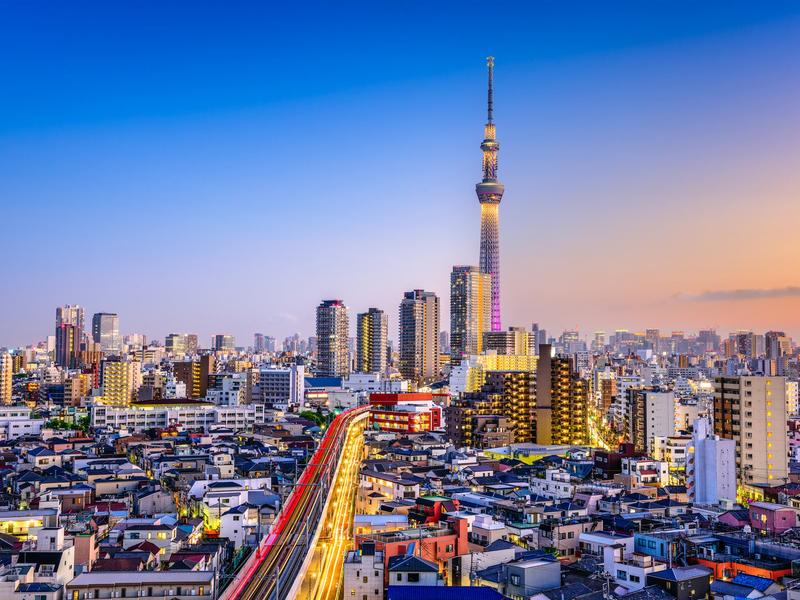

Yokohama Chinatown
Yokohama Chinatown is not a place you visit just to tick a famous landmark off your list. It is a vibrant, dense maze of ornate gates, atmospheric temple courtyards, bustling food stalls, and narrow side streets where the real joy lies in simply wandering. It works perfectly as a relaxed, few-hour stop, easily combining Kanteibyo Temple, Yokohama Masobyo, and a breezy break near Yamashita Park into a single walking route. Come for the lively energy, the street food, and the cultural pauses rather than a rigid sightseeing schedule.
Key information for Yokohama Chinatown and temples
Address:
Yamashita-cho, Naka Ward, Yokohama, close to Motomachi-Chukagai Station, Ishikawacho Station, Yamashita Park and Motomachi.
How to Get There
The easiest way to arrive is via Motomachi-Chukagai Station; from Exit 2, the entrance to Chinatown is just a 1-minute walk away. JR Ishikawacho Station is another great option, leaving you roughly a 5-minute walk from the district.
If you are traveling from Tokyo, expect a 1-hour train ride to Yokohama before catching a local connection. From Yokohama Station, the final leg takes less than 10 minutes, making Chinatown an effortless addition to a half-day or full-day Yokohama itinerary.
Click here to learn more about creating a personal itinerary
Parking
Paid parking lots are scattered around Chinatown, Yamashita Park, and Motomachi-Chukagai Station. If you are arriving by car, it is much smoother to leave your vehicle at Yamashita Park Parking or another major lot nearby, then explore the narrow streets on foot.
While a rental car adds incredible flexibility to a broader Yokohama and coastal itinerary—especially when connecting the waterfront with Minato Mirai—walking is the only practical way to explore Chinatown’s gates, food streets, and temples.
Opening Hours
The district itself can be walked through at any time, while restaurants, shops, cafés and temples each follow their own opening hours.
Tickets
There is no entrance fee for Yokohama Chinatown. Kanteibyo Temple and Yokohama Masobyo are usually free or donation-based, unless you join a special ceremony or buy incense.
Duration
Allow 2 to 4 hours for a first visit, or half a day if you plan to combine it with Yamashita Park, Yokohama Marine Tower, Motomachi, or Minato Mirai.
Best Time to Visit
For a more comfortable experience, arrive just before the lunch rush and pick out a couple of food stalls in advance rather than drifting aimlessly through the crowds. Weekends, public holidays, and Lunar New Year offer an incredible atmosphere filled with lanterns and lion dances, but this festive energy also makes the streets highly congested.

Since 2015, our website has specialized in individual planning of unique routes, taking into account personal preferences and desires.
Each of you will receive a unique PDF file from us, which contains everything you need: travel routes, car rentals, hotels, the best tourist attractions, attractions for kids and everything you need for a perfect vacation.
During the trip, we are available for you by phone via WhatsApp.
Our personal service provides information from A to Z, taking into account many small details that can become a decisive factor on the way from a wasted trip to an unforgettable vacation.
Our service will make your trip comfortable, save a lot of time on planning and preparation, and most importantly – will allow you to become freer and fully enjoy the pleasure of the trip.
What to see in Yokohama Chinatown and temples
Yokohama Chinatown is best experienced on foot: start with the iconic gates, explore the vibrant food streets, and then visit the two main temples that give this district genuine cultural depth. While everything is closely connected, the atmosphere shifts rapidly. In just a few minutes, you can transition from a bustling lane filled with steamed bun stalls and lively queues into a serene, richly decorated temple courtyard or a quiet neighborhood park.
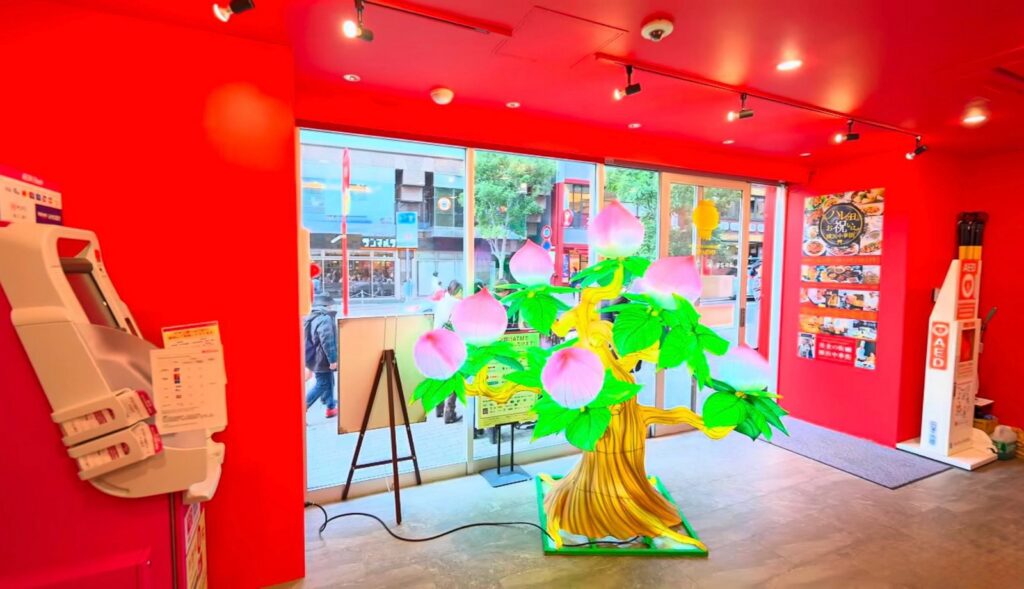
Chinatown Main Street
Chukagai Odori
This is where the energy of Yokohama Chinatown is most immediate, packed with neon restaurant signs, vibrant food displays, steaming dumplings, and crowds drifting from stall to stall. As the most congested stretch in the district, it shouldn’t define your entire visit. Use the main street as your baseline for orientation, then slip into the narrow side alleys when you want a calmer pace and a more authentic look at local life.
Opening Hours: The street itself is open at all times; individual restaurants and shops follow their own hours.
Free to walk through; food, drinks and shopping are paid separately.
Tip from the itinerary expert: Do not buy food at the very first stall you see. Walk one short loop to compare queues and portion sizes, then choose **2–3 snacks** that are easy to share.

Distance/Time: About 1 minute on foot from Motomachi-Chukagai Station Exit 2.
Kanteibyo Temple
Yokohama Kanteibyo
Kanteibyo Temple is a vital cultural landmark that keeps a Chinatown walk from becoming purely about food. Dedicated to Guan Yu—the historical figure revered for loyalty and business prosperity—the temple remains deeply intertwined with the history of Yokohama’s Chinese community. The brilliant facade, intricate wood carvings, and incense-scented courtyard offer a perfect, reflective pause away from the busy commercial streets.
Opening Hours: Opening hours may vary, so check current hours before visiting.
Usually free or donation-based unless you buy incense or join a special ceremony.
Tip from the itinerary expert: Plan your visit to Kanteibyo Temple for the middle of your walk rather than the end. It offers a natural, peaceful breather right after navigating the busiest food alleys.
Distance/Time: Inside Yokohama Chinatown, near the central streets.
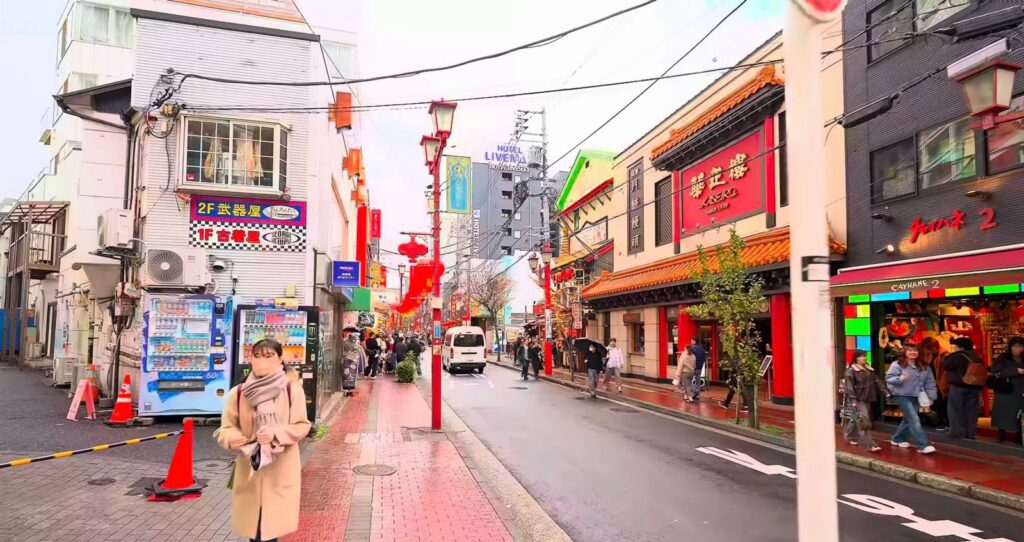
Yokohama Masobyo
Masobyo Temple
Yokohama Masobyo is another essential temple to include in your walking route. It is dedicated to Mazu, the sea goddess, which is highly fitting for Yokohama’s history as a port city shaped by international trade and maritime communities. Nestled in the southern part of the district, this temple serves as a quiet, deliberate sanctuary after the sensory overload of the main restaurant lanes.
Opening Hours: Opening hours may vary; check current hours if you plan to enter rather than only see the exterior.
Usually free or donation-based unless a special ceremony or incense purchase is involved.
Tip from the itinerary expert: Combine Yokohama Masobyo with a visit to Suzaku Gate and Yamashitacho Park. This keeps your walking route compact and prevents you from backtracking through the same crowded paths.
Distance/Time: In the southern part of Yokohama Chinatown, near Suzaku Gate and Yamashitacho Park.
Chinatown Gates
Choyo Gate, Zenrinmon Gate, Suzaku Gate and other gates
The colorful, towering gates define Yokohama Chinatown’s visual identity and serve as excellent navigation landmarks. Spanning different sides of the district, gates like Choyo, Zenrinmon, Suzaku, and Genbu help you stay oriented as you move between the train stations, temples, and nearby waterfront. They also double as quick, beautiful photo stops that require no tickets, timed entry, or long detours.
Opening Hours: Open-air landmarks; visible at any time.
Free.
Tip from the itinerary expert: Pick **two or three gates** to photograph rather than hunting down all ten. This keeps your stroll relaxed and leaves plenty of time for food, temples, and proper rests.
Distance/Time: Spread around the main entrances and streets of Yokohama Chinatown.
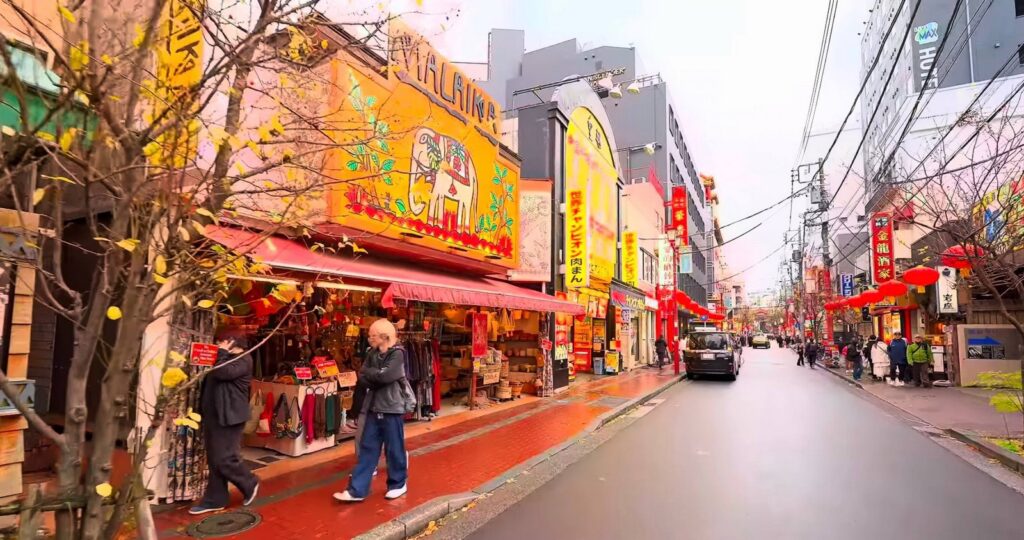
Yamashitacho Park
Small park inside Chinatown
Yamashitacho Park is not a massive sightseeing draw, but it is incredibly useful as a quick rest stop right inside the busy neighborhood. After pushing through dense market crowds, even a small open space makes a family itinerary feel much more manageable. It is an ideal spot to sit down for a moment before heading onward to Masobyo Temple, Suzaku Gate, or the station.
Opening Hours: Open-air public space; access may vary depending on local conditions.
Free.
Tip from the itinerary expert: Use Yamashitacho Park as a designated meeting point if your travel group splits up to buy food. It is far more practical than trying to wait for someone in the middle of Chinatown Main Street.
Distance/Time: Within the Chinatown area, near Yokohama Masobyo.
Yamashita Park
Waterfront park near Yokohama Chinatown
Yamashita Park provides a welcome dose of open air and seaside views right next to Chinatown. It serves as a seamless, breezy extension to your walk, especially after an indulgent meal or a busy weekend exploration. Swapping the narrow, crowded food alleys for the wide harborfront promenade gives your day a balanced, refreshing rhythm that keeps fatigue at bay.
Opening Hours: Open-air public park; access may vary depending on local conditions.
Free.
Tip from the itinerary expert: Head over to Yamashita Park if the Chinatown crowds start feeling overwhelming. The wide open waterfront offers a peaceful ending and connects naturally to Minato Mirai.
Distance/Time: A short walk from Yokohama Chinatown.
Motomachi Shopping Street
Motomachi area
Motomachi instantly shifts the tempo of your day. Moving away from Chinatown’s steaming food stalls and neon signs, this European-style boulevard introduces a quiet, sophisticated atmosphere filled with chic boutiques, cozy cafés, and leafy sidewalks. It is an excellent detour when your family wants to keep exploring but needs a complete break from the bustling market crowds.
Opening Hours: Individual shops and cafés follow their own hours.
Free to walk through; shopping and cafés are paid separately.
Tip from the itinerary expert: Explore Motomachi after Chinatown, never before. You want to hit the food streets while everyone is still hungry, leaving Motomachi’s relaxed café scene for a winding down stretch.
Distance/Time: Near Motomachi-Chukagai Station and within walking distance of Yokohama Chinatown.
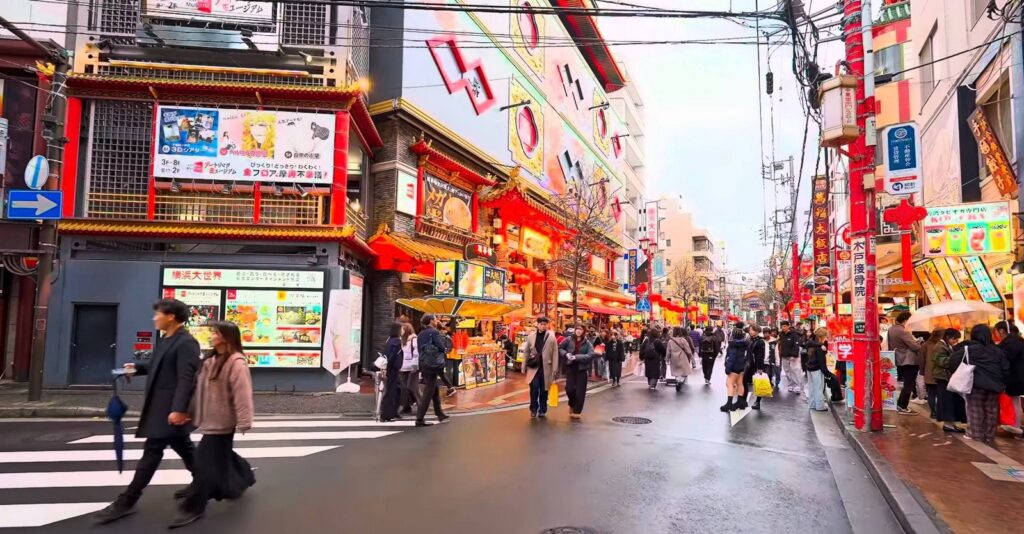
What is near Yokohama Chinatown and worth visiting
- Yamashita Park: The most natural place to head after exploring Yokohama Chinatown, especially if you want open spaces, sweeping harbor views, and a refreshing break from the busy food alleys. It makes an ideal post-lunch stroll as the path opens directly onto the waterfront.
- Yokohama Marine Tower: A great add-on if you want panoramic views over the harbor and the city. It is close enough to combine with Chinatown seamlessly, without turning your day into a complicated trek across town.
- Motomachi Shopping Street: An excellent next stop for chic cafés, boutiques, and a slower, more relaxed walking pace. It beautifully contrasts the vibrant, bustling energy of Chinatown with its polished European atmosphere.
- Minato Mirai: Add this modern district if you want to expand your trip into a full-day Yokohama itinerary filled with seaside promenades and futuristic skyline views. I recommend allocating a solid block of time here rather than rushing through after a heavy meal.
- Yamashitacho Park: A small but highly practical rest spot nestled right within Chinatown. While it is not a major tourist attraction, it provides a much-needed breather when the market streets become too congested for the family.
Tip from the itinerary expert: The most efficient route is to visit **Yokohama Chinatown first**, then walk over to Yamashita Park and the waterfront. If time allows, explore Motomachi or Minato Mirai afterward to avoid backtracking through the crowded market streets.
Who Yokohama Chinatown and temples are best for
- Food-focused travelers: Yokohama Chinatown truly shines when your visit revolves around grazing at food stalls, sampling local delicacies, and stepping into a traditional restaurant for a relaxed sit-down meal when the alleys get busy.
- Families looking for a flexible pace: This neighborhood is incredibly easy to navigate on the fly. You can easily keep the visit brief, throw in a quick park break, or transition to Yamashita Park and Motomachi without being bound to a rigid, museum-style schedule.
- Photography enthusiasts: The towering gates, hanging lanterns, intricate temple facades, and neon-lit shopfronts offer effortless, colorful photo opportunities around every corner.
- Culture seekers wanting a light touch: Kanteibyo Temple and Yokohama Masobyo add a rich cultural and historical dimension to your walk without making the afternoon feel tedious or overly academic.
- Fans of vibrant urban energy: The district is dynamic, colorful, and sensory, making it perfect for travelers who thrive on bustling street markets, tempting aromas, and lively crowds.
- Not ideal for those seeking quiet or off-the-beaten-path dining: The main thoroughfares are heavily commercialized, and weekends bring massive crowds. If you prefer a quieter experience, arrive early in the morning and focus your time on the narrow side lanes.
Click here to learn more about creating a personal itinerary
Tip from the itinerary expert: Treat Yokohama Chinatown as a **2 to 4-hour food and atmosphere stop** rather than a full-day destination. It pairs beautifully with a walk through Yamashita Park, Motomachi, or Minato Mirai.
2-Day Yokohama Chinatown Itinerary
Trip Duration: 2 days
Day 1 — Classic Yokohama Chinatown, temples and waterfront
Morning, 10:00–12:30: Arrive at Motomachi-Chukagai Station; from Exit 2, the entrance to Yokohama Chinatown is just a 1-minute walk. Pass through the historic gate area and stroll along Chinatown Main Street, using your first half hour to soak in the atmosphere, compare food stalls, and orient yourself. With hundreds of eateries, boutiques, and street vendors packed tightly together, it is wise to hold off on buying snacks at the very first corner. Continue onward to Kanteibyo Temple and allocate about 25–35 minutes to explore, treating it as a serene cultural pause rather than an intense historical excursion.
Lunch, 12:30–14:00: Keep your midday meal flexible. If your family prefers grazing on street food, select 2–3 easily shareable specialties such as pan-fried soup dumplings, fluffy pork buns, crisp Peking duck wraps, flaky egg tarts, or sweet sesame balls. Individual street food items typically cost between 300–800 JPY per item, making a varied tasting route average around 1,000–2,000 JPY per person. If you prefer a traditional sit-down lunch away from the crowds, choose a local restaurant for a relaxed meal of noodles, dim sum, or rice dishes, which generally runs about 1,500–3,000 JPY per person.
Afternoon, 14:00–16:30: Make your way to Yokohama Masobyo, a short 5–10 minute walk from most central spots depending on your lunch location. This striking temple is dedicated to Mazu, the sea goddess, and pairs perfectly with Yokohama’s history as a prominent maritime hub. Spend 25–35 minutes taking in the details, then head to Yamashitacho Park for a quick rest. From there, wind down toward Yamashita Park, which opens up into wide lawns and refreshing harbor vistas right next to the dense restaurant quarters.
Evening, 16:30–18:00: Wrap up your day with a scenic stroll along the Yamashita Park promenade. If everyone still has plenty of energy, consider heading up the adjacent Yokohama Marine Tower or returning into Chinatown for dinner. For your evening meal, consider an authentic sit-down restaurant or a classic all-you-can-eat dim sum buffet, which typically costs around 2,000–3,500 JPY per person. Be sure to lock in your dinner spot early on weekends to secure a table before the central streets become packed and queues lengthen.
Tip from the itinerary expert: Stroll through a full loop of the area before purchasing any food, then target the most exceptional-looking stalls. Because many menus repeat the exact same dishes, this brief pause helps you skip the generic options and makes your culinary experience far more rewarding.
Overnight Location: Yokohama Chinatown / Kannai / Yamashita Park area
Day 2 — Side streets, Motomachi, Minato Mirai and a slower Chinatown evening
Morning, 10:00–12:00: Head back into Yokohama Chinatown, but approach it from an alternate entrance to discover the quieter side alleys instead of repeating your Day 1 route. Look out for the historic architectural gates marking the edges of the district, such as Choyo Gate, Zenrinmon Gate, Suzaku Gate, and Genbu Gate. Rather than racing to photograph all of them, select two or three to help chart a leisurely morning loop. This early window is also the ideal time to pick up regional souvenirs before the midday crowds pack the shops.
Lunch, 12:00–13:30: Dedicate your second day to a more intentional dining experience. If you grazed on street food yesterday, book a comfortable sit-down restaurant today; if you had a heavy meal yesterday, opt for a light, multi-stall snack route. Budget around 1,500–3,000 JPY per person for a standard restaurant set, or 1,000–2,000 JPY per person for casual market snacks. For an expansive dim sum lunch or a traditional Chinese buffet, plan to spend closer to 2,000–3,500 JPY per person.
Afternoon, 13:30–16:30: Walk from the edge of Chinatown directly onto Motomachi Shopping Street. This short stroll transitions you into a sophisticated, tree-lined avenue that feels a world away from the market. Spend roughly 60–90 minutes browsing the European-style boutiques and stopping at a cozy café. Afterward, hop on public transit or enjoy a coastal walk toward the futuristic skyline of Minato Mirai, giving your afternoon a dramatic sense of modern scale.
Evening, 16:30–18:00: Conclude your day along the waterfront in Minato Mirai or circle back to Chinatown for an early dinner. In Minato Mirai, keep things simple with a harbor stroll, sunset photos, and a relaxed meal. If you return to Chinatown, head out before the peak dinner rush and seek out a hidden gem in the quiet side streets rather than the massive, packed venues on the main drag. For those staying locally near Kannai, Ishikawacho, or Yamashita Park, this brings your itinerary to a smooth, easy close.
Tip from the itinerary expert: Keep the second day light, flexible, and varied. Yokohama Chinatown is an incredible destination, but the main lanes can feel repetitive if you only focus on food stalls, so balancing the side alleys with Motomachi and Minato Mirai keeps the pace perfect.
Overnight Location: Yokohama Chinatown / Kannai / Minato Mirai area
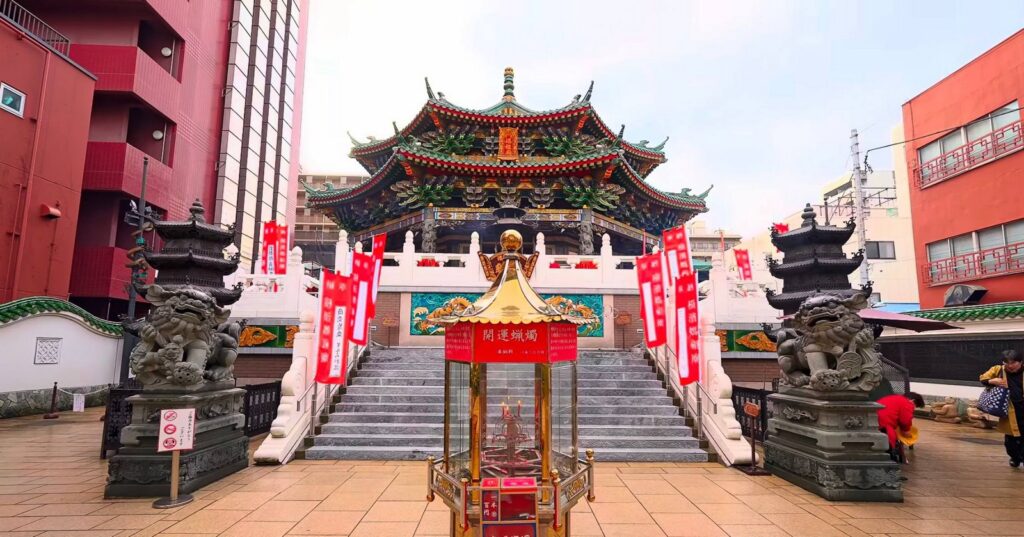
Traveller impressions of Yokohama Chinatown

Daniel Morgan
Visited in April 2025

I came hungry, and that was definitely the right call. We shared soup dumplings, a pork bun and egg tarts, then walked toward Kanteibyo Temple. The colors, lanterns and food smells all hit at once. My only mistake was buying too much in the first ten minutes.
Rachel Bennett
Visited in October 2023

We got there on a Sunday morning and it was already packed. The kids cared much more about the panda buns than the temples, which was not exactly a surprise. Kanteibyo looked beautiful, but the main street was too crowded for slow photos. The side streets were easier.
Mark Thompson
Visited in June 2019
Honestly, I expected the food to be better. A lot of stalls seemed to sell the same fried chicken, buns and dumplings, just under different signs. The streets are bright and fun for photos, but after about an hour I felt like I was seeing the same thing again.
Sofia Martinez
Visited in December 2024
We went in the evening, and the lanterns made the whole area feel festive. Yokohama Masobyo was already closed by the time we reached it, but it still looked impressive from outside. Dinner in a small restaurant off the main street was much calmer, and honestly better than eating in the crowd.
James Walker
Visited in May 2018
Very easy to reach by train. We used Motomachi-Chukagai Station and were basically in Chinatown right away. For a family day, I would not spend the whole day here, but 2–3 hours plus Yamashita Park worked well. The park break really helped when everyone got tired.
Emily Carter
Visited in February 2022
Too noisy for us. The gates are pretty, yes, and the temples were the best part, but the food streets felt commercial and repetitive. We also had a hard time finding a comfortable place to sit for a short rest. I am glad we saw it, but I would not hurry back.
Adam Wilson
Visited in September 2017
The funniest part was how fast our plan disappeared. One child wanted bubble tea, another wanted a chocolate panda bun, and I was standing there trying to find the temple on the map. It was chaotic, but in a good way. Yamashita Park afterward felt wonderfully calm.
Laura Collins
Visited in November 2021
I liked the look of the streets more than the food. Some restaurant fronts are gorgeous, and the gates are great for pictures, especially before the lunch rush. But a lot of menus looked almost the same, and choosing a place became strangely tiring.

Tips from the Itinerary Expert

Walk the first food loop before buying anything
On your first pass through Chinatown Main Street, resist the urge to buy food immediately. Take a moment to check out the queues, portion sizes, and what smells best, then select 2–3 snacks to share. This practical approach prevents you from filling up too early on identical buns and dumplings.
Start from Motomachi-Chukagai Station for the easiest entry
I highly recommend arriving via Motomachi-Chukagai Station Exit 2, as Chinatown begins almost immediately outside. When traveling with children or a multi-generational group, this short approach is invaluable—it eliminates long walks and confusion, dropping you right by the colorful gate area.
Place Kanteibyo Temple between food stops
When the market streets start getting loud and congested, step into Kanteibyo Temple before anyone in the family gets completely exhausted. It beautifully breaks up the food-heavy stretch of your walk, injects a serene cultural pause into the route, and ensures you won’t just rush past it at the end of the day.
Share large street-food portions first
Many iconic Chinatown snacks are far more substantial than they appear, especially the steamed pork buns, fried chicken, and soup dumplings. Buy a single portion first to split among yourselves. If everyone is still hungry, you can easily add another stop instead of wasting food and ruining your appetite.
Use Yamashitacho Park as a reset point
If the central thoroughfares become too overwhelming, guide your group to Yamashitacho Park for a quick breather. It is a far more practical spot to regroup, review your maps, finish a snack, or settle tired children than standing in the middle of Chinatown Main Street.
Keep Yokohama Masobyo for the quieter side of the walk
It is best to visit Yokohama Masobyo right after exploring the central food streets and just before heading out to Yamashita Park. This creates a highly efficient south-side walking loop and spares you from backtracking through the most congested restaurant lanes to reach the waterfront.
Do not choose dinner by the brightest sign
Along the busiest avenues, countless restaurant facades and menus begin to look completely interchangeable. Slip into the quieter side streets before deciding on a sit-down meal. They consistently offer a calmer dining experience, shorter waiting times, and a genuine break from the bustling market energy.
Move to Yamashita Park before everyone is exhausted
After spending about 2–3 hours absorbing the energy of Yokohama Chinatown, make your way toward Yamashita Park. The wide harborfront promenade offers plenty of open space, fresh air, and easy walking, ensuring your day winds down beautifully rather than stuck in another crowded food queue.
Save Motomachi for after Chinatown
Reserve a stroll down Motomachi Shopping Street for the latter half of your itinerary. The vibrant food lanes of Chinatown are much more enjoyable when everyone is still hungry, while Motomachi serves as a perfect follow-up for cozy cafés, boutique browsing, and a relaxed finish to the day.
Insights from the Itinerary Expert
I visited Yokohama Chinatown around lunchtime, and the first thing I realized was that assuming we could simply “grab a few bites” without a plan was a mistake. The main street was overwhelmingly vibrant, the food signs quickly began to blur together, and after just one pork bun and a few soup dumplings, the children were already asking for a place to sit down. Pacing is everything here. Kanteibyo Temple changed the rhythm of our day at exactly the right moment, offering a quiet, scenic pause before our next culinary stop. Yokohama Masobyo is another landmark I highly recommend including; it beautifully connects Chinatown to Yokohama’s maritime heritage in a way that feels completely natural.
However, the commercial side is also real. Countless stalls repeat the exact same snacks, and choosing a restaurant solely because it has the brightest neon sign often leads to a forgettable meal. I recommend planning your visit to Yokohama Chinatown as a **2 to 4-hour** experience, then moving toward Yamashita Park or Motomachi Shopping Street before the heavy noise and market crowds start to exhaust the family.
When approached with the right strategy, Yokohama Chinatown is dynamic, colorful, and incredibly fun—offering a perfect mix of street food, historic temples, and great photo opportunities, followed by fresh air along the waterfront promenade.
Yokohama Chinatown Prices
| Name | Amount | Description |
|---|---|---|
| Budget hotel near Yokohama Chinatown / Kannai / Ishikawacho | 3,000–6,000 per night JPY | Hostel or capsule-style accommodation near Yokohama Chinatown and the Kannai / Ishikawacho area. This is the leanest budget range, best for travelers who mainly need a simple place to sleep rather than extra comfort or space. |
| Mid-range 3-star hotel near Chinatown / Kannai / Yamashita Park | 8,000–16,000 per night JPY | A realistic range for a straightforward hotel room for one traveler or a couple, without luxury extras. Weekend dates and busy periods can push prices noticeably higher. |
| Comfortable 4-star hotel near Yamashita Park / Minato Mirai | 18,000–35,000 per night JPY | A better choice if you want to stay closer to the waterfront, Yokohama Marine Tower, Yamashita Park, or Minato Mirai. The final price depends strongly on the date, view, room size, and hotel level. |
| Train from Yokohama Station to Motomachi-Chukagai Station | About 230 one way JPY | The Minatomirai Line reaches Motomachi-Chukagai Station in about 8–10 minutes. From Exit 2, Yokohama Chinatown begins almost immediately, requiring just a 1-minute walk. |
| Train from Tokyo Station to Yokohama | About 500–700 one way JPY | A highly practical option for a day trip from Tokyo. After arriving at Yokohama Station, transfer to the local line toward Motomachi-Chukagai Station for the easiest Chinatown access. |
| Street food in Yokohama Chinatown | 300–800 per item JPY | Typical small bites include Peking duck wraps, pork buns, pan-fried soup dumplings, sesame balls, and egg tarts. Sharing several items usually works better than buying one large snack for each person right away. |
| Light street-food snack route | 1,000–2,000 per person JPY | A good budget for trying 2–3 different street-food items while walking, without sitting down for a full restaurant meal. This works especially well if you want the atmosphere but not a heavy lunch. |
| Lunch or dinner in a simple Chinatown restaurant | 1,500–3,000 per person JPY | A realistic range for noodles, dim sum, rice dishes, or casual set meals. The final bill depends on the restaurant style, location, popularity, and how many dishes you order to share. |
| All-you-can-eat dim sum / Chinese buffet | 2,000–3,500 per person JPY | A useful option when the family wants a seated meal and variety instead of moving from stall to stall. Popular places and peak times may sit closer to the upper end of the range. |
| Parking near Yokohama Chinatown | About 300–600 per 30 mins JPY | Parking is usually paid, and the price depends on the exact lot, location, and day of the week. Small lots near Chinatown can fill quickly, so Yamashita Park Parking or other marked parking areas nearby may be easier. |
Yokohama Chinatown FAQ
03
Is urban transit or a rental car better for accessing the area?
While trains are exceptionally efficient, renting a vehicle is highly strategic if Yokohama Chinatown is part of a broader regional itinerary. A car offers maximum flexibility for managing luggage, handling family logistics, and exploring coastal areas smoothly.
09
Is it easy to find authentic regional dining options away from the main crowds?
Absolutely. Exploring the narrower side alleys instead of the main commercial drag reveals excellent independent establishments specializing in authentic dim sum, local noodles, and seafood, usually with shorter waiting times.
What we propose

Emma Heidi
Customer Experience Manager
Take all the stress out of planning your trip!
With our experts, you can create the perfect itinerary for you – complete, comfortable, and tailored to all your dreams, wishes, and needs.
We take care of every little detail, so you can simply focus on enjoying your journey.
We’ve been designing personalized itineraries since 2015, and over the years we’ve created thousands of custom itineraries for happy clients.

Save time, avoid confusion – we do the work for you. Our service saves you weeks of searching, reading, comparing, and complicated planning. Instead of wasting endless hours – you receive a ready-to-use, accurate and clear itinerary.

A tailor-made itinerary – built just for you. Your itinerary is personally designed based on our experts’ real field experience and genuine feedback from hundreds of travelers – including hidden discoveries and insider tips that don’t appear in any travel guide.

Smart accommodation selection – often saves you hundreds or even thousands of dollars. We help you choose verified and recommended places to stay, checking availability for your exact travel dates. Sometimes we suggest hotels not “in the center,” but in safe, convenient, and highly strategic locations – which can significantly reduce travel costs and save you even thousands of dollars.

We’re by your side even during the trip. We stay with you throughout your vacation – providing professional help whenever needed. If the weather changes, there’s a strike, a local event, heavy crowds, or any unexpected situation – we are here to update, guide, and adjust your itinerary in real time.

Easy-to-use itinerary – with direct navigation links. Your itinerary includes direct Waze / Google Maps links – no need to search for parking addresses, no stress, no mistakes. Just tap – and go.

Service cost: from only $420. (Special price for short itineraries up to 5 days). Clients tell us the itinerary saves them costly mistakes, fines, wrong choices – plus exclusive discounts on car rentals, better-priced accommodations, and money-saving local tips.
Want to know if it’s really worth it?
Take a look at the experiences of travelers who built their personal itinerary with us.
Click here and let’s start building the itinerary that will save you time, money, and stress – and turn your vacation into perfection.
Of course, your first inquiry is completely free – with no commitment whatsoever.
How it works


- You are welcome to contact us
- We discuss your trip
- You fill out a special form
- We create your itinerary
- You get it with all useful tips
- We are in touch with you all the time