My love for Japan began the moment I arrived in Tokyo. The country amazed me with its harmony of ancient traditions, cutting-edge technology, breathtaking nature, and a culture unlike any other. Since then, Japan has become a part of my life, and I return there again and again. Today I help travelers discover the real Japan: I create personalized itineraries, give lectures, and prepare guests for their unforgettable journey. I would be delighted to open Japan for you too!

Yamanashi
Yamanashi is one of those rare gems where you can leave the Tokyo buzz behind and, in just over an hour, find yourself surrounded by serene lakes, lush vineyards, and breathtaking views of Mount Fuji. The change in pace is immediate. Instead of the city’s restless energy, you are greeted by quiet country roads, ancient shrine paths lined with towering cedars, and wide-open landscapes that feel grounded and peaceful. Around the Fuji Five Lakes, the scenery shifts beautifully with the seasons, proving this region is far more than just a quick photo stop. It is a place that invites you to slow down—whether through a gentle lakeside stroll, a hike to a scenic viewpoint, or a soul-warming meal of local hōtō noodles.
How do you get to Yamanashi, and how is the local mobility?
For most travelers, Kawaguchiko (Lake Kawaguchi) serves as the most convenient gateway to Yamanashi. Reaching the area from Tokyo is simple: a highway bus from Shinjuku takes roughly 1 hour 45 minutes (approx. $13.90 one way), while the direct Fuji Excursion train offers a faster, more comfortable ride for about $26.50 one way. If you plan to stay within a single lake area, public transport is quite reliable. However, if your itinerary involves hopping between viewpoints, hidden shrines, and remote wineries, distances can add up quickly. In such cases, a car becomes a practical asset, allowing you to reach the region’s more secluded and interesting spots that aren’t clustered together.
Click here to learn more about creating a personal itinerary
Tip from the itinerary expert: If your day is simple—Kawaguchiko, one major viewpoint, and a relaxed lunch—public transport works perfectly. But if you want to connect multiple lakes, fruit farms, or quiet countryside gems, renting a car makes a world of difference. It saves time, cuts out repetitive transfers, and gives you total freedom; daily rates for a compact car usually start around $46–57.

When is the best time to visit, and how do the seasons shape your journey?
Yamanashi transforms completely with the passing months. Spring brings the delicate beauty of cherry blossoms to spots like Chureito Pagoda, while summer offers vibrant greenery and refreshing lakeside activities. Autumn paints the vineyards and forests in deep reds and golds, and winter provides the crispest, most dramatic views of a snow-capped Mount Fuji. Beyond the seasons, timing is everything. Even the most famous vistas can be hidden by clouds, so early mornings are your best bet for calm water reflections and clear Fuji sightings. In Yamanashi, the most memorable moments belong to those who prioritize patience over a rigid, fast-paced schedule.

Since 2015, our website has specialized in individual planning of unique routes, taking into account personal preferences and desires.
Each of you will receive a unique PDF file from us, which contains everything you need: travel routes, car rentals, hotels, the best tourist attractions, attractions for kids and everything you need for a perfect vacation.
During the trip, we are available for you by phone via WhatsApp.
Our personal service provides information from A to Z, taking into account many small details that can become a decisive factor on the way from a wasted trip to an unforgettable vacation.
Our service will make your trip comfortable, save a lot of time on planning and preparation, and most importantly – will allow you to become freer and fully enjoy the pleasure of the trip.
Tip from the itinerary expert: Always head to your primary Fuji viewpoint early in the morning when visibility is most reliable. Have a backup spot in mind for later in the day if the weather shifts. Those quiet early hours at Kawaguchiko often provide the most striking, mirror-like scenes. Remember that while spring and autumn offer incredible colors, they also draw the biggest crowds to the iconic locations.
Which Yamanashi Attractions Are Truly Worth Your Time?
Rather than rushing through a dozen stops, focus on a handful of locations that truly capture the essence of Yamanashi. These spots offer the finest balance of Mount Fuji views, local atmosphere, and authentic experiences—ensuring your journey feels like an exploration, not a race.
Lake Kawaguchi
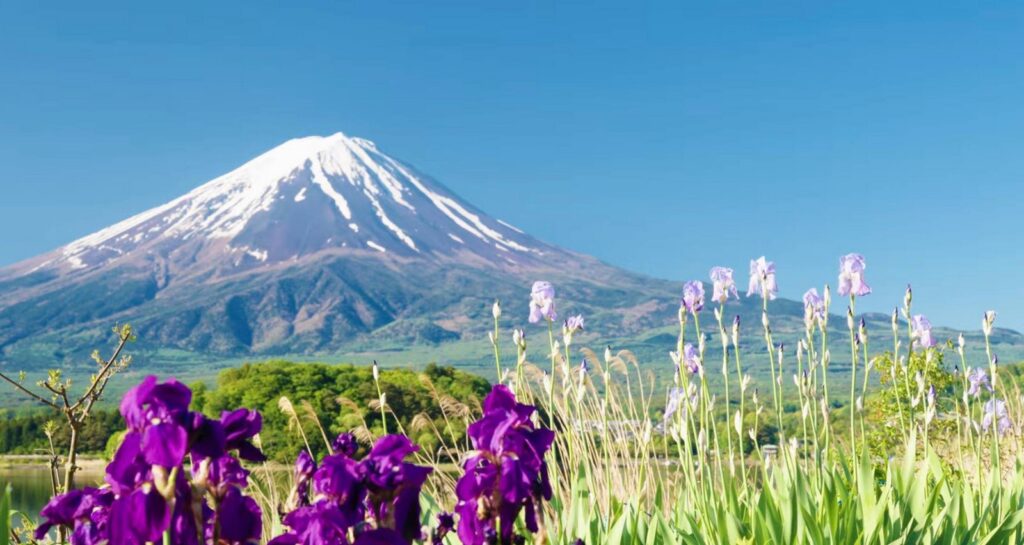
Lake Kawaguchi is arguably the most rewarding gateway to Mount Fuji. It offers those classic, breathtaking views of the mountain rising above the water, often perfectly mirrored on the lake’s surface during calm mornings. The area is exceptionally visitor-friendly, featuring scenic walking paths, bike rentals, and charming lakeside cafés. Whether you enjoy a gentle stroll or a short boat cruise, the landscape remains captivating in every season.
Boat rides and activities available for an additional fee
Tip from the itinerary expert: For the most striking photos, arrive early in the morning when the water is still and the air is crisp. If Fuji is momentarily hidden by clouds, stay patient—visibility often clears up surprisingly fast.
Chureito Pagoda
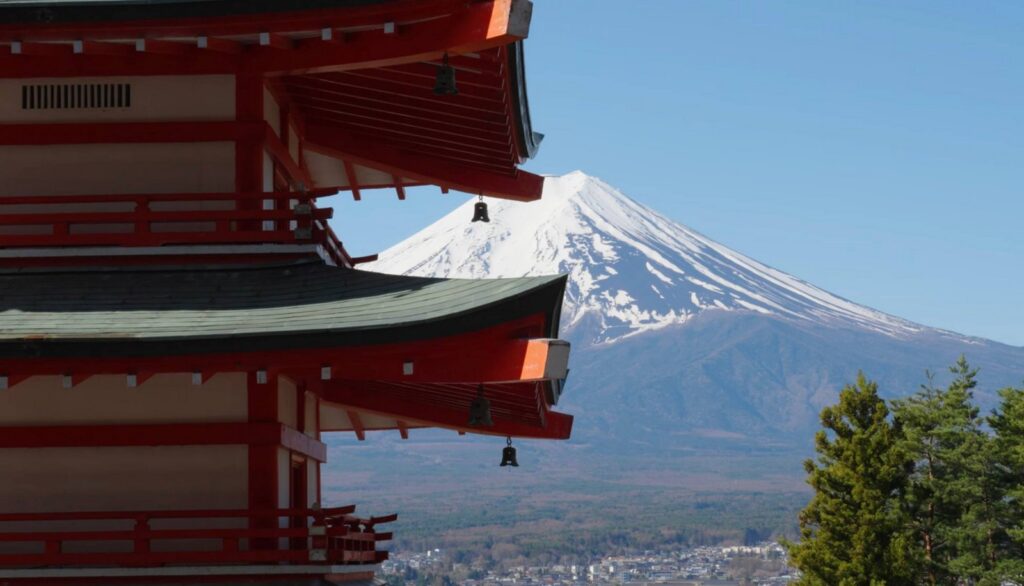
This is one of Japan’s most iconic vistas: a brilliant red five-story pagoda framed against the majestic backdrop of Mount Fuji. Located within Arakurayama Sengen Park, the viewpoint requires a climb of nearly 400 steps, but the reward is a quintessential, postcard-perfect panorama. It is particularly spectacular during the cherry blossom season and in autumn, when the surrounding foliage adds vibrant layers of color to the scene.
Free entry
Tip from the itinerary expert: To beat the crowds and secure the best light for photography, try to arrive by sunrise or as early as possible. Mountain weather is famously unpredictable, so a morning visit significantly improves your chances of a clear view.
Arakurayama Sengen Park
While the pagoda is the main draw, the park itself is a wonderful place to slow down and wander. Its wide paths and open observation points offer diverse angles overlooking Fujiyoshida city and the mountain. It’s an ideal spot to pause, soak in the landscape, and appreciate the serene atmosphere beyond just capturing a single famous photograph.
Free entry
Kitaguchi Hongu Fuji Sengen Shrine
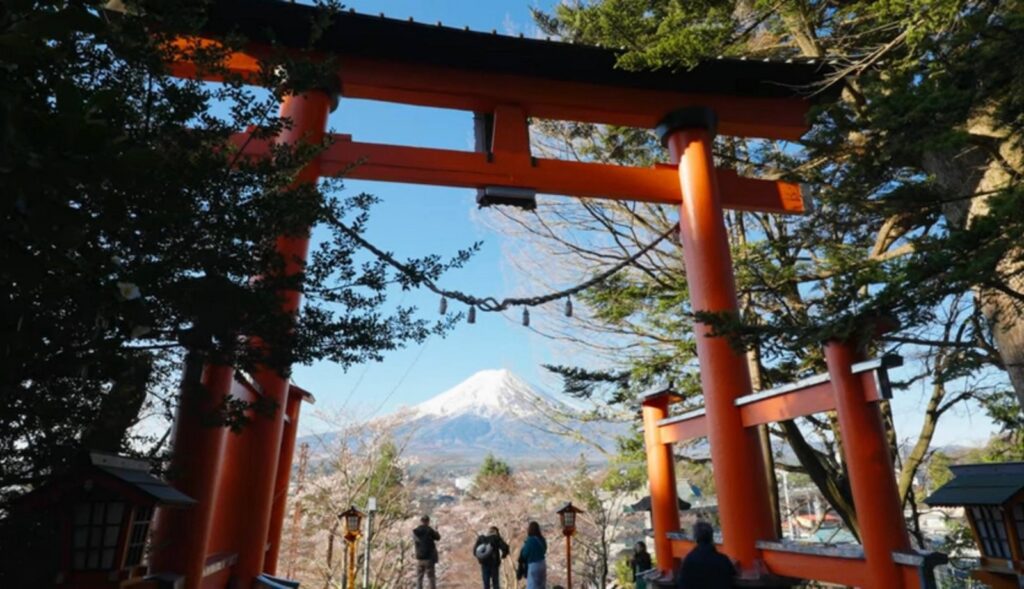
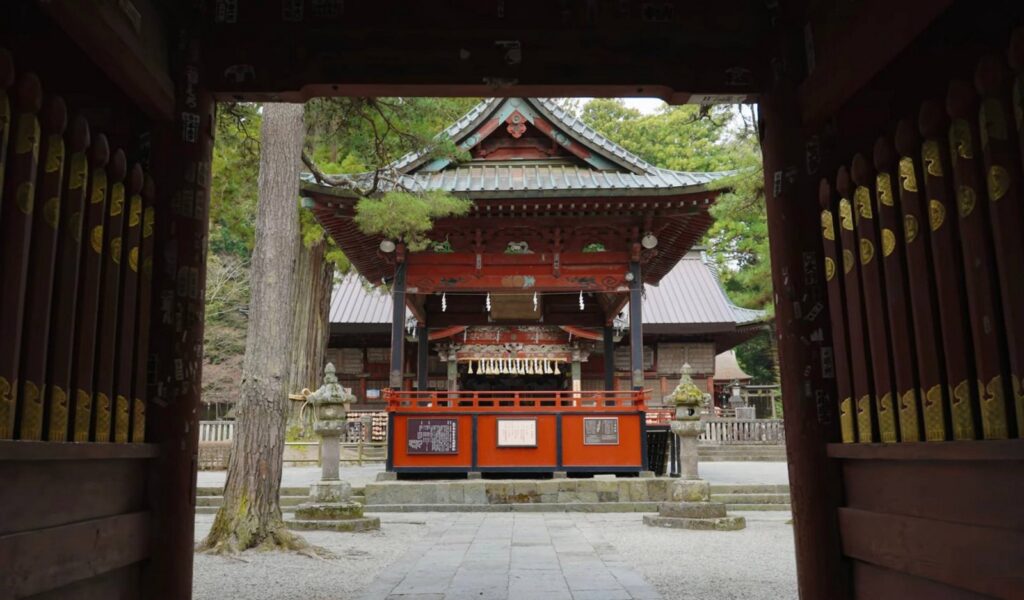
Once the traditional starting point for Mount Fuji pilgrims, this shrine offers a spiritual experience that feels worlds away from the busy tourist hubs. A long approach lined with ancient, towering cedar trees leads you into a meditative space filled with history. The weathered wooden buildings, some designated as Important Cultural Properties, provide a profound look into the mountain’s deep spiritual significance.
Free entry
Tip from the itinerary expert: Pair a visit here with one of the popular Fuji viewpoints. It creates a meaningful contrast between the famous photo spots and the quiet, cultural soul of the region.
Maglev Exhibition Center
This sleek, modern museum is dedicated to the future of Japanese transit: the superconducting maglev train. Through interactive exhibits and high-speed simulations, you can learn how this cutting-edge technology works and see the future of travel firsthand. It serves as an excellent indoor alternative if the mountain weather isn’t cooperating.
Ticket required
Fuji-Q Highland
For those seeking an adrenaline boost, Fuji-Q Highland is an essential stop. The park is world-renowned for its record-breaking roller coasters and intense thrill rides, though it also features lighter attractions for families. What sets it apart is the unparalleled setting—screaming down a drop with Mount Fuji towering right beside you.
Day passes and afternoon passes available
Tip from the itinerary expert: On busier days, consider an afternoon pass. You’ll bypass the peak morning rush, save on the entry price, and still have plenty of time to tackle the park’s most famous coasters.
Saiko Iyashi no Sato Nenba
This beautifully reconstructed open-air museum depicts a traditional Japanese farming village, complete with thatched-roof houses set against a tranquil natural backdrop. Walking through the village feels like stepping back into a slower, more deliberate era of rural life. It’s a peaceful cultural addition to any trip, offering a lovely contrast to the more commercial areas around Lake Kawaguchi.
Ticket required
Yamanashi’s Natural Wonders: Which Spots are Truly Unmissable?
- Fuji Five Lakes Area — This is the soul of Yamanashi’s natural beauty, a stunning cluster of lakes nestled at the very base of Mount Fuji. The combination of deep blue waters, dense forests, and expansive mountain views creates a landscape that is both serene and visually powerful. It is arguably the best region for leisurely walks, cycling, and soaking in the outdoors without any sense of rush.
- Lake Kawaguchi — As the most accessible of the five lakes, Kawaguchiko offers iconic, unobstructed vistas of Mount Fuji. On still mornings, the mountain’s reflection on the water’s surface is one of Japan’s most breathtaking sights. The lakeshore is perfectly set up for exploration, whether you prefer a casual stroll, a bike ride, or a scenic boat cruise.
- Shiraito Falls — A delicate, curtain-like cascade that spills gently over a wide rock face draped in lush greenery. As you approach, the air cools and fills with a fine mist, offering a refreshing escape—especially during the warmer months. The appeal here isn’t just the height, but the elegant texture and tranquil atmosphere of the falls.
- Mount Fuji Viewpoints — Scattered throughout Yamanashi are various vantage points, each offering a unique perspective of the peak—from sweeping panoramic overlooks to secluded, hidden gems. The experience shifts dramatically with the light and cloud cover, making the timing of your visit just as crucial as the location itself.
- Saiko Iyashi no Sato Area — This peaceful pocket blends dramatic mountain scenery with a traditional rural aesthetic. Flanked by peaks and significantly quieter than the main tourist hubs, it provides a slower, more relaxed environment where you can appreciate the landscape away from the typical crowds.
- Mount Fuji’s Natural Springs — Yamanashi is famous for its exceptionally pure water, naturally filtered through layers of volcanic rock. You can sense the difference in these natural spots—the air feels crisper, the surroundings calmer, and even a brief stop feels revitalizing due to the pristine, refreshing character of the environment.
Tip from the itinerary expert: Never put all your eggs in one basket when it comes to Fuji views. Plan at least two different natural stops in a single day—for instance, combining a lakeside park with a higher mountain viewpoint. If clouds happen to roll in at one spot, you’ll still have a great chance of catching a clear, majestic glimpse from the other.
A Taste of Yamanashi: What Makes the Local Flavors Unique?
- Hōtō — The region’s ultimate comfort food: thick, flat wheat noodles slow-simmered in a savory miso broth with seasonal vegetables. It’s hearty, warming, and particularly satisfying after a day of exploring the outdoors.
- Premium Grapes and Seasonal Fruit — Thanks to the pristine water and dramatic temperature shifts between day and night, Yamanashi produces Japan’s finest fruit. Grapes are the star here, with exquisite local varieties widely available during the harvest seasons.
- Yamanashi Wine — As Japan’s premier wine-producing region, the vineyards around Katsunuma are a must-visit. Local wineries offer a sophisticated range of styles, blending long-standing Japanese traditions with unique regional grape varieties.
- Pristine Water-Based Cuisine — Many local delicacies owe their refined taste to the exceptionally pure water filtered through Mount Fuji’s volcanic layers. This mineral-rich water subtly elevates every dish, making both food and drink taste remarkably clean and crisp.
- Authentic Countryside Dining — Exploring smaller villages often leads to the most genuine culinary finds. These local eateries focus on quality and tradition over flashy presentation, offering a calm and deeply authentic dining experience.
Click here to learn more about creating a personal itinerary
Tip from the itinerary expert: Be sure to dedicate time for at least one sit-down local meal. Enjoying a bowl of steaming hōtō in a relaxed, traditional setting adds a rich cultural layer to your journey that quick snacks simply can’t match.
5 Hidden Gems in Yamanashi Worth Discovering
- Saiko Iyashi no Sato Nenba — A beautifully restored village of thatched-roof houses that offers a serene glimpse into old-world Japan. It provides a much slower, more atmospheric pace than the busier tourist hubs.
- Fuji Spring Water Aquarium — A unique, boutique aquarium where fish appear to glide through crystal-clear spring water sourced directly from Mount Fuji, creating a mesmerizing and tranquil visual experience.
- Katsunuma Vineyards — Rolling hillsides draped in vines where you can wander through the fields and immerse yourself in Japan’s authentic wine culture, away from the standard tourist trails.
- Secluded Fuji Viewpoints — Beyond the famous landmarks, Yamanashi is dotted with quiet ridges and lakeside corners that offer equally stunning views of Mount Fuji with only a fraction of the crowds.
- Boutique Onsen and Ryokan Stays — Intimate hot spring retreats tucked away in nature. These smaller establishments prioritize relaxation and a connection to the landscape, perfect for a slower-paced escape.
Tip from the itinerary expert: Aim to include one lesser-known gem each day. Balancing a famous landmark with a quieter, more personal discovery keeps your itinerary feeling fresh and much more enjoyable.
Traveling with Kids: Best Family Activities in Yamanashi
- Fuji-Q Highland — A premier amusement park that balances world-class, high-adrenaline coasters with gentle themed areas, making it a hit for both thrill-seeking teens and younger children.
- Ropeways and Panoramic Views — Short, scenic cable car rides offer spectacular mountain vistas without the need for long hikes, making them a fun and effortless highlight for families.
- Fuji Spring Water Aquarium — This compact and easy-to-navigate aquarium uses incredibly clear water to showcase local aquatic life, keeping kids engaged and curious without the exhaustion of a massive facility.
- Lakeside Cycling and Strolls — The flat, well-paved paths around Lake Kawaguchi are perfect for families. You can rent bikes or simply walk at your own pace, with plenty of spots to stop for a break.
- Fruit Picking Adventures — Seasonal orchard visits allow children to pick and taste the region’s famous grapes or peaches directly from the trees—a hands-on experience they won’t forget.
- Natural Open-Air Exploration — Yamanashi’s wide-open parks, lakeshores, and villages naturally encourage kids to move and explore freely in a safe, beautiful environment.
Tip from the itinerary expert: Structure your day by pairing one high-energy attraction with one relaxed nature stop. This balanced rhythm keeps the energy levels stable and ensures the kids don’t get overtired too early in the day.
Yamanashi Itinerary: 2 Days of Fuji Views and Culture
Trip Duration: 2 days
Day 1 — Iconic Fuji Vistas, Sacred Shrines, and Lakeside Serenity
Morning: Start your journey at 10:00 in the Fujiyoshida area, home to some of Japan’s most celebrated scenery. Begin at Chureito Pagoda and Arakurayama Sengen Park. This is the classic postcard view: a vibrant red pagoda overlooking the town with Mount Fuji rising majestically in the background. The climb involves nearly 400 steps, so it is best to visit while your energy is high. Plan for about 1.5–2 hours to enjoy the walk and take in the panoramic viewpoints.
Next, take a 20-minute drive to Kitaguchi Hongu Fuji Sengen Shrine. You will notice an immediate shift in atmosphere as you enter a long, meditative path lined with ancient, towering cedars. It is one of the most spiritual shrine approaches in the region, offering a quiet moment of reflection. Budget 45–60 minutes here. Afterward, head toward Kawaguchiko for a traditional lunch of hōtō noodles. Hoto Fudou is a highly recommended local spot where a hearty bowl costs roughly $8.33, with most lunch options ranging between $6 and $10.
Afternoon & Evening: After lunch, it is a short 20-minute drive to Lake Kawaguchi. This is the perfect place to slow down. Spend the afternoon walking along the shore, cycling, or simply enjoying the reflected mountain views. If the sky is clear, take the Mt. Fuji Panoramic Ropeway for an elevated perspective over the lake; a round-trip ticket is approximately $6.31. Allocate 2–3 hours for this lakeside exploration. For dinner, the Kawaguchiko area offers many casual restaurants, with meals typically costing $19–25 per person. Staying overnight in Kawaguchiko is highly recommended, as it gives you the best chance to see a clear Mount Fuji at sunrise the next morning.
Tip from the itinerary expert: Dedicate your best daylight hours to outdoor viewpoints. By starting at the Chureito Pagoda and moving to the shrine before settling by the lake, you maximize your chances of clear views. If Fuji is hidden by clouds in the morning, stay patient—visibility at Kawaguchiko often improves unexpectedly later in the day.
Overnight Location: Kawaguchiko
Day 2 — Traditional Villages, Crystal Springs, and Modern Wonders
Morning: Begin your second day at 10:00 with a 30-minute drive to Saiko Iyashi no Sato Nenba. This reconstructed village features traditional thatched-roof houses and a quiet mountain backdrop, offering a glimpse into rural Japanese life at a much slower pace. Entry is approximately $3.16, and you should plan for about 1.5 hours. Afterward, head to the Fuji Spring Water Village Aquarium. This unique, boutique aquarium showcases fish in incredibly clear spring water from Mount Fuji. It is a calm, family-friendly stop that takes about 45–60 minutes (note: it is closed on Tuesdays; entry is about $2.65).
For lunch, enjoy a casual meal in the Fuji Five Lakes area. If you prefer a more gourmet experience, consider driving toward the Katsunuma region to explore its famous vineyards and local wine culture instead of adding more sightseeing stops. A typical lunch in this area costs between $6 and $13 per person.
Afternoon & Evening: For your final afternoon, tailor the trip to your interests. If you are seeking thrills, head to Fuji-Q Highland, one of Japan’s premier amusement parks. Afternoon passes cost between $25 and $37, while full-day tickets are about $45. Plan to spend 3–4 hours here. If you prefer a quieter, educational experience, visit the Yamanashi Maglev Exhibition Center to see the future of high-speed rail technology. Wrap up your journey with an early dinner before heading back to Tokyo or settling in for one more peaceful night in the countryside.
Tip from the itinerary expert: Keep your second day focused to avoid feeling rushed. Choose one primary theme: either a relaxed day of culture and nature (village + aquarium) or a high-energy afternoon at Fuji-Q Highland. Combining too many distant stops will lead to more driving and less time to actually enjoy the destinations.
Overnight Location: Kawaguchiko or return to Tokyo
Traveller Reviews: Real Experiences in Yamanashi

Daniel
October 2025

I visited Yamanashi specifically for Lake Kawaguchi, and it provided the exact kind of slow, peaceful escape I was looking for. After renting a bike near the station, I spent hours drifting between various lakeside viewpoints. Even though Mount Fuji kept playing hide-and-seek behind the clouds, the scenery remained breathtaking. My best advice: start your day early and stay flexible, as the mountain weather shifts in an instant.
Maya
April 2019
Seeing the Chureito Pagoda during cherry blossom season was a dream; the view truly lives up to every postcard you’ve seen. The climb was a bit more strenuous than I anticipated, especially with kids in tow, but the panorama at the summit made every step worth it. The blend of the red pagoda, the sprawling town, and Fuji in the distance is unforgettable. It gets crowded quickly, so I highly recommend arriving at sunrise for a quieter experience and better light.
Omar
July 2024
We stopped at the Fuji Spring Water Village Aquarium with our children, and it served as a delightful, easy-going break. While it is a compact facility, the spring water is so impossibly clear that the fish look like they are hovering in mid-air. I loved the low-key, calm atmosphere. It works perfectly as a short, refreshing stop paired with another nearby attraction.
Sophie
November 2023
Lake Kawaguchi became one of my favorite spots in all of Japan. Staying overnight made a massive difference—the early morning light was ethereal, and the lakeshore felt private and serene. I really enjoyed the well-maintained walking paths and the slow pace. By late morning, the crowds definitely arrived, so plan your main stroll early if you want to avoid the rush.
Ethan
December 2025

The Kitaguchi Hongu Fuji Sengen Shrine was a major highlight for me. After the bustling energy of the main Fuji viewpoints, this felt like stepping into another era. The approach through the towering cedar forest is stunningly beautiful and deeply meditative. It added a layer of cultural depth to my trip that wasn’t just about the perfect photo. It is a must-visit for a more meaningful and quiet experience.
Lina
August 2018
We headed to Saiko Iyashi no Sato Nenba after a morning by the lakes, and it was a wonderful surprise. The traditional thatched houses and the mountain backdrop created such a relaxed, timeless feel. It is incredibly photogenic and felt much less stressful than the main hubs. Even if Fuji is obscured by clouds, the village atmosphere alone makes the visit worthwhile.
James
September 2022
Fuji-Q Highland was the absolute highlight for our family. We wanted something high-energy, and the roller coasters delivered. Seeing Mount Fuji while flying through the air made the experience unique. Be prepared for long queues, though; you likely won’t get to do everything. It’s best approached as a half-day adventure with realistic expectations.
Nadia
January 2025
I took the Mt. Fuji Panoramic Ropeway hoping for that perfect vista and learned how crucial timing is. The ride is brief, but the queues can be long. The view of Lake Kawaguchi from the top is beautiful, though I wouldn’t recommend it if it’s overcast. My tip: check the live visibility cameras before you go to ensure the trip up is worth your time.
Expert Recommendations for Your Yamanashi Journey
- Prioritize Early Mornings for Fuji Views — I always suggest visiting Mount Fuji viewpoints as early as possible. Around Lake Kawaguchi and Chureito Pagoda, the clearest, most dramatic vistas typically occur before midday clouds begin to form.
- Beat the Crowds at Chureito Pagoda — For that quintessential Japanese photo, head to the pagoda shortly after sunrise. The climb is much more pleasant in the cooler morning air, and you’ll avoid the heavy tour groups that arrive later.
- Have a Backup Plan for Visibility — Never rely on just one location for your Fuji fix. A smarter approach is to pair one iconic viewpoint with a second, quieter nature spot; if the mountain is shy in one area, you still have a strong chance elsewhere.
- Balance is Key for Families — When traveling with kids, I recommend a mix of one scenic stop, one light activity, and one fun highlight. For instance, combining Lake Kawaguchi with the Fuji Spring Water Aquarium is far more engaging than only chasing viewpoints.
- Use Lake Kawaguchi as Your Base — For shorter trips, staying near the lake simplifies everything. You’ll have easy access to major attractions, diverse dining options, and beautiful walks without the stress of constant travel.
- Be Weather-Smart with the Ropeway — If the sky looks uncertain, skip the ropeway until Fuji actually reveals itself. Your time is better spent exploring a traditional village or enjoying a relaxed meal than waiting in line for a cloudy summit view.
- Savor the Local Comfort Food — Authentic travel is about the flavors, so make time for hōtō. These hearty, miso-simmered noodles are the soul of the region and the perfect way to recharge.
- Save the Traditional Village for Later — I like to schedule Saiko Iyashi no Sato Nenba for the afternoon. It is naturally calmer than the main hubs and maintains its unique, historical atmosphere even if the mountain is behind clouds.
- Choose Your Energy Level — For families, I recommend choosing either a high-energy day at Fuji-Q Highland or a slower nature-focused route—but not both. A lighter schedule always leads to a more memorable experience.
- Consider a Rental Car for Flexibility — If you plan to visit multiple areas in a single day, renting a car makes a significant difference. Distances between the lakes and shrines can add up, and having your own wheels keeps the day flowing smoothly.
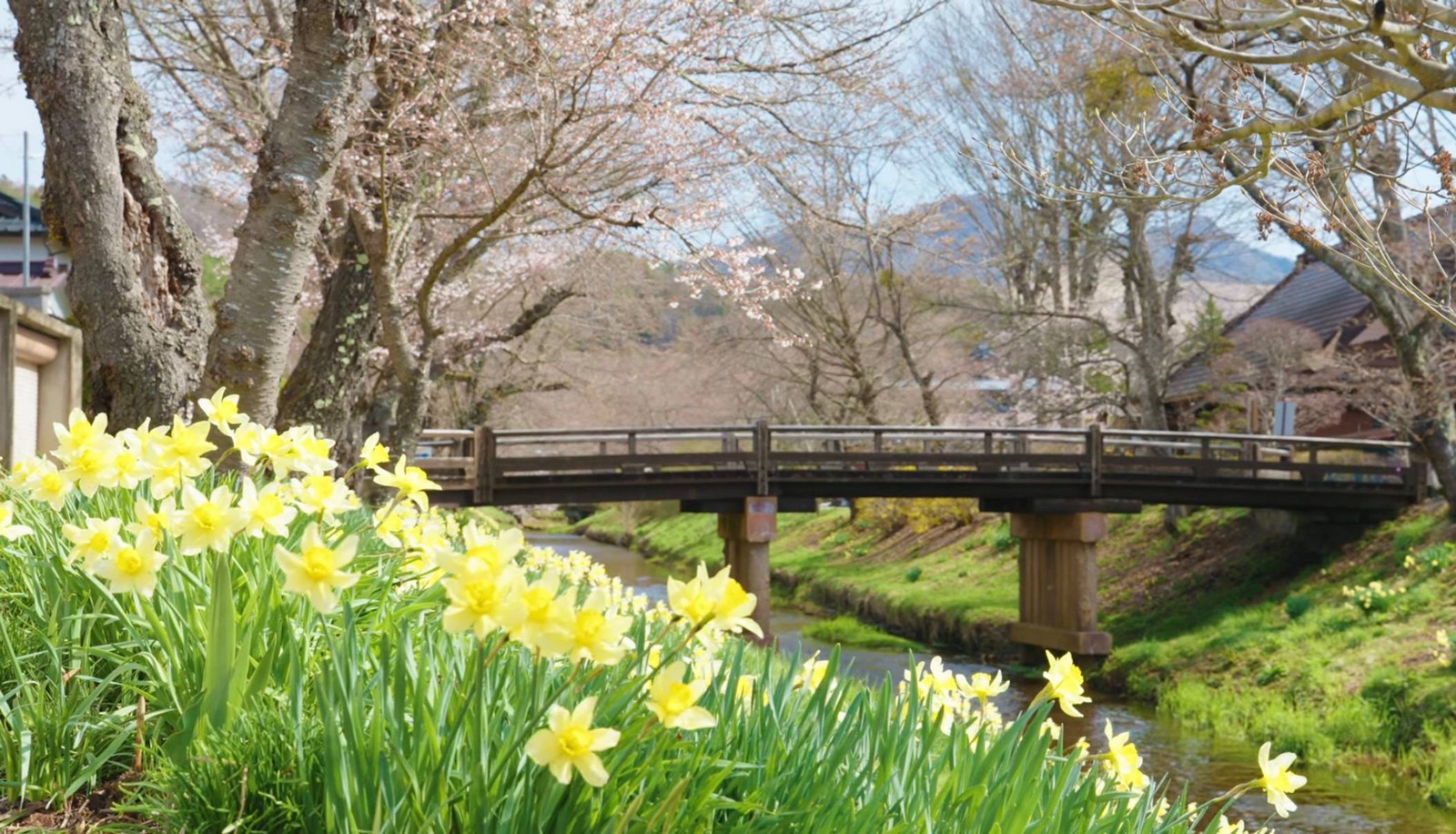
Quiet spring scene with a wooden bridge and blooming flowers in a small Yamanashi village.
Reflections from the Itinerary Expert
When I visited Yamanashi in November 2024, I was immediately struck by how quickly the landscape transforms. Within an hour of leaving Tokyo, the city’s restless energy fades into the stillness of alpine lakes, crisp mountain air, and expansive vistas of Mount Fuji. I centered my journey around Lake Kawaguchi and a few nearby vantage points; that balance felt exactly right—scenic and soulful, yet with enough movement to keep the day engaging.
One thing became clear almost instantly: the weather shapes your experience more than any rigid plan ever could. Even at iconic locations like the Chureito Pagoda, everything hinges on visibility. Instead of fighting the conditions, I learned to adjust on the fly—pairing major viewpoints with quieter, atmospheric spots like the traditional village of Saiko Iyashi no Sato Nenba, which remains deeply rewarding even when Fuji is partially veiled by clouds.
For families, the region is surprisingly seamless. You can easily weave together scenic strolls, quick and engaging stops like the Fuji Spring Water Village Aquarium, and high-energy highlights like Fuji-Q Highland without facing long or exhausting transfers. The secret is to avoid overloading your schedule; Yamanashi is best enjoyed when you leave yourself enough room to slow down and truly inhabit the moment.
Local flavors also play a vital role in the journey. Sitting down to a steaming bowl of hōtō noodles after a brisk morning outdoors is a simple pleasure, yet it provides a powerful connection to the region and makes the day feel complete.
Yamanashi succeeds on multiple levels—combining world-class scenery, nature, and rich culinary traditions with straightforward logistics. It is a place where a trip can feel both structured and spontaneous. If you are looking to experience a deeper side of Japan, this is where a thoughtful route truly shines, so take the time to craft an itinerary that aligns with your own personal pace and travel style.
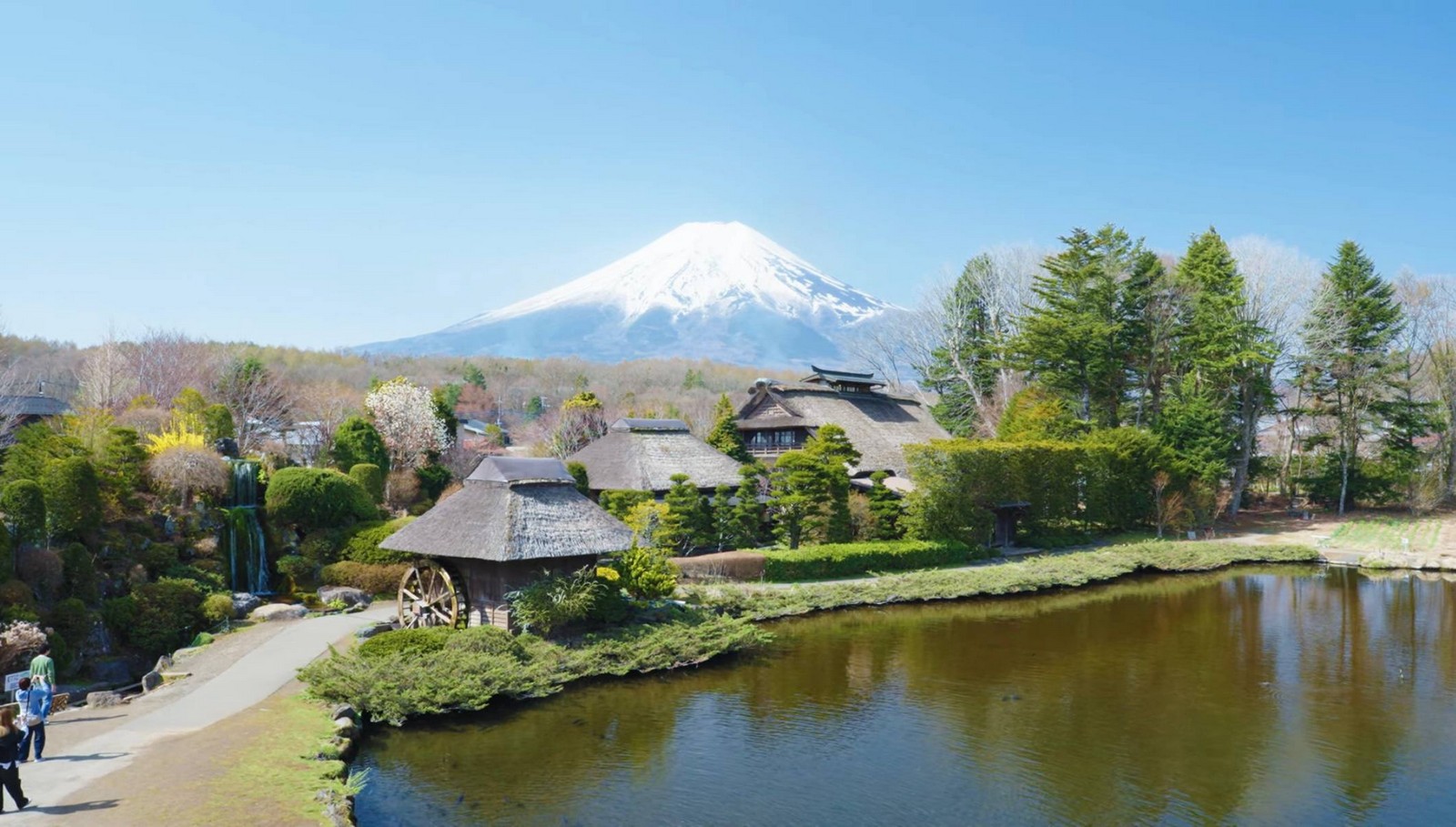
Traditional thatched-roof houses and a peaceful pond with Mount Fuji in the background at Oshino Hakkai.
Yamanashi Prices in Japanese Yen
| Name | Amount | Description |
|---|---|---|
| Budget hotel for 2 | 15053 JPY | A typical starting price for simple accommodation in the Kawaguchiko area, especially near the main sightseeing spots. |
| Mid-range hotel for 2 | 39613 JPY | A realistic entry level for comfortable hotels or ryokan stays near Lake Kawaguchi, offering a good balance of location and quality. |
| Expensive hotel for 2 | 70986 JPY | An upscale starting rate based on premium stays like La Vista Fuji Kawaguchiko, with higher-end properties often costing significantly more. |
| Apartment for a family of 5 | 39613 JPY | A practical benchmark based on lower mid-range accommodation, often suitable for families needing more space in the Kawaguchiko area. |
| Car rental per day | 7289 JPY | Typical starting price for a small rental car, which makes it much easier to explore lakes, viewpoints, and less central areas. |
| Public transport | 4405 JPY | Round-trip highway bus between Shinjuku and Kawaguchiko, one of the most convenient and budget-friendly ways to reach the region. |
| Restaurant meal | 3011 JPY | A realistic starting price for a full meal in a casual restaurant in the Kawaguchiko area. |
| Parking | 1501 JPY | Typical seasonal parking fee near Arakurayama Sengen Park, valid for several hours during peak periods like cherry blossom season. |
| Basic supermarket shopping for 2 | 2852 JPY | An approximate daily budget for simple groceries, based on a basic per-person food cost in Yamanashi. |
Yamanashi: Frequently Asked Questions
01
When is the best time to visit Yamanashi?
Spring and autumn provide the most breathtaking scenery, with cherry blossoms and fiery maples perfectly framing Mount Fuji. However, visibility depends more on daily weather than the season—aiming for early mornings usually gives you the highest chance of a clear view.
02
Can I visit Yamanashi as a day trip from Tokyo?
Absolutely, and it is a highly popular choice. The region is roughly an hour from the capital, with Lake Kawaguchi serving as the most practical hub. To make the most of it, keep your itinerary focused on two or three high-quality stops rather than rushing.
What we propose

Emma Heidi
Customer Experience Manager
Take all the stress out of planning your trip!
With our experts, you can create the perfect itinerary for you – complete, comfortable, and tailored to all your dreams, wishes, and needs.
We take care of every little detail, so you can simply focus on enjoying your journey.
We’ve been designing personalized itineraries since 2015, and over the years we’ve created thousands of custom itineraries for happy clients.

Save time, avoid confusion – we do the work for you. Our service saves you weeks of searching, reading, comparing, and complicated planning. Instead of wasting endless hours – you receive a ready-to-use, accurate and clear itinerary.

A tailor-made itinerary – built just for you. Your itinerary is personally designed based on our experts’ real field experience and genuine feedback from hundreds of travelers – including hidden discoveries and insider tips that don’t appear in any travel guide.

Smart accommodation selection – often saves you hundreds or even thousands of dollars. We help you choose verified and recommended places to stay, checking availability for your exact travel dates. Sometimes we suggest hotels not “in the center,” but in safe, convenient, and highly strategic locations – which can significantly reduce travel costs and save you even thousands of dollars.

We’re by your side even during the trip. We stay with you throughout your vacation – providing professional help whenever needed. If the weather changes, there’s a strike, a local event, heavy crowds, or any unexpected situation – we are here to update, guide, and adjust your itinerary in real time.

Easy-to-use itinerary – with direct navigation links. Your itinerary includes direct Waze / Google Maps links – no need to search for parking addresses, no stress, no mistakes. Just tap – and go.

Service cost: from only $420. (Special price for short itineraries up to 5 days). Clients tell us the itinerary saves them costly mistakes, fines, wrong choices – plus exclusive discounts on car rentals, better-priced accommodations, and money-saving local tips.
Want to know if it’s really worth it?
Take a look at the experiences of travelers who built their personal itinerary with us.
Click here and let’s start building the itinerary that will save you time, money, and stress – and turn your vacation into perfection.
Of course, your first inquiry is completely free – with no commitment whatsoever.
How it works


- You are welcome to contact us
- We discuss your trip
- You fill out a special form
- We create your itinerary
- You get it with all useful tips
- We are in touch with you all the time