My love for Japan began the moment I arrived in Tokyo. The country amazed me with its harmony of ancient traditions, cutting-edge technology, breathtaking nature, and a culture unlike any other. Since then, Japan has become a part of my life, and I return there again and again. Today I help travelers discover the real Japan: I create personalized itineraries, give lectures, and prepare guests for their unforgettable journey. I would be delighted to open Japan for you too!

Kanagawa
Kanagawa is a place where Japan feels layered and vibrantly alive. Within a surprisingly compact area, you can journey from centuries-old samurai heritage to sleek waterfront skylines, and from sandy beaches to steaming volcanic valleys. It is entirely realistic to spend your morning standing before the Great Buddha in Kamakura, your afternoon wandering through Yokohama’s futuristic Minato Mirai district, and your evening soaking in a hot spring in Hakone. Few regions offer such incredible variety without requiring long transfers or complex planning.
What makes Kanagawa especially compelling is the way its contrasts coexist so naturally. Yokohama grew into a major international port and remains Japan’s second-largest city, filled with global influences and modern energy. Just down the coast, Kamakura preserves its legacy as a former political center of the Kamakura period, where temples and shrines sit quietly among wooded hills. Then Hakone shifts the mood entirely with its volcanic landscapes, mountain panoramas, and the calm waters of Lake Ashi. The transitions feel smooth rather than abrupt, making the prefecture ideal for travelers who want depth and diversity without overcomplicating their logistics.
Nature sets the rhythm here. The Tanzawa mountains draw hikers to forested trails, while Sagami Bay and the coastline near Enoshima invite relaxed beach days and ocean views. In Hakone, ancient volcanic activity shaped Lake Ashi thousands of years ago, creating one of Kanagawa’s most photogenic scenes. Sea, mountains, historic towns, and contemporary cityscapes blend into a destination that feels both energizing and restorative at the same time.
How to Get to Kanagawa and How to Get Around Kanagawa?
Located directly south of Tokyo, Kanagawa is exceptionally easy to reach. Yokohama acts as the main transportation hub, with frequent train connections linking Kamakura, Fujisawa, and other coastal towns. Local rail lines and monorails make access to Enoshima Island and nearby beaches straightforward, while onward connections toward Hakone open the door to mountain scenery and hot springs.
If you are exploring the coast, a practical option is a day pass costing approximately ¥700, which allows unlimited rides on certain lines between Fujisawa and Kamakura. This is particularly useful when you plan to hop on and off at several seaside stops in a single day. Within the cities, public transport is efficient, reliable, and reasonably priced, and most major attractions are within manageable distances.
Renting a car can be helpful, especially for mountain areas where flexibility is valuable. That said, coastal roads tend to get busy and parking is rarely free. Expect typical parking fees of ¥300–400 per 30 minutes, and during the summer season, costs can climb to ¥2,000–3,000 per day. Arriving outside peak beach hours can make a noticeable difference to your experience.
Click here to learn more about creating a personal itinerary
Tip from the Itinerary Expert: Planning to visit both Kamakura and Enoshima in one day? Stick to the coastal rail network instead of driving. You will skip seasonal traffic, avoid parking fees, and keep your day flexible and stress-free.

When Is the Best Time to Visit Kanagawa?
Kanagawa changes character with the seasons, and each one offers its own unique appeal. In spring, cherry blossoms soften the temple grounds in Kamakura and line the waterfront parks in Yokohama, creating delicate pastel backdrops against both historic buildings and modern architecture. It is truly one of the most photogenic times of the year.
Summer brings a lively beach atmosphere to Enoshima and the shores of Sagami Bay, while Hakone’s mountain areas provide cooler air and lush greenery. Autumn paints Odawara Castle and Hakone’s trails in deep shades of red and gold, giving the landscape a cinematic glow. In winter, the crisp skies often deliver especially clear views of Mount Fuji from Lake Ashi, and hot spring visits feel even more rewarding.
With its relatively mild climate, Kanagawa is comfortable to explore year-round. Seasonal festivals and local events add personality, whether you are drawn to traditional celebrations in Kamakura or large-scale city happenings in Yokohama. The best time to visit ultimately depends on the specific scenery and atmosphere you want to experience rather than strict weather limitations.

Since 2015, our website has specialized in individual planning of unique routes, taking into account personal preferences and desires.
Each of you will receive a unique PDF file from us, which contains everything you need: travel routes, car rentals, hotels, the best tourist attractions, attractions for kids and everything you need for a perfect vacation.
During the trip, we are available for you by phone via WhatsApp.
Our personal service provides information from A to Z, taking into account many small details that can become a decisive factor on the way from a wasted trip to an unforgettable vacation.
Our service will make your trip comfortable, save a lot of time on planning and preparation, and most importantly – will allow you to become freer and fully enjoy the pleasure of the trip.
What Are the Main Attractions in Kanagawa You Should Not Miss?
Kanagawa packs an incredible range of experiences into one compact region. In just a short journey, you can transition from monumental Buddhist icons to sleek waterfront districts, and from samurai-era fortresses to volcanic landscapes shaped by the raw power of nature. These highlights capture the true spirit of Kanagawa, showcasing how its rich history, stunning coastline, and modern city life blend together perfectly.
Great Buddha of Kamakura
Daibutsu at Kotoku-in
The Great Buddha of Kamakura is one of Japan’s most iconic and soul-stirring landmarks. Cast in 1252 and standing over 13 meters tall, this massive bronze statue has stoically endured typhoons, tsunamis, and centuries of upheaval. Originally sheltered inside a grand temple hall, the structure was eventually swept away, and since the 15th century, the Buddha has stood serenely under the open sky. For a small fee, you can actually step inside the hollow interior to marvel at the ancient casting techniques. Despite its popularity, the statue’s calm expression and the surrounding woodland create a deeply peaceful atmosphere.
Opening Hours: Open daily; closing time around 17:00 (last entry slightly earlier).
Entrance approximately ¥300; interior access approximately ¥50.
Tip from the Itinerary Expert: Come early in the morning for softer light and fewer crowds. Pair your visit with nearby Hasedera Temple to create a well-paced and rewarding Kamakura walk.
Distance/Time: About 7 minutes on foot from Hase Station
Yokohama Minato Mirai District
Minato Mirai 21
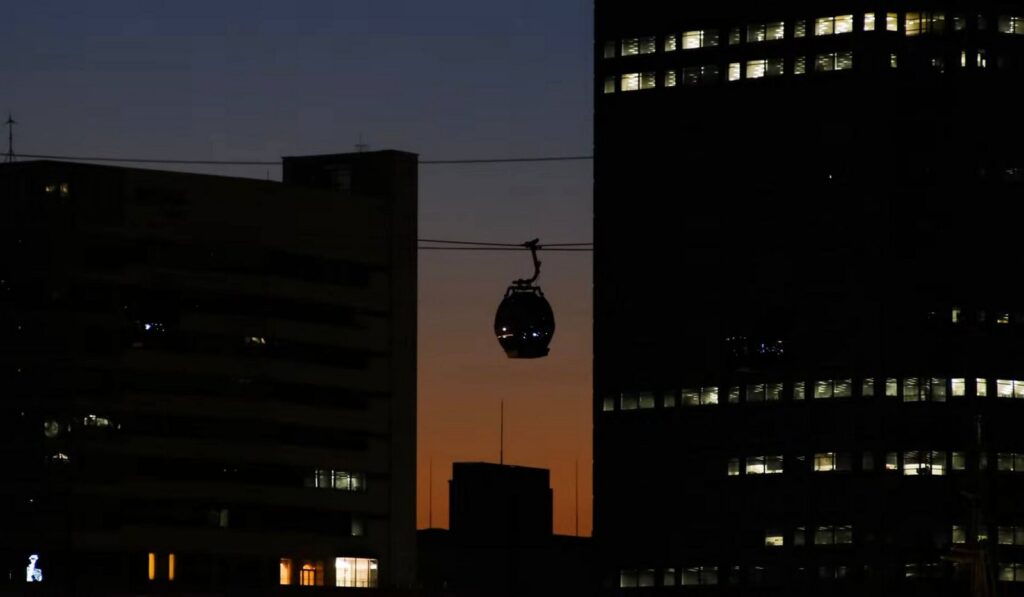
Minato Mirai represents the sleek, futuristic face of Kanagawa. Stretching along Yokohama’s vibrant waterfront, this district is a sophisticated blend of skyscrapers, expansive shopping complexes, and family-friendly entertainment. The Cosmo Clock 21 Ferris wheel dominates the skyline with its colorful light displays, while the Yokohama Air Cabin glides gracefully above the bay, offering breathtaking panoramic views. With refreshing sea breezes by day and a sea of glowing city lights after dark, the atmosphere here shifts beautifully from relaxed coastal charm to high-energy urban vibrance.
Opening Hours: Individual attractions operate on separate schedules.
Air Cabin approximately ¥1,000 one way or ¥1,800 round trip; Cosmo Clock 21 approximately ¥1,000 for adults.
Tip from the Itinerary Expert: Arrive in the late afternoon and stay through sunset. You will enjoy harbor views in daylight and see the district transform into an illuminated nightscape without returning twice.
Distance/Time: Central Yokohama waterfront area
Hakone and Lake Ashi
Hakone Volcanic Area
Hakone feels like a completely different world, even though it’s just a short trip from the coast. Sculpted by volcanic activity thousands of years ago, Lake Ashi lies cradled by forested mountains and, on clear days, offers that quintessential, postcard-perfect view of Mount Fuji. The area is a playground for nature lovers, combining scenic ropeways, volcanic vents at Owakudani, world-class museums, and traditional hot spring inns (ryokan). Compared to the urban hum of Yokohama, Hakone invites you to slow down, breathe the mountain air, and reconnect with nature.
Opening Hours: Natural area; individual attractions follow seasonal schedules.
Prices vary depending on ropeways, boats, or museums visited.
Tip from the Itinerary Expert: Leave early when traveling from Yokohama to Hakone to avoid peak crowds and improve your chances of clear mountain views, especially in winter when Fuji visibility is often at its best.
Distance/Time: Approximately 1.5–2 hours from Yokohama by train
Odawara Castle
Odawara-jo
Odawara Castle is a proud monument to Kanagawa’s samurai heritage, once serving as the stronghold of the powerful Hojo clan. The beautifully reconstructed complex features an imposing main tower, formidable stone walls, and sprawling grounds that turn magical during cherry blossom season and the autumn color change. Beyond its striking architecture, the castle museum offers a fascinating look into the power struggles of medieval Japan. It’s a perfect spot for history buffs or anyone looking for a scenic, relaxed stroll through the past.
Opening Hours: Castle grounds open daily; main tower operates on fixed hours.
Entrance fee required for the main tower; grounds accessible separately.
Tip from the Itinerary Expert: Visit in spring or autumn for the most atmospheric setting, and combine it with a Hakone excursion since the two destinations connect conveniently.
Distance/Time: About 10 minutes on foot from Odawara Station
Enoshima Island
Enoshima
Enoshima is a refreshing coastal escape filled with hidden shrines, winding walking paths, and dramatic rocky shores. Connected to the mainland by a scenic bridge, the island is remarkably easy to explore and makes for an ideal half-day adventure. You can wander into mysterious sea caves, climb to the top of the Sea Candle lighthouse for 360-degree views, or simply tuck into some fresh local seafood by the water. In the summer months, the nearby beaches are buzzing with surfers and sunseekers, giving the whole area a lively, vacation-like energy.
Opening Hours: Island accessible year-round; individual sites vary.
Access to the island is free; certain caves and facilities require separate fees.
Tip from the Itinerary Expert: Plan a combined Kamakura and Enoshima day using local rail lines. This saves time and helps you avoid traffic and parking challenges during peak beach season.
Distance/Time: Accessible from Fujisawa and Kamakura by local train
Cup Noodles Museum Yokohama
Instant Ramen Museum
The Cup Noodles Museum in Yokohama is far from your average gallery—it’s a bright, interactive tribute to the spirit of innovation. Through playful exhibits and clever storytelling, the museum traces the history of instant ramen and its global cultural impact. The highlight for many is the chance to design your own custom cup of noodles, from the packaging to the specific soup base and toppings. It’s a creative, hands-on experience that is just as much fun for adults as it is for kids, making it a perfect rainy-day or family activity.
Opening Hours: Closed on certain weekdays; check seasonal schedule.
Entrance fee applies; additional fee for custom noodle experience.
Tip from the Itinerary Expert: Head to the noodle-making workshop early in your visit. Time slots can fill quickly, especially on weekends and holidays.
Distance/Time: Located in Minato Mirai, Yokohama
What Natural Places in Kanagawa Are Worth Seeing?
Kanagawa’s appeal goes far beyond ancient temples and neon city skylines. Much of the prefecture’s soul is found in its dramatic mountains, volcanic terrain, sun-drenched coastline, and wide river valleys. If you are looking to balance your cultural explorations with fresh air and open landscapes, these natural areas deserve a place in your itinerary:
1. Hakone Mountains and Lake Ashi
Hakone is Kanagawa’s most famous natural escape, a stunning landscape formed by volcanic activity thousands of years ago. Lake Ashi rests deep within a massive caldera and, on crisp winter mornings, offers some of the most iconic and sharpest views of Mount Fuji. The surrounding mountains are a playground for exploration, combining scenic ropeways and forest trails with gentle walking paths and steaming hot spring areas. The seasonal shifts here are breathtaking, from the tender greens of spring to the fiery autumn leaves reflected in the calm lake waters.
2. Tanzawa Mountain Range
The Tanzawa range dominates Kanagawa’s inland horizon and is a paradise for those who love active exploration. Peaks such as Mount Hiru (1,673 m) reward hikers with sweeping views across the entire region. With trails ranging from casual walks to challenging climbs, these forested slopes offer a refreshingly cool escape from the coastal humidity in summer. Compared to the bustling waterfront, Tanzawa feels wonderfully quiet and immersive.
3. Sagami Bay Coastline
The Sagami Bay coastline brings wide-open horizons and a relaxed, salt-air rhythm to your trip. In the summer, the stretches near Enoshima pulse with the energy of swimmers and surfers, while the cooler months are perfect for peaceful coastal walks without the crowds. Small fishing ports, sparkling ocean light, and distant mountain silhouettes give this part of Kanagawa a distinct and charming maritime atmosphere.
4. Enoshima Coastal Cliffs and Sea Caves
Beyond the sandy beaches, Enoshima Island reveals a more rugged side with dramatic rocky cliffs and sea caves carved by the Pacific waves over centuries. Walking paths wind upward toward panoramic observation spots where the horizon seems to stretch on forever. The blend of sacred shrine grounds and raw coastal rock formations makes the island feel much larger and more varied than its size suggests.
5. Miyagase Lake
Miyagase Lake is a sprawling reservoir framed by lush, forested hills. While it serves a practical purpose for the region, it is also a serene recreational spot. With its wide-open viewpoints, quiet walking paths, and vast skies, it offers a much slower pace of life, making it a hidden gem for those looking to escape the more crowded tourist destinations.
6. River Valleys of Tama and Sagami
The Tama and Sagami rivers carve beautiful paths through Kanagawa’s lowlands, offering seasonal scenery that transforms throughout the year. Their banks are particularly spectacular during cherry blossom season and again when the autumn colors arrive. These riverside paths provide easy, accessible walking routes and green spaces that offer a lovely contrast to the dense urban architecture of Yokohama.
Tip from the Itinerary Expert: Schedule mountain and lake visits for early morning, especially in Hakone. Clearer skies improve your chances of seeing Mount Fuji, and you will enjoy scenic trails before larger tour groups arrive.
Which Hidden Gems in Kanagawa Are Worth Discovering?
Once you move beyond Kanagawa’s headline attractions, you begin to notice a quieter, more local side of the prefecture. These lesser-known spots may not dominate the main travel brochures, but they add incredible texture and depth to your journey—especially if you enjoy balancing iconic landmarks with more personal, intimate discoveries.
1. Samukawa Shrine
Set away from the busiest tourist routes, Samukawa Shrine offers a spacious and tranquil environment famous for its powerful purification rituals. The grounds feel calm and open, providing a distinctly authentic local atmosphere compared to the more crowded temples of central Kamakura. It is an ideal stop if you are looking for a peaceful cultural pause and a moment of reflection.
2. Daizan-ji Temple
Nestled in a beautiful mountainous setting, Daizan-ji provides a secluded temple experience that feels like a well-kept secret. Long staircases framed by towering cedar trees gradually lead you upward, creating a true sense of retreat from the buzz of urban life. The walk itself is a highlight, perfect for travelers who enjoy blending light hiking with spiritual exploration.
3. Fujiko F. Fujio Museum
Dedicated to the legendary creator of “Doraemon,” this museum is designed to be imaginative and immersive rather than a traditional gallery. Interactive exhibits and themed creative spaces bring Japanese pop culture to life in a playful, nostalgic way. It offers a refreshing and fun contrast to historic sites, particularly for anyone interested in the art of animation and storytelling.
4. Sagamiko Illumination
During the winter months, Sagamiko Illumination transforms the local landscape into a glowing wonderland of millions of LED lights. The atmosphere is festive and visually spectacular, offering a completely different seasonal perspective on Kanagawa. It’s a fantastic way to end your day after a morning of sightseeing.
5. Hokoku-ji Bamboo Grove
Smaller and often much quieter than the major temple complexes, Hokoku-ji is home to an enchanting, intimate bamboo grove. Tall, vibrant green stalks create a vertical, almost meditative landscape where you can pause for traditional matcha tea in a serene setting. Though compact, the peaceful atmosphere leaves a lasting impression on every visitor.
Click here to learn more about creating a personal itinerary
Tip from the Itinerary Expert: Combine one iconic landmark with one quieter site on the same day. For example, visit the Great Buddha in Kamakura and then continue to Hokoku-ji for a calmer, more reflective experience.
Is Kanagawa Suitable for Traveling with Children?
Kanagawa is exceptionally well-suited for family trips, thanks to its compact geography and a diverse range of activities that appeal to all ages. You can easily mix wide-open outdoor spaces, interactive museums, and cultural landmarks without long, tiring travel times—allowing for a flexible pace that keeps everyone happy.
1. Interactive and Educational Fun
At places like the Cup Noodles Museum in Yokohama, children can get hands-on by designing their own custom ramen. This interactive format keeps energy levels high and curiosity engaged while still offering a unique slice of Japanese culture.
2. Walkable Waterfronts and Open Plazas
Yokohama’s Minato Mirai district is a dream for families, featuring wide waterfront promenades, open plazas, and the famous Cosmo Clock 21 Ferris wheel. The area is incredibly easy to navigate with a stroller, and the distances between key sights are very manageable.
3. Nature with Easy Access
Hakone makes the great outdoors accessible for everyone, offering exciting ropeways, pirate boat cruises on the lake, and gentle paths rather than strenuous mountain treks. Along the coast near Enoshima, the sandy beaches provide a perfect natural playground during the warmer months.
4. Culture at a Family Pace
Historic landmarks like the Great Buddha in Kamakura are set within open, easy-to-explore grounds and typically don’t require long hours to visit. This makes it simple to include culture in your day without overwhelming younger travelers. Many temples also feature rest areas and easy walking routes.
5. Flexible Dining for Every Palate
From the colorful street food of Yokohama Chinatown to casual seaside cafés and cozy ramen shops, finding kid-friendly meal options in Kanagawa is straightforward. The informal dining culture allows for spontaneous stops and takes the pressure off maintaining a strict schedule.
Tip from the Itinerary Expert: Plan each day around one main highlight and one flexible outdoor stop — such as a waterfront walk, park, or lakeside break. This balance keeps the itinerary engaging without creating fatigue from back-to-back temples or museums.
Kanagawa in 3 Days: Coast, Culture and Volcanic Landscapes
Trip Duration: 3 days
Day 1 – Kamakura & Enoshima: Samurai Heritage and Seaside Views
Morning (10:00–13:00) – Kamakura
Start your adventure at Yokohama Station with a quick local train ride to Kamakura (approx. 25–30 minutes). Once you arrive, you can enjoy a pleasant 25-minute stroll through the charming town or take a short bus ride to the Great Buddha of Kamakura (Kotoku-in). Entrance is about ¥300, and for just ¥50 more, you can actually step inside the statue’s hollow interior. Allow about an hour to soak in the serene, open-air atmosphere of this bronze giant. Afterward, wander the nearby streets toward Hasedera Temple, just a 10-minute walk away, to enjoy elevated views of the coast and the temple’s lush gardens.
Lunch (13:00–14:00)
Pause for lunch near Hase or Kamakura Station. You’ll find plenty of cozy ramen shops and casual Japanese eateries within easy walking distance. A satisfying meal usually costs between ¥1,200–2,000 per person.
Afternoon & Evening (14:30–18:00) – Enoshima
Board the charming Enoden Line for a 25-minute scenic journey to Enoshima. Cross the bridge to Enoshima Island to explore its winding coastal paths, hidden sea caves, and spectacular viewpoints. Give yourself 2–3 hours to fully explore at your own pace. If the sky is clear, the sunset over Sagami Bay is a truly magical sight. Head back to Yokohama by train in the evening (roughly 45–60 minutes).
Tip from the Itinerary Expert: Arrive at the Great Buddha right at opening to stay ahead of tour groups. For photos, stand slightly off-center to avoid constant foot traffic in the middle. Use the train between Kamakura and Enoshima instead of driving to avoid summer parking fees of ¥2,000–3,000 per day.
Overnight Location: Yokohama
Day 2 – Hakone: Mountains, Lake Ashi and Fuji Views
Morning (09:30–13:00) – Travel to Hakone & Lake Ashi
Head out from Yokohama for a scenic trip to Hakone (about 1.5–2 hours). Your first stop is the magnificent Lake Ashi, where the wide blue water is framed by dramatic mountain peaks. On clear days, the silhouette of Mount Fuji provides a breathtaking backdrop. Spend a couple of hours walking along the peaceful lakeshore, breathing in the fresh mountain air and capturing the postcard-perfect views.
Lunch (13:00–14:00)
Find a table at a lakeside café or a local restaurant to enjoy the view while you eat. Expect to spend around ¥1,500–2,500 per person for a relaxed meal by the water.
Afternoon (14:00–18:00) – Hakone Ropeway & Scenic Areas
Use the local transport network to hop onto the Hakone Ropeway. As you glide over the volcanic landscape, you’ll reach elevated viewpoints with panoramic vistas of the valley below. Allow about 3 hours for the full experience, including short walks and plenty of photo stops. It’s a gentle way to witness the raw, natural beauty of this volcanic region.
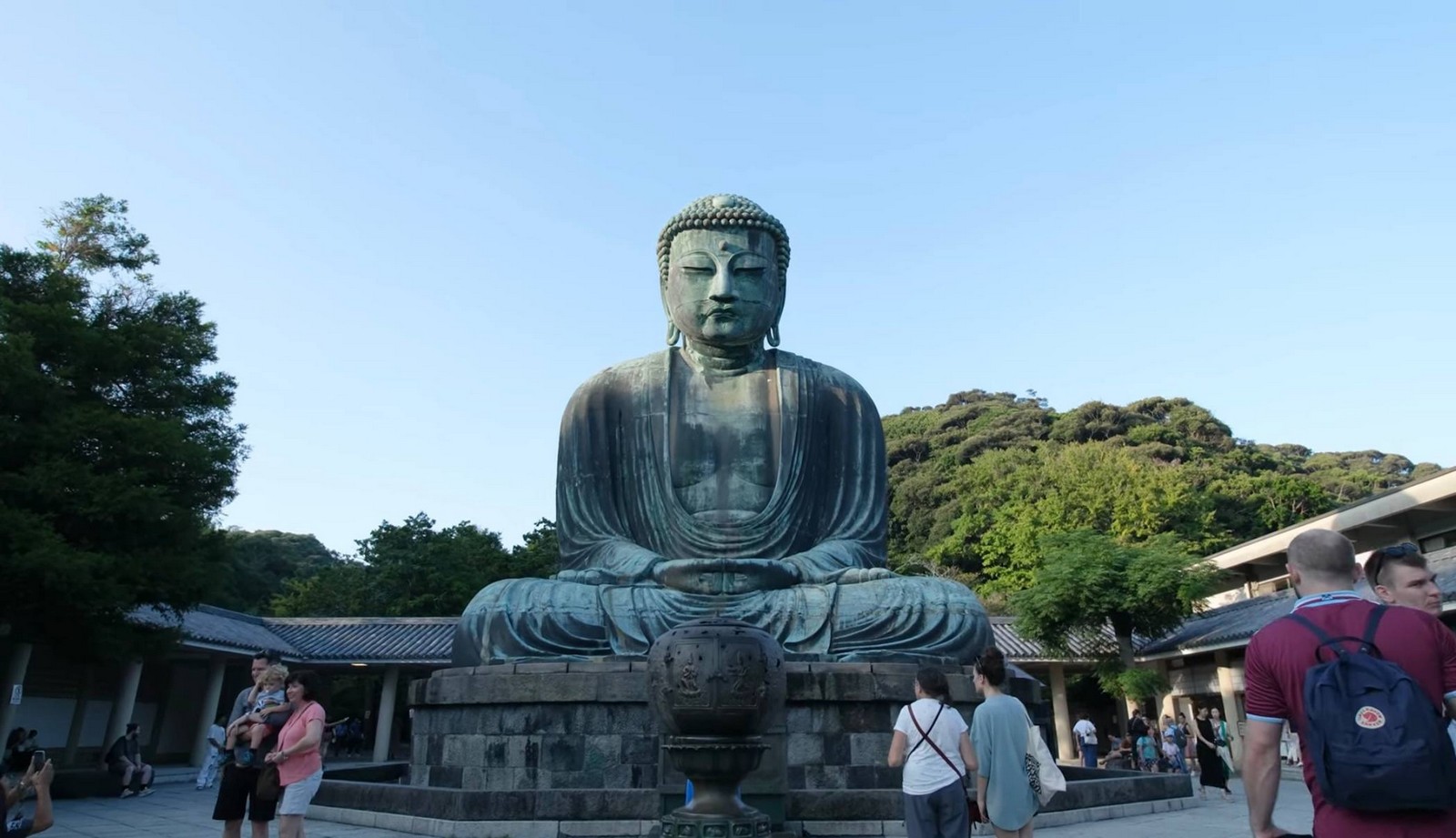
The Great Buddha of Kamakura — one of Kanagawa’s most iconic landmarks, reflecting centuries of history and serenity.
Tip from the Itinerary Expert: Aim for an early departure to improve your chances of clear Fuji views. I always check the sky before boarding the ropeway—bright mornings make a noticeable difference in visibility. Plan your return train before peak evening hours to avoid crowding.
Overnight Location: Yokohama or Hakone
Day 3 – Yokohama: Modern Waterfront & Family Fun
Morning (10:00–13:00) – Minato Mirai
Start your day in the futuristic Minato Mirai 21 district. Board the Cosmo Clock 21 Ferris wheel (approx. ¥1,000) for a bird’s-eye view of the expansive harbor. Next, glide over the water on the Yokohama Air Cabin (approx. ¥1,000 one way) to see the skyline from a unique perspective. Give yourself 3 hours to enjoy these attractions and enjoy a stroll along the modern waterfront promenades.
Lunch (13:00–14:00)
Make your way to Yokohama Chinatown for a vibrant lunch experience. As one of Japan’s largest Chinatowns, it’s packed with casual dining spots perfect for a family meal. Budget around ¥1,500–2,500 per person and enjoy the lively, colorful atmosphere.
Afternoon (14:00–18:00) – Cup Noodles Museum & Waterfront Walk
Head to the Cup Noodles Museum for a couple of hours of interactive fun. It’s a great spot to learn about food innovation and even create your own custom souvenir. Finish your day with a relaxed walk along the harbor promenade as the sun begins to set. The area is flat and easy to navigate, making for a comfortable and flexible final afternoon.
Tip from the Itinerary Expert: Reserve the Cup Noodles customization activity early in your visit, as time slots can fill quickly. I usually schedule the Ferris wheel ride close to sunset to enjoy layered city and bay views in one visit.
Overnight Location: Yokohama
Traveller Reviews: Kanagawa

Emma Collins
April 2023

We planned Kamakura as a simple day trip, but standing before the Great Buddha completely transformed the mood of our day. The sheer scale hits you the moment you see it—13 meters of serene, open-air presence. We paid about ¥300 for entry, and the extra ¥50 to step inside the statue was a quick but fascinating detail. My only advice is to watch out for the tour groups that arrive mid-morning. Go early, then wander the nearby side streets for local snacks and quiet temple discoveries before the crowds peak.
Daniel Price
October 2022

Minato Mirai felt like stepping into the future. It’s the modern heart of Kanagawa, with wide promenades, shimmering glass towers, and that iconic Ferris wheel dominating the skyline. We took the Air Cabin (about ¥1,000 one way) and later the Cosmo Clock 21 (around ¥1,000), and both were worth every yen for the views. It’s incredibly walkable and perfect for families. It can feel a bit commercial on weekends, so my tip is to time your rides for sunset to catch that beautiful harbor glow.
Sofia Martinez
July 2024
Enoshima was our perfect “ocean day.” Just crossing the bridge felt like a mini-adventure, and the coastal paths offered stunning, wide-open sea views without requiring any intense hiking. The kids loved exploring the rocky viewpoints. However, the summer crowds are no joke, and the midday heat can be intense with very little shade. Bring plenty of water, start your climb early in the day, and save the seaside relaxation for when the sun is at its highest.
Michael Turner
January 2025
Hakone was our ultimate reset button. The winter air was incredibly crisp, and Lake Ashi looked crystal clear—exactly the kind of Mount Fuji backdrop you dream of when planning a trip to Kanagawa. We kept our day simple with lakeside walks and scenic viewpoints. Logistics do require a bit of planning regarding train timings and connections, but leaving early made all the difference. We enjoyed smoother transport and perfect visibility before the afternoon clouds rolled in.
Chloe Bennett
May 2019
Odawara Castle was a wonderful surprise. I expected a quick history stop, but the grounds were so spacious and inviting, offering great photo angles and a lovely, relaxed pace. It gave us a real taste of Kanagawa’s samurai past without feeling like a dry museum visit. Just be aware that the open paths offer little cover from the midday sun. I’d recommend visiting in the morning and then heading toward the coast or the mountains for the afternoon.
Liam O’Connor
September 2018
One of my highlight memories in Kanagawa was Yokohama’s ramen-themed food complex. It’s like walking into a retro Japanese street scene—more of a playful culinary experience than a traditional museum. The variety is huge, so everyone in our group found a style they loved. The only challenge is deciding what to order! The menus can be a bit overwhelming if you’re in a rush, so give yourself plenty of time to browse and soak in the atmosphere.
Ava Johnson
June 2021
We chose to drive along the coast for the flexibility, and while it was handy for moving between spots, the traffic near popular beaches can be quite heavy. Parking costs also add up fast—we saw rates around ¥300–400 per 30 minutes, which can hit ¥3,000 per day in peak summer. Next time, I’d definitely stick to the trains between Kamakura and Enoshima and save the car rental for the mountain regions where it’s more beneficial.
Noah Kim
March 2024
Kanagawa is the ultimate variety destination—you get modern Yokohama, historic Kamakura, and the natural beauty of Hakone all in one trip. We used a coastal day pass (about ¥700) between Fujisawa and Kamakura, which made hopping between the seaside stops effortless. My honest tip: accommodation is your biggest budget factor here, so choose your base wisely. Regardless, the mix of energy, history, and scenery is truly hard to beat.
Tips from the Itinerary Expert
1. Start early at the Great Buddha in Kamakura.
I always recommend being there right at opening (typically around 8:00–8:30). By mid-morning, the larger tour groups begin to arrive. Arriving early doesn’t just mean fewer crowds; you’ll also enjoy softer light for photos and a much more contemplative, peaceful atmosphere.
2. Use the coastal day pass between Fujisawa and Kamakura.
For about ¥700, you can hop on and off local trains as much as you like. I rely on this pass when combining Kamakura and Enoshima into one easy, traffic-free day. It’s the most efficient way to see the coastline without worrying about individual tickets.
3. Visit Hakone in the morning for the best Mount Fuji views.
In my experience, visibility around Lake Ashi is noticeably sharper before noon. Clouds tend to build up later in the day, especially outside of winter, so an early start really pays off if you’re hoping for that iconic mountain backdrop.
4. Skip coastal driving during the peak of summer.
Beach areas can see parking costs skyrocket to ¥2,000–3,000 per day, and heavy traffic can eat into your sightseeing time. I much prefer the reliability of the trains for the Kamakura–Enoshima stretch, saving rental cars for the mountain regions where the extra flexibility is truly needed.
5. Ride the Cosmo Clock 21 just before sunset.
Timing is everything here. I usually board about 30–40 minutes before the sun goes down. This way, you can enjoy the harbor views in daylight and watch the Yokohama skyline transform into a glowing nightscape during the same ride.
6. Secure your slot at the Cup Noodles Museum immediately.
If you want to customize your own noodles, head straight to the registration area as soon as you arrive. Weekend time slots fill up incredibly fast, and a little bit of morning planning will save you from disappointment later in the day.
7. Balance urban energy with natural scenery.
I try to avoid scheduling two intense city days back-to-back. To keep the trip feeling fresh and enjoyable, pair a high-energy day in Yokohama with the quiet beauty of Lake Ashi or the trails of the Tanzawa mountains.
8. Be strategic with your base of operations.
Daily costs in Kanagawa average around ¥22,000–33,000 per person, with accommodation being the biggest factor. I often suggest basing yourself in Yokohama and taking day trips from there—it eliminates the hassle of constant hotel changes and helps keep your overall budget in check.
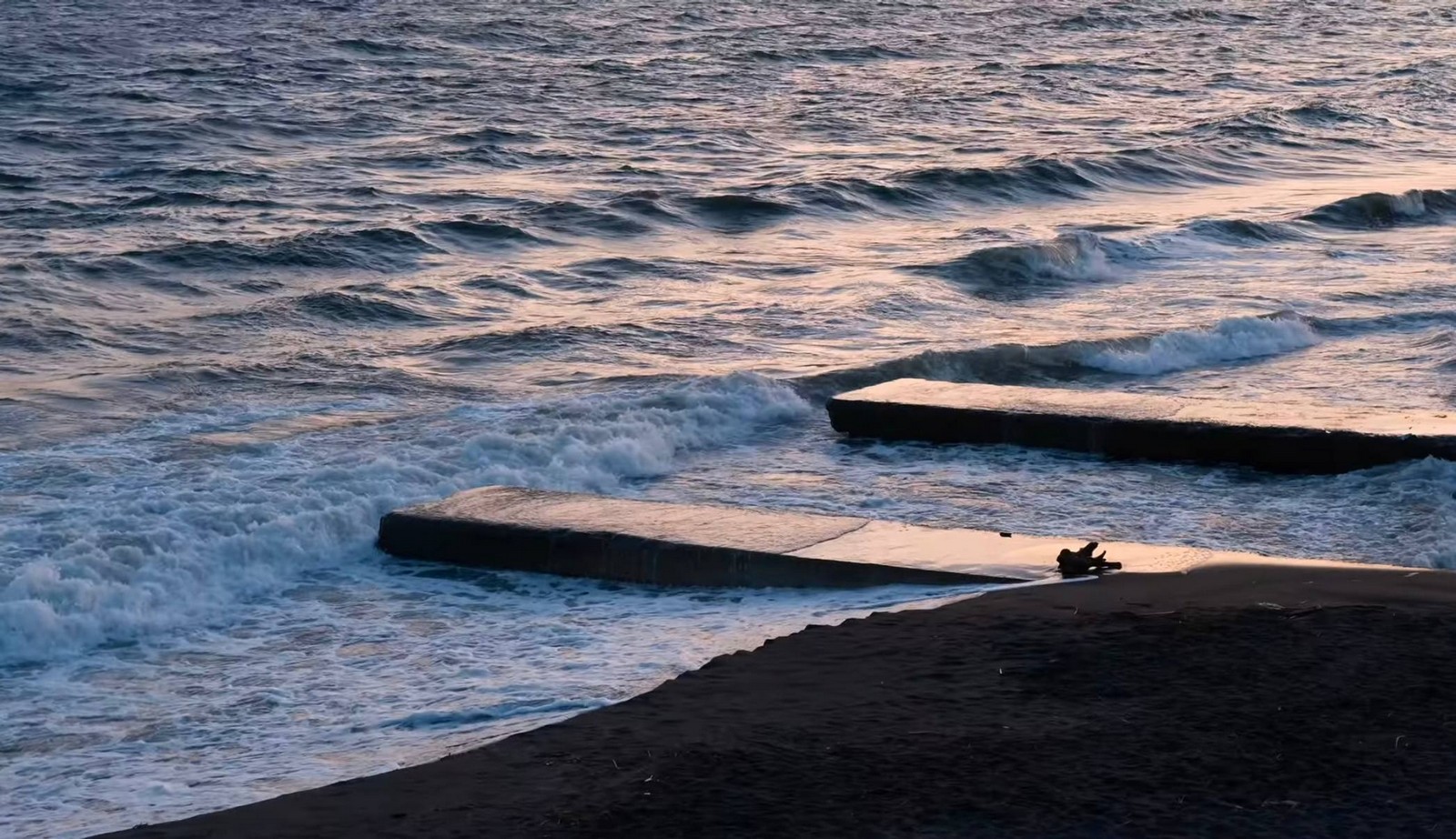
Waves crashing along the Shonan coast at sunset — a raw and beautiful seaside moment in Kanagawa.
Insights from the Itinerary Expert
When I visited Kanagawa in October 2023, what struck me most was how seamlessly its diverse worlds connect. In just one short stay, I moved from the quiet, almost meditative presence of the Great Buddha in Kamakura (Kotoku-in) to the sweeping volcanic landscapes of Lake Ashi in Hakone, finally ending my day against the shimmering glass-and-neon skyline of Yokohama’s Minato Mirai. The transitions never felt rushed or complicated—a rare find in a region offering such dramatic contrasts.
When I design itineraries for this region, my focus is always on ‘rhythm.’ Kanagawa is at its best when you balance wide-open views and breathing space—like Enoshima’s coastal paths or Hakone’s mountain panoramas—with lighthearted, interactive stops like the Cosmo Clock 21 or the Cup Noodles Museum. The secret to a perfect trip here is timing: headline attractions fill up quickly, and coastal traffic can be a hurdle during peak season. Starting your day early and grouping nearby sights into a logical flow makes the entire experience noticeably smoother and more enjoyable.
Overall, Kanagawa feels energetic yet wonderfully manageable. You get the perfect blend of nature, modern skylines, and deep cultural heritage without the exhaustion of long travel days. If you’re ready to explore, we can create a personalized Japan itinerary tailored exactly to your pace, priorities, and travel style.
Average Travel Costs in Kanagawa
| Name | Amount | Description |
|---|---|---|
| Budget hotel (per couple / night) | 12000–18000 JPY | Simple, clean 2–3★ hotels in Yokohama or Kamakura. These are usually located near train stations, making them incredibly convenient for day trips. |
| Mid-range hotel (per couple / night) | 20000–30000 JPY | Comfortable 3–4★ properties in prime areas like Minato Mirai or Hakone, often featuring beautiful views and spacious, family-friendly layouts. |
| Premium hotel (per couple / night) | 35000–60000 JPY | High-end waterfront hotels or authentic, traditional ryokan stays in Hakone, typically offering luxury amenities and breathtaking scenic surroundings. |
| Apartment for family of 5 (per night) | 25000–45000 JPY | Spacious apartment-style rentals in Yokohama or Kamakura, ideal for larger groups wanting a kitchenette and extra living space to unwind. |
| Car rental (per day) | 7000–12000 JPY | Compact or family-sized vehicles; rates fluctuate based on the season, local demand, and how far in advance you book. |
| Public transport (local day pass) | 700 JPY | A dedicated coastal day pass for the Fujisawa–Kamakura stretch, offering unlimited local train rides for effortless hop-on, hop-off exploration. |
| Restaurant meal (per person) | 1500–2500 JPY | A delicious casual lunch or dinner in the vibrant Yokohama Chinatown, local ramen shops, or relaxed seaside cafés. |
| Parking (per day, coastal areas) | 2000–3000 JPY | Standard full-day parking rates near popular beaches and major attractions, especially during the busy peak season. |
| Basic supermarket shopping (2 people) | 4000–6000 JPY | A daily selection of groceries for a simple breakfast, refreshing drinks, and local snacks. |
Frequently Asked Questions About Kanagawa
01
How many days do I need to explore Kanagawa properly?
Three days is the ideal ‘sweet spot.’ This allows you to comfortably experience Kamakura’s historic temples, Hakone’s stunning mountain scenery, and Yokohama’s futuristic waterfront without feeling rushed. It’s the perfect amount of time to blend culture, nature, and modern city life.
02
Is it worth renting a car in Kanagawa?
It depends on your itinerary. Trains are exceptionally efficient for Kamakura and Enoshima. However, a rental car is a great asset in Hakone and more remote mountain areas where public transport runs less frequently. During peak summer, I recommend sticking to trains to avoid heavy coastal traffic and high parking fees.
03
When is the best time to visit Hakone for Mount Fuji views?
Early morning is your best bet for a clear view. Mount Fuji is most visible in the cooler months (November to February) and usually before 10:00 AM. As the day warms up, clouds often gather around the peak, so an early start at Lake Ashi is highly recommended.
05
Is Kanagawa suitable for traveling with children?
Absolutely. Kanagawa is very family-friendly, offering high-engagement attractions like the Cup Noodles Museum, the Cosmo Clock 21 Ferris wheel, and the Enoshima Sea Candle. The infrastructure is stroller-friendly, and the short travel distances between major sights help keep energy levels high.
07
Can Kamakura and Enoshima be visited in one day?
Yes, they pair together perfectly for a day trip. The scenic Enoden train connects the two in about 25 minutes. I suggest starting your morning with the temples of Kamakura and heading to Enoshima in the afternoon to catch the sunset over the Pacific.
08
Is public transport convenient within Kanagawa?
Public transport is world-class and very intuitive. Major hubs are well-connected by JR and local lines. I highly recommend the Enoden coastal day pass (approx. ¥700) for unlimited travel between Fujisawa and Kamakura—it’s the most flexible and scenic way to explore the coast.
What we propose

Emma Heidi
Customer Experience Manager
Take all the stress out of planning your trip!
With our experts, you can create the perfect itinerary for you – complete, comfortable, and tailored to all your dreams, wishes, and needs.
We take care of every little detail, so you can simply focus on enjoying your journey.
We’ve been designing personalized itineraries since 2015, and over the years we’ve created thousands of custom itineraries for happy clients.

Save time, avoid confusion – we do the work for you. Our service saves you weeks of searching, reading, comparing, and complicated planning. Instead of wasting endless hours – you receive a ready-to-use, accurate and clear itinerary.

A tailor-made itinerary – built just for you. Your itinerary is personally designed based on our experts’ real field experience and genuine feedback from hundreds of travelers – including hidden discoveries and insider tips that don’t appear in any travel guide.

Smart accommodation selection – often saves you hundreds or even thousands of dollars. We help you choose verified and recommended places to stay, checking availability for your exact travel dates. Sometimes we suggest hotels not “in the center,” but in safe, convenient, and highly strategic locations – which can significantly reduce travel costs and save you even thousands of dollars.

We’re by your side even during the trip. We stay with you throughout your vacation – providing professional help whenever needed. If the weather changes, there’s a strike, a local event, heavy crowds, or any unexpected situation – we are here to update, guide, and adjust your itinerary in real time.

Easy-to-use itinerary – with direct navigation links. Your itinerary includes direct Waze / Google Maps links – no need to search for parking addresses, no stress, no mistakes. Just tap – and go.

Service cost: from only $420. (Special price for short itineraries up to 5 days). Clients tell us the itinerary saves them costly mistakes, fines, wrong choices – plus exclusive discounts on car rentals, better-priced accommodations, and money-saving local tips.
Want to know if it’s really worth it?
Take a look at the experiences of travelers who built their personal itinerary with us.
Click here and let’s start building the itinerary that will save you time, money, and stress – and turn your vacation into perfection.
Of course, your first inquiry is completely free – with no commitment whatsoever.
How it works


- You are welcome to contact us
- We discuss your trip
- You fill out a special form
- We create your itinerary
- You get it with all useful tips
- We are in touch with you all the time