My love for Japan began the moment I arrived in Tokyo. The country amazed me with its harmony of ancient traditions, cutting-edge technology, breathtaking nature, and a culture unlike any other. Since then, Japan has become a part of my life, and I return there again and again. Today I help travelers discover the real Japan: I create personalized itineraries, give lectures, and prepare guests for their unforgettable journey. I would be delighted to open Japan for you too!


Japan in June
The month of June in Japan often goes unnoticed by many tourists, overshadowed by the cherry blossom season in spring and the heat of summer. However, this “hidden gem” on the tourist calendar offers a unique opportunity to explore a different side of Japan. With fewer crowds, pleasant temperatures, and seasonal events, June offers a chance to experience the beauty and traditions of Japan in a relaxed atmosphere.
June Weather and Climate
Rainy Season (Tsuyu)
June marks the beginning of the rainy season in Japan. Known as “Tsuyu,” the rainy season nourishes the lush landscape and ripens the plums. It does not rain every day, but it is characterized by high humidity and intermittent rainfall. This season varies by region:
- Tokyo: 18-25°C, occasional rain.
- Osaka: 20-28°C, slightly warmer but also rainy.
- Hokkaido: 13-22°C, cooler with less rain.
Regional Differences
In the southern part of Japan, such as Okinawa, the rainy season begins early in May and usually ends by mid-June. Hokkaido, located to the north, receives less rainfall and is the best place to avoid the rainy season.
Practical Tips:
- Always carry a folding umbrella and wear waterproof shoes in case of unexpected showers.

Advantages of traveling in June
Less Crowded
While many tourists choose spring or summer, June offers a quieter experience. Popular tourist spots, such as temples in Kyoto and shopping districts in Tokyo, are less crowded, so there are fewer waits and a more fulfilling experience.
Comfortable Climate
While July and August can be sweltering, June’s mild temperatures are ideal for outdoor activities. The cooler climates of Hokkaido and Tohoku are especially appealing to nature lovers.
Seasonal Highlights
June offers many unique events and natural phenomena:
- Temples such as Meigetsuin (Kamakura) are filled with vibrant hydrangeas.
- In Niigata and other regions, lush rice paddies are flooded with water and offer scenic views.
Reasonably Priced Travel
Due to the lack of tourists, accommodations are often offered at discounted rates, and there is a good chance that you will find vacant rooms in popular spots.
Pro Tip: Book your accommodations in advance as locals may travel during festivals.
Click here to create a personal itinerary for JapanChallenges of Traveling in June
- High Humidity
High humidity can be uncomfortable, especially in the central and southern parts of the country. Lightweight, breathable clothing is essential. - Unstable Weather
Rainy days may require flexible plans. Always plan for indoor activities such as museums and shopping. - Limited Access to Outdoor Attractions
Some hiking trails and outdoor attractions may be less accessible due to wet weather.
Pro Tip: Invest in portable WiFi to stay up-to-date on weather forecasts and adjust your itinerary accordingly.

June Highlights
June in Japan is a unique blend of seasonal beauty, cultural experiences, and outdoor adventure. Here we detail some of the must-see destinations and particularly spectacular sights to visit during this time of year.
Hydrangeas in Full Bloom: Nature’s Rainy Season Jewel
June is famous for its hydrangeas, which are well suited to the dreary weather of the rainy season. The brightly colored blossoms in blues, pinks, and purples can be seen all over the country. Typical spots to enjoy these flowers include:
- Meigetsuin Temple (Kamakura): Often called the “hydrangea temple,” this historic site has an approach lined with thousands of hydrangeas, creating a serene and colorful atmosphere. Located one hour by train from Tokyo, the fee is about 500 yen.
- Hakusan Shrine (Tokyo): Located in the heart of Tokyo, this shrine hosts the annual Bunkyo Hydrangea Festival. Admission is free and the festival usually runs throughout June.
Pro Tip: For the best experience, visit these spots early in the morning to avoid the crowds and enjoy the fresh morning dew on the petals.
Rice Terraces: The Art of Water and Light
In June, the terraced rice paddies are flooded with water and the mirror-like reflections are breathtakingly beautiful, showcasing Japan’s agricultural heritage and natural beauty. The terraced rice paddies at dusk and sunrise are especially attractive.
- Hoshitoge Rice Terraces (Niigata): With over 200 rice paddies carved into the hills, this is a photographer’s paradise. The water-filled rice fields reflect the sky, creating an unreal landscape. The best time to visit is early in the morning when the fog creates a mysterious atmosphere.
- Shirakawa-go (Gifu): This UNESCO World Heritage Site is characterized by traditional Gassho-style farmhouses surrounded by rice paddies. It is a perfect spot where craftsmanship and natural beauty are in harmony.
Pro Tip: If you are visiting a rural area like Niigata, renting a car is an easy way to reach remote yet rewarding destinations.


Since 2015, our website has specialized in individual planning of unique routes, taking into account personal preferences and desires.
Each of you will receive a unique PDF file from us, which contains everything you need: travel routes, car rentals, hotels, the best tourist attractions, attractions for kids and everything you need for a perfect vacation.
During the trip, we are available for you by phone via WhatsApp.
Our personal service provides information from A to Z, taking into account many small details that can become a decisive factor on the way from a wasted trip to an unforgettable vacation.
Our service will make your trip comfortable, save a lot of time on planning and preparation, and most importantly – will allow you to become freer and fully enjoy the pleasure of the trip.
Hokkaido National Parks: Escape the Rain
Japan’s northernmost island, Hokkaido, is largely unaffected by the rainy season, making it an ideal destination for outdoor enthusiasts in June.
- Daisetsuzan National Park: Japan’s largest national park, Daisetsuzan offers excellent hiking trails, abundant alpine flora, and wildlife such as foxes and deer. Courses such as the Asahidake ropeway offer spectacular panoramic views.
- Shiretoko National Park: Shiretoko, a UNESCO World Heritage Site, is known for its pristine wilderness, coastal cliffs, and brown bears. June is a great time to explore Shiretoko National Park as the snow melts and the waterfalls become more powerful.
Pro Tip: Bring sturdy, waterproof hiking boots and dress in layers to be comfortable in Hokkaido’s June temperatures (13-22°C).
Okinawa’s Beaches: A Paradise in Early Summer
While most of Japan is in the rainy season, the rains in Okinawa often end by mid-June. The subtropical islands offer mild weather, clear skies, and some of the most beautiful beaches in Japan.
- Emerald Beach, Okinawa: Located in the Ocean Expo Park, this beach boasts soft white sand and beautiful turquoise waters. It is family-friendly and well-equipped with showers and restrooms. Admission is free and parking is about 500 yen.
- Kondoi Beach (Taketomi Island): A quiet beach with shallow and clear waters, ideal for swimming and relaxation. Taketomi Island can be reached by ferry from Ishigaki Island, and a round-trip ticket costs about 1,300 yen.
Pro Tip: To escape the heat and avoid crowds, avoid visiting the beach during the daytime. Early morning and late afternoon offer the best light and peacefulness for photography.

Indoor Activities on a Rainy Day
A rainy day need not interrupt your plans in Japan. From cultural experiences to modern attractions, Japan offers a wide variety of indoor activities. Here is a detailed guide to making the most of your rainy day.
Traditional Kabuki Theater
Kabuki is one of Japan’s most iconic traditional performing arts and a fascinating way to experience Japanese history and drama.
- Kabuki-za Theater, Tokyo: This historic theater in Ginza is the perfect place to witness a Kabuki performance that combines elaborate costumes, stylized acting, and dramatic storytelling. Tickets range from 4,000 yen to 20,000 yen, and short one-act tickets (around 1,500 yen) are also available.
- Minami-za Theater, Kyoto: One of the oldest kabuki theaters in Japan, the Minami-za Theater offers seasonal performances and a glimpse into Kyoto’s rich cultural heritage.
Pro Tip: English audio guides are often available for an additional fee, making it easier to follow the performances. Book tickets in advance, especially for popular performances.
Museums and Art Museums
Dive into Japan’s Artistic and Scientific Heritage
Japan is home to many world-class museums and art museums that cater to a variety of interests.
- National Museum of Nature and Science, Tokyo: Located in Ueno Park, this museum offers hands-on exhibits on Japan’s natural history, wildlife, and technological advances. Admission is 630 yen and is family-friendly.
- Osaka Aquarium Kaiyukan (Osaka): Although technically an aquarium, Kaiyukan also features exhibits on marine biology and ecology. It is one of the largest aquariums in the world, and the whale sharks in the Pacific Ocean tank are a sight to behold. Admission is 2,400 yen for adults.
- Mori Art Museum, Tokyo: Located in Roppongi Hills, this contemporary art museum features rotating exhibitions of modern art, photography, and design. Tickets are usually 2,000 yen.
Pro Tip: Visit the museum early to avoid the crowds and buy a combination ticket with a nearby attraction to save money.
Click here to create a personal itinerary for JapanAquariums: A World Beneath the Waves
Japan is home to some of the world’s best aquariums, and they can be enjoyed even on rainy days.
- Churaumi Aquarium (Okinawa): Known for its huge Kuroshio Aquarium, this aquarium offers an up-close view of whale sharks, manta rays, and other marine life. Admission is 1,880 yen for adults.
- Sunshine Aquarium (Tokyo): This aquarium is located on the roof of a building in Ikebukuro. Admission is 2,400 yen for adults.
- Aquamarine Fukushima (Iwaki): An aquarium focusing on marine life in the Pacific Ocean and the Sea of Japan. Designed to mimic natural ecosystems, it is an educational and visually beautiful experience. Tickets are ¥1,850 for adults.
Pro Tip: Many aquariums offer discounted tickets for admission after 4 pm. Check their websites for details.
Shopping and Dining: A Taste of Modern Japan
A rainy day is perfect for exploring Japan’s vibrant shopping and dining scene.
- Sprawling shopping districts: Famous shopping areas like Shibuya and Shinjuku in Tokyo offer everything from trendy fashions to quirky souvenirs.
- Underground malls (Osaka): Osaka’s sprawling underground malls, such as Namba Walk and Umeda, are heaven for shopping and dining.
- Izakaya: A rainy day is the perfect excuse to unwind at a cozy izakaya. Enjoy small plates of locally sourced ingredients with a glass of sake or beer in hand. “Happy Hour” and “Lunch Specials” offer quality food at affordable prices.
Pro Tip: Department stores often have “depa-basements” in their basements that offer gourmet food, desserts, and snacks.

Foodies will love the festivals and events of June
Celebrating Japan’s unique culture and nature, June in Japan is not only a month of natural beauty, but also a month full of unique festivals and cultural events. From lively traditional festivals to serene natural spectacles, here are some must-visit festivals and events that will enrich your travel memories:
Otaue Festival (Sumiyoshi Taisha Shrine, Osaka): Held annually in mid-June at Sumiyoshi Taisha Shrine, this festival vividly reflects Japan’s agricultural heritage and spiritual traditions.
- Highlights: The festival begins with a colorful warrior procession through the shrine grounds, followed by traditional music and dance, including the “Sumiyoshi Odori” ritual to pray for a good harvest. Skilled farmers in traditional costumes perform rice planting in the shrine’s sacred rice fields with chanting, flutes, and drums.
- Date: Usually held in mid-June, from mid-morning to mid-afternoon.
- Admission: Free, but it is recommended to arrive early for the best spots.
Pro Tip: Enjoy food and entertainment while strolling around Osaka’s famous Dotonbori area.
Yosakoi Soran Festival (Sapporo, Hokkaido): Held in the heart of Sapporo, the Yosakoi Soran Festival is Japan’s most colorful and energetic dance festival, taking place in Odori Park.
- Highlights: Dancers in bright costumes perform a dynamic dance performance that mixes traditional Soran-bushi with modern music. The streets are filled with a festive atmosphere, and food stalls offer a taste of local delicacies.
- Dates: Early to mid-June (usually 4-5 days).
- Admission: Free. Reserved seats for premium performances may require a ticket (approx. 2,000-3,000 yen).
Pro Tip: The festival is at its most exciting at night, when it is dramatically illuminated. Capture the beautiful costumes and choreography on camera.
Fussa Firefly Festival (Fussa City, Tokyo): A magical and tranquil experience, the Fussa Firefly Festival is a rare opportunity to see glowing fireflies in the city.
- Highlights: Over 500 fireflies will be released on the banks of the Tama River, creating a fantastic light show. Food stands, games, and live performances will be held.
- Date: Usually held on weekends from mid to late June.
- Admission: Free.
Pro Tip: Arrive early to secure a good spot along the river. Fireflies are most active just after sunset, so plan accordingly.
Fuji-Kawaguchiko Herb Festival (Kawaguchiko): The natural beauty of lavender fields and the backdrop of Mt. Fuji offer a unique experience.
- Highlights: Held at two locations, Yagisaki Park and Oishi Park, visitors can enjoy lavender fields in full bloom. Lavender-themed products such as essential oils and lavender ice cream will be available.
- Date: Mid-June to early July.
- Admission: Free.
Pro Tip: Yagisaki Park tends to be less crowded, but Oishi Park has a good view of Mt. Fuji. Visiting early in the morning is less crowded and offers a better view of Mt. Fuji.

Tips for Enjoying the Festival
- Arrive early: Whether you want to get a great viewing spot or avoid the crowds and enjoy the festival activities, arriving early is key.
- Wear comfortable clothing: Bring light, breathable clothing and comfortable shoes, especially for humid outdoor events.
- Plan your transportation: Many festivals take place in popular locations, so public transportation can be crowded. Check train schedules and consider arriving at off-peak times.
- Be prepared for rain: Carry a compact umbrella or raincoat.
From dazzling dance performances to the serene beauty of fireflies and lavender fields, June festivals capture the essence of Japanese culture, nature, and tradition. A well-planned visit will allow you to fully enjoy these events and create unforgettable memories.
Transportation
- Avoid rain delays by using the JR Pass for unlimited train rides.
- In areas not served by trains, consider alternative modes of transportation such as buses and ferries.
Pro Tip: Download an app like Hyperdia to plan train routes and timetables efficiently.
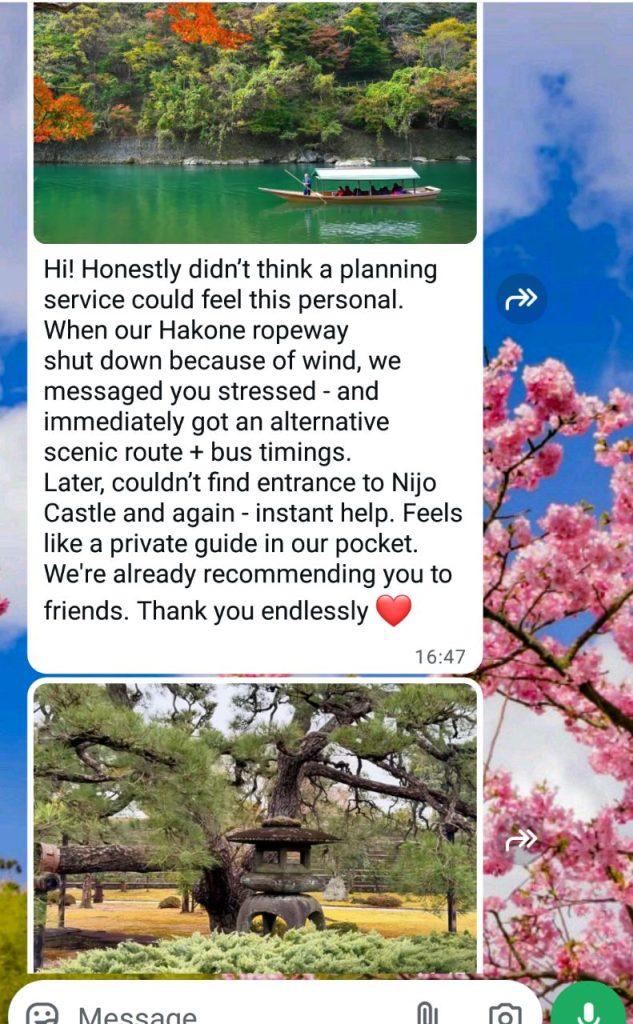
What we propose Emma Heidi Take all the stress out of planning your trip! With our experts, you can create the perfect itinerary for you – complete, comfortable, and tailored to all your dreams, wishes, and needs. We take care of every little detail, so you can simply focus on enjoying your journey. We’ve been designing personalized itineraries since 2015, and over the years we’ve created thousands of custom itineraries for happy clients. Save time, avoid confusion – we do the work for you. Our service saves you weeks of searching, reading, comparing, and complicated planning. Instead of wasting endless hours – you receive a ready-to-use, accurate and clear itinerary. A tailor-made itinerary – built just for you. Your itinerary is personally designed based on our experts’ real field experience and genuine feedback from hundreds of travelers – including hidden discoveries and insider tips that don’t appear in any travel guide. Smart accommodation selection – often saves you hundreds or even thousands of dollars. We help you choose verified and recommended places to stay, checking availability for your exact travel dates. Sometimes we suggest hotels not “in the center,” but in safe, convenient, and highly strategic locations – which can significantly reduce travel costs and save you even thousands of dollars. We’re by your side even during the trip. We stay with you throughout your vacation – providing professional help whenever needed. If the weather changes, there’s a strike, a local event, heavy crowds, or any unexpected situation – we are here to update, guide, and adjust your itinerary in real time. Easy-to-use itinerary – with direct navigation links. Your itinerary includes direct Waze / Google Maps links – no need to search for parking addresses, no stress, no mistakes. Just tap – and go. Want to know if it’s really worth it? Take a look at the experiences of travelers who built their personal itinerary with us. Click here and let’s start building the itinerary that will save you time, money, and stress – and turn your vacation into perfection. Of course, your first inquiry is completely free – with no commitment whatsoever. How it works
Customer Experience Manager


Service cost: from only $420. (Special price for short itineraries up to 5 days). Clients tell us the itinerary saves them costly mistakes, fines, wrong choices – plus exclusive discounts on car rentals, better-priced accommodations, and money-saving local tips.


Latest articles