My love for Japan began the moment I arrived in Tokyo. The country amazed me with its harmony of ancient traditions, cutting-edge technology, breathtaking nature, and a culture unlike any other. Since then, Japan has become a part of my life, and I return there again and again. Today I help travelers discover the real Japan: I create personalized itineraries, give lectures, and prepare guests for their unforgettable journey. I would be delighted to open Japan for you too!

Kagawa
Kagawa may be Japan’s smallest prefecture, tucked into the northeastern corner of Shikoku along the Seto Inland Sea, but its character reaches far beyond its borders. A journey here seamlessly connects Takamatsu, historic Edo-period gardens, world-class art islands, and ancient pilgrimage temples. Between exploring castle towns and olive groves, you will find plenty of time for authentic bowls of Sanuki Udon — all at a much more relaxed pace than Japan’s busier travel hubs.
What is transport like in Kagawa Prefecture?
Takamatsu is the main base for exploring the region, with easy access to Ritsurin Garden, Kotohiragu Shrine, Marugame Castle, and ferries to Naoshima. 2–3 nights is usually enough: one day for mainland sights, one for the islands, and one for coastal views and food.
Kagawa is reachable by train, plane, ferry, or night train from Tokyo. From Osaka, crossing the Great Seto Bridge is part of the experience. From Okayama, Takamatsu is a direct rail gateway. Airport bus to JR Takamatsu Station takes ~45 minutes and costs about ¥1,000 / ¥500.
Public transport covers most sights. Takamatsu–Kotohira is about ¥730 one way, and the Kotoden 1-day pass is ¥1,400 / ¥700.
Click here to learn more about creating a personal itinerary
Tip from the itinerary expert: For a balanced Kagawa route, stay in Takamatsu and use trains or ferries for the classic sights. Rent a car only for the specific day you plan to visit mountain viewpoints or harder-to-reach nature spots. This way, you won’t pay for a vehicle that would otherwise sit idle in a parking lot.

When to visit Kagawa?
Spring and autumn are arguably the best times to experience Kagawa. The mild weather is perfect for walking, the gardens are at their most vibrant, and outdoor explorations feel effortless. Spring is famous for cherry blossoms, with Mt. Shiude, Honen Pond Dam, and Marugame Castle offering spectacular displays. For those seeking early color, the Kawazuzakura variety typically blooms from mid-February to early March, while Manno Park stays colorful later into the season with its impressive tulip displays.
Autumn brings a gentle clarity to the region, making it the ideal season for Ritsurin Garden and the steep walk up to Kotohira. The temperatures are much kinder than in summer, and the mountain views gain a rich depth. It’s a wonderful time to mix island hopping with relaxed, hearty meals, ensuring the trip doesn’t feel physically draining.
Summer planning requires a bit more strategy. The heat can be intense, making long stair climbs or open-air art walks quite tiring. However, it is the peak season for the Shodoshima beaches and island life. Tip from the itinerary expert: Schedule your more strenuous walks for the early morning, and save the hottest hours for refreshing ferry rides, shaded cafés, or the cool interiors of museums.
Winter is a quiet, contemplative time that suits those who prefer fewer crowds and crisp sea views. Ritsurin Garden maintains a serene beauty in the colder months, and the shrines feel particularly peaceful. While the landscape is less colorful than in spring, winter is the perfect season for focusing on the region’s excellent food, local atmosphere, and coastal panoramas.

Since 2015, our website has specialized in individual planning of unique routes, taking into account personal preferences and desires.
Each of you will receive a unique PDF file from us, which contains everything you need: travel routes, car rentals, hotels, the best tourist attractions, attractions for kids and everything you need for a perfect vacation.
During the trip, we are available for you by phone via WhatsApp.
Our personal service provides information from A to Z, taking into account many small details that can become a decisive factor on the way from a wasted trip to an unforgettable vacation.
Our service will make your trip comfortable, save a lot of time on planning and preparation, and most importantly – will allow you to become freer and fully enjoy the pleasure of the trip.
Tip from the itinerary expert: If your plans include iconic sakura spots like Mt. Shiude, keep your schedule flexible. Blossom timing is never guaranteed, and having one “movable” day in your itinerary makes it much easier to catch the peak bloom without missing out on your non-refundable activities.
Top attractions in Kagawa
Kagawa is compact, but its highlights offer surprisingly diverse personalities: from the refined daimyo gardens of Takamatsu to world-class art islands scattered across the Seto Inland Sea. You can climb ancient stone stairs to a mountain shrine, explore a historic wooden castle, or wander through olive groves with Mediterranean views. The most rewarding routes usually mix these different worlds rather than focusing solely on one theme.
Ritsurin Garden
Ritsurin Koen
Ritsurin Garden is the undisputed jewel of Takamatsu and ranks among the most graceful landscape gardens in Japan. Rather than a simple walk, a visit here feels like moving through a series of carefully composed paintings. The path guides you past tranquil ponds, arched bridges, historic tea houses, and over a thousand masterfully sculpted pine trees.
The garden is stunning in every season, though spring blossoms and autumn colors are particularly popular. For families, the pace is naturally slow and easy: you can circle the ponds, pause for traditional tea and sweets, and feed the koi. While most paths are well-maintained and comfortable, a few sections may require more care if you have limited mobility.
Opening Hours: Opening hours change by season, so check the current schedule before you go.
Adult ticket price: around ¥500.
Tip from the itinerary expert: Arrive early in the morning for the most peaceful atmosphere and the best light for photography. If your time is limited, prioritize the south garden’s pond area and the iconic view from the tea house over the main bridges.
Distance/Time: Easy to reach from central Takamatsu.
Naoshima
Naoshima Art Island
Naoshima is a primary reason many travelers include Shikoku in their Japan journey. The island is a unique fusion of contemporary art, bold architecture, and quiet coastal scenery. It isn’t just about visiting galleries; it’s about the experience of discovering outdoor installations tucked into fishing villages and along the shoreline.
The Chichu Art Museum is a must-see, featuring architecture by Tadao Ando that plays with light and space to showcase modern masterpieces. Because of ferry schedules and the sheer amount to see, Naoshima is best treated as a dedicated full-day trip. This ensures you have enough time for museum entries and seaside walks without constantly checking your watch.
Opening Hours: Museum and ferry schedules can change by season and day of the week.
Standard ferry from Takamatsu: ¥680–¥690 one way; high-speed boat: approx. ¥1,590 one way.
Tip from the itinerary expert: Avoid trying to combine Naoshima and Shodoshima in a single day. Pick one island, sync your plans with the ferry times, and leave plenty of breathing room for museum slots and a proper lunch break by the sea.
Distance/Time: Best planned as a separate day trip from Takamatsu.
Kotohiragu Shrine
Konpira-san
Kotohiragu Shrine is Kagawa’s most iconic spiritual landmark, famous for the arduous but rewarding climb up its long stone staircase. With 785 steps to the main shrine (and many more to the inner sanctuary), the ascent is a journey in itself, passing through a lively approach lined with shops and smaller shrines.
While the climb is a beautiful experience, it is physically demanding. We recommend visiting in the cooler morning hours and wearing supportive footwear. For families or older travelers, the ascent is manageable if you take a slow pace and use the various landing points for natural breaks to enjoy the rising views over the Sanuki Plain.
Opening Hours: Shrine access and facility hours may vary, so check current details before visiting.
Access to the main grounds is free.
Tip from the itinerary expert: Make this your primary activity for the first half of the day. After descending, treat yourself to a local udon lunch and keep the afternoon light—perhaps a slow town walk—rather than adding another stair-heavy attraction.
Distance/Time: About 60 minutes by train from Takamatsu; fare is approx. ¥730 one way.
Marugame Castle
Marugame-jo
Marugame Castle is one of only twelve remaining original wooden castles in Japan. Its most striking feature is the massive, steep stone base—the tallest in the country—which rises impressively above the city. While the keep itself is relatively small, the combination of authentic stonework and the panoramic views from the top makes it a standout stop.
The castle grounds are a favorite for photography, especially during cherry blossom season when the pink petals contrast beautifully with the grey stone walls. It’s a compact site that is easier to navigate than larger castle complexes, though the uphill walk to the keep still requires a bit of effort.
Opening Hours: Check current castle hours before visiting.
Small fee for entry to the keep; grounds are generally free.
Tip from the itinerary expert: Visit Marugame Castle in the early morning to avoid the midday heat, especially in summer. The steep approach is part of the charm, but it’s much more enjoyable before the sun is at its peak.
Distance/Time: Convenient as a half-day trip or a stop when traveling through western Kagawa.
Shodoshima
Shodoshima Island and Olive Park
Shodoshima offers a different vibe entirely, with its olive groves and Mediterranean-inspired landscapes giving it a unique character within Japan. Olive Park is the heart of this experience, offering sweeping sea views, the iconic Greek windmill, and a variety of local products ranging from high-quality olive oils to soy sauce from historic warehouses.
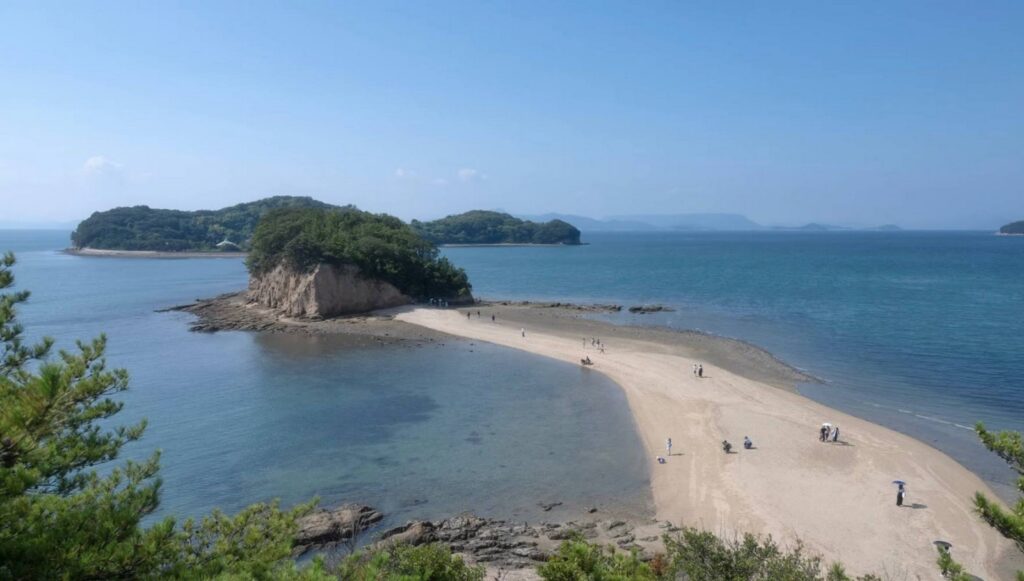
This island is perfect for a relaxed family day, mixing natural beauty with light activities like walking along Angel Road at low tide. Compared to the art-focused Naoshima, Shodoshima is about wide-open landscapes, coastal air, and a slower, island-style rhythm that invites you to linger.
Opening Hours: Ferry and local facility schedules vary, especially by season.
Standard ferry: approx. ¥700 one way; high-speed boat to Tonosho: approx. ¥1,400 one way.
Tip from the itinerary expert: Shodoshima is quite large, so a rental car is highly recommended here. It gives you the flexibility to visit the olive groves, the soy sauce village, and the mountain viewpoints in a single day without being tied to infrequent bus schedules.
Distance/Time: Best planned as a dedicated day trip from Takamatsu.
Yashima Plateau
Yashima
Yashima Plateau is a flat-topped mountain that towers over Takamatsu, offering some of the best sunset views in the prefecture. Rich in history as the site of a famous 12th-century battle, it now serves as a scenic park with observation decks, a temple, and an aquarium. It’s the perfect place to get a sense of the Seto Inland Sea’s scale and its many scattered islands.
This is an excellent addition to your route if you want a grand visual experience without committing to a full ferry trip. It pairs well with other Takamatsu sights, providing a dramatic aerial perspective of the city and the sea you’ve been exploring.
Opening Hours: Opening hours for museums and facilities may vary.
Access to the plateau is free.
Tip from the itinerary expert: Save Yashima for a clear afternoon if your schedule allows. The panoramic view is the main attraction, and watching the sun set over the islands is a highlight of any Kagawa trip.
Distance/Time: A quick and scenic add-on located just outside central Takamatsu.
Zenigata Sunae at Kotohiki Park
Zenigata Sand Coin
Zenigata Sunae is a massive, meticulously maintained sand sculpture of a 17th-century coin, located near the beach in Kotohiki Park. It’s one of Kagawa’s most unusual landmarks, believed to bring health and wealth to those who see it. While it’s a quick stop, the sheer scale of the work is impressive.
The best way to see the coin is from the observation deck on the nearby hill, where the perspective makes the shape perfectly clear. The site is illuminated at night, creating a mysterious and beautiful atmosphere that feels quite different from the daytime view.
Opening Hours: The sand sculpture is illuminated nightly, but check local times before visiting.
Free to view.
Tip from the itinerary expert: This is a great “bonus stop” rather than a destination for a long detour. It works best as a scenic break while you are driving through western Kagawa toward other nature spots or shrines.
Distance/Time: Best included as part of a wider western Kagawa driving route.
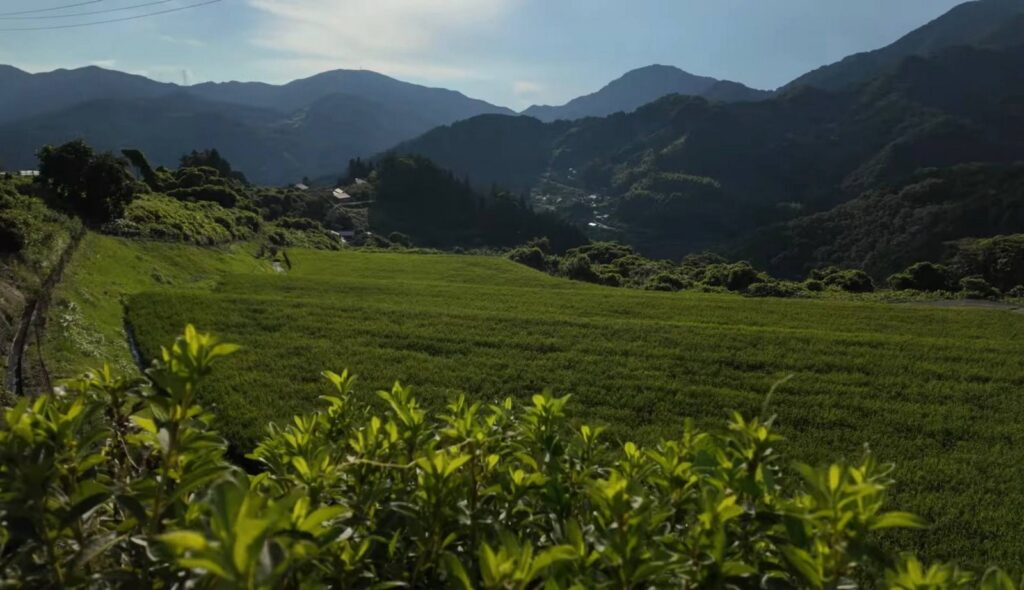
What natural places should you visit in Kagawa Prefecture?
- Seto Inland Sea. The Seto Inland Sea is the natural heart of Kagawa, providing a serene backdrop of calm blue waters and scattered islands. When your itinerary includes Naoshima or Shodoshima, the ferry crossing becomes a highlight of the journey itself, offering soft coastal views that set the tone for the entire trip.
- Mt. Shiude. Mt. Shiude offers one of Kagawa’s most spectacular vantage points, especially in spring when cherry blossoms frame the islands below. During peak sakura season, it’s essential to plan this visit in advance, as access is often managed to preserve the peaceful atmosphere of the viewpoint.
- Manno Park. Manno Park is an excellent choice for a relaxed outdoor day, famous for its vast seasonal flower displays and open spaces. It is particularly rewarding for families in spring, offering plenty of room to roam and a refreshing break from museums and ferry schedules.
- Honen Pond Dam. A unique blend of nature and historic engineering, Honen Pond Dam is a hidden gem for travelers seeking the road less traveled. It pairs perfectly with cherry blossom routes in spring or as a scenic stop during a driving tour of western Kagawa.
- Kotohiki Park and Zenigata Sunae. Kotohiki Park is home to the Zenigata Sunae, a massive sand sculpture of a traditional coin said to bring health and fortune. The park is most impressive from the elevated observation deck, where the scale and shape of the coin are fully revealed against the coastal forest.
- Shirotori Onsen area. The area around Shirotori Onsen is a local favorite for quieter cherry blossom viewing. It’s a wonderful seasonal choice if you prefer a more intimate experience with nature away from the busier city parks.
- Unpenji Summit Park. Sitting high above the plains, Unpenji Summit Park offers a cooler mountain climate and panoramic views. In summer, the higher elevation provides a welcome escape from the heat, with family-friendly features like the Sky Swing and seasonal events making it a playful addition to the route.
Tip from the itinerary expert: When exploring Kagawa’s natural sites, don’t judge the day solely by map distances. Between mountain access roads, ferry timings, and the summer sun, a compact route can take longer than expected. Focus on one major viewpoint and one gentle walk to keep the day enjoyable.
What are the top 5 hidden gems in Kagawa Prefecture?
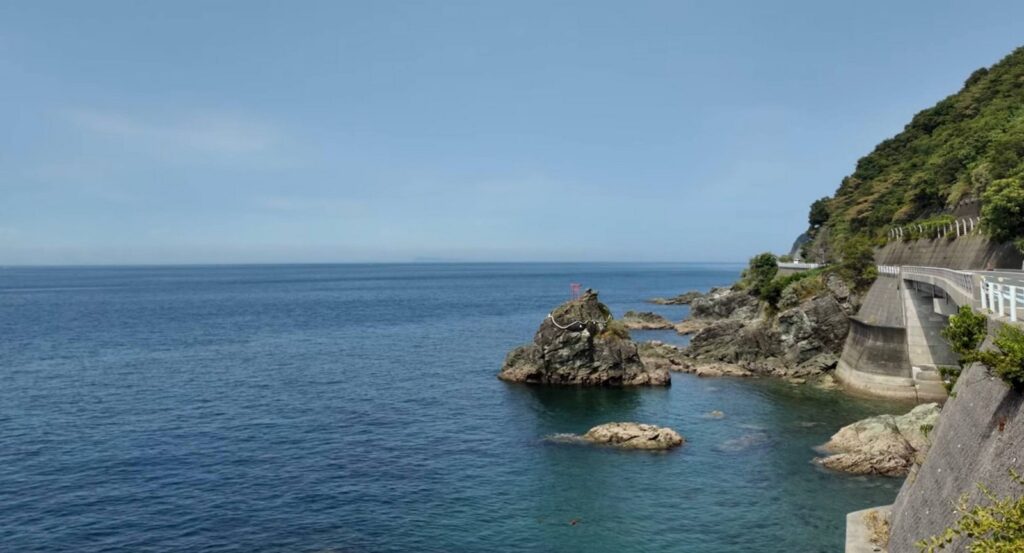
- Takaya Shrine. Known for its iconic “Torii in the Sky,” Takaya Shrine offers one of the most breathtaking views in Japan. The gate stands on a mountain ridge overlooking the Seto Inland Sea, making it a primary destination for photography and quiet contemplation.
- Shika-no-Idemizu. This charming spring location offers a peaceful alternative for cherry blossom viewing. It is an ideal addition to a sakura-focused itinerary if you are looking for authentic, local scenery without the typical tourist crowds.
- Honen Pond Dam. This stone dam provides a starkly beautiful visual contrast to Kagawa’s shrines and gardens. It appeals to those who appreciate historic architecture in a rugged natural setting and is best visited by car for maximum flexibility.
- Iyadaniji Temple. A stop on the legendary Shikoku Henro pilgrimage, Iyadaniji is tucked away in a lush forest. With its 108 stone steps and deep connection to Kōbō Daishi, it offers a calmer, more spiritual atmosphere than the headline attractions.
- Zentsuji Temple. As the birthplace of Kōbō Daishi, Zentsuji is a site of immense cultural significance. Its grand five-story pagoda and peaceful reflected pools offer a sense of history and spiritual weight without the busy pace of a museum tour.
Click here to learn more about creating a personal itinerary
Tip from the itinerary expert: Kagawa’s hidden gems are much easier to reach with a rental car, particularly Takaya Shrine and the rural temples. If you are using public transport, pick one or two key spots and double-check local bus and shuttle connections to avoid long waits.
What are the best children’s activities in Kagawa Prefecture?
- Ritsurin Garden. This garden is surprisingly engaging for children thanks to its winding paths, koi-filled ponds, and traditional bridges. A traditional boat ride on the pond adds a touch of adventure that keeps younger visitors entertained.
- Manno Park. This is perhaps the easiest outdoor stop for families. The wide-open lawns and vibrant spring tulips offer children the freedom to move at their own pace, providing a much-needed break from more formal sightseeing.
- Unpenji Summit Park. High elevation makes this a summer favorite. The Sky Swing—giving the sensation of swinging out over the world—and seasonal events like the artificial snow mentioned in the materials make it a high-energy highlight for kids.
- Shodoshima Olive Park. Shodoshima offers an easy-going island experience. Children can enjoy the Greek-style windmill and olive groves, making it a great pairing with a beach visit or a casual coastal walk.
- Naoshima. Naoshima is a hit with older children and teens who enjoy the “treasure hunt” aspect of finding outdoor art installations. Its unusual architecture and seaside sculptures offer a more interactive take on a traditional art day.
- Marugame Castle. The climb to this original wooden castle is short enough for most children and offers a great sense of accomplishment once you reach the top for the city views. It is a compact, manageable slice of history.
- Sanuki Udon making experience. Hands-on and delicious, an udon-making workshop is a fantastic way to engage with local culture. Courses are typically around **¥4,500** and provide a fun, interactive break from the usual sightseeing routine.
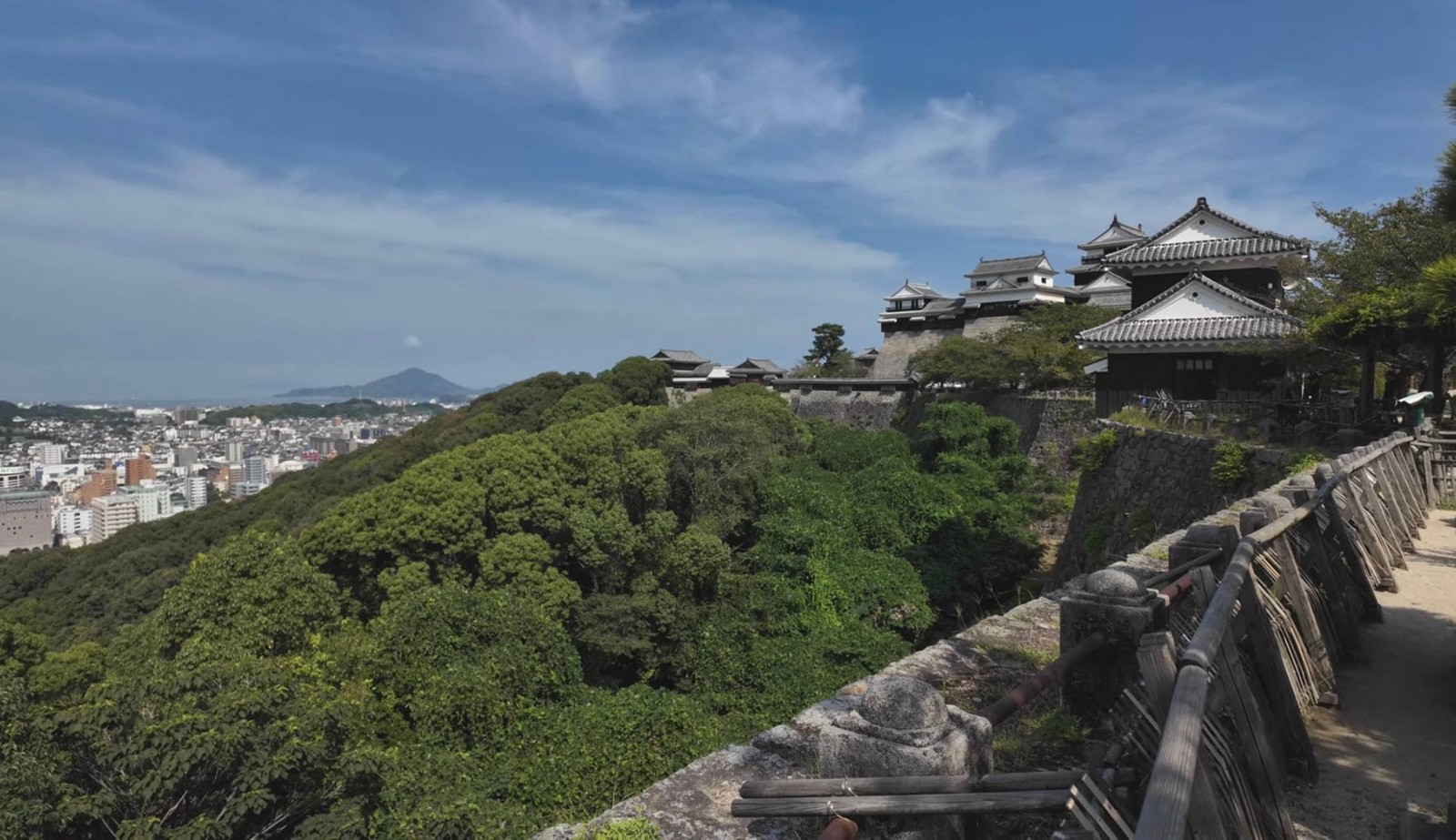
A hilltop castle rises above the city, surrounded by greenery and wide views toward the coast. The scene combines history, architecture and scenery, making it ideal for travelers who enjoy castle walks with panoramic viewpoints.
Tip from the itinerary expert: For a successful family trip, alternate between “quiet” culture stops like Ritsurin Garden and more active experiences like Manno Park or udon-making. Balancing the energy levels throughout the day is the best way to prevent sightseeing fatigue for both kids and parents.
4-Day Kagawa Itinerary: Takamatsu, islands, gardens, udon and sea views
Trip Duration: 4 days
Day 1 — Takamatsu, Ritsurin Garden and Yashima sea views
Morning, 10:00–12:30. Begin your journey in Takamatsu at Ritsurin Garden, a serene introduction to Kagawa’s refined beauty. Dedicate at least 2 hours to wandering past the tranquil ponds, crossing arched bridges, and admiring the meticulously shaped pines. Don’t rush; pause at the tea house for a view of the koi and the landscape. Entry is approximately ¥500 for adults and ¥170 for children.
Lunch, 12:45–13:45. Enjoy your first taste of Sanuki Udon at a local shop near the garden or in the city center. A satisfying bowl typically costs between ¥500–¥1,200, offering both great flavor and excellent value.
Afternoon, 14:00–16:00. After a stroll through central Takamatsu, head up to the Yashima Plateau. This flat-topped mountain provides breathtaking panoramic views over the Seto Inland Sea. It’s a perfect spot to get your bearings and appreciate the island-dotted horizon at a relaxed pace.
Evening, 17:00–18:00. Return to the city for dinner near Takamatsu Station. A seafood izakaya is highly recommended here, where you can expect a budget of roughly ¥3,000–¥5,000 per person for fresh, local catches.
Tip from the itinerary expert: Keep your first day balanced. Ritsurin Garden and Yashima together offer a perfect mix of culture and scenery without the exhaustion of a high-speed race through the city.
Overnight Location: Takamatsu
Day 2 — Naoshima art island
Morning, 10:00–12:30. Board the ferry from Takamatsu Port to Naoshima. The standard ferry is about ¥680–¥690 one way, while the high-speed service is around ¥1,590. Start by exploring the outdoor sculptures and the creative atmosphere of the fishing villages before heading toward the museum area.
Lunch, 12:30–13:30. Stop at one of the island’s charming cafés. Since museum entry times and ferry schedules are fixed, keep your lunch choice simple to ensure you stay on track for your booked slots.
Afternoon, 13:30–16:30. Visit the Chichu Art Museum, a stunning architectural feat built almost entirely underground to preserve the landscape. Tickets are roughly ¥2,500–¥3,000+. This experience is particularly engaging for older children and teens who can appreciate the interplay of light, space, and modern art.
Evening, 16:30–18:00. Take the return ferry to Takamatsu. After a day of walking, enjoy a casual dinner of seafood or a traditional Japanese set meal in the lively streets near the harbor.
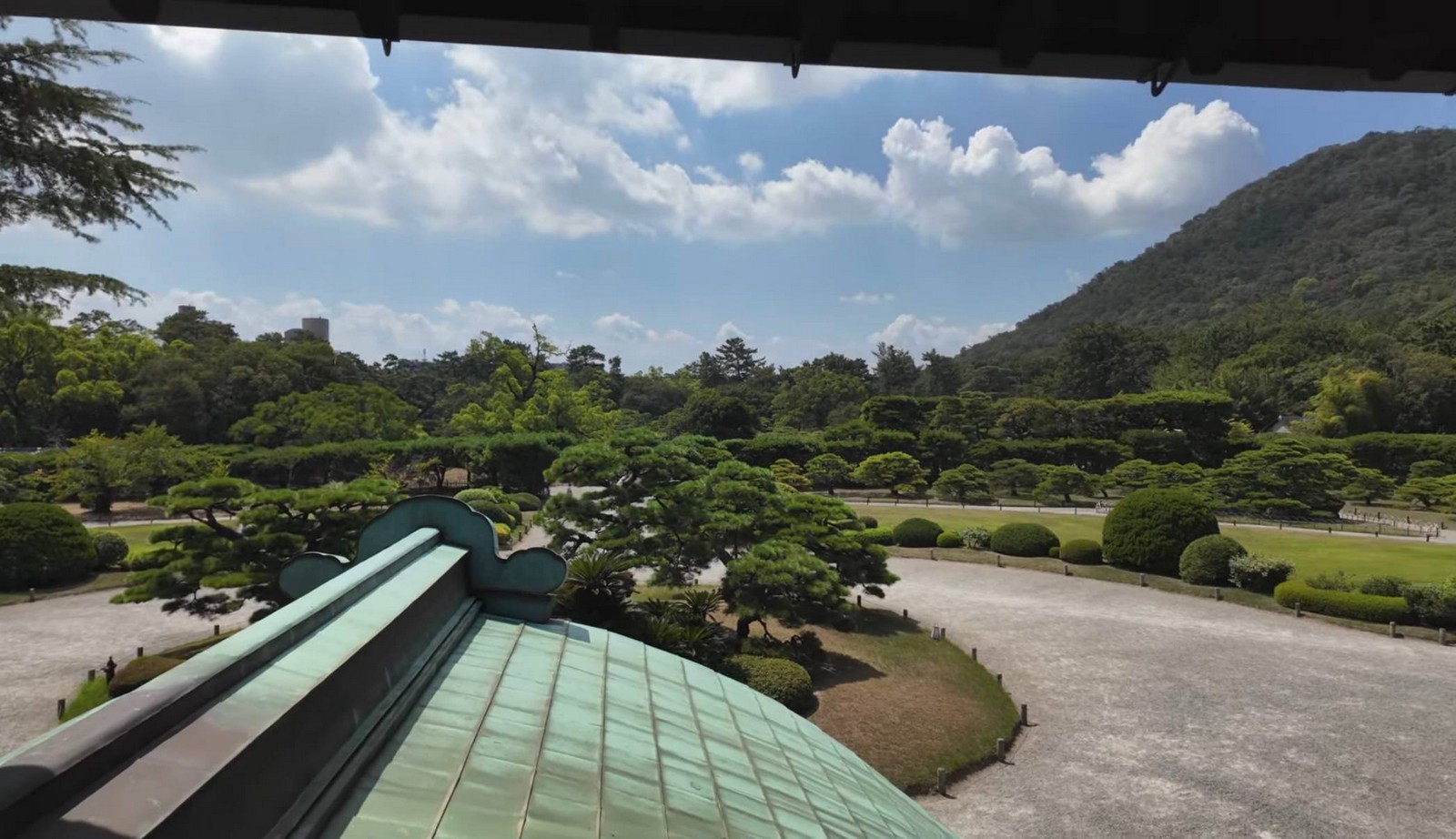
A calm view over Ritsurin Garden in Takamatsu, with shaped pine trees, open lawns and the mountain rising behind the garden. It is one of Kagawa’s most beautiful cultural landscapes and a perfect place for a slow, scenic walk.
Tip from the itinerary expert: Do not try to combine Naoshima with Shodoshima on the same day. Each island deserves its own dedicated time. Focus on one to avoid “ferry fatigue,” especially when traveling with family.
Overnight Location: Takamatsu
Day 3 — Kotohiragu Shrine and Marugame Castle
Morning, 10:00–12:30. Take the train to Kotohira (approx. ¥730 one way, 1 hour). Begin the climb to Kotohiragu Shrine, a legendary pilgrimage site featuring 785 steps to the main hall. The shrine grounds are free to enter, and the rising views of the Sanuki Plain are the ultimate reward for the effort.
Lunch, 12:45–13:45. After descending, enjoy lunch in the bustling town of Kotohira. Light udon or local sweets (wagashi) are the most practical choices to recharge after the climb. Remember to stay hydrated!
Afternoon, 14:15–16:30. Move on to Marugame Castle. Spend a few hours exploring the massive stone walls and the small, original wooden tower. It’s one of the few authentic keeps left in Japan and offers a great historical perspective. Tickets for the keep are around ¥400.
Evening, 17:00–18:00. Return to Takamatsu for a relaxing evening. A simple meal at a local restaurant or a seafood izakaya is the best way to unwind after a physically active day of climbing and exploring.
Tip from the itinerary expert: Always tackle the Kotohiragu stairs before lunch. Your energy levels are higher in the morning, making the climb feel much more manageable, leaving Marugame Castle as a pleasant afternoon stroll.
Overnight Location: Takamatsu
Day 4 — Shodoshima Olive Park and island scenery
Morning, 10:00–12:30. Set off for Shodoshima, the second-largest island in the Seto Inland Sea. Fares start from ¥700 one way. To see the best of the island, consider renting a car upon arrival—the sights are spread out and public transport can be infrequent.
Lunch, 12:30–13:30. Sample the island’s famous exports. Whether it’s olive-infused dishes or soy sauce seasoned specialties, the local food culture here is distinct and delicious. Casual cafés near Olive Park offer great views along with your meal.
Afternoon, 13:30–16:30. Visit Shodoshima Olive Park. Entry is free, and you can spend time among the groves, visit the Greek windmill, and shop for premium oils. If you have a car, squeeze in a visit to Angel Road or a historic soy sauce warehouse before heading back to the ferry.
Evening, 16:30–18:00. Return to Takamatsu for your farewell dinner. Opt for one last udon experience or celebrate the end of the trip at a teppanyaki or high-end wagyu restaurant, with budgets ranging from ¥5,000 to ¥15,000 for a special night out.
Tip from the itinerary expert: Don’t rely solely on buses for Shodoshima. A rental car is the secret to a stress-free day, allowing you to easily connect the olive groves, the coast, and the soy sauce village in one afternoon.
Overnight Location: Takamatsu
Traveller reviews of Kagawa

Emily Carter
April 2018

We originally came for Naoshima, but Takamatsu ended up being just as memorable. Ritsurin Garden was calm even with our kids asking for snacks every ten minutes. The koi, bridges and tea house made it easy to slow down for a while. And the Sanuki Udon near the station was cheap, simple and honestly really good.
Daniel Brooks
November 2023

Kagawa felt very manageable, and using Takamatsu as a base worked well for us. We visited Ritsurin Garden, Marugame Castle and Kotohira by train. The castle climb was steeper than I expected, especially after lunch. Still, the stone walls and the view over the city were worth the effort.
Sarah Mitchell
August 2019
Shodoshima was pretty, but August was too hot for us. Olive Park was nice for photos, and the kids liked having open space, but getting around without a car was frustrating. The buses did not really match our pace, and we lost time waiting near the port.
Michael Anderson
March 2025
The cherry blossoms in Kagawa were a real surprise. We went to Marugame Castle and another quieter sakura spot, and it felt much calmer than the famous places around Kyoto. Not empty, but you could breathe. I liked that we managed to mix flowers, udon and sea views in one day.
Laura Bennett
June 2017
Ritsurin Garden was the highlight for me. We arrived after a rainy morning, so the paths were still damp and the colors looked fresh. Some of the stone areas needed careful walking with my youngest, but the garden itself was beautiful. The matcha break helped everyone reset.
James Wilson
October 2022
Naoshima was not our best day. The art was interesting, but the logistics felt too tight with ferry times, museum slots and the kids getting bored. We also underestimated how much walking there would be. Maybe it works better with teenagers who are really into art.
Natalie Cooper
May 2016
Kotohiragu Shrine was memorable, but those steps are no joke. We stopped a lot, bought drinks, and still reached the top pretty tired. The small streets below the shrine were actually one of my favorite parts, with snacks, little shops and a relaxed atmosphere.
Thomas Miller
December 2024
Winter in Kagawa was quiet in a good way. Ritsurin Garden had fewer people, and Takamatsu was easy to walk around. Some places looked less colorful than the spring photos, of course. But clear sea views, hot udon and no crowd pressure made the whole trip feel comfortable.

Tips from the Itinerary Expert

Use Takamatsu as your base, not the islands
For most Kagawa routes, I would stay in Takamatsu. From there, you can reach Ritsurin Garden, Kotohira, Marugame and the ferries without changing hotels, which saves a lot of packing and transfer time with children.
Plan Naoshima and Shodoshima on separate days
On a first trip, it is tempting to connect both islands in one schedule, but the day becomes too dependent on ferries. I split them: Naoshima for art and walking, Shodoshima for Olive Park, sea views and a slower family pace.
Choose the regular ferry to Naoshima if you are not rushed
When the schedule is flexible, I use the regular ferry from Takamatsu to Naoshima instead of the faster boat. It remains an affordable ¥680 one way in 2026, while the fast boat is ¥1,590. The longer crossing makes the sea journey feel like a true part of the adventure.
Treat Kotohiragu Shrine as a main activity, not a quick stop
The 785 steps to the main hall take real energy. I never add another heavy climb on the same day. Plan for a long lunch in the approach town afterward—trying the local Kamiyo-ame candy is a great way to reward the kids for the hike.
At Ritsurin Garden, start with the pond and tea-house views
If the family starts getting tired, head straight for the Kikugetsu-tei tea house. It offers the garden’s best vantage point over the ponds and bridges. For a smooth visit, check the opening hours—they vary significantly, opening as early as 5:30 AM in the summer and closing by 5:00 PM in winter.
Rent a car only for the harder nature day
I save car rentals for regional gems like Mt. Shiude or Honen Pond Dam. Mt. Shiude is spectacular for cherry blossoms in late March or hydrangeas in mid-June, but reaching the summit for those world-class views is much simpler with your own wheels.
Use Sanuki Udon to keep the budget under control
On days with pricier museum tickets, I balance the budget with Kagawa’s famous udon. Most local shops still offer a great bowl for ¥500–¥1,200, making it a quick, high-value meal that keeps everyone happy without a long wait.
Keep Shodoshima simple with children
Moving between sites on Shodoshima can take longer than it looks on a map. I prioritize Olive Park for the windmill photos and open space, then only add a second stop like Angel Road if the ferry schedule and energy levels still look good.
Use Unpenji Summit Park as a summer escape
In the heat of May or June, head to Unpenji Summit Park. At 920m above sea level, it’s significantly cooler than the city. The ‘Sky Swing’ and the ropeway ride (¥2,200 round-trip) provide the kind of active, high-altitude fun that serves as a perfect break from temple-heavy sightseeing.
Insights from the Itinerary Expert
When I visited Kagawa in October 2023, what stayed with me was not just one “wow” moment, but how naturally the mood shifted every few hours. In the morning, I was walking through the quiet, shaded paths of Ritsurin Garden, then sitting down for a quick bowl of Sanuki Udon, and by afternoon, I was looking out over the Seto Inland Sea from the Yashima Plateau. That variety is exactly why this region works for family routes—it keeps the pace fresh so children aren’t stuck with just one type of sightseeing all day.
The logistics, however, are where you need a steady hand. Naoshima was more taxing than I expected; balancing ferry times, specific museum entry slots, and the inevitable island walking requires a bit of a “rhythm.” Similarly, Shodoshima is much larger than it appears on a map. Without a car, the day can feel slow and slightly rigid due to bus schedules. I always suggest picking your battles and not trying to “collect” too many islands in a single trip.
Kagawa is a brilliant choice for travelers seeking that perfect intersection of sea views, refined gardens, and a quieter, more local side of Japan. Whether you’re navigating the 785 steps of Kotohiragu Shrine or catching the ferry to a remote art installation, we can build a 2026 itinerary that stays realistic, comfortable, and focused on the places your family will actually enjoy.
Kagawa travel prices in 2026
| Name | Amount | Description |
|---|---|---|
| Budget hotel in Takamatsu | ¥5,500–¥9,500 per night JPY | A realistic baseline for simple, clean rooms. Low-cost business hotels and well-rated hostels in Takamatsu currently start from about ¥5,455, while basic single or twin rooms typically sit between ¥7,000 and ¥9,000. |
| Mid-range hotel in Takamatsu | ¥10,000–¥18,000 per night JPY | The standard for comfortable city hotels near Takamatsu Station or the Kawaramachi shopping district. Many travelers find quality 3-star stays averaging around ¥16,800 per night. |
| Comfort hotel for a couple | ¥19,000–¥36,000 per night JPY | For larger rooms, superior views, or newer properties with enhanced amenities. Higher-end city hotels and modern boutique stays in central Takamatsu often reach these levels for a more premium experience. |
| Family apartment or large suite | ¥20,000–¥45,000+ per night JPY | Essential for groups needing extra space, kitchenettes, or in-room laundry. Family-friendly aparthotels are popular in Takamatsu, with larger configurations often starting around ¥20,000 and scaling up based on capacity. |
| Car rental | ¥8,500–¥13,000+ per day JPY | Highly recommended for exploring western Kagawa (Mt. Shiude, Takaya Shrine) or navigating Shodoshima. Daily rates for a standard compact car typically begin around ¥8,500 including basic insurance. |
| Public transport passes | ¥680–¥1,960 JPY | The regular Naoshima ferry remains a great value at ¥680–¥690 one way. For extensive rail travel, the 'JR/Kotoden Kururin Pass' costs ¥1,960 for adults and covers almost all major local lines for a full day. |
| Restaurant meal | ¥3,500–¥6,000 per person JPY | A typical dinner budget for a quality izakaya or seafood restaurant. However, Sanuki Udon remains the ultimate budget-saver, with most local shops serving filling portions for just ¥500–¥1,200. |
| Sightseeing entry fees | ¥410–¥3,100 per site JPY | Ritsurin Garden is currently ¥500 for adults (¥170 for children), while major art sites like the Chichu Art Museum on Naoshima are at the higher end, typically requiring advanced booking for around ¥3,100. |
| Daily supermarket/convenience shop | ¥2,800–¥5,000 JPY | A practical estimate for two people to cover breakfast, bottled water, and seasonal snacks. This is especially helpful for fueling up before long ferry rides or island hiking days. |
FAQ about planning a Kagawa trip
01
Is Takamatsu a good base for 2–3 nights in Kagawa?
Yes. Takamatsu is the most practical base if you want easy access to Ritsurin Garden, Yashima, Kotohira, Marugame and the ferries to Naoshima or Shodoshima. Staying here for your 2026 trip saves you from constant hotel transfers while keeping major landmarks within an hour’s reach.
02
Is it worth renting a car in Kagawa if we plan nature viewpoints?
A car is highly recommended for reaching the ‘Sky Mirror’ at Chichibugahama Beach, the ‘Gate to Heaven’ at Takaya Shrine, or the Unpenji Ropeway. While trains connect major towns, these scenic spots are far more comfortable to access by road, especially when traveling with family.
03
Can we visit Naoshima and Shodoshima in one day?
I would not recommend it. Between ferry schedules and the sheer scale of the islands, you would spend more time in transit than actually seeing the sights. It is far better to treat them as two separate full-day adventures to truly enjoy the art and olive groves.
04
Is Ritsurin Garden comfortable with children or too slow for them?
It works well if you focus on the interactive parts. Children usually love feeding the koi and crossing the picturesque bridges. At ¥500 for adults and ¥170 for children, it’s an affordable stop where you can set your own pace without feeling forced to walk every single path.
05
How much time should we leave for Kotohiragu Shrine with kids?
Dedicate the entire morning. The 785 steps to the main hall take significant energy. After the climb, plan for a relaxed lunch in the town below; many shops offer Sanuki Udon making experiences which are a big hit with younger travelers.
06
Which Kagawa island is better for families: Naoshima or Shodoshima?
Naoshima is fantastic for older children and teens interested in architecture and interactive art. Shodoshima is generally better for younger families, offering more open spaces like the Olive Park, beaches, and the ‘broom rental’ for photos at the Greek Windmill.
07
What is the cheapest local food to use as a budget saver in Kagawa?
Sanuki Udon is your best friend here. In 2026, you can still find high-quality, filling bowls for ¥500–¥1,200. It’s the perfect way to keep daily costs down between more expensive activities like the Chichu Art Museum (approx. ¥2,500–¥3,100).
08
Is Marugame Castle worth visiting if the castle tower is small?
Absolutely. While the keep is one of the smallest originals in Japan, the 60-meter high stone walls are among the most impressive in the country. The panoramic view of Marugame and the Seto Bridge from the top is one of the best in Kagawa.
09
What should we do in Kagawa on a hot summer day with children?
Skip the heavy hiking and head to Unpenji Summit Park. At over 900m altitude, it’s much cooler than the coast. The ropeway (¥2,200 round-trip) and the ‘Sky Swing’ offer active fun in a refreshing climate that beats the humid city heat.
What we propose

Emma Heidi
Customer Experience Manager
Take all the stress out of planning your trip!
With our experts, you can create the perfect itinerary for you – complete, comfortable, and tailored to all your dreams, wishes, and needs.
We take care of every little detail, so you can simply focus on enjoying your journey.
We’ve been designing personalized itineraries since 2015, and over the years we’ve created thousands of custom itineraries for happy clients.

Save time, avoid confusion – we do the work for you. Our service saves you weeks of searching, reading, comparing, and complicated planning. Instead of wasting endless hours – you receive a ready-to-use, accurate and clear itinerary.

A tailor-made itinerary – built just for you. Your itinerary is personally designed based on our experts’ real field experience and genuine feedback from hundreds of travelers – including hidden discoveries and insider tips that don’t appear in any travel guide.

Smart accommodation selection – often saves you hundreds or even thousands of dollars. We help you choose verified and recommended places to stay, checking availability for your exact travel dates. Sometimes we suggest hotels not “in the center,” but in safe, convenient, and highly strategic locations – which can significantly reduce travel costs and save you even thousands of dollars.

We’re by your side even during the trip. We stay with you throughout your vacation – providing professional help whenever needed. If the weather changes, there’s a strike, a local event, heavy crowds, or any unexpected situation – we are here to update, guide, and adjust your itinerary in real time.

Easy-to-use itinerary – with direct navigation links. Your itinerary includes direct Waze / Google Maps links – no need to search for parking addresses, no stress, no mistakes. Just tap – and go.

Service cost: from only $420. (Special price for short itineraries up to 5 days). Clients tell us the itinerary saves them costly mistakes, fines, wrong choices – plus exclusive discounts on car rentals, better-priced accommodations, and money-saving local tips.
Want to know if it’s really worth it?
Take a look at the experiences of travelers who built their personal itinerary with us.
Click here and let’s start building the itinerary that will save you time, money, and stress – and turn your vacation into perfection.
Of course, your first inquiry is completely free – with no commitment whatsoever.
How it works


- You are welcome to contact us
- We discuss your trip
- You fill out a special form
- We create your itinerary
- You get it with all useful tips
- We are in touch with you all the time