My love for Japan began the moment I arrived in Tokyo. The country amazed me with its harmony of ancient traditions, cutting-edge technology, breathtaking nature, and a culture unlike any other. Since then, Japan has become a part of my life, and I return there again and again. Today I help travelers discover the real Japan: I create personalized itineraries, give lectures, and prepare guests for their unforgettable journey. I would be delighted to open Japan for you too!

Nagano
Nagano is the perfect antidote to the frantic energy of Tokyo. It is a place where the pace slows instantly and the landscape shifts from crowded city streets to sweeping mountain vistas. Here, ancient temples, alpine views, natural hot springs, and atmospheric small towns blend seamlessly into a single, easy-to-follow route. You might spend your morning wandering through the historic Zenkoji Temple or Matsumoto Castle, then transition to quiet forest trails, hidden local eateries, or an evening in a traditional onsen town like Yamanouchi. What makes Nagano truly stand out is its accessibility: without needing long flights or complex transfers, you can experience a completely different, more grounded side of Japan in a very short time.
Getting to Nagano and navigating the region
The Hokuriku Shinkansen is the most efficient way to reach Nagano from Tokyo. A reserved seat costs ¥8,450 one way (¥16,900 round trip), making it a highly practical choice even for a short escape. Once you arrive, the best approach is to focus on specific clusters rather than attempting to see everything at once. For instance, the Zenkoji & Togakushi 1-Day Ticket (¥3,000) is excellent for local exploration, while the Snow Monkey Pass — available for ¥6,800 via express bus or ¥5,100 via the Nagano Dentetsu line — conveniently bundles transport with park admission. For longer legs, the rail and bus network remains straightforward: a trip from Nagano to Hakuba starts at ¥2,900 (up to ¥3,500 in winter), while the SHINANO limited express to Matsumoto costs ¥2,430. While the region is easy to navigate, the experience is much smoother when you map out your key routes in advance.
Click here to learn more about creating a personal itinerary
Tip from the itinerary expert: In Nagano, building your plan around local transport passes often saves significant time and money. While renting a car offers flexibility for remote mountain spots, the public transport network comfortably covers Nagano City, Togakushi, Matsumoto, and the Snow Monkey area for most first-time visitors.

Choosing the best time for your Nagano visit
Nagano is a year-round destination, but each season dramatically reshapes the landscape and the activities available. In winter, the region becomes a snowy wonderland perfect for world-class skiing and seeing the snow monkeys, with temperatures occasionally dipping to -15°C. Spring offers a beautiful contrast, where lingering snow on the peaks meets the first blossoms in the valleys. Summer turns the focus toward high-altitude hiking and fresh mountain air, providing a welcome relief from the sweltering heat of Tokyo. Autumn is perhaps the most versatile season, offering vibrant foliage and crisp, stable weather that suits any itinerary. Ultimately, there is no single “best” time to visit — the same locations offer entirely different perspectives depending on the month.

Since 2015, our website has specialized in individual planning of unique routes, taking into account personal preferences and desires.
Each of you will receive a unique PDF file from us, which contains everything you need: travel routes, car rentals, hotels, the best tourist attractions, attractions for kids and everything you need for a perfect vacation.
During the trip, we are available for you by phone via WhatsApp.
Our personal service provides information from A to Z, taking into account many small details that can become a decisive factor on the way from a wasted trip to an unforgettable vacation.
Our service will make your trip comfortable, save a lot of time on planning and preparation, and most importantly – will allow you to become freer and fully enjoy the pleasure of the trip.
Tip from the itinerary expert: For a balanced and visually stunning first trip, autumn is usually the most reliable choice. Winter is best for those specifically seeking snow sports and cozy onsen stays. Regardless of the season, mountain weather can change rapidly, so dressing in layers is always the smartest strategy.
Essential highlights: What to see in Nagano
Nagano isn’t about merely checking off landmarks; the true experience lies in weaving together ancient temples, dramatic mountain landscapes, and intimate local settings. The highlights below represent the core experiences that consistently define a well-rounded first journey through the region.
Zenkoji Temple
As one of Japan’s oldest and most significant Buddhist sites, Zenkoji exudes a grounding atmosphere that resonates the moment you enter the grounds. A visit here extends beyond the main hall; the ritual walk through the pitch-black underground passage is a truly singular experience, while the bustling approach street provides a lively contrast with its traditional wooden shops and regional delicacies.
Opening Hours: Opening hours vary depending on season and inner halls
Temple grounds are free; additional areas require paid entry
Tip from the itinerary expert: Arrive in the early morning. The temple feels profoundly different before the midday crowds arrive, offering a much more personal and atmospheric connection to the site.
Togakushi Shrine (Okusha & Chusha)
Tucked deep within the mountains, Togakushi feels less like a typical shrine visit and more like a meditative journey through nature. The long, cedar-lined path leading to the Okusha shrine is the definitive highlight — quiet, mystical, and deeply integrated into the forest landscape. It is a place where the walk itself is the primary destination.
Opening Hours: Accessible year-round, conditions depend on weather
Free to visit
Tip from the itinerary expert: Resist the urge to rush. Allow yourself ample time to walk at a relaxed pace and absorb the mountain air; otherwise, you risk missing the very stillness that makes Togakushi so special.
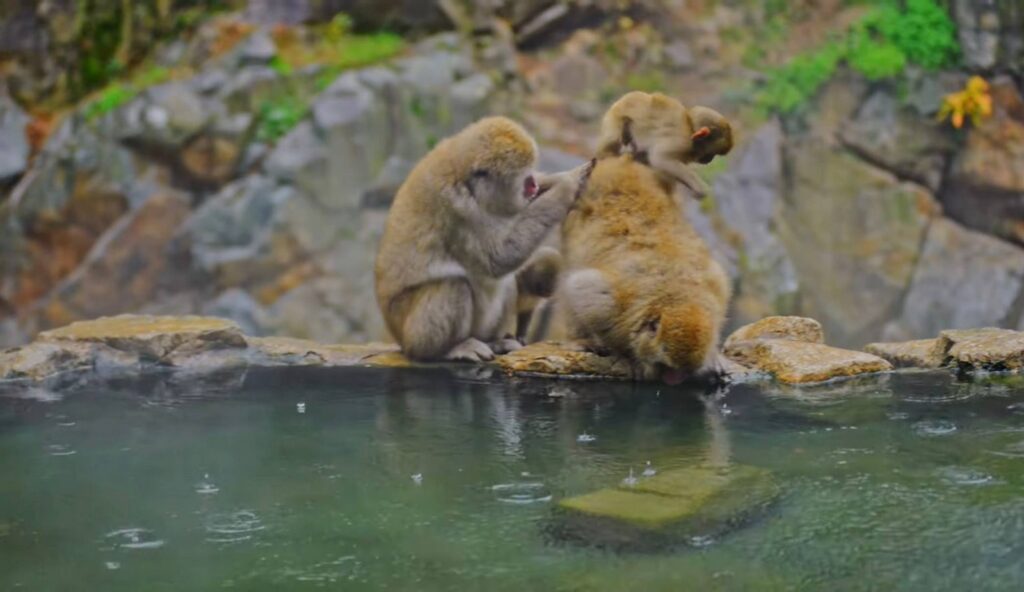
Jigokudani Snow Monkey Park
This is undoubtedly Nagano’s most iconic sight: wild Japanese macaques living in a rugged natural valley, famously seen soaking in steaming hot springs during the winter. The journey to the park involves a scenic forest trek, which builds a wonderful sense of anticipation before you encounter the monkeys in their natural habitat.
Opening Hours: Hours vary by season
Included in Snow Monkey Pass or paid separately
Tip from the itinerary expert: Aim for an early arrival. Crowds tend to build quickly, and the monkey sightings feel far more natural and undisturbed when the area is quiet.
Matsumoto Castle
Matsumoto Castle is a striking architectural masterpiece, renowned for its elegant black exterior and an original wooden interior that has been meticulously preserved for centuries. Climbing through its steep staircases and narrow corridors offers a visceral, authentic sense of feudal history that reconstructed concrete castles simply cannot replicate.
Opening Hours: Opening hours vary by season
Paid entry required
Tip from the itinerary expert: After exploring the keep, take a detour through the surrounding historic streets. The neighborhood has a relaxed, artistic charm with independent cafés and local craft shops well worth discovering.
Hakuba Area
Hakuba is where the Nagano experience expands into grand alpine scenery. While it is a premier international ski destination in winter, the warmer months reveal a different side of the valley, featuring panoramic gondola rides, mountain viewpoints, and access to some of the most impressive hiking trails in the Japanese Alps.
Opening Hours: Seasonal depending on activities
Varies by activity
Tip from the itinerary expert: Treat Hakuba as its own dedicated day or an overnight stay. Attempting to squeeze it into a hurried afternoon usually diminishes the scale and beauty of the experience.
Nakamise Street (Zenkoji approach)
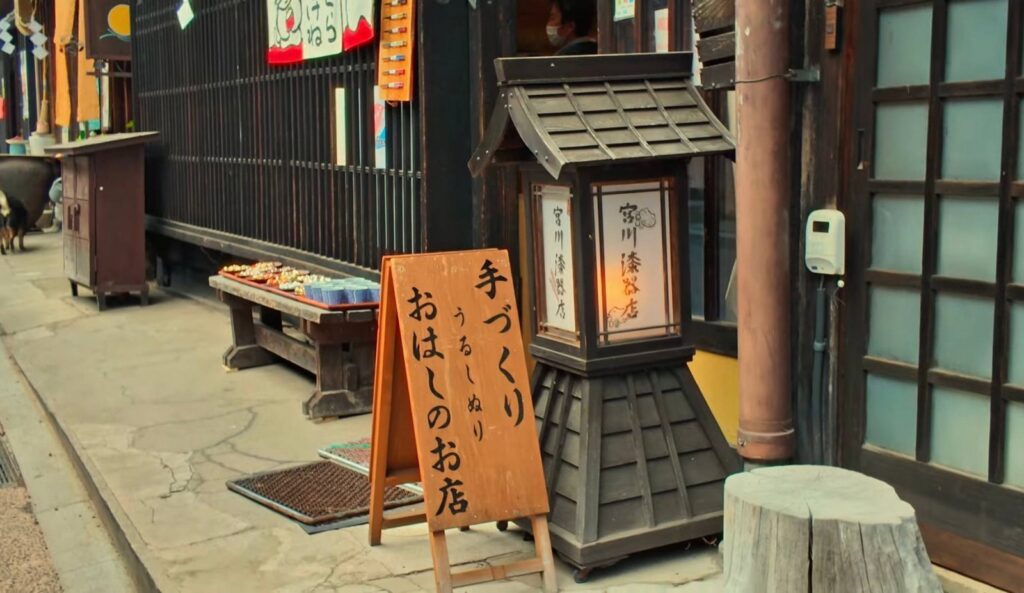
The traditional approach to Zenkoji Temple is an essential part of the visit itself. Lined with heritage storefronts, local snack vendors, and unique souvenirs, this street creates a vibrant gateway that perfectly complements the quietude of the temple. It is the ideal place to pause and sample regional flavors like oyaki dumplings.
Opening Hours: Most shops open later in the morning
Free to explore
Tip from the itinerary expert: Walk through the street twice — once early in the morning for the quiet, shuttered atmosphere, and again later when the shops are open and the area is full of life.
The best natural escapes for your Nagano itinerary
- Kamikochi — a breathtaking alpine valley where crystal-clear rivers meander through open meadows framed by the soaring peaks of the Japanese Alps. It is the perfect destination for gentle, scenic walks that offer high-altitude views without the need for strenuous hiking.
- Lake Aoki and Lake Kizaki — these serene lakes provide a tranquil mountain backdrop, ideal for quiet lakeside strolls, summer water activities, or simply taking a restorative break from a fast-paced travel schedule.
- Taisho Pond — widely considered one of the most photogenic spots in the region, known for its still, glassy waters that create a near-perfect mirror image of the surrounding mountain crests.
- Tateyama Kurobe Alpine Route — an extraordinary mountain traverse that transforms with the seasons, famous for its towering snow walls in spring and sweeping, multi-colored alpine vistas in the autumn.
- Shiraito Falls — a delicate, curtain-like waterfall that flows gracefully through a lush forest setting, offering a refreshing and easily accessible stop, particularly during the warmer summer months.
- Chubu Sangaku National Park — the rugged heart of the Japanese Alps, where the landscape ranges from peaceful, hidden valleys to some of the most dramatic high-altitude scenery in all of Japan.
Tip from the itinerary expert: To keep your trip enjoyable, avoid crowding too many natural sites into a single day. You will get much more out of the experience by pairing one or two nature spots with a nearby town or attraction, maintaining a relaxed pace and minimizing time spent on mountain transfers.
Nagano’s culinary highlights: What to taste
- Shinshu Soba — these iconic buckwheat noodles are the soul of the region. Whether served chilled with a refined dipping sauce or in a steaming, savory broth, they offer a taste deeply rooted in local tradition.
- Oyaki — hearty, flour-dough dumplings traditionally stuffed with seasoned vegetables, fermented beans, or sweet fillings. They are the perfect portable snack for a day of exploring.
- Shinshu Miso Ramen — a robust and deeply satisfying bowl of ramen featuring a rich, complex miso base that reflects the region’s long history of miso production.
- Nozawana Pickles — a staple local side dish made from Japanese turnip greens. Their crisp texture and slightly tangy profile provide a refreshing balance to any traditional meal.
- Basashi — thinly sliced raw horse meat, a prized regional delicacy. Typically served with ginger and soy sauce, it offers a unique and lean culinary experience found in specialized local taverns.
Click here to learn more about creating a personal itinerary
Tip from the itinerary expert: To truly capture the flavors of Nagano, don’t limit yourself to formal restaurants. The best experiences often come from sampling different specialties across various settings — from temple-side stalls to tucked-away neighborhood eateries.
5 hidden gems in Nagano worth discovering
- Narai-juku — an impeccably preserved post town along the ancient Nakasendo route. Walking its long main street, lined with traditional wooden architecture, feels like stepping directly into the Edo period.
- Togakushi Cedar Avenue — far more than just a gateway to a shrine, this breathtaking corridor of centuries-old giant cedars creates a powerful, almost spiritual atmosphere that is an experience in its own right.
- Yamanouchi Onsen Town — a tranquil hot spring enclave where the nostalgic architecture and steaming streets invite you to slow down and embrace the traditional ryokan lifestyle.
- Daio Wasabi Farm — a serene landscape of rolling wasabi fields irrigated by remarkably clear alpine runoff. It’s a fascinating place to see traditional cultivation and taste surprisingly delicious wasabi-flavored treats.
- Nagano’s Independent Café Scene — a collection of quiet, character-filled coffee shops often tucked away in historic buildings. They offer a sophisticated, modern glimpse into the local lifestyle away from the main tourist paths.
Tip from the itinerary expert: To find a deeper connection with the region, aim to include one of these quieter, less obvious locations in each day of your trip. These are often the moments that feel the most authentic and provide a welcome escape from the crowds.
Exploring Nagano with children
- Jigokudani Snow Monkey Park — observing wild macaques in their natural habitat is consistently engaging for children. While famous for winter bathing, the park offers fascinating wildlife encounters throughout the year.
- Hakuba Gondolas and Panoramic Views — the mountain resorts provide easy alpine access, offering kids a sense of adventure with spectacular views and gentle, manageable walks at the summit.
- Nature Trails in Kamikochi — the valley features remarkably safe and flat paths through the woods and along the river, making it ideal for families with younger children to enjoy the great outdoors together.
- Lakeside Summer Activities — during the warmer months, the region’s lakes become natural playgrounds for swimming, gentle boating, and relaxed picnics by the water.
- Daio Wasabi Farm — a great interactive stop where kids can explore the waterwheels, walk through the fields, and try adventurous snacks like green wasabi ice cream.
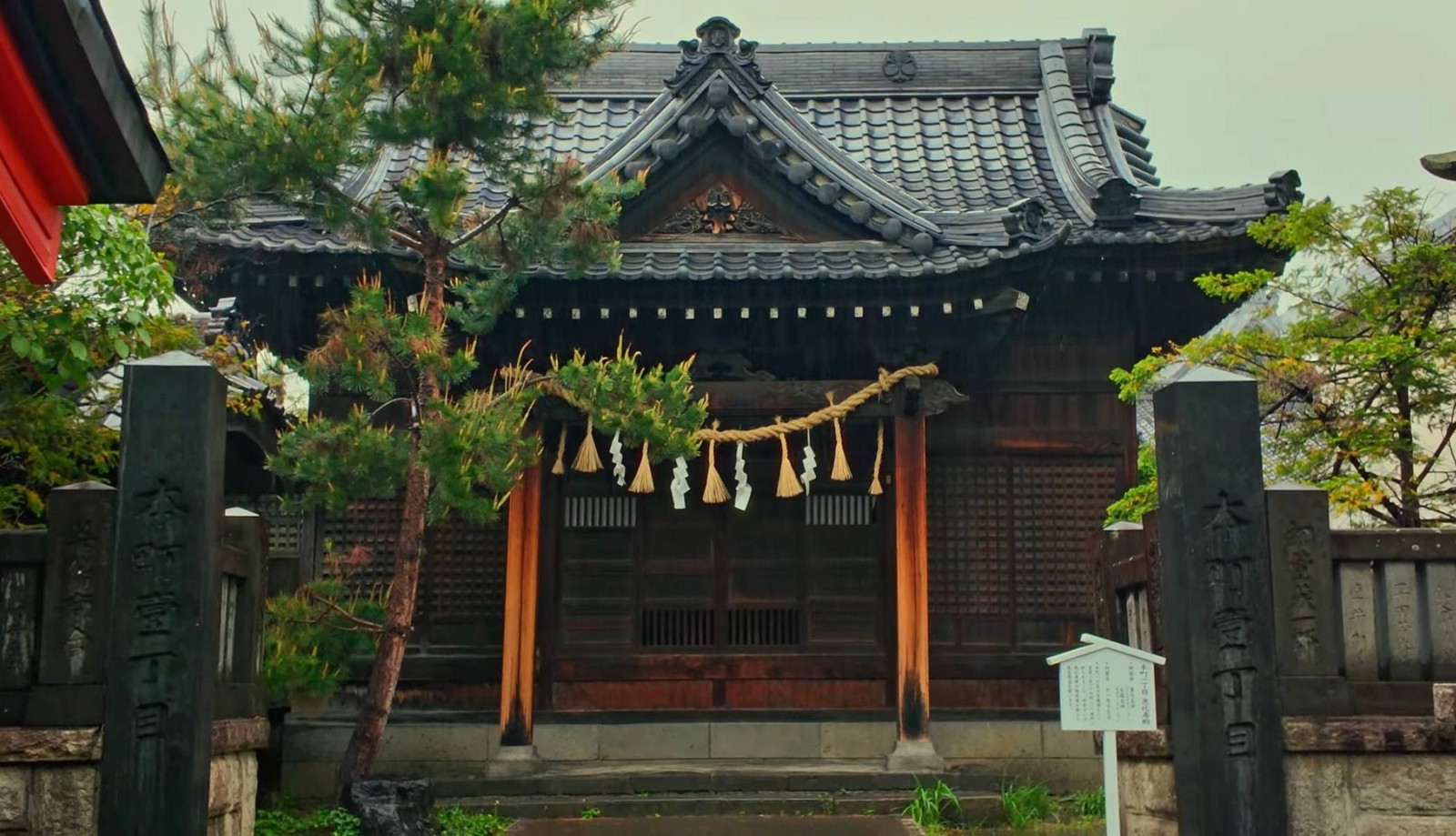
Traditional shrine building showcasing classic Japanese architecture and peaceful atmosphere.
Tip from the itinerary expert: For a successful family day, alternate between high-energy activities and restorative breaks. Mixing short forest walks with stops at local cafés or family-friendly onsens ensures the pace remains enjoyable for both parents and kids.
Essential Nagano: A 2-Day Itinerary
Trip Duration: 2 days
Day 1 — Snow Monkeys, Ancient Temples, and Nagano City
Morning: Start your journey at Nagano Station and head directly to Jigokudani Snow Monkey Park. The most efficient option is the express bus (approx. 1 hour), followed by a scenic 30-minute (1.8 km) walk through the forest. Allocate 1.5–2 hours at the park to observe the macaques at a relaxed pace. For the best value, the Snow Monkey Pass (¥6,800) covers your transport and entry, while the Nagano Dentetsu rail version is available for ¥5,100.
Lunch: On your way back to the bus stop, pause for a traditional soba lunch. It is the most practical spot to eat without deviating from your route, and sampling Shinshu soba is an essential Nagano experience. Budget roughly ¥790–1,950 for a set meal.
Evening: Return to Nagano City for a tranquil visit to Zenkoji Temple and the adjacent Nakamise Street. While the outer grounds are free to wander, access to the inner halls and the famous underground passage is ¥1,200. Take your time exploring the traditional shops on Nakamise Street before heading back toward the station for a cozy ramen dinner (approx. ¥1,000–1,999).
Tip from the itinerary expert: Visit the Snow Monkey Park in the morning and save Zenkoji for the afternoon. This ensures the longest travel leg is completed early, allowing for a much more relaxed evening. Arriving early at the park also provides a quieter, more intimate encounter with the wildlife.
Overnight Location: Nagano City
Day 2 — Historic Matsumoto and the Wasabi Farm
Morning: Board the limited express train from Nagano to Matsumoto (one-way from ¥2,430). Your first stop is the magnificent Matsumoto Castle, a premier historical landmark. Entry is ¥1,200 via e-ticket or ¥1,300 at the gate. A thorough tour of the original wooden keep usually takes 45–60 minutes.
Lunch: After exploring the castle, wander into the nearby historic district. Shiori Cafe is an excellent choice for a relaxed lunch in a characterful setting. This area is very walkable, allowing you to discover small local craft shops and traditional architecture without needing a bus.
Evening: In the afternoon, head to the Daio Wasabi Farm. Take a local train to Hotaka (approx. ¥260–350), then continue by shuttle bus, taxi, or rental bike (bikes start at ¥200 per hour). Admission to the farm is free. Spend 1.5–2 hours wandering the water-filled fields and sampling wasabi ice cream before heading back to Matsumoto or Nagano for your final evening meal.
Tip from the itinerary expert: Prioritize Matsumoto Castle in the morning when you have the most energy for its steep internal stairs. The Daio Wasabi Farm serves as the perfect low-energy, scenic outdoor conclusion to your trip. This balance of one major cultural site and one natural attraction makes for a highly rewarding day.
Overnight Location: Nagano City or Matsumoto
Voices from the road: Traveller reviews of Nagano

Daniel
October 2025

We originally planned Nagano as a brief family stop, but we quickly realized it deserved much more time. Zenkoji Temple was far more atmospheric than I anticipated, and Nakamise Street was the perfect spot for casual snacks and browsing without overwhelming our schedule. What struck me most was how naturally everything combined — culture, mountains, and relaxed city walks all in one seamless trip.
Maya
February 2024

The Snow Monkey Park was the absolute highlight of our visit. The forest trek made it feel like a genuine adventure rather than just a quick tourist stop, and it kept the kids fully engaged the entire time. It was quite cold and the path requires some stamina, so I’d definitely recommend wearing sturdy shoes and keeping the rest of your itinerary light.
Omar
August 2023
Nagano provided the slower pace we were craving after the intensity of Tokyo. Splitting our stay between Matsumoto and Nagano City worked beautifully. The Daio Wasabi Farm was a fantastic afternoon addition — simple, scenic, and surprisingly enjoyable. My only tip is to plan your transport in advance, as connections aren’t always automatic and require a bit of foresight.
Sophie
April 2025
Togakushi was the moment I truly connected with the region. Walking through the giant cedar avenue felt almost otherworldly, and even the winding journey into the mountains was part of the magic. Visiting in spring, with that crisp mountain air and clear sunny spells, made the day unforgettable. It is definitely a place where you should slow down and simply soak it all in.
Adam
December 2019
Matsumoto Castle was one of the strongest landmarks on our route. It’s incredibly impressive from the outside, and the surrounding district makes it easy to enjoy a relaxed half-day exploration. The internal stairs are quite steep, so if you’re with younger children, just take it slowly. The combination of the historic castle and the charming nearby streets made it well worth the trip.
Leila
May 2022
What I loved most about Nagano was the effortless rhythm of the place. We could explore the city in the morning, head into the mountains by afternoon, and still be back for dinner without ever feeling rushed. Zenkoji was stunning, but the real charm lay in the small details — the local food stalls, quiet backstreets, and lush scenery. It’s a very easy region to enjoy without a packed schedule.
Jonathan
January 2025
We came specifically for the winter landscapes and the onsen culture around Yamanouchi, and Nagano delivered perfectly. The mountain setting feels special immediately, and the quiet evenings were a welcome change of pace. My main advice is to leave some buffer time for transfers — snow and local transport schedules can occasionally make travel days longer than you might expect.
Nadia
July 2018
Choosing Nagano for a summer trip was a great call; it was noticeably cooler and more refreshing than Tokyo. We came for the nature, but the overall experience felt so complete: excellent soba, manageable scenic walks, and enough variety to keep the kids interested. If I were to plan it again, I’d still keep the trip concise but would choose two different bases instead of moving every single night.

Tip from the itinerary expert
- I always recommend heading to the Snow Monkey Park as early as possible. The forest trail is far more peaceful before the midday crowds arrive, and starting early gives you the flexibility to adjust your schedule if the monkeys are on the move.
- For exploring Nagano City and its surroundings, the Zenkoji & Togakushi 1-Day Ticket (¥3,000) is usually the smartest investment. It streamlines your travel and is almost always more cost-effective than paying for individual bus fares.
- At Zenkoji Temple, I prefer visiting the inner sanctuary first and saving Nakamise Street for later. The temple grounds are profoundly calm in the morning, while the approach street is best enjoyed once all the traditional shops and stalls are fully open.
- If you are traveling with children, avoid the temptation to pack too many transfers into a single day. In Nagano, pairing one major nature stop with one easy town visit creates a much smoother and more enjoyable rhythm for the whole family.
- In Togakushi, remember that the ancient cedar avenue is the true highlight, not just a path to the shrine. Allow yourself to linger here; the mystical atmosphere builds as you walk, which is exactly what makes the location so special.
- Always carry extra layers, regardless of the temperature in the city. The mountain microclimates in Togakushi, Hakuba, and the Snow Monkey region are noticeably cooler and can shift rapidly.
- For a shorter trip, I suggest using Nagano City and Matsumoto as your primary bases rather than changing hotels every night. This keeps your logistics simple while still putting you within easy reach of the region’s top highlights.
- Daio Wasabi Farm is most rewarding as a slow, unhurried experience. Pair it with a visit to Matsumoto and keep the rest of your afternoon light so you can truly appreciate the scenery and the unique local flavors.
- A balanced food strategy works well here: opt for a refreshing bowl of Shinshu soba for lunch, then choose a hearty ramen or a warm hot-pot meal in the evening as the mountain air cools down.
- Consider a rental car a comfort upgrade rather than a necessity. For a first-time route covering Zenkoji, the Snow Monkeys, Matsumoto, and the Wasabi Farm, the existing train and bus networks are more than sufficient.
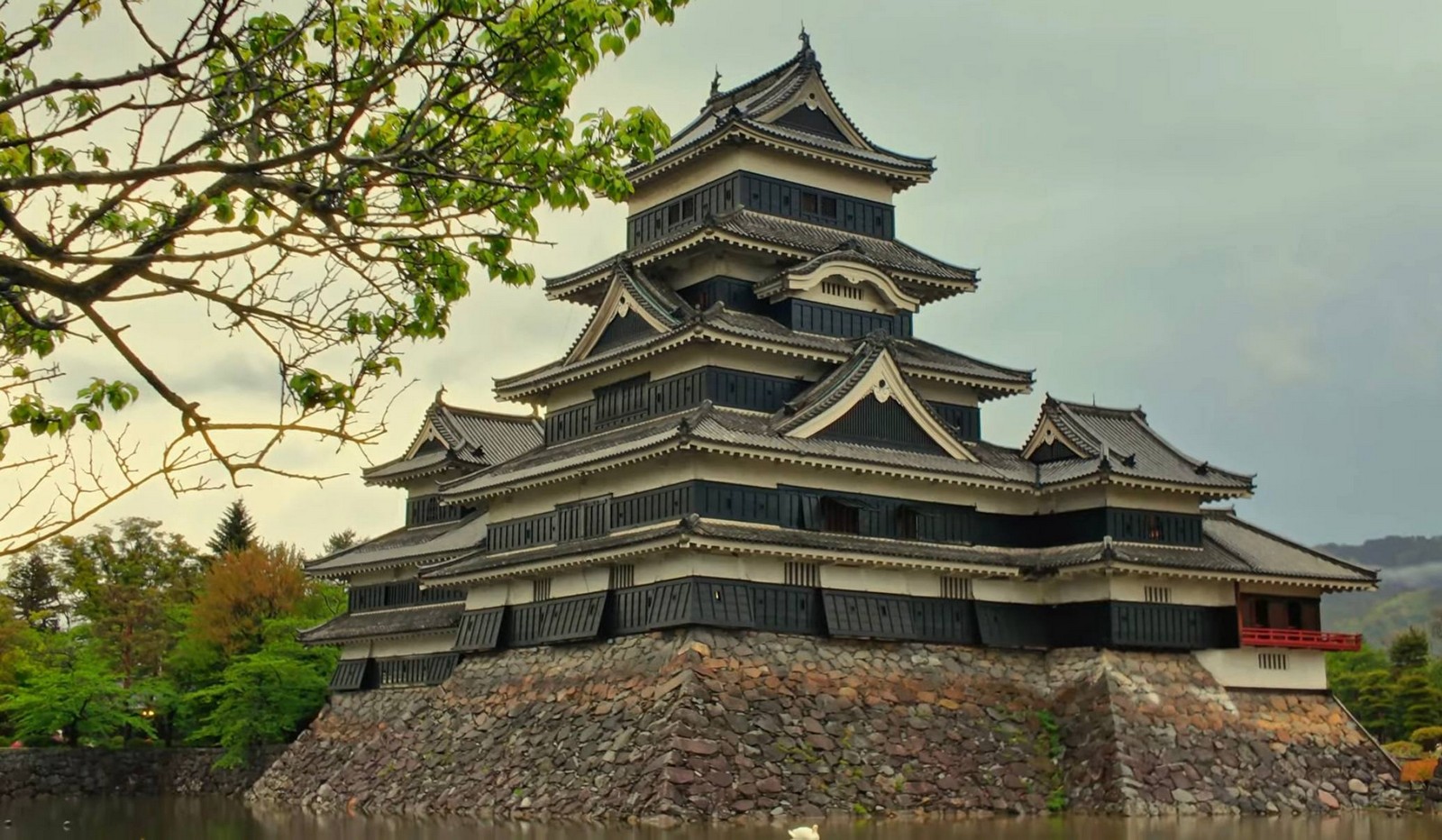
Matsumoto Castle reflected in the surrounding moat, one of Japan’s most iconic historic castles.
Reflections from the itinerary expert
During my visit to Nagano in November 2024, I was immediately struck by the natural rhythm of the region. While you can easily map out a structured plan — Zenkoji Temple, the Snow Monkey Park, Matsumoto Castle — the moments that truly resonate are often the ones in between: a slow stroll along Nakamise Street, a spontaneous stop for handmade soba, or a quiet pause in the mountains to simply breathe in the landscape. Nagano is most rewarding when you leave a little breathing room in your day rather than trying to account for every single hour.
Logistics are a crucial consideration in this part of Japan. On a map, distances appear straightforward, but once you factor in mountain terrain, city exploration, and local transport schedules, days can feel longer than expected. I’ve found that the most successful itineraries follow a simple cadence: one major highlight, one lighter elective stop, and enough flexibility to actually enjoy your surroundings. This approach makes a profound difference in the quality of your trip, especially when traveling with children.
What I appreciate most about Nagano is its understated character. There isn’t just one singular attraction that defines the area; instead, it is the seamless connection between nature, heritage, and local flavors that creates the overall experience. When planned with intention, even a short stay feels remarkably complete.
Nagano is the kind of destination that stays with you long after you leave. It expertly blends alpine scenery and deep-rooted culture into an experience that feels both balanced and authentic. If you are designing a journey through Japan, it is well worth shaping a segment of your route around Nagano in a way that honors your own pace and personal travel style.
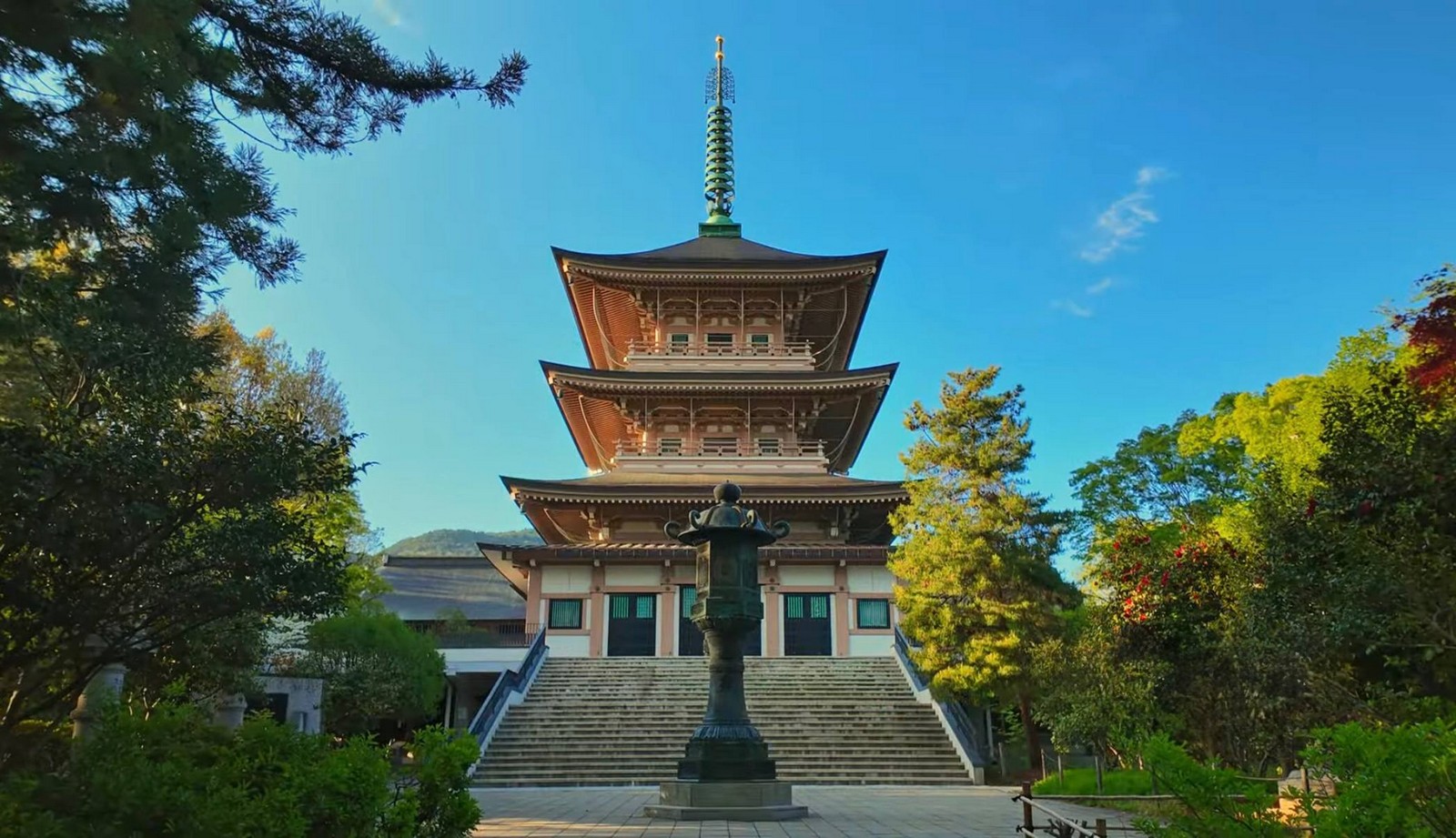
Elegant multi-tiered pagoda surrounded by greenery, highlighting Nagano’s spiritual heritage.
Nagano travel costs in Japanese Yen
| Name | Amount | Description |
|---|---|---|
| Budget hotel for 2 | 15000 JPY | Simple, functional lodging in Nagano City or the surrounding districts, perfect for travelers prioritizing location over extra amenities. |
| Mid-range hotel for 2 | 39613 JPY | Comfortable, well-appointed accommodations, typically including boutique hotels or traditional ryokans with a local character. |
| Expensive hotel for 2 | 70986 JPY | Upscale stays or premium ryokan experiences, offering superior views, refined service, and a more immersive atmosphere. |
| Apartment for a family of 5 | 39613 JPY | A sensible choice for larger groups or families, providing much-needed space and flexibility compared to standard hotel rooms. |
| Car rental per day | 8000 JPY | Standard daily rate for a compact vehicle; prices may fluctuate based on the season and peak holiday periods. |
| Public transport (single ride) | 190 JPY | Typical fare for a short local bus trip, such as the route connecting Nagano Station to the Zenkoji Temple area. |
| Restaurant meal per person | 1500 JPY | A satisfying, casual meal like a bowl of authentic ramen, Shinshu soba, or a standard lunch set. |
| Parking | 500 JPY | Estimated cost for short-term parking near major tourist sites or central city parking lots. |
| Basic groceries for 2 people | 3000 JPY | A typical supermarket spend for daily essentials, snacks, and drinks to have on hand during your journey. |
Frequently Asked Questions About Nagano
01
When is the best time to visit Nagano?
Nagano is a captivating destination year-round, though your experience will differ greatly by season. Winter is the peak time for dramatic snowy landscapes and the iconic Snow Monkey Park. Summer offers a refreshing escape for hiking and lakeside activities, while autumn is highly recommended for its vibrant fall foliage and mild, comfortable trekking weather.
02
Can Nagano be visited as a day trip from Tokyo?
Absolutely. Thanks to the Hokuriku Shinkansen, you can travel from Tokyo to Nagano in just 80 to 100 minutes. While a day trip is efficient for seeing the main city highlights, we recommend an overnight stay to truly appreciate the mountain pace and visit more remote spots like Togakushi or Matsumoto.
04
Is Nagano suitable for families with children?
Yes, Nagano is an exceptionally family-friendly region. Highlights like the Snow Monkey Park, the interactive Daio Wasabi Farm, and the easy-access gondolas in Hakuba provide plenty of engagement for children without the stress of overly complicated travel logistics.
05
Do I need to rent a car in Nagano?
It isn’t strictly necessary for the main sights. The local train and bus networks efficiently connect Nagano City, Matsumoto, and the monkey park. However, renting a car offers much greater flexibility if you plan to explore deep into the Japanese Alps or prefer traveling on your own schedule.
07
Is the Snow Monkey Park easy to visit with kids?
It is a great family activity, though it does require a 1.8 km forest walk from the bus stop to the park entrance. As long as children have comfortable walking shoes and you keep the rest of the day’s schedule light, it is a very manageable and rewarding experience.
What we propose

Emma Heidi
Customer Experience Manager
Take all the stress out of planning your trip!
With our experts, you can create the perfect itinerary for you – complete, comfortable, and tailored to all your dreams, wishes, and needs.
We take care of every little detail, so you can simply focus on enjoying your journey.
We’ve been designing personalized itineraries since 2015, and over the years we’ve created thousands of custom itineraries for happy clients.

Save time, avoid confusion – we do the work for you. Our service saves you weeks of searching, reading, comparing, and complicated planning. Instead of wasting endless hours – you receive a ready-to-use, accurate and clear itinerary.

A tailor-made itinerary – built just for you. Your itinerary is personally designed based on our experts’ real field experience and genuine feedback from hundreds of travelers – including hidden discoveries and insider tips that don’t appear in any travel guide.

Smart accommodation selection – often saves you hundreds or even thousands of dollars. We help you choose verified and recommended places to stay, checking availability for your exact travel dates. Sometimes we suggest hotels not “in the center,” but in safe, convenient, and highly strategic locations – which can significantly reduce travel costs and save you even thousands of dollars.

We’re by your side even during the trip. We stay with you throughout your vacation – providing professional help whenever needed. If the weather changes, there’s a strike, a local event, heavy crowds, or any unexpected situation – we are here to update, guide, and adjust your itinerary in real time.

Easy-to-use itinerary – with direct navigation links. Your itinerary includes direct Waze / Google Maps links – no need to search for parking addresses, no stress, no mistakes. Just tap – and go.

Service cost: from only $420. (Special price for short itineraries up to 5 days). Clients tell us the itinerary saves them costly mistakes, fines, wrong choices – plus exclusive discounts on car rentals, better-priced accommodations, and money-saving local tips.
Want to know if it’s really worth it?
Take a look at the experiences of travelers who built their personal itinerary with us.
Click here and let’s start building the itinerary that will save you time, money, and stress – and turn your vacation into perfection.
Of course, your first inquiry is completely free – with no commitment whatsoever.
How it works


- You are welcome to contact us
- We discuss your trip
- You fill out a special form
- We create your itinerary
- You get it with all useful tips
- We are in touch with you all the time
Tip from the itinerary expert

Arrive at Zenkoji Temple early
Visiting Zenkoji (Zenko-ji Temple) around 08:00 completely transforms the experience. At this hour, the grounds are peaceful and the atmosphere feels truly spiritual. By 09:00 or 10:00, Nakamise Street and the main hall fill up quickly, making it harder to appreciate the quiet beauty of the site.
Don’t miss the Okaidan Meguri
The underground Okaidan Meguri is one of the most unique traditions here. Walking through absolute darkness in search of the ‘Key to Paradise’ is an intense and deeply memorable experience. It only takes a few minutes, but it is easily worth the small entry fee for the sense of mystery it provides.
Plan your snacks for Nakamise Street
Most food stalls and shops along Nakamise Street don’t fully open until 10:30 or 11:00. If you arrive too early, the street can feel quiet. A better strategy is to explore the temple first, then return to the street in the late morning to enjoy local specialties like soba and freshly steamed oyaki dumplings.
Get the Zenkoji & Togakushi 1-Day Ticket
If you intend to visit both Zenkoji and the Togakushi Shrine (Togakushi-jinja), the 1-Day Ticket is a smart investment. It streamlines your travel and offers better value, as individual bus fares for these routes can become surprisingly expensive.
Visit the Snow Monkey Park before noon
Jigokudani Snow Monkey Park is best enjoyed before 11:00. As the day progresses, the viewing areas near the hot springs become crowded, which can detract from the natural experience. Arriving early gives you the best chance to see the monkeys in a more relaxed setting.
Choose the right footwear for the forest trail
The path to the Snow Monkey Park involves a 30 to 40 minute walk through a forest. Proper shoes are essential, as the trail can be damp, muddy, or slippery depending on the weather. Sturdy sneakers or hiking boots will make the trek much safer and more comfortable.
Consider an overnight stay in Yamanouchi
If the snow monkeys are a priority, staying overnight in the Yamanouchi area is highly recommended. It allows you to reach the park at opening time and avoid the mid-day rush. Plus, you can end your day soaking in a traditional onsen rather than rushing back to Nagano.
Balance history with nature
A trip to Nagano is most rewarding when you mix cultural landmarks like Matsumoto Castle (Matsumoto-jo) or Zenkoji with nature-focused spots like Togakushi. This variety keeps the itinerary engaging for everyone, especially if you are traveling with children.
Slow down at the Daio Wasabi Farm
The Daio Wasabi Farm is best experienced at a leisurely pace. Beyond seeing how wasabi grows, it is a lovely spot for a scenic walk and for trying unique treats like wasabi ice cream. The real charm here lies in the tranquil atmosphere and the clear running water.
Be realistic about travel times
Distances in the Nagano region often take longer to cover than they appear on a map. Locations like Hakuba or the monkey park usually require multiple transfers. To keep the trip enjoyable and stress-free, aim for fewer stops per day and allow for a slower pace.