My love for Japan began the moment I arrived in Tokyo. The country amazed me with its harmony of ancient traditions, cutting-edge technology, breathtaking nature, and a culture unlike any other. Since then, Japan has become a part of my life, and I return there again and again. Today I help travelers discover the real Japan: I create personalized itineraries, give lectures, and prepare guests for their unforgettable journey. I would be delighted to open Japan for you too!

Fukui
Fukui is one of those rare destinations where the travel pace naturally slows down—in the best possible way. It offers standout experiences without the overwhelming crowds found in more famous hubs. Within a short distance, you can transition from the profound stillness of Eiheiji Temple to the dramatic, rugged coastline of Tojinbo, and then pivot to something entirely different, like the world-class Fukui Prefectural Dinosaur Museum. With traditional landscapes like Yokokan Garden and the historic castle ruins, the route effortlessly balances culture, nature, and urban exploration.
What makes Fukui truly compelling is this specific mix: it feels authentic and relaxed, yet consistently delivers memorable highlights. For families or anyone crafting a Hokuriku itinerary, it is a seamless way to combine major sights with a more comfortable, human pace—and that is exactly why this region leaves such a lasting impression.
Fukui Transport: Getting There and Navigating the Region
Reaching Fukui is much simpler than a map might suggest. The primary gateway is Fukui Station, located approximately 3 to 3.5 hours from Tokyo by Shinkansen and just 30 minutes from Kanazawa. This makes it a perfect addition to a broader Japan tour or a focused regional break.
Once you arrive, logistics require a bit more attention. Iconic spots like Eiheiji Temple and the Fukui Prefectural Dinosaur Museum are accessible via public transport, but schedules can be sparse—occasionally with only 2–3 departures a day. Eiheiji is relatively easy to reach via a direct 30-minute bus from Fukui Station, while the Dinosaur Museum typically involves a train journey followed by a bus via Katsuyama. If your plans include multiple rural stops, a rental car quickly becomes the most efficient choice.
Travel costs within the prefecture remain quite reasonable. Local train fares usually range from ¥200–600, while buses to temples and coastal sites cost between ¥300–1,000. A full day of transit typically totals around ¥2,000–3,000. The secret is to avoid overpacking your schedule—Fukui is best enjoyed when you focus on one area at a time rather than trying to cross the entire region in a single day.
Click here to learn more about creating a personal itinerary
Tip from the itinerary expert: Design each day around a single geographic area and verify bus schedules in advance. If your route involves several countryside stops, renting a car will save significant time and make the journey far more flexible.

When is the Best Time to Visit Fukui?
Fukui transforms significantly with the seasons, so your timing will define the character of your trip. Spring is an ideal choice, as cherry blossoms frame the rivers and parks, making the castle district particularly photogenic. It is a wonderful time for leisurely city strolls and outdoor exploration.
Summer brings lush greenery and vibrant coastal views, perfect for active travelers, while autumn is defined by a serene atmosphere and deep colors—most notably at Yokokan Garden. During these months, Fukui feels particularly refined and tranquil, making it perfect for photography and visiting traditional sites.
Winter is the quietest time to visit. Eiheiji Temple, in particular, takes on a more atmospheric and introspective quality under the snow. However, conditions can be demanding: coastal areas require extra caution, and the weather will play a larger role in your daily logistics. The sea is striking throughout the year, but it is vital to respect safety signs and local conditions, especially during the colder, windier months.

Since 2015, our website has specialized in individual planning of unique routes, taking into account personal preferences and desires.
Each of you will receive a unique PDF file from us, which contains everything you need: travel routes, car rentals, hotels, the best tourist attractions, attractions for kids and everything you need for a perfect vacation.
During the trip, we are available for you by phone via WhatsApp.
Our personal service provides information from A to Z, taking into account many small details that can become a decisive factor on the way from a wasted trip to an unforgettable vacation.
Our service will make your trip comfortable, save a lot of time on planning and preparation, and most importantly – will allow you to become freer and fully enjoy the pleasure of the trip.
Tip from the itinerary expert: For a first visit, spring or autumn provides the perfect balance of scenic beauty and travel comfort. If you have coastal viewpoints on your list, keep your schedule flexible so you can visit on a clear day rather than being tied to a rigid plan.
Top Locations: What to See in Fukui First
Fukui is best experienced through a thoughtful blend of cultural landmarks, rugged natural scenery, and standout attractions that define the region's character. Rather than rushing to pack in every site, the goal is to choose locations that offer a sense of contrast and atmosphere. These essential stops provide a solid foundation for a well-balanced and memorable itinerary.
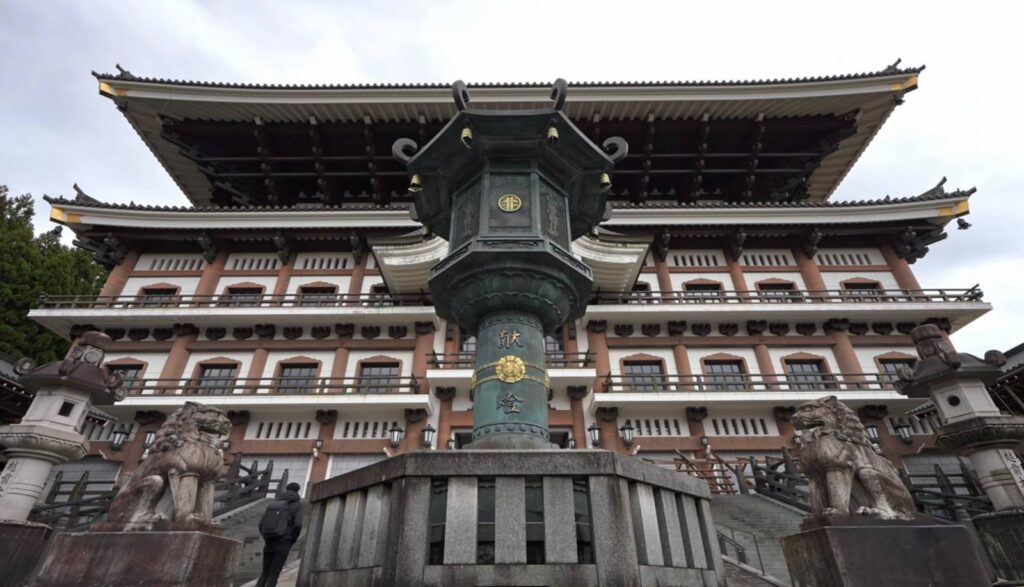
Eiheiji Temple
As one of Japan’s most significant Zen temples, Eiheiji is nestled deep within a cedar forest and surrounded by mist-shrouded mountains. A visit here is less about checking off sights and more about absorbing the temple’s unique energy—the creak of wooden corridors, quiet mossy pathways, and a meditative rhythm that naturally slows your pace. It is a profound experience that deserves a dedicated, unhurried morning.
Tip from the itinerary expert: Arrive early to witness the temple at its most serene, and pair it with just one other nearby stop to maintain a relaxed flow throughout your day.
Tojinbo Cliffs
A dramatic stretch of coastline where unique, hexagonal basalt columns meet the surging Sea of Japan. These cliffs create a powerful, expansive landscape that stands in stark contrast to the quiet forests of the interior. The area is relatively compact and easy to navigate, allowing you to take in the sheer scale of the formations without needing a long hike.
Tip from the itinerary expert: Save this visit for a clear day to fully appreciate the coastal views. Take your time walking the cliffside trails, but be sure to stay within marked areas as the terrain is rugged and exposed.
Fukui Prefectural Dinosaur Museum
Ranked among the world’s leading paleontological institutions, this museum is housed in a striking modern dome filled with massive skeletons and immersive exhibits. It offers a fascinating shift in pace from temples and nature, serving as a major regional highlight. Given the sheer scale and quality of the presentations, it is easy to lose yourself here for several hours.
Tip from the itinerary expert: Dedicate at least half a day to this site and plan your transit carefully, as reaching the museum typically requires coordinating a local train and a connecting bus.
Ichijodani Asakura Clan Ruins
A meticulously reconstructed historic district that breathes life back into a 15th-century samurai town. Walking through these preserved streets and homes offers a rare, tactile connection to the past. The site is spacious and open, providing a tranquil atmosphere that contrasts beautifully with more modern, built-up city environments.
Tip from the itinerary expert: This site pairs naturally with a tour of Fukui city center. It fits easily into an urban-based route without requiring complex logistics or long travel times.
Yokokan Garden
A refined Edo-period garden centered around a large pond and elegant villa architecture. It serves as a peaceful urban sanctuary, designed to offer a different perspective with every step. Though relatively small, its careful balance of water and greenery makes it a perfect, quiet pause between busier segments of your trip, especially during the vibrant changes of spring or autumn.
Tip from the itinerary expert: Try to visit in the late afternoon. The softening light adds a beautiful depth to the garden’s reflection on the water, making it the perfect time for photography.
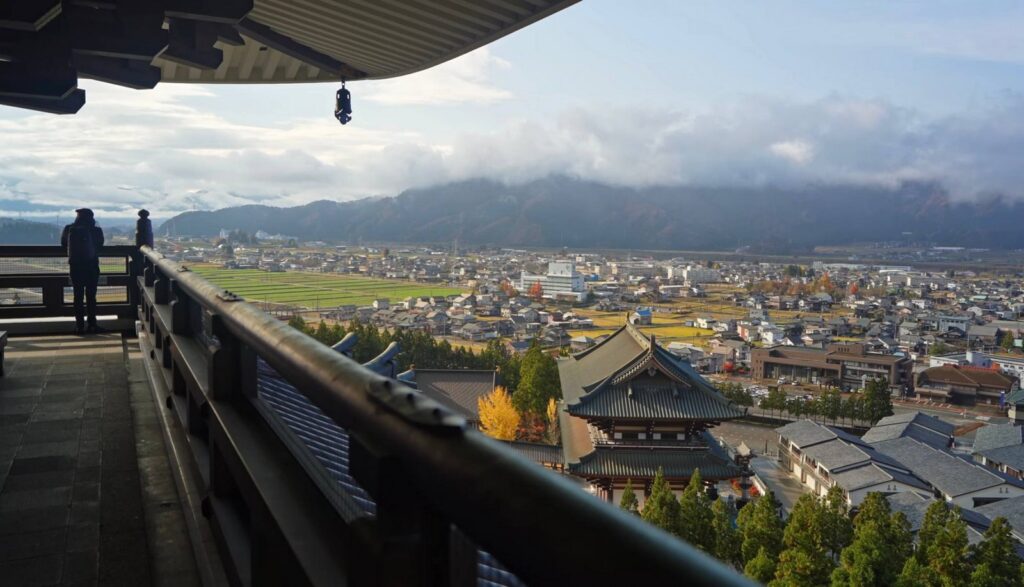
What are the most captivating natural landscapes in Fukui?
Fukui truly shines when you lean into its geographic diversity. Within a relatively compact region, you can transition from dramatic, windswept coastlines to silent forests and serene mountain vistas, ensuring your journey remains varied and engaging. Even a short trip can encompass several distinct landscapes if planned thoughtfully. Here are the essential natural landmarks to prioritize on your route.
- Tojinbo Cliffs — a spectacular coastal stretch defined by rare, hexagonal basalt formations and expansive views over the Sea of Japan. As one of Fukui’s most iconic natural highlights, the sheer scale of the cliffs and the rhythmic power of the waves create a truly commanding atmosphere. The area is remarkably accessible, with numerous viewpoints positioned along the edge.
- Echizen Coast — a scenic drive where rugged cliffs, hidden coves, and open sea views alternate in a beautiful sequence. This experience is less about a single destination and more about the journey itself, offering plenty of opportunities for spontaneous photo stops and brisk coastal walks.
- Lake Kuzuryu — a tranquil mountain reservoir framed by dense forest, providing a completely different energy than the coast. Its remote feel makes it an ideal spot for a quiet reset between more popular or bustling locations.
- Dinosaur Valley (Katsuyama area) — the lush natural setting surrounding the Dinosaur Museum, characterized by rolling hills and vibrant greenery. It is a perfect example of how Fukui integrates world-class attractions with the great outdoors, allowing for a seamless blend of indoor discovery and fresh-air exploration.
- Heisenji Hakusan Shrine Forest — an ancient, moss-draped forest surrounding a historic sanctuary. Here, weathered stone paths and towering trees create an almost mystical, otherworldly environment. It is a place where nature and deep-rooted culture converge perfectly.
When organizing your visits, keep in mind that timing and weather significantly influence the experience. Coastal panoramas rely heavily on clear visibility, whereas forest and mountain sites often feel more evocative in softer light or during the quiet early morning hours. A balanced day typically pairs one coastal landmark with an inland forest or lake to keep your travel pace feeling fresh.
Tip from the itinerary expert: Schedule coastal highlights like Tojinbo or the Echizen Coast for your clearest forecasted day, leaving forest or shrine locations as flexible alternatives. This simple logistical shift can significantly enhance the visual impact of your trip without complicating your overall plan.
What are Fukui’s hidden gems and unique additions to your itinerary?
Beyond the primary landmarks, Fukui hides several lesser-known treasures that make a journey feel more personal and authentic. These spots are typically quieter and more atmospheric, serving as perfect escapes when you want to shift the trip into a lower gear.
- Mikuni District near Tojinbo — while most travelers head straight for the cliffs, the neighboring town offers a serene coastal charm, narrow historic streets, and a genuine local pulse. It is an excellent extension for those looking to turn a brief sightseeing stop into a deeper cultural experience.
- Coastal Onsen Retreats — often overlooked in standard travel guides, these local hot springs add a restorative element to your day. The pairing of expansive sea views with a traditional soak provides a wonderful contrast to more active exploration.
- Secluded Viewpoints along the Echizen Coast — rather than focusing solely on the famous panoramic pull-offs, the smaller, unmarked stops along the coastal road often reveal equally breathtaking vistas without the crowds. These quiet moments are what truly make a coastal drive memorable.
- Forest Paths surrounding Eiheiji — even near a major site like Eiheiji, there are winding woodland trails and satellite temple paths that most visitors overlook. These areas offer a more intimate, unscripted connection to the mountain’s spiritual energy.
- Traditional Craft Workshops — Fukui is celebrated for Echizen paper and exquisite lacquerware. Visiting a small-scale workshop provides a fascinating glimpse into the region’s living heritage that goes far beyond simple sightseeing.
Integrating one or two of these gems can transform the rhythm of your trip, moving it away from a checklist and toward a curated, personal route. The secret is to avoid overloading your schedule—simply weave these locations naturally between your major stops.
Click here to learn more about creating a personal itinerary
Tip from the itinerary expert: Hidden gems work best as brief, flexible interludes between main locations rather than standalone destinations. This approach keeps your route efficient while layering in variety and local character.
What are the best kid-friendly stops when exploring Fukui with family?
Fukui is remarkably well-suited for families, offering a blend of high-engagement activities, wide-open spaces, and educational experiences. The region makes it easy to balance active discovery with necessary downtime, ensuring the itinerary remains enjoyable for all ages.
- Fukui Prefectural Dinosaur Museum — a world-class highlight for families, featuring massive skeletons and immersive, high-tech zones that bring the prehistoric world to life. It is more than just a museum; it is a captivating environment where children can easily spend several hours.
- Dinosaur Valley (Katsuyama area) — the expansive outdoor setting surrounding the museum provides the perfect space for kids to run and explore. This natural buffer makes the museum visit feel more flexible and far less exhausting.
- Tojinbo Cliffs Walk — though it is a natural landmark, the dramatic scenery and manageable walking paths make it visually stimulating for older children. It works best as a brief, high-impact stop rather than a long, taxing hike.
- Yokokan Garden and Urban Parks — these green spaces offer a gentler pace, providing a place to rest and balance out the more intensive parts of your route. The gardens offer a different kind of engagement through their peaceful paths and hidden corners.
- Interactive Craft Workshops — participating in local crafts, such as paper-making, adds a tactile dimension to the trip. These hands-on activities are perfect for breaking up a day of sightseeing with something creative and collaborative.
The key to a successful family route in Fukui is balance: pairing one major, high-energy attraction with one relaxed outdoor stop typically results in a much smoother experience than trying to conquer multiple major sites in a single day.
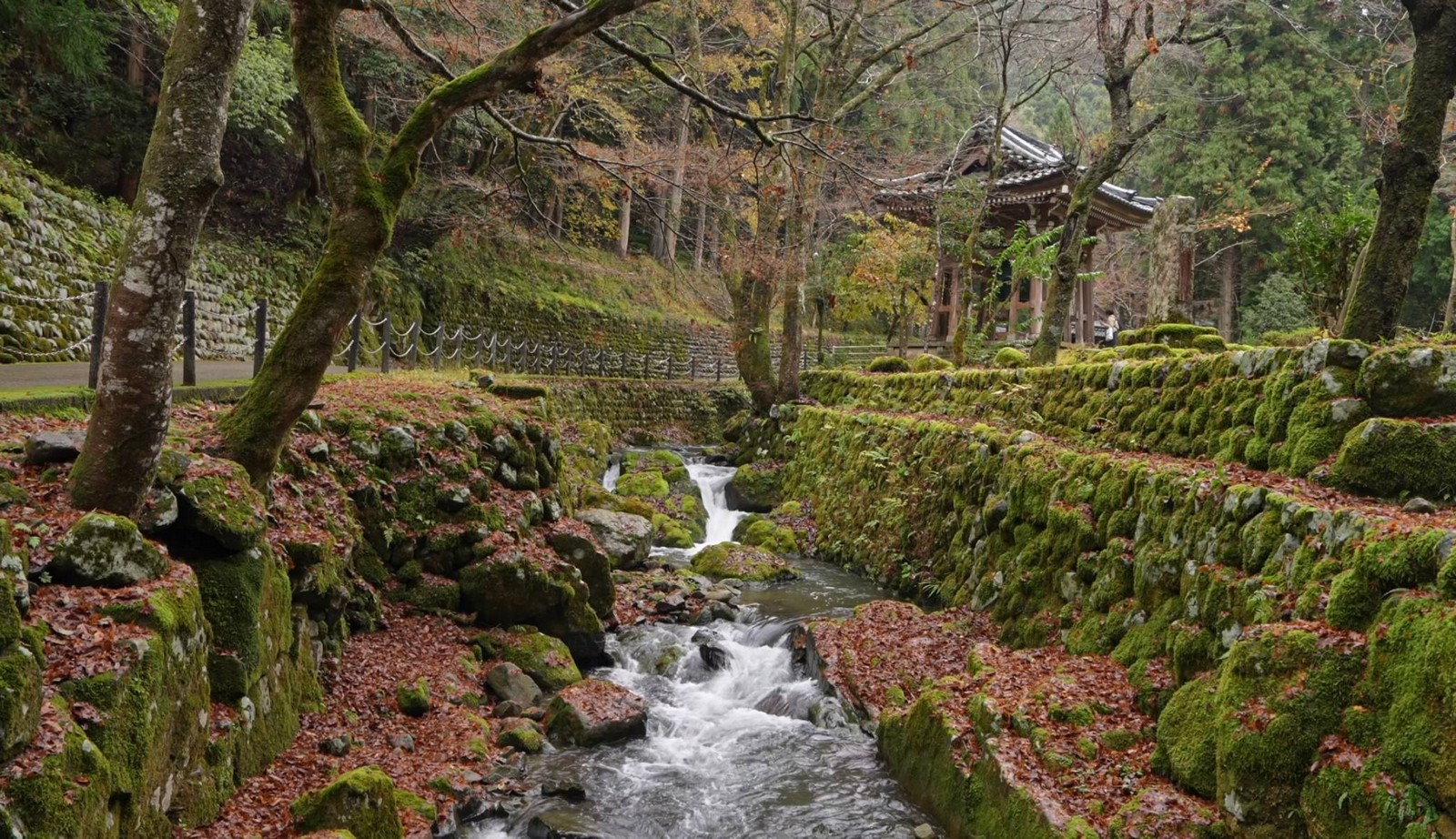
A small stream runs quietly through the temple grounds, surrounded by moss, trees, and that unmistakable Zen atmosphere.
Tip from the itinerary expert: Center each day around one primary highlight and one lighter, nearby stop. This provides a clear structure for the day while preventing fatigue and minimizing time spent on transit.
Fukui in 3 Days: A Family-Friendly Road Trip Itinerary
Trip Duration: 3 days
Day 1 — Eiheiji, Ichijodani, and Fukui City Flavors
Morning (10:00–13:00)
Begin your journey at Eiheiji Temple, one of Fukui’s most evocative spiritual landmarks. While the drive from the city center is brief, the temple complex deserves a slow, deliberate pace—this is an experience to be felt rather than rushed. Wander through the interconnected wooden halls and moss-draped forest paths; plan for at least 2–2.5 hours to absorb the atmosphere. If you have a few extra minutes, visit the nearby Jakkoen Garden for a quiet continuation of the morning. For lunch, enjoy a simple, authentic meal at a local soba restaurant along the temple approach.
Lunch and afternoon (13:00–17:00)
Next, head to the Ichijodani Asakura Clan Ruins. This site is particularly engaging because it offers an open-air historical experience rather than a traditional museum setting. You can freely explore reconstructed samurai streets and excavation sites, which keeps the visit dynamic. Allow about 2.5–3 hours here. On your way back to the city, take a brief sunset stroll through the Fukui Castle Ruins before heading to dinner.
Evening (17:00–18:30)
Wrap up your day in Fukui city with a local specialty: sauce katsudon. This itinerary ensures a well-rounded first day, balancing a major cultural site with a historical exploration and a relaxed urban finish. If you still have energy, stop by the station area to pick up some Habutae Mochi—a delicate local sweet—before retiring for the night.
Tip from the itinerary expert: Resist the urge to pack more into today. Eiheiji and Ichijodani are substantial stops; keeping your evening low-key will ensure you remain fresh for the coastal adventures and museum visits ahead.
Overnight Location: Fukui City
Day 2 — Mikuni, Tojinbo, and the Sea of Japan Coast
Morning (10:00–12:30)
Travel toward the coast, starting with a visit to the Mikuni Port Market. It is a fantastic place to soak up the local maritime atmosphere and enjoy a light seafood brunch. From there, continue to the Tojinbo Cliffs, a natural wonder of jagged basalt columns. The site is very accessible; 1.5–2 hours is plenty of time to take in the most dramatic viewpoints and enjoy a brisk walk along the cliff edge.
Lunch and afternoon (12:30–16:30)
If weather and sea conditions are favorable, board a Tojinbo sightseeing boat to appreciate the scale of the rock formations from the water. Following a fresh seafood lunch at one of the nearby stalls, embark on a scenic drive along the Echizen Coast. This segment is all about the journey—feel free to pull over at various lookouts to admire the crashing waves and the rugged shoreline at your own pace.
Evening (16:30–18:30)
Head back to Fukui city for a tranquil finale. A visit to Yokokan Garden is particularly soothing after the bracing winds of the coast. For dinner, choose between delicate local seafood or a light serving of chilled soba, depending on your mood.
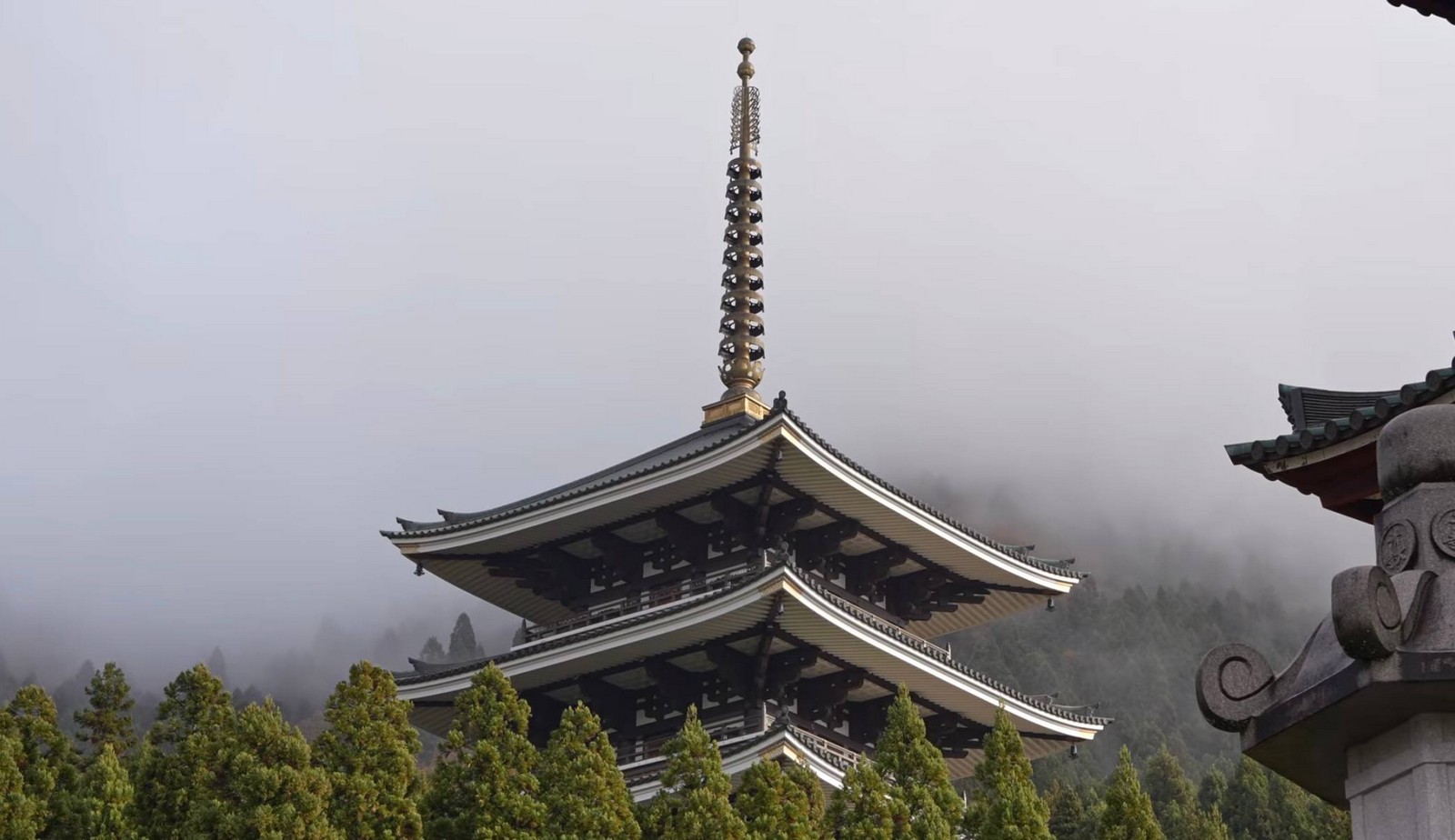
The pagoda rises above the trees, almost disappearing into the mist — one of those views that feels completely timeless.
Tip from the itinerary expert: Check the status of the sightseeing boats as soon as you arrive. If the sea is calm, take the boat early; if not, the views from the cliff tops alone are more than enough to satisfy.
Overnight Location: Fukui City
Day 3 — Dinosaur Museum, Heisenji, and a Gentle Fukui Finale
Morning (10:00–13:30)
Begin your final day at the Fukui Prefectural Dinosaur Museum. As one of the top dinosaur museums in the world, its high-tech exhibits and massive skeletons are a highlight for all ages. It easily fills 2.5–3 hours and is an excellent all-weather anchor for your morning. Because it is a popular site, starting here ensures you beat the largest crowds.
Lunch and afternoon (13:30–16:30)
After a family-friendly lunch near the museum, drive to Heisenji Hakusan Shrine. The transition is wonderful: from the energetic, interactive museum to the profound silence of a moss-covered forest. Take 1–1.5 hours to walk the ancient stone paths—the carpet of green moss and towering cedars create an almost mystical atmosphere.
Evening (16:30–18:00)
Return to the city for a gentle conclusion to your trip. If time permits, visit Kuya Magobei for traditional Japanese sweets, or simply head toward the station for a final early dinner. Ending the trip on this relaxed note makes for a smooth transition to your departure or a peaceful final night in the city.
Tip from the itinerary expert: Visit the Dinosaur Museum first thing in the morning. It is the most time-sensitive location on today’s route, and completing it early gives you total flexibility for the rest of the day.
Overnight Location: Fukui City or departure day
Traveller Experiences in Fukui

Daniel Cohen
April 2024

Our three days in Fukui felt like discovering a serene, hidden side of Japan. Eiheiji Temple was a clear standout—profoundly peaceful and almost meditative in its atmosphere. The Dinosaur Museum was a massive hit with the kids and easily occupied half a day. Logistics do require some foresight, particularly regarding bus schedules, but once we opted for a rental car, the entire trip became significantly smoother.
Aisha Rahman
October 2023

Fukui pleasantly surprised me with its seamless blend of raw nature and deep culture. The Tojinbo Cliffs were breathtaking under clear skies, while the urban gardens offered a completely different, more refined tranquility. While public transport can be a bit restrictive, requiring us to adjust our pace, the effort was absolutely rewarded by the beauty of the region.
Michael Levy
August 2022
This region ended up being a primary highlight of our Japanese journey. The Dinosaur Museum alone justifies the trip; we spent hours exploring the exhibits and completely lost track of time. The coastal drive along Echizen was equally unforgettable, offering stunning ocean vistas at every turn. Planning our route in advance definitely helped us maximize our time without feeling rushed.
Sara Haddad
May 2021
I truly appreciated the slower, more intentional rhythm of Fukui compared to Japan’s major metropolises. The combination of ancient temples, lush forest trails, and the rugged coastline worked perfectly for us. Heisenji Shrine was particularly evocative with its ancient, moss-covered paths. Just a tip: having a car makes reaching these more secluded spots much easier.
Jonathan Stein
November 2019
Fukui in autumn is spectacular, especially within the traditional gardens and mountain forests. Yokokan Garden offered a calm, sophisticated atmosphere—ideal for a quiet afternoon break. We also thoroughly enjoyed local staples like sauce katsudon. The entire itinerary felt exceptionally well-balanced between nature and urban exploration.
Omar Al-Mansouri
July 2018
We didn’t quite know what to expect from Fukui, but it turned out to be one of the most memorable parts of our holiday. The coastal cliffs were magnificent, and the children loved the wide-open spaces and easy walking paths. Since summer can be quite humid, we simply planned for a few more indoor breaks throughout the day.
Rachel Green
March 2025
Spring was a magical time to visit. The cherry blossoms throughout the city added a vibrant energy, making it easy to pair nature excursions with relaxed city strolls. It functioned perfectly as a family-friendly destination, offering a great mix of high-quality indoor attractions and beautiful outdoor scenery.
Karim Hassan
September 2022
If you are looking for a destination that is less touristy but still rich in experiences, Fukui is a fantastic choice. The drive along the Echizen Coast was a personal favorite—simple, scenic, and deeply relaxing. Just be sure to verify transport schedules ahead of time or consider a rental car for maximum flexibility.
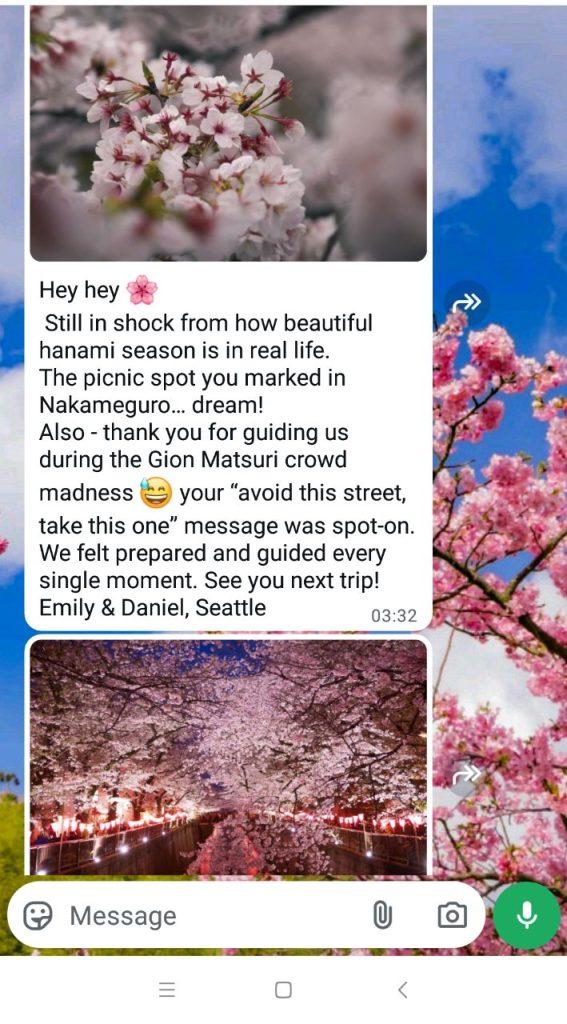
Expert Guidance for Your Fukui Itinerary
- Tip from the itinerary expert: For a shorter trip, I wouldn’t rely exclusively on public transport. Especially for families, renting a car makes a significant difference—it saves precious time and makes the journey between Eiheiji, the coast, and Katsuyama much more relaxed.
- I always recommend scheduling the Tojinbo Cliffs for your clearest forecasted day. When visibility is high, the rugged coastline truly opens up, making the entire experience far more impactful.
- If you are visiting the Fukui Prefectural Dinosaur Museum, treat it as a dedicated half-day stop. It is one of those world-class sites where rushing detracts from the experience, particularly when traveling with children.
- A personal favorite of mine is combining the Dinosaur Museum with Heisenji Hakusan Shrine on the same day. One is vibrant and interactive, while the other is silent and atmospheric—together they create a perfectly balanced pace.
- At Eiheiji Temple, aim to arrive as early as possible. the morning atmosphere is noticeably more serene, allowing you to move through the historic wooden halls at your own meditative pace rather than following the crowds.
- Avoid the temptation to overpack your day. Fukui is best enjoyed when you keep things simple: one major highlight, one scenic natural stop, and a relaxed local meal is usually the perfect formula.
- On coastal days, always verify sea conditions and boat schedules in advance. Near Tojinbo, this allows you to decide whether to prioritize a boat tour or focus on exploring the dramatic cliffside on foot.
- I usually reserve refined gardens and lighter city strolls for the late afternoon. After a morning at a temple or a coastal drive, these spots provide a softer, more reflective conclusion to the day.
- When it comes to dining, there is no need to hunt down specific famous restaurants across the prefecture. It is much more enjoyable to sample regional staples like sauce katsudon, Echizen soba, fresh seafood, and Habutae Mochi near whichever site you happen to be visiting.
- If your time is limited to two or three days, focus your energy on Eiheiji, Tojinbo, and the Dinosaur Museum area. This core trio offers the strongest blend of spiritual atmosphere, natural beauty, and family-friendly discovery without overcomplicating your logistics.
Insights from the Itinerary Expert
I visited Fukui in May 2023, and what struck me immediately was how naturally the entire experience comes together. This isn’t a destination defined by a single headline attraction; rather, it is the masterful combination of Eiheiji Temple, the Tojinbo Cliffs, and the Dinosaur Museum that creates a journey with a genuine, captivating rhythm. You transition from silent, meditative sanctuary spaces to expansive coastal vistas and then into something vibrant and interactive—all without the itinerary ever feeling forced.
The most important lesson here is pace. Fukui simply does not reward rushing. During my first day, it became clear that attempting to squeeze in too many sights breaks the natural flow of the trip. What works far better is maintaining a simple structure: one primary highlight, one scenic natural stop, and enough time to truly immerse yourself in both. The Dinosaur Museum is an absolute must for families, while the rugged coastal stretch around Tojinbo delivers a powerful visual impact with very little effort required.
There are a few practicalities to keep in mind. While public transport is workable, it isn’t always convenient outside the city center, and some rural routes operate on limited schedules. I found that either renting a car or anchoring the itinerary around fewer, well-connected locations makes the entire experience noticeably smoother and more flexible.
Fukui is a destination that grows on you as the journey unfolds. It is calm, diverse, and surprisingly easy to enjoy once the logistics are correctly aligned. To experience the region at its best, building a personalized itinerary is essential—it turns a standard sightseeing trip into a seamless, memorable exploration from start to finish.
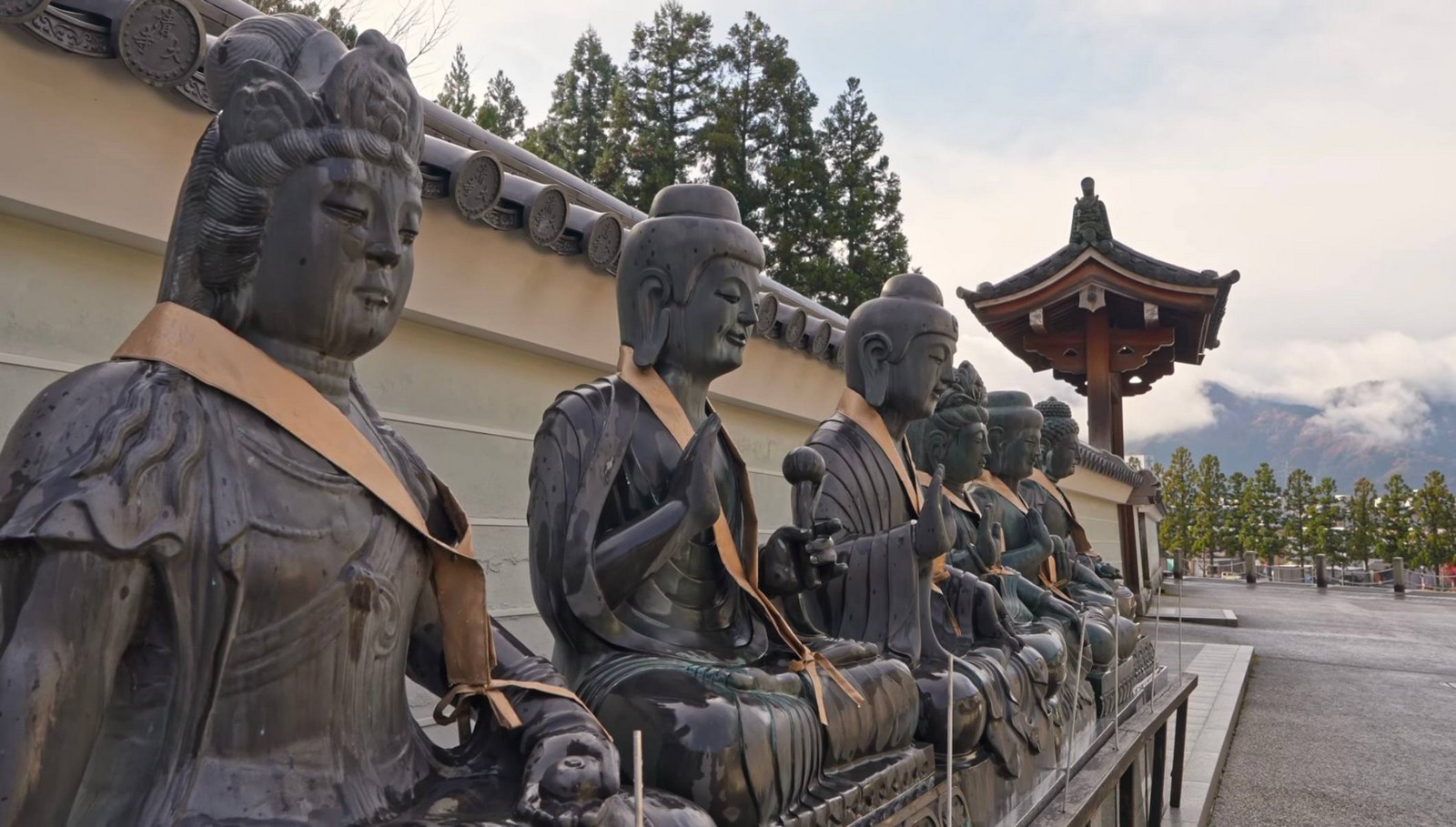
A row of Buddha statues lines the path, each with a slightly different expression — quiet, calm, and deeply reflective.
Estimated Travel Costs in Fukui
| Name | Amount | Description |
|---|---|---|
| Budget hotel (double room) | ¥6,000–10,000 JPY | Functional business hotels or modest guesthouses providing all the essentials for a practical, short-term stay. |
| Mid-range hotel (double room) | ¥10,000–18,000 JPY | Well-appointed hotels offering more space and prime locations, typically situated near Fukui Station or key cultural sites. |
| High-end hotel (double room) | ¥18,000–30,000+ JPY | Sophisticated accommodations with expansive rooms, premium amenities, and often featuring elements of traditional Japanese design. |
| Apartment (family of 5) | ¥18,000–35,000 JPY | Generous apartments or specialized family suites, perfect for those seeking extra comfort and logistical flexibility during a longer visit. |
| Car rental (per day) | ¥7,000–12,000 JPY | Daily rate for a compact car, which is ideal for most regional routes; prices fluctuate based on seasonal demand. |
| Public transport (local) | ¥200–1,000 JPY | Standard fares for local trains and buses; a full day of sightseeing across different zones typically totals around ¥2,000–3,000. |
| Restaurant meal (per person) | ¥1,000–2,500 JPY | Casual dining options such as soba, katsudon, or fresh seafood; expect higher prices at more specialized or formal establishments. |
| Parking (per day) | ¥500–1,000 JPY | Average daily parking rates in the city center and near major attractions, depending on the specific facility. |
| Basic groceries (2 people) | ¥1,500–3,000 JPY | Typical supermarket spend for breakfast items, snacks, or light refreshments to keep you fueled throughout the day. |
Fukui Travel FAQ
What we propose

Emma Heidi
Customer Experience Manager
Take all the stress out of planning your trip!
With our experts, you can create the perfect itinerary for you – complete, comfortable, and tailored to all your dreams, wishes, and needs.
We take care of every little detail, so you can simply focus on enjoying your journey.
We’ve been designing personalized itineraries since 2015, and over the years we’ve created thousands of custom itineraries for happy clients.

Save time, avoid confusion – we do the work for you. Our service saves you weeks of searching, reading, comparing, and complicated planning. Instead of wasting endless hours – you receive a ready-to-use, accurate and clear itinerary.

A tailor-made itinerary – built just for you. Your itinerary is personally designed based on our experts’ real field experience and genuine feedback from hundreds of travelers – including hidden discoveries and insider tips that don’t appear in any travel guide.

Smart accommodation selection – often saves you hundreds or even thousands of dollars. We help you choose verified and recommended places to stay, checking availability for your exact travel dates. Sometimes we suggest hotels not “in the center,” but in safe, convenient, and highly strategic locations – which can significantly reduce travel costs and save you even thousands of dollars.

We’re by your side even during the trip. We stay with you throughout your vacation – providing professional help whenever needed. If the weather changes, there’s a strike, a local event, heavy crowds, or any unexpected situation – we are here to update, guide, and adjust your itinerary in real time.

Easy-to-use itinerary – with direct navigation links. Your itinerary includes direct Waze / Google Maps links – no need to search for parking addresses, no stress, no mistakes. Just tap – and go.

Service cost: from only $420. (Special price for short itineraries up to 5 days). Clients tell us the itinerary saves them costly mistakes, fines, wrong choices – plus exclusive discounts on car rentals, better-priced accommodations, and money-saving local tips.
Want to know if it’s really worth it?
Take a look at the experiences of travelers who built their personal itinerary with us.
Click here and let’s start building the itinerary that will save you time, money, and stress – and turn your vacation into perfection.
Of course, your first inquiry is completely free – with no commitment whatsoever.
How it works


- You are welcome to contact us
- We discuss your trip
- You fill out a special form
- We create your itinerary
- You get it with all useful tips
- We are in touch with you all the time