My love for Japan began the moment I arrived in Tokyo. The country amazed me with its harmony of ancient traditions, cutting-edge technology, breathtaking nature, and a culture unlike any other. Since then, Japan has become a part of my life, and I return there again and again. Today I help travelers discover the real Japan: I create personalized itineraries, give lectures, and prepare guests for their unforgettable journey. I would be delighted to open Japan for you too!

Toyama
Toyama occupies a unique space, nestled between the deep blue of the Sea of Japan and the dramatic peaks of the Northern Japan Alps. You can feel this contrast everywhere. One moment you are breathing in the fresh salt air by the coast, and the next you are gazing at towering mountains reflected in crystal-clear rivers. The pace of life here is noticeably gentler than in Japan’s neon-lit megacities, and that shift in energy can completely transform the mood of your journey.
What truly makes Toyama special is how effortlessly different experiences blend together. You might start your morning with a peaceful stroll through the city, enjoy incredibly fresh seafood near the station, and then find yourself surrounded by breathtaking landscapes by afternoon, all without ever feeling rushed. The scenery here does the heavy lifting: the air is crisp, the skies feel vast, and the seasonal colors make even the simplest moments feel like a core memory. Combined with a deep-rooted local food culture, Toyama offers a complete travel experience that never feels overwhelming.
Navigating Toyama: How to get around the city and the wider region
Reaching Toyama is a breeze thanks to the Hokuriku Shinkansen from Tokyo, making it a seamless addition to any classic Japan itinerary. Once you arrive, the transport itself becomes part of the adventure. Depending on where your curiosity takes you, you will find yourself hopping on local trains, nostalgic trams, buses, or even mountain ropeways and cable cars. On iconic routes like Tateyama–Kurobe, the journey is just as spectacular as the destination.
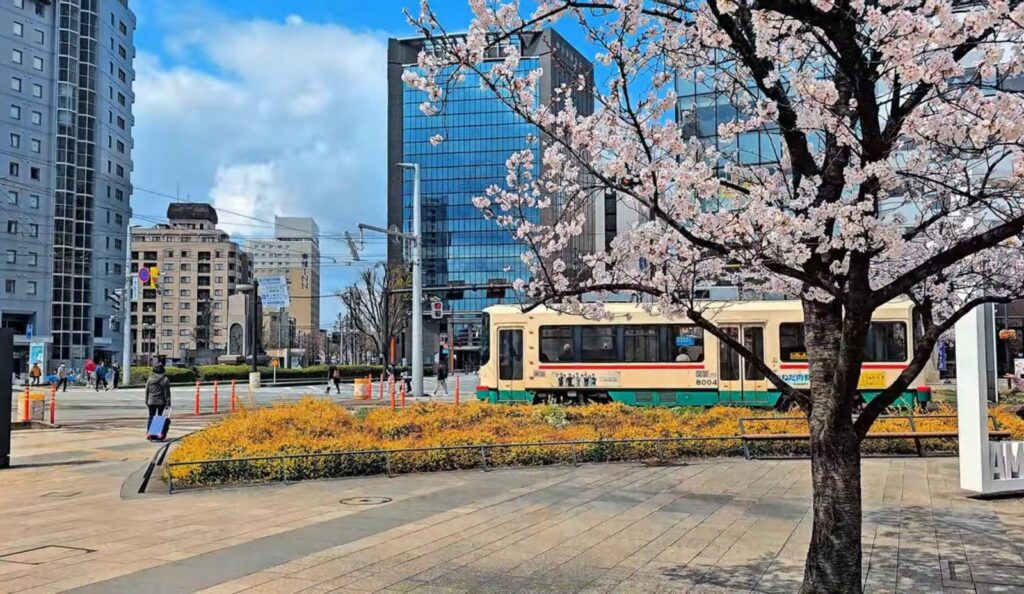
Within the city center, the public transport system is excellent for general sightseeing. The tram network is particularly charming and convenient for navigating between the main hubs. However, if your heart is set on exploring the rugged coastline, hidden nature spots, or the quieter rural corners of the prefecture, renting a car is by far the most flexible and efficient way to travel. It allows you to discover those off-the-beaten-path gems that schedules simply can’t reach.
Despite its serene atmosphere, Toyama is remarkably well-connected to the world. It boasts an international airport and historical maritime links, making access much easier than many travelers realize. Daily costs are also quite reasonable: local transport fares are around 195 JPY, a monthly pass sits at about 8,000 JPY, taxi starts are roughly 500 JPY, and fuel averages 171 JPY per liter. This makes it easy to mix and match transport modes to suit your daily adventures.
Click here to learn more about creating a personal itinerary
Tip from the Itinerary Expert: A smart way to plan is to rely on public transport for your city-based days and use a rental car for your nature expeditions. This gives you total control over your schedule and lets you visit multiple viewpoints at your own pace without checking the clock.

The best time to visit: Finding Toyama’s perfect seasonal mood
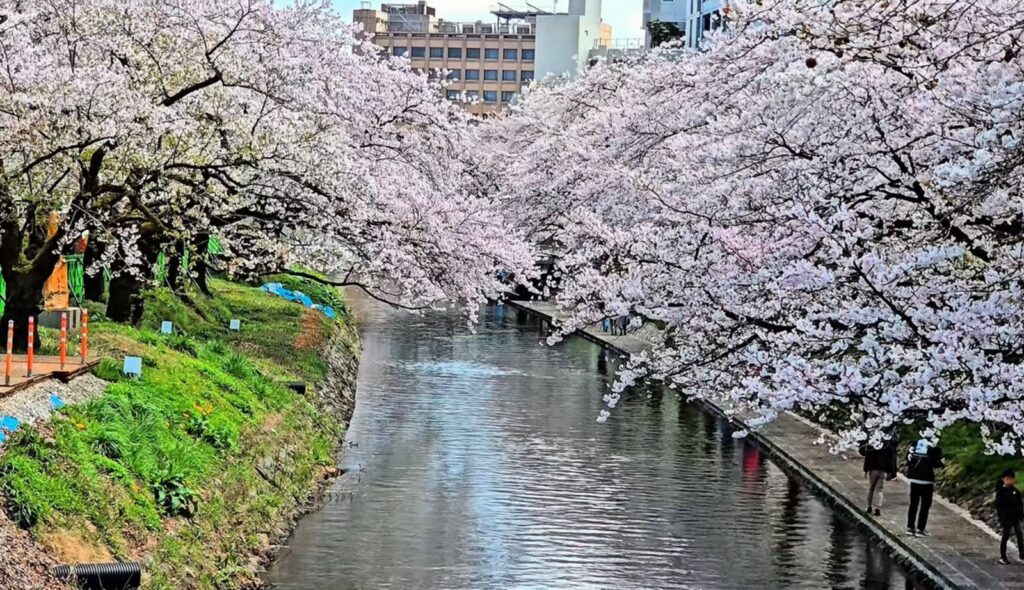
Toyama wears the seasons beautifully, and choosing when to visit will truly shape the character of your trip. Spring is arguably the most magical time, particularly in early April when the Funakawa River is lined with cherry blossoms and tulips. This is the season of the famous Spring Quartet, a stunning natural harmony of colorful flowers, the flowing river, and the snow-capped Alps in the background that looks almost like a painting.
In April and May, Toyama Bay offers a rare spectacle: the season of the firefly squid. Taking a night boat trip to see these glowing creatures creates an ethereal atmosphere that you won’t find in typical blossom-focused spring destinations. It is a truly unique local experience.
Winter brings a completely different charm, centered on cozy moods and incredible flavors. This is when the region’s seafood is at its absolute peak, especially the yellowtail and white shrimp. The cold, crisp air gives everything a quiet, contemplative feel. While Toyama is a year-round destination thanks to its clean environment, your choice depends on your heart’s desire: floral landscapes in early spring, unique maritime wonders in mid-spring, or world-class seafood and a peaceful atmosphere in the heart of winter.

Since 2015, our website has specialized in individual planning of unique routes, taking into account personal preferences and desires.
Each of you will receive a unique PDF file from us, which contains everything you need: travel routes, car rentals, hotels, the best tourist attractions, attractions for kids and everything you need for a perfect vacation.
During the trip, we are available for you by phone via WhatsApp.
Our personal service provides information from A to Z, taking into account many small details that can become a decisive factor on the way from a wasted trip to an unforgettable vacation.
Our service will make your trip comfortable, save a lot of time on planning and preparation, and most importantly – will allow you to become freer and fully enjoy the pleasure of the trip.
Tip from the Itinerary Expert: For those iconic, postcard-perfect views, aim for early April when the floral landscapes are in full bloom. If you prefer a slower pace and fewer crowds, winter is a fantastic choice, offering some of the best culinary experiences of the entire year.
Top attractions in Toyama: what is really worth seeing?
Toyama isn’t a place where you simply check off a list of famous landmarks. Its true charm lies in the way dramatic landscapes and peaceful experiences blend into one balanced journey. Here, the mountains, the sea, and a refined urban space exist in close harmony, so the real highlights are often found in the contrast between them. While some spots are world-famous and others feel like intimate local secrets, together they reveal exactly why Toyama stands out as a unique alternative to the standard Japan route.
Tateyama Kurobe Alpine Route
One of Japan’s most spectacular mountain journeys, this high-altitude route traverses the heart of the Northern Alps using an ingenious network of cable cars, buses, and ropeways. The experience is defined by breathtaking shifts in scenery—from jagged peaks and deep emerald valleys to vast alpine plateaus. In spring, the legendary snow corridor creates towering walls of white, while the warmer months bring lush greenery, crisp mountain air, and panoramas that seem to stretch forever.
Opening Hours: Varies by season and transport segment
Prices depend on route sections and transport types
Tip from the Itinerary Expert: Start your journey early in the morning to stay ahead of the crowds at transport transfers. The route is far more magical when you can take your time at each viewpoint rather than feeling swept along by the large tour groups.
Distance/Time: Full-day experience
Kurobe Gorge Railway
This scenic narrow-gauge railway winds deep into the heart of one of Japan’s deepest and most rugged gorges. As the train snakes along steep cliffs and crosses bright red bridges over turquoise waters, you feel completely enveloped by the wild beauty of the region. The open-sided carriages offer an immersive sensory experience, letting you feel the cool breeze and hear the rush of the river, especially during the vibrant autumn foliage or the fresh green of early summer.
Opening Hours: Seasonal operation
Prices vary depending on route length
Tip from the Itinerary Expert: For the most uninterrupted views of the gorge, try to secure a seat on the side facing the river, particularly during the longer stretches where the tracks hug the edge of the canyon.
Distance/Time: Half-day to full-day trip
Toyama Glass Art Museum
A stunning modern landmark that is as much a work of art for its architecture as for its collection. Designed with a breathtaking use of wood, glass, and natural light, the building itself creates a sense of wonder the moment you step inside. Even if museums aren’t usually on your must-do list, this is a visually striking and calm stop that provides a sophisticated contrast to the rugged nature of the surrounding region.
Opening Hours: Regular museum hours, may vary by day
Entry fees depend on exhibitions
Tip from the Itinerary Expert: Pair your museum visit with a slow wander through the nearby city streets. It fits perfectly into a relaxed afternoon and requires no strict scheduling.
Distance/Time: 1–2 hours
Fugan Canal Kansui Park
An elegant waterfront park designed around a historic canal, offering wide-open views and a serene, cosmopolitan atmosphere. With its manicured walking paths, beautiful water reflections, and iconic bridge, it is the perfect place to simply exhale and enjoy the slower side of city life. The park takes on a particularly magical feel in the evening, when the soft glow of the lights creates a quiet, romantic ambiance.
Opening Hours: Open access area
Free
Tip from the Itinerary Expert: Aim to visit shortly before sunset. The golden light reflecting off the canal and the transition to evening make this one of the most peaceful and scenic moments in the city.
Distance/Time: 1–2 hours
Toyama Bay
The coastline adds a grand, open dimension to the Toyama experience, offering sweeping horizons across the Sea of Japan. The bay is the lifeblood of the region’s famous food culture, home to seasonal wonders like the glowing firefly squid. Beyond the sights, this is where the profound connection between the deep, cold waters and the incredible local cuisine becomes most evident to every traveler.
Opening Hours: Accessible year-round
Costs depend on activities or dining
Tip from the Itinerary Expert: Make sure to enjoy at least one seafood-focused meal right by the water. This is where you will taste the true essence of Toyama, where the ingredients are as fresh as the sea breeze.
Distance/Time: Flexible
Natural highlights in Toyama: which landscapes define the region?
What truly sets Toyama apart is the seamless way its diverse landscapes weave together. Within a relatively compact area, you can move between soaring mountain peaks, dramatic emerald gorges, tranquil rivers, and the vast, open coastline without ever feeling drained by long transfers. This constant variety keeps every day visually refreshing and is precisely why Toyama is such a perfect fit for a balanced, slower-paced journey.
It isn’t just the diversity that impresses, but how accessible these experiences are. Many of these natural wonders can be enjoyed as a day trip or combined into a flexible route, allowing you to adapt your plans based on the morning weather, the current season, or simply your energy levels. These are the iconic landscapes that define the soul of Toyama:
- Tateyama Mountains — a majestic alpine world offering sweeping panoramas, legendary seasonal snow walls, and crisp, invigorating air. This is where the region feels most expansive, especially along the famous Alpine Route.
- Kurobe Gorge — a deep, rugged valley carved between sheer cliffs, where dense forests cling to the rock and a turquoise river rushes far below. The sheer scale here is powerful and completely immersive.
- Toyama Bay — a grand coastal expanse that provides a serene contrast to the rugged mountains. It is central to the region’s identity, famous for its unique marine life and world-class seafood culture.
- Funakawa River area — a place of delicate seasonal beauty, especially in spring when vibrant flowers line the riverbanks to create one of Toyama’s most photogenic and peaceful scenes.
- River valleys and hidden gorges — the quieter, less-traveled corners of the prefecture that add depth to any trip with gentle walks, calming water views, and a truly relaxed rhythm.
Because the geography is so varied, Toyama is best experienced by mixing different environments. Pairing a mountain excursion with a coastal sunset or combining a deep valley trek with a riverside stroll keeps your journey rich and full of contrast without ever feeling rushed.
Tip from the Itinerary Expert: Try to pair one major natural highlight, like the Tateyama Kurobe Alpine Route or Kurobe Gorge, with a lighter, more relaxed nature stop such as a quiet riverside walk or a coastal viewpoint. This creates a beautiful balance that keeps the trip rewarding without adding unnecessary fatigue.
Toyama’s hidden gems: quiet corners worth adding to your route
When you venture beyond the famous landmarks, Toyama reveals a more intimate, soulful side—and these are often the moments that stay with you the longest. These spots feel less like tourist attractions and more like authentic local discoveries, offering a perfect way to break up a busy day and find a sense of calm between the major sights.
These gems aren’t necessarily remote or difficult to reach; they simply tend to be overlooked on hurried trips. Integrating just one or two of these stops can beautifully shift the rhythm of your day:
- Secluded riverside paths — peaceful walkways along the water offering wide horizons and vibrant seasonal colors. They are the ultimate escape for those looking to step away from a rigid sightseeing schedule.
- Quiet coastal viewpoints along Toyama Bay — lesser-known stretches of shoreline where the sea feels vast and the atmosphere is pure. Perfect for a breath of fresh air and a change of perspective.
- Charming neighborhood parks — clean, green, and easy to access, these spaces provide a quick, refreshing pause without requiring any complex planning.
- Overlooked mountain viewpoints — scenic stops nestled along the main alpine routes that offer stunning vistas with fewer crowds and more room to breathe.
- Casual local eateries and food streets — unpretentious spots where the focus is entirely on the quality of the catch. Here, a meal feels like a genuine connection to the region’s heritage.
By including these quieter chapters, your trip transforms from a checklist into a natural flow, where high-energy adventures are balanced by atmospheric, slow-motion moments.
Click here to learn more about creating a personal itinerary
Tip from the Itinerary Expert: Leave a little breathing room in your daily schedule for unplanned detours. In Toyama, some of the most memorable experiences happen when you follow a small path along a river or stop at an unexpected coastal pull-off just to enjoy the view.
Toyama with family: easy and engaging activities for all ages
Toyama is a fantastic choice for families who appreciate wide-open spaces, natural wonders, and a flexible pace. The environment here is naturally relaxed, making it easy to balance travel, dining, and downtime without the stress of over-scheduling. Instead of crowded theme parks, the focus is on shared adventures and ever-changing scenery.
Here are the most practical and enjoyable ways to experience Toyama with children:
- Ropeways and iconic mountain transport — especially along the Tateyama Kurobe Alpine Route, where every cable car and trolley bus ride feels like an exciting part of the adventure.
- Gentle nature walks — easy riverside and park trails that offer plenty of space for kids to move freely, providing a nice balance to the more structured parts of your day.
- The Kurobe Gorge Railway — a scenic train journey that is an activity in itself, keeping everyone engaged with the dramatic cliffs and bridges passing by the window.
- Canals and waterfront promenades — open, safe spaces where you can enjoy a leisurely stroll, sit by the water, and easily find a nearby café for a family break.
- Interactive food experiences — discovering local specialties like white shrimp or fresh sushi adds a fun, sensory layer to the trip and creates natural pauses in the itinerary.
The greatest advantage of Toyama is its inherent flexibility. Most of these activities don’t demand strict timing, allowing you to pivot based on the weather or everyone’s energy levels without ever feeling like you’re falling behind.
Tip from the Itinerary Expert: Try to anchor each day around one main highlight and one or two lighter stops. This keeps the energy high and prevents fatigue, especially when you are mixing transport-heavy excursions with outdoor exploration.
Toyama in 3 days: scenic city charms, dramatic gorges, and an alpine finale
Trip Duration: 3 days
Day 1 - Toyama City: canals, glass art, and a gentle introduction
Morning: Ease into your journey around 10:00 in central Toyama. Start with a peaceful stroll through Toyama Castle Park for about 45-60 minutes, then wander toward the riverbanks and charming side streets. This relaxed pace is the perfect way to recover from your travels and settle into the city’s calm, navigable atmosphere.
Lunch: Make your way to Miki Sushi near Toyama Station. It is a fantastic local introduction to the region’s famous seafood without requiring a long detour. Afterward, hop on the Portram toward the harbor. A quick 5-minute walk from the stop brings you to the pier for a scenic boat ride, keeping the day’s transitions smooth and effortless.
Evening: Spend your late afternoon at Fugan Unga Kansui Park, located just 9-10 minutes on foot from the north exit of JR Toyama Station. The park is free to enter and open 24 hours, offering plenty of space to breathe. To round out the day, visit the Toyama Prefectural Museum of Art and Design or the striking Toyama Glass Art Museum. For dinner, explore the vibrant station area or return for another round of world-class sushi.
Tip from the Itinerary Expert: Keep your first day light and flexible. A simple combination of one museum, one waterfront stroll, and one exceptional seafood meal is much more rewarding than a rushed schedule. If the skies are clear, aim to be at Kansui Park for sunset—the way the evening light reflects on the canal is truly magical.
Overnight Location: Toyama City
Day 2 - Kurobe Gorge and Unazuki Onsen: a journey into the wild
Morning: Head out early from Toyama toward Unazuki Onsen. The sightseeing railway station is just a short walk from the main station. Arriving early allows you to beat the peak crowds and fully soak in the rugged beauty of the gorge. The train ride to Keyakidaira takes about 1.5 hours each way; for the most breathtaking views, try to sit on the right side during the ascent.
Lunch: You can find casual dining options at Keyakidaira or wait until you return to Unazuki Onsen. Budget at least 4 hours for the entire gorge experience to allow for short hikes, photography, and simply taking in the sheer scale of the cliffs.
Evening: I recommend staying overnight in Unazuki Onsen. It turns a long day into a relaxing getaway and puts you in a better position for the Alps tomorrow. Enjoy a traditional dinner and a soak in the hot springs to recharge. If you still have energy, the town is lovely for a quiet evening walk.
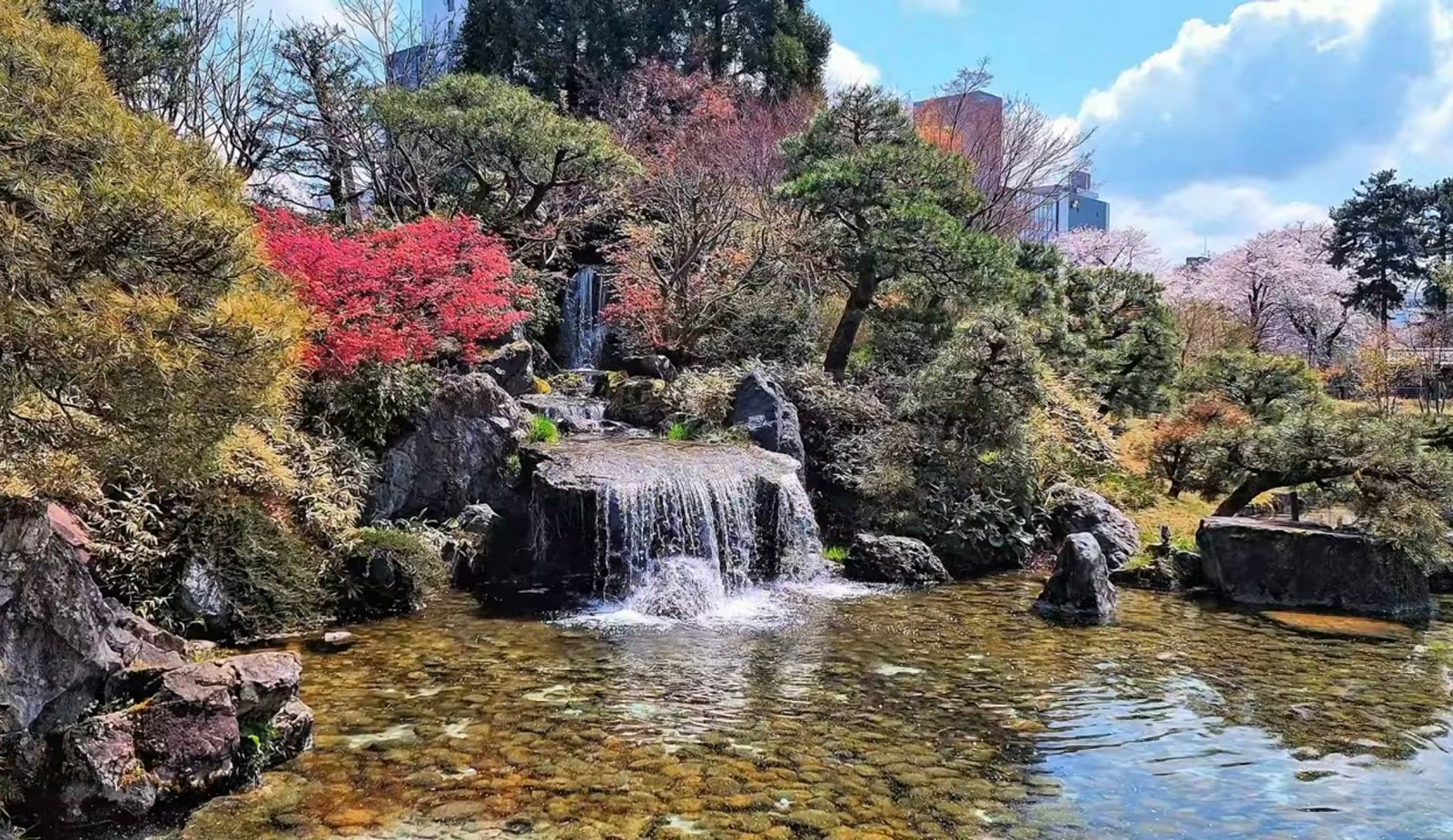
A traditional Japanese garden in Toyama with a small waterfall, clear water, and carefully arranged trees reflecting seasonal colors.
Tip from the Itinerary Expert: Be sure to book your gorge train tickets in advance and target a morning departure. The right-hand side of the train definitely offers the best vistas. While open-air carriages are wonderful for photos, the covered cars are much wiser if the mountain air feels particularly chilly or damp.
Overnight Location: Unazuki Onsen
Day 3 - Tateyama Kurobe Alpine Route: the grand mountain finale
Morning: Today is the crown jewel of the trip, but it requires an early start. The Tateyama Kurobe Alpine Route involves multiple transport legs—cable cars, buses, and ropeways—so catching one of the first departures helps you stay ahead of the tour groups. As you ascend from the Toyama side, the landscapes transform into a high-altitude alpine wonderland until you reach Murodo.
Lunch: Explore the paved trails at Murodo, the highest point of the route. While a quick loop takes 30 minutes, I suggest spending 2-3 hours here to truly appreciate the peaks. Continue to Kurobe Dam, which takes about 15 minutes to cross on foot. For lunch, try the famous “black curry” at the Kurobe Dam Rest House for about $9, and perhaps pick up a few local souvenirs.
Evening: To make your departure easier, I suggest finishing your journey on the Ogizawa / Nagano side. This avoids a long backtrack and keeps the momentum of the trip moving forward. If you are visiting in spring, you will pass through the awe-inspiring snow walls—massive corridors of ice that can reach 20 meters in height.
Tip from the Itinerary Expert: This is the one day where an early start is non-negotiable. Travel light with just a small day bag and commit to finishing at Ogizawa for a smoother transit. Even on sunny days, the mountain air is significantly colder, so bring extra layers to stay comfortable at the summits.
Overnight Location: Ogizawa / Nagano side (or Toyama only if retracing)
Traveller reviews: real experiences from Toyama

Daniel
April 2025

I originally came to Toyama just for the spring scenery, but I didn’t expect it to be quite this breathtaking. Driving along the river lined with cherry blossoms was incredible; we had to keep pulling over because the views just kept getting better—vibrant pink petals in the foreground with those massive, snow-capped mountains behind them. It was so easy to mix short drives with relaxed walks, which was a lifesaver with the kids. My only struggle was trying not to stop every five minutes for another photo!
Maya
February 2025
I took the Shogawa Gorge cruise in the heart of winter, and honestly, the scenery looked like a traditional ink painting. The contrast of dark branches against the fresh snow and the perfectly still water reflections created such a calm, almost surreal atmosphere. I loved that even the shorter cruise felt like a complete experience, so it fit perfectly into our family day without feeling too taxing. Just a heads-up: plan your winter driving carefully, as the snowy roads near the gorge can be a bit of a challenge.
Oliver
May 2024

The Tateyama Kurobe Alpine Route was the absolute highlight of our trip. It felt much more like a grand adventure than just standard sightseeing. Actually, switching between all the different types of transport—trams, cable cars, and ropeways—made the day even more interesting for us. The massive snow walls and the views from the ropeway were truly unforgettable. The only catch is that you really need a full day for it; if you don’t start early, the queues and mountain weather can quickly eat into your time on the mountain.
Leila
July 2023
Murodo was a total surprise! Even visiting in July, we still came across patches of crisp snow, and the alpine flowers were in full, beautiful bloom. The landscape up there feels worlds away from the city—so much more expansive and dramatic. I spent my time walking around the pond and honestly could have stayed hours longer; photos just don’t capture the sheer scale of the place. Definitely bring layers, though, as the weather shifts in a heartbeat and the wind makes it feel much colder than you’d expect.
Ethan
September 2025
Kurobe Dam turned out to be one of the most memorable parts of our entire Toyama journey. The mountain backdrop is just colossal, and seeing the dam up close is a powerful experience. When they release the water, the whole scene becomes incredibly dramatic. A quick tip: booking your tickets in advance made a world of difference for us. The lines were already long early in the morning, and without our reservation, we would have wasted a huge chunk of the day just waiting around.
Sophie
June 2022
I really enjoyed my visit to the Toyama Glass Art Museum. It’s not a long, draining visit, which makes it very easy to slot into your afternoon without feeling overwhelmed. The building itself is a masterpiece and a huge part of the experience—the upper floors were particularly fascinating. I wouldn’t necessarily dedicate an entire day to it, but as a sophisticated cultural break between outdoor adventures, it works perfectly.
Noah
August 2021
The most relaxing moment of our time in Toyama was definitely unwinding at Kansui Park after our cruise. The open space, the water views, and that calm evening energy made it the perfect spot to finally slow down. We just grabbed some drinks and wandered along the canal without any set plan. It’s a simple stop, but sometimes that’s exactly what you need on a trip. I’d definitely recommend aiming to be there later in the day when the light is at its best.
Tips from the Itinerary Expert
- I always recommend booking the Kurobe Gorge Railway as far in advance as possible. Aiming for an early morning departure makes the entire experience feel much calmer, giving you more space to breathe and more time to truly soak in the dramatic scenery.
- When heading up toward Keyakidaira, try to secure a seat on the right side of the train. This is where the most spectacular river and gorge views open up, especially during the longer, more scenic stretches of the track.
- For the Tateyama Kurobe Alpine Route, I never suggest a slow start. This is the one day where beginning your journey as early as possible completely transforms the experience, making all the various transport connections much smoother.
- Even in the height of summer, always pack extra layers if Murodo is on your itinerary. The mountain weather can shift in an instant, and the wind at that altitude often makes it feel much colder than the city below.
- If you are looking for a quiet, soulful moment in the city, time your visit to Fugan Unga Kansui Park for sunset. The light softens beautifully, the water reflections become more vivid, and the whole area feels incredibly relaxed after a busy day of exploring.
- I like to treat the Toyama Glass Art Museum as a short, refreshing cultural stop rather than the main event of the day. It fits perfectly between outdoor adventures when you need a slower pace and a bit of artistic inspiration.
- In Toyama city, I usually stick to a simple formula: one museum, one waterfront stroll, and one exceptional seafood meal. This balance makes the day feel full and satisfying without becoming physically draining.
- If your route includes both Unazuki Onsen and the Alpine Route, staying overnight in Unazuki is a very smart move. It simplifies your logistics for the next morning and saves you from unnecessary rushing.
- At Kurobe Dam, don’t overcomplicate your lunch plans. Eating at the nearby rest house saves precious time and keeps the momentum of your day steady, especially when you have a full mountain schedule ahead.
- Always leave a little breathing room for unplanned stops, particularly during the blossom season or when traveling along the coast. In Toyama, some of the most memorable views are the ones you stumble upon unexpectedly between the major landmarks.
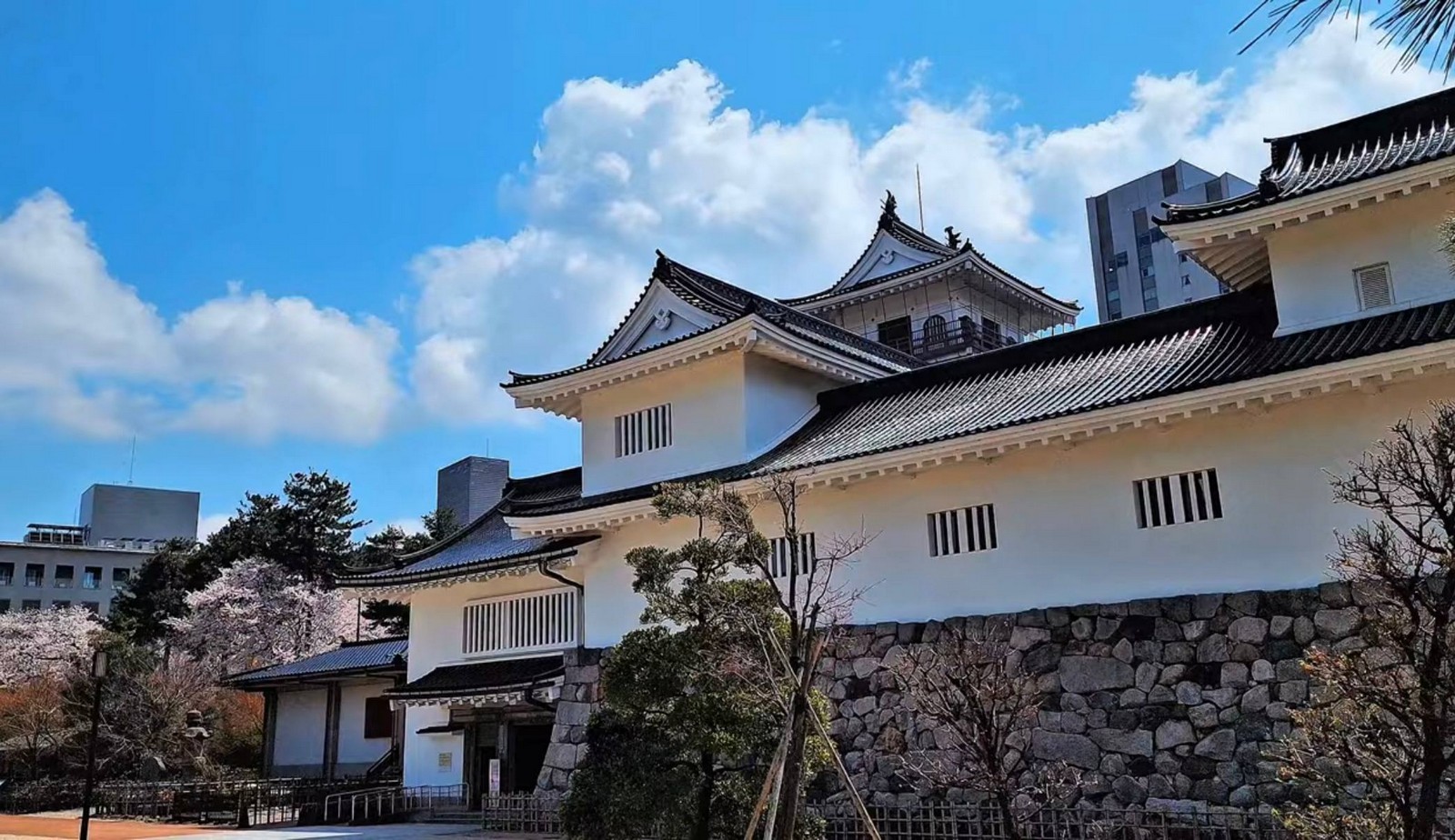
Toyama Castle with white walls and traditional architecture, standing on stone foundations under a clear blue sky.
Insights from the Itinerary Expert
I visited Toyama in April 2024, and what struck me immediately was how effortlessly everything fits together. Within a very short distance, you move between coastal views, serene rivers, and dramatic mountain landscapes, and the pace of life slows down almost without you noticing. Even when visiting major highlights like the Tateyama Kurobe Alpine Route and the Kurobe Gorge Railway, the days never felt rushed or overloaded.
What became clear very quickly is that Toyama works best when you don’t try to over-schedule every hour. Some of the most memorable moments were the simplest ones: a quiet walk along the canal in Fugan Unga Kansui Park, the soft evening light reflecting over the water, or a peaceful pause by the coast. At the same time, a few key decisions make a massive difference. Starting early for the Alpine Route or booking the gorge train in advance keeps the journey smooth and removes any unnecessary pressure.
If there is one thing to keep in mind, it is that transport between the more remote natural areas isn’t always perfectly seamless without a bit of foresight. Having a well-defined route—or renting a car for specific days—makes the experience much easier. However, this slight sense of distance is also exactly why Toyama feels so much more relaxed and authentic compared to Japan’s busier tourist hubs.
Overall, Toyama is a destination where nature, incredible food, and the joy of travel come together in a very natural way. It is a region that rewards a thoughtful itinerary rather than a frantic checklist. If you are considering this area, it is absolutely worth planning it properly. We would be delighted to help you create a personalized itinerary through Toyama and across Japan that perfectly fits your personal travel style.
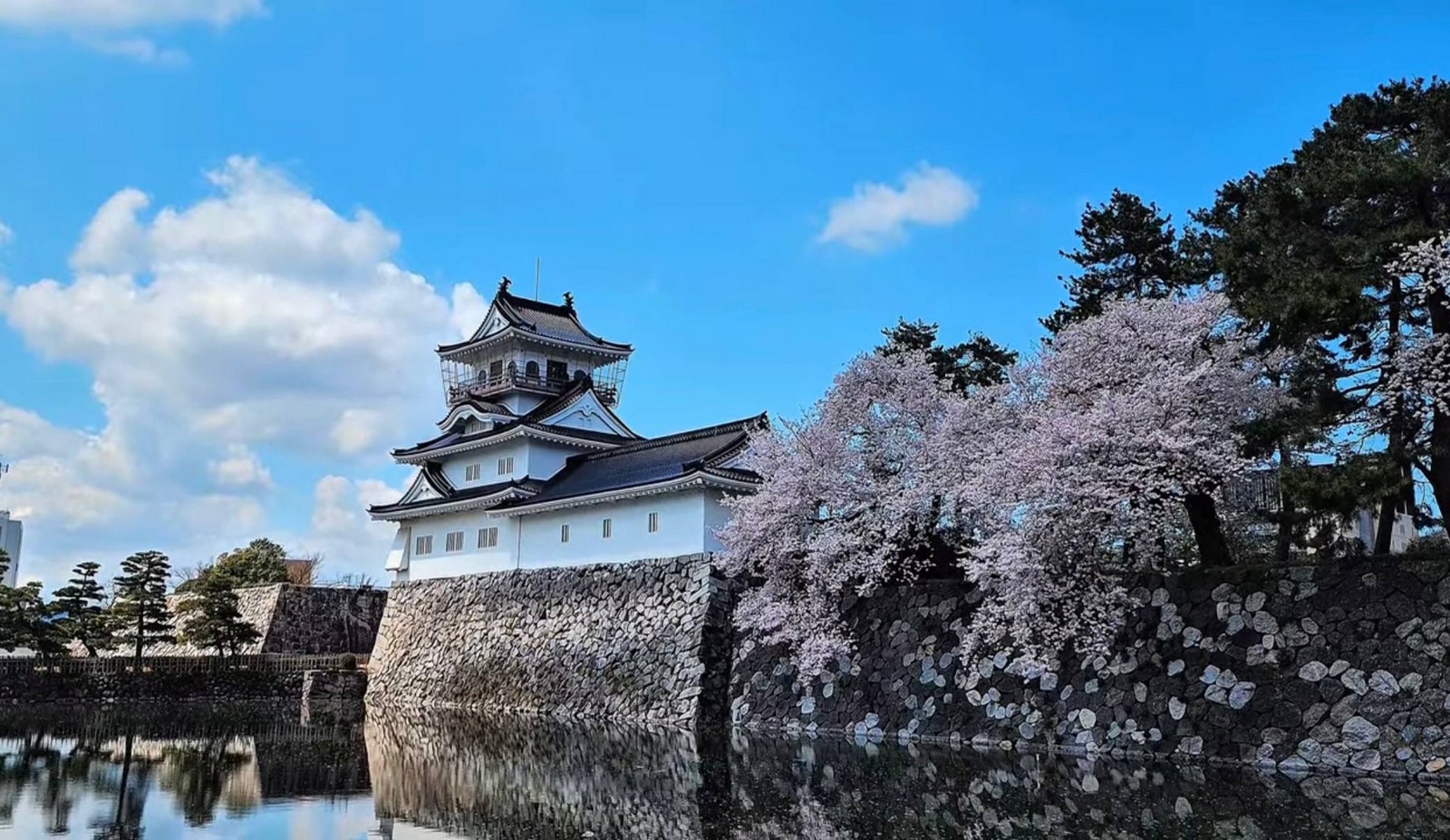
Toyama Castle reflected in the water, surrounded by cherry blossoms that highlight the calm and balanced scenery.
Toyama price table
| Name | Amount | Description |
|---|---|---|
| Budget hotels (double room) | 6600 JPY | Simple and clean hotel options in Toyama typically start from this price per night, offering a practical and affordable base for your stay. |
| Mid-range hotels (double room) | 13900 JPY | This is a typical price for comfortable, well-located hotels in Toyama, perfect for travelers seeking a balance of quality and value. |
| Expensive hotels (double room) | 14000+ JPY | Higher-end accommodations in Toyama generally begin at this level, often featuring premium locations or upgraded amenities. |
| Apartment for a family of 5 | ¥18000–¥30000 JPY | While specific rates vary, larger family-sized apartments are available and tend to fluctuate based on the season and proximity to the city center. |
| Car rental per day | ¥6000–¥12000 JPY | Daily rental rates depend on the vehicle type. For your budget planning, keep in mind that fuel averages around 171 JPY per liter in the region. |
| Public transport | 195 JPY | A standard one-way fare for local transport in Toyama, making it very affordable to navigate between central attractions and the station. |
| Restaurant | 5500 JPY | The approximate cost for a pleasant dinner for two at a mid-range restaurant, particularly when indulging in Toyama's famous local seafood. |
| Parking | You can find free parking in specific areas like Fugan Canal Kansui Park, though time limits usually apply to these 171 available spaces. | |
| Basic supermarket shopping for 2 people | ¥2000–¥4000 JPY | Daily grocery expenses depend on your shopping habits, but local supermarkets offer a wide range of fresh regional products at fair prices. |
Frequently asked questions about Niigata
01
How many days are enough for Niigata?
For most travelers, two to three days is the perfect amount of time. This allows you to soak up the atmosphere at the local markets, stroll along the scenic riverfront, explore the city’s parks, and visit a few key viewpoints without ever feeling rushed. It is just enough time to include a cultural stop or two while keeping the pace relaxed.
03
Do I need a car in Niigata?
It really depends on your travel style. The city center is very manageable on foot or by using the local bus network. However, if you are looking to explore the wider region or want the freedom to visit more remote spots on your own schedule, renting a car is a much more efficient option.
04
Is Niigata good for a trip with children?
Absolutely. Niigata is a very family-friendly destination. With its wide-open parks, long promenades, and plenty of space to move around, the city offers a naturally relaxed environment that makes it easy to build a flexible and stress-free schedule with kids.
06
What is the best season to visit Niigata?
Spring and autumn are particularly beautiful. The weather is mild and perfect for walking, and the city transforms with seasonal colors. Whether you prefer the soft pinks of cherry blossoms or the deep reds of autumn leaves, these shoulder seasons offer the most atmospheric experience.
07
Is Niigata more about nature or city sightseeing?
It is a harmonious blend of both, delivered in a calm and understated way. Niigata is perfect for those who enjoy a laid-back city vibe complemented by river views, spacious parks, and exceptional local food, rather than a frantic race between crowded major attractions.
What we propose

Emma Heidi
Customer Experience Manager
Take all the stress out of planning your trip!
With our experts, you can create the perfect itinerary for you – complete, comfortable, and tailored to all your dreams, wishes, and needs.
We take care of every little detail, so you can simply focus on enjoying your journey.
We’ve been designing personalized itineraries since 2015, and over the years we’ve created thousands of custom itineraries for happy clients.

Save time, avoid confusion – we do the work for you. Our service saves you weeks of searching, reading, comparing, and complicated planning. Instead of wasting endless hours – you receive a ready-to-use, accurate and clear itinerary.

A tailor-made itinerary – built just for you. Your itinerary is personally designed based on our experts’ real field experience and genuine feedback from hundreds of travelers – including hidden discoveries and insider tips that don’t appear in any travel guide.

Smart accommodation selection – often saves you hundreds or even thousands of dollars. We help you choose verified and recommended places to stay, checking availability for your exact travel dates. Sometimes we suggest hotels not “in the center,” but in safe, convenient, and highly strategic locations – which can significantly reduce travel costs and save you even thousands of dollars.

We’re by your side even during the trip. We stay with you throughout your vacation – providing professional help whenever needed. If the weather changes, there’s a strike, a local event, heavy crowds, or any unexpected situation – we are here to update, guide, and adjust your itinerary in real time.

Easy-to-use itinerary – with direct navigation links. Your itinerary includes direct Waze / Google Maps links – no need to search for parking addresses, no stress, no mistakes. Just tap – and go.

Service cost: from only $420. (Special price for short itineraries up to 5 days). Clients tell us the itinerary saves them costly mistakes, fines, wrong choices – plus exclusive discounts on car rentals, better-priced accommodations, and money-saving local tips.
Want to know if it’s really worth it?
Take a look at the experiences of travelers who built their personal itinerary with us.
Click here and let’s start building the itinerary that will save you time, money, and stress – and turn your vacation into perfection.
Of course, your first inquiry is completely free – with no commitment whatsoever.
How it works


- You are welcome to contact us
- We discuss your trip
- You fill out a special form
- We create your itinerary
- You get it with all useful tips
- We are in touch with you all the time