My love for Japan began the moment I arrived in Tokyo. The country amazed me with its harmony of ancient traditions, cutting-edge technology, breathtaking nature, and a culture unlike any other. Since then, Japan has become a part of my life, and I return there again and again. Today I help travelers discover the real Japan: I create personalized itineraries, give lectures, and prepare guests for their unforgettable journey. I would be delighted to open Japan for you too!

Chiba
Many travelers see Chiba merely as a gateway to Japan, home to Narita Airport or the famous Tokyo Disney resorts. However, if you look closer, you will discover a region with a remarkably rich and diverse character. Here, endless coastlines meet quiet, historic temple towns, and dramatic ravines sit just a stone’s throw from modern family attractions and fresh seafood markets. Life moves at a gentler pace in Chiba; there is more room to breathe, more greenery to enjoy, and far less of the frantic energy that defines central Tokyo.
This contrast makes Chiba a perfect addition to any Japan itinerary. While Tokyo offers neon lights and nonstop movement, Chiba provides the natural balance: scenic hills, traditional streets, and wide-open spaces—all within easy reach of the capital. Whether you are exploring the spiritual grounds of Naritasan Shinshoji Temple, enjoying the rolling pastures of Mother Farm, or marveling at Kamogawa Sea World, Chiba is just as rewarding for a relaxed multi-day stay as it is for a well-planned day trip.
Getting to Chiba: Seamless Travel and Local Exploration
One of Chiba’s greatest perks is its accessibility. Since Narita International Airport is located right in the heart of the prefecture, many travelers take their first steps in Japan here. Its proximity to Tokyo makes it incredibly simple to combine both destinations, whether you are looking for a quick day trip, a convenient stopover before your flight, or a deeper journey through the Kanto region.
Navigating the area is straightforward, especially if you rely on the efficient train network connecting major cities and sightseeing spots. For a unique perspective, don’t miss the Chiba Urban Monorail—a suspended system that turns a simple commute into a fun experience. That said, if your heart is set on coastal drives, hidden countryside gems, or a mix of nature and family parks, renting a car makes a world of difference. It eliminates the need for multiple transfers and gives you the freedom to explore at your own pace.
Click here to learn more about creating a personal itinerary
Tip from the Itinerary Expert: The most comfortable way to explore Chiba is often a hybrid approach. Use the trains to travel between major hubs, then switch to a rental car when you are ready to explore the coast or more remote areas. This ensures you keep both convenience and flexibility without overcomplicating your trip.

The Best Time to Visit: Chiba Through the Seasons
Chiba is a true year-round destination, offering something special regardless of when you arrive. In spring, cherry blossoms drench the parks and ancient temple grounds in soft pink hues, creating a calm and traditional atmosphere. As summer arrives, the focus shifts to the stunning coastline. Beaches and surfing spots become the main draw, perfect for those long, sun-drenched days by the sea.
For many, autumn is the most rewarding time to visit. The natural ravines and forested parks erupt in vibrant seasonal colors, offering a breathtaking backdrop for a slower-paced adventure. Winter brings a quieter, more intimate charm—fewer crowds mean peaceful temple visits and the chance to tuck away into coastal onsen resorts that feel especially cozy in the crisp air. Because Chiba blends urban convenience with raw nature, the best time to visit really depends on the specific vibe you are looking for.

Since 2015, our website has specialized in individual planning of unique routes, taking into account personal preferences and desires.
Each of you will receive a unique PDF file from us, which contains everything you need: travel routes, car rentals, hotels, the best tourist attractions, attractions for kids and everything you need for a perfect vacation.
During the trip, we are available for you by phone via WhatsApp.
Our personal service provides information from A to Z, taking into account many small details that can become a decisive factor on the way from a wasted trip to an unforgettable vacation.
Our service will make your trip comfortable, save a lot of time on planning and preparation, and most importantly – will allow you to become freer and fully enjoy the pleasure of the trip.
Tip from the Itinerary Expert: For a first visit, spring and autumn are the easiest seasons to plan for; the weather is mild and the scenery is at its peak. If you are visiting in the heat of summer, I recommend building your itinerary specifically around the ocean and outdoor water attractions to make the most of the coastal lifestyle.
The Highlights of Chiba: Must-See Attractions and Hidden Gems
Chiba often surprises travelers with its incredible variety. Within a relatively compact area, you can jump from the high-energy thrill of world-class theme parks to the meditative silence of ancient temple paths, or from rolling green hills to dramatic coastal cliffs. To truly capture the essence of the region, I recommend a balanced itinerary: pair the famous, lively attractions with these slower, more scenic stops for a perfectly rounded Japanese experience.
Tokyo Disney Resort
Located just across the border from Tokyo in Chiba, this is arguably Japan’s most iconic family destination. The resort comprises two distinct parks: Tokyo Disneyland, with its classic fairy-tale charm, and Tokyo DisneySea, unique to Japan and known for its incredible nautical themes and sophisticated atmosphere. Both parks are masterfully organized, ensuring that even on busy days, the magic feels seamless and accessible.
Opening Hours: Operating hours vary by season and day of the week
Prices fluctuate based on the specific date and park choice
Tip from the Itinerary Expert: Start your day as early as possible-arriving before the gates open makes a massive difference in beating the morning rush. A little bit of forward planning allows you to hit the most popular rides early, leaving the rest of your day for a more relaxed pace.
Naritasan Shinshoji Temple
This sprawling and atmospheric temple complex feels like a world of its own, far removed from the modern hustle. With its grand traditional architecture, meticulously kept gardens, and hidden forest paths, it offers a deep dive into the region’s spiritual heritage. The approach to the temple is just as enchanting, featuring a historic street lined with centuries-old shops and stalls selling local delicacies.
Opening Hours: Open daily; specific hall hours may vary
General entry to the grounds is free
Tip from the Itinerary Expert: Don’t rush straight to the main gate. Take your time walking through the historic Omotesando Street first. This traditional approach sets the mood perfectly and lets you sample local snacks before entering the quiet sanctuary of the temple grounds.
Mother Farm
Perched on the scenic hills of the Boso Peninsula, this expansive open-air farm offers a refreshing breath of country air. It’s a place of wide-open vistas, seasonal flower blankets, and friendly animal encounters. Whether you’re traveling with children or simply looking to escape the urban sprawl, the relaxed, pastoral setting makes for a wonderful day of wandering outdoors.
Opening Hours: Hours vary depending on the season
Ticket prices depend on the season and chosen activities
Tip from the Itinerary Expert: Visiting by car makes this trip much smoother. It gives you the freedom to arrive on your own schedule and, more importantly, allows you to combine the farm with nearby mountain viewpoints or coastal spots that aren’t easily reached by train.
Kamogawa Sea World
This premier marine park is famous for its large-scale animal performances and interactive exhibits. Its location right on the Pacific coast adds a natural grandeur to the experience. With a thoughtful mix of indoor galleries and outdoor stadiums, it’s a reliable destination in any weather. The orca and dolphin shows are the undeniable highlights, often serving as the focal point of a visit here.
Opening Hours: Opening times change seasonally
Prices vary by age group and ticket category
Tip from the Itinerary Expert: As soon as you step through the gates, check the daily performance schedule. Building your route around the show times ensures you don’t miss the spectacular displays that make this park so special.
Boso Peninsula Coastal Areas
For those seeking the ‘wild’ side of Chiba, the Boso Peninsula offers a stunning coastline defined by rugged cliffs, sandy beaches, and sleepy fishing villages. It is the ideal place to slow down the tempo of your trip. You can spend the day hopping between scenic lookouts, taking short coastal hikes, or simply soaking in the ocean breeze away from the typical tourist trails.
Opening Hours: Outdoor coastal areas are accessible 24/7
Free access to the coastline and public beaches
Tip from the Itinerary Expert: To truly see the best of Boso, you really need a car. Having your own wheels lets you pull over at hidden coves and quiet beaches that trains simply don’t reach, turning a standard trip into a real coastal adventure.
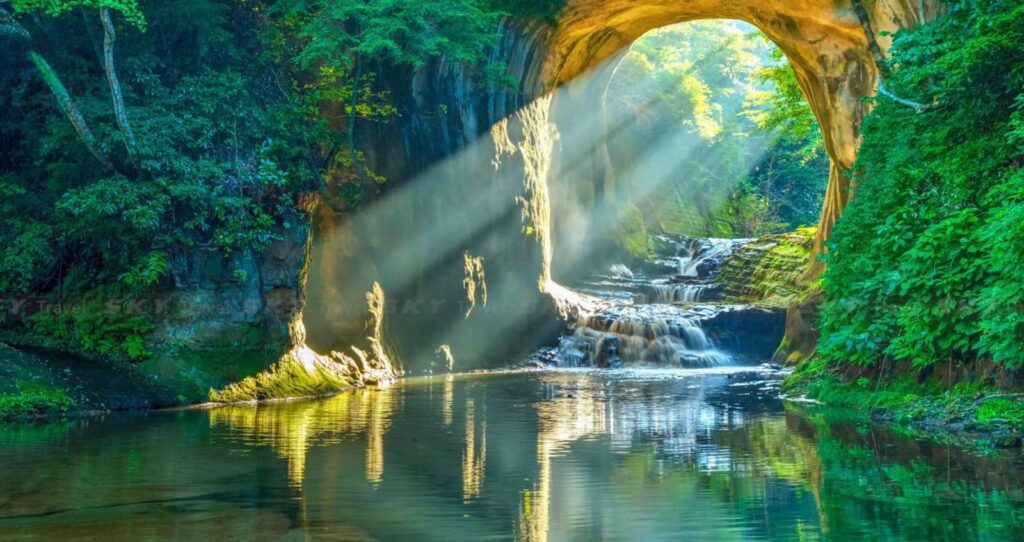
Embracing Nature: The Most Scenic Escapes in Chiba
Beyond the famous theme parks and historic temple towns, Chiba reveals a surprisingly lush and rugged side, particularly as you venture into the Boso Peninsula. Here, the landscape shifts beautifully from dramatic coastal cliffs to forested hills and quiet, emerald valleys, offering a complete change of pace from the neon energy of Tokyo. It is a region designed for slowing down, where you can fill your day with fresh sea air and wide-open horizons.
To get the most out of Chiba’s natural beauty, I recommend weaving several spots into a single, fluid journey rather than visiting them as isolated stops. This approach creates a much more rewarding day, allowing for a natural transition between mountain viewpoints, hidden waterfalls, and scenic coastal drives.
- Boso Peninsula coastline – This diverse stretch of shore is constantly changing. You will find wide, golden sandy beaches perfect for a stroll, alongside rugged sections where jagged cliffs meet the crashing waves of the Pacific. It is ideal for spontaneous photo stops and quiet moments by the water.
- Yoro Valley (Yoro Keikoku) – Perhaps the most atmospheric corner of Chiba, this valley is a sanctuary of winding forest trails and serene waterfalls. While it is legendary for its vibrant autumn colors, the valley remains a peaceful, immersive escape into nature throughout the entire year.
- Nokogiriyama (Mount Nokogiri) – A striking mountain famous for its jagged “sawtooth” profile and breathtaking views over Tokyo Bay. As you hike through the forest, you will encounter massive stone-carved Buddhas and dramatic lookout points that make the climb feel both spiritual and adventurous.
- Coastal flower and farm areas – The southern reaches of Chiba open up into rolling rural landscapes. Here, seasonal flower fields and sprawling farmlands stretch toward the sea, offering a soft, pastoral atmosphere that feels worlds away from the city.
Because many of these natural gems are tucked away in the countryside, they aren’t always perfectly connected by train. Planning your route in advance is essential to ensure you can experience the best of the outdoors without feeling like you are spending the whole day in transit.
Tip from the Itinerary Expert: The best way to experience Chiba’s wild side is to create a themed route for the day. Try pairing a morning hike in a valley or mountain with an afternoon by the coast; this provides a beautiful contrast in scenery and helps you avoid any unnecessary backtracking.
Chiba’s Best-Kept Secrets: Hidden Gems Beyond the Guidebooks
Once you step away from the famous headline attractions, Chiba reveals a side that feels deeply personal and authentic. Scattered throughout the region are treasures that rarely make it onto standard tourist maps—quieter, less polished, and often far more memorable because of their simplicity. These are the places where the frantic pace of travel finally slows down, offering experiences that feel less like a curated tour and more like a real discovery.
- Sawara historic district – A beautifully preserved canal town where time seems to stand still. Elegant traditional buildings line the waterways, and small, family-run shops invite you to linger. The atmosphere is nostalgic, calm, and refreshingly unhurried.
- Local coastal fishing towns – Dotted along the Boso Peninsula, these villages offer a rare glimpse into genuine seaside life. With their simple harbors and cozy seafood eateries, they possess a lived-in charm and honesty that is hard to find in the big city.
- Scenic roadside viewpoints – Some of Chiba’s most breathtaking vistas aren’t marked as official attractions. They appear suddenly along coastal drives or winding mountain roads, offering wide-open panoramas of the Pacific without the crowds or commercial build-up.
- Quiet shrines and temples off the beaten path – Tucked away from the main routes, these smaller spiritual sites feel incredibly intimate. Surrounded by ancient trees and free from heavy foot traffic, they provide a space for true reflection and peace.
Exploring these hidden corners is less about checking off a list and more about capturing the true soul of the region. These spots shine brightest when you leave room in your schedule to simply wander, pause, and explore without the pressure of rushing to the next landmark.
Click here to learn more about creating a personal itinerary
Tip from the Itinerary Expert: The best way to uncover Chiba’s hidden side is to leave intentional gaps in your itinerary. A little bit of flexibility often leads to the most unexpected rewards—a quiet viewpoint or a local cafe that ends up being the absolute highlight of your day.
Family Adventures: Is Chiba a Good Fit for Traveling with Children?
Chiba is easily one of the most parent-friendly regions near Tokyo, primarily because it offers a natural harmony between high-energy fun and relaxing downtime. Unlike the dense, crowded streets of the capital, Chiba provides the physical space to move, breathe, and adjust your daily rhythm without the stress of complicated logistics or exhausting transfers.
The sheer variety here makes planning a family trip feel flexible and light. You can easily blend world-class theme parks, interactive animal farms, and grand aquariums with time on the beach or in the forest. Even the cultural sites, like the sprawling temple complexes, are generally more spacious and easier for children to explore than their urban counterparts.
- Theme parks and entertainment hubs – These provide structured, full-day excitement with shows and rides that keep everyone engaged and the day organized.
- Animal parks and farms – These spots combine wide-open green spaces with hands-on animal encounters, making for an interactive and joyful day outdoors.
- Coastal zones and beaches – Simple, open environments where the family can slow down, walk along the shore, or just enjoy the refreshing ocean air.
- Nature escapes – Lush valleys and gentle hills allow for scenic breaks and short walks that aren’t overly demanding for little legs.
The greatest advantage of a Chiba family holiday is the control you have over the tempo. Rather than trying to see it all, you can anchor each day with one major highlight and surround it with lighter, spontaneous stops, keeping the energy levels balanced and the smiles consistent from start to finish.
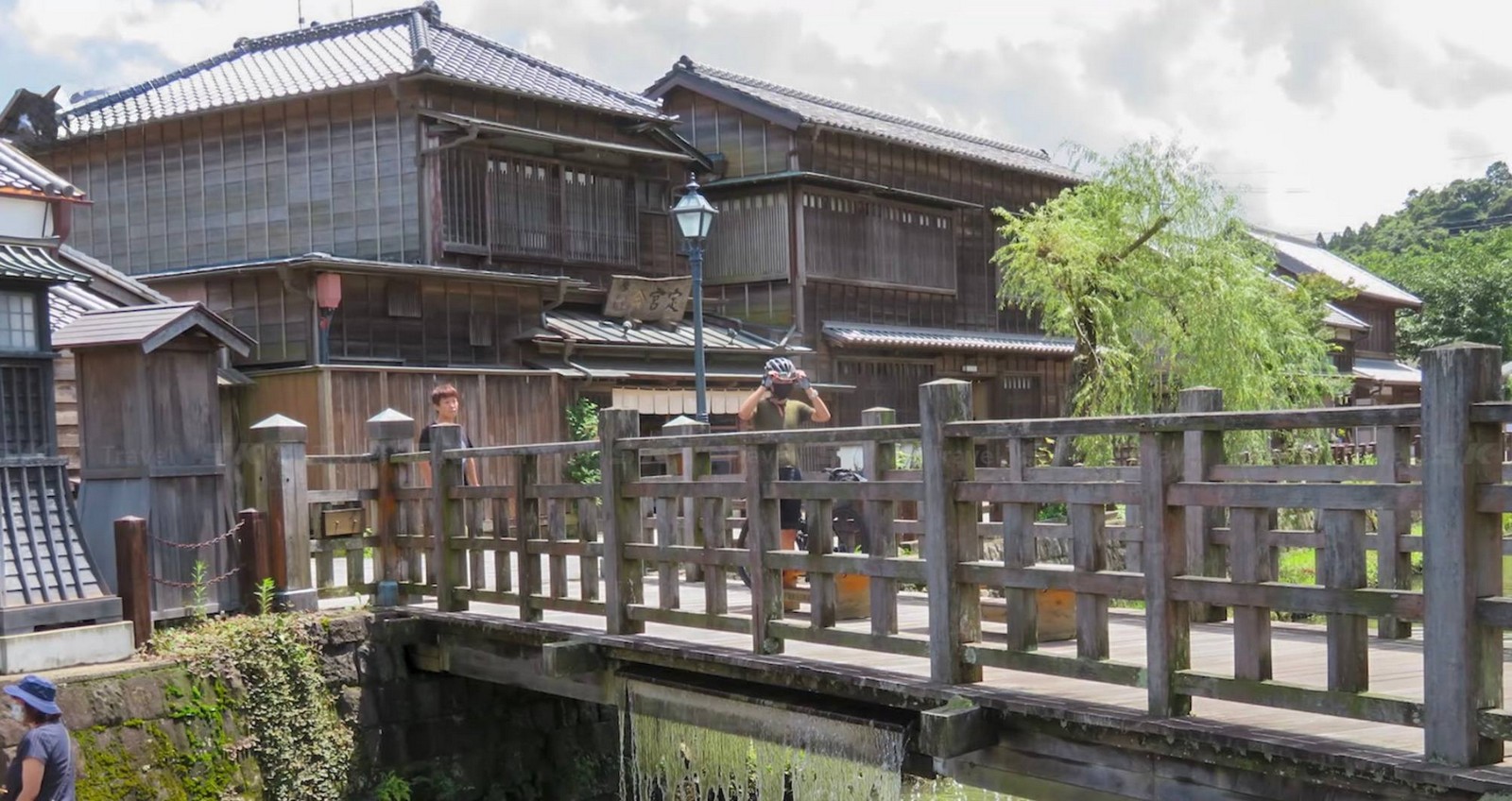
Historic street in Chiba with preserved wooden buildings and small bridges, offering a glimpse into traditional Edo-period atmosphere.
Tip from the Itinerary Expert: I recommend planning your trip with alternating energy levels. Follow an activity-packed day at a theme park with something much slower the next morning, like a visit to the coast. This simple balance prevents travel burnout and keeps the magic alive for both kids and parents.
Chiba in 3 Days: A Family-Friendly Road Trip
Trip Duration: 3 days
Day 1 — Narita and Sawara: Temples, Old Streets, and a Gentle Start
Morning (10:00–12:30): Begin your journey in Narita at Naritasan Shinshoji Temple, one of the most atmospheric spiritual sites in Japan. The walk from Narita Station takes about 10–15 minutes, and the approach along Omotesando is a highlight in itself, lined with traditional architecture. Spend around 2 hours wandering the temple grounds at a leisurely pace before exploring the many small shops and snack stalls along the historic approach.
Lunch (12:30–13:30): Stay on Omotesando for a classic Narita lunch. Kawatoyo Honten and Surugaya are local legends known for their perfectly grilled unagi (eel). After lunch, pick up your rental car and enjoy a scenic 30-minute drive toward the riverside town of Sawara.
Afternoon and evening (14:00–18:00): Spend your afternoon in Sawara, a town that feels like a living museum. Stroll along the willow-lined canals and admire the preserved Edo-period merchant houses. It is a place to keep the pace slow and unhurried. If you can, stay until the late afternoon when the golden hour light makes the canals look even more magical, then head back to Narita (a 30-minute drive) for a restful evening.
Tip from the Itinerary Expert: Keep the first day intentionally light to find your rhythm. Narita is the perfect “soft start,” and adding Sawara gives you a deeper look at old Japan without any travel stress. To avoid the biggest crowds, try to grab lunch slightly before the 12:30 peak on Omotesando.
Overnight Location: Narita
Day 2 — Mother Farm and Nokogiriyama: Animals, Epic Views, and Open Air
Morning (10:00–13:30): Drive south from Narita to Mother Farm (approx. 1 hour 15 minutes). It is worth starting early to maximize your time in the fresh mountain air. Focus on the main interactive animal areas and the stunning seasonal flower fields rather than trying to see every corner of the park. Allot about 3 hours here so the kids have plenty of time to play without feeling rushed.
Lunch (13:00–14:00): For convenience, enjoy lunch right at the farm. Makiba CAFE or FARM DINER offer easy, family-friendly meals that keep the day moving smoothly without needing to search for a restaurant outside.
Afternoon and evening (14:30–18:00): Continue 35–40 minutes to the rugged heights of Nokogiriyama. Use the ropeway for a fun, effortless climb that treats you to sweeping views of Tokyo Bay. Spend about 2 hours exploring the clifftop paths and the impressive stone-carved statues. Cap off the day near Kanaya with a fresh seafood dinner at The Fish, overlooking the harbor, before checking into your nearby accommodation.
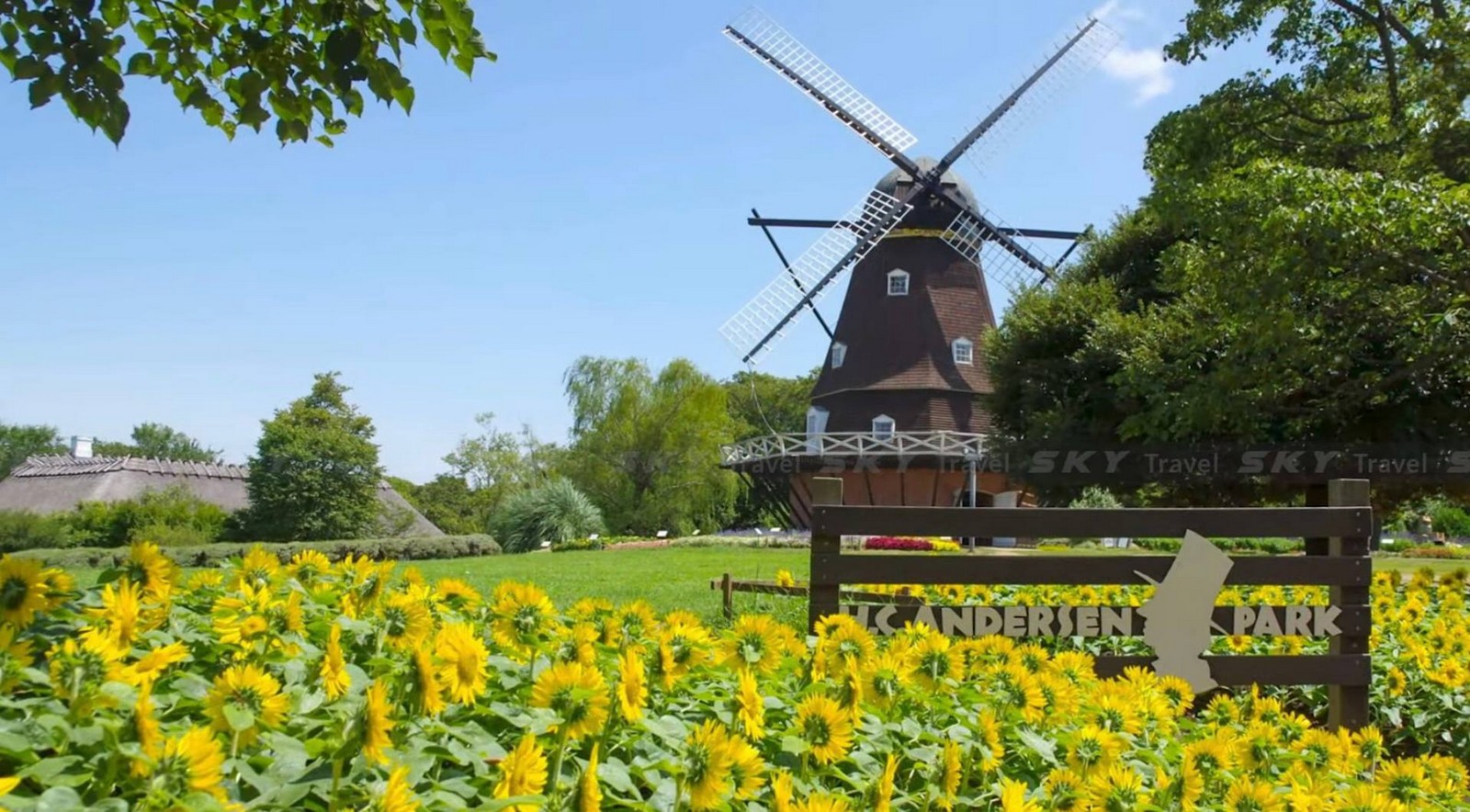
Colorful flower fields and a European-style windmill in Andersen Park, one of the most family-friendly and scenic parks in Chiba.
Tip from the Itinerary Expert: Mother Farm is surprisingly big, so pick your top 3 activities in advance to save your legs. Aim for lunch before 12:00 or after 13:30 to beat the midday rush. At Nokogiriyama, the ropeway is definitely the way to go—it saves everyone’s energy for the breathtaking viewpoints at the top.
Overnight Location: Kanaya or Futtsu
Day 3 — Kamogawa Sea World and the Chiba Coastline
Morning (10:00–13:30): Take a 40-minute drive to Kamogawa Sea World on the Pacific coast. This is a major highlight for children, so I recommend dedicating the whole morning here. Check the show schedule as soon as you arrive to catch the famous orca and dolphin performances. Opening hours are usually 9:00–16:00/17:00 depending on the time of year.
Lunch (13:00–14:00): Stay in the park and dine at Restaurant Ocean. It is a unique experience where you can watch the orcas through large windows while you eat—a perfect way to keep the kids entertained during a meal.
Afternoon and evening (14:30–18:00): After the marine park, explore the coast at your own pace. For a classic beach vibe, head to Onjuku Beach. If you prefer something more dramatic, visit the Byobugaura Cliffs, which look stunning in the late afternoon sun. Wrap up your Chiba adventure with a seafood feast—try Shiratorimaru in Onjuku or Hamameshi in Choshi, depending on your final direction.
Tip from the Itinerary Expert: Arriving at Kamogawa Sea World right at opening is the secret to a smooth visit. For the afternoon, I suggest picking either the beach or the cliffs, but not both—trying to cram in both usually results in too much time in the car and not enough time enjoying the scenery.
Overnight Location: Kamogawa, Onjuku, or return toward Tokyo
What Other Travellers are Saying About Chiba

Daniel
April 2024

I originally added Chiba to my Tokyo itinerary as an afterthought, but it ended up being one of the most memorable chapters of my trip. Naritasan Shinshoji Temple offered a serene, spacious atmosphere that provided a perfect contrast to the city bustle. The walk along Omotesando was a delight, filled with tiny discoveries—traditional snacks, craft shops, and charming local details. If I could offer one tip, it would be to visit on a weekday; having the space to truly soak in the quiet atmosphere makes all the difference.
Maya
August 2023

We focused our Chiba visit on family-friendly spots, and it was a total success. Mother Farm was the absolute highlight—between the animals, the flower fields, and the activities, there was so much room for the kids to run that the day never felt overwhelming. The only thing I underestimated was the sheer scale of the grounds. Sturdy walking shoes are a must, and I’d definitely recommend carving out at least half a day, if not more, to really enjoy everything without rushing.
Omar
November 2025
Nokogiriyama provided some of the most dramatic and impressive views of our entire journey. The sheer cliffs and massive stone carvings were far more breathtaking in person than in photos. My only small challenge was navigating, as some road signs weren’t as clear as I’d hoped. I’d suggest arriving earlier in the day if it’s your first visit so you can find your way comfortably. It is absolutely worth the effort, just better with a little bit of pre-planning.
Sophie
December 2022
Tokyo DisneySea is masterfully designed and honestly one of the most beautiful Disney parks I have ever stepped into. The attention to detail is staggering, and the atmosphere in the evening is simply magical. The real hurdle is the queues; without a solid plan, you can lose a lot of your day just waiting. My advice is to pick your must-see attractions in advance and make use of any priority entry systems as early as possible.
Adam
May 2019
What struck me most was the sheer variety within Chiba. In just a few days, we transitioned from the historic temple streets of Narita to rugged coastal scenery and even took a nostalgic trip on the Choshi Electric Railway. The coastline has such a relaxed, slow rhythm compared to central Tokyo. The only thing to keep in mind is transport; while trains are great, some of the most spectacular hidden spots are much easier to reach if you have a car.
Leila
October 2021
Kamogawa Sea World was a massive hit with my kids, and I found myself enjoying it just as much. The shows were fantastic, and checking the performance schedule the moment we walked in made the whole visit feel effortless. Afterwards, we spent the afternoon driving along the coast, and the day just flowed beautifully. Chiba is excellent at providing that kind of easy, natural balance between organized fun and spontaneous exploration.
Noah
March 2018
What I remember most is how distinct Chiba felt from Tokyo, despite being so close by. We had nature, incredible seafood, and quiet towns without ever feeling like we were in the middle of nowhere. Sawara was likely my favorite stop—it had such a strong, authentic atmosphere without feeling overly polished or crowded. My main advice would be to keep your schedule flexible; don’t overpack your days, especially if you have little ones in tow.

Tips from the Itinerary Expert
- Try not to treat Chiba as just a quick add-on from Tokyo. Even one overnight stay changes the rhythm of the trip and gives you time to enjoy both the coast and inland areas without rushing.
- For Tokyo Disney Resort, arriving before opening is always worth it. Even getting there 30–40 minutes early can save a lot of time later and helps you experience the most popular rides before the crowds build.
- When visiting Naritasan Shinshoji Temple, an early start makes a noticeable difference. The quieter atmosphere and empty streets of Omotesando create a much more enjoyable and authentic experience.
- Mother Farm is larger than it first appears, so it’s better to focus on a few highlights rather than trying to cover everything. Choosing 2–3 key areas keeps the day more relaxed, especially with kids.
- Having a car, even for part of the trip, makes exploring Chiba much easier. Coastal viewpoints, smaller towns, and hidden spots are far more accessible and the route becomes much more flexible.
- At Kamogawa Sea World, check the show schedule as soon as you enter. Building your visit around the main performances helps you avoid unnecessary waiting and ensures you don’t miss the highlights.
- On the Boso Peninsula, leave space for spontaneous stops. Some of the most memorable views are not official attractions but simple roadside viewpoints or quiet coastal corners.
- If you plan to combine nature and attractions in one day, start with the more structured activity and leave the coast or scenic viewpoints for later. The softer light in the afternoon makes those stops even more rewarding.
Insights from the Itinerary Expert
When I visited Chiba in October 2024, what struck me most was how effortlessly diverse experiences blended together. Within a relatively compact area, I moved from the meditative silence of Naritasan Shinshoji Temple to wide-open coastal vistas, then onto vibrant family favorites like Mother Farm and Kamogawa Sea World. I ended the day with incredibly fresh seafood while the Pacific Ocean stretched out before me. This natural balance is where Chiba truly shines, offering enough variety to keep children engaged while maintaining a pace that is far calmer and more manageable than central Tokyo.
The main consideration for travelers here is logistics. Once you venture beyond the major towns, distances become more apparent and public transport can be less frequent. Because of this, Chiba rewards those who take a slightly slower approach. It is all about planning your route thoughtfully, allowing for breathing room between stops, and ideally including at least one overnight stay rather than trying to rush everything into a single day trip.
For those looking to combine nature, authentic atmosphere, great food, and family-friendly adventures in one journey, Chiba is a superb choice. If you are starting to plan your route, I would be happy to help design a personalized itinerary for Chiba as well as a broader, seamless journey across Japan.
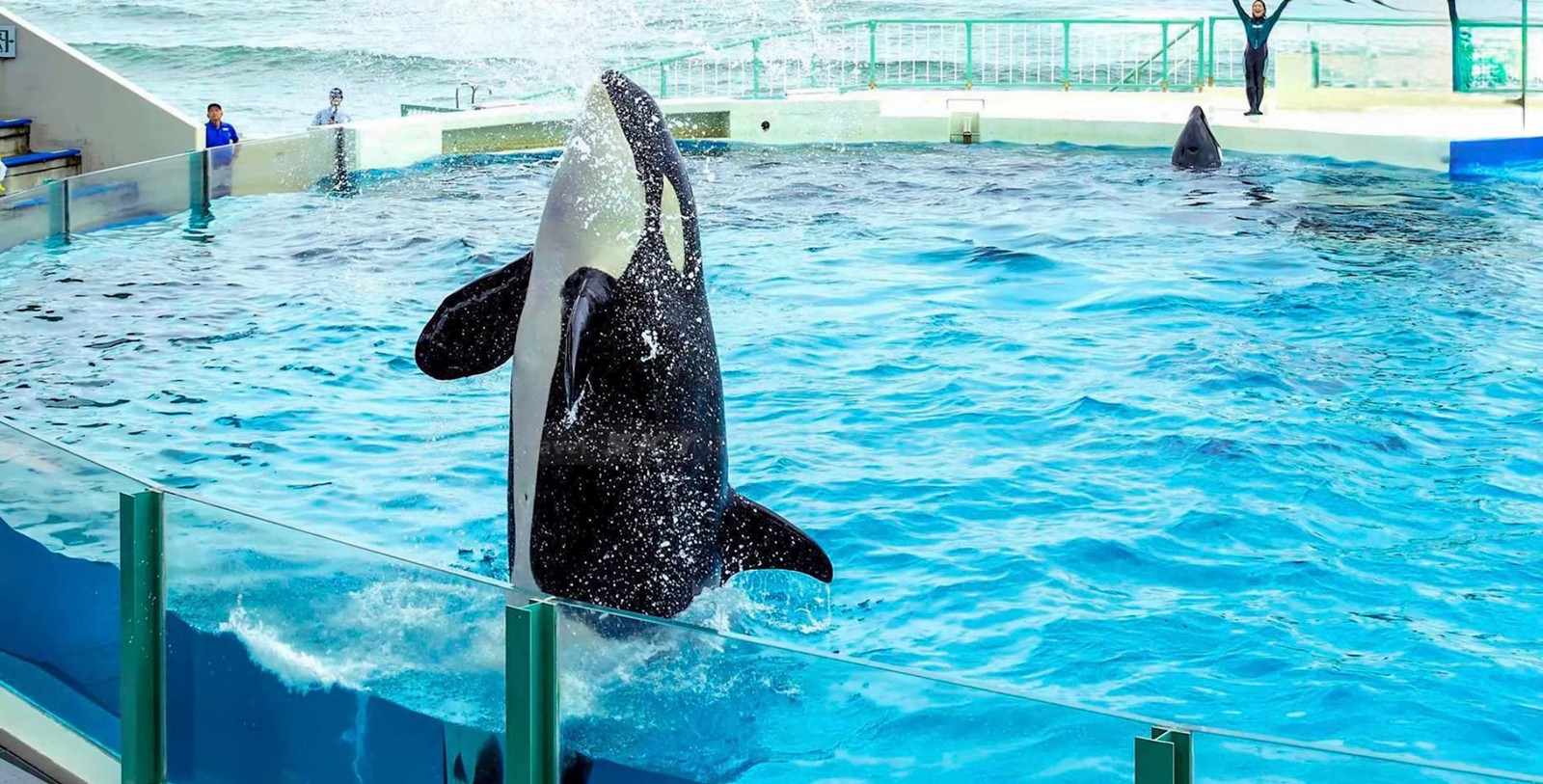
Exciting orca show in Chiba’s coastal aquarium, combining marine life experiences with interactive performances for visitors.
Typical Travel Costs in Chiba
| Name | Amount | Description |
|---|---|---|
| Budget hotels (per couple) | ¥6,000–¥10,000 JPY | Simple business hotels or basic stays. While rooms are usually compact, they are remarkably clean, efficient, and perfect for a comfortable short stay. |
| Mid-range hotels (per couple) | ¥10,000–¥18,000 JPY | Comfortable hotels offering more living space and better amenities. These are often situated in convenient locations and are well-suited for families. |
| High-end hotels (per couple) | ¥18,000–¥35,000+ JPY | Premium stays, including beautiful coastal resorts. Expect larger rooms, superior views, and more relaxed, scenic surroundings. |
| Apartment (family of 5) | ¥18,000–¥30,000 JPY | Spacious apartments or large family suites. This is a practical and flexible choice for longer stays or for groups who value extra comfort. |
| Car rental (per day) | ¥7,000–¥12,000 JPY | Covers economy to mid-size vehicles. Rates vary based on the season, availability, and your chosen rental provider. |
| Public transport (per ride) | ¥200–¥600 JPY | Covers local trains and buses within Chiba. Keep in mind that longer distances or limited express services will cost a bit more. |
| Restaurant (per person) | ¥1,000–¥3,000 JPY | From casual local eateries to mid-range dining. Fresh seafood or specialty regional dishes may be priced at the higher end of this range. |
| Parking (per day) | ¥500–¥1,500 JPY | Public parking lots or spots near major attractions. Rates vary depending on the specific location and local demand. |
| Supermarket basics (for 2 people) | ¥2,000–¥4,000 JPY | A selection of groceries for simple self-catered meals, as well as snacks and drinks to keep you going throughout the day. |
Frequently Asked Questions About Chiba
01
Is Chiba easy to reach from Tokyo?
Absolutely. Chiba is exceptionally well-connected to Tokyo by a variety of train lines. Since Narita Airport is located right in the heart of the prefecture, it is often the very first region travelers experience upon arrival, making it one of the most accessible areas in Japan.
02
Is Chiba worth visiting beyond Tokyo Disney Resort?
Definitely. While the Disney parks are a world-class draw, Chiba has a much deeper soul. From the ancient spiritual atmosphere of its temples and the rugged beauty of the Boso Peninsula coastline to its interactive animal farms and incredible local seafood, Chiba is a rich destination in its own right.
03
Do I need to rent a car in Chiba?
For the best experience, I usually recommend it. While trains are efficient for moving between major cities, having your own car makes reaching gems like Mother Farm, the scenic flower fields, and hidden coastal lookouts much easier. It saves you from complex transfers and gives you total schedule flexibility.
04
Is Chiba a good destination for families with children?
Yes, it is one of the most family-friendly regions in the Kanto area. The mix of high-energy theme parks, hands-on animal farms, massive aquariums, and wide-open beaches provides a perfect balance that keeps kids entertained while allowing parents a more relaxed travel pace.
05
Can Chiba be visited all year round?
Certainly. Chiba transforms beautifully with the seasons: spring brings stunning cherry blossoms; summer is perfect for surfing and beach days; autumn offers vibrant forest foliage in the valleys; and winter provides a crisp, quiet atmosphere ideal for peaceful temple visits and hot springs.
06
How much time should I plan for Tokyo Disneyland or DisneySea?
I recommend dedicating at least one full day to each park. If your itinerary allows, a two-day visit is much more comfortable. These parks are incredibly detailed and popular, so giving yourself extra time ensures you can enjoy the shows and parades without feeling rushed by the queues.
07
Are there good natural places in Chiba?
Yes, the natural diversity is surprising. You can explore lush river valleys, hike up to dramatic coastal cliffs with views over Tokyo Bay, or wander through expansive flower parks. It offers a refreshing green contrast to the concrete skyline of the capital.
09
Can I visit Mother Farm as a day trip from Tokyo?
Yes, it is possible, but it requires a bit of strategy. Public transport to the farm can be time-consuming, so I highly recommend visiting by car. This ensures a smoother journey and leaves you with more energy to enjoy the animals and the scenery.
10
When is the best time of day to visit Naritasan Shinshoji Temple?
Early morning is the magic hour. The temple grounds are peaceful and the air is fresh. Plus, walking up the Omotesando approach before the midday crowds arrive allows you to appreciate the traditional architecture and small shops in a much more relaxed way.
What we propose

Emma Heidi
Customer Experience Manager
Take all the stress out of planning your trip!
With our experts, you can create the perfect itinerary for you – complete, comfortable, and tailored to all your dreams, wishes, and needs.
We take care of every little detail, so you can simply focus on enjoying your journey.
We’ve been designing personalized itineraries since 2015, and over the years we’ve created thousands of custom itineraries for happy clients.

Save time, avoid confusion – we do the work for you. Our service saves you weeks of searching, reading, comparing, and complicated planning. Instead of wasting endless hours – you receive a ready-to-use, accurate and clear itinerary.

A tailor-made itinerary – built just for you. Your itinerary is personally designed based on our experts’ real field experience and genuine feedback from hundreds of travelers – including hidden discoveries and insider tips that don’t appear in any travel guide.

Smart accommodation selection – often saves you hundreds or even thousands of dollars. We help you choose verified and recommended places to stay, checking availability for your exact travel dates. Sometimes we suggest hotels not “in the center,” but in safe, convenient, and highly strategic locations – which can significantly reduce travel costs and save you even thousands of dollars.

We’re by your side even during the trip. We stay with you throughout your vacation – providing professional help whenever needed. If the weather changes, there’s a strike, a local event, heavy crowds, or any unexpected situation – we are here to update, guide, and adjust your itinerary in real time.

Easy-to-use itinerary – with direct navigation links. Your itinerary includes direct Waze / Google Maps links – no need to search for parking addresses, no stress, no mistakes. Just tap – and go.

Service cost: from only $420. (Special price for short itineraries up to 5 days). Clients tell us the itinerary saves them costly mistakes, fines, wrong choices – plus exclusive discounts on car rentals, better-priced accommodations, and money-saving local tips.
Want to know if it’s really worth it?
Take a look at the experiences of travelers who built their personal itinerary with us.
Click here and let’s start building the itinerary that will save you time, money, and stress – and turn your vacation into perfection.
Of course, your first inquiry is completely free – with no commitment whatsoever.
How it works


- You are welcome to contact us
- We discuss your trip
- You fill out a special form
- We create your itinerary
- You get it with all useful tips
- We are in touch with you all the time