My love for Japan began the moment I arrived in Tokyo. The country amazed me with its harmony of ancient traditions, cutting-edge technology, breathtaking nature, and a culture unlike any other. Since then, Japan has become a part of my life, and I return there again and again. Today I help travelers discover the real Japan: I create personalized itineraries, give lectures, and prepare guests for their unforgettable journey. I would be delighted to open Japan for you too!

Saitama
Located just north of Tokyo, Saitama offers a refreshing change of pace by blending several distinct sides of Japan into one accessible region. Here, you will find a captivating contrast of quiet suburban neighborhoods, historic Edo-period streets, family-friendly attractions, and serene pockets of nature. This balance is exactly what makes the area so appealing; instead of the non-stop intensity of central Tokyo, Saitama provides a slower, more breathable rhythm while remaining perfectly connected and convenient.
Saitama works beautifully whether you are looking for an easy day trip from the capital or a calmer home base for exploring beyond the city center. In a relatively compact area, you can transition from the old-world charm of Kawagoe to modern museums, lush parks, and scenic riverside views without enduring long or complicated journeys. For travelers seeking variety, simple logistics, and a destination with authentic character rather than overwhelming crowds, Saitama is a rewarding surprise waiting to be discovered.
Getting to and Around Saitama
Reaching Saitama from Tokyo is incredibly straightforward thanks to a dense suburban rail network and several Tokyo Metro links. Take Kawagoe as an example: it is typically only a 30 to 40-minute train ride from Tokyo, making it a stress-free addition even to a packed schedule. If you want to see more of Japan without committing to exhausting transfers, Saitama is one of the simplest and most rewarding escapes from the city.
Once you arrive, the best way to explore depends on your specific plans. The historic districts are a delight to discover on foot, while local trains and buses are perfect for hopping between stations, attractions, and residential areas. To help with your planning, local public transport usually costs between ¥180 and ¥540 for a single ride. Trains from Tokyo to Saitama range from ¥67 to ¥583, and travel between Saitama and Kawagoe typically costs around ¥300 to ¥350. While taxis are available with fares starting at about ¥500, the train remains the most efficient and budget-friendly choice for most sightseeing days.
Click here to learn more about creating a personal itinerary
Tip from the Itinerary Expert: For your first visit to Saitama, I recommend focusing on one well-connected area rather than trying to see the entire prefecture in a single day. A more focused plan means fewer transfers and less rushing, giving you plenty of time to wander the streets, enjoy the local food, and truly soak in the small details that make the experience memorable.

The Best Time to Visit Saitama
Saitama is a year-round destination, but each season paints the region in a noticeably different light. Spring is the classic time to visit, famous for its cherry blossoms and vibrant flower festivals. It is the perfect season for leisurely park walks and visiting quiet shrines. As summer arrives, the energy shifts to something more festive, especially in Kawagoe, where traditional celebrations and outdoor activities bring the streets to life.
Autumn is arguably the most visually stunning period, particularly when the valleys, riversides, and mountain slopes transform into a sea of brilliant seasonal colors. Winter offers a much quieter, more atmospheric experience. You can enjoy crisp walks and unique cultural events, and if you are lucky, a dusting of snow will reveal a softer, more peaceful side of the prefecture. Ultimately, the best time to visit depends on the experience you are looking for, whether it is the magic of blossoms, the excitement of festivals, the beauty of autumn leaves, or a tranquil off-season getaway.

Since 2015, our website has specialized in individual planning of unique routes, taking into account personal preferences and desires.
Each of you will receive a unique PDF file from us, which contains everything you need: travel routes, car rentals, hotels, the best tourist attractions, attractions for kids and everything you need for a perfect vacation.
During the trip, we are available for you by phone via WhatsApp.
Our personal service provides information from A to Z, taking into account many small details that can become a decisive factor on the way from a wasted trip to an unforgettable vacation.
Our service will make your trip comfortable, save a lot of time on planning and preparation, and most importantly – will allow you to become freer and fully enjoy the pleasure of the trip.
Tip from the Itinerary Expert: If you are looking for the perfect balance of beautiful scenery and a relaxed pace, spring and autumn are my top recommendations. While summer is vibrant and fun, it is wise to plan for shorter walks and more frequent breaks. Winter, on the other hand, is ideal if you prefer quieter streets and a more local, authentic atmosphere.
Must-See Highlights: The Best of Saitama
Saitama is a hidden gem that often flies under the radar, yet it offers a wonderfully diverse range of experiences within a compact, easy-to-navigate area. From atmospheric Edo-era streets and deep cultural landmarks to world-class modern museums and serene nature spots, the region is perfect for a well-rounded itinerary. To get the most out of your visit, I recommend focusing on a few key locations and soaking them in at a relaxed pace rather than trying to rush through the entire prefecture in one go.
Kawagoe Old Town
As one of Saitama’s most iconic destinations, Kawagoe transports you back in time with its beautifully preserved warehouse district and traditional merchant streets that evoke the spirit of the Edo period. The area is delightfully walkable, with charming boutiques, enticing street food stalls, and historic landmarks tucked away in every corner. It is the perfect spot for a slow-paced afternoon of exploring and discovering unique visual highlights at every turn.
Opening Hours: Open area, individual shops operate on their own schedules
Free to explore, some attractions inside require tickets
Tip from the Itinerary Expert: Arrive early in the morning to enjoy the historic atmosphere before the peak crowds arrive. Start your walk along the main Kurazukuri street before venturing into the quieter, more intimate side alleys.
Distance/Time: About 30–40 minutes from Tokyo by train
Railway Museum
This massive, highly interactive museum is a paradise for anyone interested in Japan’s legendary rail history. It features an impressive collection of real vintage trains, high-tech simulators, and fascinating hands-on exhibits. The space is thoughtfully organized to be both educational and entertaining, making it just as engaging for curious adults as it is for families. It stands out as one of the most immersive and high-quality indoor attractions in the entire region.
Opening Hours: Varies by day and season
Ticket required
Tip from the Itinerary Expert: Be sure to set aside at least half a day for your visit. The museum is much larger than it looks from the outside, and you will want plenty of time to try the simulators and explore the various halls.
Distance/Time: Located in Omiya, easy access by train
Omiya Park and Hikawa Shrine
A wonderful blend of lush greenery and ancient heritage, this area provides one of the most tranquil environments in Saitama. While the park is a legendary spot during the cherry blossom season, it remains a peaceful retreat throughout the year. The grand Hikawa Shrine, with its long approach and traditional architecture, adds a sense of calm and history that contrasts beautifully with the modern bustle of the surrounding city.
Opening Hours: Open daily
Free entry
Tip from the Itinerary Expert: I recommend combining a visit here with other nearby spots in Omiya. It creates a perfectly balanced day that mixes nature, local culture, and light, pleasant walking.
Distance/Time: Short walk from Omiya Station
Chichibu Area
For those seeking a nature-focused escape, Chichibu is the place to be. Known for its dramatic mountain landscapes, winding rivers, and distinct seasonal beauty, this region feels worlds away from the urban sprawl closer to Tokyo. Famous for its vibrant festivals and endless outdoor opportunities, Chichibu is best suited for travelers who want a slower, scenic day in the fresh air or even a quiet overnight stay in the countryside.
Opening Hours: Open area, varies by location
Free to explore, specific attractions may require tickets
Tip from the Itinerary Expert: Check the train schedules in advance, as transport in this mountainous area is less frequent than in the city. Allow yourself extra time to simply sit back and enjoy the incredible mountain views.
Distance/Time: Further from Tokyo, requires additional travel time
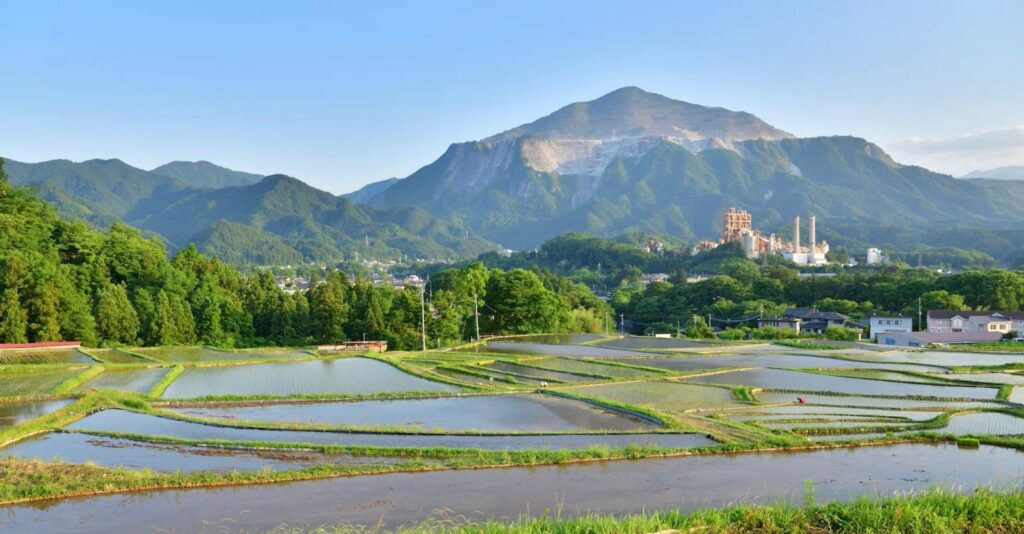
Discovering the Natural Landscapes of Saitama
Beyond the bustling urban centers and historic landmarks, Saitama reveals a surprisingly lush and diverse natural side, particularly in the Chichibu region. This part of the prefecture is defined by its dramatic mountains, winding rivers, and a seasonal beauty that feels worlds away from the constant energy of Tokyo. Here, the pace naturally slows down, inviting you to enjoy quieter surroundings, wide-open landscapes, and a genuine connection to the outdoors.
The region is dotted with scenic riverside paths, forest trails, and breathtaking viewpoints that transform with every season. Spring brings a delicate blanket of fresh greenery and blossoms, while autumn is truly spectacular, painting the mountains in vivid shades of red and gold. Even without a strict list of sights, simply traveling through these landscapes is a reward in itself, especially when you pair your journey with stops at local eateries or charming small towns along the way.
Click here to learn more about creating a personal itinerary
While many of the most popular nature spots are easily accessible by train, your travel style will influence how you explore. For those who want maximum flexibility to reach hidden gems or connect several scenic stops in a single day, having a car is a great advantage. However, with a well-planned route, you can still comfortably experience Saitama’s natural highlights using the efficient local transport network.
A nature-focused day in Saitama is best enjoyed when it is relaxed and less structured. Rather than rushing to tick off multiple locations, I recommend choosing one specific area and exploring it at your own pace. Leaving room for short walks, spontaneous photo stops, and quiet moments at viewpoints often leads to the most memorable experiences of the trip.
Tip from the Itinerary Expert: To make the most of your time in nature, I suggest focusing your plan on one cohesive area like Chichibu. By building your day around a single region, you significantly reduce travel time and avoid stressful transfers, giving you the freedom to truly immerse yourself in the scenery instead of rushing from one spot to the next.
What hidden gems of Saitama are worth discovering?
Beyond the well-known spots, Saitama has a number of quieter places that reveal a more local and authentic side of the region. Smaller neighborhoods, lesser-known temples, and calm riverside areas often feel far removed from the busy tourist routes. These locations are not always listed as must-see attractions, but they can easily become some of the most memorable parts of the trip.
Exploring these hidden corners usually means slowing down and paying attention to details: local food stalls, traditional streets without crowds, or viewpoints that are not marked as major highlights. In areas like Kawagoe or the outskirts of Omiya, stepping just a few streets away from the main routes can completely change the atmosphere and create a more relaxed, immersive experience.
Nature also plays a role in these hidden gems, especially in less visited parts of Chichibu. Smaller trails, quiet riverbanks, and scenic spots away from the main access points offer a different kind of experience — one that feels more personal and less structured. These places are not about ticking off attractions, but about enjoying the environment at your own pace.
Finding such locations often depends on flexibility and curiosity rather than a strict plan. Allowing extra time between main stops or choosing a less direct route can naturally lead to discovering places that are not included in standard itineraries.
Tip from the Itinerary Expert: When visiting popular areas like Kawagoe, try to spend part of the time exploring side streets instead of staying only on the main tourist routes. This simple shift often leads to quieter spots, better photo opportunities, and a more relaxed experience overall.
What to do in Saitama with children?
Saitama works well for trips that include a mix of activities, especially when combining interactive attractions with outdoor spaces. Museums such as the Railway Museum offer hands-on exhibits and large-scale displays, making them engaging for different ages while still being informative. Parks and open areas provide space to move around, which helps balance more structured visits.
Outdoor locations like Omiya Park or the natural areas around Chichibu add variety to the day, allowing time for walks, short breaks, and simple activities in nature. This combination makes it easier to keep the pace comfortable and avoid overload, especially during longer sightseeing days. Even in more urban areas, there are enough green spaces to include downtime between attractions.
Food also becomes part of the experience, especially in places like Kawagoe, where local snacks and street food can turn into small, spontaneous stops throughout the day. These moments help keep the visit dynamic without needing a strict schedule. Planning flexible time for such breaks often makes the day smoother and more enjoyable overall.
In terms of logistics, Saitama is relatively easy to navigate, but distances between different areas can add up. It usually works best to focus on one zone per day and combine a few compatible activities rather than trying to cover too much in one trip.
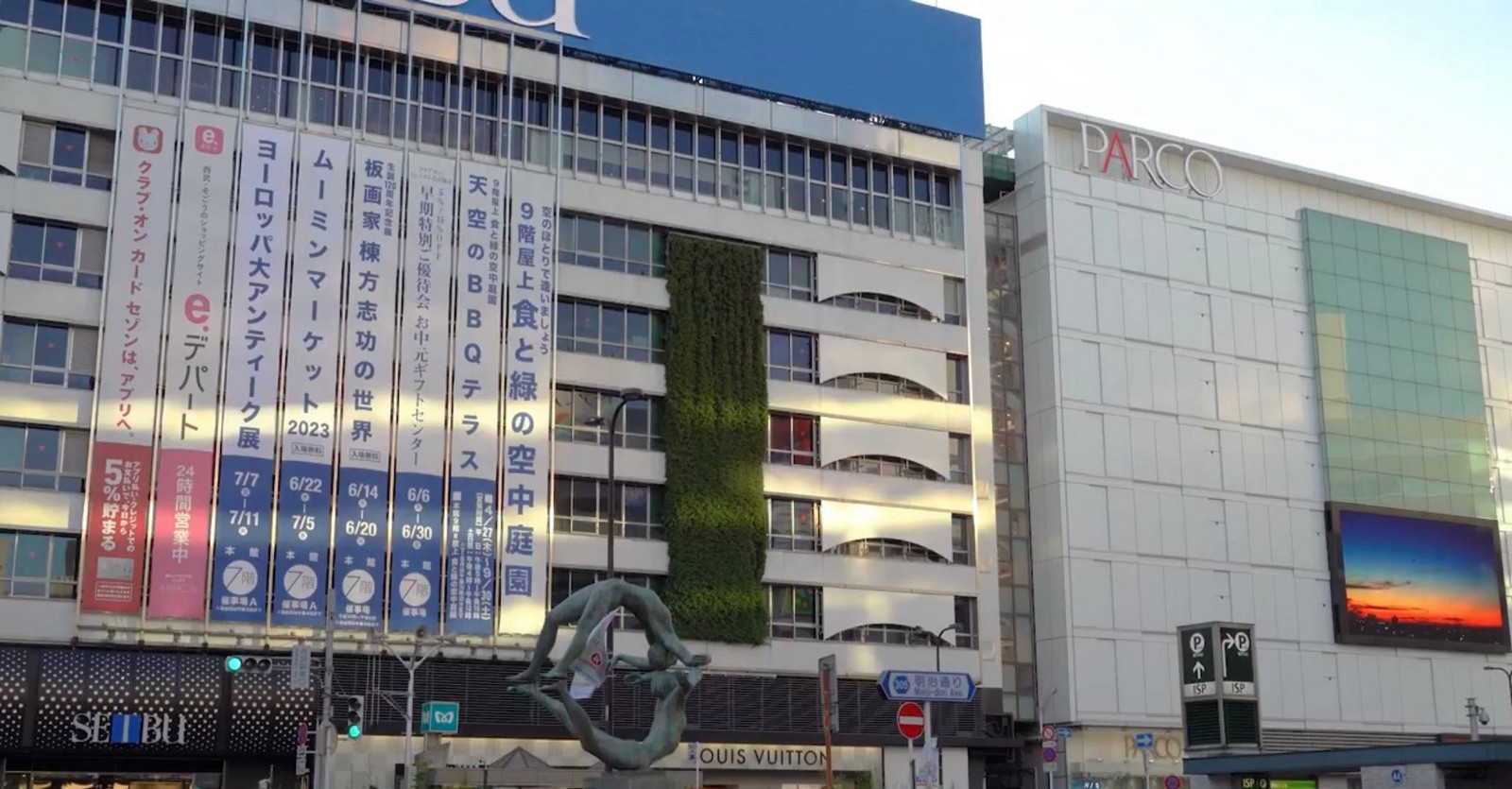
Modern city life in Saitama with large shopping complexes and busy streets, where local daily life blends with shopping and entertainment.
Tip from the Itinerary Expert: A balanced day in Saitama often works best with one main attraction, one outdoor stop, and flexible time for food or short breaks. This structure keeps the day varied without becoming tiring and helps maintain a steady, enjoyable pace.
4-Day Saitama Itinerary: Culture, History, and Nature
Trip Duration: 4 days
Day 1: Kawagoe - Stepping into Little Edo
Morning: Begin your journey at 10:00 in Kawagoe by wandering through the beautifully preserved warehouse district. This is the ultimate introduction to Saitama’s heritage, where you will find traditional merchant houses, the iconic Bell Tower, and the nostalgic sweets of Candy Alley. To make your visit even more special, try to be near the Bell Tower when it rings at 12:00 or 15:00 (it also rings at 06:00 and 18:00).
Lunch: Stay within the historic center for a local meal. It is a wonderful area to mix a sit-down lunch with small treats from street food stalls. Budgeting around ¥900–¥1,600 per person will allow you to enjoy a delicious and authentic meal without any fuss.
Evening: In the afternoon, visit the elegant Kawagoe Castle Honmaru Goten for a glimpse into samurai-era architecture. Afterward, make the short trip to Omiya to settle in for the night. This 10:00–18:00 schedule ensures a comfortable, unhurried pace throughout the day.
Tip from the Itinerary Expert: I recommend exploring the old warehouse streets first thing in the morning and saving the castle for later. This allows you to experience the most popular historic areas before the peak midday crowds arrive, making the second half of your day feel much more peaceful.
Overnight Location: Omiya
Day 2: Omiya — Trains, Bonsai, and Serene Shrines
Morning: Dive into the world of Japanese rail at The Railway Museum. This is one of Saitama’s most impressive attractions, filled with massive vintage locomotives, high-tech simulators, and interactive displays. It is a place where hours disappear quickly, offering plenty of fun for both adults and kids.
Lunch: To keep your day running smoothly, I suggest eating inside or very near the museum complex. This saves you extra travel time and lets you get right back to exploring without feeling rushed.
Evening: Spend your afternoon admiring the intricate living art at the Omiya Bonsai Art Museum and wandering through the peaceful Bonsai Village nurseries. End your day with a calming walk through the ancient Hikawa Shrine and the wide-open spaces of Omiya Park, a perfect contrast to the morning’s excitement.
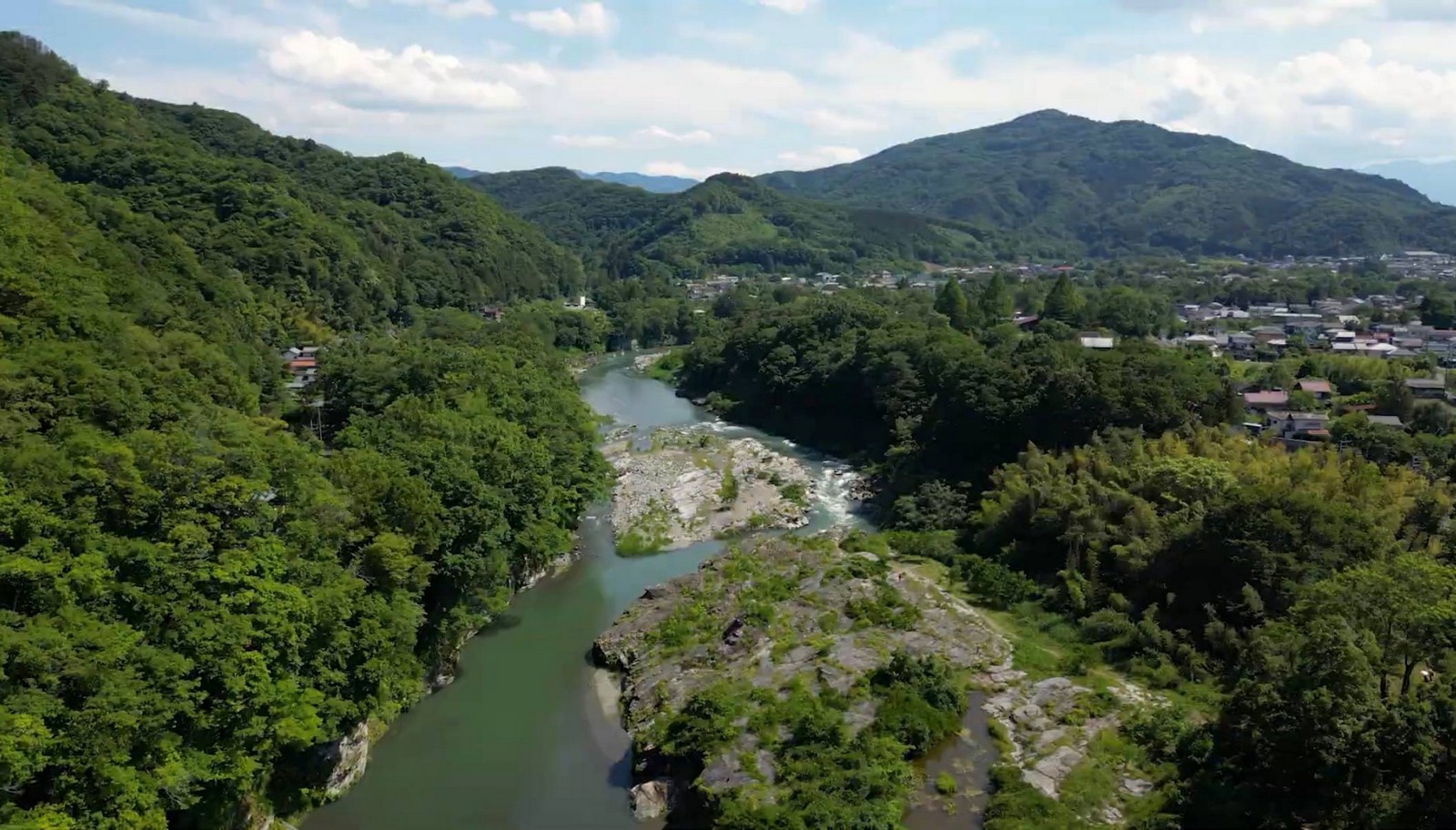
A scenic river winding through the green hills of Saitama, perfect for slow travel, nature walks, and escaping the city atmosphere.
Tip from the Itinerary Expert: Start your day at The Railway Museum as soon as it opens and try to book any simulator slots immediately upon arrival. This helps you beat the crowds and ensures you have enough energy left for the quiet beauty of the bonsai gardens later.
Overnight Location: Omiya or Hanno
Day 3: Hanno and Iruma — Lakeside Bliss and Retro Vibes
Morning: Head west to Hanno for a morning at Metsa Village and Moominvalley Park. This area is designed for relaxation, featuring Nordic-inspired architecture, lakeside views, and the whimsical world of the Moomins. It is one of the most laid-back parts of the itinerary, perfect for slow walks and enjoying the fresh air.
Lunch: Enjoy a meal by the water at one of the Nordic-style cafes in Metsa. The peaceful lakeside setting is a key part of the experience, so there is no need to rush away.
Evening: Spend the late afternoon at Johnson Town in Iruma. This unique neighborhood, originally housing for the US Air Force, now feels like a slice of retro America in Japan. It’s filled with cute shops and cafes, providing a fun stylistic contrast before you move toward the mountain regions.
Tip from the Itinerary Expert: This is your “slow day,” so keep your plans flexible. Metsa is all about the atmosphere, so give yourself permission to just sit by the lake with a coffee and soak in the views without a strict timeline.
Overnight Location: Chichibu or Nagatoro area
Day 4: Nagatoro and Chichibu — Rivers and Mountains
Morning: Start your final day in Nagatoro at the Iwadatami Rocks along the Arakawa River. These layered rock formations are a stunning natural wonder. You can explore the riverbanks on foot or take a traditional wooden boat ride to see the scenery from the water.
Lunch: Taste the flavors of the mountains right here in Nagatoro or Chichibu. Look for local specialties like Chichibu’s famous pork miso bowls, which are the perfect hearty meal for a day in nature.
Evening: Finish with a relaxed walk through the town of Chichibu. Visit the beautiful Chichibu Shrine and enjoy a final early dinner before your trip concludes. This day is all about the mountain air and a sense of calm, making it a memorable finale to your Saitama adventure.
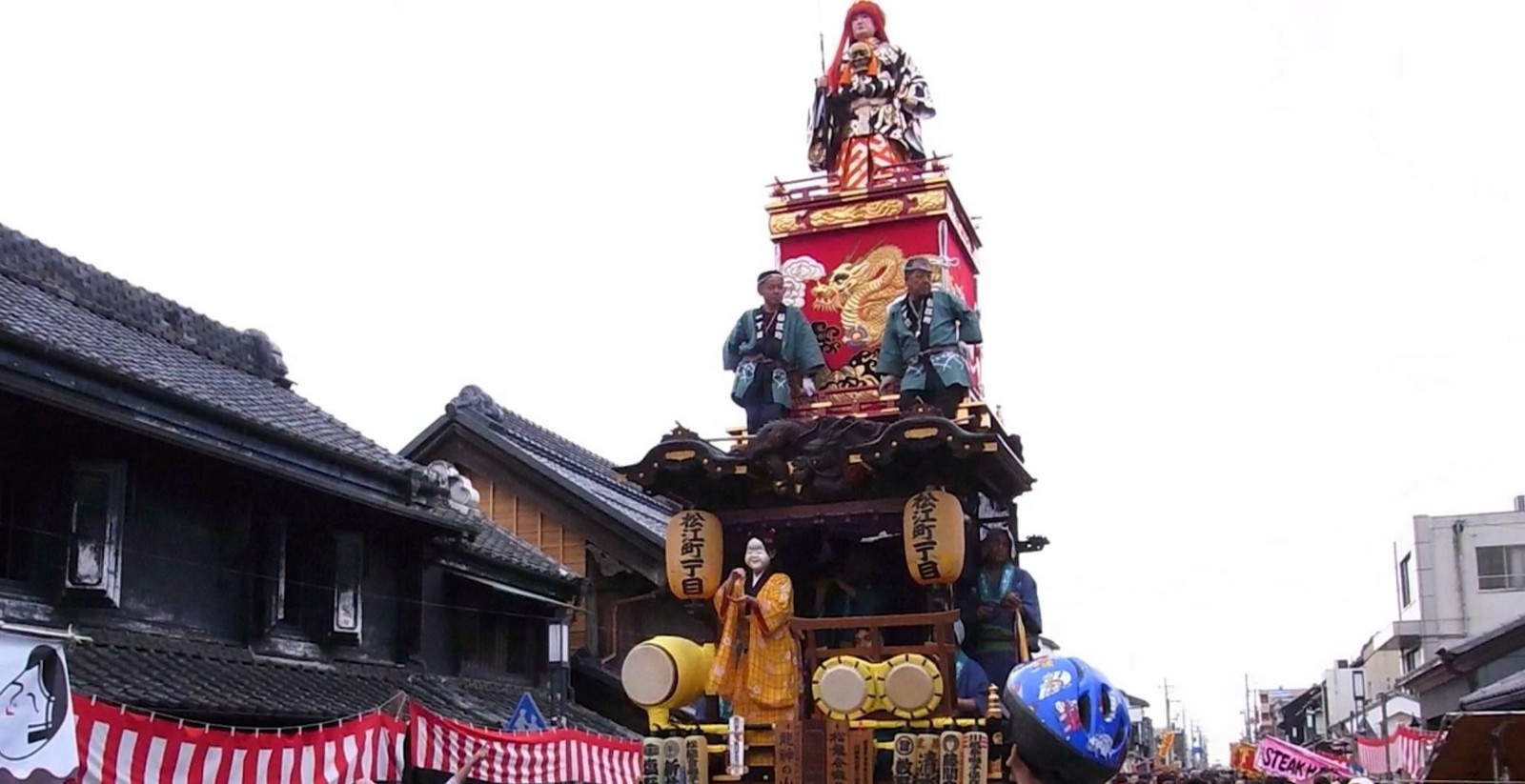
Traditional festival float in Saitama decorated with historical figures and performers, reflecting the region’s rich cultural heritage and local celebrations.
Tip from the Itinerary Expert: Arrive at the Nagatoro riverfront as early as you can. The morning light on the rocks is beautiful, and you will have a much better chance of securing a boat ride ticket before the afternoon visitors arrive.
Overnight Location: End of route in Chichibu or return to Tokyo
What Travellers Are Saying About Saitama

Daniel
April 2024

I visited the Railway Museum with my daughter, and it turned out to be one of our favorite days out near Tokyo. She absolutely loved climbing into the real train cars and exploring the interactive play zones, while I was genuinely impressed by the sheer scale and historical detail of the exhibits. We even took a break in the gallery seating area to watch the Shinkansen speed by, which was a highlight in itself. My only regret was arriving a bit late in the day — this place easily deserves a full half-day to see everything properly.
Sophie
October 2025

Kawagoe offered exactly the charming old-town atmosphere I was looking for, with its traditional merchant streets, nostalgic food stalls, and endless photo opportunities. I particularly loved the area around the Bell Tower, though it did get quite busy by midday, especially along the main Kurazukuri street. My advice is to arrive early and plan your lunch before the peak rush hits. Once I wandered just a few blocks away from the main thoroughfare, the experience became much more tranquil and enjoyable.
Michael
July 2023
One of my favorite surprises in Saitama was visiting Hikawa Shrine during the summer wind chime festival. The atmosphere was vibrant yet remarkably peaceful, with the gentle tinkling of the bells creating a truly magical mood. I also loved the seasonal floral displays, the small meditative stream, and the unique goshuin designs available. It felt much more immersive and engaging than many other shrines I have visited, and I would love to return during the summer season again.
Emma
November 2022
I drove out to the more rural parts of Saitama to catch the autumn colors and had a lovely, quiet experience. The setting was very peaceful, featuring a scenic river and a traditional bridge that made for some great photos. While the foliage wasn’t quite as vibrant as I had hoped that particular year, the overall sense of calm was worth the trip. For anyone planning a similar visit, I’d recommend checking the local foliage reports closely to time your arrival with the peak colors.
Laura
March 2024
Navigating Omiya Station with a large suitcase was a bit more of a workout than I expected. I had to spend some time looking for elevators as the standard stairs weren’t ideal, and some of the connection corridors felt a little tight during rush hour. However, the hospitality of the locals really shone through — the station staff were incredibly helpful, and commuters were patient and gave me space. My simple tip: travel light if you can to make the transfers effortless.
James
February 2025
I really appreciated that Saitama felt much less touristy than central Tokyo while remaining incredibly easy to navigate. One evening, I decided to wait a few minutes for a less crowded local train rather than squeezing onto a faster express, and that small choice made the journey so much more comfortable. It might seem like a minor detail, but in Japan, these little decisions about comfort over speed can really improve your day. I definitely recommend planning for a relaxed pace.
Rachel
May 2019
I visited Kawagoe Castle Honmaru Goten after spending the morning in the old town. While the historic architecture and the interior rooms were interesting to see, the real magic of Kawagoe for me was in its lively streets and local food. The castle is definitely worth a look if you are a history buff, but I would suggest treating it as a quick 30-minute cultural stop rather than the main event of your afternoon.
Oliver
August 2021
The highlight of my time in western Saitama was the perfect pairing of beautiful scenery and amazing local food. Exploring the Chichibu area, my day flowed naturally between stunning river views, mountain hikes, and incredibly satisfying regional dishes. The local pork miso specialties were especially delicious. It is the kind of destination where you shouldn’t overschedule — some of the best moments came from simply slowing down and letting the day unfold.

Expert Advice for Your Saitama Adventure
1. I recommend starting your day in Kawagoe as early as you can. The historic merchant streets are far more atmospheric in the soft morning light, and you will find the walk much more pleasant before the main crowds arrive later in the day.
2. It is definitely worth carrying some cash while exploring Kawagoe. Many of the charming traditional shops and street food stalls still prefer cash payments, and you won’t want to interrupt your flow by hunting for an ATM in the middle of your walk.
3. If you are heading from Tokyo to Kawagoe, treat it as a relaxed and easy day trip. The train journey takes roughly 30–40 minutes, and once you arrive at Kawagoe Station, a quick 10–15 minute bus ride will bring you right to the heart of the historic district.
4. When visiting the Railway Museum, make sure to set aside at least 3–4 hours. The museum is much larger than it first appears, and with multiple floors of interactive exhibits and fantastic train-watching spots, it is very easy to spend more time there than expected.
5. To make your visit even smoother, using a Suica or similar IC card for payments at the Railway Museum’s food outlets can save you time in queues. It is a small detail, but it really helps maintain a steady pace on busier days.
6. Tip from the itinerary expert: For families, I suggest not overloading a single day with too many locations. A balanced combination of one main attraction followed by a lighter, more flexible stop usually results in a much happier experience than rushing between multiple areas.
7. If your goal is to experience Japan’s natural beauty, I recommend focusing your day entirely on Nagatoro or Chichibu. These regions offer stunning river scenery, unique rock formations, and a refreshing mountain atmosphere that feels much more rewarding than trying to squeeze nature into an urban-focused day.
8. Keep seasonality in mind when planning. Spring is perfect for the cherry blossoms, while autumn offers incredible fiery foliage. Winter provides a calm, crisp atmosphere, whereas summer is vibrant and lively, though you should prepare for the midday heat during outdoor explorations.
9. Omiya serves as a highly practical home base for your trip. From here, you can easily combine a visit to the Railway Museum with Hikawa Shrine, Omiya Park, and the famous bonsai district without wasting any unnecessary time on travel.
Expert Insights: My Personal Take on Saitama
I explored Saitama in November 2024, and what struck me most was the natural, effortless balance of the region. It doesn’t shout for attention or try to overwhelm you, but as soon as you begin moving between places like Kawagoe, Omiya, and the Chichibu area, the incredible variety reveals itself. One day you are wandering through the Edo-period charm of Kawagoe Old Town, the next you are immersed in the massive interactive exhibits of the Railway Museum, and suddenly, you find yourself surrounded by serene rivers and mountain peaks.
From a planning perspective, Saitama is at its best when you keep the structure simple. I quickly noticed that trying to cram too many different areas into a single day leads to unnecessary travel time and fatigue. It is far more rewarding to build each day around one anchor location, allowing the experience to unfold at a comfortable, natural pace. This is especially true when traveling with children, where the rhythm of the day is often just as important as the destinations themselves.
There are a few practical nuances to keep in mind as well. Some spots require a short bus connection from the train station, and distances can occasionally feel longer than they look on a map if the route isn’t mapped out in advance. However, these are minor trade-offs for the incredible flexibility and diversity that Saitama offers.
Overall, Saitama is a destination that grows on you the more you see of it. It perfectly combines culture, nature, and family-friendly activities without the frantic intensity of Japan’s major tourist hubs. If you are looking for a trip that feels diverse yet manageable, this is a fantastic and often underrated choice. To truly get the most out of your visit, creating a personalized itinerary for Saitama—and for Japan as a whole—can make a world of difference, ensuring the route matches your specific interests, pace, and travel style.
Expected Travel Costs in Saitama
| Name | Amount | Description |
|---|---|---|
| Budget hotel (per night, for 2) | ¥5,000–¥8,000 JPY | Simple business hotels or modest guesthouses in quieter suburban neighborhoods; usually clean, functional, and perfect for those prioritizing value. |
| Mid-range hotel (per night, for 2) | ¥8,000–¥15,000 JPY | Comfortable hotels situated near major transit hubs like Omiya or Kawagoe, offering better room sizes and very convenient access to transport. |
| High-end hotel (per night, for 2) | ¥15,000–¥30,000+ JPY | More spacious rooms with higher service standards, often in central or scenic locations, sometimes featuring premium facilities or views. |
| Apartment (family of 5, per night) | ¥12,000–¥25,000 JPY | Spacious family-friendly apartments or vacation rentals, ideal for longer stays or groups traveling with children who need more room to breathe. |
| Car rental (per day) | ¥6,000–¥12,000 JPY | Economy to mid-size vehicles; rates vary by season and insurance options, but it is a great choice for exploring the more rural Chichibu area. |
| Public transport (single ride) | ¥180–¥540 JPY | Standard fares for local trains and buses within Saitama and for short hops to nearby districts. |
| Restaurant meal (per person) | ¥900–¥1,600 JPY | Casual dining at local eateries or hearty lunch sets that offer excellent quality and value for your everyday meals. |
| Parking (per hour) | ¥200–¥500 JPY | Standard hourly rates at parking lots near major stations, shopping centers, and popular tourist attractions. |
| Supermarket groceries (for 2 people) | ¥1,500–¥3,000 JPY | A selection of fresh groceries for a quick picnic, a simple self-catered dinner, or light snacks for your day of exploring. |
Your Questions Answered: Visiting Saitama
01
Is Saitama worth visiting as a day trip from Tokyo?
Absolutely. Saitama is incredibly easy to reach from the capital. Kawagoe alone makes for a fantastic day trip, offering a unique blend of Edo-period history, delicious street food, and a charming traditional atmosphere that feels worlds away from the neon lights of Tokyo.
03
How do I get from Kawagoe Station to the old town area?
Once you arrive at Kawagoe Station, the most convenient way to reach the historic Kurazukuri district is a quick 10 to 15-minute bus ride. While walking is certainly an option if you enjoy exploring on foot, the bus drops you right in the heart of the action.
06
Should I rent a car in Saitama?
It really depends on your plans. Public transport is excellent for visiting urban highlights like Kawagoe and Omiya. However, if you want to explore the scenic nature trails of Nagatoro or the mountain landscapes of Chichibu with complete freedom, a rental car can be very helpful.
07
What natural places are most worth seeing in Saitama?
For stunning scenery, Nagatoro and the Arakawa River are must-sees, known for their dramatic rock formations. The Chichibu mountain area and the peaceful Ranzan Valley are also highly rewarding spots for anyone looking to immerse themselves in nature.
08
When is the best season to visit Saitama?
Each season has its own charm: Spring is perfect for cherry blossoms, and autumn brings spectacular colorful foliage. Summer is the time for vibrant local festivals and outdoor fun, while winter offers a much quieter, more atmospheric experience for those who prefer avoiding crowds.
09
Are there any practical tips for visiting Kawagoe?
Tip from the itinerary expert: Make sure to bring some cash, as many of the charming smaller shops and food stalls don’t accept credit cards. Also, try to arrive as early as possible to enjoy the historic streets at their most peaceful before the afternoon crowds arrive.
10
Are there any easy hidden gems in Saitama besides the main tourist spots?
Definitely. If you are looking for something off the beaten path, consider the retro American vibes of Johnson Town, the ancient mounds at Saitama Kofun Park, the mysterious caves of Yoshimi Hyakuana, or the awe-inspiring Underground Flood Control Temple.
What we propose

Emma Heidi
Customer Experience Manager
Take all the stress out of planning your trip!
With our experts, you can create the perfect itinerary for you – complete, comfortable, and tailored to all your dreams, wishes, and needs.
We take care of every little detail, so you can simply focus on enjoying your journey.
We’ve been designing personalized itineraries since 2015, and over the years we’ve created thousands of custom itineraries for happy clients.

Save time, avoid confusion – we do the work for you. Our service saves you weeks of searching, reading, comparing, and complicated planning. Instead of wasting endless hours – you receive a ready-to-use, accurate and clear itinerary.

A tailor-made itinerary – built just for you. Your itinerary is personally designed based on our experts’ real field experience and genuine feedback from hundreds of travelers – including hidden discoveries and insider tips that don’t appear in any travel guide.

Smart accommodation selection – often saves you hundreds or even thousands of dollars. We help you choose verified and recommended places to stay, checking availability for your exact travel dates. Sometimes we suggest hotels not “in the center,” but in safe, convenient, and highly strategic locations – which can significantly reduce travel costs and save you even thousands of dollars.

We’re by your side even during the trip. We stay with you throughout your vacation – providing professional help whenever needed. If the weather changes, there’s a strike, a local event, heavy crowds, or any unexpected situation – we are here to update, guide, and adjust your itinerary in real time.

Easy-to-use itinerary – with direct navigation links. Your itinerary includes direct Waze / Google Maps links – no need to search for parking addresses, no stress, no mistakes. Just tap – and go.

Service cost: from only $420. (Special price for short itineraries up to 5 days). Clients tell us the itinerary saves them costly mistakes, fines, wrong choices – plus exclusive discounts on car rentals, better-priced accommodations, and money-saving local tips.
Want to know if it’s really worth it?
Take a look at the experiences of travelers who built their personal itinerary with us.
Click here and let’s start building the itinerary that will save you time, money, and stress – and turn your vacation into perfection.
Of course, your first inquiry is completely free – with no commitment whatsoever.
How it works


- You are welcome to contact us
- We discuss your trip
- You fill out a special form
- We create your itinerary
- You get it with all useful tips
- We are in touch with you all the time