My love for Japan began the moment I arrived in Tokyo. The country amazed me with its harmony of ancient traditions, cutting-edge technology, breathtaking nature, and a culture unlike any other. Since then, Japan has become a part of my life, and I return there again and again. Today I help travelers discover the real Japan: I create personalized itineraries, give lectures, and prepare guests for their unforgettable journey. I would be delighted to open Japan for you too!


Kegon Falls
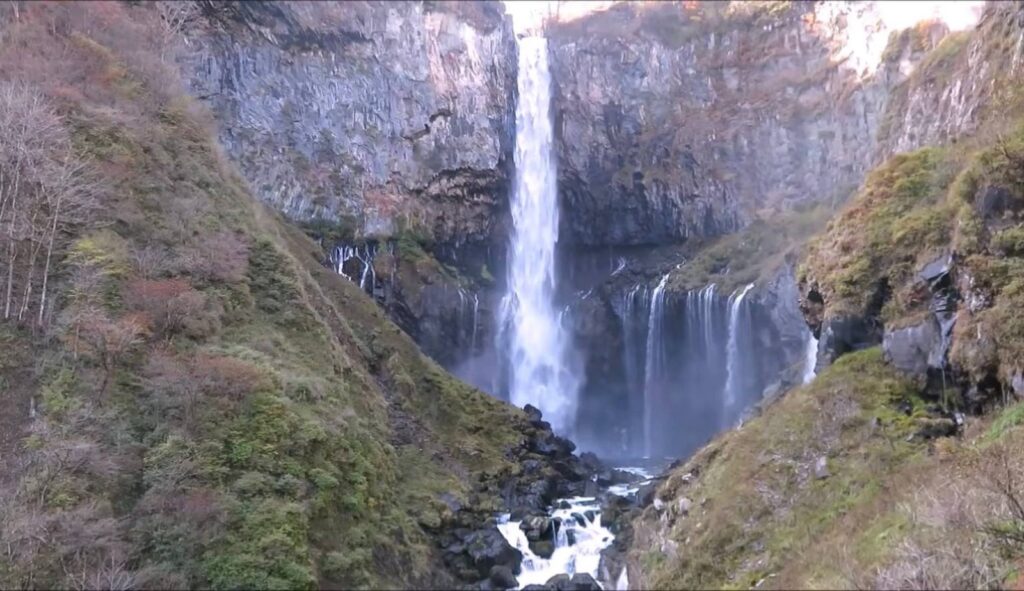
Kegon Falls is one of those iconic Nikko landmarks that instantly proves its worth. Regularly ranked among the top three waterfalls in Japan, its reputation is well-deserved the moment you witness its power. Water plunges nearly 97–100 meters straight down from Lake Chuzenji, creating a spectacle far more commanding than a typical roadside viewpoint. You don’t just observe the falls; you hear the roar, feel the mist, and truly grasp the scale of the drop. It fits seamlessly into a Nikko day trip with straightforward access, and the atmosphere transforms beautifully with the seasons — from lush summer greens and vivid autumn foliage to the ethereal, partially frozen cascades of winter.
The immersive experience of Kegon Falls
What truly distinguishes Kegon Falls is how the experience shifts depending on your vantage point. The upper viewing area provides a sweeping, panoramic look at the gorge — an impressive and accessible first impression. However, the real highlight is the lower observation platform, accessible via an elevator. Standing there, the waterfall feels visceral and immersive; the sound is thunderous, and the spray catches the light right in front of you. This contrast between the serene upper view and the raw power at the base gives the visit much more depth than a standard photo stop. During the colder months, the blend of ice, mist, and crisp mountain air creates a hauntingly beautiful mood quite unlike the greener seasons.
Click here to learn more about creating a personal itinerary
Tip from the itinerary expert: If you have to choose one, prioritize the lower platform. While the upper view is lovely, the lower level is where the sheer scale and energy of Kegon Falls truly hit home.

What are the essential practical details for your visit?
Located in the Lake Chuzenji area of Nikko National Park, reaching Kegon Falls is remarkably simple. From Tokyo, the journey typically takes around 2 hours via train and bus, followed by a breezy 5-minute walk from the bus stop. For those driving, parking is available nearby, which can make exploring the wider Nikko region more flexible, though public transport is perfectly efficient. While the upper viewpoints are free, the elevator to the lower deck costs approximately ¥550–¥600. You can see the main highlights in 20–30 minutes, but allowing 1 hour ensures a much more relaxed pace. Remember that opening hours vary by season, and the mountain air is noticeably cooler than in Tokyo, so check the forecast and layer up accordingly.

Since 2015, our website has specialized in individual planning of unique routes, taking into account personal preferences and desires.
Each of you will receive a unique PDF file from us, which contains everything you need: travel routes, car rentals, hotels, the best tourist attractions, attractions for kids and everything you need for a perfect vacation.
During the trip, we are available for you by phone via WhatsApp.
Our personal service provides information from A to Z, taking into account many small details that can become a decisive factor on the way from a wasted trip to an unforgettable vacation.
Our service will make your trip comfortable, save a lot of time on planning and preparation, and most importantly – will allow you to become freer and fully enjoy the pleasure of the trip.
Tip from the itinerary expert: Budget a little extra time even for a quick visit. Between purchasing tickets, the elevator ride, and navigating the tunnel, things often take longer than expected, particularly when the mountain weather is brisk.
What exactly should you see at Kegon Falls?
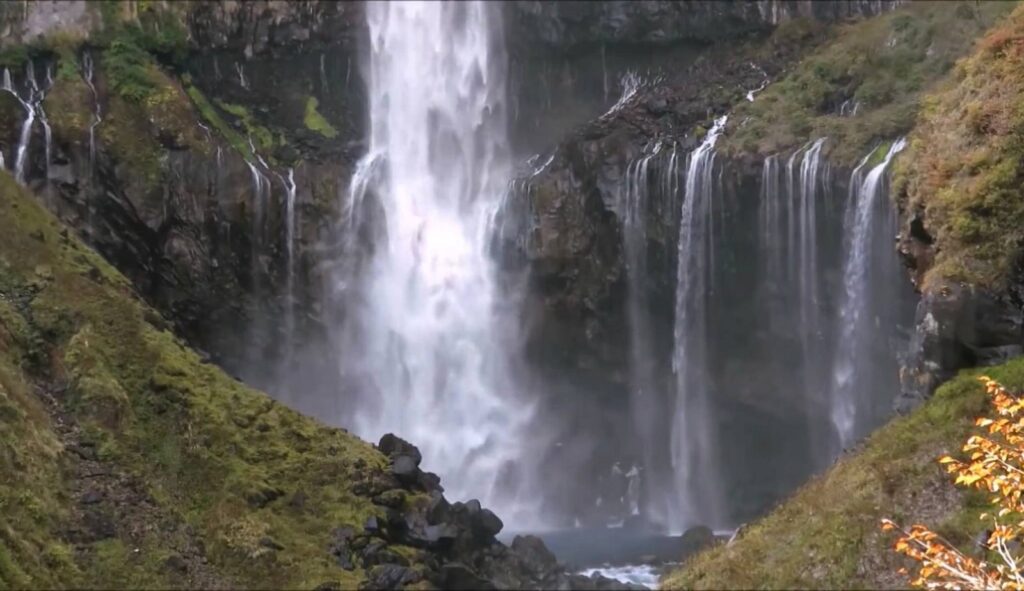
The undeniable centerpiece is the 97-meter waterfall itself, where water plunges from Lake Chuzenji with a thunderous force you’ll hear long before it comes into view. A great way to take it all in is to start at the free upper observation deck, which offers a sweeping panoramic perspective of the falls nestled within the rugged Nikko landscape. From there, make your way to the lower viewing platforms accessed by elevator. This is where the atmosphere shifts completely: the falls feel immersive and powerful, allowing you to spot delicate side streams veering off the rock face. Even the 100-meter descent through the mountain tunnel adds to the experience, building a sense of anticipation before you emerge at the base. After witnessing the power of the water, a short stroll toward Lake Chuzenji provides a serene contrast to the intensity of the falls.
Tip from the itinerary expert: Make time for both viewpoints. The upper level is perfect for capturing the scale of the landscape, while the lower platforms provide the raw emotional impact — together, they offer a complete perspective without significantly extending your visit.
What to visit near Kegon Falls: layering your itinerary
The area surrounding Kegon Falls is remarkably compact, making it easy to weave several iconic stops into a single, well-paced route. Most attractions are either a short walk or a quick bus ride away, allowing you to build a flexible half-day plan without losing time to long transfers.
Lake Chuzenji
Located just moments from the falls, this high-altitude lake feels like a different world — serene, vast, and unhurried. After the raw energy of the waterfall, the still waters offer a natural moment of reflection. You’ll find gentle walking paths along the shore, charming lakeside cafes, and quiet viewpoints perfect for a slower, more contemplative pace.
Tip from the itinerary expert: Even a brief stroll by the water makes a difference. It balances the intensity of the waterfall and rounds out the experience without adding any travel stress.
Distance/Time: a few minutes walk
Nikko Natural Science Museum
A small but insightful stop near the bus terminal that provides essential context to the landscape. It explains the volcanic origins of Lake Chuzenji and the unique mountain ecosystem of the Nikko region. It serves as an excellent indoor break if the mountain weather shifts or if you simply want to understand the ‘why’ behind the scenery.
Tip from the itinerary expert: Keep this as a flexible ‘ace up your sleeve.’ It’s a low-effort addition that adds depth to your trip, especially if you need to duck out of the rain or wind for a while.
Distance/Time: near the bus stop
Local cafes and souvenir area
Right at the entrance to the falls is a cozy cluster of local snack stalls and shops. This is the most convenient spot to recharge with a warm drink or a quick bite before heading toward the lake. The atmosphere is casual and inviting, making it a logical transition point in your day’s route.
Tip from the itinerary expert: If you arrive very early to beat the crowds, note that some stalls might still be setting up. Plan your main food break for later in the morning to ensure the full selection of local treats is available.
Distance/Time: right at the entrance
Ryuzu Falls
Known as the ‘Dragon’s Head’ waterfall, Ryuzu is another Nikko gem that pairs perfectly with Kegon. While Kegon is famous for its sheer vertical drop, Ryuzu cascades over stepped volcanic rock in a wider, more textured flow. It’s particularly breathtaking in early autumn when the surrounding maples turn vibrant red.
Distance/Time: short drive or bus ride
Nikko Toshogu Shrine
Nikko’s most celebrated historical landmark adds a profound cultural layer to your nature-focused trip. The intricate carvings and golden architecture of the shrine offer a striking contrast to the wild scenery of the waterfalls, making for a truly comprehensive Nikko experience.
Tip from the itinerary expert: To make the most of your day, visit the shrine as early as possible before the largest crowds arrive, then head up to the Lake Chuzenji and Kegon Falls area for a more relaxed afternoon.
Distance/Time: part of the Nikko route
Is Kegon Falls right for your trip?
Kegon Falls is an ideal destination for travelers seeking a powerful encounter with nature without the need for complex logistics or strenuous hiking. The primary viewpoints are remarkably accessible; the elevator to the lower platform allows you to experience the thundering cascade up close with minimal physical effort, though you will encounter a few short stair sections near the observation decks. It is particularly well-suited for tight schedules, as even a brief stop provides a vivid sense of the waterfall’s immense scale and atmosphere, while the surrounding area offers plenty of space to wander or relax.
This landmark also appeals to those who enjoy a diverse itinerary — transitioning easily from dramatic natural spectacles to the serene, quiet shores of Lake Chuzenji. The site is well-equipped with essential facilities, including cafes and restrooms, making it a comfortable stop for a wide range of visitors. Just bear in mind that the mountain air is consistently cooler than in Tokyo, and during peak travel seasons, the popularity of the falls can naturally slow your pace.
Click here to learn more about creating a personal itinerary
Tip from the itinerary expert: This is a highly reliable stop if you are traveling in a group with varying energy levels or are short on time. It delivers a world-class natural experience with very little walking required — just aim to arrive early in the morning to beat the crowds and enjoy the roar of the falls in peace.
Kegon Falls Itinerary for 2 Days
Trip Duration: 2 days
Day 1 — Tokyo to Kegon Falls and Lake Chuzenji
Morning: Depart Tokyo early for Nikko, then continue by bus toward the Lake Chuzenji area. The Tobu Limited Express is your most efficient option; the full journey to Kegon Falls typically takes about 2 hours plus a quick local transfer. Since the falls are just a short walk from the bus terminal, this day is very manageable without needing long hikes.
Lunch: After witnessing the waterfall, head to Lake Chuzenji for lunch. For a practical and local meal, Kishino offers reliable budget favorites like pork curry (¥900), katsudon (¥1,100), and yuba soba (¥1,200). If you prefer dining with a view of the water, Lake Center Hitachiya is an excellent alternative, featuring set menus like Shimotsuke Gozen (¥1,500) or the more elaborate Lake Chuzenji Gozen (¥2,600).
Evening: Dedicate your afternoon to Lake Chuzenji, where the pace is noticeably calmer than at the falls. This is the perfect time for a lakeside stroll or photography. If the weather is brisk, the Nikko Natural Science Museum is a great indoor addition (¥510 for adults). Consider staying overnight by the lake for an immersive nature experience, or near Nikko Station for easier logistics tomorrow.
Tip from the itinerary expert: Aim to reach Kegon Falls before noon. While the upper viewpoint is impressive, the paid elevator to the lower platform is the real highlight — at ¥600 for adults, it is one of the best-value experiences in the region. Also, keep in mind that the mountain air can be 10°C cooler than Tokyo, so bring an extra layer.
Overnight Location: Lake Chuzenji or Nikko
Day 2 — Scenic Upper Nikko add-ons and return
Morning: Use your second day to venture slightly further afield. After a quiet morning by the lake, head toward Ryuzu Falls. This extra day is invaluable for photographers wanting the best light and for those who prefer a relaxed rhythm over a rushed day trip from Tokyo.
Lunch: Enjoy a refined lunch before starting your journey back. Coffee House Yukon at the Chuzenji Kanaya Hotel is highly recommended, serving high-quality beef curry (¥2,800) and pork cutlet sandwiches (¥2,400) in a beautiful woodland setting.
Evening: Descend toward central Nikko for a final cultural highlight. The Nikko Toshogu Shrine is the logical choice, with entry at ¥1,600. Its intricate gold-leaf architecture provides a stunning finale to your trip before you board the train back to Tokyo.
Tip from the itinerary expert: Keep Day 2 intentionally flexible. The luxury of this overnight trip is the ability to enjoy the lake at a slower pace. If you are visiting during the autumn foliage season, start as early as possible to stay ahead of the traffic and tour buses.
Overnight Location: Return to Tokyo
Traveller Reviews: Real Experiences at Kegon Falls

Daniel
October 2025

I visited Kegon Falls in late October, and taking the elevator to the lower platform completely transformed the experience. At the base, the waterfall feels visceral — louder, closer, and far more commanding than from the top. The roar of the water is something I’ll never forget. It was also significantly chillier than I anticipated; I was incredibly glad for my extra layers. Tip: don’t assume the weather here matches Tokyo.
Maya
February 2024
Visiting in winter felt like stepping into a surreal, frozen world. Large sections of the falls were iced over, and the mist seemed to hang in the air like sparkling crystals. It was quiet, serene, and lacked the usual crowds. The only real challenge was the biting cold — a heavy winter coat and gloves are absolute essentials for a winter visit.
Omar
March 2023
This was a fantastic stop for our family because the logistics are so straightforward. The walk from the bus terminal is brief, and the elevator ride was a huge hit with the kids. The lower viewpoint provided the best photo opportunities of our entire trip. Just a heads-up: there are a few stairs around the viewing decks, which is worth noting for those with limited mobility.
Sophie
November 2021

I loved how effortlessly you can combine Kegon Falls with a visit to Lake Chuzenji. We started with the intensity of the waterfall and then transitioned to a relaxing lunch by the lake, which made the day feel perfectly balanced. My only advice is to watch the clock — it got quite busy by the afternoon, so I’d definitely aim for an earlier arrival next time.
Ethan
July 2019
Even in the height of summer, the mist from the falls keeps the air surprisingly cool compared to the city heat. While the upper deck is good for a quick look, the lower platform is where the real memories are made. I appreciated how easy it was to linger here; with the snack stalls and shops nearby, it turned into a very relaxed and enjoyable half-day excursion.
Leila
November 2025
Visiting on a weekday was a smart move. There was virtually no wait for the elevator, allowing us to take in the views without any pressure. The waterfall possesses a raw power that photos simply can’t capture. Arriving before the tour buses and bringing a warm jacket—even in the autumn—is the best way to enjoy the site.
Noah
April 2018
The waterfall itself is magnificent and has a real ‘presence.’ However, the mountain weather in April caught me off guard with its cold winds. It’s definitely worth the trip and pairs easily with other Nikko landmarks, but I’d recommend budgeting more time for transport than the schedules suggest, especially during busier periods.
Tips from the itinerary expert
- Arrive early in the morning: The atmosphere is far more serene, the morning light is superior for photography, and you’ll bypass the elevator queues that inevitably form later in the day.
- Don’t settle for the upper view: The 100-meter elevator descent completely transforms the visit. This is where the waterfall’s power becomes truly immersive and visceral.
- Pack an extra layer: Even if Tokyo feels mild, the air around Kegon Falls is significantly colder, especially near the spray and during the transitional seasons.
- Simplify family visits: Start with the waterfall, then transition to a relaxed snack break or a gentle stroll by Lake Chuzenji to keep everyone’s energy levels balanced.
- Bring your own essentials: If you arrive at sunrise, don’t count on the local shops being open yet. Having water and a small snack on hand ensures you aren’t waiting for the entrance stalls to unlock.
- Mind the stairs: While the elevator provides excellent access, be aware that there are still short sections of stairs at the lower observation decks to navigate.
- Balance your day: Pair the dramatic energy of the falls with the quiet expanse of Lake Chuzenji. It’s the perfect way to reset and appreciate Nikko’s diverse natural beauty.
- Plan for autumn traffic: During the peak foliage season, travel times in the mountains can double. Arriving earlier than usual is essential to stay ahead of the tour buses.
- Think of it as a half-day highlight: Treat the falls as a strong anchor for a half-day stop. The visit feels much more rewarding when combined with one or two nearby landmarks.
- Have your camera ready: The moment you emerge from the lower tunnel, the falls appear suddenly and spectacularly. It’s one of the most impactful photo opportunities of the entire trip.
Insights from the itinerary expert
When I last visited Kegon Falls in October 2025, I was struck by how immediate its impact is. Within minutes of arriving, you are standing before a thunderous 100-meter drop that commands the entire landscape. While the upper viewpoint offers a solid overview, I always recommend descending to the lower platform. That is where the visit evolves from a simple photo stop into a true experience — the mist, the roar, and the sheer scale of the water all converge to create something far more powerful.
Navigating the site is straightforward, but small details matter. The elevator ride and the short stair sections at the base require a bit of extra time, so I always factor that into the schedule. Temperature is another factor travelers often underestimate; the mountain air here is consistently crisper than in Tokyo, especially near the spray. One of the greatest advantages of this spot is its proximity to Lake Chuzenji, which provides a serene, contemplative contrast just a short walk away.
Practically speaking, Kegon Falls isn’t a place where you’ll spend hours hiking, but it delivers a definitive “wow” moment with very little effort. This makes it a perfect anchor for a structured itinerary — it provides a memorable highlight without consuming your entire day, provided you arrive early to stay ahead of the peak crowds.
Ultimately, Kegon Falls is a natural fit for any well-planned journey through this region of Japan. It masterfully balances accessibility with dramatic scenery. With the right timing and a bit of professional pacing, it becomes one of those key stops that elevates the entire travel experience.
Expected costs for a Kegon Falls trip
| Name | Amount | Description |
|---|---|---|
| Budget hotel for 2 | 4200 JPY | A realistic starting point for a simple overnight stay in Nikko, perfect for travelers prioritizing location over extensive amenities. |
| Mid-range hotel for 2 | 14550 JPY | A typical entry-level price for a comfortable stay at well-regarded options like Nikko Station Hotel Classic, balancing convenience with quality. |
| Comfort / luxury hotel for 2 | 51000 JPY | Starting rate for a premium experience, such as a lakeside onsen stay at Chuzenji Kanaya Hotel, offering a more serene and refined atmosphere. |
| Public transport | 6100 JPY | The standard round-trip cost for the Tobu Limited Express from Tokyo to Nikko, providing the most direct and comfortable rail connection. |
| Restaurant meal | 1500 JPY | A reliable benchmark for a standard lunch near Lake Chuzenji, where most simple set meals typically fall within this price bracket. |
| Parking | 500 JPY | The typical daily parking fee near Kegon Falls, a minor but practical expense to note if you are exploring the region by car. |
Frequently Asked Questions About Kegon Falls
02
Is the lower observation platform really worth it?
Absolutely. The elevator descent brings you face-to-face with the base of the falls. From here, you can feel the thundering vibration, experience the cooling mist, and grasp the true 97-meter scale — sensations that the upper viewpoint simply cannot replicate.
What we propose

Emma Heidi
Customer Experience Manager
Take all the stress out of planning your trip!
With our experts, you can create the perfect itinerary for you – complete, comfortable, and tailored to all your dreams, wishes, and needs.
We take care of every little detail, so you can simply focus on enjoying your journey.
We’ve been designing personalized itineraries since 2015, and over the years we’ve created thousands of custom itineraries for happy clients.

Save time, avoid confusion – we do the work for you. Our service saves you weeks of searching, reading, comparing, and complicated planning. Instead of wasting endless hours – you receive a ready-to-use, accurate and clear itinerary.

A tailor-made itinerary – built just for you. Your itinerary is personally designed based on our experts’ real field experience and genuine feedback from hundreds of travelers – including hidden discoveries and insider tips that don’t appear in any travel guide.

Smart accommodation selection – often saves you hundreds or even thousands of dollars. We help you choose verified and recommended places to stay, checking availability for your exact travel dates. Sometimes we suggest hotels not “in the center,” but in safe, convenient, and highly strategic locations – which can significantly reduce travel costs and save you even thousands of dollars.

We’re by your side even during the trip. We stay with you throughout your vacation – providing professional help whenever needed. If the weather changes, there’s a strike, a local event, heavy crowds, or any unexpected situation – we are here to update, guide, and adjust your itinerary in real time.

Easy-to-use itinerary – with direct navigation links. Your itinerary includes direct Waze / Google Maps links – no need to search for parking addresses, no stress, no mistakes. Just tap – and go.

Service cost: from only $420. (Special price for short itineraries up to 5 days). Clients tell us the itinerary saves them costly mistakes, fines, wrong choices – plus exclusive discounts on car rentals, better-priced accommodations, and money-saving local tips.
Want to know if it’s really worth it?
Take a look at the experiences of travelers who built their personal itinerary with us.
Click here and let’s start building the itinerary that will save you time, money, and stress – and turn your vacation into perfection.
Of course, your first inquiry is completely free – with no commitment whatsoever.
How it works


- You are welcome to contact us
- We discuss your trip
- You fill out a special form
- We create your itinerary
- You get it with all useful tips
- We are in touch with you all the time