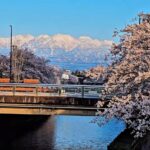
My love for Japan began the moment I arrived in Tokyo. The country amazed me with its harmony of ancient traditions, cutting-edge technology, breathtaking nature, and a culture unlike any other. Since then, Japan has become a part of my life, and I return there again and again. Today I help travelers discover the real Japan: I create personalized itineraries, give lectures, and prepare guests for their unforgettable journey. I would be delighted to open Japan for you too!


Spring in Japan
Spring in Japan is a season of breathtaking natural beauty and renewal, celebrated with deep cultural significance. As winter fades, the landscape transforms into a vibrant canvas of pink and white cherry blossoms, lush greenery, and blooming flowers that captivate both locals and travelers alike.
Climate and Weather Conditions
Spring in Japan is marked by pleasant weather and gradually warming temperatures, making it an ideal season for exploration. However, understanding the regional climate differences is important when planning a trip, as conditions can vary greatly by region and month.
Average Temperatures (Month-Month)
- May 3: As winter approaches, temperatures range from 5°C to 15°C (41°F to 59°F) in most parts of Japan. Northern regions like Hokkaido remain chilly, while cities such as Tokyo and Osaka begin to warm up.
- May 4: By this time, temperatures rise to a comfortable range of 10°C to 20°C (50°F to 68°F), and cherry blossoms reach full bloom in central Japan.
- May 5: Late spring offers the warmest weather, averaging between 15°C and 25°C (59°F to 77°F). It’s a great time for outdoor activities like hiking and exploring gardens.

Regional Climate Differences
Japan’s geography offers a wide variety of climates:
- Northern Japan (Hokkaido): Spring arrives later, with cherry blossoms blooming from late April to early May. The area remains cool, with occasional snowfall in early May.
- Central Japan (Tokyo, Kyoto, Osaka): Mild temperatures and earlier flowers make this region a favorite for travelers.
- Southern Japan (Kyushu, Okinawa): The region warms up faster and offers subtropical charm, with spring flowers blooming from late March to early April.
What to Wear
Spring weather in Japan can be unpredictable, often accompanied by sudden rains and chilly nights on sunny days. The smart packing method is as follows:
- Early April (Month 3): Layering is essential. Light sweaters, jackets, and scarves are ideal.
- Mid-April to Early May (Month 4): A midweight jacket and comfortable walking shoes are recommended.
- Late April to Early May (Month 5): Light clothing, such as a cardigan or breathable layer, works best, but a light jacket is useful for cool evenings.

Sakura: Planning and Highlights
Cherry blossoms, or sakura, are a quintessential spring experience in Japan. This fleeting natural phenomenon draws visitors from around the world, creating unforgettable moments of beauty and cultural connection.
Cherry Blossom Forecast
The flowering time of cherry blossoms varies by region:
- In southern Japan, cherry blossoms bloom from late March to early April.
- Central Japan (Tokyo, Kyoto) typically sees full bloom in early April.
- Hokkaido enjoys cherry blossoms later, typically in late April to early May.
Best Places for Hanami (Cherry Blossom Viewing)
- Tokyo: Ueno Park and Chidorigafuchi are iconic spots for hanami under the lush cherry trees.
- Kyoto: Philosopher’s Path and Kiyomizu-dera Temple offer breathtaking views in a traditional setting.
- Osaka: Osaka Castle and the nearby park present a magical landscape, adorned with cherry blossoms.
- Hidden Gems: For a quieter experience, visit less crowded places like Kakunodate in Akita or Mount Yoshino in Nara.

Hanami Tradition
Hanami, or cherry blossom viewing, is a cherished tradition that involves picnicking under blooming trees with friends and family. Typical activities include enjoying seasonal snacks, drinking, and basking in the tranquil atmosphere.
Practical Tips for Hanami
- Arrive early at popular spots to secure a good picnic spot.
- Respect the environment: Avoid littering and follow local guidelines.
- Photography: Visit in the early morning or evening for softer light and fewer crowds.

Other Natural Wonders of Spring
While cherry blossoms may steal the spotlight, Japan offers a myriad of other natural wonders in spring.
- Wisteria (Fuji): The wisteria flowers at Ashikaga Flower Park (near Tokyo) create a tunnel of purple, pink, and white flowers, typically blooming in late April to early May. Kawachi Wisteria Garden in Kitakyushu is another stunning location.
- Nemophila at Hitachi Seaside Park: Late April to early May brings a sea of blue flowers to Hitachi Seaside Park in Ibaraki Prefecture. This surreal display of nemophila (baby blue eyes) is perfect for a scenic walk.
- Tateyama Kurobe Alpine Route: Open from mid-April to mid-May, this route offers a unique experience with towering snow walls in the Japanese Alps, contrasting with the lush greenery of spring.
- Moss Phlox near Mt. Fuji: The Fuji Shibazakura Festival, held near Lake Motosuko, features moss phlox in full bloom from late April to early May, creating a vibrant carpet of flowers against the backdrop of Mt. Fuji.
Spring Festivals and Events in Japan
Spring is also a time of lively festivals in Japan, offering visitors a chance to immerse themselves in local traditions.
Main Festivals and Dates
- Hanami Celebrations: Parks like Ueno (Tokyo) and Maruyama (Kyoto) host large gatherings featuring live performances, food stalls, and traditional dances.
- Hina Matsuri (March 3): This festival celebrates the health and well-being of girls, with elaborate doll exhibitions, especially in Kyoto and Nagoya.
- Golden Week (Late April to early May): A series of national holidays, with cultural festivals like the Hakata Dontaku Festival in Fukuoka.
Since 2015, our website has specialized in individual planning of unique routes, taking into account personal preferences and desires. Each of you will receive a unique PDF file from us, which contains everything you need: travel routes, car rentals, hotels, the best tourist attractions, attractions for kids and everything you need for a perfect vacation. During the trip, we are available for you by phone via WhatsApp. Our personal service provides information from A to Z, taking into account many small details that can become a decisive factor on the way from a wasted trip to an unforgettable vacation. Our service will make your trip comfortable, save a lot of time on planning and preparation, and most importantly – will allow you to become freer and fully enjoy the pleasure of the trip.
Regional Festival Highlights
- Takayama Spring Festival (Mid-April): Famous for its night parades illuminated by ornate floats and lanterns.
- Aoi Matsuri (May 5): A grand procession in Kyoto featuring participants dressed in Heian period costumes, recreating Imperial Court rituals.
- Kanda Matsuri (held in odd-numbered years in Tokyo): A lively festival with mikoshi (portable shrines) parades and street performances.
Festival Participation Tips
- Comfortable Clothing: While traditional clothing like yukata (light kimono) is encouraged, casual attire is also fine.
- Arrive Early: Festival locations can get crowded, so it’s best to arrive early to secure a good spot.
- Respect Local Customs: Show respect for local traditions, such as bowing at shrines and following festival etiquette.

Japanese Spring Gastronomy
Spring offers travelers both traditional and modern cuisine, introducing a fresh palette of seasonal flavors to Japanese cuisine.
Seasonal Ingredients and Dishes
- Sweets with a cherry blossom motif: Sweets such as sakuramochi and cherry-flavored soft serve ice cream feature a cherry blossom theme.
- Takenoko: A prized spring delicacy, takenoko (bamboo shoots) is used in dishes such as stewed takenoko and takenoko rice.
- Wild vegetables: Wild vegetables like fuki (butterbur) and bracken are often used for tempura and soup.
Recommended Spring Specialties
- Kaiseki: Spring-themed kaiseki cuisine highlights the best of the season with skillfully arranged courses.
- Grilled fish: Seasonal catches such as ayu (sweetfish) are easily prepared to emphasize their natural flavor.
- Sakura sake: A sweet, flower-infused sake perfect for celebrating hanami or festivals.
Street Food and Festivals
During the spring festival, food stalls (“yatai”) offer popular street foods such as:
- Takoyaki: A popular octopus ball from Kansai.
- Taiyaki: A fish-shaped pastry filled with anko (sweet red bean paste) or custard.
- Yakitori: Grilled chicken skewers, a festival staple.

Practical Travel Tips for Spring Visitors
Spring is one of the most popular tourist seasons in Japan. Some practical tips can make your trip smoother and more enjoyable.
Budget Management
- Travel Pass: Invest in regional rail passes like the JR Pass to save on transportation costs.
- Seasonal Deals: Many hotels and inns offer spring packages with discounts and additional benefits, such as free breakfast.
Crowd Management
- Off-Peak Time: Popular spots like Arashiyama and Mt. Fuji can get crowded. Visiting during off-peak hours will help avoid the rush.
- Explore Lesser-Known Areas: Places like Kanazawa and Shikoku offer beautiful views without the crowds.
Booking Essentials
- Plan in Advance: Spring is peak travel season, so book accommodation, transportation, and attractions early.
- Alternative Option: If the iconic spots are full, explore nearby areas offering similar experiences (e.g., a smaller park for cherry blossom viewing).
Prepare for the Weather
- Rain Gear: Spring showers are common, so be sure to pack a compact umbrella.
- Layered Clothes: The temperature can vary throughout the day, making layered clothing ideal.

Special Highlights for Spring Travelers
Spring in Japan offers a unique opportunity to enjoy activities and attractions during this season. Here are some special recommendations for your trip:
Spring Photos
Japanese spring scenery is a paradise for photography lovers. From cherry blossom-lined rivers to vibrant flower fields, there are countless opportunities for stunning shots.
- Best Time for Photos: Early mornings offer soft lighting and fewer crowds. Golden hour (just after sunrise or before sunset) provides a warm glow for your images.
- Iconic Places:
- Mt. Fuji with Cherry Blossoms: Spots like the Nakaryo Pagoda offer postcard-like views.
- Nemophila Field: Hitachi Seaside Park is famous for its hills covered in baby blue flowers.
- Tip: Use a tripod for long exposure shots during nighttime cherry blossom illuminations.
Relax in a Hot Spring
Spring is an ideal time to experience Japanese hot spring culture. After a day of exploration, bathing in the hot springs will rejuvenate your body and mind.
- Seasonal Appeal: Many hot spring resorts are set against beautiful spring backdrops, with blooming flowers or nearby streams enhancing the atmosphere.
- Recommended Hot Springs:
- Hakone: Known for its views of Mt. Fuji.
- Kusatsu: Famous for its high-quality sulfuric acid water.
- Open-Air Baths: Relax while enjoying the natural scenery.
Seasonal Shopping and Souvenirs
Spring-themed products dominate Japanese markets and department stores. Look out for limited-edition items and handmade goods.
- Seasonal Goods:
- Cherry Blossom-Inspired Products: Cosmetics, snacks, and even drinks come in cherry blossom flavors and designs.
- Handmade Fans: Perfect for both functionality and artistry, often featuring spring motifs.
- Popular Shopping Places:
- Ginza and Omotesando in Tokyo: High-end boutiques with unique seasonal discoveries.
- Nishiki Market in Kyoto: Local crafts and cuisine.
Activities for Families and Children
Spring is a wonderful time for families, offering activities children can enjoy while making lasting memories.
- Parks and Zoos: Parks like Ueno and Osaka Castle offer cherry blossoms, playgrounds, and open spaces perfect for picnics.
- Cultural Workshops: Many towns offer calligraphy, tea ceremony, and craft workshops, ideal for young travelers.
- Theme Parks:
- Tokyo Disneyland and Disney Sea: Special spring-themed parades and events.
- Universal Studios Japan (Osaka): Offers a spring-only attraction.
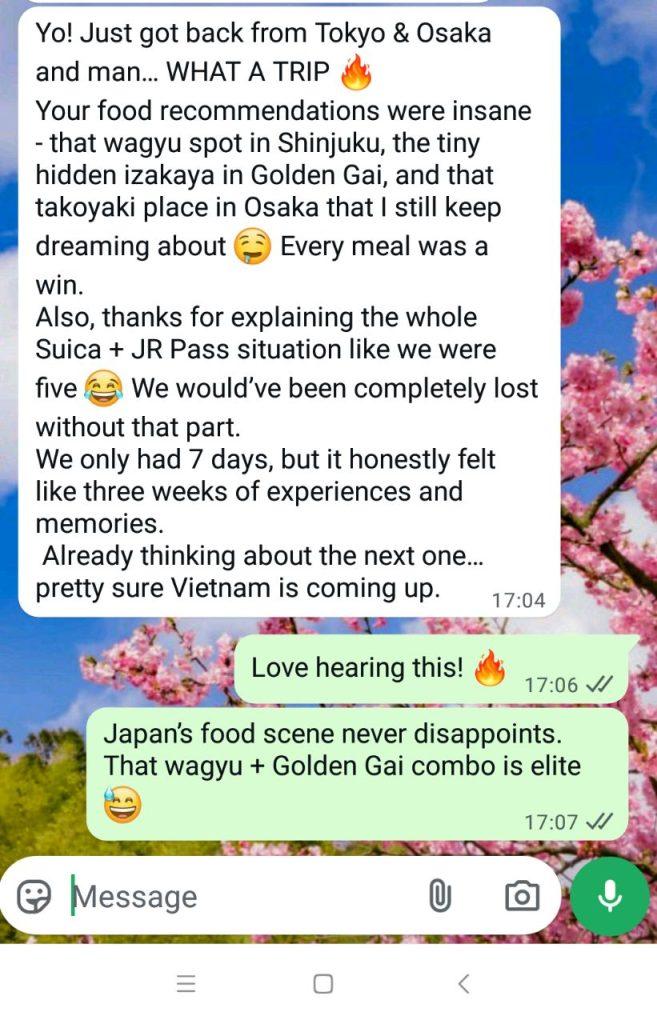
What we propose Emma Heidi Take all the stress out of planning your trip! With our experts, you can create the perfect itinerary for you – complete, comfortable, and tailored to all your dreams, wishes, and needs. We take care of every little detail, so you can simply focus on enjoying your journey. We’ve been designing personalized itineraries since 2015, and over the years we’ve created thousands of custom itineraries for happy clients. Save time, avoid confusion – we do the work for you. Our service saves you weeks of searching, reading, comparing, and complicated planning. Instead of wasting endless hours – you receive a ready-to-use, accurate and clear itinerary. A tailor-made itinerary – built just for you. Your itinerary is personally designed based on our experts’ real field experience and genuine feedback from hundreds of travelers – including hidden discoveries and insider tips that don’t appear in any travel guide. Smart accommodation selection – often saves you hundreds or even thousands of dollars. We help you choose verified and recommended places to stay, checking availability for your exact travel dates. Sometimes we suggest hotels not “in the center,” but in safe, convenient, and highly strategic locations – which can significantly reduce travel costs and save you even thousands of dollars. We’re by your side even during the trip. We stay with you throughout your vacation – providing professional help whenever needed. If the weather changes, there’s a strike, a local event, heavy crowds, or any unexpected situation – we are here to update, guide, and adjust your itinerary in real time. Easy-to-use itinerary – with direct navigation links. Your itinerary includes direct Waze / Google Maps links – no need to search for parking addresses, no stress, no mistakes. Just tap – and go. Want to know if it’s really worth it? Take a look at the experiences of travelers who built their personal itinerary with us. Click here and let’s start building the itinerary that will save you time, money, and stress – and turn your vacation into perfection. Of course, your first inquiry is completely free – with no commitment whatsoever. How it works
Customer Experience Manager


Service cost: from only $420. (Special price for short itineraries up to 5 days). Clients tell us the itinerary saves them costly mistakes, fines, wrong choices – plus exclusive discounts on car rentals, better-priced accommodations, and money-saving local tips.


Latest articles