France expert with over 14 years of experience - living in France since 2010 and continuously exploring its depth and authenticity. Cycled over 15,000 km, explored all 13 regions, and created more than 170 custom itineraries through villages, wineries, castles, and hidden places known only to locals. Revealing the real France that lives beyond Paris and tourist guidebooks.


Provence
Nestled in southern France, Provence presents a rich tapestry of experiences, ranging from Roman ruins to rolling vineyards and lavender fields. This sun-drenched region extends from the Mediterranean coast to the Rhône Valley, offering diverse landscapes and cultural treasures. Thanks to modern infrastructure, Provence is highly accessible, with TGV high-speed trains linking Paris to the south in under three hours (€45-120, depending on booking time). Additionally, a network of toll highways (autoroutes) facilitates efficient travel between major destinations, with typical intercity routes costing between €5 and €15.
Key Cities of Provence
Nîmes
The city of Nîmes is renowned for possessing some of the best-preserved Roman architecture in the world. The remarkably intact Maison Carrée (Square House), dating back to 4 CE, rivals Rome’s Pantheon in preservation quality and offers visitors a glimpse into imperial architecture (open daily 9:30-18:00, €6). Nearby, the Nîmes Arena (Arènes de Nîmes) continues to host events as it has for nearly 2,000 years, including the unique Provençal-style bullfighting that emphasizes skill over bloodshed (events primarily occur from May to September, with tickets priced between €15 and €80).
Beyond its Roman treasures, Nîmes features elegant pedestrian zones filled with cafés and boutiques. The city’s prosperity historically stemmed from textile production—“denim” actually means “from Nîmes” (de Nîmes). This industrial heritage is commemorated in the Jardins de la Fontaine, luxurious gardens established in the 18th century to support the textile industry, which stand as France‘s first grand public gardens not intended for royalty (free entry, open daily until sunset).
Must-see attractions in Nîmes:
- Maison Carrée – Exquisitely preserved Roman temple (€6)
- Arènes de Nîmes – Ancient arena still hosting events (€9)
- Jardins de la Fontaine – Elegant 18th-century gardens (Free)
- Tour Magne – Roman tower offering panoramic views of the city (€3)
Arles
Arles blends Roman grandeur with artistic heritage. The UNESCO-listed Roman arena (€9, combo tickets available) hosts bullfights and concerts, while the city’s compact historic center offers charming pedestrian zones. For a truly authentic experience, visit during the vibrant twice-weekly markets (Wednesday and Saturday mornings), which transform the ring road into a sensory feast of regional products, flowers, and multicultural offerings that reflect its Mediterranean crossroads.
Art enthusiasts will appreciate Arles’ connection to Vincent van Gogh, who created nearly 200 paintings during his prolific year in the city. Although none of his original works can be found here, the Van Gogh Foundation (Fondation Vincent van Gogh) features contemporary artists’ interpretations of his legacy (€10, closed Mondays). For those seeking comfortable accommodations with local character, Hotel Calendal offers quiet rooms with Provençal-style courtyards, priced between €80 and €150, which include breakfast and internet access.
The Arlatene Museum offers insight into Provençal folk culture, showcasing traditional clothing and intriguing customs, such as wedding armoires gifted to brides containing essentials for starting their new lives (€5, closed Tuesdays).

Avignon
Avignon is dominated by the imposing Papal Palace (Palais des Papes), which served as the center of Western Christianity during the 14th century. This Gothic masterpiece provides fascinating insights into medieval political intrigue and religious fervor (€12, audio guide recommended). The famous Avignon Bridge (Pont d’Avignon or Pont Saint-Bénézet), celebrated in the folk song, now consists of just a few remaining arches, but it offers excellent views of the Rhône River (€5, combined ticket with Palace €14.50).
Modern Avignon thrives behind its medieval walls, blending student energy with stylish shopping districts. Consider visiting during the renowned Avignon Festival in July for world-class theater performances, but be prepared for accommodation prices to double (book 6+ months in advance).
Click here to create a personal itinerary for FranceAix-en-Provence
Historic Aix-en-Provence exemplifies sophisticated Provençal living at its finest. The elegant Cours Mirabeau boulevard serves as the city’s showcase, designed for the wealthy to parade beneath the plane trees in their finery. Today, this wide, pedestrian-friendly avenue hosts some of the region’s finest cafés, perfect for people-watching (expect to pay €4-5 for a coffee, but the experience is worth it).
The university imbues Aix with youthful energy, while its aristocratic past is evident in the mansions that line its streets. Don’t miss the farmers’ market (daily except Mondays, best visited before 11:00), where local producers sell fresh produce under the graceful plane trees. The market offers an excellent opportunity to sample the region’s culinary treasures, including goat cheese, olives, and aromatic herbs.

Natural Wonders and Routes
Lavender Fields
Provence’s iconic lavender fields create a purple paradise, particularly around Valensole (Plateau de Valensole). The optimal viewing period runs from late June to mid-July when the flowers reach peak bloom, filling the air with their soothing scent. For photographers, early morning or late afternoon provides the most flattering light for capturing this quintessential Provençal scene.
Avoid weekends in July when fields become crowded with tourists. Consider joining a specialized tour (€45-60) that takes you to lesser-known fields while providing insights into lavender cultivation and distillation processes. Many farms sell lavender products ranging from essential oils (€5-15) to sachets and cosmetics, along with opportunities to learn about traditional harvesting techniques.
Best lavender viewing locations:
- Valensole Plateau – The most photographed and extensive fields
- Sault Valley – Higher elevation with a later blooming season
- Abbey of Sénanque – A historic monastery surrounded by lavender
- Luberon Regional Park – Scattered fields among picturesque villages
Since 2015, our website has specialized in individual planning of unique routes, taking into account personal preferences and desires. Each of you will receive a unique PDF file from us, which contains everything you need: travel routes, car rentals, hotels, the best tourist attractions, attractions for kids and everything you need for a perfect vacation. During the trip, we are available for you by phone via WhatsApp. Our personal service provides information from A to Z, taking into account many small details that can become a decisive factor on the way from a wasted trip to an unforgettable vacation. Our service will make your trip comfortable, save a lot of time on planning and preparation, and most importantly – will allow you to become freer and fully enjoy the pleasure of the trip.
Calanques National Park (Parc National des Calanques)
This stunning natural wonder features dramatic limestone cliffs that plunge into turquoise Mediterranean waters near Marseille and Cassis. The park offers numerous hiking trails of varying difficulty, with the Port-Miou, Port-Pin, and En-Vau calanques (narrow coastal inlets) being the most accessible from Cassis (2-4 hour round trips).
During the summer (June 1-September 30), access to certain trails may be restricted due to fire risks, so it’s wise to check conditions before visiting. Boat tours provide an alternative perspective (€25-35 for a 3-calanque tour from Cassis port), while diving enthusiasts can explore the rich underwater ecosystem. For a unique experience, some restaurants nestled in tiny harbors within the calanques serve fresh seafood with stunning views, though reservations are essential, and prices reflect the exclusive settings (€40-60 per person).

Verdon Gorge (Gorges du Verdon)
Often called “France’s Grand Canyon,” the Verdon Gorge features turquoise waters cutting through towering limestone cliffs. The scenic Route des Crêtes driving circuit offers spectacular panoramic viewpoints along a 24 km loop (allow 2-3 hours, including stops). For a closer encounter, rent kayaks or paddleboards at Lac de Sainte-Croix (€20-25/hour), where the gorge opens into a beautiful artificial lake.
Adventure seekers will find numerous rock climbing routes, while hikers can explore the well-maintained Sentier Martel trail (14 km, 7-8 hours, moderate difficulty). Visit outside of July and August to avoid crowds and high temperatures. Local accommodations range from lakeside campgrounds (€15-25 per night) to charming village hotels (€70-120), but be sure to book several months in advance for summer visits, as this natural wonder attracts visitors from across Europe.
Mont Sainte-Victoire (Montagne Sainte-Victoire)
This iconic limestone peak, immortalized in over 60 paintings by Paul Cézanne, rises dramatically from the Provençal landscape east of Aix-en-Provence. Several well-marked hiking trails accommodate different fitness levels, with the Croix de Provence path (4 km, 2-3 hours round trip) offering rewarding panoramic views without excessive difficulty.
The changing light and vibrant colors of the mountains inspired Cézanne’s pioneering style, making a visit feel like stepping into his paintings. The Terrain des Peintres viewpoint offers the classic perspective featured in many of his works. Be sure to bring plenty of water, as the mountain can be scorching during the summer months. It is advisable to avoid afternoon hikes from June to August. The nearby village of Le Tholonet provides excellent dining options for post-hike refreshment, with traditional Provençal restaurants serving seasonal specialties (€25-40 for full meals).
Click here to create a personal itinerary for FranceRoman Aqueducts and Mills
The magnificent Pont du Gard aqueduct is arguably the finest example of Roman engineering in the region. This UNESCO World Heritage site supported a water channel that brought fresh water to Nîmes across a three-tiered bridge (€9.50, which includes museum access that explains Roman water management). Visitors in the summer can enjoy swimming in the river beneath the monument’s arches, and evening light shows illuminate the structure during July and August (additional €7-15 depending on the events).
For a less-visited ancient wonder, explore the Barbegal Aqueduct and Mill Complex near Arles. These ruins represent an ancient Roman “power plant” that channeled water to drive eight separate mills, producing enough flour daily to feed 12,000 people. The site provides a fascinating glimpse into Roman industrial innovation with no entrance fees and fewer crowds. However, hiring a knowledgeable guide (€120-150 for 2-3 hours) significantly enhances the understanding of this engineering marvel.

Villages and Countryside
Hilltop Villages
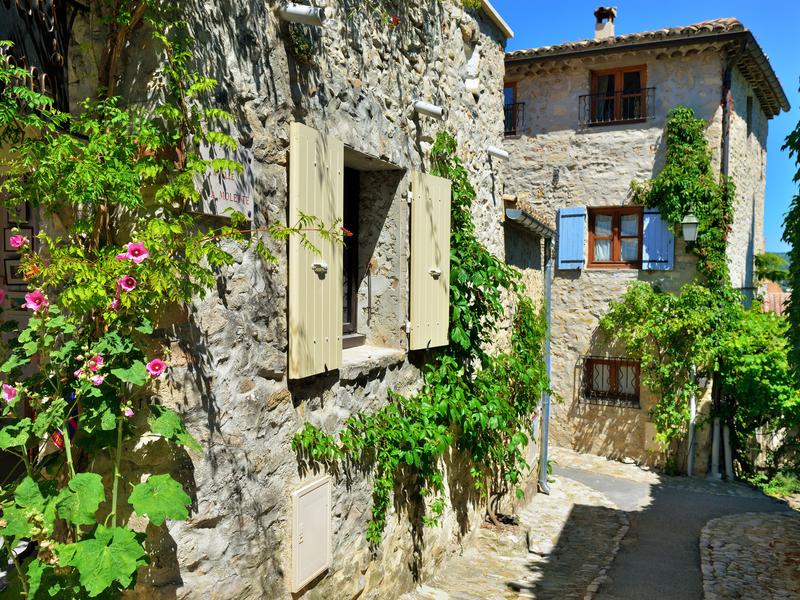
The perched villages of Provence feature enchanting labyrinths of narrow, winding streets lined with weathered stone houses. Gordes is home to an impressive Renaissance castle (Château de Gordes), offering breathtaking views of the Provençal landscape (€7 for castle entry; exterior views are free). Early morning visits (before 10:00) allow guests to appreciate the village before day-trippers arrive.
Roussillon is notable for its ochre cliffs, which create a vivid palette of reds and oranges that seem to glow in the golden sunlight. The Sentier des Ocres trail provides an easy 30-minute walk through these colorful formations (€3 entry). Both villages can become extremely crowded in July and August; visiting in May, June, or September offers a more authentic experience.
Charming Villages Worth Exploring:
- Gordes – Renaissance castle and spectacular valley views
- Roussillon – Distinctive ochre cliffs in vibrant colors
- Ménerbes – Made famous by Peter Mayle’s “A Year in Provence”
- Bonnieux – Dramatic hillside setting with excellent restaurants
- Lourmarin – Renaissance château and lively Friday market
For travelers looking for lesser-known gems, consider visiting on weekdays or during shoulder seasons. Many villages boast excellent small restaurants serving regional cuisine, often featuring panoramic terraces. When making a reservation, mentioning “vue panoramique” can help secure the best tables, with dinner prices typically ranging from €30 to €45, including wine.
Click here to learn more about creating a personal itineraryCôtes du Rhône Wine Region
The sun-soaked Côtes du Rhône vineyards produce wines that are both delicious and affordable. Wine enthusiasts should explore village cooperatives, such as those in Gigondas, where sampling directly from producers offers fantastic value, often with tastings that are free or have a nominal fee with purchase. Unlike commercial wineries, these authentic establishments generally do not require appointments for small groups during normal business hours (typically 9:00-12:00 and 14:00-18:00).
When selecting wines, keep in mind that French labels indicate terroir (location) instead of grape varieties. Staff members can assist in pairing wines with your planned meals—full-bodied reds complement regional dishes like daube (beef stew), while the often-overlooked rosés provide a refreshing accompaniment to lighter fare. Purchasing directly from producers can result in savings of 30-50% compared to retail prices abroad.
The most prestigious appellation, Châteauneuf-du-Pape, warrants a special visit, not only for its exceptional wines but also for the unique large rounded stones that adorn its vineyards. These stones absorb heat during the day and release it at night, creating optimal growing conditions. Expert-led tours that combine multiple wineries cost between €70 and €120 per person and include transportation, alleviating concerns about driving after tastings.
Notable wine appellations to explore:
- Châteauneuf-du-Pape – Full-bodied reds with spice notes (€20-50)
- Gigondas – Similar profile to Châteauneuf but more affordable (€15-30)
- Tavel – Exclusively produces distinctive dry rosés (€10-20)
- Vacqueyras – Bold reds with excellent aging potential (€15-25)
- Lirac – Less famous neighbor to Châteauneuf offering excellent value
Sénanque Abbey (Abbaye de Sénanque)
This tranquil 12th-century monastery is home to a devoted community of Cistercian monks who tend to the surrounding lavender fields. The abbey’s simple stone architecture beautifully contrasts with the purple lavender blooms during the summer months. Visitors can tour certain parts of the monastery (€8.50, with guided tours available), though some areas remain reserved for the monks’ private use.
For the most atmospheric experience and the best photographs, arrive early in the morning when the light casts a golden glow over the abbey. The on-site shop sells monk-produced honey, essential oils, and lavender products—ideal for authentic souvenirs. During lavender season (mid-June to mid-July), photography enthusiasts should arrive before 8:00 AM to capture images without crowds, as tour buses begin arriving by 9:30 AM.

Cultural Highlights
Provençal Cuisine
The cuisine of this region celebrates fresh, sun-ripened ingredients enhanced by distinctive herbs and olive oil. Local markets are an excellent opportunity to discover seasonal specialties, such as tomatoes, zucchini flowers, and melons in the summer, or wild mushrooms and truffles in the winter.
Signature Provençal Dishes to Try:
- Bouillabaisse – A complex seafood stew from Marseille (€25-40)
- Ratatouille – A vegetable medley featuring eggplant, zucchini, peppers, and tomatoes
- Tapenade – An olive spread with capers and anchovies
- Daube provençale – A slow-cooked beef stew made with wine and herbs
- Aioli – Garlic mayonnaise served with cod and vegetables
Many restaurants offer “menu du jour” options, providing excellent value for authentic meals (typically €15-25 for three courses at lunch). Cooking classes, which cost €60-120 for half-day sessions, offer valuable insights into regional techniques and frequently include market visits and wine pairings. It’s advisable to reserve at least a week in advance during high season.
Markets in the region not only offer an abundance of fresh ingredients but also serve as social hubs where locals gather to exchange news while selecting the day’s produce. Market days vary by town (usually held in the morning until 13:00), with the most impressive markets at Aix-en-Provence (daily except Mondays), Arles (Wednesdays and Saturdays), and St-Rémy-de-Provence (Wednesdays). Be sure to come prepared with small bills, a shopping bag, and to arrive before 10:00 for the best selection.
Traditions and Entertainment
Provençal-style bullfighting (course camarguaise) provides a more humane alternative to its Spanish counterpart. Contestants attempt to snatch a ribbon from a bull’s horns without harming the animal, which always leaves the arena triumphantly (events primarily occur from May to September).
Pétanque, the southern French version of boules, can be found in every village on dedicated gravel courts. Locals often welcome curious travelers to try their hand at this social game, which perfectly embodies the relaxed Provençal lifestyle.
Before dinner, join locals in savoring pastis, the traditional anise-flavored aperitif that turns cloudy when water is added (€2-3 at most cafés). The ritual of gathering with friends before meals has become almost traditional in towns like Arles, where the Place du Forum provides the perfect setting for this pre-dinner custom.
Click here to learn more about creating a personal itineraryArtistic Heritage
Van Gogh’s time in Arles generated an artistic explosion inspired by Provence’s magical light. While visiting the locations that inspired him, such as the courtyard of the former hospital (now Espace Van Gogh), remember the artist’s claim that “the future of art is here in the south of France.” The region’s artistic legacy continues, with numerous galleries showcasing both historical and contemporary works.
Cézanne’s relationship with Mont Sainte-Victoire highlights the profound impact of the Provençal landscape on artistic movements. His studio in Aix-en-Provence, known as Atelier de Cézanne, remains preserved as he left it (€6.50, closed Mondays), providing valuable insights into his working methods. For art enthusiasts, the Granet Museum (Musée Granet) in Aix boasts an impressive collection, including works by Cézanne and Picasso (€8, closed Tuesdays).
Art-Focused Itinerary:
- Van Gogh Foundation in Arles: Contemporary interpretations of his legacy
- Espace Van Gogh: The former hospital where he was treated
- Atelier de Cézanne: The artist’s preserved studio in Aix
- Musée Granet: Significant collection of Provençal artists
- Terrain des Peintres: Viewpoint where Cézanne painted Mont Sainte-Victoire

Practical Planning Advice
The best times to visit Provence are in May-June and September when temperatures are pleasant (20-25°C) and the summer crowds are less intense. During these shoulder seasons, accommodation costs typically drop by 30-40% compared to the peak months of July-August, and attractions remain fully operational.
Transportation between cities is most efficiently done via regional trains or rental cars (starting at €30/day). To explore rural areas, having a vehicle offers the greatest flexibility, although summer traffic around popular sites can be challenging. Renting bicycles for touring wine regions and the countryside is also a great option (€15-25/day).
Seasonal Highlights Calendar:
- Spring (March-May): Wildflowers, asparagus season, ideal hiking weather
- Summer (June-August): Lavender blooms, festivals, outdoor markets
- Fall (September-November): Wine harvest, mushroom hunting, olive picking
- Winter (December-February): Truffle season, Christmas markets, fewer tourists
First-time visitors may find restaurant opening hours confusing—lunch typically runs from 12:00 to 14:00, and dinner starts no earlier than 19:30, with kitchens often closing by 21:30. Making lunch reservations for 13:00 and dinner for 20:00 is advisable to align with local customs and ensure that the full menu is available.
When selecting accommodations, consider smaller towns rather than major cities. Places like St-Rémy-de-Provence or Uzès offer authentic experiences with easy access to attractions while avoiding urban congestion. Options range from boutique hotels in converted historic buildings (€120-200) to charming bed and breakfasts (€80-120) and rural gîtes for longer stays (€600-1200 weekly, depending on size and season).
For a more authentic experience, learn a few French phrases beyond the basics. Even simple greetings and polite expressions can significantly enhance interactions, as Provençal people genuinely appreciate visitors who make the effort. Useful phrases include “C’est délicieux” (This is delicious) and “Quelle belle vue” (What a beautiful view).
Budget Planning for Different Travel Styles:
- Budget Travelers: €80-120/day (basic accommodations, picnic lunches, select attractions)
- Mid-Range Travelers: €150-250/day (comfortable hotels, restaurants, most attractions)
- Luxury Experience: €300+/day (boutique accommodations, fine dining, private tours)
Provence rewards those who explore beyond the major attractions. While the region’s renowned sites deserve their acclaim, equally enchanting experiences await in lesser-known villages and tranquil countryside roads, where the authentic rhythm of Provençal life remains unaffected by tourism. Consider dedicating at least one day to simply wandering wherever your curiosity leads you—often, the most memorable experiences arise from unexpected discoveries rather than a checklist of attractions.
What we propose Emma Heidi Take all the stress out of planning your trip! With our experts, you can create the perfect itinerary for you – complete, comfortable, and tailored to all your dreams, wishes, and needs. We take care of every little detail, so you can simply focus on enjoying your journey. We’ve been designing personalized itineraries since 2015, and over the years we’ve created thousands of custom itineraries for happy clients. Save time, avoid confusion – we do the work for you. Our service saves you weeks of searching, reading, comparing, and complicated planning. Instead of wasting endless hours – you receive a ready-to-use, accurate and clear itinerary. A tailor-made itinerary – built just for you. Your itinerary is personally designed based on our experts’ real field experience and genuine feedback from hundreds of travelers – including hidden discoveries and insider tips that don’t appear in any travel guide. Smart accommodation selection – often saves you hundreds or even thousands of dollars. We help you choose verified and recommended places to stay, checking availability for your exact travel dates. Sometimes we suggest hotels not “in the center,” but in safe, convenient, and highly strategic locations – which can significantly reduce travel costs and save you even thousands of dollars. We’re by your side even during the trip. We stay with you throughout your vacation – providing professional help whenever needed. If the weather changes, there’s a strike, a local event, heavy crowds, or any unexpected situation – we are here to update, guide, and adjust your itinerary in real time. Easy-to-use itinerary – with direct navigation links. Your itinerary includes direct Waze / Google Maps links – no need to search for parking addresses, no stress, no mistakes. Just tap – and go. Want to know if it’s really worth it? Take a look at the experiences of travelers who built their personal itinerary with us. Click here and let’s start building the itinerary that will save you time, money, and stress – and turn your vacation into perfection. Of course, your first inquiry is completely free – with no commitment whatsoever. How it works
Customer Experience Manager


Service cost: from only $420. (Special price for short itineraries up to 5 days). Clients tell us the itinerary saves them costly mistakes, fines, wrong choices – plus exclusive discounts on car rentals, better-priced accommodations, and money-saving local tips.


Latest articles