France expert with over 14 years of experience - living in France since 2010 and continuously exploring its depth and authenticity. Cycled over 15,000 km, explored all 13 regions, and created more than 170 custom itineraries through villages, wineries, castles, and hidden places known only to locals. Revealing the real France that lives beyond Paris and tourist guidebooks.


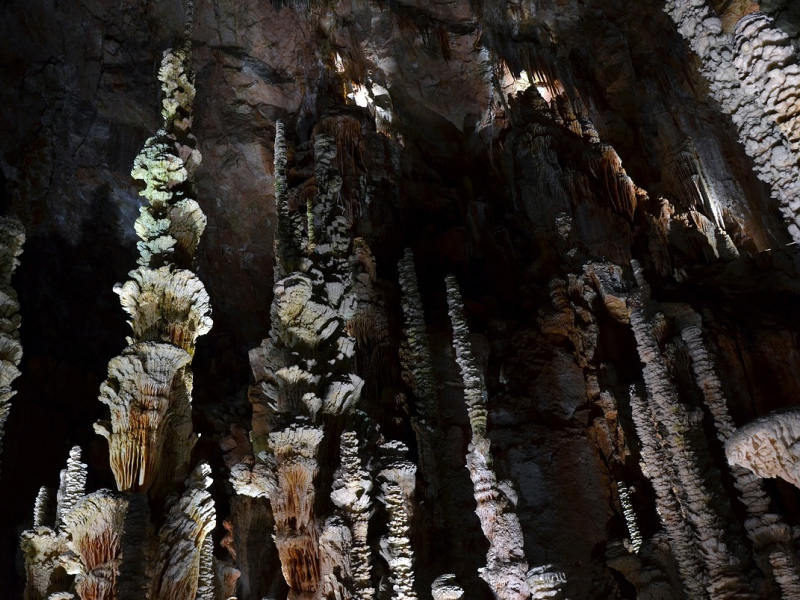
Burgundy
Burgundy is one of France’s most enchanting and authentic regions, seamlessly blending centuries of rich history, world-renowned wines, stunning architecture, and exquisite gastronomy. Conveniently located between Paris and Lyon—approximately 300 km from Paris and 200 km from Lyon—it remains accessible to travelers while preserving its rural character.
The region’s heritage dates back to the Celts, progresses through the Roman era, and continues with the Burgundian tribes. Today, visitors can enjoy scenic landscapes of sprawling vineyards, ancient medieval villages, and historic cities that retain their traditional French charm.
The Ideal Season for a Visit: Perfect Timing for Your Burgundy Vacation
Burgundy offers unique experiences in every season, but the best time to visit is between mid-April and October. During these months, the weather is pleasant, with average temperatures ranging from 18-25°C (64-77°F), and the vineyards are at their most beautiful.
Spring (April-June): This is the preferred time for travelers seeking tranquility and vibrant blooms. The vineyards begin to flourish, and prices are relatively lower, with hotel rates approximately 20% cheaper than during the peak season.
Summer (July-August): The busiest season features hot and dry weather. It is advisable to book accommodations and restaurants at least two months in advance. The long days provide opportunities to experience more attractions each day.
Autumn (September-October): The harvest season brings wine celebrations throughout the region. The vineyards transform into shades of gold and red, and the air is crisp, with temperatures between 15-20°C (59-68°F). This is a unique opportunity to witness the harvesting process and participate in local festivals.
Festivals Not to Miss:
- Chablis Wine Festival (Do Shabbles Yang): Held in May-June, this festival combines jazz music with fine wine.
- La Gastronomique in Dijon: An international food festival held in November, featuring tasting booths from around the world.
- September Harvest Celebrations: Local events throughout the vineyards offering live performances and free activities for families.

Transportation and Mobility: How to Get Around Burgundy
Getting to Burgundy
By Train: The fastest and most comfortable option is to take the TGV trains from Paris to Dijon, which takes about 1.5 hours and costs €25-60, depending on when you book. To save up to 60%, it’s advisable to purchase tickets on the French rail website (SNCF) at least a month in advance.
By Car: Driving from Paris takes about 3 hours via the A6 highway. Keep in mind that toll fees can add up to approximately €25 each way.
By Plane: The nearest airports are located in Paris and Lyon. It is advisable to fly into one of these cities and then continue your journey by train or rental car.
Click here to learn more about creating a personal itineraryTransportation in the Region
Regional Trains (TER): These trains connect the main cities in the region. A day pass costs approximately €15-30 and allows unlimited travel between most cities.
Car Rental: This is the most recommended option for those looking to explore the region thoroughly. Rental prices range from €40-60 per day, providing access to remote villages and wineries that are not reachable by public transportation. Opt for a small, fuel-efficient car, as village roads can be narrow.
Bicycles: Cycling is an excellent way to experience the region, particularly along the Route des Grands Crus. Bicycle rentals cost around €20-25 per day, and many rental companies offer luggage transfer services between hotels.
Professional Tip: Purchase a “Ligne de Vins” (Wine Line) card at tourist offices for €15, which gives you discounts of 10%-15% on wine tastings and entry to local attractions.
Dijon: The Beating Heart of Burgundy
Dijon, the capital of the region, serves as a perfect starting point for exploring Burgundy. This elegant city showcases impressive architecture, a rich historical backdrop, and exquisite cuisine, notably its famous mustard.
Must-See Sites
Palace of the Dukes and Estates of Burgundy (Palais des Ducs et des États de Bourgogne): Step inside one of France’s richest museums. Opening hours are from 9:00 to 18:00, closed on Tuesdays. Admission is €10 for adults and free for those under 18. Tip: For a quieter experience, visit on Wednesday mornings.
Notre-Dame Church (Notre-Dame de Dijon): This 13th-century Gothic church is renowned for its stunning details and iconic gargoyles. Be sure to look for the owl carved into one of the exterior walls, a symbol of luck for the city. According to tradition, stroking it with your left hand will make your wish come true.
International Center for Gastronomy and Wine (Cité Internationale de la Gastronomie et du Vin): Opened in 2022, this new complex features an interactive museum, cooking workshops, and wine shops. Admission is €12, and it is recommended to allocate at least 3 hours for your visit.
Since 2015, our website has specialized in individual planning of unique routes, taking into account personal preferences and desires. Each of you will receive a unique PDF file from us, which contains everything you need: travel routes, car rentals, hotels, the best tourist attractions, attractions for kids and everything you need for a perfect vacation. During the trip, we are available for you by phone via WhatsApp. Our personal service provides information from A to Z, taking into account many small details that can become a decisive factor on the way from a wasted trip to an unforgettable vacation. Our service will make your trip comfortable, save a lot of time on planning and preparation, and most importantly – will allow you to become freer and fully enjoy the pleasure of the trip.
Exciting Gastronomic Experiences
Dijon Mustard: Visit the historic Maille shop (established in 1747), where you can taste and purchase over 40 varieties of mustard, including limited editions like honey and rosemary mustard. Address: 32 rue de la Liberté.
Les Halles Market: This covered market offers fresh local produce and is open on Tuesdays, Fridays, and Saturdays from 8:00 to 13:00. Tip: Arrive early (before 9:00) for a more authentic experience and a wider selection.
Challenges and Limitations
It’s important to note that the city is quite busy during the summer months, making parking a challenge (€15-20 per day). It is recommended to park in peripheral car parks (Park & Ride) for €4 per day and use public transportation.

Beaune: The Wine Capital of Burgundy
Beaune is situated about 40 km south of Dijon and is regarded as the wine capital of the region. It is a walled city with an intimate atmosphere, dedicated almost entirely to wine culture. The city is a 20-minute train ride from Dijon or approximately 35 minutes by car.
Central Attractions
Hôtel-Dieu: This medieval hospital is known for its colorful glazed tile roofs. Built in 1442, it operated as a hospital for five hundred years until 1982. Today, it serves as a fascinating historical museum. Opening hours: 9:00 AM to 6:30 PM in summer, 9:00 AM to 5:30 PM in winter. Admission: €13.
Wine Cellars: Beaune features a variety of wine cellars open to visitors. Among the most recommended are:
- Patriarche Cellars: Underground corridors spanning 5 km, including a tasting of 13 wines. Price: €25.
- Bouchard Père & Fils Cellars: One of the oldest wineries in the area, with a collection of bottles from the 19th century. Tour and tasting: €22.
Beaune Ramparts: The ancient walls that surround the city date back to the 15th century, providing an opportunity for a pleasant one-hour walk with stunning viewpoints.
Useful Tips for Visiting Beaune
- Market Day: Saturday is Beaune’s major market day. Arrive early (7:00-8:00 AM) for an authentic experience.
- Combined Ticket: Consider purchasing a combined ticket for Hôtel-Dieu and the Wine Museum for €18 (a savings of €5).
- Accommodation: Book a place to stay within walking distance of the center, as parking in the old city is nearly impossible during tourist season.
Wine Tourism – The Perfect Experience in Burgundy
Burgundy is divided into five main wine regions, each with its own unique characteristics. The wines of Burgundy primarily feature two grape varieties: Pinot Noir for reds and Chardonnay for whites.
Leading Wine Regions
Chablis: Located in the north of the region, it specializes in dry, mineral-driven white wines. Book a tour at Domaine Laroche winery, which includes a visit to the vineyards and a tasting of 5 wines for €25 per person.
Côte de Nuits: This area produces the most prestigious red wines in Burgundy, including the famous Romanée-Conti vineyard, known for producing the world’s most expensive wine (average bottle price: €20,000).
Côte de Beaune: Although primarily recognized for its quality white wines, it also produces excellent reds. A visit to the Joseph Drouhin winery, located in medieval tunnels beneath Beaune, is highly recommended. Tour and tasting: €30.
Côte Chalonnaise and Mâconnais: These more southern regions offer wines at more reasonable prices and are less crowded with tourists.
How to Plan a Successful Wine Tour
- Book in Advance: Many quality wineries require reservations made at least a week in advance, especially during peak season.
- Shuttle Services: If you plan to taste multiple wines, consider joining an organized tour that includes a driver (average price: €90-150 per day for visits to 3-4 wineries).
- Route des Grands Crus: This 60 km road winds through 38 villages and offers breathtaking views of vineyards. It’s an ideal route for a scenic day drive or a two-day cycling experience.
Professional Tips:
- Purchase wine directly from the wineries to save 20%-30% compared to city shops.
- Visit less touristy areas like Hautes Côtes de Nuits for free or low-cost wine tastings.
- Bring a special bag for transporting wine bottles in your suitcase, available at visitor centers for €5-10.

Burgundian Gastronomy – Tastes of Tradition
Burgundian cuisine is renowned for its quality and rich traditions. Most traditional dishes feature slow-cooked stews that combine meat, local vegetables, and Burgundy wine.
Traditional Dishes You Must Try
Beef Bourguignon (Bœuf Bourguignon): A hearty beef stew made with red wine. La Gougotte restaurant in Dijon serves an excellent traditional version for €22.
Burgundy Snails (Escargots de Bourgogne): Snails cooked in garlic and parsley butter. Try them at Le Bistrot Bourguignon in Beaune for €12 for six.
Crème de Cassis: A black currant liqueur used as the base for the popular “Kir” cocktail (white wine with cassis liqueur). Visit the Cassissium near Nuits-Saint-Georges to learn about the production process and sample a variety of syrups. Admission is €10.
Époisses Cheese: This soft, spreadable cow’s milk cheese has a strong, distinctive taste and is one of the region’s most famous cheeses.
Special Culinary Experiences
- Covered Market in Dijon (Les Halles): Explore 150 stalls of local food, open on Tuesdays, Fridays, and Saturdays.
- Cooking Workshops: The Cook & Wine workshops in Autun teach participants how to prepare traditional Burgundian dishes, including a meal and wine tastings for €85 per person.
- Lunch in the Vineyard: The Olivier Leflaive winery in Puligny-Montrachet offers lunch with wine pairing for €55.
Tip for Families: Many traditional restaurants provide simpler children’s menus priced at €12-15. Ask for “Menu Enfant.”
Click here to create a personal itinerary for FranceNature Attractions and Outdoor Activities
Burgundy offers more than just wine and gastronomy; the region features a variety of outdoor activities and stunning natural landscapes.
Burgundy Canal (Canal de Bourgogne)
A 242 km canal that winds through picturesque villages and rural landscapes. Here are some options for exploring the canal:
- Boat Cruise: Rent a houseboat without needing a license (price for 3 days: €700-1,000, suitable for up to 4 people). The Locaboat company in Saint-Jean-de-Losne provides excellent service.
- Cycling: Enjoy a flat route along the canal. Bicycle rental is available for €25 per day.
- Walking: There are marked walking paths along the canal for both short and long tours.
Parks and Gardens
Morvan Regional Natural Park (Parc naturel régional du Morvan): This area features forests and lakes, perfect for day trips. It offers walking trails for families and cyclists. Be sure to visit Lake Settons (Lac de Settons), which has beautiful beaches ideal for picnics.
Château d’Ancy-le-Franc Gardens: Explore classic 16th-century French gardens. Admission is €12, and they are open from April to October, with visiting hours from 10:00 to 18:00.
Unique Activities
- Hot Air Balloon Flight: Air Escargot offers hot air balloon rides over Burgundy vineyards for €220 per person. Experience this unforgettable one-hour flight in the early morning or just before sunset.
- Cycling Routes: The “La Voie des Vignes” (Vineyard Route) is a scenic 22 km trail between Beaune and Santenay that provides stunning views of the vineyards.
Tip for Families: Visit the Guédelon Castle (Château de Guédelon), a unique project where a medieval castle is being built using traditional methods. There are interactive activities for children. Admission is €14 for adults and €10 for children.

Practical Advice and Budget Planning
Estimated Daily Budget
- Low Budget: €70-100 per day per person (hostel/B&B, meals at simple restaurants, public transportation)
- Medium Budget: €120-180 per day per person (3-star hotel, meals at good restaurants, car rental)
- High Budget: €200+ per day per person (boutique hotel, gourmet meals, private wine tours)
Savings Tips
- Travel during the shoulder season (April-May or September-October) for savings of 20%-30% on hotel rates.
- Consider renting an apartment for a week through Airbnb instead of a hotel for an average savings of 40%.
- Opt for lunch at quality restaurants with a “Menu du Jour” (fixed daily menu: €15-25) rather than dinner, as dinner menus can be the same at €40-50.
- Purchase wine directly from wineries to save 20%-40%.
Click here to learn more about creating a personal itinerary
Accommodation Recommendations
Dijon:
- Luxury: Chapeau Rouge Hotel in the city center. Rates: €150-200 per night.
- Medium: Ibis Styles Centre. Rates: €90-120 per night.
- Budget: Smart Hostel. Rates: €25-35 per bed.
Beaune:
- Luxury: Hôtel Le Cep, a 5-star hotel housed in a 16th-century building. Rates: €220-300 per night.
- Medium: La Cloche. Rates: €100-150 per night.
- Budget: Brit’Hotel. Rates: €70-90 per night.
Chablis Villages:
- Winery Experience: Domaine Laroche offers accommodations inside a winery. Rates: €150-180 per night.
Recommended Visit Duration
- Weekend: Focus exclusively on Dijon and Beaune.
- 4-5 Days: Include wine tours in the Côte d’Or region.
- Week: Experience a complete journey that also encompasses Chablis, Auxerre, and the Morvan area.
- 10-14 Days: Enjoy a comprehensive exploration of Burgundy, featuring lesser-known areas.

Burgundy is more than just a tourist destination; it offers a rich cultural experience. The blend of ancient wine traditions, historical heritage, exceptional gastronomy, and breathtaking landscapes makes it one of France’s most enriching destinations.
Visiting Burgundy feels like a journey through time—from the Middle Ages to the present, encompassing vineyards, wine cellars, gourmet meals, and charming villages. Together, these elements provide visitors with a glimpse into authentic French life, away from the hustle and bustle of typical tourist spots.
Whether you are a wine enthusiast, a history lover, or simply seeking a unique vacation in France, Burgundy promises an unforgettable experience. Take your time to explore, savor the wine and cuisine, and embrace the leisurely pace of life in the region.
What we propose Emma Heidi Take all the stress out of planning your trip! With our experts, you can create the perfect itinerary for you – complete, comfortable, and tailored to all your dreams, wishes, and needs. We take care of every little detail, so you can simply focus on enjoying your journey. We’ve been designing personalized itineraries since 2015, and over the years we’ve created thousands of custom itineraries for happy clients. Save time, avoid confusion – we do the work for you. Our service saves you weeks of searching, reading, comparing, and complicated planning. Instead of wasting endless hours – you receive a ready-to-use, accurate and clear itinerary. A tailor-made itinerary – built just for you. Your itinerary is personally designed based on our experts’ real field experience and genuine feedback from hundreds of travelers – including hidden discoveries and insider tips that don’t appear in any travel guide. Smart accommodation selection – often saves you hundreds or even thousands of dollars. We help you choose verified and recommended places to stay, checking availability for your exact travel dates. Sometimes we suggest hotels not “in the center,” but in safe, convenient, and highly strategic locations – which can significantly reduce travel costs and save you even thousands of dollars. We’re by your side even during the trip. We stay with you throughout your vacation – providing professional help whenever needed. If the weather changes, there’s a strike, a local event, heavy crowds, or any unexpected situation – we are here to update, guide, and adjust your itinerary in real time. Easy-to-use itinerary – with direct navigation links. Your itinerary includes direct Waze / Google Maps links – no need to search for parking addresses, no stress, no mistakes. Just tap – and go. Want to know if it’s really worth it? Take a look at the experiences of travelers who built their personal itinerary with us. Click here and let’s start building the itinerary that will save you time, money, and stress – and turn your vacation into perfection. Of course, your first inquiry is completely free – with no commitment whatsoever. How it works
Customer Experience Manager


Service cost: from only $420. (Special price for short itineraries up to 5 days). Clients tell us the itinerary saves them costly mistakes, fines, wrong choices – plus exclusive discounts on car rentals, better-priced accommodations, and money-saving local tips.


Latest articles

Natural History Museum Vienna
Natural History Museum Vienna (Natural History Museum Vienna) is one […]
Kaprun Dam (Hochgebirgsstauseen)
Kaprun Dam (Kaprun Hochgebirgsstauseen) is a high-altitude reservoir complex set […]