France expert with over 14 years of experience - living in France since 2010 and continuously exploring its depth and authenticity. Cycled over 15,000 km, explored all 13 regions, and created more than 170 custom itineraries through villages, wineries, castles, and hidden places known only to locals. Revealing the real France that lives beyond Paris and tourist guidebooks.


Provence
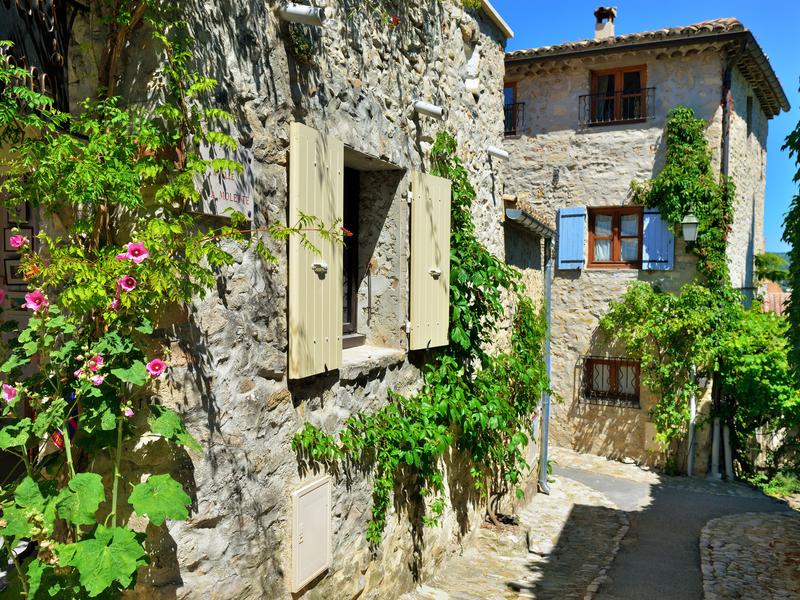
Provence embodies the French dream with its stunning lavender fields, medieval cliff-top villages, and sunny climate. A visit to Provence offers a harmonious blend of history, culture, gastronomy, and natural beauty, where each corner exudes the authentic charm of southern France.
Key Takeaways
- Optimal Visiting Time — The best months to visit are April to June and September to October, when the weather is pleasant and tourist crowds are lighter. Be prepared for large crowds during lavender season, which runs from mid-June to mid-July.
- Transportation is Crucial — Renting a compact car is essential for navigating narrow village streets and accessing lavender fields with ease.
- Avignon, Aix-en-Provence, and Arles — These three highlights of the region each offer unique experiences: Avignon is steeped in papal history, Aix-en-Provence showcases Cézanne’s artistry, and Arles boasts Roman heritage along with Van Gogh sites.
- Gordes and Sénanque Abbey — These are must-visit spots for classic Provençal vistas, especially during the lavender blooming season.
- Practical Accommodation Strategy — Instead of constantly moving, consider selecting 2-3 base locations. Book your accommodations 2-3 months in advance during the peak season.
- Gastronomic Discoveries at Markets — Explore Saturday and morning markets for authentic local products like olives, goat cheese, calissons, and Côtes de Provence rosé wine.
- Savings and Planning — Look for combined museum tickets and wine tastings when purchasing bottles. Remember to account for siesta time (12:00-14:00) in your itinerary.
Overview of Provence
Provence is a quintessential French region known for its lavender fields, Roman monuments, and medieval villages. This article serves as a comprehensive guide to exploring the area:
- Transport and Logistics — Information on how to get there, car rental options, and the best time to visit.
- Major Cities — Highlights include Avignon (home to the papal palace), Aix-en-Provence (associated with Cézanne), Arles (famous for Van Gogh and Roman ruins), and Gordes (a picturesque medieval village).
- Lavender Fields — Top locations and the ideal blooming season.
- Practical Tips — Suggested 5-7 day itinerary, accommodation options, budget considerations, and local cuisine insights.
Getting to Provence: All Transportation Options
By Air: Fast but with Nuances
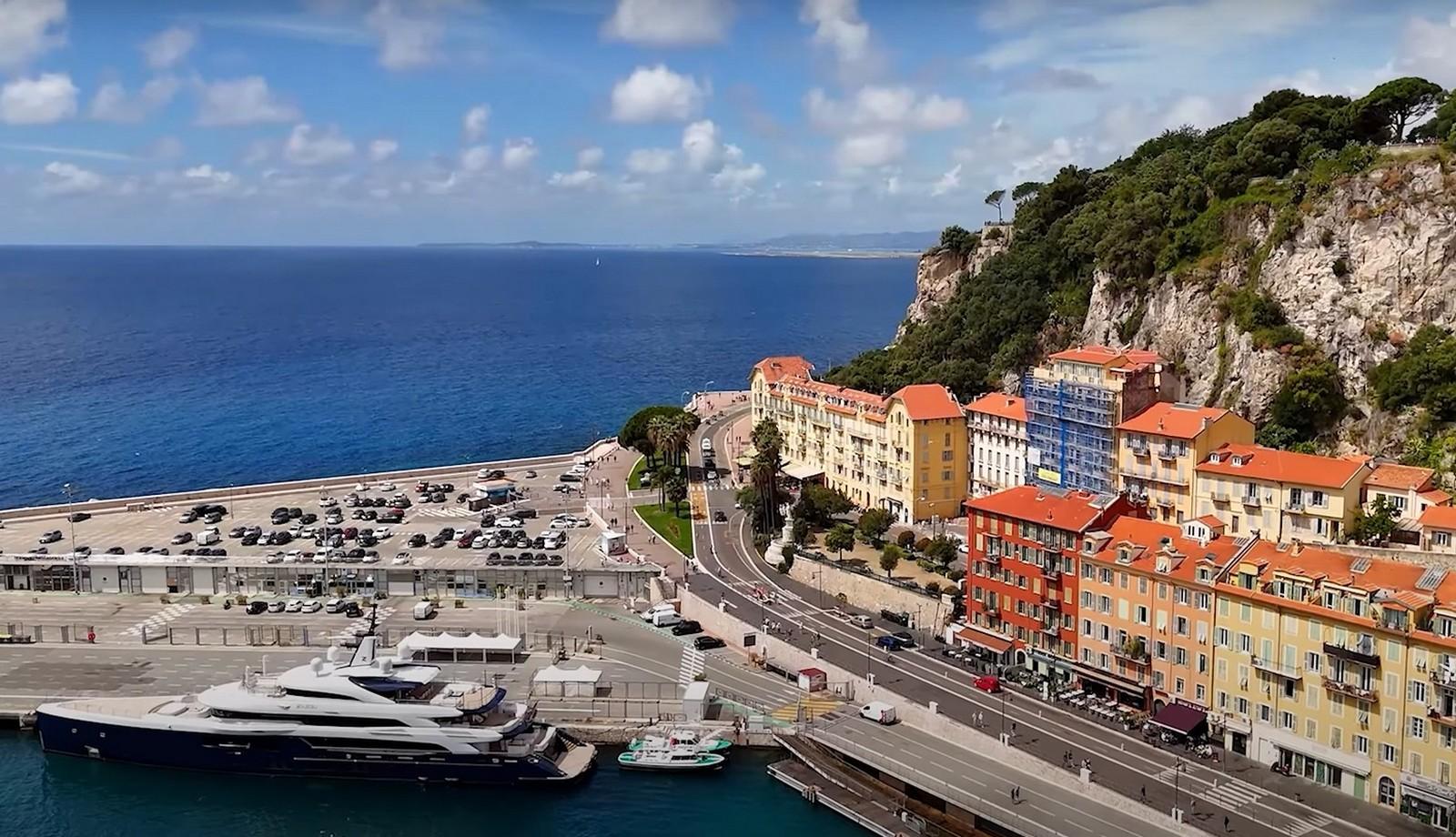
Marseille Provence Airport (MRS) is the main airport for the region, located 27 km from the city. The bus fare is €10 (€7 for youth ages 12-25, €5 for children ages 6-12, and free for children under 6). A taxi costs between €70-80 during the day and €90-100 at night. All major car rental companies operate at the airport, making it convenient for those looking to rent a car upon arrival.
An alternative is Nice Airport (NCE) for eastern Provence, but it requires a 2-3 hour drive to reach classic Provençal towns.
TGV: Comfort and Practicality
Taking a high-speed train from Paris is often the best option:
- Avignon: 2h 40min, from €27
- Aix-en-Provence: 3h, from €32
- Marseille: 3h 20min, from €27
Prices listed are for early bookings. The TGV is a convenient choice as it delivers passengers directly to city centers, avoiding airport hassles.
By Car: Freedom of Movement
A trip to Provence is greatly enhanced by having a car. With a vehicle, you can easily divert to a lavender field, explore a medieval village, or drive along scenic wine routes. Rental prices range from €50-80 per day, varying significantly by season—higher in summer and about €50 cheaper in winter. Opt for a compact car, as village streets are often narrow.
Click here to learn more about creating a personal itineraryBest Time to Visit Provence
April-June: Golden Time
This period features ideal weather (18-22°C), minimal tourist crowds, and prices that are 30-40% lower than in the summer. The only downside is that lavender hasn’t bloomed yet, although fruit trees are flowering.
Mid-June to Mid-July: Lavender Season
Experience the lavender in full bloom, peaking at the end of June. It’s worth braving the initial crowds and rising prices for this spectacular sight.
September-October: Velvet Season
During these months, the weather is comfortable (20-25°C) with fewer tourists, coinciding with grape harvest season. While lavender has finished blooming, the stunning autumn colors emerge.
July-August: Beautiful but Extreme
This time can bring extreme heat (up to 35-40°C), large crowds, peak prices, and traffic congestion. If planning a summer visit, schedule active outings for early morning (before 10:00) or late evening (after 17:00).
Avignon: The Papal Capital of Provence
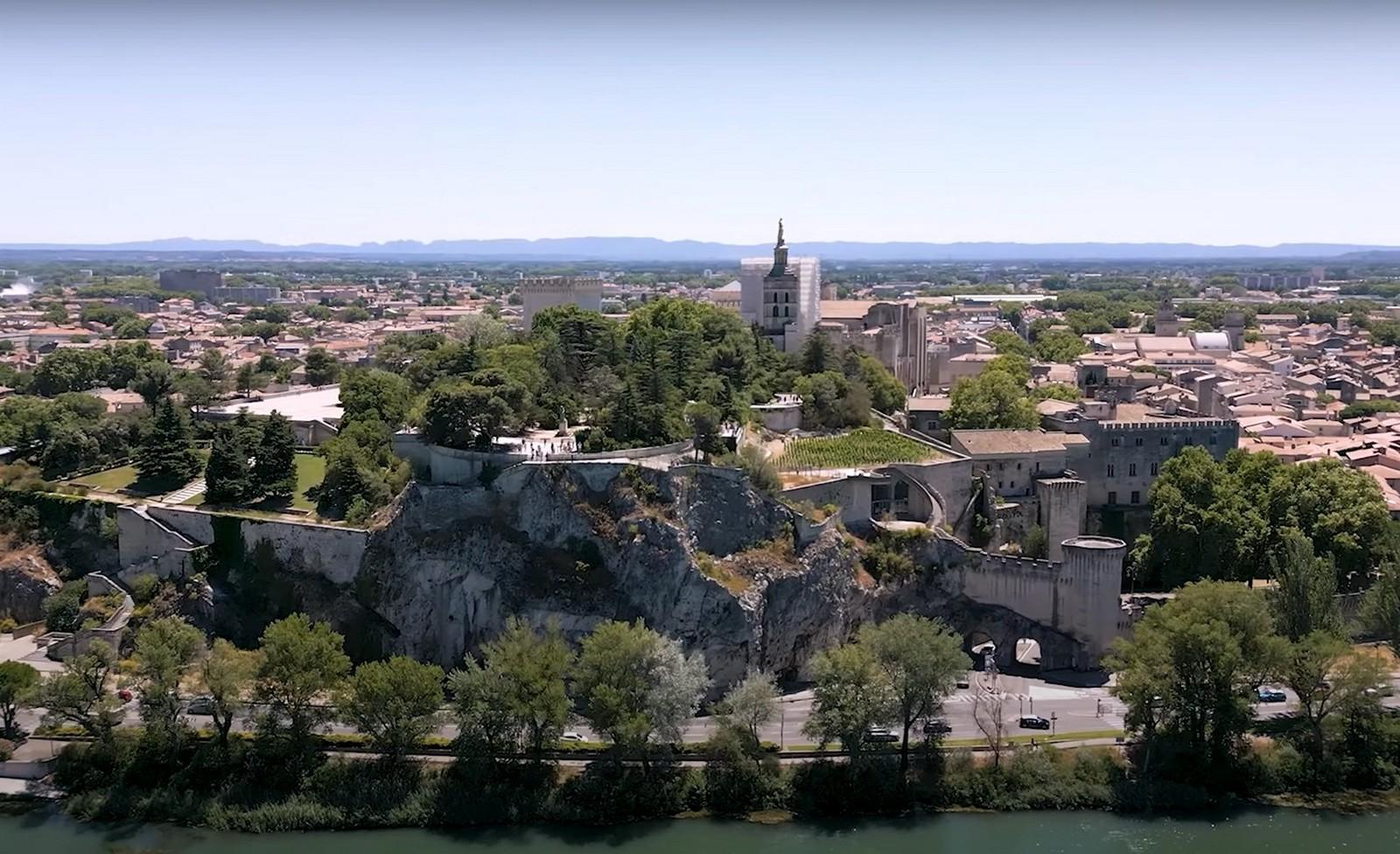
Avignon is a unique fortress city encircled by medieval walls that became the residence of Roman popes in the 14th century. This UNESCO site immerses you in a time when Avignon was the epicenter of the Catholic world, rivaling Rome for spiritual authority.
Papal Palace: More Than a Museum
Tickets: €12 for adults, free for children under 8
Hours: 9:00-19:00 (March-November), 10:00-17:00 (November-December)
Visit Duration: 2-3 hours
The Papal Palace is the largest Gothic palace in the world, covering 15,000 m² and serving as the residence for seven French popes in the 14th century. A key feature is the HistoPad, an augmented reality tablet included with your ticket. Point it at vacant walls to see how the throne room appeared adorned with tapestries and gold.
Professional Tips:
- The palace may seem empty and uninteresting, but the HistoPad dramatically enhances your experience.
- Be sure to climb the tower; the views of the bridge and Rhône are worth the
effort. - Prepare for many stairs in the palace; allocate 2-3 hours for a full visit.
- A children’s quest is available to discover hidden coins.
- Avoid the morning cruise ship groups from 9:00 to 10:30.
Money-Saving Tip: Purchase the combined “Palace + Bridge + Gardens” ticket for €17, saving €2.
Click here to create a personal itinerary for FrancePont Saint-Bénézet: The Legendary “Bridge to Nowhere”
Tickets: €5 for adults, €4 for seniors (65+), free for children under 8
Hours: Same as the Palace
Visit Duration: 30-45 minutes
This famous “dancing bridge,” known from the children’s song, breaks off mid-Rhône. Originally boasting 22 arches and a length of 915 meters, only 4 arches and the Saint Nicholas chapel remain.
Professional Tips:
- Don’t overpay for views — while the bridge offers beautiful scenery, a maximum 30-minute walkis sufficient.
- The best bridge photos are taken from the opposite bank — and it’s free.
- An audio guide is included in the ticket price.
- Be sure to visit the basement for an excellent film about the bridge’s reconstruction.
City Walls: Unique Preservation
Access: Unlimited free viewing anytime
The 14th-century city walls stretch 4.3 km and are the only fully preserved urban fortifications in France. The best views can be found from the Saint-Dominique gates and near the station.
Avignon City Pass: Is It Worth Buying?
- 24 hours: €24 | 48 hours: €32
- Includes access to the Papal Palace, the bridge, 10 museums, plus discounts on tours and parking.
- The pass is a good investment if you plan to visit the palace, the bridge, and 2-3 additional attractions.

Aix-en-Provence: City of Art and Fountains
Aix-en-Provence is a charming university town known as the “Paris of Provence” for its elegant ambiance. It enjoys more than 300 sunny days annually, features numerous fountains, and is closely associated with artist Paul Cézanne. It is an ideal destination for leisurely strolls, art appreciation, and embracing the Provençal lifestyle.
Cours Mirabeau — Heart of the City
Access: Free viewing
Estimated Walk Time: 1-2 hours
Cours Mirabeau serves as the main thoroughfare of Aix, a wide boulevard lined with four rows of plane trees and 17th-18th century mansions. The south side is perfect for taking in the architecture, while the north side offers cafes and shopping.
Historic Fountains (from west to east):
- La Rotonde — the largest fountain, featuring lions at its base
- Fontaine des Neuf-Canons —
adorned with moss - Fontaine Moussue — completely covered in moss
- Fontaine du Roi René — a tribute to the last Count of Provence
Professional Tip: Walk the boulevard in both directions, as the trees obstruct full views. Look for “Deux Garçons” cafe in Agard alley, a former haunt of Cézanne.
Since 2015, our website has specialized in individual planning of unique routes, taking into account personal preferences and desires. Each of you will receive a unique PDF file from us, which contains everything you need: travel routes, car rentals, hotels, the best tourist attractions, attractions for kids and everything you need for a perfect vacation. During the trip, we are available for you by phone via WhatsApp. Our personal service provides information from A to Z, taking into account many small details that can become a decisive factor on the way from a wasted trip to an unforgettable vacation. Our service will make your trip comfortable, save a lot of time on planning and preparation, and most importantly – will allow you to become freer and fully enjoy the pleasure of the trip.
Cézanne’s Studio — The Last Workshop of a Genius
Tickets: €9.50 for adults, €7.50 for concessions (ages 13-25, students)
Hours: Summer: 9:00-19:00, Winter: 10:00-17:30
Visit Duration: 1 hour (guided tour required)
Cézanne’s workshop, where he worked from 1902 to 1906, remains completely preserved as it was at the time of his death. Here, he created his famed “Large Bathers” and many of his last masterpieces.
What You’ll See:
- Original brushes, palettes, and unfinished canvases
- Still lifes featuring apples and drapery, along with plaster casts
- The artist’s personal belongings
- Views of Mount Sainte-Victoire from the workshop windows
Important Note: Tours are conducted only in French and English. Advance booking through the Aix Tourist Office is required!
Markets: A Taste of Real Provence
Flower Market
- When: Tuesday, Thursday, and Saturday mornings
- Where: Place de l’Hôtel de Ville
- Experience a vibrant display of colors and aromas: lavender, roses,
and mimosa. - Arrive early in the morning (between 8:00 and 9:00) for the freshest
selection.
Food Market
- When: Tuesday, Thursday, and Saturday mornings
- Where: Place Richelme
- Must-try items include olives with Provençal herbs, Crottin de Bandon goat cheese, lavender honey, calissons (almond confections and a local specialty), and Côtes de Provence rosé
wine.
Tip: Arrive around 11:00 when vendors begin to lower prices.
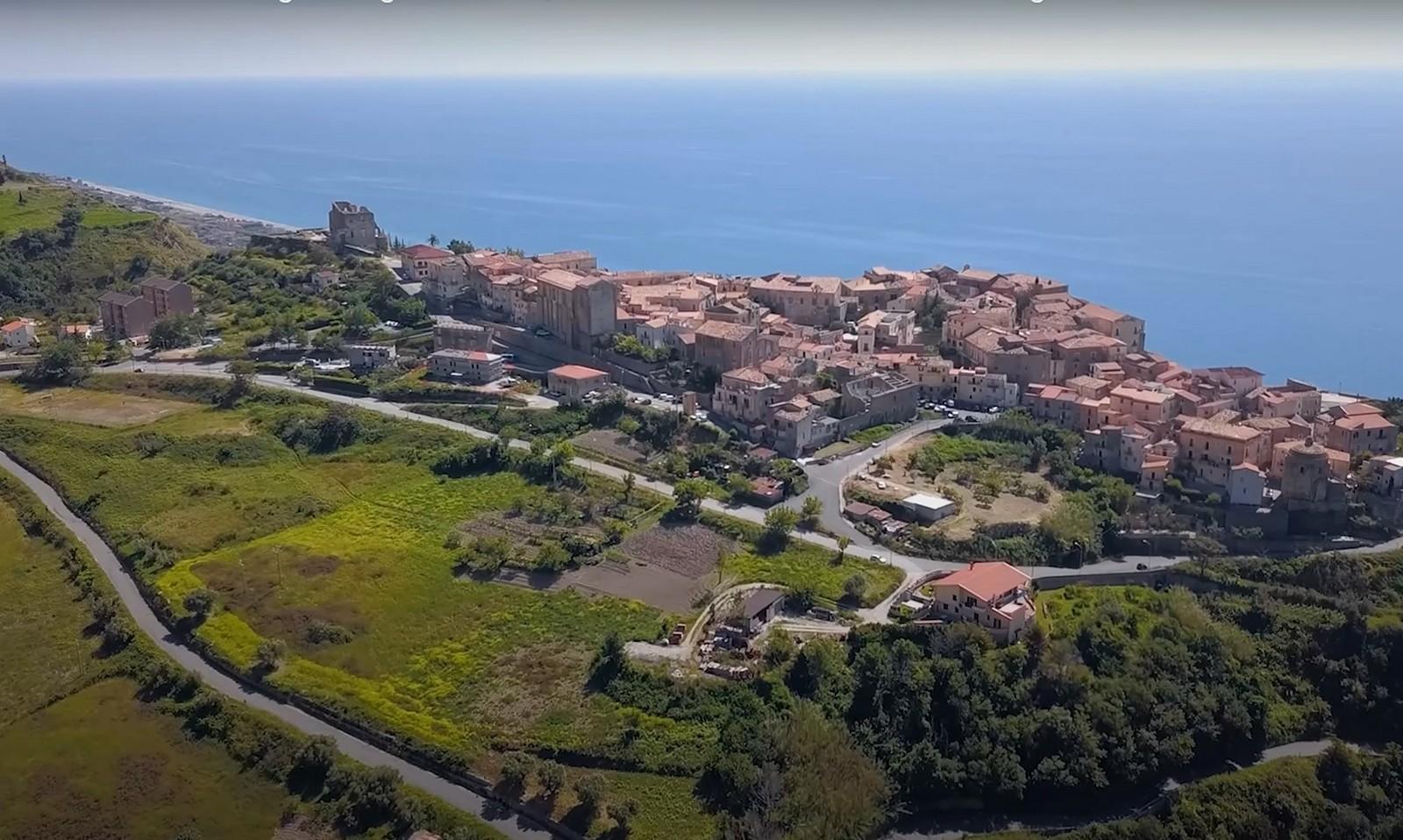
Arles: A Living Museum of Roman History and Van Gogh’s Inspiration
Arles is a remarkable city where Roman ruins stand alongside sites that inspired Van Gogh. During his time here from 1888 to 1889, the legendary artist created over 300 works in just 15 months, while ancient Roman monuments continue to be in use, bringing history to life.
Roman Amphitheater — Living Antiquity
Tickets: €9 for adults (combined ticket with the Roman theater), free for children under 18.
Hours: Daily, with seasonal variations.
Visit time: 1-1.5 hours.
This is one of the best-preserved Roman amphitheaters in the world, built around 90 AD and seating 20,000 spectators. Its uniqueness lies in the fact that it is still actively used today!
What you’ll see:
- 120 arches of ochre limestone arranged in two tiers.
- Ingeniously designed underground corridors and entrance system showcasing Roman engineering brilliance.
- Modern tribunes made of steel for spectators.
Modern life:
- Camargue races—Provençal bullfighting without harming the bulls
(April-September). - Concerts and festivals.
- Reconstructions of Roman battles.
Van Gogh Places — Artistic Pilgrimage
Access: Free.
Visit time: 2-3 hours for a walking tour.
The city features 10 locations marked with easels that display reproductions of Van Gogh’s paintings, allowing visitors to compare how Arles appeared to the artist and how it looks today.
Key route points:
- Cafe Terrace at Night (Place du Forum) — “The Cafe Terrace on the Place du Forum at Night.”
- Arles Hospital — the site where Van Gogh was treated after his ear incident.
- Langlois Bridge — “The Drawbridge,” though the original was demolished.
- Alyscamps — an ancient necropolis that inspired several of his paintings.

Gordes: A Fairytale Stone Village of Provence
Gordes is one of the most picturesque medieval towns in Provence, perched on a steep slope of the Vaucluse plateau. Once nearly abandoned, this enchanting stone village is now home to around 2,000 residents, including many artists and writers.
Gordes Castle — A Renaissance Jewel
Tickets: €6 for adults, €4 for concessions (children aged 12-17, and groups of 10 or more), free for children under 12.
Hours: Daily from 10:00-13:00 and 14:00-18:00 (June-September), 10:00-13:00 and 13:30-17:30 (other times).
Visit time: 45 minutes.
This 16th-century Renaissance castle, built atop a medieval fortress, now serves as an art gallery. It towers above the rooftops of ancient stone homes, providing stunning panoramic views.
Professional tip: The best photos of the castle are taken from the lower village streets at sunset when the stone glows with golden hues.
Click here to create a personal itinerary for FranceSénanque Abbey — Lavender Wonder
Distance: 5 km.
Tickets: €8 for guided tours or €8.50 for a self-guided tour with a Histopad; €6 for students aged 18-25; €4 for children aged 6-17; free for children under 6.
Visit time: 1 hour.
The 12th-century Cistercian monastery is set in a picturesque valley, surrounded by famous lavender fields, especially beautiful during the June-July blooming period. Important: Limited availability; advance booking is required.
Professional tips:
- Arrive at dawn or sunset for the best lavender photos.
- Expect heavy crowds during blooming season (mid-June to mid-July).
- Parking can be challenging due to narrow roads with steep turns.
- Closed Sunday mornings and on certain religious holidays.
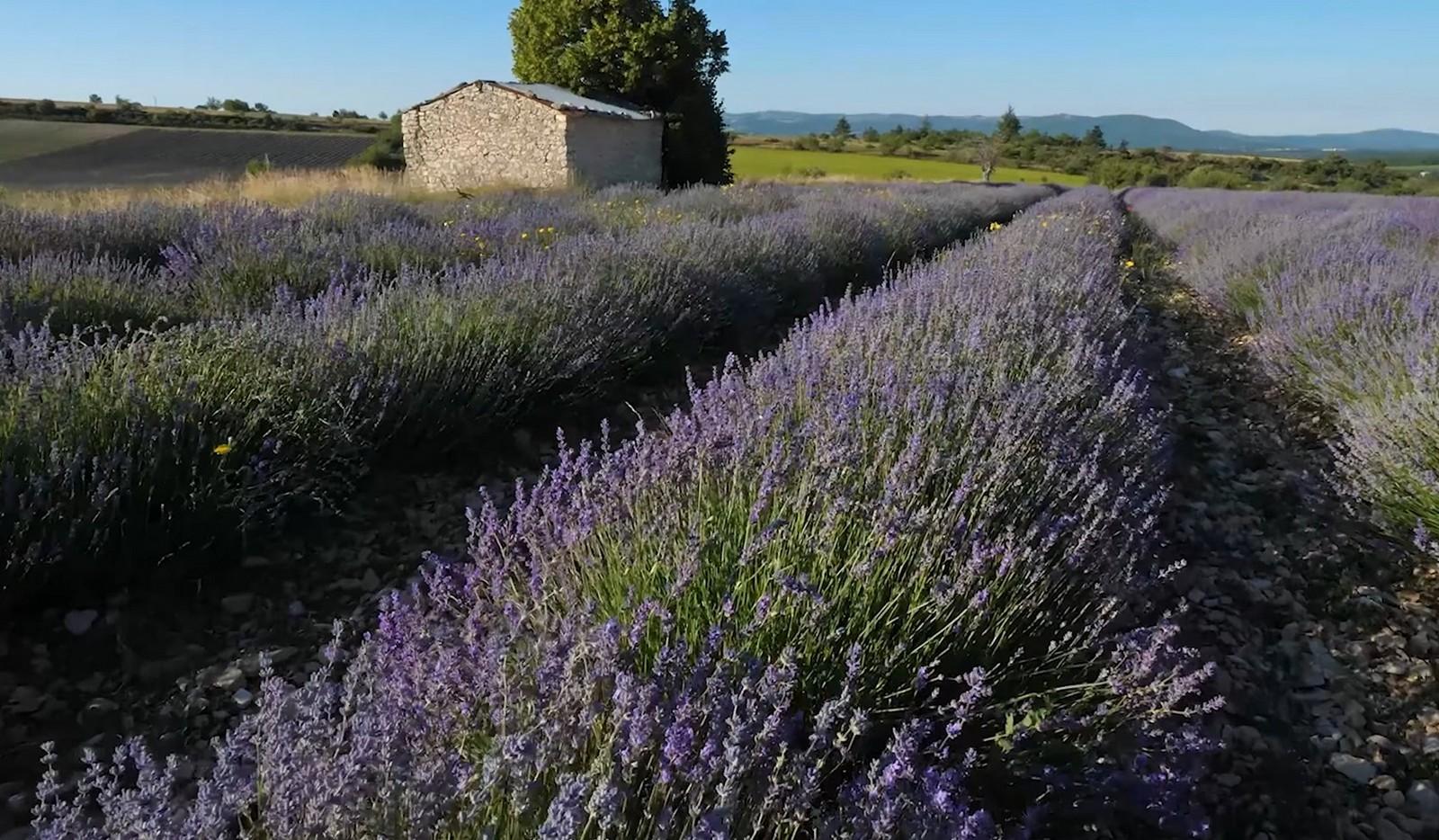
Lavender Fields: A Purple Sea of Provence
Valensole Plateau — The Largest Commercial Fields
Access: Open 24/7, free
Distance: 1 hour from Aix-en-Provence, 1.5 hours from Avignon
Hot spots: Marius’s Hut, Angelvins fields, D6 road
Sénanque Abbey — Classic Views with a Monastery
Tours: €8 (guided), €8.50 (self-guided with Histopad)
Hours: Mon-Sat 9:30-11:00 and 13:00-17:00, Sun 13:00-17:00
Booking: Required
Fields: Free
Distance: 5 km from Gordes
Sault — A Mountain Village in the Center of Lavender Plantations
Access: Open 24/7, free
Distance from Avignon: 1 hour
Special feature: Blooms last the longest (until mid-August)
Lavender Field Etiquette
Allowed:
- Taking photographs on paths between rows
- Smelling and touching plants
with care - Purchasing from farmers
Prohibited:
- Picking lavender (fines up to
€150) - Driving cars onto the fields
- Breaking branches for bouquets
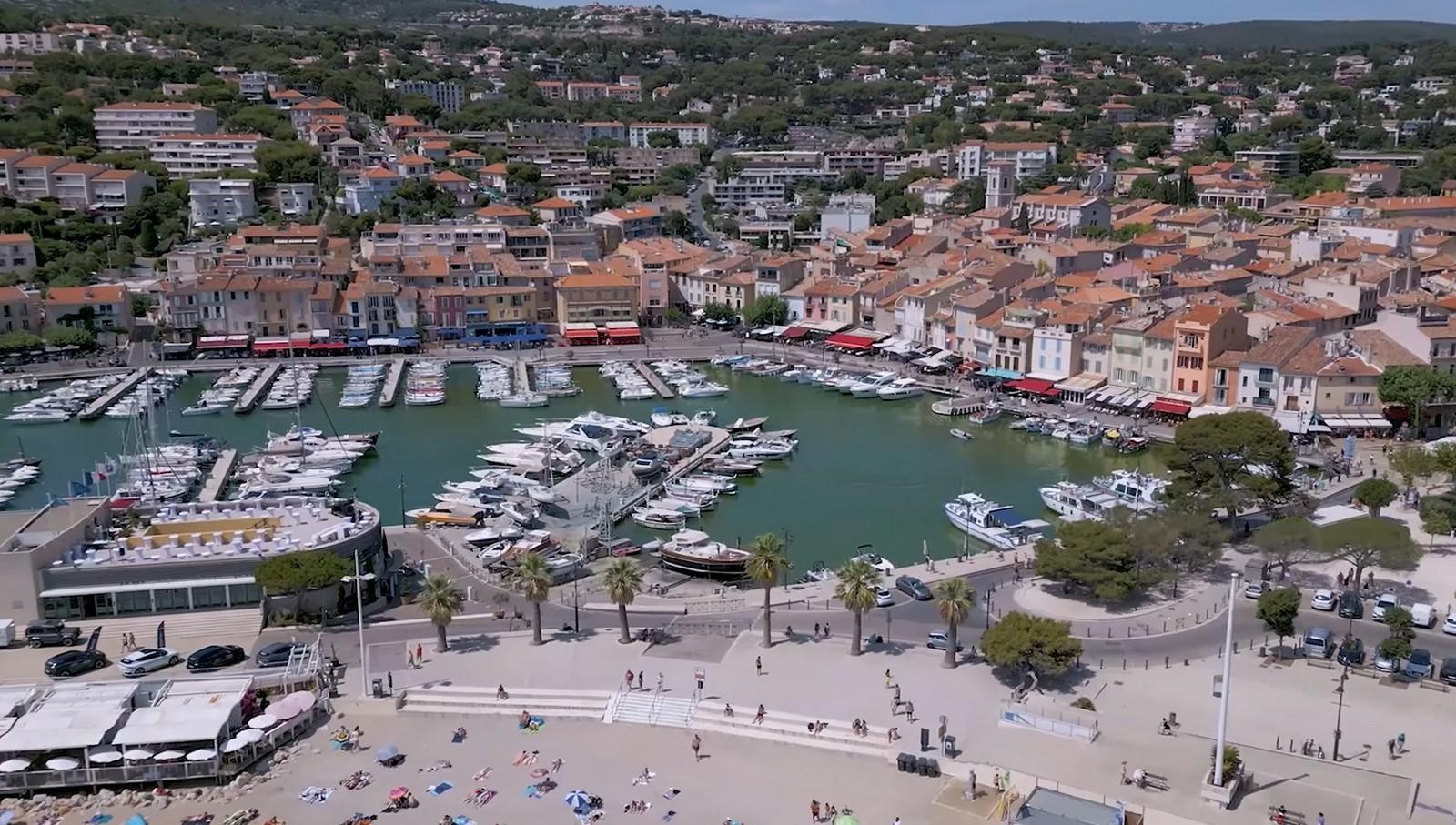
7-Day Provence Itinerary
Day 1: Avignon — The Gateway to Provence
- Arrive by TGV and rent a car
- Visit the Papal Palace and Pont Saint-Bénézet
- Explore the old town
- Enjoy dinner at Place de l’Horloge
Day 2: Nîmes and Pont du Gard
- Morning: Visit Nîmes — Roman amphitheater and Maison Carrée
- Afternoon: Explore Pont du Gard — Roman aqueduct with swimming
opportunities - Return to Avignon
Day 3: Move to Luberon
- Morning: Discover Roussillon — ochre trail
- Afternoon: Visit Gordes — castle and medieval streets
- Evening: Explore Sénanque Abbey (if in lavender season)
- Overnight in Gordes or Roussillon
Day 4: Luberon Villages
- Morning: Visit Lourmarin — Renaissance castle and market (if Friday)
- Afternoon: Explore Bonnieux — “village in the sky” and local wineries
- Evening: Visit Lacoste — Marquis de Sade’s castle
- Enjoy wine tasting
Day 5: Aix-en-Provence
- Stroll along Cours Mirabeau
- Visit Cézanne’s Studio
- Explore old town markets and
cafés
Day 6: Arles and Camargue
- Morning: Visit Arles — Roman monuments and Van Gogh sites
- Afternoon: Explore the Camargue — white horses and flamingos
- Evening: Discover Saintes-Maries-de-la-Mer
Day 7: Cassis and Calanques
- Take a boat trip through the calanques or
hike - Visit Cap Canaille for breathtaking views
- Transfer to Marseille airport
Expert Review by Jena Hovor on Visiting Provence
I’ll admit, my first visit to Provence was spontaneous; I bought TGV tickets from Paris to Avignon just a day before the trip in April. It turned out to be perfect timing! There were no tourist crowds, prices were pleasantly surprising, and instead of the famous lavender, I was welcomed by blooming fruit trees — an equally beautiful sight.
One of my brightest memories is the morning I spent in Gordes. I arrived at dawn when the stone houses were still bathed in golden light. At 7 AM, the village was almost empty — just me, a few local cats, and the enticing aroma of freshly baked bread from the bakery. An hour later, the first tour buses began to arrive, and the atmosphere changed dramatically.
I particularly remember meeting an elderly farmer near Sénanque Abbey. He explained that lavender is harvested for just a few days each year using special machines. Many tourists don’t realize that this is serious agricultural production, not merely decoration for photographs. After speaking with him, I began to see those endless purple fields in a new light.
And yes, the advice to opt for a small car is absolutely correct! My Fiat 500 barely squeezed through the narrow streets of Gordes, while the BMW X5 driver in front of me simply turned around and left — he didn’t dare enter the old town.

Expert Tips for Visiting Provence
Transportation
Why a compact car is essential: Village streets are so narrow that two Volkswagen Golfs can barely pass each other. Parking spaces are designed for small cars.
Booking: Make reservations in advance, especially during lavender season. Choosing automatic vehicles may cost an additional €10-15, but this is worth it for navigating the mountain roads.
GPS is essential: Many road signs are missing.
Accommodation
Golden rule: Choose 2-3 base locations instead of constantly moving. Distances in Provence can be misleading as the roads are often winding.
Booking: Reserve 2-3 months in advance during the high season. Consider agritourism for a more authentic experience.
Dining
Must try:
- Bouillabaisse in Marseille (€40-60 in reputable restaurants)
- Menu du jour in local cafes (€15-25) — excellent value for money
Tip: Make table reservations in advance and purchase products at markets for picnics.
Important Details
Business hours: Many shops close for siesta from 12:00 to 14:00. Almost everything is closed on Sundays, except for morning markets.
Climate: Bring sunscreen and hats as the sun is very strong. Also, remember to pack mosquito repellent for the evenings.
Budget Savings
- Purchase combined museum tickets
- Visit wineries, where tastings are often free with a bottle purchase
- Plan trips for March-April or November to save money
Lavender Field Rules
Respect private property: Most lavender fields are working farms, not tourist attractions. Stay on designated paths and do not damage crops.
Best photography times: Early mornings (6:00-8:00) and late afternoons (17:00-19:00) offer the best golden light.
Crowd management: Arrive very early or later in the day during peak season. Weekdays are generally less crowded than weekends.
What we propose Emma Heidi Take all the stress out of planning your trip! With our experts, you can create the perfect itinerary for you – complete, comfortable, and tailored to all your dreams, wishes, and needs. We take care of every little detail, so you can simply focus on enjoying your journey. We’ve been designing personalized itineraries since 2015, and over the years we’ve created thousands of custom itineraries for happy clients. Save time, avoid confusion – we do the work for you. Our service saves you weeks of searching, reading, comparing, and complicated planning. Instead of wasting endless hours – you receive a ready-to-use, accurate and clear itinerary. A tailor-made itinerary – built just for you. Your itinerary is personally designed based on our experts’ real field experience and genuine feedback from hundreds of travelers – including hidden discoveries and insider tips that don’t appear in any travel guide. Smart accommodation selection – often saves you hundreds or even thousands of dollars. We help you choose verified and recommended places to stay, checking availability for your exact travel dates. Sometimes we suggest hotels not “in the center,” but in safe, convenient, and highly strategic locations – which can significantly reduce travel costs and save you even thousands of dollars. We’re by your side even during the trip. We stay with you throughout your vacation – providing professional help whenever needed. If the weather changes, there’s a strike, a local event, heavy crowds, or any unexpected situation – we are here to update, guide, and adjust your itinerary in real time. Easy-to-use itinerary – with direct navigation links. Your itinerary includes direct Waze / Google Maps links – no need to search for parking addresses, no stress, no mistakes. Just tap – and go. Want to know if it’s really worth it? Take a look at the experiences of travelers who built their personal itinerary with us. Click here and let’s start building the itinerary that will save you time, money, and stress – and turn your vacation into perfection. Of course, your first inquiry is completely free – with no commitment whatsoever. How it works
Customer Experience Manager


Service cost: from only $420. (Special price for short itineraries up to 5 days). Clients tell us the itinerary saves them costly mistakes, fines, wrong choices – plus exclusive discounts on car rentals, better-priced accommodations, and money-saving local tips.


Latest articles

Natural History Museum Vienna

Natural History Museum Vienna (Natural History Museum Vienna) is one […]



Kaprun Dam (Hochgebirgsstauseen)

Kaprun Dam (Kaprun Hochgebirgsstauseen) is a high-altitude reservoir complex set […]