My love for Japan began the moment I arrived in Tokyo. The country amazed me with its harmony of ancient traditions, cutting-edge technology, breathtaking nature, and a culture unlike any other. Since then, Japan has become a part of my life, and I return there again and again. Today I help travelers discover the real Japan: I create personalized itineraries, give lectures, and prepare guests for their unforgettable journey. I would be delighted to open Japan for you too!


Summer in Japan
Summer in Japan offers a vibrant and unique experience filled with festivals, natural beauty, and delicious seasonal food. However, the seasonal heat and humidity can also pose challenges for visitors. This guide will help you navigate the Japanese summer months (June to August) with practical advice and recommendations, ensuring a memorable and comfortable trip.
Weather and Seasonal Features
Summer Months: June to August
Summer in Japan is hot and humid from June to August. June marks the beginning of the summer season, followed by the peak heat in July and August. The weather varies slightly from region to region, but the central and southern parts of Japan experience the most intense heat and humidity. Especially in major cities such as Tokyo, Kyoto, and Osaka, you’ll need to prepare for long days of high temperatures.
June: Rainy Season (Tsuyu)
The month of June, before the summer heat is in full swing, is known as the rainy season (Tsuyu). It doesn’t rain constantly, but during this time, frequent heavy showers and high humidity are common. Frequent rainstorms are expected, so be sure to pack umbrellas and light waterproof gear if you’re traveling in June. Despite the rain, the lush greenery that dominates the countryside during this time is a highlight for nature lovers.
Humidity and Temperature Between Regions
Generally, the southern and central parts of Japan, including cities like Tokyo and Osaka, experience the highest humidity levels during the summer months, often exceeding 70%. In contrast, northern regions like Hokkaido are more temperate, providing a welcome escape from the oppressive heat. Regardless of the region, the combination of heat and humidity can make the temperature feel much hotter than the actual measurements.
Click here to learn more about creating a personal itineraryTyphoons and Monsoons
Summer also brings the possibility of typhoons and monsoons, especially in August. These powerful storms can bring heavy rain and strong winds to coastal areas, so always stay informed about weather alerts if you plan to travel during this time. On the bright side, the typhoon season doesn’t last the entire summer, so with careful planning, you can still enjoy Japan’s summer beauty.

Planning Tips for the Weather
When planning a trip to Japan in the summer, it’s important to pack the right clothes. Lightweight, breathable fabrics like cotton and linen will help you stay comfortable in the heat. In addition to packing rain gear, consider bringing a portable cooling device such as a fan or cooling spray.
Pros and Cons of Summer Travel
Summer in Japan is undeniably exciting with its cultural offerings, but there are some challenges to consider. Heat and humidity can be unpleasant for some, and peak travel months can lead to crowded tourist destinations. However, you can still enjoy the vibrant energy of festivals, fireworks, and seasonal food.

Summer Festivals (Matsuri)
Japanese summer festivals, known as matsuri, are an integral part of the cultural experience and are held across the country. They offer visitors the chance to witness traditional music, dances, and customs.
Tanabata
One of the most famous summer festivals is Tanabata, the Festival of Stars. It celebrates the meeting of lovers Orihime (represented by the star Vega) and Hikoboshi (represented by Altair). The festival usually takes place on July 7 or 8, depending on the regional calendar, and includes colorful decorations, lanterns, and various celebrations. Major festivals are held in Sendai, Yokohama, and other cities.
Gion Festival (Kyoto)
The Gion Festival, held in Kyoto every July, is one of Japan’s most famous festivals. Known for its procession of yamaboko floats, traditional performing arts, and lively stalls, it’s a magnificent way to experience Kyoto’s traditional culture. Be prepared for large crowds and a vibrant atmosphere.
Tenjin Matsuri (Osaka)
Held in Osaka on July 24 and 25, Tenjin Matsuri is another renowned summer festival dedicated to Sugawara no Michizane, the god of learning. It features a grand procession of mikoshi (portable shrines), traditional music, and a spectacular fireworks display over the Okawa River. It’s a fantastic way to experience Osaka’s festival spirit.
Obon
Obon, celebrated in mid-August, is a time when Japanese families honor the spirits of their ancestors. It includes various traditions, such as lighting lanterns and creating bonfires. The festival is also marked by traditional dances known as Bon Odori, providing a great opportunity to watch cultural performances and participate in local celebrations.
Fireworks Display
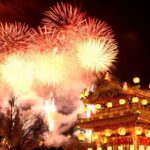
Fireworks festivals (hanabi taikai) are a quintessential part of summer in Japan. Some of the most famous fireworks displays take place in Tokyo and Osaka along the Sumida River. These colorful displays light up the night sky and create a magical atmosphere. Visitors can enjoy the fireworks from parks, riversides, or restaurants with outdoor seating.

The Charm of Nature
Climbing Mt. Fuji (July to September)
For nature lovers, summer is the best time to climb Mount Fuji, Japan’s iconic peak. The official climbing season runs from early July to mid-September, with the busiest period being in August. While it can be crowded, climbing Mt. Fuji remains a bucket-list experience, offering breathtaking views of the surrounding landscape. Be sure to prepare for altitude and pack accordingly.
Hydrangea Blooms (June to July)
One of the highlights of the rainy season is the blooming of hydrangeas, which occurs from June to July. These colorful flowers can be found in gardens and temples all over the country, including popular spots in Kamakura and Kyoto. The cool, misty atmosphere makes it a peaceful and beautiful time to visit these sites.
Since 2015, our website has specialized in individual planning of unique routes, taking into account personal preferences and desires. Each of you will receive a unique PDF file from us, which contains everything you need: travel routes, car rentals, hotels, the best tourist attractions, attractions for kids and everything you need for a perfect vacation. During the trip, we are available for you by phone via WhatsApp. Our personal service provides information from A to Z, taking into account many small details that can become a decisive factor on the way from a wasted trip to an unforgettable vacation. Our service will make your trip comfortable, save a lot of time on planning and preparation, and most importantly – will allow you to become freer and fully enjoy the pleasure of the trip.
Sunflower Fields (Late July to Early August)
For sunflower enthusiasts, the best time to visit Hokkaido is late July to early August, when sunflower fields are in full bloom. Popular locations include Yamanashi and Ibaraki, where you can walk through endless rows of bright yellow flowers.
Beaches and Resorts
If you’re seeking relief from the heat, Japan’s beaches offer the perfect escape. Shonan Beach in Kanagawa Prefecture, near Tokyo, is ideal for swimming and beach activities, with views of Mount Fuji. Other popular beach destinations include Okinawa and Kamakura, known for their clear waters and beautiful coastlines.
Mountain Rivers and Natural Areas
Japan’s mountainous terrain offers some of the country’s most refreshing natural attractions. Located near Tokyo, Okutama is famous for its cool rivers, mountain scenery, and opportunities to experience nature away from the city heat. It’s a popular destination for barbecues and outdoor activities.

Gourmet Guide
Cold Noodles (Soba, Somen)
Summer in Japan is synonymous with cool and refreshing cuisine, and cold soba and somen noodles are popular dishes. These noodles are typically served with a dipping sauce and are perfect for hot summer days. Many convenience stores and restaurants offer these dishes, making them easy to enjoy anywhere.
Shaved Ice
Japanese shaved ice (kakigori) is a must-try in summer. Unlike traditional shaved ice, it is often topped with colorful syrups, condensed milk, and fresh fruit. Tokyo’s specialty cafes often offer luxurious versions with toppings like matcha and red bean paste (azuki), providing a cool and delicious treat.
Grilled Eel (Unagi)
Grilled eel is a classic summer dish, especially during unagi no hi, the eel day, celebrated on July 7 and 8. Eating eel is believed to provide stamina and energy during the hot summer months and is often served on a bed of rice.
Summer Barbecue (Yakiniku)
Summer is the perfect time for a Japanese outdoor barbecue, or yakiniku. These barbecues feature a variety of meats, seafood, and vegetables grilled on tabletop grills, often paired with ice-cold beer for a typical summer dining experience.
Seasonal Fruits and Drinks
Japanese summer fruits like peaches, watermelons, and cherries are refreshing ways to cool down. Many festival stalls sell watermelon slices, believed to help prevent dehydration. Traditional Japanese summer drinks like aqua and parfait drinks will keep you hydrated during your summer adventures.

Practical Tips for a Comfortable Stay
Clothes and Dress Code
When traveling around Japan in the summer, comfort is key. It is recommended to wear light and breathable clothing, such as cotton or linen, to keep cool in the heat and humidity. In many places, casual attire is acceptable, but for visits to temples or shrines, modest attire is important, covering the shoulders and knees. During festivals, many locals wear traditional summer attire like yukata—bright kimonos that add a vibrant cultural atmosphere.
Protection from Sun and Moisture
The summer sun in Japan can be intense, so it is essential to protect your skin. Sunscreen is a must, especially in urban areas where you’ll be walking outside for extended periods. Sunglasses and a wide-brimmed hat will also help shield your face from the sun. Additionally, drink plenty of water or cool beverages, such as green tea or iced drinks, to stay hydrated.
Air Conditioning and Room Features
Air conditioning is common in Japan, but it’s important to note how it can affect your body. Rooms, trains, and shopping malls are often chilled to combat the heat, so stepping into the sticky air outside can feel like a sharp contrast. Many hotels provide fans and portable air conditioners for rooms without central cooling. If you’re staying in a traditional inn, your room may lack air conditioning, so check in advance and prepare with a fan or portable cooling device.
Transportation in the Heat
Public transportation in Japan is efficient but can be very crowded, especially during rush hour. Trains and buses are air-conditioned, but in the summer, they may feel stuffy due to the high number of commuters. It’s recommended to avoid peak travel times and instead take the train early in the morning or late at night when there’s less congestion. If you’re traveling during the hottest part of the day, consider using a taxi to avoid the heat.
Essential Items in Your Pack
In addition to sunscreen, sunglasses, and a hat, it’s a good idea to bring a portable fan, cooling towel, or mister to help manage the heat. Always carry a small bottle of water to stay hydrated, especially when exploring outdoor areas. Non-slip shoes are also recommended if you’re visiting mountainous areas or walking near water, as the combination of moisture and rain can make surfaces slippery.

Plan Your Itinerary
Crowded Tourist Attractions
Summer is the peak season for tourism in Japan, and popular attractions can be crowded. Tokyo Disneyland, Kyoto’s temples, and Universal Studios in Osaka are among the busiest destinations. To avoid long queues, try visiting these places early in the morning or on weekdays.
School Holidays and National Holidays
Summer holidays in Japan typically coincide with school holidays in July and August, so many families are traveling. Obon, another time of year when Japanese people travel to visit family graves, leads to increased domestic travel. This is a busy time, particularly in rural areas and temples. If you’re seeking a quieter trip, consider avoiding these national holiday periods.

Booking Accommodation and Transportation
Due to the large number of tourists, it is crucial to book accommodation and transportation in advance. Hotels fill up quickly, especially in major cities, and popular trains like the Shinkansen require reservations during the summer months.
Alternative Destinations to Avoid Congestion
If you want to experience a less crowded Japan, consider visiting lesser-known areas such as Shikoku, Kyushu, and the Noto Peninsula. These regions offer beautiful natural landscapes, quiet beaches, and serene temples without heavy foot traffic. Small towns in Hokkaido and Tohoku also provide a peaceful summer retreat.
Best Time to Visit
For those looking to avoid summer heat and congestion, late spring (May) or early autumn (September) might be the most comfortable times to visit Japan. However, the summer festivals, lush landscapes, and cultural experiences make this season an exciting time to be in the country. Just plan your activities around your tolerance for the weather and heat.

Cultural Features of Summer
Yukata and Traditional Summer Clothes
One of the most iconic features of Japanese summer is the yukata, a casual version of the kimono. The yukata is traditionally worn at summer festivals and fireworks displays, allowing you to enjoy seasonal cultural events in a fun and comfortable way. You can rent yukata in major cities like Kyoto and Asakusa or take part in the festival by wearing traditional attire.
Participation in the Festival
If you’re visiting Japan in the summer, participating in a festival is essential. With energetic parades, traditional dances, and beautiful floats, festivals are a core part of Japanese summer culture. Visitors are often welcome to join the festivities, whether by watching, dancing, or enjoying the food stalls. Don’t hesitate to immerse yourself in the celebratory spirit.
Summer Traditions
During the summer, Japanese people follow certain traditions to stay cool and enjoy the season. These include visiting temples and shrines, where the cool interiors provide a welcome respite from the heat, and attending bonfires to ward off evil spirits. In coastal towns, people take part in firefly observation and enjoy outdoor activities such as beach barbecues and night lantern displays.
Summer Entertainment and Events
In addition to festivals, Japan’s summer is filled with events such as outdoor concerts, open-air markets, and traditional theater performances. Cities like Tokyo and Osaka host music festivals and theater shows, offering a unique opportunity to experience Japanese art and culture. Many temples and shrines also hold outdoor performances, making summer a thrilling season for cultural entertainment.
Etiquette and Behavior
Japanese culture places great importance on politeness, and summer is no exception. When participating in festivals and public events, it’s important to maintain respectful behavior. Avoid raising your voice, pushing through the crowd, and always be aware of your surroundings. When entering a temple or shrine, respect the attire and refrain from loud or disruptive actions. Additionally, be sure to remove your shoes before entering a traditional house, inn, or some temples.
What we propose Emma Heidi Take all the stress out of planning your trip! With our experts, you can create the perfect itinerary for you – complete, comfortable, and tailored to all your dreams, wishes, and needs. We take care of every little detail, so you can simply focus on enjoying your journey. We’ve been designing personalized itineraries since 2015, and over the years we’ve created thousands of custom itineraries for happy clients. Save time, avoid confusion – we do the work for you. Our service saves you weeks of searching, reading, comparing, and complicated planning. Instead of wasting endless hours – you receive a ready-to-use, accurate and clear itinerary. A tailor-made itinerary – built just for you. Your itinerary is personally designed based on our experts’ real field experience and genuine feedback from hundreds of travelers – including hidden discoveries and insider tips that don’t appear in any travel guide. Smart accommodation selection – often saves you hundreds or even thousands of dollars. We help you choose verified and recommended places to stay, checking availability for your exact travel dates. Sometimes we suggest hotels not “in the center,” but in safe, convenient, and highly strategic locations – which can significantly reduce travel costs and save you even thousands of dollars. We’re by your side even during the trip. We stay with you throughout your vacation – providing professional help whenever needed. If the weather changes, there’s a strike, a local event, heavy crowds, or any unexpected situation – we are here to update, guide, and adjust your itinerary in real time. Easy-to-use itinerary – with direct navigation links. Your itinerary includes direct Waze / Google Maps links – no need to search for parking addresses, no stress, no mistakes. Just tap – and go. Want to know if it’s really worth it? Take a look at the experiences of travelers who built their personal itinerary with us. Click here and let’s start building the itinerary that will save you time, money, and stress – and turn your vacation into perfection. Of course, your first inquiry is completely free – with no commitment whatsoever. How it works
Customer Experience Manager


Service cost: from only $420. (Special price for short itineraries up to 5 days). Clients tell us the itinerary saves them costly mistakes, fines, wrong choices – plus exclusive discounts on car rentals, better-priced accommodations, and money-saving local tips.


Latest articles