My love for Japan began the moment I arrived in Tokyo. The country amazed me with its harmony of ancient traditions, cutting-edge technology, breathtaking nature, and a culture unlike any other. Since then, Japan has become a part of my life, and I return there again and again. Today I help travelers discover the real Japan: I create personalized itineraries, give lectures, and prepare guests for their unforgettable journey. I would be delighted to open Japan for you too!


Nara
Nestled less than an hour from both Kyoto and Osaka, Nara provides a refreshing escape from urban life. This ancient capital features a perfect blend of cultural treasures, natural beauty, and the iconic bowing deer that have become the city’s unofficial ambassadors. Whether you’re planning a day trip or an overnight stay, this guide will help you navigate Nara’s highlights with insider tips to enhance your experience.
Getting to Nara: The Smart Traveler’s Approach
Nara is well-served by excellent rail connections, featuring two main stations: Kintetsu Nara Station and JR Nara Station. Kintetsu Station is closer to the main attractions, just a 5-minute walk from Kofukuji Temple and about 15 minutes from most major sites. Although JR Nara Station is slightly farther, approximately a 20-minute walk to the park area, it provides connectivity through Japan Rail Pass services.
For a touch of luxury, consider the Sightseeing Limited Express Aoniyoshi operated by Kintetsu Railway. Although it runs only a few round trips daily between Osaka/Kyoto and Nara, this premium train offers an elevated travel experience with comfortable seating and stylish amenities.
Pro tip: Arrive at Kintetsu Station and depart from JR Station (or vice versa) to explore different parts of the city while optimizing your route. This strategy helps you avoid backtracking and discover more of Nara’s charm along the way.

Nara’s Must-See Attractions
Todaiji Temple: Home to the Great Buddha
Todaiji is one of Japan’s most iconic temples and Nara’s crown jewel. The main hall, known as Daibutsuden (Great Buddha Hall), houses a 15-meter bronze Buddha statue that inspires immediate awe. Although it was reconstructed in 1709 at two-thirds its original size, the hall remained the world’s largest wooden building until recent times.
The statue’s open palm stands as tall as an adult human, providing perspective on its imposing scale. Inside the hall, visitors can attempt a popular challenge: squeezing through a wooden column with a hole that is said to be the same size as the Buddha statue’s nostril. According to tradition, those who successfully pass through will attain enlightenment in their next life.
Your visit to Todaiji begins at the impressive Nandaimon Gate, which stands 25 meters tall and is guarded by two fierce Nio guardian kings. These statues, along with the gate itself, are designated National Treasures. Beyond the main hall, you can climb the hill to reach Nigatsu-do Hall, which offers panoramic views of the surrounding area and serves as the venue for the spectacular Omizutori/Shunie ceremony, held annually from March 1 to 14. During this event, monks carry massive flaming torches along the hall’s wooden balcony, creating a breathtaking display.
Visiting Information:
- Entrance Fee: 800 yen for adults, 400 yen for elementary school students (ages 7-12)
- Hours: 7:30 AM to 5:30 PM (April to October), 8:00 AM to 5:00 PM (November to March)
- Additional Attractions: Todaiji Museum (combined ticket with Daibutsuden: 1,200 yen)
- Best Times to Visit: Early morning to avoid crowds, especially during peak tourist seasons
Nara Park: The Deer Paradise
Spanning a vast green space surrounding the main attractions, Nara Park is home to approximately 1,400 wild yet tame sika deer. These graceful creatures are considered sacred messengers of the gods and have been designated as National Treasures of Japan.
The park becomes particularly enchanting during the cherry blossom season in early April and the autumn foliage season in November, transforming the landscape with seasonal colors that perfectly complement the historic structures.
Visitors can purchase special deer crackers (shika senbei) for 150 yen from vendors throughout the park. The deer have famously learned to bow in exchange for these treats—a charming interaction that delights tourists of all ages. However, be cautious when feeding them, as they can become quite assertive when they spot food. The best approach is to bow clearly before offering the cracker and to keep any other food securely hidden away.
Deer Interaction Tips:
- Look for less crowded areas of the park where deer may be hungrier and more inclined to bow.
- Hold crackers above your head if overwhelmed by too many deer approaching at once.
- Never tease the deer with food or pull back once you’ve offered it.
- Be especially careful with small children who might be startled by sudden deer movements.
Kofukuji Temple: Historical Power Center
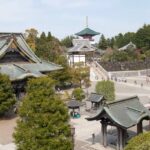
Originally established in 710 as the family temple of the influential Fujiwara clan, Kofukuji served as one of Japan’s most powerful religious institutions for centuries. Its striking five-story pagoda has become an iconic symbol of Nara’s skyline.
The Central Golden Hall, having undergone extensive reconstruction, reopened in 2018 after being destroyed by fire three centuries earlier. This impressive restoration accurately replicates the original structure’s dimensions and architectural details.
Don’t miss the National Treasure Museum on the temple grounds, which houses one of Japan’s finest collections of Buddhist art. Here, you can admire masterpieces such as the six Kannon statues and the renowned three-faced, six-armed Ashura statue, which exemplifies the exceptional craftsmanship of the Nara period.
Visiting Information:
- Temple grounds: Open 24 hours, free to enter
- National Treasure Museum: 900 yen
- Central Golden Hall: 500 yen
- Eastern Golden Hall: 500 yen
- Combined ticket for all three: 1,600 yen
- Hours for buildings and museum: 9:00 AM to 5:00 PM (last entry 4:45 PM)
- Location: 5-minute walk from Kintetsu Nara Station, 20-minute walk from JR Nara Station

Kasuga Taisha Shrine: A Thousand Lanterns
Founded in 768 by the Fujiwara family, Kasuga Taisha is renowned for its thousands of bronze and stone lanterns donated by worshippers over the centuries. These lanterns create a mystical atmosphere as you explore the shrine grounds and the approach path through the ancient forest.
Twice a year—during the Lantern Festivals in early February and mid-August—these lanterns are lit, transforming the shrine into a magical landscape of flickering lights. Even outside of these special events, the moss-covered stone lanterns lining the paths and the bronze lanterns hanging inside the shrine halls contribute to a serene and timeless atmosphere.
The shrine beautifully exemplifies the Kasuga-zukuri architectural style, characterized by its sloping roof that extends over the front of the building. The inner area features vibrant vermilion columns and intricate decorations that contrast splendidly with the surrounding greenery.
Visiting Information:
- Shrine grounds: Free to enter
- Inner area (Main Sanctuary): 500 yen
- Hours: 6:30 AM to 5:30 PM (March to October), 7:00 AM to 5:00 PM (November to February)
- Special worship hours: 9:00 AM to 4:00 PM daily
- Closed: March 8-13, December 20-January 7, and the second Monday of January
- Lantern festivals: February 3 (Setsubun Mantoro) and August 14-15 (Obon Mantoro)
Isuien Garden: A Hidden Gem
This exquisite Japanese landscape garden consists of two distinct sections representing different historical periods. The front garden, dating back to the 17th century, features a large tea house where visitors can enjoy traditional tea while overlooking a pond. The back garden, created in 1899, showcases the concept of “borrowed scenery” by incorporating distant views of Todaiji’s roof and Mount Wakakusayama into its design.
A pleasant network of walking paths, featuring stepping stones over water, invites visitors to stroll through the meticulously maintained garden, complete with carefully pruned shrubs and trees, small tea houses, and even a water mill. Adjacent to the garden is the Neiraku Museum, included in the admission fee, which showcases artifacts from ancient China and Korea from the garden owner’s family collection.
Visiting Information:
- Entrance Fee: 1,200 yen (includes access to Neiraku Museum)
- Hours: 9:30 AM to 4:30 PM (last entry at 4:00 PM)
- Closed: Tuesdays (except in April, May, October, and November), New Year holidays, and Obon holidays
- Access: A 15-minute walk from Kintetsu Nara Station, or take a bus from JR Nara Station to the Oshiagecho bus stop
- Note: The garden features stepping stones and uneven paths that may pose challenges for those with mobility issues
- Best Visit Time: Morning for fewer crowds, or late afternoon for beautiful lighting

Mount Wakakusayama: Panoramic Views
For those willing to venture beyond the central attractions, Mount Wakakusayama offers a rewarding 30- to 45-minute hike to its 350-meter summit. The trail begins behind Todaiji, making it easy to incorporate into your itinerary after visiting the temple.
The trek is relatively gentle, with well-marked paths and gradual slopes, making it suitable for most fitness levels. On clear days, the panoramic views stretch from Nara to Kyoto and Osaka. The peaceful atmosphere at the summit is perfect for resting, picnicking, or simply enjoying the scenic beauty.
In January, the mountain hosts the Wakakusa Yamayaki festival, where the grass on the mountainside is set ablaze, creating a spectacular fire display visible throughout the city.
Hiking Information:
- Mountain Access Fee: 150 yen (free from December to February)
- Best Hiking Times: Morning for clearer views or late afternoon for sunset
- Duration: 30-45 minutes up, 20-30 minutes down
- Amenities: Vending machines at the base, but bring your own water for the hike
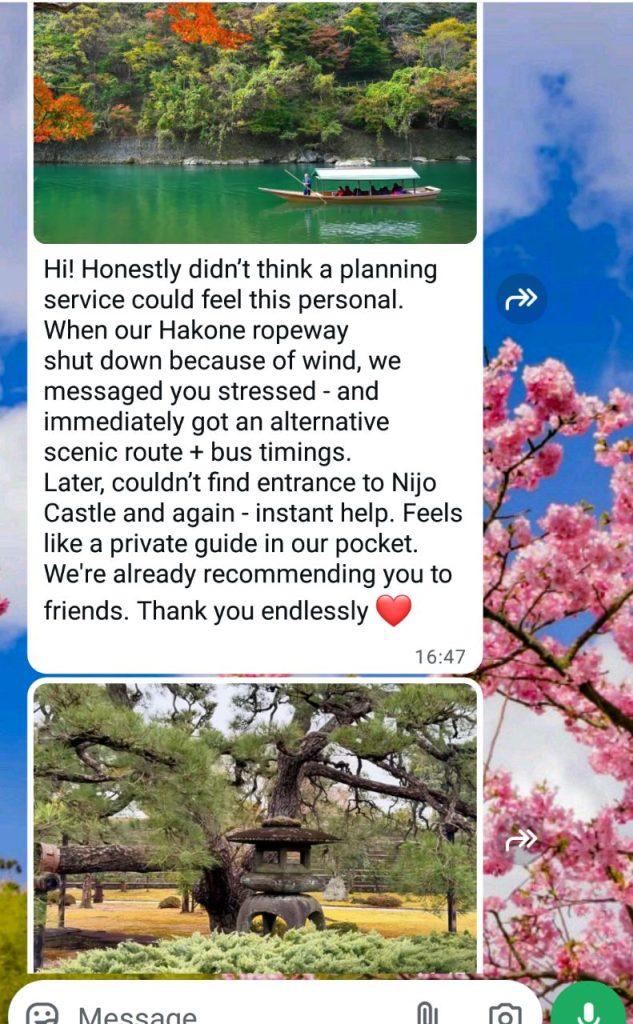
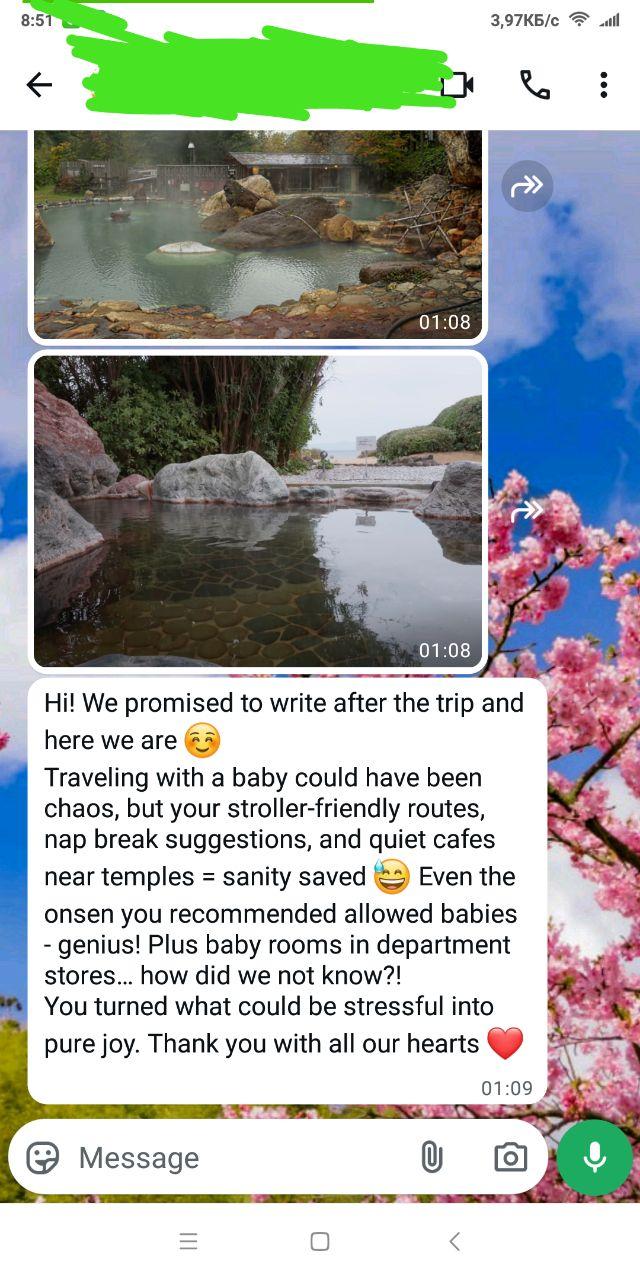
Since 2015, our website has specialized in individual planning of unique routes, taking into account personal preferences and desires. Each of you will receive a unique PDF file from us, which contains everything you need: travel routes, car rentals, hotels, the best tourist attractions, attractions for kids and everything you need for a perfect vacation. During the trip, we are available for you by phone via WhatsApp. Our personal service provides information from A to Z, taking into account many small details that can become a decisive factor on the way from a wasted trip to an unforgettable vacation. Our service will make your trip comfortable, save a lot of time on planning and preparation, and most importantly – will allow you to become freer and fully enjoy the pleasure of the trip.
Naramachi: Step Back in Time
The former merchant district of Naramachi preserves an old-world atmosphere with its narrow streets and traditional architecture. Unlike many Japanese historic districts that have become overly commercialized, Naramachi maintains an authentic character where residents continue to live and work.
At the heart of this district lies Gangoji Temple, regarded as Japan’s first Buddhist temple. Originally built in Asuka village, about 20 kilometers south of Nara, over 100 years before Nara’s founding, it was relocated and renamed when the capital was established.
Several traditional machiya (townhouses) have been preserved and opened to the public. Koshi-no-Ie is particularly noteworthy, featuring the characteristic narrow frontage (historically, taxes were calculated based on street frontage width) but surprising depth. Inside, you’ll find the hakokidan—a space-saving design that serves both as a staircase and storage area.
The Karakuri Toy Museum, also housed in a machiya, allows visitors to engage with over 200 mechanical toys from the feudal period, providing an interactive glimpse into traditional Japanese entertainment.
Visiting Information:
- Gangoji Temple: 500 yen
- Koshi-no-Ie: Free admission
- Karakuri Toy Museum: 400 yen
- Hours: Most sites open from 10:00 AM to 4:00 PM
- Best explored: Late afternoon, after the main attractions, when the district becomes even more atmospheric

Local Cuisine: Nara’s Culinary Treasures
Nara’s culinary landscape offers unique specialties that reflect its historical significance and local traditions.
Kakinoha Zushi is a standout Nara specialty—sushi wrapped in persimmon leaves. Dating back to the Edo period, this preservation method lends a subtle flavor to the rice and fish. The antibacterial properties of persimmon leaves made this technique practical before refrigeration. For an authentic experience, try it at restaurants like Isasa or Hasso.
Chagayu, a tea-infused rice porridge, is another local delicacy. This simple yet flavorful dish is prepared by simmering rice in a broth made from roasted green tea, resulting in a smoky, pleasant taste. You can sample this comfort food at establishments such as Chaya or Hasso.
Narazuke pickles are worth trying for their rich umami flavor. These vegetables are pickled in sake lees, giving them a distinctive taste and texture unlike other Japanese pickles. Mory Narazuke and Imanishi Hounen provide excellent versions of these traditional preserves.
For a memorable dining experience, consider visiting Edogawa in central Naramachi for their special unagi (freshwater eel) kaiseki dinner. This multi-sensory experience includes watching the chef prepare unagi before your eyes while enjoying the delightful aromas and flavors of successive dishes. Reservations are essential, as only two groups are accommodated each evening.
Complete your culinary exploration with a pint at one of Nara’s local craft breweries, where traditional brewing techniques meet contemporary flavors—the perfect toast to your Nara adventure.

Perfect Itineraries: Making the Most of Your Visit
One-Day Wonder Tour
For visitors with limited time, this efficient itinerary maximizes your Nara experience:
- Morning (8:00-11:30 AM): Arrive at Kintetsu Nara Station and head directly to Todaiji Temple to avoid the crowds. Explore the Great Buddha Hall and Nandaimon Gate, and if time allows, climb to Nigatsu-do Hall for panoramic views.
- Mid-day (11:30 AM-2:30 PM): Take a leisurely stroll through Nara Park, interacting with the deer along the way, and enjoy lunch at one of the nearby cafés, such as Mizuya Chaya. After lunch, visit Kofukuji Temple and its National Treasure Museum.
- Afternoon (2:30-5:00 PM): Walk to Kasuga Taisha Shrine via the scenic forest path. If time permits, stop by Isuien Garden for a peaceful respite before returning.
- Evening (5:00-7:00 PM): Explore Higashimuki Shopping Street for souvenirs before heading back to JR Nara Station to catch your train.
Two-Day Immersive Experience
For a more leisurely pace that allows for deeper exploration:
Day 1:
- Morning: Visit Kofukuji Temple and the National Treasure Museum.
- Afternoon: Explore the Todaiji Temple complex and Nara Park.
- Evening: Visit Kasuga Taisha Shrine, followed by dinner and an overnight stay at a ryokan like Mikasa, which offers beautiful city views.
Day 2:
- Morning: Discover Isuien Garden and nearby attractions.
- Afternoon: Explore the Naramachi district, including Gangoji Temple and traditional machiya houses.
- Evening: Savor local cuisine at a specialty restaurant in Naramachi before departing.

Practical Tips for Nara Visitors
Best times to visit: Early morning (8:00-9:00 AM) provides a peaceful experience at major attractions. The city becomes increasingly crowded as tour buses arrive from Kyoto and Osaka by mid-morning. Alternatively, consider an overnight stay to enjoy evenings and early mornings without day-trippers.
Weather considerations: Spring (March-May) and autumn (October-November) offer the most pleasant temperatures and beautiful seasonal scenery. Summer can be hot and humid, while winter brings cooler temperatures but fewer crowds.
Money-saving strategies: Purchase the Nara Park Area combination ticket (2,000 yen), which covers Todaiji’s Great Buddha Hall, Kofukuji’s National Treasure Museum, and Kasuga Taisha’s inner area—saving you 20% compared to buying individual tickets.
Accommodation insights: Staying overnight in Nara provides a completely different experience once the day-trippers have left. Ryokan Mikasa offers traditional Japanese accommodations with modern comforts and stunning city views. For budget travelers, Hotel Sunroute Nara offers excellent value near Kintetsu Station.
Photography tips: The “golden hour,” just after sunrise, casts a magical light on Todaiji and Kasuga Taisha. For capturing deer, visit the quieter northern sections of the park, where the animals are less disturbed and more likely to pose naturally.
Accessibility Notes: While many major attractions strive to accommodate visitors with mobility challenges, some temples have steps and uneven surfaces. Todaiji has installed ramps for wheelchair access to the Great Buddha Hall, and Nara Park offers several paved paths suitable for wheelchairs and strollers.

Seasonal Highlights
February/August: The Lantern Festivals at Kasuga Taisha create a magical atmosphere as thousands of bronze and stone lanterns illuminate the shrine.
March: The Omizutori/Shunie ceremony at Todaiji’s Nigatsu-do Hall features monks carrying massive flaming torches along the wooden balcony—a tradition that has been maintained for over 1,270 years without interruption.
April: Cherry blossom season transforms Nara Park into a pink wonderland, providing perfect photo opportunities with deer and historic buildings framed by sakura.
Click here to learn more about creating a personal itinerary
November: Autumn foliage creates a spectacular tapestry of red, orange, and gold throughout Nara Park and the surrounding temple grounds.
January: The Wakakusa Yamayaki festival culminates in the controlled burning of Mount Wakakusayama’s slopes, creating a dramatic spectacle visible throughout the city.
With its perfect blend of cultural heritage, natural beauty, and interactive experiences, Nara offers an essential Japanese experience that is both accessible and manageable for international visitors. Whether you’re feeding the famous bowing deer, standing in awe before the Great Buddha, or wandering through traditional streets, Nara will leave you with lasting memories of Japan’s ancient capital—each moment connecting you to over a thousand years of living history.
What we propose Emma Heidi Take all the stress out of planning your trip! With our experts, you can create the perfect itinerary for you – complete, comfortable, and tailored to all your dreams, wishes, and needs. We take care of every little detail, so you can simply focus on enjoying your journey. We’ve been designing personalized itineraries since 2015, and over the years we’ve created thousands of custom itineraries for happy clients. Save time, avoid confusion – we do the work for you. Our service saves you weeks of searching, reading, comparing, and complicated planning. Instead of wasting endless hours – you receive a ready-to-use, accurate and clear itinerary. A tailor-made itinerary – built just for you. Your itinerary is personally designed based on our experts’ real field experience and genuine feedback from hundreds of travelers – including hidden discoveries and insider tips that don’t appear in any travel guide. Smart accommodation selection – often saves you hundreds or even thousands of dollars. We help you choose verified and recommended places to stay, checking availability for your exact travel dates. Sometimes we suggest hotels not “in the center,” but in safe, convenient, and highly strategic locations – which can significantly reduce travel costs and save you even thousands of dollars. We’re by your side even during the trip. We stay with you throughout your vacation – providing professional help whenever needed. If the weather changes, there’s a strike, a local event, heavy crowds, or any unexpected situation – we are here to update, guide, and adjust your itinerary in real time. Easy-to-use itinerary – with direct navigation links. Your itinerary includes direct Waze / Google Maps links – no need to search for parking addresses, no stress, no mistakes. Just tap – and go. Want to know if it’s really worth it? Take a look at the experiences of travelers who built their personal itinerary with us. Click here and let’s start building the itinerary that will save you time, money, and stress – and turn your vacation into perfection. Of course, your first inquiry is completely free – with no commitment whatsoever. How it works
Customer Experience Manager


Service cost: from only $420. (Special price for short itineraries up to 5 days). Clients tell us the itinerary saves them costly mistakes, fines, wrong choices – plus exclusive discounts on car rentals, better-priced accommodations, and money-saving local tips.


Latest articles