My love for Japan began the moment I arrived in Tokyo. The country amazed me with its harmony of ancient traditions, cutting-edge technology, breathtaking nature, and a culture unlike any other. Since then, Japan has become a part of my life, and I return there again and again. Today I help travelers discover the real Japan: I create personalized itineraries, give lectures, and prepare guests for their unforgettable journey. I would be delighted to open Japan for you too!


Nikko
Nikko, located just two hours north of Tokyo, offers a fascinating escape into Japan’s rich cultural and natural heritage. From historic shrines and temples to the stunning beauty of lakes, waterfalls, and hiking trails, Nikko is the ideal destination for day trips and a relaxing overnight stay. Whether you’re interested in history, nature, or spirituality, there’s something for everyone. This guide will show you the must-see sights and give you practical tips to make the most of your visit.
Temples and Shrines
Toshogu Shrine
One of Nikko’s most iconic landmarks, Toshogu Shrine is dedicated to Tokugawa Ieyasu, the founder of the Tokugawa shogunate. This UNESCO World Heritage site is famous for its intricate sculptures, vivid colors, and the famous “Three Wise Monkeys” – the symbol of the concept “Do not see evil, do not hear evil, do not speak evil.” This shrine features the ornate Yomeimon Gate and the mausoleum of Ieyasu. The entrance fee is 1,300 yen, and it is a place where you can wander the beautiful grounds for hours. The attention to architectural details and the calm ambiance make it a must-see.

Rinno-ji Temple
Rinno-ji Temple, the most important Buddhist temple in Nikko, is known for its large main hall (Sanbutsu-do), which houses statues of Amida Buddha, Senju Kannon, and Bato Kannon. The highlight here is Shoyo-en, a Japanese-style garden that invites contemplation. The tranquil surroundings of the temple provide a wonderful setting to experience the spiritual heritage of the region.
Futarasan-jinja Shrine
Located near Toshogu Shrine, Futarasan Shrine enshrines the gods of the mountains of Nikko and holds an important place in the spiritual traditions of the region. Admire the historic buildings and the beautiful torii gate marking the entrance to the sacred site. The shrine is known for its quiet, spiritual atmosphere and its role in local Shinto practice.
Shinkyo Bridge
Shinkyo-bashi Bridge, one of Japan‘s three famous bridges, is a vermilion bridge over the Otani River. It often appears in photos of Nikko, and you can cross it for a small fee (300 yen). The bridge offers beautiful views of the surrounding lush forests, and it is especially picturesque when surrounded by the vibrant colors of autumn.
Taiyuinbyo
Taiyuinbyo Temple is an important historical site in Nikko as the mausoleum of Tokugawa Iemitsu, the third shogun of the Tokugawa shogunate. The temple complex is beautifully ornate, characterized by stunning architecture, intricate sculptures, and tranquil gardens. Its serene environment and intricate design reflect the splendor of the Tokugawa era, making it a beautiful place to visit.

Lake Chuzenji Area
How to Get There and Navigation
To reach the Lake Chuzenji area from Tobu Nikko Station, take a local bus that goes along a mountain path. The bus ride takes about 45 minutes and offers stunning views of the surrounding landscape. During peak season, buses can be very crowded, so it is recommended to arrive early.
Lake Cruise
Formed by volcanic eruptions thousands of years ago, Lake Chuzenji offers a serene setting for boat cruises. A sightseeing cruise lasts about 1 hour and provides visitors with the opportunity to enjoy views of the surrounding mountains, forests, and nearby waterfalls. You can hop on and off the boat with a free round-trip ticket to explore various scenic spots along the lake.
Shoreline Cafes and Shops
The area around Lake Chuzenji is dotted with charming cafes and local shops. After a boat ride, take a walk along the coast or relax in a cozy cafe serving hot drinks and local snacks. The area offers excellent souvenirs to take home, including handmade crafts and local delicacies.
Observation Deck and Scenic Views
The landscape is best admired from one of the many observation points around the lake. The views from these decks are simply breathtaking, especially in autumn when vivid colors contrast beautifully with the crystal-clear waters of the lake. Visit the Akechidaira Ropeway for the best panoramic views in Nikko.
Akechidaira Ropeway
From the Akechidaira Ropeway, a 3-minute ride takes you to the observation deck with stunning views of Lake Chuzenji and Kegon Falls. This vantage point offers some of the most beautiful views in the area, especially during the autumn season when the landscape is ablaze with color.

Waterfalls
Kegon Falls
Kegon Falls is one of the most famous and majestic waterfalls in Japan, cascading 97 meters down into the valley below. You can view it from the free observation deck at the top or take the elevator to the paid observation deck for a closer look. The falls are especially popular in autumn, when the surrounding leaves are at their peak.
Ryuzu-no-Taki Waterfall
Located near the northern end of Lake Chuzenji, Ryuzu Falls is known for its unique twin streams of water. The name “Ryuzu” comes from the fact that the water splits into two parts. The waterfall is especially stunning in autumn when the surrounding forest is filled with colorful leaves. There is an observation deck and a nearby cafe where you can comfortably enjoy the scenery.
Yudaki no Taki
Yudaki Falls is a picturesque waterfall with water cascading from a height of 25 meters. Located on the banks of Lake Yunoko, the waterfall is surrounded by lush forests and is the perfect spot for a quiet retreat. The nearby promenade offers a comfortable way to enjoy the area.
Kirifuri-no-Taki Falls
Known for its elegant, mist-like flow, Kirifuri Falls is a hidden gem. While not as large as Kegon Falls, it offers a more intimate experience and is often less crowded. The waterfall is easily accessible by bus or a short hike, making it ideal for a relaxing visit.

Hiking Trails
Senjogahara Marsh
Senjogahara Marsh offers a flat and easy promenade, perfect for a quiet walk surrounded by natural beauty. This two-hour hike through the wetlands takes you through diverse ecosystems, with the opportunity to discover local wildlife. The area is especially beautiful in autumn when the reeds turn golden.
Around Lake Chuzenji
For a longer hike, take the trail around Lake Chuzenji. This loop offers stunning views of the lake, surrounding mountains, and waterfalls, making it a great way to soak in the natural beauty of the area. The trail is relatively easy but be prepared for varied terrain.
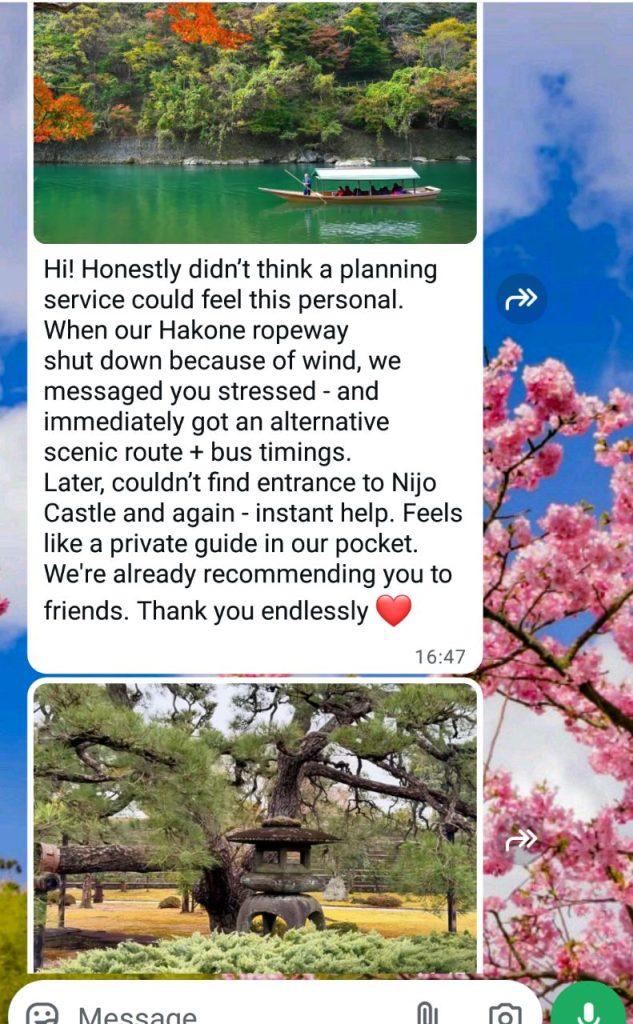
Since 2015, our website has specialized in individual planning of unique routes, taking into account personal preferences and desires. Each of you will receive a unique PDF file from us, which contains everything you need: travel routes, car rentals, hotels, the best tourist attractions, attractions for kids and everything you need for a perfect vacation. During the trip, we are available for you by phone via WhatsApp. Our personal service provides information from A to Z, taking into account many small details that can become a decisive factor on the way from a wasted trip to an unforgettable vacation. Our service will make your trip comfortable, save a lot of time on planning and preparation, and most importantly – will allow you to become freer and fully enjoy the pleasure of the trip.
Easy Trails Near the Temple
For those interested in a shorter and more relaxed hike, there are several easy trails around the temples. These offer a quiet walk through the woods or along the riverbank, providing a peaceful escape from the crowds.
Seasonal Aspects of Hiking Trails
The hiking trails change dramatically with the seasons. In spring and summer, the trails are lush and green, while autumn brings bright red and yellow leaves. Winter hikes can also be magical, but be prepared for cold conditions and snow on higher trails.

A Special Place
Tamozawa Rikyu
Tamozawa Rikyu is a historical building that once served as a retreat for the Imperial family. The villa’s traditional Japanese architecture and beautiful gardens offer a glimpse into the past. It’s a great place for history lovers and anyone interested in Japanese design.
Yumoto Onsen
Yumoto Onsen is one of the representative hot springs in Nikko. After a long day of hiking and sightseeing, soaking in the healing mineral-rich waters of Yumoto Onsen is a great way to relax.
Nikko Botanical Garden
The Nikko Botanical Garden is a quiet retreat showcasing the diverse plant life of the area. It’s especially beautiful in spring, when the flowers bloom, and in autumn when the leaves change dramatically.
Nikko Historical Museum
For those interested in the history of Nikko, the Nikko Historical Museum offers exhibits on the region’s cultural heritage. It’s a great place to learn more about the significance of the shrines and temples.

Seasonal Considerations
Best Time to Visit for Red Maple Leaves
Autumn is the best time to visit Nikko if you want to see the beautiful autumn leaves. The vibrant foliage around the temples, waterfalls, and lakes is spectacular, typically peaking in mid-October to late November.
Winter Scenery and Activities
In winter, Nikko transforms into a winter wonderland. Snow-covered temples and frozen waterfalls create a magical atmosphere. While it’s a quiet time to visit, access to hiking trails may be difficult due to snow.
Crowd Levels Throughout the Year
Nikko can be crowded during peak season, especially in autumn when tourists come to see the autumn leaves. To avoid congestion, visit early in the morning or during off-peak hours. Weekdays tend to be quieter than weekends.
Traffic Tips During Peak Season
Buses and trains to Nikko can be crowded, especially during the busy autumn season. To ensure a smooth journey, book your tickets in advance and plan your visit during quieter times of the day.
How to Get There
Direct Trains from Asakusa Station (Tobu Railway):
The easiest way to get to Nikko from Tokyo is to take the Tobu Railway from Asakusa Station. The limited express train is comfortable, takes about 2 hours, and costs around 2,800 yen for a one-way ticket.
Via JR/Shinkansen (For JR Pass Holders):
If you have a JR pass, you can take the Shinkansen from Tokyo to Utsunomiya Station and then transfer to a local train to Nikko. While this option takes a bit longer, it is useful for JR pass holders.
Train Options: Express and Spacia X:
The Express and Spacia X are popular choices for travel to Nikko. These provide comfort and speed, with the journey taking about 2 hours. You’ll also enjoy a scenic ride through the countryside.
Time and Cost:
- Limited Express from Asakusa Station: 2,800 yen, about 2 hours.
- JR users: Price varies depending on the route, but the Shinkansen to Utsunomiya is typically faster.

Practical Tips
Recommended Two-Day Itinerary in Nikko
A two-day trip to Nikko allows you to experience all the destination has to offer, from historic temples and shrines to breathtaking natural landscapes. Here’s a suggested itinerary:
Day 1: Visit Temples and Shrines
Day 1 is dedicated to exploring Nikko’s rich cultural heritage and visiting its most famous temples and shrines.
Morning:
- Arrive early at Toshogu Shrine, one of Nikko’s main attractions. Spend a few hours exploring the ornate architecture, including the Yomei Gate and Tokugawa Ieyasu’s mausoleum.
- A short walk from Toshogu leads to Rinno-ji Temple, where you can enjoy the tranquil atmosphere and impressive statues in the main hall. Don’t miss the beautiful Songyang Garden if you’re interested.
Lunch:
- Head to a local restaurant near the temple to enjoy Nikko’s specialty yuba cuisine, a local delicacy.
Afternoon:
- Visit Futarasan Shrine, just a short walk from Toshogu Shrine.
- Admire the iconic Shinbashi Bridge, offering beautiful views of the Diamond River and surrounding forest.
- If time allows, visit Daiyu-in Mausoleum, the resting place of Iemitsu Tokugawa, a quieter and less crowded site than Toshogu Shrine.
Evening:
- Enjoy dinner in the historic town center. Choose from cozy taverns or restaurants specializing in local cuisine.
- Take a relaxing evening walk around the area to soak in the peaceful atmosphere.
Day 2: Nature and Waterfalls
Day 2 immerses you in Nikko’s natural beauty, featuring Lake Chuzenji, waterfalls, and scenic vistas.
Morning:
- Depart early for Lake Chuzenji, formed by volcanic eruptions centuries ago. Begin with a relaxing boat cruise around the lake.
- After the cruise, take a short walk to Kegon Falls, one of Japan’s most famous waterfalls. You can view it from both an observation deck above and below.
Lunch:
- Enjoy lunch at a lakeside café with stunning views of the lake and mountains.
Afternoon:
- Visit Dragon Head Waterfall, known for its unique double stream resembling a dragon’s head. Take a short hike along nearby trails.
- Consider visiting Yutaki Falls or Kirifuri Falls, both offering tranquil views and peaceful hiking paths.
Late Afternoon:
- Before leaving the area, ride the Akechidaira Ropeway for stunning panoramic views of Lake Chuzenji and surrounding mountains. The cable car is fast, but the view from the observation deck is unforgettable, especially in the late afternoon light.
Evening:
- Return to your accommodation for a relaxing evening. If staying at a ryokan, enjoy a soak in the hot springs after a day of sightseeing.
Where to Stay in Nikko
Nikko offers a variety of accommodation options to suit different preferences and budgets:
Ryokan with a Hot Spring:
For an authentic Japanese experience, stay at a ryokan near Yumoto Onsen, such as Tobu Hotel Nikko or Hoshino Resorts Kai Nikko. These inns offer traditional tatami rooms, beautiful views, and relaxing hot springs. Yumoto Onsen is especially popular for its natural hot springs and peaceful atmosphere.
Modern Hotels:
If you prefer modern accommodation, Nikko Station Hotel Classic and Nikko Kanaya Hotel are great choices. Both are located near the train station and offer comfortable rooms with modern amenities.
Guesthouses and Budget Options:
For a more affordable stay, Nikko offers various guesthouses and hostels, including Nikko Park Lodge and Guest House Soba. These provide a friendly and budget-friendly base for travelers focused on exploring the city.
What to Bring With You
When visiting Nikko, it’s important to be prepared for both cultural tourism and outdoor activities. Here’s a packing list:
- Comfortable Shoes:
Be prepared to walk a lot, especially if you plan to hike. Trails near waterfalls and Lake Chuzenji can be muddy, so waterproof hiking shoes are ideal. - Warm Clothes:
If visiting in the cooler months (especially autumn or winter), bring warm layers. Temperatures can drop in the evening, and proper gear is necessary for hiking in cold weather. - Camera:
The natural beauty and architectural wonders of Nikko make it a photographer’s paradise, so don’t forget your camera to capture the breathtaking landscapes, temples, and waterfalls. - Water and Snacks:
While there are plenty of places to eat in Nikko, it’s always a good idea to carry water and snacks, especially if you’re hiking or visiting remote areas like Senjogahara Marsh.
How to Avoid Crowds
Nikko can be crowded, especially during peak seasons like autumn and spring. Here’s how to make the most of your visit while avoiding crowds:
- Early Morning Visits:
Arrive early at the main attractions to avoid crowds. The temples around Toshogu Shrine can get crowded later in the day, so visiting early ensures a more peaceful experience. - Visit During Off-Peak Seasons:
Late spring (after Golden Week) and early winter (before the New Year Rush) are less crowded. You’ll enjoy a more relaxed atmosphere with fewer tourists. - Weekdays Are Quieter:
If your schedule allows, visit Nikko on weekdays. Weekends can be very busy, particularly at popular sites like Toshogu Shrine and Lake Chuzenji.
What we propose Emma Heidi Take all the stress out of planning your trip! With our experts, you can create the perfect itinerary for you – complete, comfortable, and tailored to all your dreams, wishes, and needs. We take care of every little detail, so you can simply focus on enjoying your journey. We’ve been designing personalized itineraries since 2015, and over the years we’ve created thousands of custom itineraries for happy clients. Save time, avoid confusion – we do the work for you. Our service saves you weeks of searching, reading, comparing, and complicated planning. Instead of wasting endless hours – you receive a ready-to-use, accurate and clear itinerary. A tailor-made itinerary – built just for you. Your itinerary is personally designed based on our experts’ real field experience and genuine feedback from hundreds of travelers – including hidden discoveries and insider tips that don’t appear in any travel guide. Smart accommodation selection – often saves you hundreds or even thousands of dollars. We help you choose verified and recommended places to stay, checking availability for your exact travel dates. Sometimes we suggest hotels not “in the center,” but in safe, convenient, and highly strategic locations – which can significantly reduce travel costs and save you even thousands of dollars. We’re by your side even during the trip. We stay with you throughout your vacation – providing professional help whenever needed. If the weather changes, there’s a strike, a local event, heavy crowds, or any unexpected situation – we are here to update, guide, and adjust your itinerary in real time. Easy-to-use itinerary – with direct navigation links. Your itinerary includes direct Waze / Google Maps links – no need to search for parking addresses, no stress, no mistakes. Just tap – and go. Want to know if it’s really worth it? Take a look at the experiences of travelers who built their personal itinerary with us. Click here and let’s start building the itinerary that will save you time, money, and stress – and turn your vacation into perfection. Of course, your first inquiry is completely free – with no commitment whatsoever. How it works
Customer Experience Manager


Service cost: from only $420. (Special price for short itineraries up to 5 days). Clients tell us the itinerary saves them costly mistakes, fines, wrong choices – plus exclusive discounts on car rentals, better-priced accommodations, and money-saving local tips.


Latest articles