My love for Japan began the moment I arrived in Tokyo. The country amazed me with its harmony of ancient traditions, cutting-edge technology, breathtaking nature, and a culture unlike any other. Since then, Japan has become a part of my life, and I return there again and again. Today I help travelers discover the real Japan: I create personalized itineraries, give lectures, and prepare guests for their unforgettable journey. I would be delighted to open Japan for you too!


Daitoku-ji Temple
Daitoku-ji is one of Kyoto’s most impressive temple complexes – not because of bright colours or dramatic architecture, but thanks to its deep atmosphere of quiet, order, and authentic Japanese Zen culture. The complex is located in the northern part of the city, in the Muromachi area, and includes 22 sub-temples, each operating semi-independently within 23 acres of pathways, gardens, and ancient gates.
For families, Daitoku-ji is an excellent choice. The complex is almost free of large tour groups, the paths are safe and spacious for children, and adults enjoy a calm green environment that naturally slows the pace of the day. Many families arrive intending to “stop by for just an hour” and end up staying 3-4 hours or more, simply because of the tranquillity and the number of engaging gardens and halls.
Tip from the Itinerary Expert: Arrive in the morning, when the paths are still almost empty. In autumn, the quiet atmosphere combines with some of the most beautiful foliage in Kyoto.
How to get to Daitoku-ji – and do you need a car?
How to get there
Reaching Daitoku-ji by public transport is straightforward. Travel to Kyoto Station, then transfer to a city bus for a short ride to one of the temple gates. The route is clearly signposted, the buses are easy to navigate, and the stops are located directly next to the entrances, so there is very little walking required.
Should you rent a car?
For families, having a car in Kyoto can be convenient, especially if you plan to visit several places in the northern part of the city on the same day. However, it is important to know:
- Parking inside or near the complex is paid and sometimes limited.
- The narrow entrances and stone pathways are not suitable for driving – you park outside and continue on foot.
Tip from the Itinerary Expert: If you are also visiting Kinkaku-ji (the Golden Pavilion) on the same day, start with Daitoku-ji. The calm atmosphere there creates a peaceful beginning before you move on to more crowded sites.
When is the best time to visit Daitoku-ji?
Daitoku-ji is open year-round, but not all sub-temples are accessible at all times. Some open only for special events or during limited “Special Opening” periods, usually between 10:00 and 18:00. It is normal to find a mix of open and closed sub-temples on any given day.
Season overview
- Autumn (October-November): Peak season for beauty. Intense foliage colours blend with stone and moss gardens, creating classic Kyoto views.
- Spring: Fresh green leaves and pleasant temperatures make walking especially comfortable.
- Winter: Very cold, and many halls are not heated, so some visitors find it less comfortable to stay for long.
- Summer: Hot and humid, suitable mainly for those who do not mind walking in heat.
Tip from the Itinerary Expert: Avoid starting your visit in the late afternoon. Some sub-temples close earlier than expected, and you may miss the gardens you most wanted to see.
Click here to learn more about creating a personal itineraryWhat to see in Daitoku-ji?
Daitoku-ji is one of Kyoto’s richest and most engaging temple complexes – without the crowds and without a “museum-like” feeling. Almost everywhere you go, you find a combination of wooden structures, stone paths, and carefully maintained gardens.
- Sanmon Gates
The tall, massive wooden Sanmon gates create a strong sense of passing “from one world into another” and mark your first step into Daitoku-ji’s Zen atmosphere. Their impact comes not from bright colours but from simple, powerful lines and precise craftsmanship.
- Hatto Hall – The Lecture Hall
Hatto Hall is a striking building known for its unique acoustics. On special occasions, concerts of traditional Japanese instruments are held here, turning the hall into a rare setting for sound and silence. Even from the outside, it adds to the sense of scale and history in the complex.
- The Stone Gardens – the heart of the complex
Daitoku-ji contains one of Kyoto’s most notable collections of minimalist Zen stone gardens:
- Ryōgen-in – a geometric, sharply designed garden with clean lines and carefully arranged gravel and stones.
- Daisen-in – an allegorical garden symbolising the journey of life, from its first quiet springs to the “turbulent sea.”
Some visitors describe these gardens as places that “stir something deep inside” – a combination of moss, gravel, mud, and shifting shadows that feels different from more decorative gardens elsewhere in Kyoto.
Tip from the Itinerary Expert: Sit on one of the wooden verandas and give yourself a few minutes of complete silence. These gardens “speak” slowly, and their impact is strongest when you do not rush.
- The Green Gardens – moss, bamboo, and soft light
Several sub-temples feature lush green gardens with maple trees, water channels, and thick carpets of moss. In the right light, they become some of the most photogenic corners of the complex, especially in autumn and spring when the colours are at their best.
- Inner Halls – Buddha statues, monk paintings, cultural artefacts
In various buildings you can step inside and see ancient Buddha statues, prayer halls, and paintings on wooden doors and screens. Photography is sometimes forbidden in these areas, which many visitors feel actually enhances the sense of focus and respect during the visit.
Click here to create a personal itinerary for JapanIs Daitoku-ji suitable for children?
For travelling families, the answer is yes. Daitoku-ji offers:
- Wide, safe grounds with no car traffic inside the complex.
- Many open spaces and gardens, ideal for slow walks and quiet exploration.
- A relaxed atmosphere without crowds, which reduces stress and the constant need to hold hands so no one gets lost.
- A direct, experiential connection to Japanese culture, which many children find more interesting than reading information boards.
A few limitations
- Some of the old stone paths are uneven and can be less comfortable for strollers or very young children who run ahead.
- Certain halls require quiet and steady behaviour, so it is best to choose only the areas that suit your family’s rhythm.
Tip from the Itinerary Expert: Bring water and simple snacks. There are almost no places inside the complex where you can buy food or drinks, and having something on hand makes longer visits with children much easier.
Since 2015, our website has specialized in individual planning of unique routes, taking into account personal preferences and desires. Each of you will receive a unique PDF file from us, which contains everything you need: travel routes, car rentals, hotels, the best tourist attractions, attractions for kids and everything you need for a perfect vacation. During the trip, we are available for you by phone via WhatsApp. Our personal service provides information from A to Z, taking into account many small details that can become a decisive factor on the way from a wasted trip to an unforgettable vacation. Our service will make your trip comfortable, save a lot of time on planning and preparation, and most importantly – will allow you to become freer and fully enjoy the pleasure of the trip.
Zazen meditation at Daitoku-ji – who is it for and how much does it cost?
One of the rare experiences at Daitoku-ji is guided Zazen meditation with a monk in one of the sub-temples.
- Held in selected sub-temples on specific days.
- Cost: About 1,000 yen per person, usually including a short matcha tea ceremony.
- Conducted in small groups (around eight people).
- The monk provides guidance in basic English, so visitors without Japanese can still follow.
- Participants may request kessaku – a traditional, gentle tap on the back to help sharpen concentration (optional).
This activity is especially meaningful for adults and older teens. For younger children, sitting still in silence can be difficult.
Tip from the Itinerary Expert: Arrive at least 15 minutes early. The quiet time before the session helps you settle, choose a comfortable seat, and enter the meditation with a calm mind.
What is near Daitoku-ji and worth combining?
- Kinkaku-ji (Golden Pavilion): About 10-15 minutes away by bus. Many visitors plan to see both on the same day, but Daitoku-ji often “absorbs” more time than expected because of its quiet, spacious atmosphere.
- Gion: A good option for late afternoon or evening, with traditional streets and a classic Kyoto atmosphere.
- Imamiya Shrine: A small, charming shrine very close to the complex, particularly recommended in autumn or winter for its peaceful setting.
Tip from the Itinerary Expert: If possible, add a stop at a Shojin Ryori (Buddhist vegetarian) restaurant near one of the gates. After several hours in the gardens, a simple, carefully prepared meal continues the same calm, thoughtful rhythm.
Click here to create a personal itinerary for JapanRecommended Route – Daitoku-ji
The visit usually begins at the main gate of Daitoku-ji. Take a train to Kyoto Station, then transfer to bus 205 or 206 toward Kitaoji and get off at the stop next to the east gate. From there, it is a walk of about 2-3 minutes to the entrance. Enter through the impressive Sanmon Gate, built from massive wooden beams, and you immediately feel the transition from the outside world into the heart of the temple’s tranquillity.
From the gate, walk slowly towards Ryōgen-in and Daisen-in, which are usually open to visitors. Ryōgen-in offers a geometric minimalist stone garden, while Daisen-in presents the symbolic “Garden of Life,” an allegorical composition representing the flow of water and stone. Entry to each typically costs 400-500 yen.
After exploring these gardens, continue on foot to nearby Imamiya for lunch. The distance is short, and along the way you pass quiet residential streets and local corners that add to the experience. Choose a vegetarian and authentic Shojin Ryori restaurant near one of the gates. Be aware that some restaurants close early in the afternoon, so it is better not to postpone lunch too late.
Once you return to the complex, spend the afternoon strolling through the inner paths. In the eastern area you will find serene green gardens with moss, maple trees, and bamboo – perfect for families who enjoy nature and photography. Pause at the old wooden halls, walk through the open gardens, and pay attention to architectural details such as thatched roofs, low entrances, and uneven stone paths. Some paths can be slippery, especially after rain, so walk carefully, particularly with children.
If Zazen meditation is offered on the day of your visit, it is a special experience worth adding to your route. The session costs around 1,000 yen, includes matcha tea, and is led in basic English. You may request kessaku, the two gentle taps on the back that help with concentration. From the perspective of the Itinerary Expert, this can easily become one of the strongest moments of the day. Arrive about 15 minutes early to choose a comfortable seat.
If Kobai-in happens to be open, consider entering as well. It is a small but impressive sub-temple with a garden designed by Sen no Rikyu. Its opening is tied to “Special Opening” periods, so it is worth checking at the gate what is accessible on that particular day.
Towards the end of the day, exit the complex slowly. The soft afternoon light is ideal for photography, especially where it falls on the moss and red maple leaves. From the exit, walk 5-7 minutes to a small shopping area for a relaxed stroll. For dinner, choose a family-style restaurant in the Kitaoji area – about 10-12 minutes on foot or a short bus ride.
Traveler reviews
- Review – Emily Carter (visited in 2019)
“I visited Daitoku-ji with my husband and two kids in 2019, and it instantly became our favourite quiet spot in Kyoto. The stone gardens at Ryōgen-in felt almost hypnotic, and the whole complex was surprisingly uncrowded. We planned a short stop but ended up staying nearly half a day just wandering in peace.”
- Review – Daniel Morris (visited in 2024)
“I spent an afternoon here in March 2024, and the calm was exactly what we needed after the busier parts of Kyoto. Some sub-temples were closed, but the open ones were beautiful, especially the moss gardens. My teens appreciated the spacious paths and quiet atmosphere. Just be aware that each sub-temple charges its own small admission fee.”
- Review – Sarah Mitchell (visited in 2018)
“I came with my family in early autumn 2018, and the soft light on the moss and maple trees was unforgettable. Daisen-in’s symbolic ‘life journey’ garden was the highlight for me. It’s a place where even children slow down and look around. I recommend planning at least three hours – more than you might expect.”
- Review – Jason Hughes (visited in 2023)
“We visited Daitoku-ji in October 2023. It’s much quieter than the famous temples, which made it perfect for our kids. Some paths are uneven stone, so walking with younger children required extra care. Still, the serenity and the huge wooden gates made it more than worth the effort. Don’t miss the green moss gardens – they are incredibly photogenic.”
- Review – Olivia Bennett (visited in 2025)
“I was here in January 2025 and loved how spacious the complex felt. Even just wandering outside the sub-temples was a pleasure – everything was clean and carefully arranged. The only downside was the cold, because many halls are not heated. Even so, the feeling of ‘hidden Kyoto’ made this one of my top memories.”
- Review – Michael Lawson (visited in 2022)
“My 2022 visit turned into a small adventure – we arrived late and couldn’t enter the gardens, but simply walking through the quiet lanes and wooden structures was magical. Compared to other crowded spots, this place gives you room to breathe. I only wish I’d had more time to explore the bonsai and Zen gardens properly.”
- Review – Vanessa Reed (visited in 2021)
“We visited with our teenage son in 2021, mainly for the Zen gardens. Ryōgen-in’s dry landscape really impressed us, and the peaceful courtyards offered a real break from city noise. A few areas were closed, so checking opening times beforehand would have helped. Still, it was one of the most relaxing experiences we had in Kyoto.”
- Review – Christopher Lane (visited in 2024)
“In February 2024, we joined a Zazen session inside one of the sub-temples – a rare and unforgettable experience. The monk guided us gently, and the matcha afterwards made it feel complete. It’s not really suited to small children, but for adults it was a moment of real stillness and reflection. A highlight of our Kyoto trip.”
- Review – Laura Stevenson (visited in 2018)
“I visited in late spring 2018 with my daughters. The gardens were incredibly calming, especially the mossy corners and bamboo clusters. I was surprised how few tourists were around – a big advantage. The stone paths can be uneven, but that’s part of the charm. We left feeling refreshed and grounded.”
- Review – Mark Collins (visited in 2023)
“We came in summer 2023 expecting a quick stop, but the peaceful atmosphere made us stay much longer. The Sanmon Gate set the tone – majestic yet simple. Some sub-temples charge small fees, but the variety of gardens makes it worthwhile. Our kids enjoyed the open space and the freedom to explore.”

Tips from the Itinerary Expert
- Arrive early for real quiet. From the experience of the Itinerary Expert, the paths around Daitoku-ji are almost empty in the morning, and this completely transforms the visit. With children, a calm start helps them slow down and enjoy the gardens without distractions.
- Choose sub-temples wisely. Not all sub-temples are open every day. The Itinerary Expert always checks which ones have “Special Opening” hours in advance. Places like Ryōgen-in and Daisen-in are usually open and are ideal for families who appreciate calm scenery.
- Plan extra time – you will stay longer than expected. Many visitors arrive planning to spend only an hour and stay three or four. The combination of quiet, gardens, and slow walking tends to pull you in, so avoid building a tight schedule around your visit.
- Separate budget for sub-temple entrances. The main grounds are free, but each accessible sub-temple sells its own ticket. This can surprise first-time visitors, so it is helpful to bring small bills and decide in advance which gardens you want to prioritise.
- Walk slowly – the beauty is in the details. Stone paths, moss patches, bamboo, and small architectural elements are easy to miss if you hurry. Pausing for a few minutes in each garden makes the whole place feel more alive and memorable.
- Zazen meditation is worth it – but not for small children. A guided Zazen session (around 1,000 yen) can become the highlight of the day. The monk explains everything in simple English, and the short matcha tea at the end closes the circle. Teens may enjoy it; younger children often find the silence challenging.
- Choose footwear carefully. Many walkways are made of old stone slabs. They are beautiful but sometimes uneven or slippery, especially in wet weather. Comfortable shoes make a big difference, particularly if your children like to walk ahead.
- Combine with Imamiya Shrine or Kinkaku-ji – but start at Daitoku-ji. When planning a day in northern Kyoto, the Itinerary Expert recommends beginning with Daitoku-ji. Its calm atmosphere sets the tone, and only afterwards continuing to busier places like Kinkaku-ji or nearby Imamiya Shrine.
- Bring water and snacks for children. Inside the complex there are almost no places to buy food or drinks. Bringing water bottles and a few snacks saves time and helps avoid low-energy moments on longer walks.
- Take your time with photography. Some of the best photos are taken in the softer light of late afternoon, when the sun touches the moss and maple leaves. Even without entering every sub-temple, the open pathways provide excellent angles for family photos.
Insights from the Itinerary Expert
The Itinerary Expert last visited Daitoku-ji (Daitoku-ji Temple / 大徳寺) in November 2023 during a family-focused research trip, and it quickly became one of the most frequently recommended places for parents who want calm, beauty, and space. The first impression is the atmosphere: no rush, no noise, and no heavy crowds – only long stone paths, quiet wooden halls, and gardens that seem designed to slow the day down. Even with children, the pace of the visit naturally becomes more relaxed.
What stands out most is the variety within the complex. One moment you are standing at the massive Sanmon Gate, and the next you are sitting in front of the minimalist stone compositions of Ryōgen-in or the life-journey garden at Daisen-in. Each corner feels different, which keeps children engaged even if they are not especially interested in temples. The main challenge is time: if you plan “just an hour,” it often turns into three. This has happened to the Itinerary Expert more than once.
On a practical level, many sub-temples have separate entry fees and uneven stone paths, so it is wise to bring comfortable shoes and some small change. If you enjoy deeper experiences, the guided Zazen meditation (around 1,000 yen) is surprisingly powerful, though better suited to adults and older teens than to younger children.
Daitoku-ji is one of those rare places in Kyoto where beauty, nature, and silence come together in a way that families truly appreciate. If you would like to discover this place and build a route that is perfectly suited to your family, the Itinerary Expert will be happy to help create a customised travel plan for Kyoto and the rest of Japan.
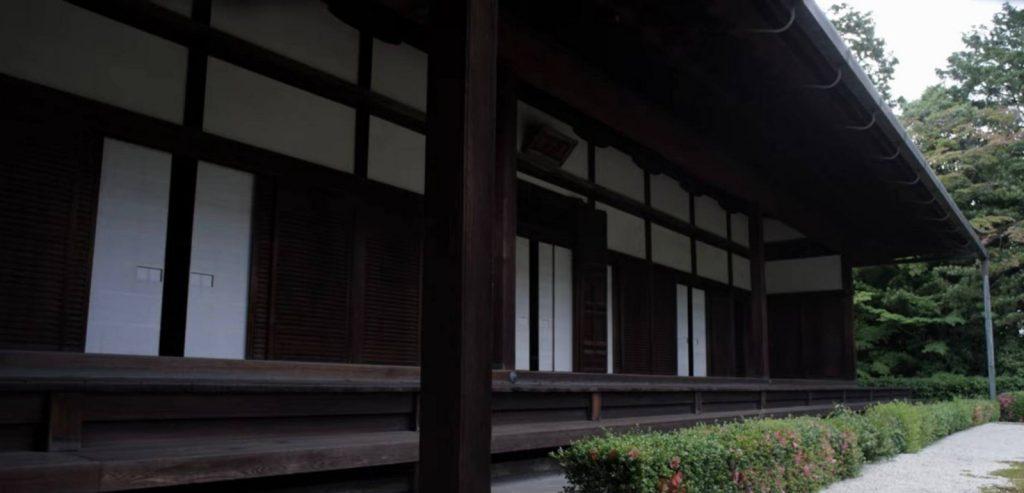
A peaceful walkway along the temple veranda, where silence feels sacred.
Price Table – Visiting Daitoku-ji (Daitoku-ji Temple)
| Category | Notes | Price (USD) |
| Budget meal (per person) | Simple snacks or light dishes in the nearby Imamiya area. Good for a short break during the visit. | 8-12 |
| Mid-range lunch/dinner (per person) | Small local restaurants near Imamiya and in the northern part of the complex. | 15-25 |
| Public transport (round trip) | Bus from Kyoto Station to one of Daitoku-ji’s entrances and back. | 4-6 |
| Taxi (one way) | Ride from central Kyoto to Daitoku-ji. Convenient for families with children. | 12-20 |
| Sub-temple entrance (per person) | Main complex is free. Sub-temples (Tatchu) open on rotation; some are seasonal. | 3-5 each (300-500 yen) |
| Zazen meditation (per person) | Guided meditation with a monk on specific days. Includes matcha tea. | 7-8 (≈1000 yen) |
| Drinks/snacks on the way | No kiosks inside; bring water or buy near the entrance. | 2-4 |
| Parking (per hour) | Parking is limited; this is a monastic area and cars do not access all sections. | 3-5 |
| Souvenirs (optional) | Small shops near the outer gates – postcards, amulets, small items. | 3-10 |
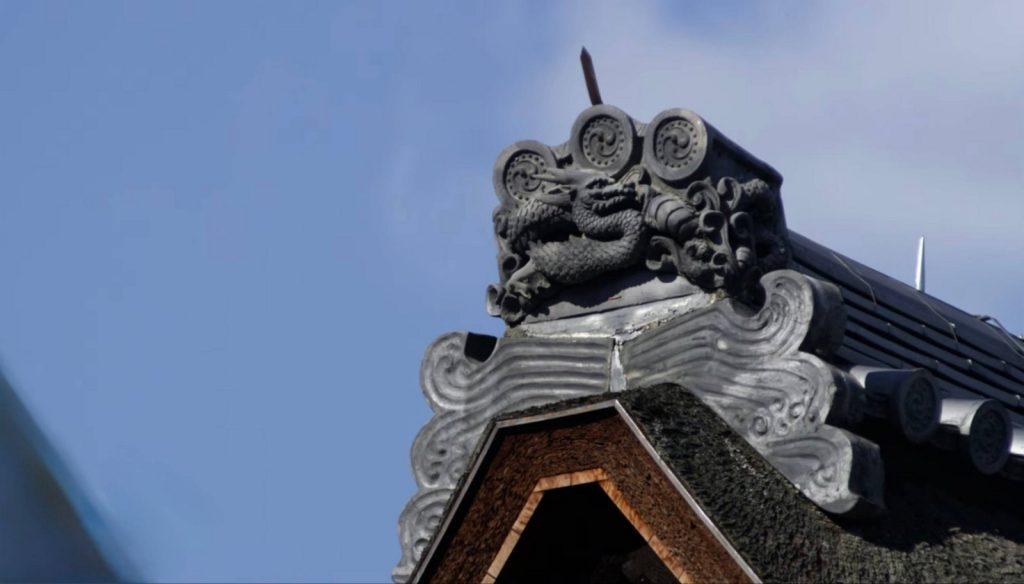
A guardian dragon carved into the rooftop — watching over every visitor.
Daitoku-ji – Common Questions for Travelling Families
- Is Daitoku-ji suitable for families with children?
Yes. The complex is quiet, safe, and spacious, with no car traffic inside. Children can walk freely and explore gardens and paths without dealing with heavy crowds. - How much time should we plan for a visit?
Many families find that 2-3 hours is a good minimum. However, it is common for travellers to stay half a day because the gardens and paths encourage slow walking and relaxation. - Are there any entrance fees?
The main grounds are free, but each sub-temple has its own ticket. Prices vary, and meditation sessions such as Zazen usually cost around 1,000 yen per person. - Is it easy to reach Daitoku-ji by public transport?
Yes. Most visitors arrive at Kyoto Station and then take a short city bus ride. Bus stops are located directly next to the temple gates, making access simple even with children. - Is it stroller-friendly?
Only partially. Some paths are made of uneven old stone, and several areas require quiet walking or stepping over thresholds. For very young children, movement may be less comfortable. - What is the best time of day and season to visit?
Mornings usually offer the most peaceful atmosphere. Autumn brings spectacular foliage; spring is green and mild; summer is hot and humid; winter is cold and many halls are unheated. - Are there food or snack options inside?
There are almost no places to buy food or drinks inside the complex. It is recommended to bring water and snacks, especially when visiting with children. - Can teenagers join the Zazen meditation?
Yes, older teens usually manage well. From the experience of the Itinerary Expert, joining a session can be one of the most memorable parts of the visit – calm, focused, and gently guided by a monk in simple English. - Is it too “temple-heavy” for families who prefer nature and scenery?
No. Daitoku-ji has extensive outdoor spaces, moss gardens, stone gardens, bamboo, and seasonal colours. Many visitors come primarily for the nature rather than the buildings. - Is it worth combining Daitoku-ji with other attractions on the same day?
From several visits by the Itinerary Expert, the answer is yes – especially if you start early. Daitoku-ji is often combined with Kinkaku-ji or Imamiya Shrine, but it tends to “absorb” more time than expected, so plan your schedule accordingly.
What we propose Emma Heidi Take all the stress out of planning your trip! With our experts, you can create the perfect itinerary for you – complete, comfortable, and tailored to all your dreams, wishes, and needs. We take care of every little detail, so you can simply focus on enjoying your journey. We’ve been designing personalized itineraries since 2015, and over the years we’ve created thousands of custom itineraries for happy clients. Save time, avoid confusion – we do the work for you. Our service saves you weeks of searching, reading, comparing, and complicated planning. Instead of wasting endless hours – you receive a ready-to-use, accurate and clear itinerary. A tailor-made itinerary – built just for you. Your itinerary is personally designed based on our experts’ real field experience and genuine feedback from hundreds of travelers – including hidden discoveries and insider tips that don’t appear in any travel guide. Smart accommodation selection – often saves you hundreds or even thousands of dollars. We help you choose verified and recommended places to stay, checking availability for your exact travel dates. Sometimes we suggest hotels not “in the center,” but in safe, convenient, and highly strategic locations – which can significantly reduce travel costs and save you even thousands of dollars. We’re by your side even during the trip. We stay with you throughout your vacation – providing professional help whenever needed. If the weather changes, there’s a strike, a local event, heavy crowds, or any unexpected situation – we are here to update, guide, and adjust your itinerary in real time. Easy-to-use itinerary – with direct navigation links. Your itinerary includes direct Waze / Google Maps links – no need to search for parking addresses, no stress, no mistakes. Just tap – and go. Want to know if it’s really worth it? Take a look at the experiences of travelers who built their personal itinerary with us. Click here and let’s start building the itinerary that will save you time, money, and stress – and turn your vacation into perfection. Of course, your first inquiry is completely free – with no commitment whatsoever. How it works
Customer Experience Manager


Service cost: from only $420. (Special price for short itineraries up to 5 days). Clients tell us the itinerary saves them costly mistakes, fines, wrong choices – plus exclusive discounts on car rentals, better-priced accommodations, and money-saving local tips.


Latest articles