
My name is Neta Gimpel, and I have been working in the tourism industry for over 13 years. Today I manage partnerships with leading travel service providers – from car rentals and insurance to hotels, airlines, local guides, and top attractions worldwide. In addition, I am an active travel blogger and an expert who lives and breathes travel every day. If you are planning a trip and want to make it comfortable, well-planned, and truly unforgettable, I will be happy to help. Let’s turn your travel dream into reality!



Luca
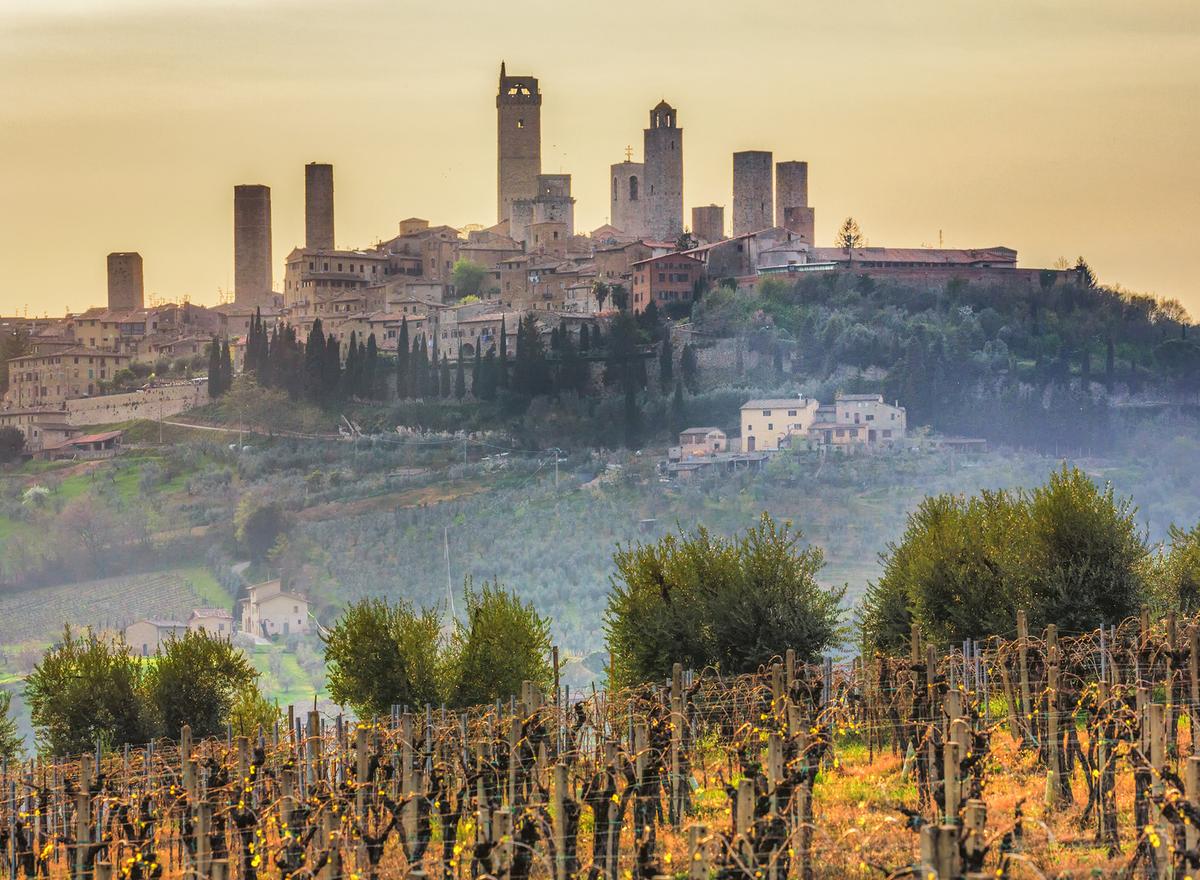
While tourists flock to Florence and Rome, savvy travelers are discovering Lucca – a perfectly preserved medieval gem wrapped in Renaissance walls like a precious gift. This Tuscan treasure offers something most Italian cities have lost: tranquility. Here, ancient cobblestones echo with bicycle wheels rather than tour buses, and locals still gather in squares that have hosted markets for two millennia.
What makes Lucca extraordinary isn’t just its stunning architecture or rich musical heritage – it’s the rare combination of accessibility and authenticity. The entire historic center spans just 2.5 miles in circumference, making it perfectly walkable, yet every corner reveals new discoveries. From towers crowned with oak trees to underground chambers beneath mighty walls, Lucca rewards those who venture beyond the obvious.
This isn’t your typical museum-piece Italian city. Lucca pulses with real life. Children play in ancient amphitheater squares while their grandparents sip espresso at cafés that have served the same families for generations. The city walls, instead of dividing past from present, have become Europe’s most charming urban park.
The Magnificent Renaissance Walls: Europe’s Greatest Circular Park
Forget everything you think you know about city walls. Lucca’s 16th-century fortifications aren’t just defensive structures – they’re a 2.5-mile elevated park that offers one of Europe’s most unique urban experiences. These aren’t your typical medieval walls either. Built between the 1500s and 1600s to withstand cannon fire, they rise 40 feet above the city and stretch nearly 100 feet wide at their base.
The engineering is remarkable. Eleven massive bastions anchor the circuit, connected by ramparts thick enough to support entire neighborhoods. Six historic gates pierce the walls, each a masterpiece of military architecture. Yet paradoxically, these formidable defenses never saw serious battle after 1430. Napoleon Bonaparte remains the only conqueror to breach them – and he did it through diplomacy, not force.

The Wall-Walking Experience
Today’s visitors can enjoy what locals have treasured since the 1800s: a traffic-free promenade above the city. The complete circuit takes about an hour at a leisurely pace, but most people spend much longer, stopping at panoramic viewpoints and shaded rest areas. The path is completely paved and accessible, suitable for wheelchairs, strollers, and cyclists of all ages.
For the best experience, start at Porta San Pietro (the southern gate) and walk clockwise. This route saves the most spectacular mountain views for the final stretch. Early morning offers cooler temperatures and golden light, while late afternoon provides dramatic shadows across the city below.
Click here to learn more about creating a personal itineraryCycling the Walls
Bicycle rental stands cluster near every major gate, offering everything from standard bikes (€3.50-4 per hour, €14-21 per day) to family tandems and electric models (€12-15 per hour). Several companies provide child seats and trailers, making this one of Italy‘s most family-friendly attractions. Popular rental shops like Cicli Rai offer competitive rates: 4 bikes for €14 per hour including helmets. The bike path is clearly marked and separated from pedestrian areas.
Hidden Underground Chambers
Here’s a local secret most guidebooks miss: beneath the walls lie atmospheric underground chambers and vaulted corridors where Renaissance soldiers once stored weapons and sheltered horses. These spaces, carved into the wall’s massive foundations, remain largely unexplored by tourists despite being freely accessible at several points. Look for stone staircases leading downward near the bastions – they’re rarely crowded and offer a mysteriously cool retreat during hot summer days.

Lucca’s Famous Towers: Gardens in the Sky
Medieval Lucca bristled with over 100 private towers, each serving as both home and fortress for wealthy merchant families. Today, only two survive, but they represent perhaps the most unique tower climbing experiences in Italy.
Torre Guinigi: The Tree Tower
This 14th-century marvel stands 130 feet tall and supports something you’ll find nowhere else: a complete oak forest growing 130 feet above the city streets. The Guinigi family, who ruled Lucca during its golden age, planted these trees as the ultimate symbol of power and wealth. Climbing the 233 steps feels like ascending through different eras – medieval stone gives way to Renaissance brick, culminating in this impossible rooftop garden.
Practical Details:
- Open: Daily 10 AM – 6 PM
- Admission: €4 adults, €7 reduced (students under 25, seniors over 65, groups 10-25 people), Free for children under 6
- Combination ticket: €6 with Torre delle Ore or Orto Botanico, €9 for all three sites
- Climbing time: 15-20 minutes (233 steps)
- Crowd-beating tip: Visit during lunch hours (12:30-2:30 PM) when most tourists are eating
The 360-degree views are spectacular, but the real magic happens among the trees themselves. These aren’t decorative saplings – they’re massive oaks with trunks thick enough to embrace. Standing in their shade while church bells echo below creates an almost mystical experience.
Torre delle Ore: The Clock Tower
At 165 feet, this is Lucca’s tallest surviving tower and home to the city’s first public clock, installed in the 14th century. The current mechanism, dating from 1754, still keeps perfect time. The 207-step climb reveals the ancient clockwork in action – massive bronze gears and pendulums that have measured Lucca’s days for centuries.
Why Choose This Tower:
- Less crowded than Torre Guinigi
- Better views of the mountains
- Fascinating historical clock mechanism
- Same ticket price (€4) but typically shorter waits
- Open March-October: 9:30 AM – 5:30/7:30 PM (varies by month), Closed November-February
Legend Alert: Local folklore claims Lucida Mansi, who sold her soul to the devil for eternal youth, tried to stop this clock on her final night. She failed, and her ghost supposedly still haunts the tower. Whether you believe the legend or not, the tower’s mystical atmosphere at sunset is undeniable.

Squares and Streets: Where Romans Still Gather
Piazza dell’Anfiteatro: The Living Amphitheater
This oval-shaped square represents urban planning genius. Built directly atop a Roman amphitheater that once held 10,000 spectators, the piazza maintains the exact elliptical footprint of the ancient arena. Medieval builders constructed houses directly on the amphitheater’s walls, preserving its shape while creating one of Italy’s most distinctive public spaces.
The original structure lies nine feet underground, but traces remain visible in the surrounding buildings. Look for curved walls and Roman brick incorporated into medieval facades. Four gates mark the cardinal points of the ancient structure, just as Roman architects intended.
What Makes It Special: The piazza functions exactly as Roman planners designed – as a gathering place. Instead of gladiator fights, today’s entertainment includes morning coffee rituals, afternoon aperitivos, and evening passeggiata (the traditional Italian stroll). The surrounding restaurants and shops occupy buildings that have hosted commerce for nearly 2,000 years.
Timing Your Visit: Morning brings the weekly flower market (Tuesdays and Saturdays), when the square explodes with color and local energy. Evening offers the most romantic atmosphere, with soft lighting illuminating the ancient walls. Avoid midday in summer when the stone reflects intense heat.
Click here to create a personal itinerary for ItalyPiazza San Michele: The Ancient Forum
Every Roman city had its forum, and Lucca’s occupied this exact spot for over two millennia. The square maintains its original function as the social and commercial heart of the city, anchored by the stunning Church of San Michele in Foro (“Saint Michael in the Forum”).
The church facade represents Lucca’s distinctive Pisan-Romanesque style – imagine layer upon layer of delicate arcades topped by a massive golden statue of the Archangel Michael slaying a dragon. This isn’t static art; the statue once moved its wings during religious festivals, thanks to hidden medieval mechanisms.
Strategic Location: This piazza sits at the intersection of Via Fillungo (the main shopping street) and the route to the cathedral. Smart travelers use it as a reference point and meeting place. The surrounding buildings showcase perfectly preserved medieval architecture, with several palazzi dating to the 13th century.
Via Fillungo: The Historic Shopping Street
Think of Via Fillungo as Lucca’s main artery, pumping life through the historic center since medieval times. This narrow pedestrian street connects the city walls to the central crossroads of Canto d’Arco, passing through eight centuries of architectural history.
The street name means “long street,” and it lives up to its billing – stretching nearly half a mile through the city center. What makes it exceptional isn’t just its length, but its preservation. Many shops still display hand-painted signs and wooden shutters that date back generations. Family businesses that have occupied the same premises for centuries continue serving locals and visitors alike.
Shopping Strategy: Morning offers the best selection and energy, when shop owners arrange their displays and locals run errands. The famous Canto d’Arco intersection, where four historic streets meet, provides the perfect orientation point. Traditional craftspeople still operate workshops here, creating leather goods, textiles, and jewelry using techniques passed down through generations.

Sacred Spaces: Churches That Define Lucca
Cathedral of San Martino: Home of the Holy Face
Lucca’s cathedral guards one of Christianity’s most mysterious artifacts: the Volto Santo (Holy Face), a wooden crucifix that supposedly bears Christ’s true likeness. Legend claims it was carved by Nicodemus, who helped bury Jesus, making it the only authentic portrait of Christ.
The reality proves equally fascinating. This massive wooden sculpture, housed in an octagonal chapel designed by Matteo Civitali, depicts Christ wearing a long tunic with open eyes – symbolizing victory over death. For over a thousand years, pilgrims have journeyed here from across Europe, and the annual Volto Santo festival on September 13-14 continues this tradition.
Cathedral Highlights: Beyond the Holy Face, the cathedral houses Jacopo della Quercia’s stunning tomb of Ilaria del Carretto, considered one of Renaissance Italy’s finest sculptures. The young woman lies in eternal sleep, her feet resting on a faithful dog symbolizing loyalty. The marble work achieves an almost impossible delicacy, with fabric folds that seem to breathe.
The Mysterious Labyrinth: On the cathedral’s front portico, a stone labyrinth bears a Latin inscription that has puzzled scholars for centuries. This finger labyrinth, barely two feet across, represents the spiritual journey to salvation. Tracing its path with your finger supposedly brings good fortune – though you’ll need to navigate around the crowds who gather here throughout the day.
Practical Information:
- Cathedral: Free entry, open Monday-Saturday 10 AM – 6 PM, Sunday 12 PM – 6 PM
- Combined museum ticket: €10 adults, €7 reduced (students 6-25, groups 10+), €20 family ticket
- Individual tickets: Cathedral access €3, Museum €3, Bell tower €3
- Bell tower climb: 256 steps, spectacular city views
Church of San Michele in Foro: The “False Cathedral”
This church confuses many visitors because its elaborate facade rivals most cathedrals. The four-tiered front, decorated with intricate carved columns and hunting scenes, represents the pinnacle of Pisan-Romanesque architecture. Each level tells a different story, from biblical scenes to medieval daily life.
The church’s position on the ancient Roman forum makes it Lucca’s spiritual and geographic center. The massive Archangel Michael statue crowning the facade can be seen from multiple points around the city, serving as a landmark for orientation.
Interior Treasures: While the exterior dazzles, the interior offers intimate rewards. Filippino Lippi’s painting of Saints Jerome, Sebastian, Roch, and Helen demonstrates Renaissance mastery, while the church’s acoustics make it a favorite venue for classical concerts. The 13th-century bell tower, built over several generations, showcases the evolution of Luccan architectural style.

Museums and Cultural Experiences
Puccini’s Birthplace: Where Opera Was Born
Giacomo Puccini, composer of La Bohème, Tosca, and Madama Butterfly, was born in this modest house on a quiet square in 1858. The museum, occupying the building’s second floor, preserves the apartment exactly as it appeared during Puccini’s childhood, complete with original furniture and family possessions.
What You’ll See: The museum preserves Puccini’s personal Steinway & Sons piano where he composed Turandot, autograph scores, letters, photographs, and precious costume from Turandot worn by Maria Jeritza at the Metropolitan Opera House in 1926.
Since 2015, our website has specialized in individual planning of unique routes, taking into account personal preferences and desires. Each of you will receive a unique PDF file from us, which contains everything you need: travel routes, car rentals, hotels, the best tourist attractions, attractions for kids and everything you need for a perfect vacation. During the trip, we are available for you by phone via WhatsApp. Our personal service provides information from A to Z, taking into account many small details that can become a decisive factor on the way from a wasted trip to an unforgettable vacation. Our service will make your trip comfortable, save a lot of time on planning and preparation, and most importantly – will allow you to become freer and fully enjoy the pleasure of the trip.
Opening Hours & Prices:
- November-January: Monday-Thursday 10 AM-2 PM, Friday-Sunday 10 AM-5 PM
- February-March & October: Wednesday-Monday 10 AM-5:30 PM
- April-September: Daily 10 AM-7 PM
- Admission: €9 adults, €7 reduced (ages 11-17, over 65), Free for children under 10
Musical Connections: Puccini spent his early years in Lucca before moving to Milan‘s La Scala, but he never forgot his hometown. He eventually bought back the family apartment and established the foundation that maintains it today. During summer, nearby Torre del Lago hosts the annual Puccini Festival, where his operas are performed in an outdoor theater beside the lake where he composed many of his masterworks.
Concert Opportunities: Several churches in Lucca host evening concerts featuring Puccini’s music, particularly San Giovanni, just steps from the museum. These intimate performances, often featuring period instruments, provide the perfect complement to visiting the composer’s birthplace.

Transportation: Getting There and Getting Around
Arriving in Lucca
By Air: Pisa’s Galileo Galilei Airport sits just 18 miles from Lucca, connected by direct train service every hour. The journey takes 24 minutes and costs €3.40, making this the most convenient airport option for international travelers. Florence‘s airport requires a more complex journey involving bus connections and isn’t recommended unless you’re planning a multi-city tour.
By Train: Lucca’s railway station connects directly to Florence (80 minutes, €7.70), Pisa (30 minutes, €3.40), and Rome (3 hours with one change, €25-35). The station sits 15 minutes’ walk from the city walls, connected by a pleasant tree-lined avenue. Taxis cost €8-12 for the short ride to any city gate.
By Car: Driving to Lucca is straightforward via the A11 autostrada, but parking requires strategy. The historic center is completely off-limits to cars, and free parking near the walls doesn’t exist. Your best options include Parcheggio Carducci (€1.50/hour, 5-minute walk to Porta Sant’Anna) or Parcheggio Palatucci (€1.20/hour, 8-minute walk to Porta San Pietro). Many hotels include parking arrangements, so inquire when booking.
Getting Around the City
Walking: Lucca’s compact size makes walking the primary transportation method. The historic center measures just 1.5 miles east-to-west and 1 mile north-to-south, with major attractions rarely more than 10 minutes apart. The mostly flat terrain and pedestrian-only zones make walking pleasant for all ages.
Cycling: Bicycle rental shops cluster near every city gate, typically charging €3-5 per hour or €12-18 per day. Electric bikes cost about double but make the wall circuit effortless. Most rental shops provide helmets, locks, and basic tools. Family packages often include child seats and small bikes at discounted rates.
Strategic Navigation: Use the cathedral’s bell tower as your primary landmark – it’s visible from most points within the walls. The Torre Guinigi’s distinctive trees provide a secondary reference point. Via Fillungo serves as the main north-south axis, while the walls offer constant orientation.

When to Visit: Timing Your Lucca Experience
Seasonal Considerations
Spring (March-May): The ideal season for Lucca combines comfortable temperatures (60-70°F), fewer crowds than summer, and perfect conditions for wall-walking and tower climbing. Easter week brings some crowds but also special religious processions and extended museum hours.
Summer (June-August): Peak season means higher temperatures (75-85°F) but also the best cultural programming. The Lucca Summer Festival transforms Piazza Napoleone into an outdoor concert venue, hosting international stars like Elton John, Sting, and Andrea Bocelli. Hotel prices peak during festival weeks, and advanced booking becomes essential.
Fall (September-November): September offers ideal weather with fewer crowds, while October brings the massive Lucca Comics & Games festival – Europe’s third-largest comic convention. For three days, the medieval streets fill with costumed fans, creating a surreal blend of ancient and pop culture.
Winter (December-February): The quietest season offers the most authentic local experience. Many attractions reduce hours, but indoor sites like churches and museums remain fully accessible. Christmas markets in December add seasonal charm, while January-February provide the lowest hotel rates.
Click here to create a personal itinerary for ItalyEvent Planning
Lucca Summer Festival (July): This month-long music festival transforms the city into Italy’s premier outdoor concert venue. Past headliners have included Bob Dylan, David Gilmour, and Lionel Richie. Tickets range from €40-150 depending on the artist, and accommodation prices double during major concerts.
Lucca Comics & Games (Late October): Over 250,000 visitors descend on Lucca for this massive pop culture celebration. The entire city becomes a stage, with costumed fans posing in front of medieval backdrops. Many attractions extend hours, but hotel availability becomes scarce and prices peak.
Volto Santo Festival (September 13-14): This ancient religious procession, dating to the 8th century, remains one of Tuscany‘s most authentic cultural experiences. The entire city participates as the Holy Face crucifix is carried through torch-lit streets. No tickets required – just arrive early for the best viewing spots.

Professional Tips and Hidden Gems
Money-Saving Strategies
Combined Tickets: The €9 combined ticket covering Torre Guinigi, Torre delle Ore, and cathedral museum saves money versus buying separately. Some attractions offer reduced rates: Torre Guinigi €4, Torre delle Ore €4, Cathedral museum complex €10. The ticket remains valid for three days, allowing flexible planning.
Free Viewpoints: While the towers offer spectacular views, several free alternatives provide excellent photography opportunities. The northeast bastion on the city walls frames perfect shots of Torre Guinigi’s trees, while Porta San Pietro offers classic entrance views without crowds.
Off-Season Advantages: Visiting November-March reduces accommodation costs by 30-50% and eliminates waiting times at major attractions. Many restaurants offer special winter menus at reduced prices.
Insider Secrets
Underground Exploration: Beneath the city walls lie largely unknown vaulted chambers and corridors where Renaissance soldiers stored weapons and sheltered horses. These atmospheric spaces remain freely accessible at several bastions but rarely appear in guidebooks. Look for stone staircases leading downward – they’re typically empty and provide cool relief during summer heat.
Photography Gold: The hour before sunset creates magical lighting on the cathedral facade and makes Torre Guinigi’s trees glow against the sky. Professional photographers favor the view from the southeast wall section, where multiple towers align in a single frame.
Local Rhythms: Experience authentic Lucca by timing your visit to local patterns. Morning coffee ritual happens 7-9 AM at neighborhood bars, lunch break empties tourist sites 12:30-2:30 PM, and evening passeggiata fills the streets 6-8 PM as locals promenade in their finest clothes.
Click here to learn more about creating a personal itineraryWhat to Bring
Essential Gear: Comfortable walking shoes with good grip are crucial for tower climbs – the medieval stone steps can be slippery and uneven. A lightweight daypack allows hands-free wall walking and tower climbing. Portable phone charger ensures you can capture memories and use navigation apps throughout long days of exploration.
Cycling Preparation: If planning wall cycling, bring or rent a helmet (€2 extra at most shops). Sunglasses and sunscreen become essential during summer months when the elevated walls offer little shade. Water bottles can be refilled at numerous fountains throughout the city.
Photography Equipment: Wide-angle lens capabilities (smartphone or camera) capture the full scope of tower views and plaza perspectives. Tripod restrictions apply in most churches, but stabilization helps in low-light conditions. Extra memory cards prevent missing shots during festival periods when photo opportunities multiply.

Planning Your Perfect Lucca Day
One-Day Essentials
Start at Porta San Pietro (9 AM) and walk clockwise around the walls for 45 minutes, ending at Torre Guinigi for your tower climb before crowds arrive. Descend into the historic center via Porta Sant’Anna, exploring Piazza dell’Anfiteatro and Via Fillungo before lunch.
Afternoon priorities include the cathedral and its mysterious labyrinth, followed by either Torre delle Ore or Puccini’s house depending on your interests. End with aperitivo on Piazza San Michele as evening light illuminates the church facade.
Two-Day Deep Dive
Day one follows the essential itinerary above but with more leisurely pacing and time for underground wall exploration. Day two focuses on cultural sites: Puccini museum, cathedral museum and bell tower climb, plus lesser-known churches like San Frediano. Rent bikes for a second wall circuit, this time stopping at every bastion for different city perspectives.
Multi-City Integration
Lucca pairs perfectly with Pisa (30 minutes by train) for tower enthusiasts, or Florence (80 minutes) for Renaissance art lovers. The efficient train connections make day trips feasible in either direction, though Lucca’s peaceful atmosphere might convince you to extend your stay.
What we propose Emma Heidi Take all the stress out of planning your trip! With our experts, you can create the perfect itinerary for you – complete, comfortable, and tailored to all your dreams, wishes, and needs. We take care of every little detail, so you can simply focus on enjoying your journey. We’ve been designing personalized itineraries since 2015, and over the years we’ve created thousands of custom itineraries for happy clients. Save time, avoid confusion – we do the work for you. Our service saves you weeks of searching, reading, comparing, and complicated planning. Instead of wasting endless hours – you receive a ready-to-use, accurate and clear itinerary. A tailor-made itinerary – built just for you. Your itinerary is personally designed based on our experts’ real field experience and genuine feedback from hundreds of travelers – including hidden discoveries and insider tips that don’t appear in any travel guide. Smart accommodation selection – often saves you hundreds or even thousands of dollars. We help you choose verified and recommended places to stay, checking availability for your exact travel dates. Sometimes we suggest hotels not “in the center,” but in safe, convenient, and highly strategic locations – which can significantly reduce travel costs and save you even thousands of dollars. We’re by your side even during the trip. We stay with you throughout your vacation – providing professional help whenever needed. If the weather changes, there’s a strike, a local event, heavy crowds, or any unexpected situation – we are here to update, guide, and adjust your itinerary in real time. Easy-to-use itinerary – with direct navigation links. Your itinerary includes direct Waze / Google Maps links – no need to search for parking addresses, no stress, no mistakes. Just tap – and go. Want to know if it’s really worth it? Take a look at the experiences of travelers who built their personal itinerary with us. Click here and let’s start building the itinerary that will save you time, money, and stress – and turn your vacation into perfection. Of course, your first inquiry is completely free – with no commitment whatsoever. How it works
Customer Experience Manager


Service cost: from only $420. (Special price for short itineraries up to 5 days). Clients tell us the itinerary saves them costly mistakes, fines, wrong choices – plus exclusive discounts on car rentals, better-priced accommodations, and money-saving local tips.


Latest articles
Natural History Museum Vienna

Natural History Museum Vienna (Natural History Museum Vienna) is one […]


Kaprun Dam (Hochgebirgsstauseen)
Kaprun Dam (Kaprun Hochgebirgsstauseen) is a high-altitude reservoir complex set […]