Thomas Bauer - In Search of the Real Germany My discovery of Germany happened thanks to an old Volkswagen that I bought for a ridiculous price in 2013. Being an engineer by education and an adventurer by spirit, I decided to test German reliability – I set off on a journey without a route or final destination. What was planned as a two-week vacation turned into a three-month expedition. I camped by Bavarian lakes, stopped in tiny Black Forest villages where they still make the famous cuckoo clocks, and tasted wines straight from the barrel in family wineries of the Rhine Valley. Upon returning home, I quit my job and moved to Germany. Today, I organize "non-tourist routes" for those who want to see the country through the eyes of a local. I know where they serve the best Eisbein in Berlin, which castles can be visited without crowds of tourists, and how to get to secret local festivals. By the way, I also happily develop classic routes to famous attractions – it all depends on your wishes. The main thing for me is that each client finds their own Germany!


Germany
Germany presents a rich array of experiences, where medieval castles coexist with modern museums, the Bavarian Alps meet northern ports, and each region showcases its distinct history and traditions. This comprehensive guide, based on real traveler experiences, will help you plan the perfect German adventure, whether you’re in search of fairy-tale towns, world-class thermal spas, or vibrant cultural festivals.
Key Highlights
- Berlin — Capital of Contrasts: A city where remnants of the Berlin Wall stand next to ultra-modern museums. Museum Island features five museums with a combined ticket for €18, and offers free admission on the first Sunday of each month.
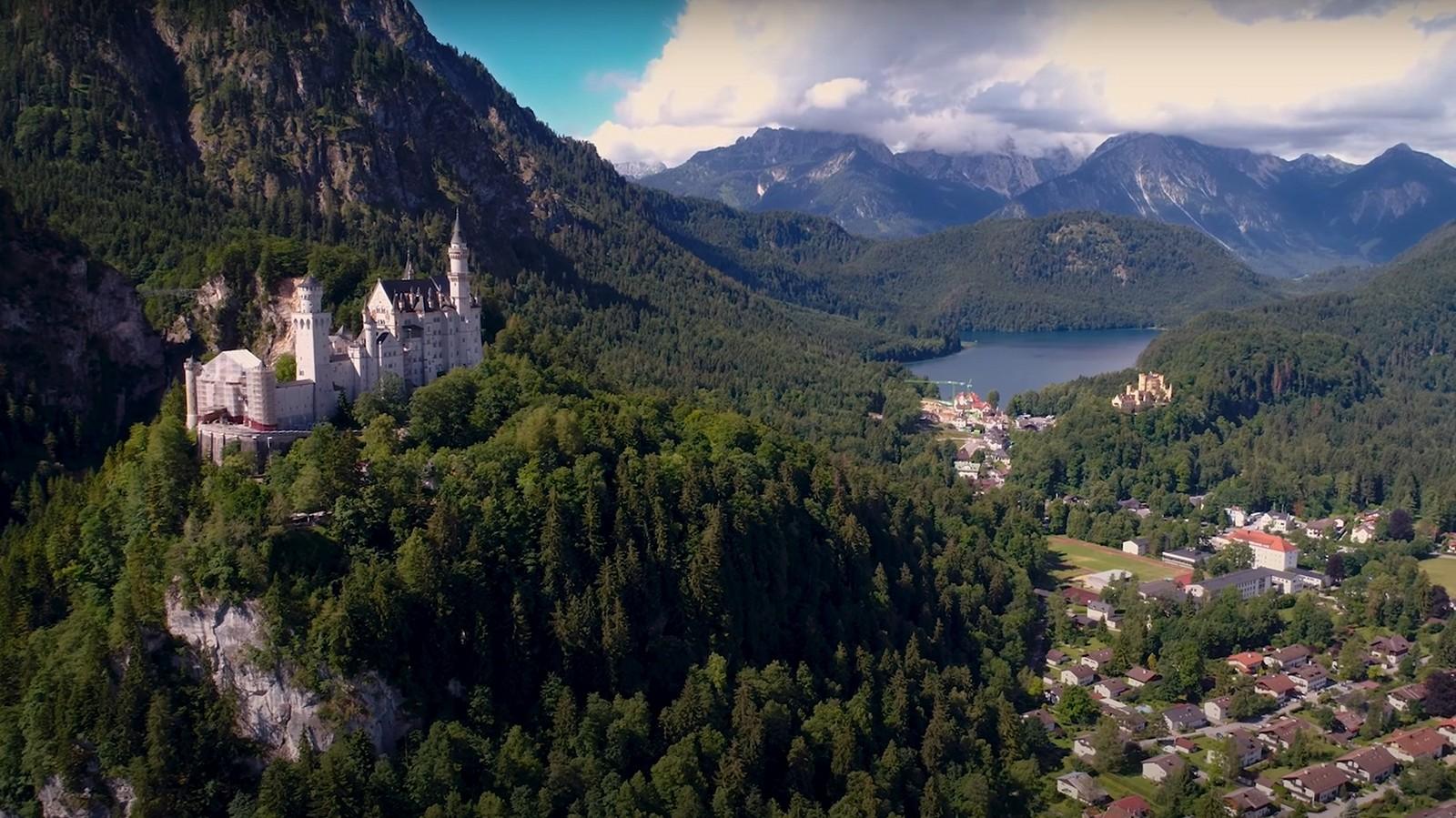
- Romantic Road — Journey into Medieval Times: This 350-kilometer route from Rothenburg ob der Tauber to Neuschwanstein Castle takes you through Bavaria’s most picturesque towns. Rothenburg becomes especially enchanting after 17:00 when day tourists leave.
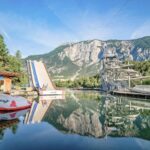
- World-Class Thermal Culture: Germany boasts over 350 thermal resorts. Therme Erding, located near Munich, is the world’s largest complex, featuring 28 slides and 24 saunas, with day tickets starting at €42.
- Beer Traditions and Regional Cuisine: With 1,400 breweries, Germany produces unique beer varieties in each region, such as hefeweizen in Bavaria, kölsch in Cologne, and alt in Düsseldorf. The country also prides itself on bread diversity, with over 3,200 officially recognized varieties.
- Highly Efficient Transportation System: The Deutschland-Ticket, priced at €58/month, covers all regional transport nationwide. ICE high-speed trains connect cities in 1 to 4 hours, and booking 3 or more days in advance can save you €60-100.
- Christmas Magic and Festival Culture: Nuremberg’s Christkindlesmarkt attracts 2 million visitors, while Munich’s Oktoberfest welcomes 6-7 million over 16-18 days. Reservations for tables should be made a year in advance.
- Ideal 7-Day Itinerary: Spend 2 days in Munich with a trip to Neuschwanstein Castle, followed by 2 days along the Romantic Road, 2 days in the Rhine Valley for riesling tastings, and conclude with a visit to Berlin for an immersion in contemporary history.
About Germany in Brief
This travel guide offers an in-depth exploration of a country where medieval castles harmoniously blend with cutting-edge technology, and each region maintains its unique traditions and cultural heritage. Germany attracts over 40 million tourists annually, thanks to its remarkable diversity—from the Bavarian Alps to northern ports, and from Rhine vineyards to Prussian palaces.
What You’ll Find in This Guide:
- Up-to-date prices for all attractions, transportation, and accommodations
- Detailed information on the transportation system, including money-saving tips that can save you up to €100 on trips
- Proven itineraries catering to various interests, from Bavarian castles to thermal resorts.
- Cultural insights and etiquette tips to help avoid awkward situations.
- Seasonal guidance for optimizing trips throughout the year.
- Expert suggestions for discovering hidden gems away from tourist crowds.
 When to Visit Germany: Seasonal Highlights and Insider Tips
Spring (March-May): Nature’s Awakening
Spring transforms Germany into a photographer’s paradise. The country emerges from winter, showcasing blooming parks and gardens while keeping tourist crowds manageable. Mainau Island on Lake Constance bursts into color with 400,000 tulips, creating vibrant carpets across the landscape. Temperatures remain comfortably between 15-20°C, ideal for walking, though evening jackets are recommended.
Professional tip: Visit the Spreewald region in spring when boat tours resume after winter. The waterways come alive with fresh greenery, and accommodation prices drop by 30% compared to summer peaks.
Summer (June-August): Peak Activity Season
Summer offers perfect conditions for outdoor adventures. All mountain lifts operate at full capacity, open-air thermal complexes welcome visitors, and hiking trails in the Black Forest pair beautifully with tastings of famous Black Forest cake at local cafés that stay open until 22:00.
Highlight of thermal complexes: Therme Erding near Munich operates daily from 10:00 to 23:00 (weekends from 9:00), featuring the world’s largest thermal complex with 28 water slides spanning 2,850 meters and 24 saunas.
Autumn (September-October): Festival Season
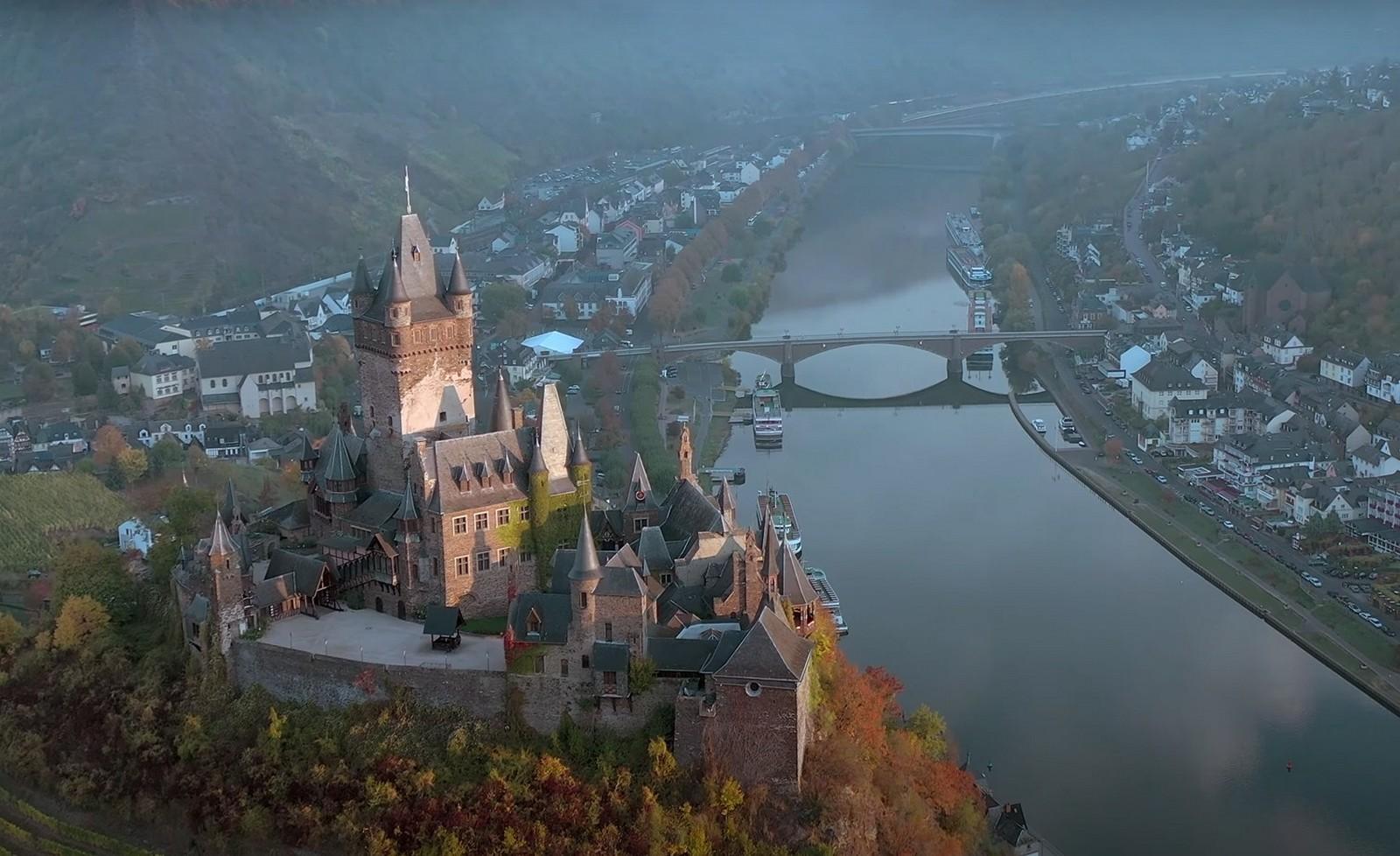
Autumn brings the excitement of Oktoberfest and wine tourism opportunities. The Moselle Valley invites tourists to participate in grape harvesting for 15-20€, which includes a traditional lunch and wine tasting. Weather shifts dramatically from daytime highs of 18°C to evening lows of 8°C, necessitating layered clothing.
Winter (November-February): Christmas Magic
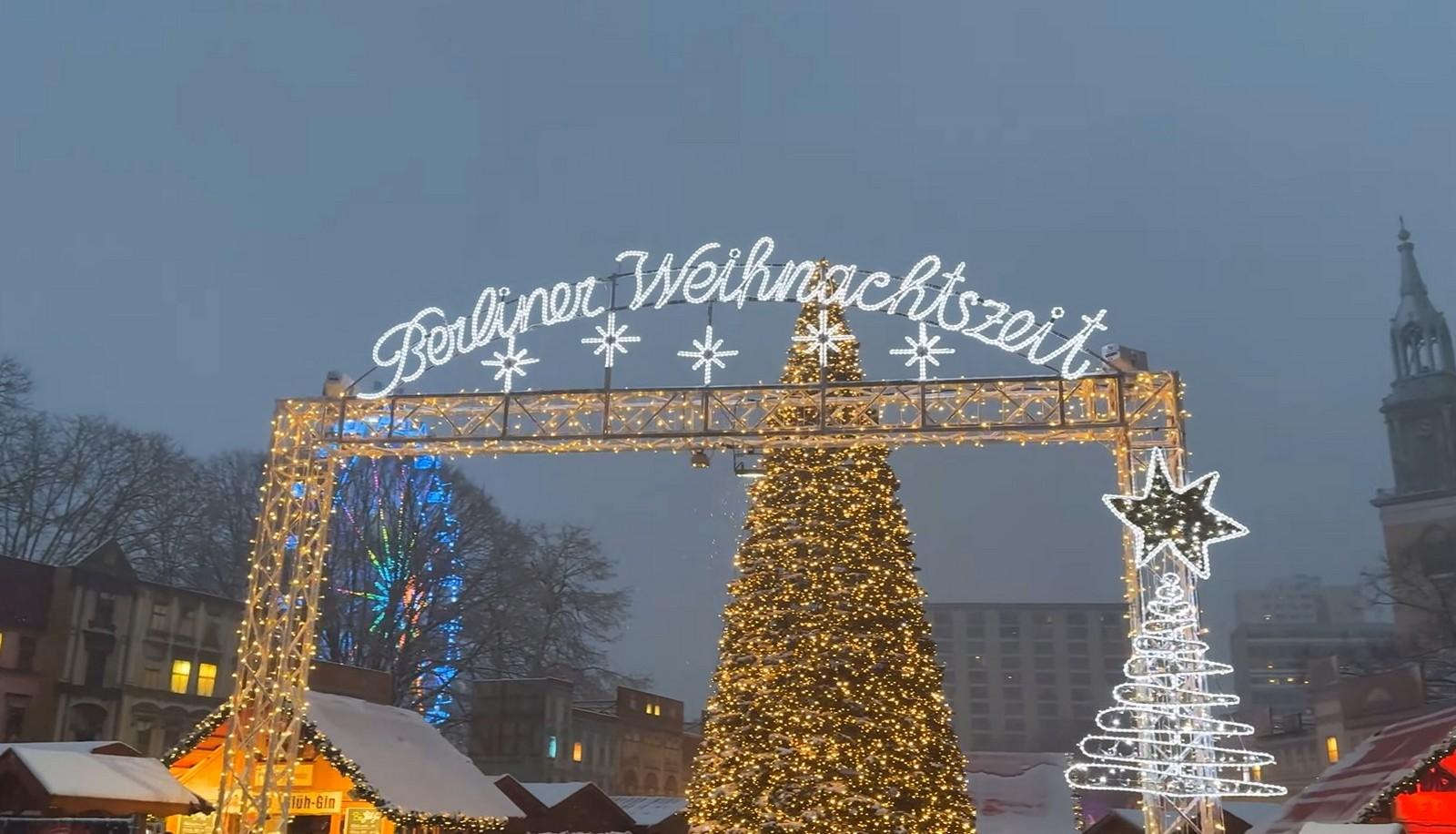
German Christmas markets turn cities into enchanting winter wonderlands. Nuremberg’s Christkindlesmarkt attracts 2 million visitors annually, operating from late November through December 24th. Glühwein costs 3-4€, and the ceramic mug becomes a cherished souvenir. Bavarian ski resorts like Garmisch-Partenkirchen operate from December through March.
Click here to learn more about creating a personal itineraryTransportation: Mastering German Mobility
The Deutschland-Ticket Revolution
The Deutschland-Ticket, priced at €58/month, covers all regional transportation nationwide, providing exceptional value for multi-city exploration. This auto-renewing subscription can be canceled by the 10th of each month, making it ideal for extended stays. The ticket covers 99% of tourist routes using local trains and buses.
High-Speed Rail Strategy
ICE trains connect major cities in just 1 to 4 hours, with the trip from Berlin to Munich taking exactly 4 hours. Booking early (3 or more days in advance) can reduce costs significantly, from €139 for same-day tickets to just €29. The DB Navigator app provides all travel options, including real-time pricing and delay information.
Insider Tip: While regional trains may be slower, they offer a chance to experience Germany’s most scenic valleys. The Rhine Railway is considered one of Europe’s most beautiful rail journeys, featuring castle-topped hills and terraced vineyards.
Car Rental Advantages
Renting a car offers maximum flexibility for exploring the charming small towns of Germany. The drive from Munich to Rothenburg ob der Tauber takes about 3 hours, winding through picturesque countryside. While city center parking ranges from €2 to €4 per hour, most hotels provide complimentary parking for guests.
Where to Stay in Germany: Accommodation Strategies by Budget
Budget-Friendly Options
Campsites near lakes charge between €20 and €30 per night for tent space, while urban hostels cost €25 to €40 per bed. Family-run guesthouses (Gasthof) offer a sweet spot at €60 to €90, often including hearty breakfast and dinner.
Romantic Castle Hotels
Castle hotels provide unforgettable experiences: Schlosshotel Kronberg in the Taunus region starts at €200, while the more affordable Burg Trendelburg, located 70 km from Kassel, ranges from €120 to €150 per night.
Regional Strategy for Minimal Driving
Select triangular bases like Munich-Nuremberg-Rothenburg (with a maximum of 2 hours between cities) or Cologne-Bonn-Aachen for exploring the Rhine region without excessive driving.
Top 10 Must-Visit German Cities
Berlin: Capital of Contrasts
Berlin impresses with its remarkable transformation. Brandenburg Gate, once a symbol of division, now embodies unity. For the best photography opportunities, visit before 8:00 AM to avoid the crowds.
Museum Island Excellence
Five world-class museums are located on a single island, including the Neues Museum, home to Nefertiti’s bust. A comprehensive ticket costs €18 (reduced to €9.50), and children under 18 can enter for free. The first Sunday of each month offers free admission for all visitors.
Berlin Wall Memorial
The memorial at Bernauer Strasse provides the most thorough experience of the Berlin Wall, while the East Side Gallery stretches 1.316 km along the Spree, making it the world’s longest open-air gallery.
Reichstag Tours
Free tours of the Reichstag can be booked 2 to 3 weeks in advance through the official website. Access to the glass dome includes complimentary audio guides in several languages.
Munich: Gateway to Bavaria
Marienplatz Spectacle
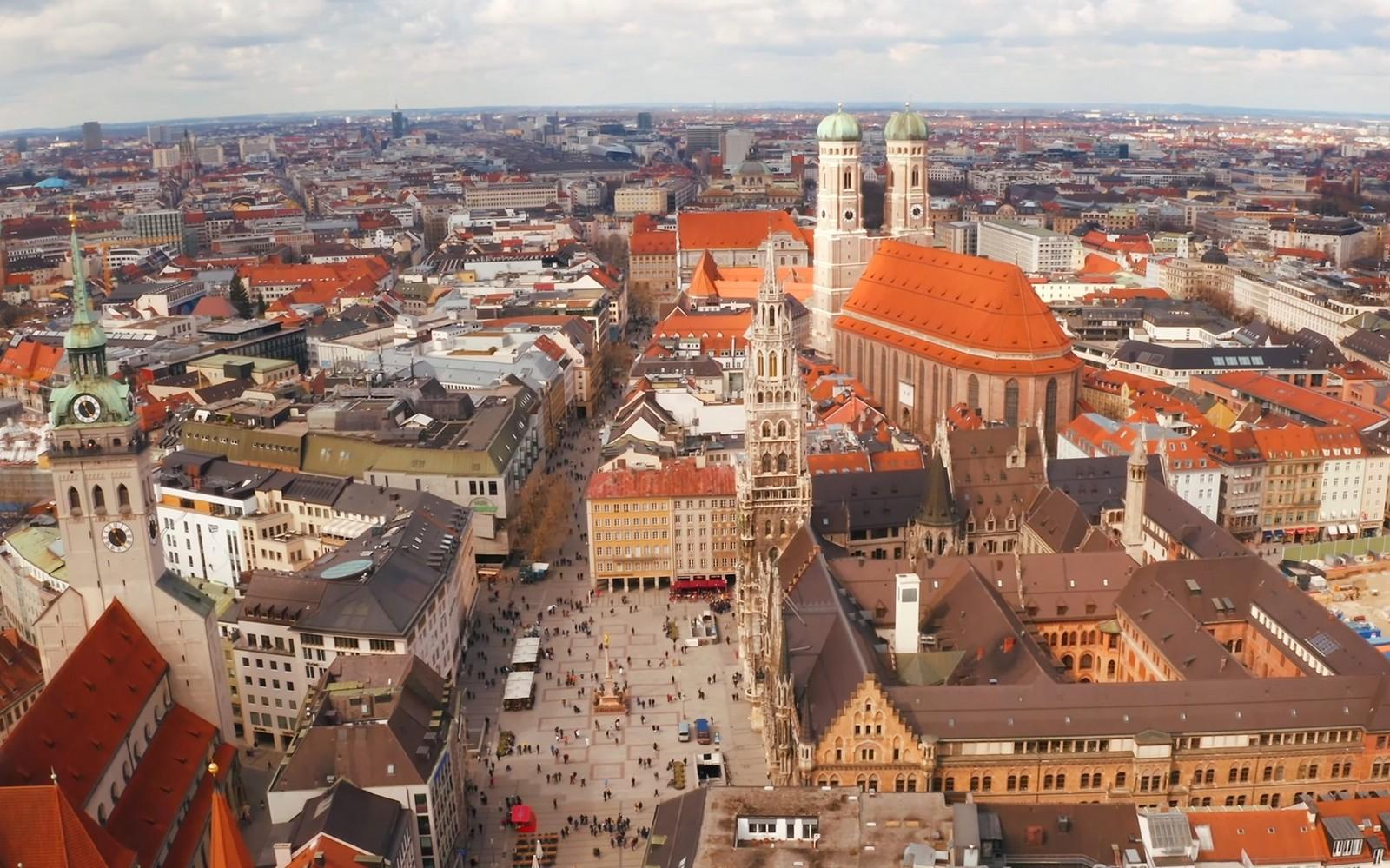
The 43-bell Glockenspiel performs daily at 11:00 and 12:00, with additional shows at 17:00 from March to October. Climbing the New Town Hall tower costs €6 and offers spectacular views of the red rooftops and the distant Alps.
English Garden Surprises
Larger than New York‘s Central Park, the English Garden features urban surfers riding the Eisbach artificial wave, creating a unique spectacle in the city center. The Chinese Tower beer garden can accommodate 7,000 people and operates from May through October.
Therme Erding World Record
Located 25 km from the city center, this is the world’s largest thermal complex. Admission prices are €25 for 2 hours, €35 for 4 hours, €45 for 6 hours, and €54 for a full day. Visiting on weekdays significantly reduces crowds.
Viktualienmarkt Traditions
This 200-year-old market showcases Bavarian specialties, including white sausages served until 12:00 (a tradition), pretzels starting at €2, and alpine farm cheese priced at €15/kg.
Hamburg: Maritime Metropolis
Hamburg surprises visitors with 2,300 to 2,500 bridges—more than Venice and Amsterdam combined. The historic Speicherstadt warehouse district, the world’s largest, now features trendy museums and cafés.
Elbphilharmonie Icon
The 8th-floor observation platform, at 37 meters high, offers free access, though advance online booking is required. Concert tickets start at €15 for restricted-view seats, with excellent sound quality throughout the venue.
Sunday Fish Market
Open from 5:00 to 9:30 on Sundays, vendors loudly announce prices while tourists sample smoked fish for €3 to €5. After the market, visitors can enjoy breakfast at the nearby Fischauktionshalle, accompanied by live music.
Harbor Tours
One-hour boat tours cost €18 for adults, showcasing Europe’s second-largest port, which operates 24/7. Evening departures reveal illuminated container terminals, creating an industrial beauty.
Click here to create a personal itinerary for GermanyCologne: 2,000 Years of History
Founded by Romans in 38 AD, Cologne seamlessly blends ancient heritage with contemporary cultural vitality, standing as Germany’s center for art and museums.
Cathedral Marvel
Germany’s most visited attraction, the Cologne Cathedral, welcomes 6 million annual visitors. Climbing the southern tower (533 steps) costs €4 and offers stunning views of the Rhine. Construction took 632 years, from 1248 to 1880.
Museum Concentration
Cologne boasts 39 museums, ranking second globally after London. Museum Ludwig features exceptional pop art collections, including works by Picasso and Warhol. Admission is €13, with a reduced fee of €7 on the first Thursday evening of each month after 17:00.
Carnival Transformation
In February, the city transforms as the carnival ignites continuous celebration. Rose Monday features parades with one million costumed participants. Booking hotels six months in advance is advisable.
Dresden: “Florence on the Elbe”
Dresden exemplifies the beauty of resurrection from ruins. The former Saxon capital, devastated by bombing in 1945, now dazzles with magnificent baroque palaces, churches, and museums.
Frauenkirche Restoration
Rebuilt in 2005 using original blueprints, access to the dome costs €14 for adults, €5 for children ages 6 to 16, and €20 for families. Entry to the church itself is free.
Zwinger Palace Complex
Combined tickets for all Zwinger museums (Old Masters Picture Gallery, Porcelain Collection, Physics-Mathematics Salon) cost €16, with a reduced price of €12. The Porcelain Collection can be accessed for €6, or €4.50 at a reduced rate. The fountain courtyard is free to enter.
Saxon Switzerland Day Trip
Located 30 km from Dresden, Bastei Bridge offers the region’s most photographed viewpoint. Take the S1 train to Kurort Rathen station (30-35 minutes, €12 round-trip), followed by a unique motorless ferry across the Elbe for €2 round-trip.
Heidelberg: Germany’s Most Romantic City
This ancient university town along the Neckar River exudes an atmosphere of student freedom and intellectual liberty.
Castle Heidelberg
Germany’s most visited castle, though largely in ruins, creates a romantic atmosphere through its “incompleteness.” The cost for funicular transport and castle entry is €8 for adults and €4 for children aged 6-15, students under 28, and seniors over 50.
Germany’s Oldest University (1386)
The historic student prison on Augustinergasse, where graffiti from imprisoned students is preserved, creates a unique student atmosphere. Entry costs €3.
Philosophers’ Path
This 2 km one-way trail, located across the Neckar River, provides stunning views of the old town. It has a moderate difficulty level, so comfortable footwear is recommended.
Rothenburg ob der Tauber: Medieval Fairy Tale
This living medieval museum has survived twice due to remarkable fortune: 17th-century poverty prevented reconstruction, and WWII American forces spared it for its beauty.
Complete City Walls
The virtually intact 14th-century walls allow for full perimeter walks that take 2-3 hours. Climbing the town hall tower costs €2.50 and offers excellent photography opportunities.
Year-Round Christmas Shop
Käthe Wohlfahrt operates the world’s largest Christmas store, featuring over 30,000 handmade ornaments priced from €2 for simple decorations to €200 for unique pieces. The store spans multiple floors and includes a marzipan museum.
Night Watchman Tours
These tours are conducted daily from March 29 to December 26: 20:00 in German and 21:30 in English. Prices are €8 for adults (€9 for the English tour), €4 for students (€4.50 for the English tour), and free for children under 12. The lantern-lit city creates a mystical atmosphere.
Professional Tip: Stay for 2 days. After day-tour departures at 17:00, the empty streets and silence transport visitors back to medieval times.
Since 2015, our website has specialized in individual planning of unique routes, taking into account personal preferences and desires. Each of you will receive a unique PDF file from us, which contains everything you need: travel routes, car rentals, hotels, the best tourist attractions, attractions for kids and everything you need for a perfect vacation. During the trip, we are available for you by phone via WhatsApp. Our personal service provides information from A to Z, taking into account many small details that can become a decisive factor on the way from a wasted trip to an unforgettable vacation. Our service will make your trip comfortable, save a lot of time on planning and preparation, and most importantly – will allow you to become freer and fully enjoy the pleasure of the trip.
Lübeck: Hanseatic Heritage
Lübeck is renowned for its magnificent brick Gothic architecture, while local marzipan traditions make it a paradise for sweet enthusiasts.
Holsten Gate Symbol
This emblematic city landmark and one of the rare surviving German city gates houses the city history museum. Entry is €6 for adults and €2 for children aged 6-18. Since 1950, the gate has featured exhibitions on Lübeck merchant life during the late medieval period.
Café Niederegger Legacy
Operating since 1806, this café offers hundreds of marzipan varieties. The ground floor houses a shop, the second floor features a café, and the third floor has a marzipan museum. Signature cakes and desserts are available from €3-4 per slice.
Nuremberg: Medieval and Historical
As the former capital of the Holy Roman Empire and a site for emperor coronations, Nuremberg later became a symbol of justice following the Nuremberg Trials. It is one of Germany’s most atmospheric medieval cities.
Imperial Castle (Kaiserburg)
Has overlooked the old town since the 11th century. Ticket prices are €6 for access to the entire castle and museum, €5 for the main building and museum only, and €3 for the Sinwell Tower and well viewing. Climbing the round tower offers panoramic views of the city.
Nuremberg Trials Memorial
Documents the proceedings against war criminals. Entry costs €7 for adults and €1.50 for children and students, and an audio guide is included with the ticket.
Christkindlesmarkt Fame
Boasts one of the world’s largest and most famous Christmas markets, attracting over 2 million visitors each season. It operates daily from late November until December 24, from 10:00 to 21:00, featuring approximately 180 wooden stalls. Nuremberg gingerbread (Lebkuchen) is a must-have souvenir, available from €3 each.
Freiburg: Ecological Capital
Nestled at the foothills of the Black Forest, Freiburg combines medieval charm with modern green technology innovations. Known as Germany’s sunniest city, it has a vibrant biking culture, with every second resident cycling and solar panels adorning many rooftops.
Bicycle Infrastructure is exceptionally developed, featuring hundreds of kilometers of paths. City bike rentals typically cost between €10 and €15 per day, with specialized cycling routes available through nearby vineyards.
Freiburg Cathedral (Münster)
Features a stunning lacework Gothic tower, regarded as one of Germany’s most beautiful. The 116-meter tower, described by Jacob Burckhardt as “Christianity’s most beautiful tower,” offers climbs of 70 meters for €5, available only in good weather.
Black Forest Gateway
Provides access to thermal springs and hiking trails, with nearby thermal facilities offering day tickets ranging from €15 to €20.
Cultural Experiences and Gastronomy
Festival Calendar
Oktoberfest in Munich attracts 6 to 7 million guests over 16 to 18 days. Table reservations in beer tents must be made a year in advance through official websites. Beer prices range from €14 to €17 per liter, but the atmosphere is priceless. Traditional outfits (dirndl and lederhosen) start from €50 to purchase or can be rented for €30 per day.
Christmas Markets can be found in almost every city from late November through December 24. Nuremberg, Dresden, and Cologne are among those offering the most authentic experiences. Glühwein costs €3 to €4, and ceramic mugs serve as keepsakes. Roasted almonds and chestnuts are available for €4 to €5 per portion.
Rhineland Carnival transforms cities like Cologne, Mainz, and Düsseldorf into vibrant theatrical stages, culminating in parades and costumed processions on Rose Monday.
Click here to create a personal itinerary for GermanyThermal Culture
Germany is a paradise for spa and thermal spring enthusiasts. Therme Erding, located near Munich, spans 18.5 hectares and features 28 slides totaling 2,850 meters and 24 saunas. Day tickets start at €42 for a full-day experience.
Baden-Baden offers an elegant resort atmosphere steeped in 150 years of history. The Roman-Irish baths at Friedrichsbad provide a €25 entry for a 3-hour relaxation ritual that includes a strict dress code: swimwear is only permitted in designated zones.
Professional Insight: Every German city boasts excellent public saunas and pools (Schwimmbad). Day tickets, priced between €4 and €8, provide access to saunas, steam baths, and pools.
Gastronomic Discoveries
Regional Specialties:
- North: Enjoy fish dishes such as smoked eel (€15-20), Hamburg crabs (€12 per portion), and fish sandwiches at markets (€4-6).
- South: Experience the meat and beer culture with Bavarian weisswurst, traditionally served only until noon, schweinehaxe (pork knuckle) weighing up to 1.5 kg (€18-25), and a variety of local brewery offerings.
- Rhine Region: Indulge in wine specialties, particularly Moselle riesling (6-wine tasting for €15), and maultaschen (Swabian dumplings filled with meat) at €12 per portion.
Beer Culture: Germany produces around 80 million hectoliters of beer annually from approximately 1,400 breweries, each region preserving its unique traditions: hefeweizen in Bavaria, kölsch in Cologne, and alt in Düsseldorf.
Bread Traditions: Germany boasts over 3,200 officially recognized bread varieties—more than any other country. With 9,600 master bakeries and 35,000 sales points, essential types include pumpernickel (black bread), laugenbrot (salted bread), and fresh morning pretzels.
7-Day Germany Itinerary
Days 1-2: Munich
Arrive in Munich and stay in the Maxvorstadt district. On the first day, explore the city center, Marienplatz, and local beer gardens. The second day can be spent on an excursion to Neuschwanstein Castle (a 2-hour train journey) or relaxing at Therme Erding.
Days 3-4: Romantic Road
Travel to Rothenburg ob der Tauber (3 hours by car or train) to explore the medieval city, including a night watchman tour. The following day, visit Dinkelsbühl or Würzburg.
Days 5-6: Rhine Valley
Transfer to Koblenz or Bonn. Enjoy a Rhine cruise past castles (starting from €15) and visit the Cologne Cathedral, followed by Riesling tastings at local wineries.
Day 7: Berlin
Fly or take an ICE train to Berlin. Briefly explore key sites such as the Brandenburg Gate and a section of the Berlin Wall. If time allows, visit one of the museums on Museum Island.
Expert Review
My first trip to Germany almost resulted in culture shock while in Munich. Arriving on a Saturday evening, I was hungry and tired only to find that all supermarkets were closed until Monday! In Germany, most businesses shut down on Sundays—no shops, no banks. As I wandered the empty streets with a rumbling stomach, I found salvation in a small Turkish restaurant near the train station.
The owner, a third-generation Turkish-German, not only served an incredible döner but also shared insights into basic German etiquette. “In Germany,” he explained, “time is a sign of respect. If you’re late for a meeting, even by five minutes, Germans may feel disrespected.” He also introduced me to the concept of “Ruhezeit”—quiet time after 22:00 when even vacuuming is prohibited—and emphasized the importance of the waste separation system, which has become a cultural norm.
The following day, implementing his advice proved transformative. By arriving at museums right when they opened, properly greeting cashiers, and patiently waiting for green lights even on empty roads, I experienced results that exceeded my expectations. Germans were incredibly responsive and friendly. On trains, fellow passengers took half an hour to explain the DB Navigator app, and in Rothenburg, the guesthouse owner personally led tours of the medieval walls.
The key takeaway: Germans appreciate not superficial friendliness but genuine respect for their rules and traditions. Embracing the principle of “Ordnung ist Ordnung” (order is order) unlocks authentic cultural experiences, turning good trips into extraordinary adventures.
Expert Travel Tips and Money-Saving Strategies
Budget Optimization
Transportation Savings: Purchase train tickets at least three days in advance to save €60-100 on long routes. Group tickets for up to five people on regional trains are cheaper than individual fares. The Deutschland-Ticket pays for itself with just two trips between neighboring states.
Dining Economics: Lunches at markets cost 2-3 times less than dining at restaurants. Metzgerei (butcher shops) offer prepared meals starting at €6. Note that supermarkets close at 20:00 on weekdays and 18:00 on Saturdays, and remain closed on Sundays.
Hidden Gems
Durbach, Baden-Württemberg: This wine village is surrounded by terraced vineyards, with family-run wineries offering tastings from €10 and postcard-worthy views. Hotel Ritter provides a sensation of living inside a painting.
Monschau, Eifel Region: Experience half-timbered houses and cobblestone streets without the crowds of tour buses. In winter, it transforms into a Christmas fairy tale, filled with the aromas of glühwein and roasted chestnuts.
Mittenwald, Alpine Foothills: Featuring painted house facades and breathtaking snow-capped panoramas, the Karwendel cable car operates year-round for €28 round-trip.
Seasonal Insider Tips
Spring Secrets: From March to May, Mainau Island on Lake Constance showcases stunning displays of 400,000 tulips. Entry is €23, but the views justify the cost. Ferries from the mainland operate every 30 minutes.
Summer Festivals: Enjoy the Potsdam Palace Nights in Sanssouci Park from June to August, featuring classical concerts in historic settings. Tickets start from €35, but the atmosphere is priceless.
Autumn Magic: The Moselle Valley grape harvest from September to October invites tourist participation. Wineries charge a symbolic fee of €15-20, which includes lunch and tastings of young wines.
Winter Pleasures: Combine visits to thermal springs with Christmas markets for a perfect winter experience. Baden-Baden offers morning thermal sessions followed by evening market strolls with glühwein.
Click here to learn more about creating a personal itineraryPractical Information and Cultural Etiquette
Essential Apps
Use DB Navigator for train schedules and real-time delay information, Maps.me for offline navigation, and Google Translate with camera functionality for menu translations.
Internet Access
Free WiFi is available in most cafés (the password is usually the establishment’s name), hotels, and train stations. ICE trains include WiFi as part of the ticket price.
Shopping Guidelines
Most stores are closed on Sundays, except for gas stations and train stations. Tourists can enjoy tax-free returns, receiving 19% back on purchases of €25 or more made in single stores.
Cultural Etiquette
Punctuality: A sacred rule. If a meeting is delayed by more than 5 minutes, apologies and explanations are required. Transportation operates on a precise schedule.
Environmental Consciousness: Waste separation is mandatory everywhere. Plastic bottles and cans have deposits (Pfand) ranging from 15 to 25 cents, which can be returned at supermarket machines.
Payment Customs: Many restaurants and cafés, particularly in smaller towns, accept cash only. Tipping averages around 10%, and it is customary to give tips directly to servers by rounding up the bill (e.g., “50 euros” for a 46€ bill).
Quiet Hours: “Ruhezeit” begins after 22:00, prohibiting loud music, vacuuming, or construction work. In some regions, quiet hours also extend from 13:00 to 15:00 during the day, with complete silence required on Sundays and holidays.
What we propose Emma Heidi Take all the stress out of planning your trip! With our experts, you can create the perfect itinerary for you – complete, comfortable, and tailored to all your dreams, wishes, and needs. We take care of every little detail, so you can simply focus on enjoying your journey. We’ve been designing personalized itineraries since 2015, and over the years we’ve created thousands of custom itineraries for happy clients. Save time, avoid confusion – we do the work for you. Our service saves you weeks of searching, reading, comparing, and complicated planning. Instead of wasting endless hours – you receive a ready-to-use, accurate and clear itinerary. A tailor-made itinerary – built just for you. Your itinerary is personally designed based on our experts’ real field experience and genuine feedback from hundreds of travelers – including hidden discoveries and insider tips that don’t appear in any travel guide. Smart accommodation selection – often saves you hundreds or even thousands of dollars. We help you choose verified and recommended places to stay, checking availability for your exact travel dates. Sometimes we suggest hotels not “in the center,” but in safe, convenient, and highly strategic locations – which can significantly reduce travel costs and save you even thousands of dollars. We’re by your side even during the trip. We stay with you throughout your vacation – providing professional help whenever needed. If the weather changes, there’s a strike, a local event, heavy crowds, or any unexpected situation – we are here to update, guide, and adjust your itinerary in real time. Easy-to-use itinerary – with direct navigation links. Your itinerary includes direct Waze / Google Maps links – no need to search for parking addresses, no stress, no mistakes. Just tap – and go. Want to know if it’s really worth it? Take a look at the experiences of travelers who built their personal itinerary with us. Click here and let’s start building the itinerary that will save you time, money, and stress – and turn your vacation into perfection. Of course, your first inquiry is completely free – with no commitment whatsoever. How it works
Customer Experience Manager


Service cost: from only $420. (Special price for short itineraries up to 5 days). Clients tell us the itinerary saves them costly mistakes, fines, wrong choices – plus exclusive discounts on car rentals, better-priced accommodations, and money-saving local tips.


Latest articles