My love for Japan began the moment I arrived in Tokyo. The country amazed me with its harmony of ancient traditions, cutting-edge technology, breathtaking nature, and a culture unlike any other. Since then, Japan has become a part of my life, and I return there again and again. Today I help travelers discover the real Japan: I create personalized itineraries, give lectures, and prepare guests for their unforgettable journey. I would be delighted to open Japan for you too!

Shizuoka
Shizuoka is one of those regions that fits perfectly into a Japanese itinerary when you are looking for iconic Mount Fuji views, rolling tea-covered hills, and fresh ocean air. It offers a slower, more authentic local rhythm without straying far from Tokyo. It is an ideal destination if you aren’t just chasing a single landmark but want a rich mix of scenery, regional flavors, and effortless day trips.
What makes Shizuoka stand out is the sheer variety packed into a relatively compact area. Miho no Matsubara blends ancient pine forests and rugged coastline with classic Fuji views, while the Oigawa Railway winds through emerald tea plantations and deep river valleys. Nearby, Shuzenji and the Izu area offer serene bamboo paths and restorative onsen towns. While you can zip through quickly, the experience is far more rewarding when the route is built around smart transport timing and clear weather windows.
Transport in Shizuoka
Getting to Shizuoka from Tokyo is fast and efficient via the Tokaido Shinkansen. Trains depart regularly from Tokyo or Shinagawa stations, reaching Shizuoka in about **1–1.5 hours**. A reserved seat for the Tokyo to Shizuoka leg costs approximately **6,270 JPY one way**, making the region a very realistic escape even for a short trip from the capital.
Once you arrive, the logistics become a bit more nuanced. While major hubs are well-connected, reaching the more rural gems requires careful timing: some local lines only run every **1–2 hours**, IC cards aren’t universally accepted, and carrying cash remains essential. The Oigawa Railway is a major highlight—a nostalgic, scenic journey through mountains and rivers—but it isn’t a route to improvise. It works best when your entire day is synchronized with its specific schedule.
For iconic spots like Miho no Matsubara, public transport is doable but requires patience. From JR Shimizu Station, the bus takes about **30–45 minutes**, followed by a short walk through the pine groves to the shore. Alternatively, the Hinode to Miho water bus offers a scenic approach for **400 JPY one way**. Since parking at Miho no Matsubara and entry to the Miho Shirube visitor center are free, visiting by car is often the most convenient choice.
If your itinerary includes hidden waterfalls, remote tea fields, or coastal drives, renting a car significantly smooths out the experience. A compact car costs around **8,855 JPY for 24 hours**, while a family-sized vehicle like a Sienta is closer to **12,903 JPY**. In short: use trains for the city hubs, but switch to a car to truly unlock the countryside without the long waits.
Click here to learn more about creating a personal itinerary
Tip from the itinerary expert: **Use trains for the main connections, then switch to a car for nature days.** This is the most effective way to combine coastal vistas and remote tea areas without being held hostage by sparse rural bus timetables.

When to Visit Shizuoka?
Shizuoka is a year-round destination, though the character of your trip will shift with the seasons. Spring is gentle and comfortable, perfect for cherry blossoms and urban exploration. Summer transforms the landscape into deep, vibrant greens, ideal for active outdoor adventures. Autumn is particularly striking for mountain scenery and river gorges, especially if your route takes you into the Sumata Gorge or the Oi River region.
Winter often provides the crispest, clearest views of Mount Fuji. Coastal spots like Miho no Matsubara and elevated viewpoints like Nihondaira are at their most spectacular under bright winter skies. The trade-off is the biting wind; beaches and open observation decks can get quite chilly, so it is wise to balance outdoor stops with cozy breaks in local cafes or traditional onsen.
If witnessing Fuji is your top priority, mornings are consistently your best bet. At Miho no Matsubara, the area is peaceful in the early hours but grows busy by midday, and clouds often roll in unexpectedly. The coastline and ancient pines are beautiful in any weather, but if you are after that perfect photograph, stay flexible and prioritize your timing around the morning window.

Since 2015, our website has specialized in individual planning of unique routes, taking into account personal preferences and desires.
Each of you will receive a unique PDF file from us, which contains everything you need: travel routes, car rentals, hotels, the best tourist attractions, attractions for kids and everything you need for a perfect vacation.
During the trip, we are available for you by phone via WhatsApp.
Our personal service provides information from A to Z, taking into account many small details that can become a decisive factor on the way from a wasted trip to an unforgettable vacation.
Our service will make your trip comfortable, save a lot of time on planning and preparation, and most importantly – will allow you to become freer and fully enjoy the pleasure of the trip.
Tip from the itinerary expert: **Treat the first clear morning as your Fuji window.** Visibility can shift in an instant, so capture the mountain views as soon as they appear. Keep indoor tea ceremonies or hot spring visits as your backup for when the weather turns moody.
Top Attractions in Shizuoka
Shizuoka truly reveals itself when you balance iconic viewpoints with scenic transport and unhurried cultural stops. These highlights provide a solid framework for your trip, allowing for flexible routes that can be adjusted based on the weather and your preferred pace.
Miho no Matsubara
A sprawling coastal pine grove along Suruga Bay, where the fusion of deep blue sea, thousands of ancient trees, and Mount Fuji creates one of Japan’s most legendary panoramas. A peaceful walk through the forest opens onto a wide beach with a breathtaking perspective. While the view feels almost ethereal on clear days, Fuji’s visibility depends entirely on the morning mist and cloud cover. The site is very accessible, featuring a modern visitor center, cozy local cafes, and free parking.
Opening Hours: Open area, accessible year-round
Free
Tip from the itinerary expert: **Come early and walk closer to the shoreline for the best angle.** Clouds often roll in by midday, and the primary viewpoints become significantly more crowded as the morning progresses.
Distance/Time: 30–45 min from Shimizu Station by bus + walk
Oigawa Railway & Okui-Kojo Station
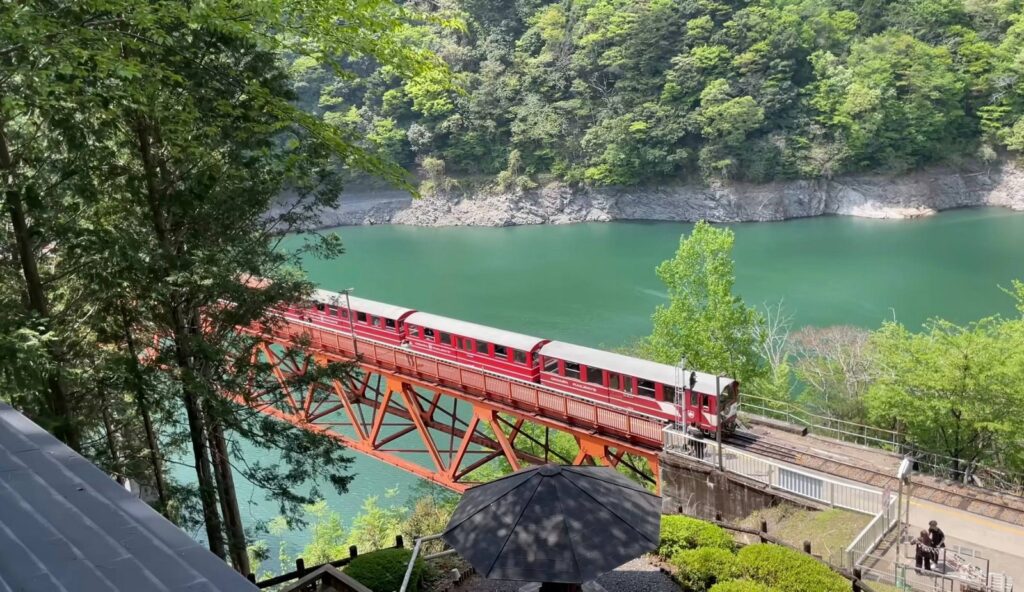
A nostalgic, slow-paced railway that carves its way through vibrant tea plantations, winding river valleys, and rugged mountain terrain. The vintage steam locomotive is the star of the show, transforming a simple transit into a historical journey. A standout stop is Okui-Kojo, the “station on the water,” which sits on a thin peninsula surrounded by a shimmering lake. The steam train segment lasts about 75 minutes and serves as a gateway to the deeper, more remote mountain wilderness.
Opening Hours: Timetable-based operation
Around 1,900 JPY per adult for the steam train segment
Tip from the itinerary expert: **Book in advance and pick seats on the river side.** Departure times are limited, and the most dramatic canyon views are concentrated on one side of the carriage.
Distance/Time: Day trip from Shizuoka city
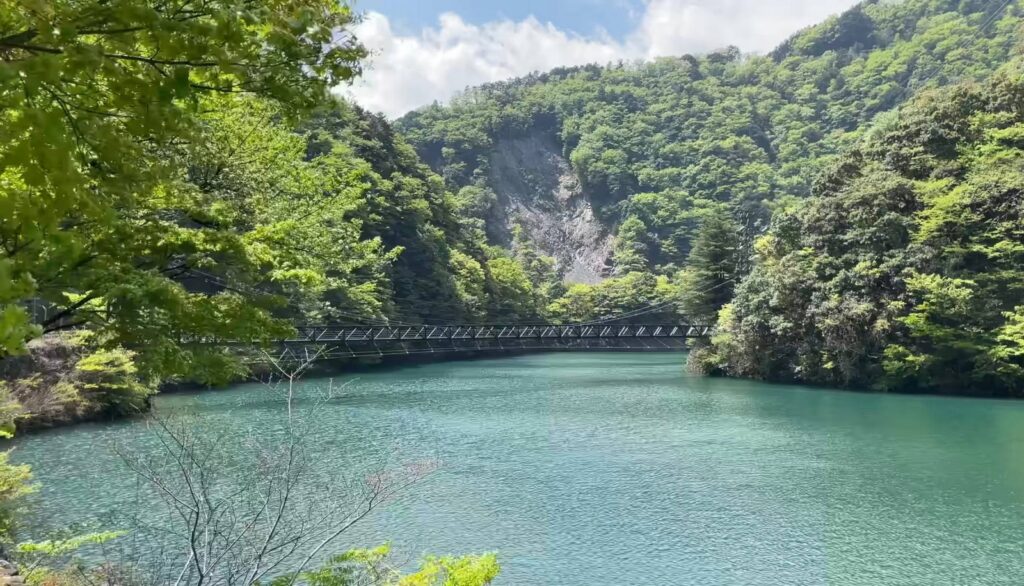
Mishima Skywalk
Japan’s longest pedestrian suspension bridge, spanning a lush forested valley with sweeping views that stretch toward Mount Fuji on clear days. The experience is centered on the thrill of the crossing, supported by several nearby observation decks, light outdoor activities, and casual snack stalls. It serves best as a spectacular scenic pitstop rather than a full-day destination.
Opening Hours: Varies by season
Paid entry
Tip from the itinerary expert: **Pair it with another nearby stop.** On its own, the visit is relatively brief, but it makes for a powerful visual highlight when integrated into a half-day exploration of the area.
Distance/Time: Accessible by car or bus from Mishima
Sunpu Castle Park
A central green oasis built on the historic grounds of the castle once held by Tokugawa Ieyasu. Today, the park prioritizes atmosphere over architecture, offering sprawling lawns, serene walking paths, and meticulously reconstructed gate towers. It is an ideal spot for a quick escape from the urban rush or a quiet break between train connections.
Opening Hours: Open daily
Free (some areas may have paid access)
Tip from the itinerary expert: **Use it as a flexible gap in your day.** There is no need for strict scheduling—simply drop in for a stroll and a breather before continuing your journey.
Distance/Time: Central Shizuoka, walking distance
Atami Onsen
A classic seaside hot spring resort known for its ocean vistas, traditional ryokan hospitality, and relaxed coastal vibe. Atami is an excellent base for those looking to merge beachside walks with therapeutic onsen sessions. Compared to more sprawling resort districts, Atami feels comfortably compact and is easy to explore at a leisurely pace.
Opening Hours: Varies by hotel and facility
Depends on accommodation or bathhouse
Tip from the itinerary expert: **Stay overnight if you can.** The true magic of Atami lies in the quiet steam of the evening and the early morning sunrise over the water, which you miss during a quick daytime visit.
Distance/Time: About 40–60 min by train from Shizuoka area
Old Tokaido Road (Kambara / Mariko)
Carefully preserved sections of the historic Tokaido highway that offer a rare glimpse into Edo-period Japan. The mood is intentionally slow and unhurried, characterized by narrow lanes, traditional wooden structures, and local eateries rather than major commercial landmarks. It is less about checking off sights and more about absorbing the historical texture of the route.
Opening Hours: Open area
Free
Tip from the itinerary expert: **Plan a dedicated food stop here.** The soul of this area is found in its traditional flavors—take your time to sit down and enjoy the setting.
Distance/Time: Short trip from Shizuoka city
Shizuoka Natural Spots
Shizuoka truly shines through its natural landscapes, where the scenery shifts seamlessly from silk-like waterfalls and deep emerald valleys to rugged coastlines and rolling tea hills. These locations are best experienced when you focus on one specific direction, allowing the day to unfold naturally without the rush.
• Shiraito Falls — a graceful, curtain-like cascade where dozens of slender streams filter through the rock face. The atmosphere is serene rather than thunderous, and on clear days, the backdrop of Mount Fuji makes the setting feel like a living painting.
• Jogasaki Coast — a dramatic volcanic shoreline defined by jagged cliffs, coastal forest paths, and swaying suspension bridges. It is less about a single viewpoint and more about the ever-changing vistas as you trace the edge of the Pacific.
• Sumata Gorge & Yume no Tsuribashi — a remote mountain sanctuary famous for its milky-blue water and the narrow “Suspension Bridge of Dreams.” The hike to reach it is a fundamental part of the adventure, so ensure you have a generous time buffer.
• Lake Tanuki — a tranquil, mirror-like lake celebrated for the “Diamond Fuji” phenomenon when the sun aligns perfectly with the peak. Even on ordinary days, it is a perfect spot for a quiet lakeside stroll or a peaceful outdoor break.
• Kawane Tea Plantations — vast, manicured hills of green tea that represent the quintessential Shizuoka landscape. Best enjoyed alongside views of the local railway, this area feels deeply connected to the region’s heritage.
Because these spots are spread across a wide area, travel times can be significant. It is much more rewarding to immerse yourself in one or two zones per day rather than trying to see the entire prefecture in one go.
Click here to learn more about creating a personal itinerary
Tip from the itinerary expert: **Don’t try to mix mountains, coast and tea areas in one day without a car.** Focus on one geographic direction and build your plan around it—the logistics will be much smoother and the experience far more relaxed.
Hidden Gems in Shizuoka
Beyond the famous landmarks, Shizuoka reveals a quieter, more intimate side. These understated stops often leave the strongest impressions precisely because of their scale and authentic atmosphere.
• Okui-Kojo Station viewpoint — a small, elevated lookout where the tracks appear to float magically over the turquoise lake. It’s a simple perspective, but the visual impact is completely surreal.
• Shuzenji Bamboo Forest — a compact but incredibly peaceful path in the heart of a historic onsen town. It is the kind of place that naturally encourages you to slow your pace and enjoy the rustle of the leaves.
• Kawane Countryside Villages — tiny rural hamlets nestled among the tea fields, where life moves at a different speed and the scenery feels unscripted and real.
• “Wise Man’s Water” Natural Springs — hidden mountain springs steeped in local folklore, often tucked away in the forest and easy to overlook without a bit of exploration.
• Oi River Trails — straightforward walking routes featuring river-crossing suspension bridges and quiet woodland paths, far removed from the usual tourist corridors.
These gems aren’t always the easiest to reach via public transport, which is why they remain so pristine. If you make the effort to visit, you’ll be rewarded with plenty of space to explore at your own speed.
Tip from the itinerary expert: **Add one quieter stop between bigger attractions.** Inserting a low-key gem between major sights breaks up the day and often becomes the most memorable part of the entire journey.
Family Activities in Shizuoka
Shizuoka offers a great balance of light exploration and outdoor play, making it easy to keep everyone engaged without the trip becoming exhausting.
• Izu Shaboten Zoo — famous for its capybaras enjoying outdoor hot springs and its open, interactive layout. It feels much more personal than a standard zoo and makes for a fantastic half-day outing.
• Oigawa Railway Scenic Rides — a hit for all ages; the journey itself is the attraction as you pass over high bridges and through endless tea fields in vintage carriages.
• Coastal Exploration — wide-open spaces like Miho no Matsubara provide plenty of room for kids to explore the shoreline and pine groves without a rigid schedule.
• Ropeways and Accessible Views — attractions like the Mishima Skywalk offer a sense of adventure and grand scale without the need for strenuous hiking.
• Tea Culture for Beginners — simple tea tastings or visits to the plantations offer a unique cultural touchpoint that is easy to integrate into a day of sightseeing.
The trip is most successful when you alternate active stops with quiet moments—a casual café visit, a run through a local park, or simply some unscheduled time to wander.
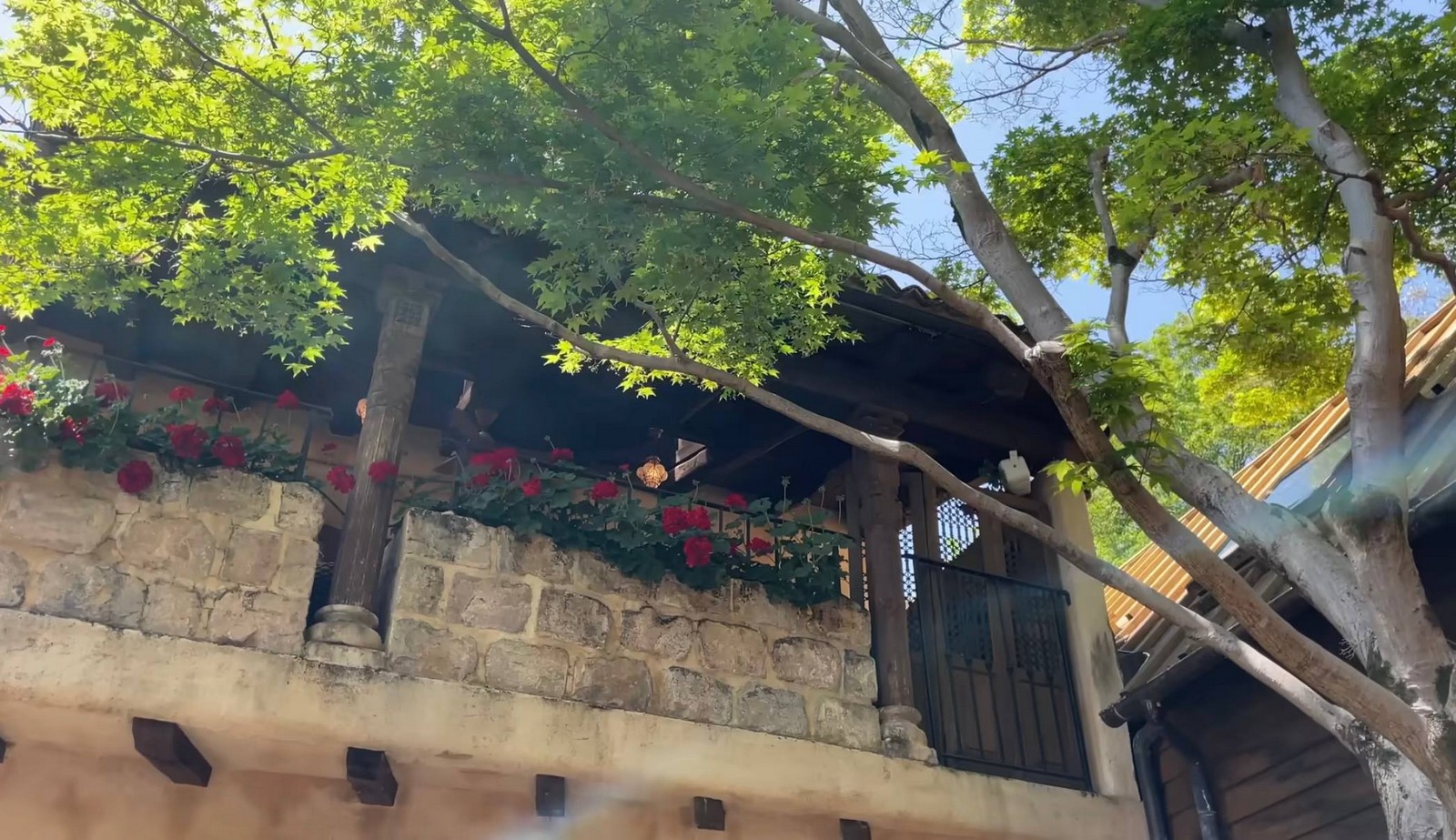
פינת הרים שלווה בשיזואוקה, עם טרסות מוצלות, עלי מייפל ואווירה רגועה שגורמת לזמן להאט.
Tip from the itinerary expert: **Alternate activity and downtime.** Aim for one primary highlight, one gentle walk, and a dedicated break for food or coffee. This rhythm keeps the energy levels steady for everyone.
Shizuoka 4-Day Family Itinerary
Trip Duration: 4 days
Day 1: Shizuoka City, Sunpu Castle Park and Miho no Matsubara
Morning, 10:00–12:00: Arrive at Shizuoka Station via the Tokaido Shinkansen from Tokyo or Shinagawa. The journey takes approximately 1–1.5 hours, with a reserved seat costing around 6,270 JPY one way. Start your exploration at Sunpu Castle Park, a sprawling green oasis built on the former grounds of the castle linked to the shogun Tokugawa Ieyasu. Spend about 60–90 minutes enjoying a leisurely stroll past the reconstructed watchtowers to get a first feel for the city’s history.
Lunch, 12:15–13:30: Enjoy a meal near the city center. Casual local eateries around Shizuoka Station are the most convenient, especially when traveling with luggage. For a regional specialty, try tororo-jiru (grated mountain yam soup); a classic set meal usually costs around 1,870 JPY.
Afternoon, 14:00–17:00: Head to the iconic Miho no Matsubara. From JR Shimizu Station, catch a bus toward Miho (about 30–45 minutes), followed by a short walk through the ancient pine groves to the beach. If you are driving, parking is free. Allocate 1.5–2 hours to explore the pine-lined paths and the visitor center, and to catch the legendary panoramic view of Mount Fuji across the bay.
Evening, 17:00–18:00: If the sky is clear, linger for the soft late-afternoon light before returning to the city for dinner. Shizuoka city offers plenty of family-friendly dining options near the station, typically ranging from 1,000–1,999 JPY per person. Overnight in Shizuoka city to ensure a smooth start the next morning.
Tip from the itinerary expert: If Mount Fuji is the priority, do Miho no Matsubara as early as your schedule allows. Don’t wait until the late afternoon; even on the clearest days, the peak can vanish behind a shroud of clouds in an instant.
Overnight Location: Shizuoka City
Day 2: Nihondaira, Tea Scenery and Shizuoka Food
Morning, 10:00–12:30: Dedicate your morning to the breathtaking heights of Nihondaira. This plateau offers a different perspective of Fuji, often capturing the coastline and the mountain in a single frame. Plan for 1.5–2 hours to wander the viewpoints and enjoy the fresh air at a relaxed pace.
Lunch, 12:45–14:00: Return to the Shizuoka or Shimizu area for a regional feast. Local favorites include sakura shrimp, green tea soba, or fresh seafood from Suruga Bay. Tea soba is a budget-friendly delight at around 800 JPY, while a premium sakura shrimp set can cost about 2,700 JPY.
Afternoon, 14:30–16:30: Immerse yourself in the world of Shizuoka green tea. As Japan’s leading tea-producing region, the local culture is deeply tied to these vibrant fields. Visit a specialized tea shop or a hillside viewpoint for a tasting session; it is a perfect way to slow down and appreciate the local lifestyle.
Evening, 17:00–18:00: Stay near your hotel for a convenient evening. For dinner, look for Hamamatsu-style gyoza—a local favorite served with bean sprouts. A 6-piece portion is roughly 418 JPY, while a unique version featuring sakura shrimp is around 638 JPY. Spend a second night in Shizuoka city to minimize packing and transfers.
Tip from the itinerary expert: Check Fuji visibility before building the whole day around viewpoints. If the mountain is obscured, pivot your focus toward the tea plantations, local markets, and coastal walks rather than chasing a hidden peak.
Overnight Location: Shizuoka City
Day 3: Oigawa Railway, Kawane Tea Country and Okui-Kojo Station
Morning, 10:00–12:30: Experience the Oigawa Railway, one of Shizuoka’s most nostalgic adventures. Start at Shin-Kanaya or Senzu station. The steam locomotive journey takes about 75 minutes, puffing past emerald tea fields and over high river bridges. Since trains are infrequent, ensure your day is synchronized with the official railway timetable.
Lunch, 12:30–13:30: This is the perfect day for a railway bento (ekiben) enjoyed on the train or at the station. Options for sit-down restaurants are limited in this rural area, so bringing snacks and drinks—especially for the kids—is highly recommended.
Afternoon, 13:30–16:30: Head deeper into the mountains toward Okui-Kojo Station. Often described as the “station on the water,” it sits on a peninsula in the middle of a lake. Take the short, somewhat steep trail to the viewpoint above for a truly surreal photo of the red train tracks suspended over the turquoise water.
Evening, 17:00–18:00: Wind your way back toward Shizuoka or your local mountain base. Focus on a simple, relaxing dinner; today is about the journey and the timing of the tracks rather than a culinary hunt.
Tip from the itinerary expert: Reserve Oigawa Railway tickets in advance and bring cash. In the rural Kawane area, digital payments and English signage are less common. Missing a single train can significantly alter your plans.
Overnight Location: Shizuoka City or Oigawa/Kawane area
Day 4: Shuzenji Onsen and Bamboo Forest
Morning, 10:00–12:00: Transition to the Izu Peninsula and the historic Shuzenji Onsen. This town is built for a slower pace. Stroll along the Katsura River, cross the picturesque red bridges, and enter the bamboo forest path. While the path itself is short, the serene atmosphere invites you to linger.
Lunch, 12:15–13:30: Shuzenji is filled with charming local cafes and traditional restaurants. It’s an ideal spot for a long, relaxed lunch to recharge after the more active travel days. Staying within the central village area keeps everything within easy walking distance.
Afternoon, 13:45–16:30: Continue your exploration of “Little Kyoto.” Discover small artisan shops and historic temples, or if you have booked a ryokan (traditional inn), take advantage of early check-in. The afternoon is best spent soaking in the town’s famous hot springs.
Evening, 17:00–18:00: Enjoy dinner at your ryokan or a quiet local eatery. A high-quality ryokan stay in this area, often including a traditional multi-course dinner, typically costs between 30,000–65,000+ JPY per room depending on the season. This is the time to truly embrace the onsen lifestyle.
Tip from the itinerary expert: Don’t treat Shuzenji as just a quick bamboo stop. The town’s beauty lies in its quiet corners—the riverside paths, the hidden footbaths, and the peaceful evening atmosphere after the day-trippers leave.
Overnight Location: Shuzenji Onsen or Izu area
Traveller Reviews of Shizuoka

Daniel Morgan
February 2025

Miho no Matsubara is the place I kept thinking about after we left Shizuoka. We came in the morning, walked through the pine trees, and then the beach suddenly opened up with Mount Fuji across the bay. It was cold and windy, but the kids were happy collecting shells and taking photos.
Emily Carter
July 2023

The Oigawa Railway was the highlight for our train-obsessed son. The old carriages, river views and tea fields made it feel very different from normal sightseeing in Japan. Booking in English was not the easiest, and we needed cash, so I was glad we checked everything before going.
Thomas Reed
December 2024
We drove to Miho no Matsubara mainly for the Fuji view, but the mountain was completely hidden. The beach was still nice, though some parts were rocky and there was construction near one side. Not a wasted stop, just not the magical photo we had in mind.
Laura Bennett
April 2022
Shizuoka city felt calm after Tokyo. We walked from the station, had a simple lunch, then spent time in Sunpu Castle Park while the children ran around the playground. It was not dramatic sightseeing, more like a quiet local day, and honestly that was exactly what we needed.
Michael Harris
October 2019
Okui-Kojo Station looked unreal from the viewpoint, like a tiny platform floating on the lake. The path up was steeper than I expected, and our younger child complained halfway, but the view was worth it. Train times are strict, so don’t wander too far before the return.
Sophie Allen
November 2025
Shuzenji was small but lovely. The bamboo path took only a few minutes, so don’t expect Kyoto scale, but the river, red bridges and cafés made the whole stop feel peaceful. We stayed for an onsen in the evening, and that made the visit much better.
Adam Wilson
August 2021
The countryside was beautiful, but public transport was tiring. One missed connection on the Oigawa route changed half our day, and not every place was easy with cards. With kids, I would rent a car next time. The scenery was good; the logistics were not.
Natalie Brooks
May 2018
We tried Hamamatsu gyoza and bought green tea as souvenirs. Simple, tasty, not expensive. My daughter still talks about the capybaras at Izu Shaboten Zoo, which was funny because I expected the Fuji views to be the main memory. Shizuoka surprised us in small ways.
Tips from the Itinerary Expert

Fix your Oigawa Railway timing first
When I planned the Oigawa Railway day without checking return trains, I nearly lost half the day waiting. Now I always lock in the train schedule first, then fit in stops like Okui-Kojo around it. It saves a lot of stress.
Use Miho no Matsubara parking strategically
When I arrived before 9:00, the parking near Mihoshirube was almost empty and the whole walk felt relaxed. Later, buses started coming in and it filled quickly. Early timing makes a big difference.
Choose the correct train side on Oigawa
The first time I rode the train, I picked the wrong side and missed most of the river views. Now I always try to book seats facing the valley side — it really changes the experience.
Do not rely on IC cards in rural Shizuoka
I expected my IC card to work everywhere, but in the countryside it didn’t. Some stations and tickets required cash. I now always carry small yen when going toward Kawane or Oigawa.
Break the Shuzenji visit into small stops
If you just walk through Shuzenji in one go, it feels too short. I split it into small pauses — bamboo grove, bridges, café — and it turned into a much better experience, especially with kids.
Use food timing to manage kids’ energy
On longer days like Oigawa, I always carry snacks because food options are limited. It helped avoid stress and made it easier to follow the train schedule without rushing.
Pick one main activity per Izu day
I once tried to combine Jogasaki Coast and a zoo in one day — it didn’t work. Distances take longer than they look. Now I choose one main focus and the day feels much smoother.
Plan Fuji viewpoints as optional, not fixed
I used to plan Miho strictly for Fuji views and got clouds instead. Now I treat Fuji as a bonus and focus on the place itself — the coast, the walk, the atmosphere.
Insights from the Itinerary Expert
I explored Shizuoka in November 2024, and the journey taught me that reality rarely follows a paper itinerary perfectly. At Miho no Matsubara, Mount Fuji played hide-and-seek with the clouds, and the shoreline was more rugged than I anticipated. However, the stroll through the ancient pine forest toward the open coast was a major hit with the kids—it offered them the freedom to explore and move rather than just standing at a designated viewpoint.
Logistics proved to be the most demanding aspect of the trip. While the Oigawa Railway was a standout highlight, our entire schedule was at the mercy of the train timetable; a single missed connection would have caused a massive ripple effect of delays. In contrast, Shuzenji offered a much-needed change of pace. We spent the day moving slowly between the bamboo grove, the iconic red bridges, and quiet cafes before finishing with a long soak in an onsen. That rhythmic, relaxed approach was far more successful for a family than a packed schedule.
Shizuoka is a powerful destination for those seeking authentic nature, regional flavors, and iconic Fuji vistas, but its beauty is best unlocked through careful planning. The secret isn’t in adding more sights—it’s in selecting the right ones and respecting the real travel time required to reach them.
Tip from the itinerary expert: **Build your day around ‘anchor’ experiences.** Use the rigid schedule of the Oigawa Railway or a morning Fuji window as your anchor, and keep the rest of the day flexible so you can adapt to the weather and family energy levels.
Estimated Costs in Shizuoka (2026)
| Name | Amount | Description |
|---|---|---|
| Budget Hotels (per night) | 6,500–11,000 JPY | Clean and compact business hotels (e.g., Toyoko Inn, APA) near Shizuoka or Shimizu stations. |
| Mid-range Hotels (per night) | 16,000–22,000 JPY | Full-service hotels with larger rooms and better amenities, located in central transport hubs. |
| Ryokans & Luxury Stays (per night for 2) | 35,000–70,000+ JPY | Traditional inns in Shuzenji or Izu, usually featuring hot spring baths and multi-course (kaiseki) dinners. |
| Family Apartments (5 people / night) | 20,000–40,000 JPY | Vacation rentals or interconnected hotel rooms; prices vary significantly by season. |
| Car Rental (per day) | 8,200–15,000 JPY | Compact cars start around 8,200 JPY; larger family minivans (Sienta/Serena) are 13,000+ JPY. |
| Public Transport | 400–6,500 JPY | Local buses (~400 JPY); Tokyo to Shizuoka Shinkansen (reserved) is approx. 6,500 JPY one way. |
| Dining & Meals | 1,000–3,500 JPY | Lunch specials: 1,000–1,800 JPY; Dinner sets: 2,000–3,500 JPY. Local specialties like eel (unagi) can exceed 5,000 JPY. |
| Parking Fees | 0–1,500 JPY | Often free at nature spots (Miho); city/hotel overnight parking averages 1,200–1,500 JPY. |
Shizuoka FAQ: Essential Travel Tips
03
Can we rely on public transport for the Oigawa Railway and Okui-Kojo Station?
Yes, but timing is critical as trains are infrequent. Build your entire day around the official timetable, carry sufficient cash for tickets and snacks, and avoid adding extra stops that could lead to missing your return connection.
What we propose

Emma Heidi
Customer Experience Manager
Take all the stress out of planning your trip!
With our experts, you can create the perfect itinerary for you – complete, comfortable, and tailored to all your dreams, wishes, and needs.
We take care of every little detail, so you can simply focus on enjoying your journey.
We’ve been designing personalized itineraries since 2015, and over the years we’ve created thousands of custom itineraries for happy clients.

Save time, avoid confusion – we do the work for you. Our service saves you weeks of searching, reading, comparing, and complicated planning. Instead of wasting endless hours – you receive a ready-to-use, accurate and clear itinerary.

A tailor-made itinerary – built just for you. Your itinerary is personally designed based on our experts’ real field experience and genuine feedback from hundreds of travelers – including hidden discoveries and insider tips that don’t appear in any travel guide.

Smart accommodation selection – often saves you hundreds or even thousands of dollars. We help you choose verified and recommended places to stay, checking availability for your exact travel dates. Sometimes we suggest hotels not “in the center,” but in safe, convenient, and highly strategic locations – which can significantly reduce travel costs and save you even thousands of dollars.

We’re by your side even during the trip. We stay with you throughout your vacation – providing professional help whenever needed. If the weather changes, there’s a strike, a local event, heavy crowds, or any unexpected situation – we are here to update, guide, and adjust your itinerary in real time.

Easy-to-use itinerary – with direct navigation links. Your itinerary includes direct Waze / Google Maps links – no need to search for parking addresses, no stress, no mistakes. Just tap – and go.

Service cost: from only $420. (Special price for short itineraries up to 5 days). Clients tell us the itinerary saves them costly mistakes, fines, wrong choices – plus exclusive discounts on car rentals, better-priced accommodations, and money-saving local tips.
Want to know if it’s really worth it?
Take a look at the experiences of travelers who built their personal itinerary with us.
Click here and let’s start building the itinerary that will save you time, money, and stress – and turn your vacation into perfection.
Of course, your first inquiry is completely free – with no commitment whatsoever.
How it works


- You are welcome to contact us
- We discuss your trip
- You fill out a special form
- We create your itinerary
- You get it with all useful tips
- We are in touch with you all the time