My love for Japan began the moment I arrived in Tokyo. The country amazed me with its harmony of ancient traditions, cutting-edge technology, breathtaking nature, and a culture unlike any other. Since then, Japan has become a part of my life, and I return there again and again. Today I help travelers discover the real Japan: I create personalized itineraries, give lectures, and prepare guests for their unforgettable journey. I would be delighted to open Japan for you too!

Aichi
Aichi is one of those regions that quietly offers a perfect blend of everything: vibrant city life, samurai-era landmarks, cutting-edge technology, and excellent local cuisine, all with easy access to nature. Most travelers use Nagoya as their primary base, but exploring further reveals impressive castles, world-class aquariums, railway museums, and scenic coastal viewpoints. It is an ideal destination if you prefer staying in one comfortable location and taking diverse day trips rather than constantly moving between hotels.
Transport in Aichi
Aichi is a seamless addition to any Japan itinerary, thanks to Nagoya’s strategic location between Tokyo and Kyoto. The Shinkansen connects Tokyo to Nagoya in just about 1 hour 30 minutes, making it an excellent stopover or a convenient multi-day base. If you are flying in, Chubu Centrair International Airport provides direct train access to the city center, ensuring a straightforward arrival.
From Centrair, the standard Meitetsu train to Nagoya costs approximately 980 yen one way. The faster μ-SKY limited express requires a reserved seat fee of about 450 yen, bringing the total to roughly 1,430 yen for a 28-minute journey. Especially when traveling with luggage after a flight, this is usually the most efficient option.
Navigating Nagoya itself is highly intuitive. The metro, city buses, and dedicated sightseeing lines cover almost all major attractions. A single bus ride is about 210 yen, while a 24-hour subway pass costs around 760 yen. For a full day of sightseeing—including Nagoya Castle, Atsuta Shrine, the Science Museum, and various shopping districts—a combined Bus & Subway 1-Day Ticket for about 870 yen is a great value.
When heading into the wider region, the transport dynamic shifts. While historical Inuyama is an easy 30–40 minute train ride from Nagoya, reaching more secluded valleys, rice terraces, and coastal spots by public transport can involve complex transfers. For these areas, renting a car offers far more flexibility and allows you to fully enjoy Aichi’s city + nature combination at a relaxed, family-friendly pace.
Click here to learn more about creating a personal itinerary
Tip from the itinerary expert: Stick to public transport within Nagoya, but for exploring scenic valleys, coastlines, and rural gems, rent a car. It saves significant time on transfers and gives you the freedom to adjust your plans on the go.

When to visit Aichi?
Aichi is a year-round destination, though spring and autumn offer the most pleasant conditions for exploration. In spring, cherry blossoms transform Nagoya, Inuyama, and Okazaki Park into stunning landscapes, providing ideal weather for strolling between historic castles, traditional gardens, and riverside parks.
Summer is energetic but humid, characterized by vibrant festivals, traditional cormorant fishing, the World Cosplay Summit, and the Nagoya Basho Sumo Tournament. It is a fantastic time to immerse yourself in the local atmosphere, though the daytime heat can be intense. Indoor attractions like the Nagoya City Science Museum, SCMAGLEV and Railway Park, and the Port of Nagoya Public Aquarium offer a comfortable escape during the hottest hours.
Autumn is arguably the most beautiful season, particularly for nature lovers. The Korankei Valley becomes a spectacular focal point for fall colors, making it perfect for scenic drives and photography. The crisp, cooler air also makes full-day sightseeing much more enjoyable.
Winter offers a quieter, more local experience featuring beautiful winter illuminations and traditional events like the Hadaka Matsuri. While there is less greenery, it is a great season for enjoying local comfort food and atmospheric seasonal traditions. For a first visit, spring and autumn are generally the best choices, whereas winter suits a slower pace and summer is ideal for festival-goers.

Since 2015, our website has specialized in individual planning of unique routes, taking into account personal preferences and desires.
Each of you will receive a unique PDF file from us, which contains everything you need: travel routes, car rentals, hotels, the best tourist attractions, attractions for kids and everything you need for a perfect vacation.
During the trip, we are available for you by phone via WhatsApp.
Our personal service provides information from A to Z, taking into account many small details that can become a decisive factor on the way from a wasted trip to an unforgettable vacation.
Our service will make your trip comfortable, save a lot of time on planning and preparation, and most importantly – will allow you to become freer and fully enjoy the pleasure of the trip.
Tip from the itinerary expert: If you plan to combine Nagoya’s urban sights with regional nature, aim for April or October–November. These months offer the perfect balance of stunning scenery and comfortable weather for day trips.
Top attractions in Aichi
This curated selection provides a clear starting point for your Aichi adventure without overcomplicating your route. It blends iconic historical landmarks with interactive museums, allowing you to experience a perfect mix of culture, technology, and hands-on discovery in a single trip.
Nagoya Castle
Nagoya Castle is the region’s most iconic landmark, serving as a powerful link to the Tokugawa era. The grounds are expansive, featuring beautifully reconstructed palace interiors and wide paths that are perfect for either a deep dive into history or a leisurely stroll. Most visitors spend their time exploring the lush park and the stunning Honmaru Palace, which remains a highlight even when the main tower is closed for renovation.
Tip from the itinerary expert: Dedicate 2–3 hours for your visit and try to arrive early. The palace and grounds are far more enjoyable before the midday crowds arrive.
Atsuta Shrine
Stepping into Atsuta Shrine feels like entering another world, far removed from the bustle of central Nagoya. With a history spanning over 1,900 years, it stands as one of Japan’s most significant Shinto sites. Its vast, ancient tree-covered grounds create a serene, shaded atmosphere that naturally encourages a slower, more reflective pace.
Tip from the itinerary expert: Pair this spiritual stop with a visit to nearby local restaurants. It serves as an ideal, quiet breather between more active parts of your day.
Inuyama Castle
Inuyama Castle is a rare gem, being one of the few remaining original castles in Japan. While smaller than many of the country’s reconstructed fortresses, its compact size and weathered wood offer a truly authentic atmosphere. The top floor provides breathtaking, unobstructed views of the Kiso River, and the entire site is easily explored within a half-day excursion.
Tip from the itinerary expert: Start your morning at the castle and then wander down to the charming historic street nearby. This combination makes for a smooth, unhurried half-day itinerary.
Distance/Time: 30–40 minutes from Nagoya by train
Toyota Commemorative Museum of Industry and Technology
This museum offers a fascinating look at Japan’s industrial evolution, tracing the journey from traditional textile looms to advanced modern robotics. The exhibits are highly interactive and clearly explained, making the story of innovation engaging for everyone, regardless of technical background.
Tip from the itinerary expert: Plan for at least half a day here. The facility is much larger than it appears from the outside, and the detailed displays deserve unhurried attention.
Nagoya City Science Museum
Famed for its massive silver globe housing one of the world’s largest planetariums, this museum is a premier indoor attraction. The hands-on exhibits are intuitive and fun, making it a fantastic destination for families or solo travelers, particularly when looking for a high-quality alternative to outdoor sightseeing.
Tip from the itinerary expert: Keep this museum in your back pocket for rainy or humid days. It’s a perfect way to keep your trip moving forward without worrying about the weather.
SCMAGLEV and Railway Park
Celebrating Japan’s world-leading high-speed rail heritage, this museum showcases everything from classic steam locomotives to the latest maglev technology. With real train cars to explore and impressive simulators, the museum is visually striking and accessible even to those who aren’t dedicated rail enthusiasts.
Tip from the itinerary expert: Since this is located near the port, consider combining it with other waterfront attractions to create a logical half-day route.
Port of Nagoya Public Aquarium
As one of Japan’s largest and most impressive aquariums, this facility is renowned for its large-scale dolphin and orca performances. The spacious layout is easy to navigate, seamlessly blending educational research with grand entertainment, making it a stress-free addition to any travel plan.
Tip from the itinerary expert: Be sure to check the performance schedule before you arrive. Planning your walk through the exhibits around showtimes makes for a much smoother experience.

Nature spots in Aichi
Aichi is often perceived as primarily urban and industrial, but the landscape transforms quickly once you venture beyond the city limits. The region offers a diverse mix of mountains, coastlines, and lush green spaces that are easy to integrate into even a short trip.
• Korankei Valley
Arguably the most famous destination for autumn foliage in Central Japan. In late autumn, the valley is set ablaze with color; its network of paths, traditional bridges, and panoramic viewpoints allows for a leisurely exploration.
• Atsumi Peninsula
A stunning coastal stretch defined by open ocean views, iconic lighthouses, and sweeping landscapes. It is a fantastic choice for those looking to escape the city and enjoy a scenic day of driving along the coast.
• Yotsuya Senmaida Rice Terraces
These mountain rice terraces offer a serene landscape that shifts beautifully with the seasons. The appeal here lies in the overall scenery and the opportunity for quiet, slow-paced walks through the countryside.
• Kuragari Gorge
A more secluded mountain retreat featuring shaded forest trails and refreshing river views. It is an ideal spot to downshift for a few hours without committing to a strenuous hike.
• Okazaki Park
A must-visit during the cherry blossom and wisteria seasons. The park seamlessly blends natural greenery with historical landmarks, making it a natural fit for a day of broader sightseeing.
• Toyohashi Botanical Garden
A tranquil green sanctuary with diverse plant collections and a relaxed layout. This is a great option for a low-key afternoon that isn’t too demanding on your schedule.
Click here to learn more about creating a personal itinerary
Tip from the itinerary expert: Renting a car is highly recommended for these spots. It makes it much easier to combine several locations in a single day, especially if you want to mix mountain trails with coastal viewpoints.
Hidden gems in Aichi
Beyond the primary attractions, Aichi hides several gems that offer a more local, authentic feel. These spots add a unique layer of character to any journey through the region.
• Tokoname Pottery Street
A charming ceramics center characterized by narrow winding lanes, ancient kilns, and active workshops. Its lived-in atmosphere makes it feel genuine rather than purely tourist-oriented.
• Korankei illumination (evening)
During autumn, the valley takes on an entirely different, almost magical mood after sunset. The evening illumination isn’t just a continuation of the day—it feels like a completely separate experience.
• Asuke Town
A beautifully preserved district with traditional wooden houses and a slower rhythm of life. It serves as an excellent cultural stop, particularly if you are already en route to the nearby nature areas.
• Hino Seimon sea cave
A coastal cave famous for its ethereal shifting light, especially in the early morning hours. This spot is all about the raw atmosphere and the natural beauty of the coastline.
• Mitsui Outlet Park Okazaki
A modern complex offering a mix of shopping, dining, and open recreational spaces. It is a perfect addition for those seeking a lighter day with minimal transit between locations.
Tip from the itinerary expert: Treat these gems as complementary stops. Add them to routes that already include major nearby sights to maximize your time and avoid long detours for short visits.
Family-friendly activities in Aichi
Aichi is exceptionally easy to plan for families, offering a balanced mix of indoor and outdoor activities that keep the experience fresh and engaging for all ages.
• Legoland Japan
A world-class theme park dedicated to the creativity of Lego, featuring themed rides and interactive build zones. You can easily spend half a day here or stay longer depending on your family’s pace.
• Higashiyama Zoo and Botanical Gardens
A massive complex that combines a zoo, extensive gardens, and elevated viewpoints. Given its size, it is best treated as a dedicated visit with plenty of walking involved.
• Nagoya City Science Museum
With its interactive exhibits and world-renowned planetarium, this is one of the best indoor options for keeping children and adults alike fully engaged.
• SCMAGLEV and Railway Park
A tech-focused museum featuring real train cars and hands-on simulators. It proves surprisingly fascinating even for those who aren’t typical train enthusiasts.
• Port of Nagoya Aquarium
A premier aquarium featuring impressive shows and spacious, educational galleries. It remains one of the simplest and most reliable choices for a relaxed family day.
• Ghibli Park
An immersive space inspired by the world of Studio Ghibli. Unlike traditional theme parks, it focuses on exploring meticulously crafted environments, so it is best enjoyed without rushing.
• Outdoor parks and adventure zones
Aichi also hosts various rope parks and active outdoor zones, perfect for families looking for a bit of adventure and physical activity outside the city center.
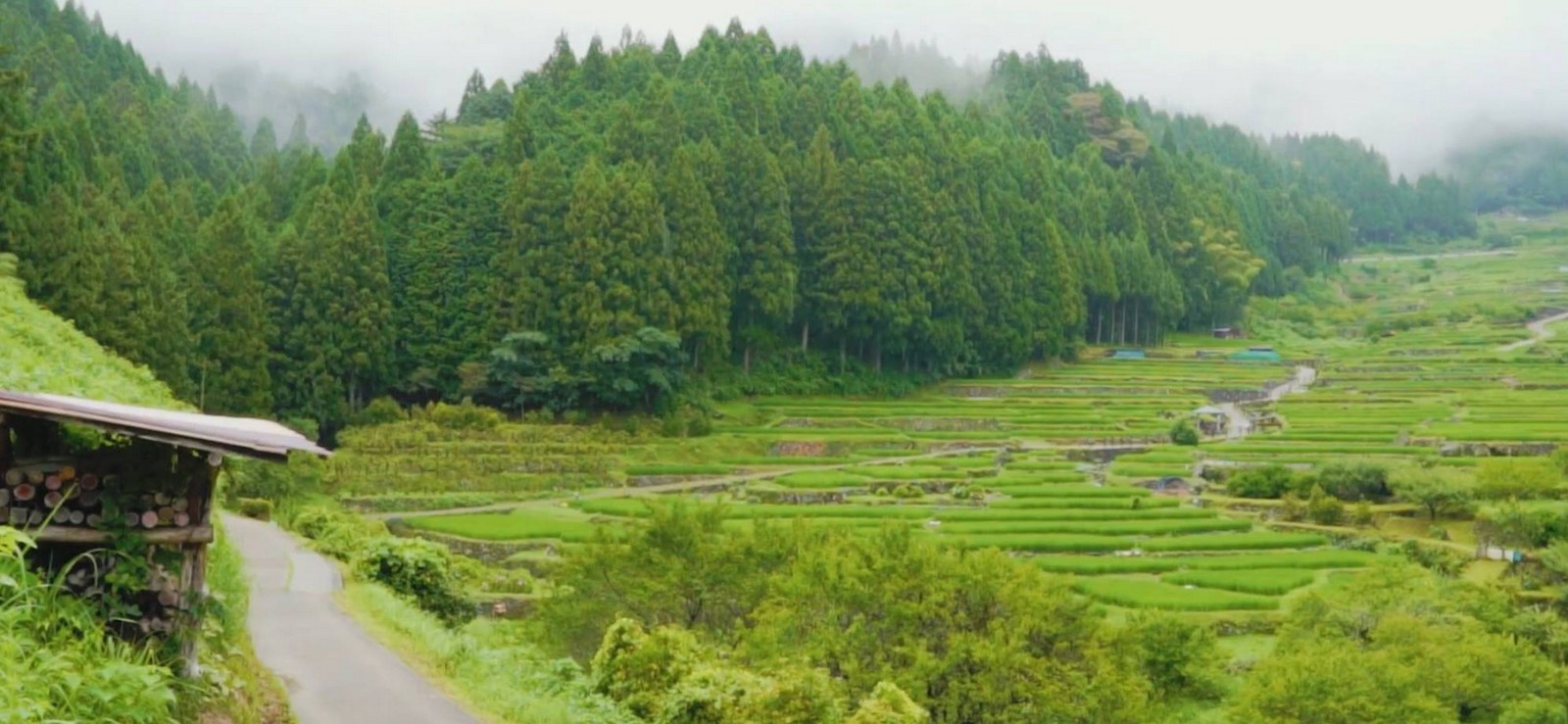
Layers of green fields stretch across the hills, where mist gently settles and the landscape feels calm, timeless, and deeply connected to the earth.
Tip from the itinerary expert: Try to balance your day with both indoor and outdoor stops. This helps manage everyone’s energy levels and allows you to pivot easily if the weather changes.
Aichi family itinerary
Trip Duration: 5 days
Day 1 - Nagoya Castle, city atmosphere and local food
Morning, 10:00–12:30. Begin your Aichi journey at Nagoya Castle, the region’s most prominent historical landmark. You can reach the site via subway at Nagoyajo Station or take the dedicated sightseeing bus from Nagoya Station, a journey of about 25 minutes. The adult entrance fee is 500 yen. While the main tower is currently closed, the expansive grounds, impressive stone walls, iconic golden shachihoko, and the beautifully restored Honmaru Palace make this a rewarding first stop. Allow 2–3 hours to fully appreciate the palace interiors and enjoy a relaxed stroll through the gardens.
Lunch, 12:30–14:00. Stay near the castle and explore Kinshachi Yokocho or the adjacent food streets. It is an ideal spot to sample Nagoya’s unique culinary scene without needing extra travel. For a quintessential local meal, try the famous miso katsu at Yabaton, where typical dishes range between 1,400–1,900 yen.
Afternoon and evening, 14:00–18:00. Take the subway to the vibrant Sakae district for a leisurely city walk and some shopping. Keeping the afternoon light is a good strategy, especially when traveling with children. For dinner, Sekai no Yamachan is a practical and popular choice for tasting Nagoya’s signature tebasaki chicken wings; a serving of five wings costs approximately 605–660 yen.
Tip from the itinerary expert: I wouldn’t leave Nagoya Castle for the late afternoon. The palace and garden paths are much more enjoyable earlier in the day, and children tend to stay engaged longer when there is plenty of time for photos and snack breaks.
Overnight Location: Nagoya
Day 2 - Toyota technology, science and Nagoya food
Morning, 10:00–12:30. Start your day at the Toyota Commemorative Museum of Industry and Technology. Depending on your base in Nagoya, allow 30–45 minutes for the commute. This museum provides a fascinating look into the region’s industrial DNA through highly visual and hands-on exhibits that keep even younger travelers engaged. Plan to spend 2–2.5 hours here.
Lunch, 12:30–14:00. Head back toward the city center for a taste of miso nikomi udon—a hearty, local comfort food. Yamamotoya is a highly recommended specialist for this dish; expect to spend between 1,000–1,999 yen for a bowl, with full sets available for around 2,000 yen.
Afternoon and evening, 14:00–18:00. Continue to the Nagoya City Science Museum. Its world-class planetarium and interactive galleries make it a premier indoor attraction, perfect for escaping the elements. Allow 2–3 hours for the visit. As evening approaches, explore the Osu or Sakae areas for some casual shopping and local snacks before dinner.
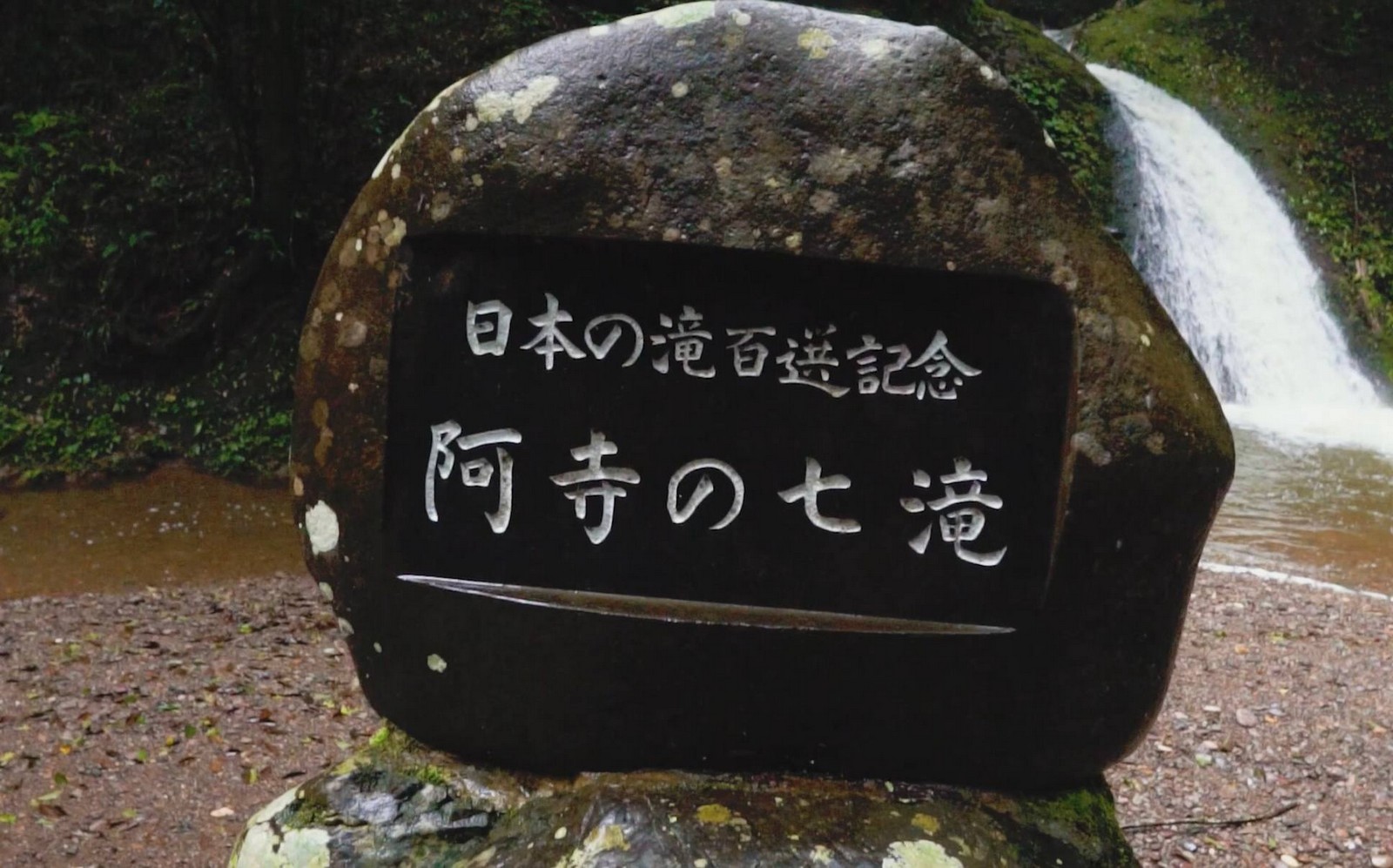
A simple stone marks the place, but behind it the waterfall tells a deeper story — of movement, time, and nature carving its path endlessly.
Tip from the itinerary expert: Keep this day entirely within the city as your ‘weather-proof’ option. If the forecast calls for rain or extreme heat, you can easily shift the science museum visit to the afternoon to stay comfortable.
Overnight Location: Nagoya
Day 3 - Port of Nagoya Aquarium and railway park
Morning, 10:00–13:00. Travel to the Port of Nagoya Public Aquarium, one of the region’s standout family destinations. With its massive tanks and famous performances, it is best to plan for a 3-hour stay. Pro tip: check the show schedule upon arrival so you can time your tour around the main events and avoid unnecessary wait times.
Lunch, 13:00–14:00. To keep things simple, enjoy lunch around the port area. This saves time by avoiding a trip back to the center. For a quick and budget-friendly meal, Japanese convenience stores are a solid option; a satisfying meal usually costs between 700–1,000 yen.
Afternoon and evening, 14:00–18:00. Move on to the SCMAGLEV and Railway Park. While focused on high-speed rail and maglev tech, the museum’s visual appeal and interactive simulators make it fascinating for everyone, regardless of their interest in trains. Allow 2–2.5 hours. Upon returning to the city for dinner, consider treating yourself to hitsumabushi (grilled eel) at Atsuta Horaiken; a standard portion of this local delicacy is priced at 4,950 yen.
Tip from the itinerary expert: Visit the aquarium first. The live shows largely dictate the pace of the visit, and it is much easier for children to enjoy the grand performances while their energy levels are high.
Overnight Location: Nagoya
Day 4 - Inuyama Castle and historic town
Morning, 10:00–12:30. Take a 30–40 minute train ride from Nagoya to Inuyama. Start with Inuyama Castle, one of the few remaining original castles in Japan. It offers a more authentic, intimate experience than its reconstructed counterparts and boasts stunning views over the Kiso River. Dedicate about 1.5–2 hours to the castle and its immediate grounds.
Lunch, 12:30–14:00. Instead of rushing back, stay in the historic town area for lunch. The old streets are lined with small shops and food stalls, making it a perfect spot for a relaxed meal and some local snacks.
Afternoon and evening, 14:00–18:00. Spend the rest of the afternoon wandering the traditional streets before heading back to Nagoya. This is an ideal day to slow down the pace. For dinner, the areas around Nagoya Station or Sakae offer endless options; for a balanced budget, plan on spending 3,500–6,000 yen per person for the day’s meals.
Tip from the itinerary expert: Don’t hurry back to Nagoya after seeing the castle. Inuyama’s charm lies in the combination of its historic fortress and the surrounding old-town atmosphere—give yourself enough time for a slow walk and some street food.
Overnight Location: Nagoya
Traveler reviews of Aichi

Daniel Morgan
April 2025

We stayed in Nagoya and spent three days seeing Aichi. Nagoya Castle looked beautiful from the outside, especially the golden details on the roof, but finding out the tower was closed was honestly disappointing. Honmaru Palace made the visit feel worth it in the end. The kids mostly cared about the ninja photos, not the history.
Emma Collins
November 2024
Korankei was easily the best part of our Aichi trip. We got there in the afternoon and stayed until the lights came on. It was packed near the bridge, but once we walked farther along, it became much calmer. Cold hands, warm snacks, red leaves everywhere — I still think about that evening.
Michael Turner
July 2023
Nagoya in July was tougher than I expected. The aquarium was excellent and the children loved the dolphin show, but walking outside after lunch was just too much. We kept escaping into malls and convenience stores for air conditioning. Aichi has plenty of good places, but summer was not easy for us.
Sophie Martin
March 2024
Okazaki Park was a really nice spring stop. The flowers were just starting, and the whole area felt much calmer than Tokyo or Kyoto. We only stayed a few hours, not a full day, but that was enough for photos and a slow walk. Easy to add if you have a car.
Adam Wilson
May 2022
SCMAGLEV and Railway Park surprised us. I thought it would be just trains, but our two boys stayed interested the whole time. Big displays, lots to look at, and it didn’t have that stressful museum feeling. We paired it with the port area, which made the day simple and not too tiring.
Laura Bennett
October 2021

I left Nagoya Castle pretty annoyed. We paid the entrance fee, then realized the main tower was closed, and the queue for the palace was longer than expected. The grounds are nice, yes, but with tired children and strong sun it felt like bad planning on our part. Check what’s open before going.
James Carter
December 2019
Aichi worked well for a winter city break. We used Nagoya as our base, ate miso katsu, tried tebasaki in the evening and went to the science museum on a rainy day. It’s not the most “wow” region at first glance, but it becomes very comfortable once you plan the days properly.
Rachel Adams
April 2018
Inuyama was my favorite part. The castle was smaller than I expected, but the river view and old streets made the visit feel complete. We went after breakfast and came back to Nagoya before dinner. Much easier than pushing the kids through another big city day.
Tips from the Itinerary Expert

Choose the right entrance at Nagoya Castle
To save time, always use the East Gate near Nagoyajo Station. I once exited through the Main Gate and ended up with a significantly longer walk back to the metro than expected. Choosing the East Gate minimizes walking distance, which is a lifesaver when traveling with tired children.
Structure the aquarium visit around show times
Don’t wait until you’re inside to check the schedule. I’ve wasted time standing around because I missed a performance by minutes. Check the dolphin and orca showtimes before entering and plan your route around them to keep the day moving and the kids engaged.
Use the μ-SKY train after a flight
After landing at Centrair, the temptation to save money on a regular train is high—but with luggage and kids, it can be slow and stressful. Investing an extra 450 yen for a μticket on the μ-SKY express guarantees a reserved seat and a much smoother, faster transfer to Nagoya Station.
Split museum days to avoid fatigue
Combining the Toyota Museum and the Science Museum back-to-back can lead to major fatigue. I now recommend splitting them across different days or pairing one with a lighter outdoor activity. This keeps energy levels stable and prevents children from losing interest halfway through.
Plan Nagoya Castle with realistic expectations
Manage your expectations regarding the main tower, as it is currently closed for safety reasons. Go knowing that the true highlights are the stunning Honmaru Palace and the surrounding grounds. Focusing on these areas from the start avoids disappointment and helps you manage your time better.
Turn Inuyama into a half-day, not a quick stop
Inuyama Castle is beautiful, but the experience is incomplete if you rush. Plan for a half-day visit to include the historic merchant street leading to the castle. Stopping for local snacks and exploring the small shops turns a quick photo-op into a memorable cultural experience.
Use food streets near major sights strategically
When visiting Nagoya Castle, don’t waste energy searching for ‘better’ restaurants far away. Use the Kinshachi Yokocho food streets right by the gates. While they can be busy, they save valuable transit time and keep the momentum of your sightseeing day going.
Plan one fully indoor day for flexibility
Weather in Aichi can be unpredictable. I always keep one day of the trip flexible to swap in indoor spots like the Science Museum or Railway Park. If it rains or an unexpected heatwave hits, you can simply pivot without ruining your overall plans.
Combine Korankei with a second stop
Driving from Nagoya specifically for Korankei can feel like a lot of effort for one spot. To make the journey worthwhile, combine it with Asuke Town or a stop in Okazaki. This rounds out the day and ensures you get the most out of your car rental.
Insights from the Itinerary Expert
I visited Aichi in October 2024, and my first impression was that it felt more functional than grand. Nagoya serves as an excellent, efficient base, but it lacks that immediate “wow” factor you might find in Tokyo or Kyoto. However, the region’s charm revealed itself once I started layering experiences: a castle visit in the morning, authentic miso katsu for lunch, a world-class museum in the afternoon, followed by a refreshing nature escape outside the city limits.
I learned the hard way at Nagoya Castle by arriving too late. The tower was closed, the queue for Honmaru Palace was daunting, and the children were already losing steam. Another key takeaway—once you leave Nagoya, your choice of transport is vital. Locations like Korankei Valley and Asuke Town are significantly more accessible by car. My attempt to rely solely on public transport there was frustratingly slow and made the day far less enjoyable than it could have been.
Aichi is at its best for those seeking a diverse travel mix without the usual tourist congestion. It offers historic castles, cutting-edge technology, unique local cuisine, and genuine nature all within one region. It isn’t defined by a single landmark, but rather by how seamlessly all these elements fit together. If you’re ready to explore, we can design a custom itinerary for Aichi and Japan tailored specifically to your dates, pace, and interests.
Tip from the itinerary expert: Don’t treat Aichi as just a transit point. Give it at least three to four days to truly appreciate the balance between its industrial heart and its surprisingly quiet, scenic countryside.
Prices in Aichi
| Name | Amount | Description |
|---|---|---|
| Budget hotels (per person) | 5,600–8,000 JPY | Standard business hotels in Nagoya offering compact, functional rooms. They provide all essential amenities for a short stay and are conveniently located near major train stations. |
| Mid-range hotels (per room) | 9,000–16,000 JPY | Comfortable accommodation in central Nagoya with easy access to transport, dining, and main attractions. This is a practical choice for balancing cost and location. |
| High-end hotels (per room for two) | 20,000–45,000+ JPY | Premium hotels featuring spacious rooms, superior service, and often stunning city views. Situated in prime districts, perfect for those prioritizing comfort and shopping. |
| Apartment for a family of 5 | 12,000–25,000 JPY | Spacious family suites or apartment-style rentals offering more room and flexibility. An ideal and cost-effective option for families staying several nights. |
| Car rental (per day) | variable JPY | Pricing fluctuates by season and vehicle type. A rental car becomes highly beneficial for exploring areas outside Nagoya, such as Korankei, Asuke, and scenic coastal routes. |
| Public transport | 210–870 JPY | A single city bus ride costs approximately 210 yen. A subway day pass is around 760 yen, while a combined bus and subway pass (870 yen) offers the best value for a full day of sightseeing. |
| Restaurant meal | 3,500–6,000 JPY | An estimated daily food budget for standard dining. Keep in mind that local specialties like 'hitsumabushi' (grilled eel) are premium experiences and will increase the total. |
| Parking | variable fee JPY | Paid parking is readily available at major sites like Nagoya Castle. Rates vary based on the proximity to the city center and the duration of your stay. |
| Basic supermarket shopping (for 2 people) | 2,000–3,000 JPY | Quick groceries or convenience-store (konbini) meals for a day. This is a smart way to manage costs and save time between attractions. |
Questions and answers about Aichi
01
Is Nagoya a good base for exploring Aichi, or is it better to move between hotels?
Nagoya is an ideal home base. The city’s main attractions are easily reachable by subway or bus, while destinations like Inuyama, the port area, and major museums are perfect day trips that don’t require packing up and moving hotels.
03
Can Nagoya Castle still be worth visiting if the main tower is closed?
Yes, provided you have the right expectations. The real highlights are the stunning Honmaru Palace interiors, the historic stone walls, and the seasonal garden walks. It’s a great stop for photography and atmosphere, even without tower access.
08
What food budget is realistic in Aichi without expensive restaurants?
A daily budget of 3,500–6,000 yen per person allows for comfortable dining at local restaurants. For a more budget-friendly approach, utilizing convenience stores and casual noodle shops can bring your spending down to 2,000–3,000 yen.
09
Is Korankei Valley better as a daytime visit or evening visit?
Daytime is best for hiking and clear photography. However, during the autumn season, the evening illumination is magical. For families, arriving in the late afternoon to see both the daylight scenery and the lights is the best of both worlds.
What we propose

Emma Heidi
Customer Experience Manager
Take all the stress out of planning your trip!
With our experts, you can create the perfect itinerary for you – complete, comfortable, and tailored to all your dreams, wishes, and needs.
We take care of every little detail, so you can simply focus on enjoying your journey.
We’ve been designing personalized itineraries since 2015, and over the years we’ve created thousands of custom itineraries for happy clients.

Save time, avoid confusion – we do the work for you. Our service saves you weeks of searching, reading, comparing, and complicated planning. Instead of wasting endless hours – you receive a ready-to-use, accurate and clear itinerary.

A tailor-made itinerary – built just for you. Your itinerary is personally designed based on our experts’ real field experience and genuine feedback from hundreds of travelers – including hidden discoveries and insider tips that don’t appear in any travel guide.

Smart accommodation selection – often saves you hundreds or even thousands of dollars. We help you choose verified and recommended places to stay, checking availability for your exact travel dates. Sometimes we suggest hotels not “in the center,” but in safe, convenient, and highly strategic locations – which can significantly reduce travel costs and save you even thousands of dollars.

We’re by your side even during the trip. We stay with you throughout your vacation – providing professional help whenever needed. If the weather changes, there’s a strike, a local event, heavy crowds, or any unexpected situation – we are here to update, guide, and adjust your itinerary in real time.

Easy-to-use itinerary – with direct navigation links. Your itinerary includes direct Waze / Google Maps links – no need to search for parking addresses, no stress, no mistakes. Just tap – and go.

Service cost: from only $420. (Special price for short itineraries up to 5 days). Clients tell us the itinerary saves them costly mistakes, fines, wrong choices – plus exclusive discounts on car rentals, better-priced accommodations, and money-saving local tips.
Want to know if it’s really worth it?
Take a look at the experiences of travelers who built their personal itinerary with us.
Click here and let’s start building the itinerary that will save you time, money, and stress – and turn your vacation into perfection.
Of course, your first inquiry is completely free – with no commitment whatsoever.
How it works


- You are welcome to contact us
- We discuss your trip
- You fill out a special form
- We create your itinerary
- You get it with all useful tips
- We are in touch with you all the time