My love for Japan began the moment I arrived in Tokyo. The country amazed me with its harmony of ancient traditions, cutting-edge technology, breathtaking nature, and a culture unlike any other. Since then, Japan has become a part of my life, and I return there again and again. Today I help travelers discover the real Japan: I create personalized itineraries, give lectures, and prepare guests for their unforgettable journey. I would be delighted to open Japan for you too!


September in Japan
September is the month of transition, shifting from the sweltering summer heat to the refreshing embrace of autumn. This is when not only the weather, but also the very atmosphere of Japan transforms. Gone is the hustle and bustle of summer; in its place, peaceful landscapes and lively festivals dominate the scene. If you are planning a trip to Japan, September offers a unique opportunity to experience the country at a slower pace—without the crowds of tourists—and enjoy the vibrant colors of fall.
Weather in September
The weather in September is quite transitional. Daytime temperatures range between 23°C and 28°C (73°F and 86°F). While the heat lingers, especially in the early part of the month, it is not uncomfortably hot and is ideal for enjoying the outdoors. Nights are cooler, providing relief from the lingering heat, particularly in northern regions like Hokkaido. However, September is also the peak of typhoon season, increasing the risk of storms and heavy rainfall. It is the wettest month of the year, and some areas may experience heavy downpours. It’s essential to pay attention to weather forecasts, especially if traveling in the second half of the month. Hokkaido stands as an exception, offering cooler and more stable weather compared to other parts of Japan.

Advantages of Traveling in September
- Uncrowded Tourist Spots: After the summer rush, September sees a significant drop in the number of tourists. With schools back in session and most people returning to work, popular tourist destinations like Kyoto and Tokyo are much less crowded, creating a more relaxed atmosphere.
- Comfortable Climate: September provides a perfect balance between warm weather and a hint of autumn. Temperatures remain ideal for outdoor activities, such as hiking and exploring the landscape. Beaches are still warm enough to enjoy.
- Early Autumn Foliage: September marks the beginning of Japan’s autumn foliage, especially in Hokkaido, where the early colors offer a picturesque view of the changing seasons.
- Inexpensive: Since September follows the peak tourist season, accommodation and airfare prices are generally more affordable, making for a cost-effective trip.
Disadvantages of September Travel
- Typhoon Risk: Typhoons pose a significant risk during September. These storms can disrupt travel plans, cancel outdoor events, and cause transportation delays. It’s important to remain flexible with your itinerary and prepare for sudden weather changes, particularly if traveling during the peak of typhoon season.
- High Humidity: September is one of the most humid months in Japan. While the temperatures are moderate, the air can feel heavy and sticky, particularly in cities like Tokyo and Osaka. It’s essential to stay hydrated and wear light, breathable clothing.
- Silver Week Crowding: During Silver Week (mid-September), domestic travel surges, leading to crowded trains, hotels, and tourist attractions. If traveling during this period, it is advisable to book accommodations and transportation well in advance to avoid inconveniences.

Major Festivals and Events
September in Japan is a month of vibrant cultural festivals that celebrate the changing seasons and traditional customs:
- Owara Kaze no Bon Festival (September 1-3, Toyama Prefecture): This atmospheric festival in Toyama Prefecture celebrates the wind, with dancers swaying through the streets to traditional music. It’s one of the highlights of September, offering a serene yet enchanting spectacle.
- Kishiwada Danjiri Festival (September 15-16, Osaka): Large wooden floats race through the narrow streets of Kishiwada, creating one of the most energetic and visually stunning festivals in Osaka.
- Tsurugaoka Hachiman-gu Shrine Festival (September 14-16, Kamakura): Held at the Tsurugaoka Hachiman-gu Shrine in Kamakura, this festival features yabusame (horseback archery), processions, and rituals. It’s a great chance to witness a traditional Shinto ceremony.

- Tokyo Grand Sumo Tournament (Second to fourth week of September): For sports fans, the September Grand Sumo Tournament at Tokyo’s Ryogoku Kokugikan is a must-see. Japan’s top wrestlers compete in thrilling bouts, providing an authentic experience of one of the country’s most famous traditions.
- Tsukimi: Celebrating the beauty of the autumn moon, Tsukimi varies by year according to the lunar calendar. People gather in parks and gardens to enjoy seasonal treats while admiring the moon.

Japanese Tourist Attractions to Visit in September
Whether you want to experience nature, visit historical sites, or relax on the beach, Japan’s landscape in September offers a variety of attractions. Here’s a guide to help you plan your visit.
Hokkaido
The northernmost island of Hokkaido is the first to show signs of autumn. Daisetsuzan National Park offers early hikes to enjoy the changing leaves. The cool air and spectacular scenery make Hokkaido an ideal destination during this time of year.
Since 2015, our website has specialized in individual planning of unique routes, taking into account personal preferences and desires. Each of you will receive a unique PDF file from us, which contains everything you need: travel routes, car rentals, hotels, the best tourist attractions, attractions for kids and everything you need for a perfect vacation. During the trip, we are available for you by phone via WhatsApp. Our personal service provides information from A to Z, taking into account many small details that can become a decisive factor on the way from a wasted trip to an unforgettable vacation. Our service will make your trip comfortable, save a lot of time on planning and preparation, and most importantly – will allow you to become freer and fully enjoy the pleasure of the trip.
Kyoto
Known for its ancient temples and tranquil gardens, Kyoto is a great place to enjoy a peaceful atmosphere in September. With fewer crowds, visitors can enjoy Kyoto’s most famous landmarks, such as Kinkakuji Temple and Fushimi Inari Taisha Shrine, without the hustle and bustle of everyday life.
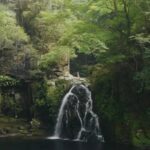
Surrounded by mountains, Nikko offers both spiritual experiences and natural beauty. Home to stunning shrines and the famous Kegon Falls, September is the perfect time to explore the area as the autumn colors begin to show.
Beach Destinations
If you prefer some time by the sea, Okinawa offers clear waters and sandy beaches. Shirarahama Beach in Wakayama Prefecture is another great beach spot for both swimming and hot springs.

Things to Do in September
Beach Holidays
Even though the weather is changing to autumn, the sea remains warm in September. Enjoy swimming and sunbathing in Okinawa or the Izu Peninsula.
Mountain Hiking
For those who love the outdoors, September is a great month for hiking, especially in areas such as Daisetsuzan National Park in Hokkaido and Oze National Park in Honshu. The autumn leaves offer spectacular scenery.
Sumo Tournaments
If you are in Tokyo during the second to fourth week of September, don’t miss the Grand Sumo Tournament at the Ryogoku Kokugikan. It’s a thrilling spectacle showcasing the traditional Japanese sport.
Visit Temples and Gardens
Enjoy the changing of the seasons by visiting places of tranquility, such as Kinkakuji Temple in Kyoto or the bamboo groves of Arashiyama.
Relax in an Onsen
After a day of sightseeing, relax in one of Japan’s famous onsens (hot springs). Hakone and Ibusuki offer scenic and relaxing hot springs.
Packing Tips
Since September marks the change of season, it is important to prepare for both warm and cool weather, as well as the possibility of rain. Here are some essentials:
- Umbrella: September is the wettest month, so it is wise to bring a compact umbrella and a lightweight rain jacket or poncho.
- Layers: The weather can change easily, so dress in layers. Lightweight jackets and sweaters are ideal during the day and cooler at night.
- Comfortable Shoes: Whether you are exploring the city, hiking, or visiting temples, comfortable, waterproof shoes are a must. Breathable shoes are also recommended as humidity can be high.

How to Plan Your Itinerary
Flexible Schedule
Be flexible with your itinerary in case of sudden weather changes. If a typhoon is forecast, consider shifting outdoor activities to indoor alternatives, such as visiting museums or shopping malls.
Weather Awareness
Pay attention to the weather forecast, especially for typhoons. Japan has excellent weather services, and many apps provide real-time conditions, allowing you to adjust your plans accordingly.
Indoor Activities
On rainy or stormy days, explore Japan’s indoor attractions such as museums, aquariums, and large shopping malls. Cities like Tokyo and Osaka offer plenty of indoor recreational options.

Transportation Tips
Japan’s public transportation system is efficient, but disruptions may occur during typhoon season. Here’s how to make the most of your options:
- Japan Rail Pass: For intercity travel, the Japan Rail Pass (JR Pass) is a great value. It allows unlimited travel on most JR trains and is worth purchasing in advance for long-distance travel.
- Local Trains and Subways: In urban areas such as Tokyo, Kyoto, and Osaka, local trains and subways are convenient. Be sure to check timetables, especially during typhoon season, as service schedules may be disrupted.
- Cabs and Shared Ride Taxis: While public transport is extensive, cabs can be a good option during bad weather or if you need to get somewhere quickly. Ride-hailing services like Uber and JapanTaxi are also available in major cities.
Lodging Reservations
September is a great time to visit with fewer crowds, but there may be a surge in domestic travel during the Silver Week holiday (mid-September). To avoid availability issues, it’s important to book your accommodations in advance.
- Book Early for Silver Week: Hotels in major cities and tourist destinations may be fully booked during this period, so it’s advisable to book months in advance.
- Stay Near Transportation Hubs: If weather disruptions are a concern, stay near transportation hubs such as Tokyo, Shinjuku, or Osaka stations for easy access to trains, buses, and cabs.
- Ryokan and Onsen Hotels: For a traditional experience, consider staying at a ryokan (Japanese inn) with hot springs.
Typhoon Season Safety Measures
Typhoon season can be intimidating, but Japan is well-prepared. Here’s how to stay safe:
- Follow Local Warnings: Pay attention to typhoon warnings through TV, radio, and mobile apps regarding evacuation orders and transportation disruptions.
- Stay Indoors During Typhoons: It’s safest to stay indoors when a typhoon is forecast. Avoid unnecessary travel and wait for the storm to pass in a hotel or designated shelter.
- Monitor Your Surroundings: Be aware of strong winds, flooding, and landslides, especially in mountainous or coastal areas.

Japanese Cuisine in September
September offers an abundance of seasonal produce. Here are some dishes and ingredients to try:
- Persimmon: Ripe persimmons become popular in desserts, jams, and savory dishes.
- Sweet Potatoes: Harvested in fall, sweet potatoes feature in both savory and sweet dishes like tempura and baked goods.
- Matsutake Mushrooms: Known for their unique aroma and rich flavor, these mushrooms are served in soups or grilled.
- Sanma (Saury): A traditional autumn fish, grilled and served with grated radish.
- Sukiyaki: A one-pot dish with beef, vegetables, tofu, and noodles simmered in a sweet soy sauce-based broth.
- Moon-Viewing Dumplings: Served during the moon-viewing festival, these dumplings symbolize the harvest and the moon.
- Taiyaki: A fish-shaped pastry filled with red bean paste or custard, popular during festivals like the Owara Kaze no Bon and Kishiwada Danjiri Festivals.
- Kibi Dango: A chewy rice-flour pastry traditionally used for otsukimi (moon-viewing) offerings.
What we propose Emma Heidi Take all the stress out of planning your trip! With our experts, you can create the perfect itinerary for you – complete, comfortable, and tailored to all your dreams, wishes, and needs. We take care of every little detail, so you can simply focus on enjoying your journey. We’ve been designing personalized itineraries since 2015, and over the years we’ve created thousands of custom itineraries for happy clients. Save time, avoid confusion – we do the work for you. Our service saves you weeks of searching, reading, comparing, and complicated planning. Instead of wasting endless hours – you receive a ready-to-use, accurate and clear itinerary. A tailor-made itinerary – built just for you. Your itinerary is personally designed based on our experts’ real field experience and genuine feedback from hundreds of travelers – including hidden discoveries and insider tips that don’t appear in any travel guide. Smart accommodation selection – often saves you hundreds or even thousands of dollars. We help you choose verified and recommended places to stay, checking availability for your exact travel dates. Sometimes we suggest hotels not “in the center,” but in safe, convenient, and highly strategic locations – which can significantly reduce travel costs and save you even thousands of dollars. We’re by your side even during the trip. We stay with you throughout your vacation – providing professional help whenever needed. If the weather changes, there’s a strike, a local event, heavy crowds, or any unexpected situation – we are here to update, guide, and adjust your itinerary in real time. Easy-to-use itinerary – with direct navigation links. Your itinerary includes direct Waze / Google Maps links – no need to search for parking addresses, no stress, no mistakes. Just tap – and go. Want to know if it’s really worth it? Take a look at the experiences of travelers who built their personal itinerary with us. Click here and let’s start building the itinerary that will save you time, money, and stress – and turn your vacation into perfection. Of course, your first inquiry is completely free – with no commitment whatsoever. How it works
Customer Experience Manager


Service cost: from only $420. (Special price for short itineraries up to 5 days). Clients tell us the itinerary saves them costly mistakes, fines, wrong choices – plus exclusive discounts on car rentals, better-priced accommodations, and money-saving local tips.


Latest articles