My name is Neta Gimpel, and I have been working in the tourism industry for over 13 years. Today I manage partnerships with leading travel service providers – from car rentals and insurance to hotels, airlines, local guides, and top attractions worldwide. In addition, I am an active travel blogger and an expert who lives and breathes travel every day. If you are planning a trip and want to make it comfortable, well-planned, and truly unforgettable, I will be happy to help. Let’s turn your travel dream into reality!



Slovakia
Slovakia, located in the heart of Europe, boasts a compact territory filled with surprising diversity: mountains, castles, ancient towns, and thermal springs. While often underrated, this country offers an authenticity that is increasingly rare in popular tourist destinations.
Key Highlights of Tourism in Slovakia
- Bratislava – Slovakia’s compact capital on the Danube features a charming Old Town, the bronze statue of Čumil peeking from a manhole, and stunning panoramic views from Bratislava Castle. Admission is $10, with the best views at sunset when the city is bathed in golden light.
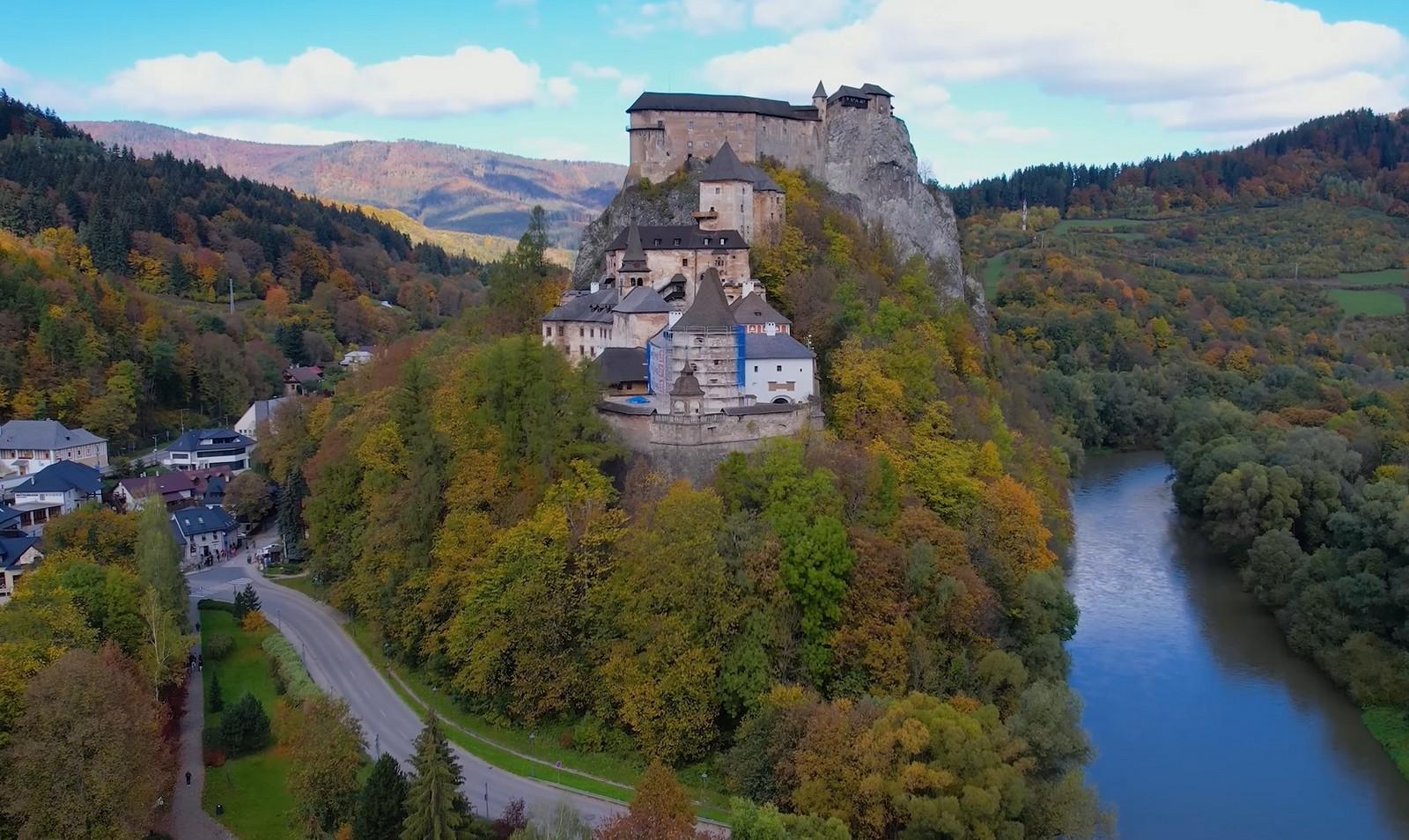
- Orava Castle – Perched on a 112-meter cliff, this fortress captivated the filmmakers of Nosferatu. The steep and narrow climb rewards visitors with breathtaking views and a medieval atmosphere. Entrance is $7.
- Spiš Castle – One of the largest castles in Europe, it spans over 4 hectares. The site hosts knight tournaments and festivals, with tickets priced at $8. It is open until 7 PM during the summer.
- High Tatras – The natural heart of Slovakia, featuring Štrbské Pleso Lake, Rysy Peak, and numerous trails ranging from easy to challenging. Accommodation starts at $60, and winter ski passes begin at $35.
- Slovak Paradise – A breathtaking landscape of canyons, waterfalls, and ladders. The Suchá Belá trail (4 km) transforms a simple hike into an adventure. Entrance is just $2, but comfortable footwear is essential.
- Slovak Gastronomy – Sample bryndzové halušky (dumplings with sheep cheese and bacon) for $6-8, smoked parenica cheese, and Slovak beer for $2, along with Tokaj dessert wines. The best taste and prices can be found in local taverns.
- Best Time to Visit Slovakia – September is ideal, as tourist crowds thin out, accommodation prices drop, and the weather remains pleasant for walks and excursions.
About This Slovakia Travel Guide
This travel guide serves as a practical handbook for independent travelers and families, providing everything needed to plan a trip:
- Transport – Information on trains, buses, and car rentals, including current fares and practical recommendations.
- Cities – Insights into Bratislava, Košice, Banská Štiavnica, Bardejov, and other cultural centers.
- Castles of Slovakia – Details on Spiš Castle, Orava Castle, Bojnice Castle, and lesser-known fortresses.
- Slovakia’s Nature – Highlights of the High Tatras, Slovak Paradise, national parks, and lakes.
- Authenticity – Explore the traditional architecture of Čičmany, Vlkolínec, and Špania Dolina.
- Gastronomy – Discover Slovak cuisine, restaurant prices, and traditional drinks.
- Route – A curated 7-day itinerary featuring castles, towns, and nature.
Slovakia Travel Guide: Transport in Slovakia
Getting around Slovakia can be accomplished in various ways, depending on your itinerary. In larger cities, trains are a convenient option due to the well-developed railway network, regular schedules, and affordable prices. For instance, the train from Bratislava to Košice (450 km) takes about 5–6 hours, with tickets costing around 20 USD. The carriages are comfortable, with some trains offering air conditioning, power outlets, and Wi-Fi.
For smaller towns and villages, buses are often more convenient than trains. The journey from the capital to Banská Bystrica takes roughly 3 hours and costs about 10 USD. Bus stations are typically located in city centers, and schedules are frequent, allowing for evening travel as well.
Renting a car in Slovakia provides greater freedom to explore areas that public transport does not reach. Mid-size car rentals start at around 35 USD per day, and gasoline costs approximately 1.7 USD per liter. A vignette, or electronic sticker, is required for highway driving; a 10-day vignette costs about 12 USD. Keep in mind that many castles and natural attractions are situated in mountainous regions, where roads can be narrow and winding. In winter, it’s crucial to have winter tires and chains for safe driving.
Practical tip: If your itinerary includes mountain villages and castles, renting a car is more convenient. However, if your plans are limited to cities, using trains and buses is cheaper and easier.
Click here to learn more about creating a personal itineraryBest Time for Holidays in Slovakia
The ideal season for your trip depends on your objectives.
In winter, Slovakia transforms into a haven for ski enthusiasts. The slopes in the High Tatras (Vysoké Tatry) and Low Tatras (Nízke Tatry) offer numerous kilometers of tracks, with January and February ensuring stable snow coverage. Mountain temperatures hover around –5 °C, and ski pass prices are generally lower than in Austria or Switzerland.
In summer, the country opens its national parks and mountain routes. During July and August, temperatures in Bratislava hover around +23 °C, while the mountains remain cooler. This season is ideal for hiking in Slovak Paradise (Slovenský raj), swimming in Liptovská Mara, and rafting on the Dunajec River.
Spring and autumn are the best times for exploring the cities and castles of Slovakia. With fewer tourists, mild weather (+15 to +20 °C), and affordable accommodation, these seasons offer a pleasant experience. However, potential rain in the off-season and the possibility of some high-mountain trails being closed are downsides to consider.
Tip: If you wish to combine a mountain holiday with cultural experiences, September is the best choice. Tourist traffic decreases, and the weather remains comfortable.
Bratislava Attractions – The Capital on the Danube
Old Town: Streets, Squares, Atmosphere
Bratislava’s historical center is compact and inviting, preserving the medieval city layout while showcasing buildings from various eras, including Gothic, Baroque, and Classicism. The heart of the Old Town is the Main Square, home to the 15th-century Town Hall. Inside, the City Museum offers insights into the capital’s history, and visitors can climb the tower for panoramic views of the rooftops and the Danube.
The old streets are adorned with unique sculptures that have become symbols of the city, the most famous being the bronze Čumil, who peeks out from a manhole, drawing tourists eager to take photos. The atmosphere in the Old Town is particularly enjoyable in the morning when cafes are just opening, and tourist groups have yet to arrive. In the evening, the area comes alive with bars, restaurants, and terraces offering live music.
Practical tip: Prices in Bratislava are lower than in nearby Vienna. A lunch at a restaurant costs around 10-12 USD, while coffee in a cozy café is approximately 2-2.5 USD.
Bratislava Castle
The main architectural landmark of the capital is Bratislava Castle (Bratislavský hrad), which sits atop a hill overlooking the Danube. Inside, the historical museum showcases archaeological finds and exhibitions about the region’s past.
The entrance ticket costs approximately 10 USD, and the opening hours are daily from 10:00 AM to 6:00 PM, except on Mondays. From the viewing platform, you can enjoy views of the Danube River, Austria, and, on clear days, even Hungary.
Tip: The ideal time to visit the castle is around sunset when the city and river are bathed in soft light.
Devín Castle and Its Legends
Fifteen kilometers from Bratislava lie the ruins of Devín Castle (Hrad Devín), one of the oldest fortresses in Slovakia. The castle is perched on a 212-meter cliff at the confluence of the Danube and Morava rivers, offering a panoramic view of three countries: Slovakia, Austria, and Hungary.
The most iconic feature of the castle is the Maiden Tower, which is linked to a legend of a girl who leaped from the cliff due to a broken heart. This tale has made the tower a symbol of tragic love and loyalty. Other legends suggest that treasures from wars against the Turks are hidden in underground passages that lead directly to the Danube.
The castle is open to visitors from April to October, with tickets priced at 6 USD. You can reach it by taking bus No. 29 from the city center, which takes about 20 minutes.
Click here to create a personal itinerary for SlovakiaModern Bratislava: Cafés, Bars, and Cultural Events
Along the Danube embankment, you’ll find modern buildings featuring panoramic restaurants and terraces. Locals enjoy cycling and rollerblading in this vibrant area.
Bratislava boasts a lively bar culture, especially in the Old Bridge district, where many young people gather in the evenings. A glass of Slovak beer averages 2 USD, while cocktails start at 6 USD. During the summer, the embankment hosts festivals and open-air concerts.
Art enthusiasts can explore exhibition spaces such as the Slovak National Gallery and the contemporary Kunsthalle center. Additionally, theater productions and classical music concerts at the Slovak Philharmonic enhance the city’s appeal for cultural tourism.
One-Day Trips from the Capital
Bratislava serves as an excellent base for short trips to nearby attractions. One of the most popular destinations is Červený Kameň Castle (Hrad Červený Kameň), located just 40 minutes away. This fortress is renowned for its impressive collection of weapons and underground storage halls.
Wine lovers should venture to the Little Carpathians (Malé Karpaty) region, where wineries offer tastings of local varieties for 10-15 USD, and you can find homemade cheeses in the charming villages.
Another option is a trip to Vienna, which takes about an hour by train and costs between 12 and 15 USD. This allows you to visit two European capitals in a single journey.
Cities and Cultural Centers of Slovakia
Košice – The Eastern Capital
Košice is often referred to as the eastern capital of Slovakia. Located nearly 400 kilometers from Bratislava, it is easily accessible: a train ride takes 5 to 6 hours and costs around 20 to 25 USD, while flights from Vienna take just one hour.
The city’s main attraction is St. Elisabeth Cathedral, the largest Gothic church in Slovakia. Entrance is free, and for 4 USD, you can climb the tower for a panoramic view of the historic center. The vibrant Hlavná Street serves as the heart of cultural life, featuring concerts, festivals, cafés, and shops.
Visitors are particularly drawn to Košice for:
- St. Elisabeth Cathedral, renowned for its unique stained glass windows.
- The historic Hlavná Street, home to the theater and the singing fountain.
- A youthful atmosphere, thanks to its universities.
- Affordable prices: lunch costs between 8 and 10 USD, and a 3-star hotel starts at 45 USD.
Banská Bystrica – The City of History
Banská Bystrica is closely linked to the Slovak National Uprising. The central square features a museum dedicated to World War II, alongside the old town hall and bell tower.
This city is conveniently located in the center of the country, surrounded by mountains, making it an ideal stop between the capital and eastern regions. From Bratislava, you can reach Banská Bystrica in 3 hours by bus for 10 USD.
Banská Štiavnica – The Mining Town (UNESCO)
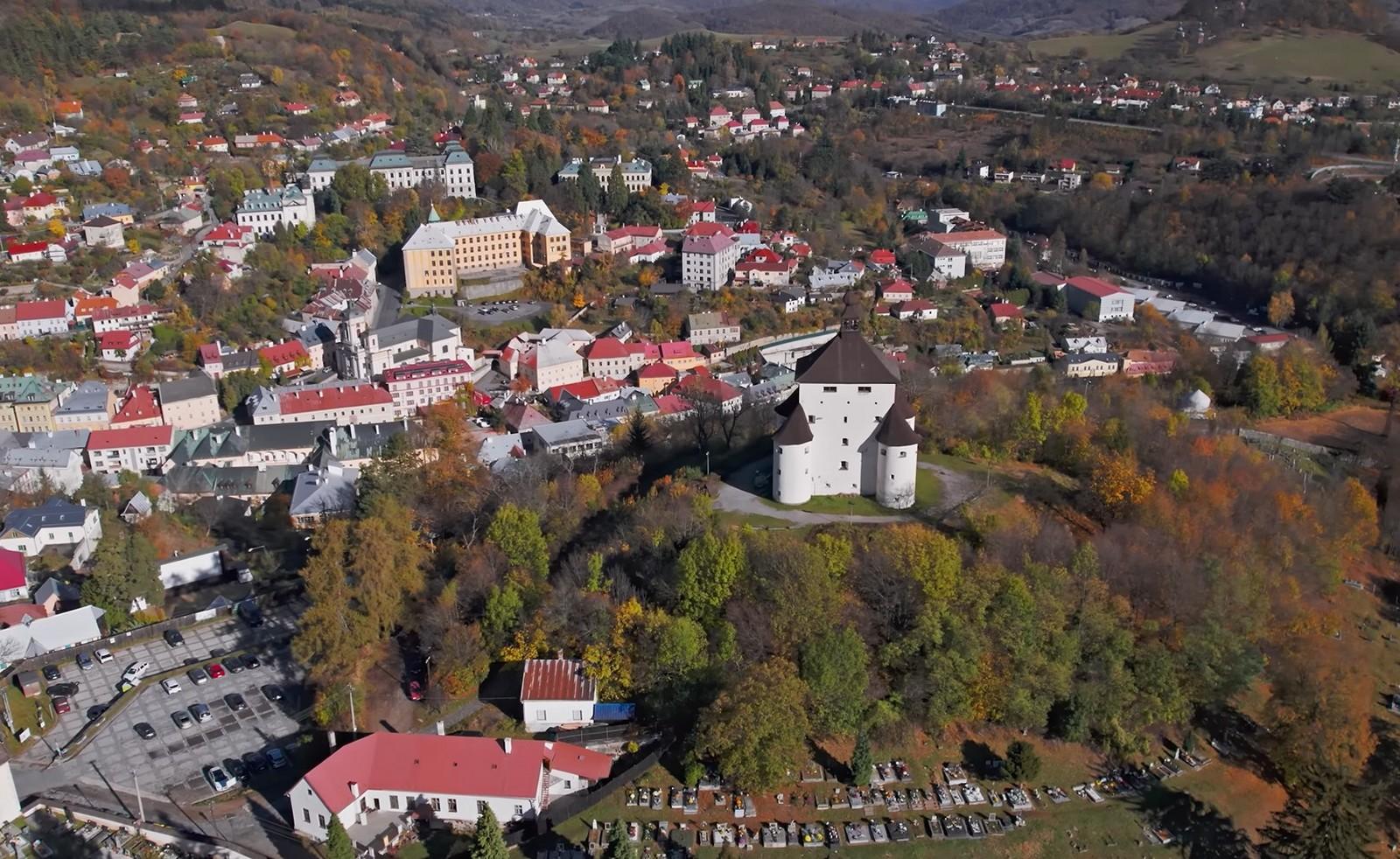
Banská Štiavnica has retained its mining heritage and is listed as a UNESCO World Heritage site. In the Middle Ages, it was known for its silver and gold mines, which brought wealth and fame to the town. Today, tourists can explore the Mining Museum and descend into old shafts equipped with helmets and lamps.
The city boasts a unique atmosphere with:
- Narrow streets and colorful 18th-century houses.
- The Old and New Castles that once protected miners.
- Cozy restaurants offering local cuisine.
- Accommodations typically cost 50 to 60 USD per night.
Bardejov – The Medieval Town (UNESCO)
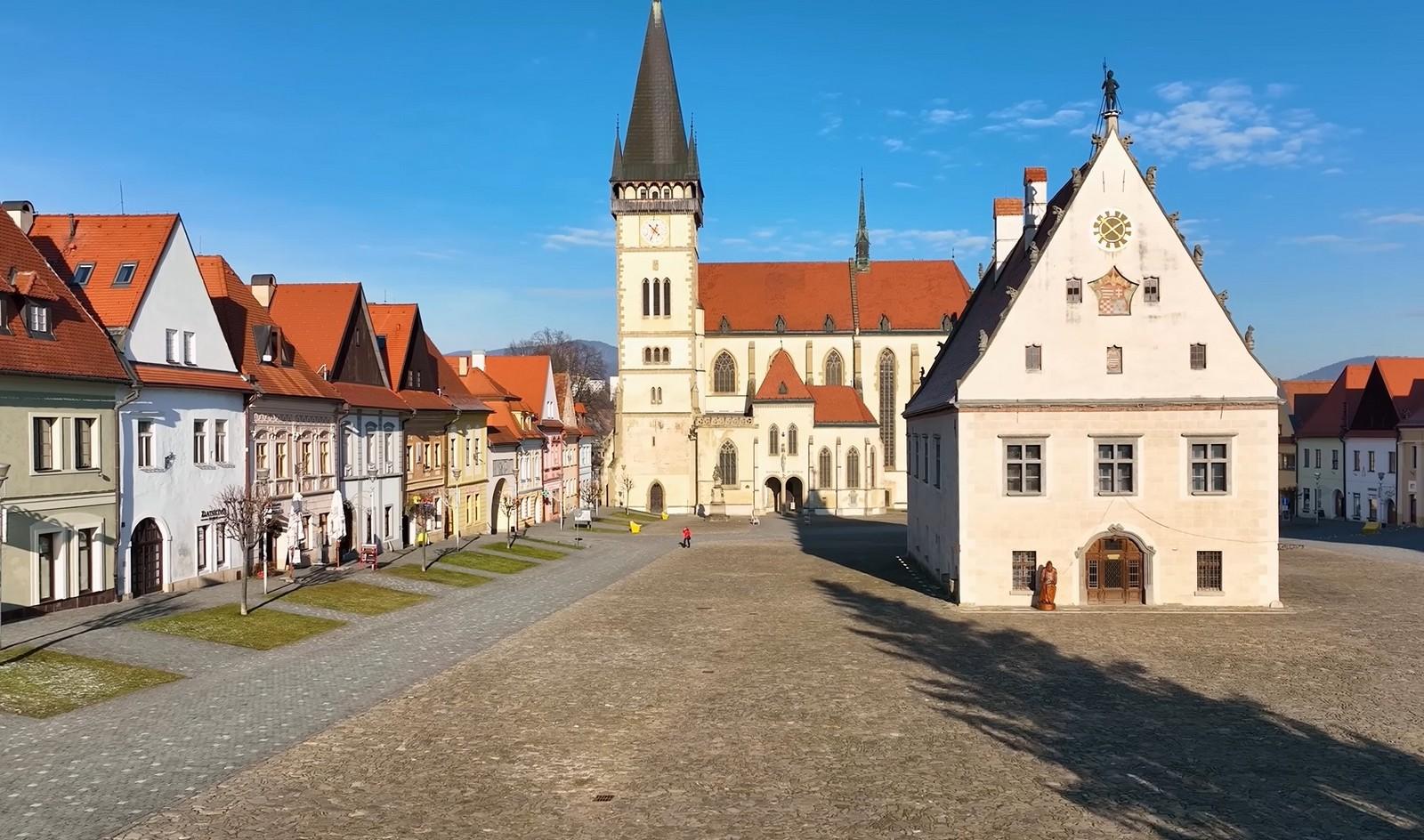
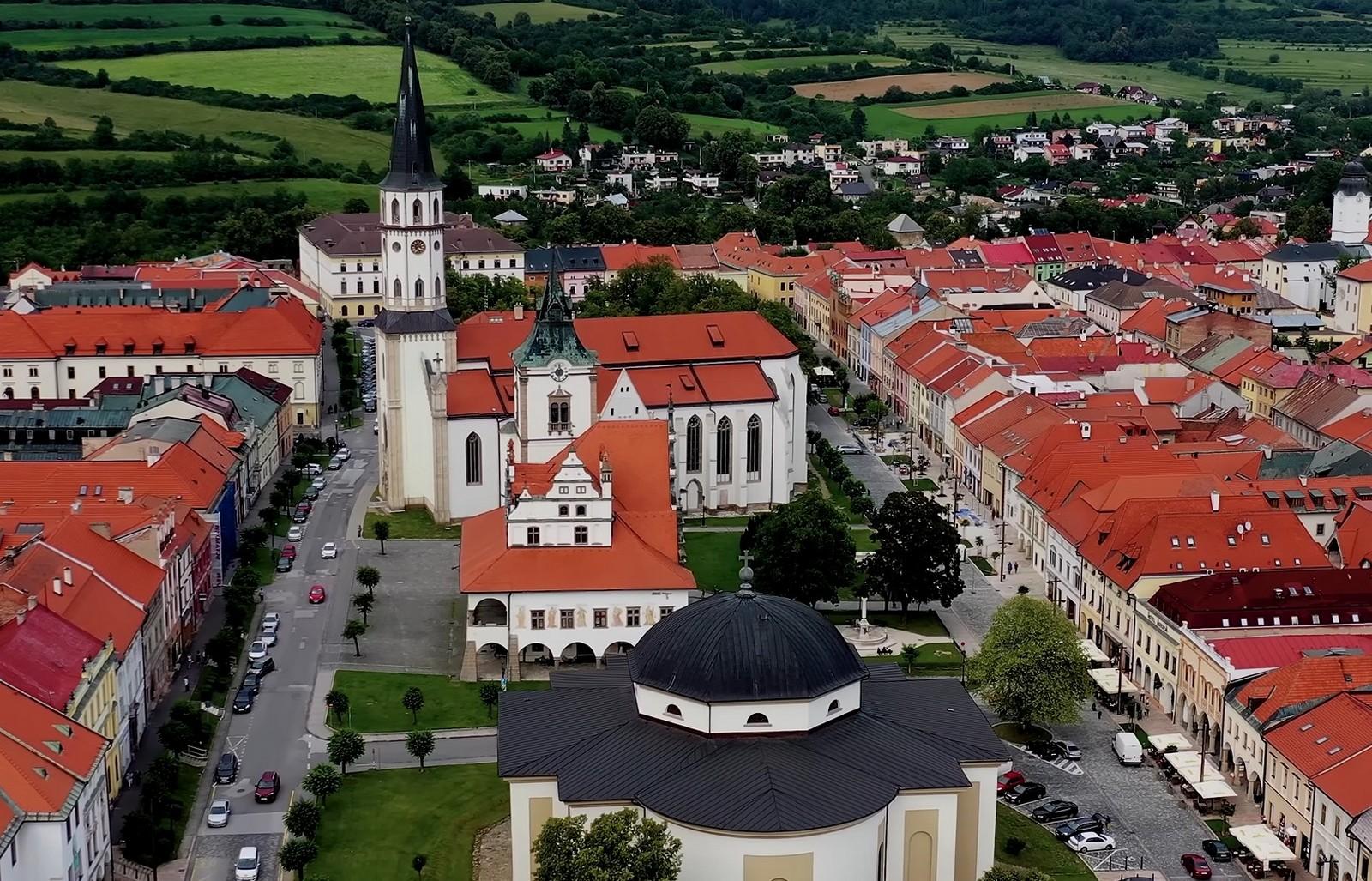
Bardejov is one of the most authentic towns in Slovakia. The rectangular Market Square is surrounded by Gothic and Renaissance houses, with the Basilica of St. Giles (Bazilika svätého Egídia) at its center, featuring stunning 15th-century stained glass windows.
The city walls and towers create a striking impression, having been nearly fully preserved. With few tourists around, a stroll through the town feels like a genuine journey back in time.
Tip: Consider combining your visit to Bardejov with a trip to the local spa, renowned for its mineral waters that are beneficial for stomach ailments. Treatment prices start at just 15 USD, which is more affordable than in neighboring Poland.
Castles of Slovakia – The Land of Fortresses
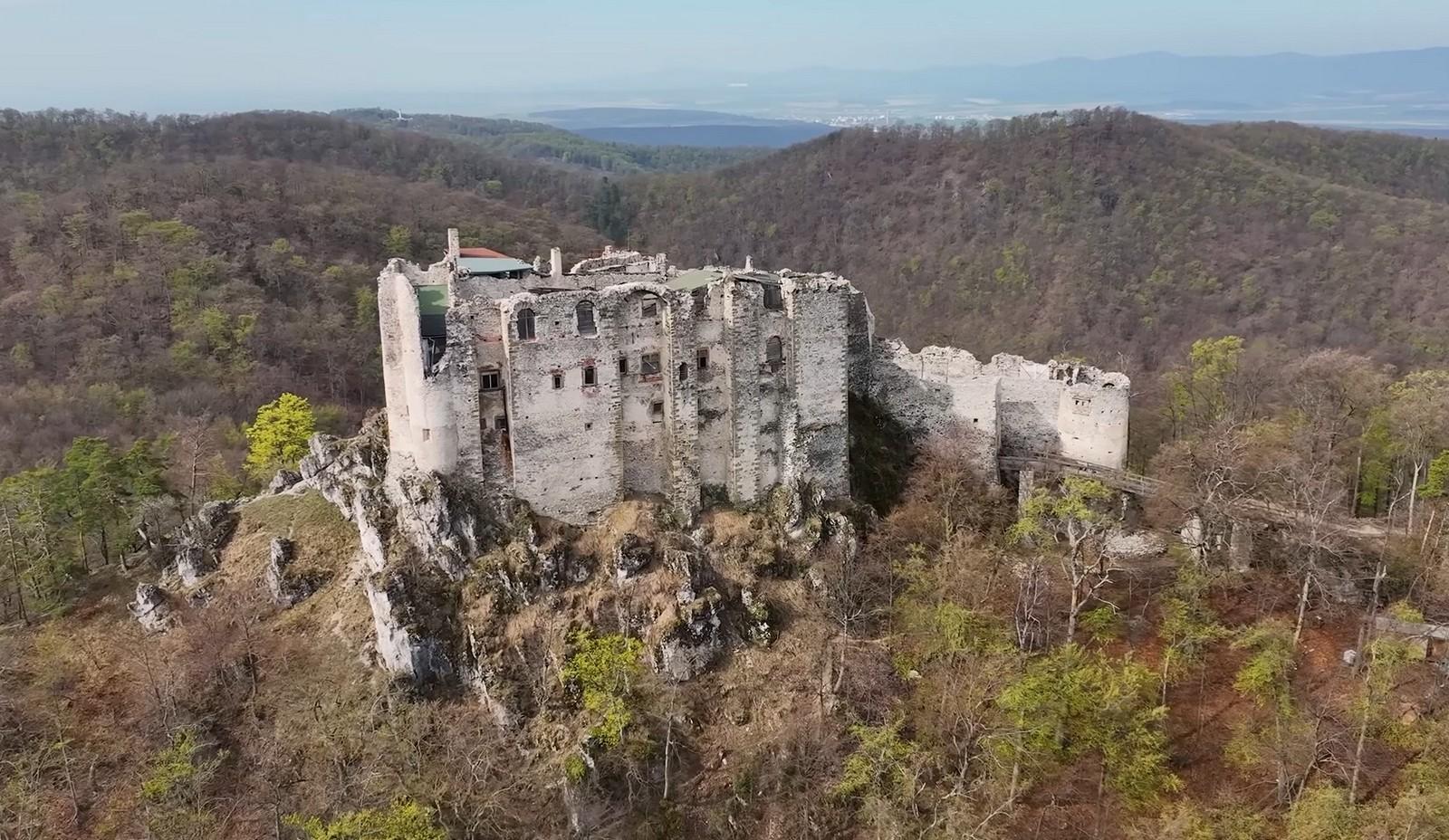
For travelers, exploring the castles of Slovakia offers a unique experience. Almost every region boasts at least one fortress, many situated in picturesque locations-on cliffs, by rivers, or nestled in mountain valleys.
Orava Castle (Oravský hrad)
Perched on a rock above the Orava River, Orava Castle is often regarded as the most picturesque castle in Slovakia. Its impressive silhouette attracted filmmakers, who chose it as a location for Nosferatu (1922). The castle features three levels connected by staircases and corridors, making it easy to lose your way, adding to the adventure of your visit.
- Height of the cliff: 112 m.
- A well, 90 m deep, took nearly fifty years to complete.
- Entrance ticket: approximately 7 USD.
- Opening hours: daily from May to September; weekends only from October to April.
Tip: Wear comfortable shoes for your visit, as the climb is steep and the staircases are quite narrow.
Spiš Castle (Spišský hrad)
Spiš Castle covers an area of over 4 hectares, with its walls visible from several kilometers away. Recognized as a UNESCO World Heritage site, it symbolizes the country’s medieval heritage. Visitors can enjoy breathtaking views from its observation platforms.
- Founded in the 10th century.
- Entrance ticket: approximately 8 USD.
- Opening hours: April to October, with summer hours extending until 19:00.
The castle hosts knight tournaments, historical reenactments, and various festivals.
Since 2015, our website has specialized in individual planning of unique routes, taking into account personal preferences and desires. Each of you will receive a unique PDF file from us, which contains everything you need: travel routes, car rentals, hotels, the best tourist attractions, attractions for kids and everything you need for a perfect vacation. During the trip, we are available for you by phone via WhatsApp. Our personal service provides information from A to Z, taking into account many small details that can become a decisive factor on the way from a wasted trip to an unforgettable vacation. Our service will make your trip comfortable, save a lot of time on planning and preparation, and most importantly – will allow you to become freer and fully enjoy the pleasure of the trip.
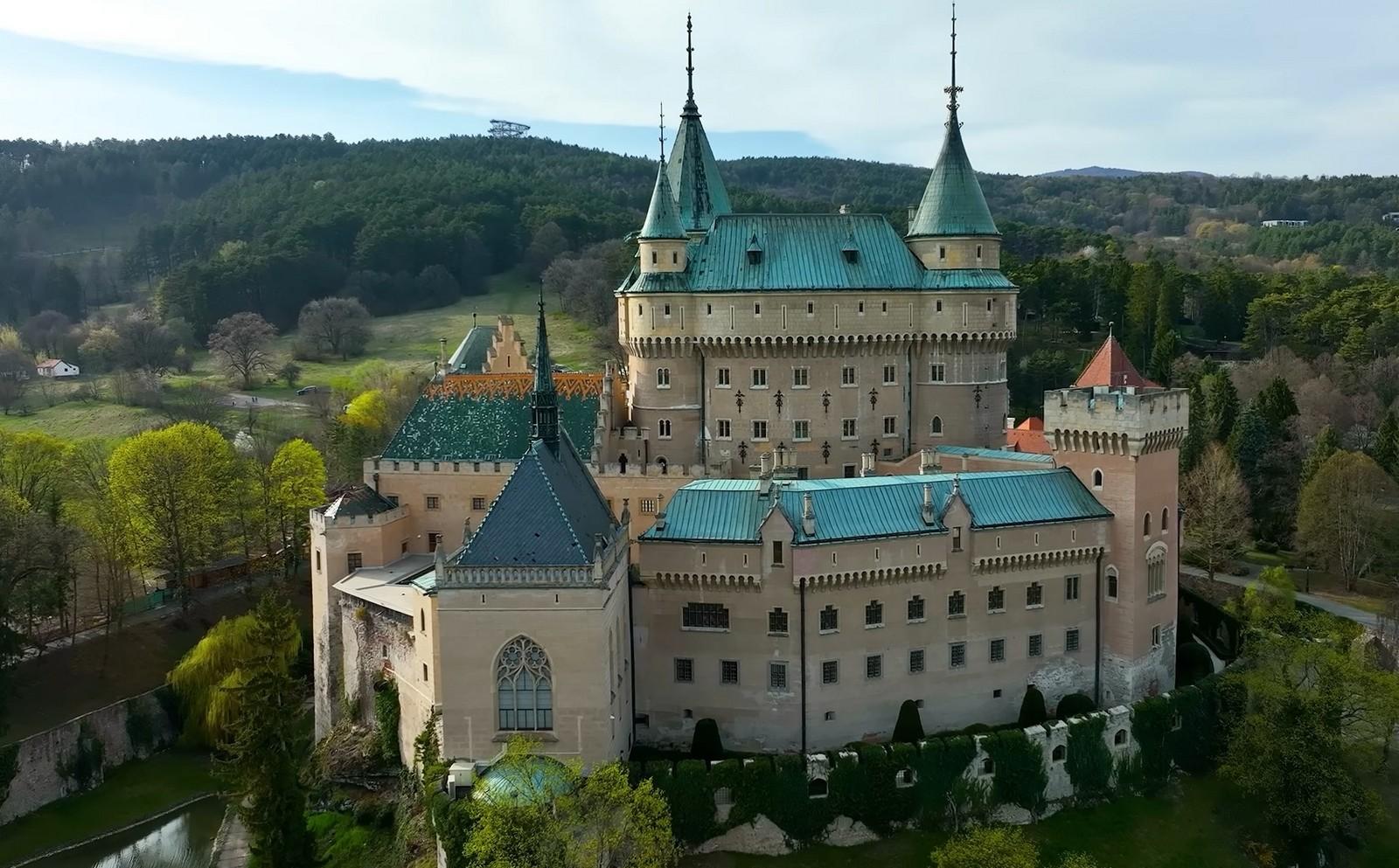
Bojnice Castle (Bojnický zámok)
A fairy-tale palace designed in the style of French romantic residences features richly decorated halls and houses a museum. It is a popular destination for families with children, often hosting knight shows and children’s festivals. Entrance tickets are approximately $13.
Note: During the summer season, the castle attracts many tourists, so it is advisable to visit in the morning.
Ľubovňa Castle (Hrad Ľubovňa) and Other Fortresses
Ľubovňa Castle is situated near the Polish border. In the 17th century, it housed the Polish royal regalia, and today its towers contain a museum. Adjacent to the castle is an open-air ethnographic complex featuring wooden houses.
In addition to the larger, more famous fortresses, travelers should consider visiting some lesser-known castles:
- Kremnica (Kremnica) – known for its tower and historic mint.
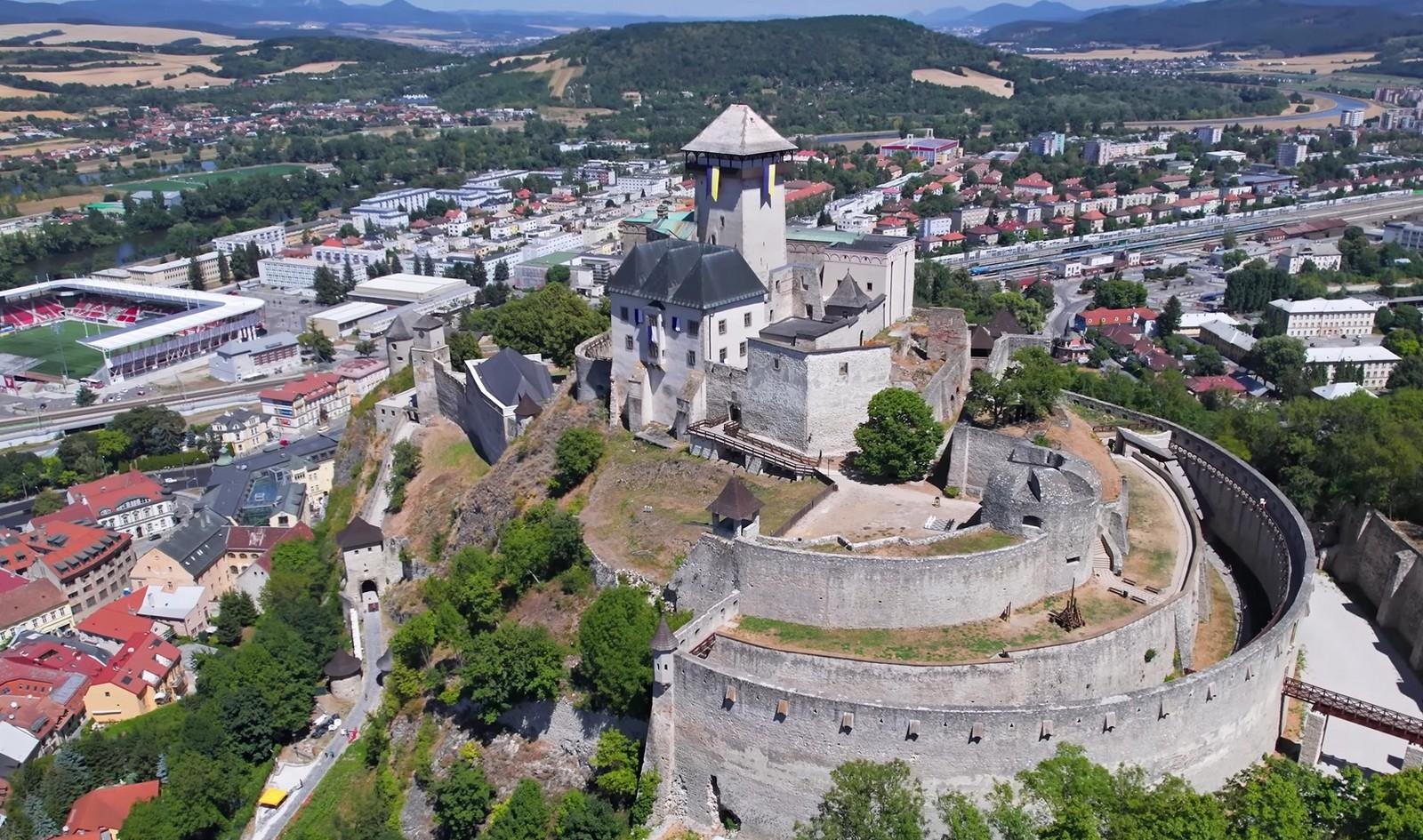
- Trenčín Castle (Trenčiansky hrad) – steeped in a legend about the love between a Turkish pasha and a Slovak woman.
- Červený Kameň (Hrad Červený Kameň) – located 40 minutes from Bratislava, famous for its extensive weapon collection.
- Strečno Castle (Hrad Strečno) – a fortress overlooking the Váh River, offering stunning views of the Malá Fatra mountains.
Nature and Active Holidays in Slovakia
A holiday in Slovakia can be tailored to any preference, from mountaineering to family strolls.
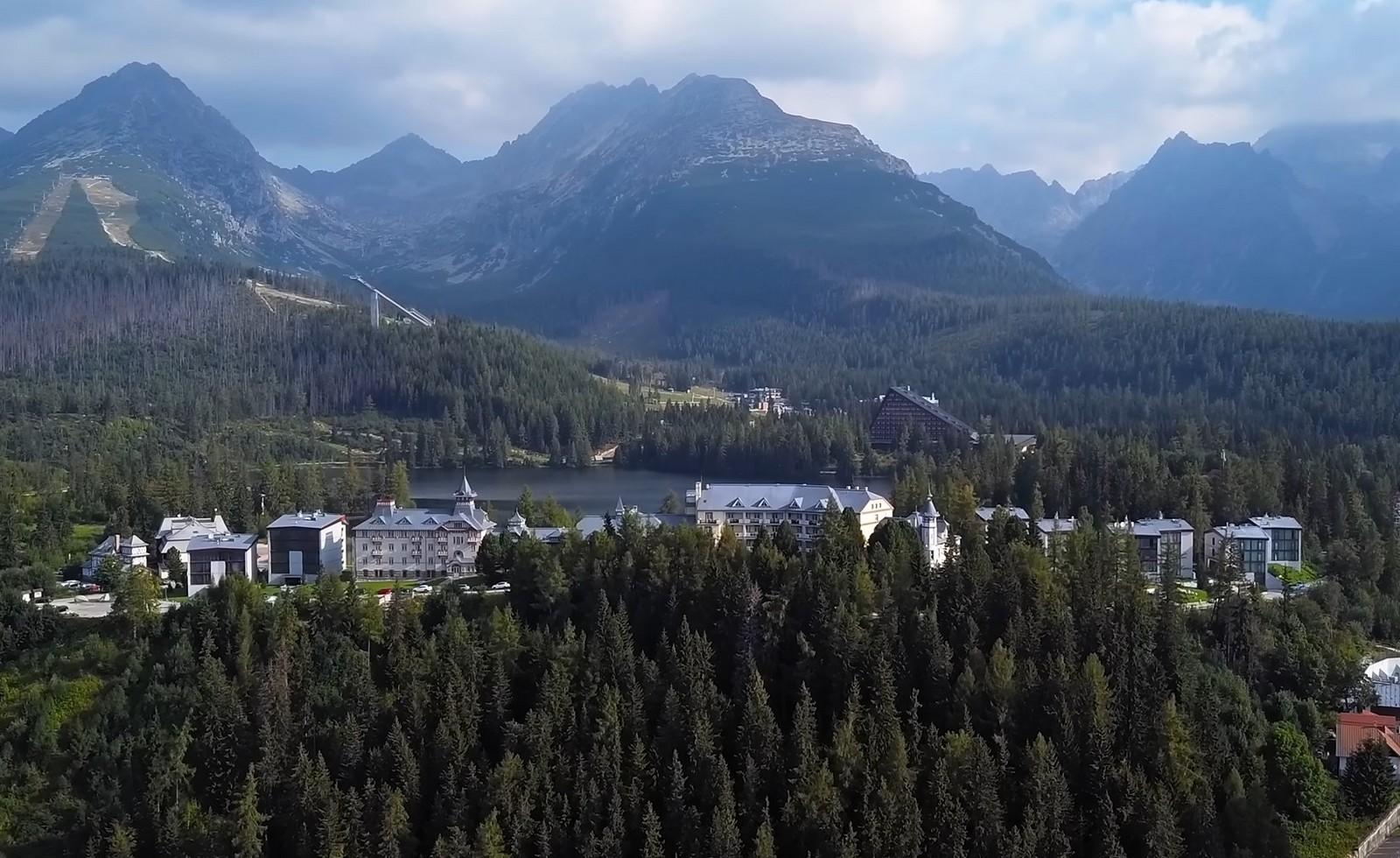
High Tatras (Vysoké Tatry) – The Country’s Crown Jewel
This small yet majestic mountain range runs along the border with Poland, with Gerlachovský štít (Gerlachovský štít) standing as the highest peak at 2,655 meters.
Numerous hiking routes cater to different skill levels, with the most popular being:
- Hike to Štrbské Pleso Lake (Štrbské Pleso) – an easy trail suitable for families with children.
- Route to Rysy Peak (Rysy, 2,499 m) – a medium-difficulty hike taking approximately 6–7 hours.
- Hike to Skok Waterfall (Vodopád Skok) – a 2–3 hour walk, particularly stunning in summer after rainfall.
In winter, Štrbské Pleso Resort transforms into a ski center, while in summer it serves as a starting point for hikes. Accommodation near the lake starts at around 60 USD per night, with ski passes beginning at 35 USD per day.
Tip: Many routes in the High Tatras are only accessible from June to October, as trails are closed in winter due to avalanche risks.
Slovak Paradise (Slovenský raj) – Canyons and Ladders
Slovenský raj National Park is renowned for its canyons and waterfalls. The main route, Suchá Belá Gorge (Suchá Belá), features wooden bridges, metal ladders, and rocky sections.
- Trail length: approximately 4 km, with a duration of 3-4 hours.
- Entrance fee: about 2 USD.
- Best visiting time: May to September.
- Note: Comfortable shoes are essential as paths can be slippery.
Downside: Expect queues at the ladders on weekends; visiting early in the day helps avoid crowds.
Liptovská Mara – The Slovak Sea
The largest reservoir in Slovakia is located in the Liptov region, attracting visitors for beach holidays, boating, and surfing during summer. Campsites and hotels are available along the shores.
Interesting fact: Entire villages were submerged during dam construction, with only signs and museum exhibits remaining to remind visitors of their existence.
- Swimming season: June to August.
- Pedal boat rental: approximately 10 USD per hour.
- Beach access: free.
Pieniny National Park and Rafting on the Dunajec River
Pieniny National Park, located on the Polish border, is famous for rafting on the Dunajec River. Tourists are placed on wooden rafts guided by boatmen in traditional attire.
- Route duration: about 2 hours.
- Price: 15 USD.
- Views: steep cliffs, dense forests, and mountain peaks.
Tip: Rafting is best enjoyed in warm weather, from May to September. Rain can make the river rough and less enjoyable.
Hiking, Lakes, and Mountaineering
Beyond the Tatras and national parks, Slovakia is also known for its picturesque lakes, including:
- Popradské Pleso – a scenic mountain lake accessible via an easy trail.
- Zelené Pleso – one of the most beautiful lakes in the Tatras, surrounded by cliffs.
- Domaša Lake – a popular spot for summer recreation and fishing.
Mountaineers can find routes ranging from easy hikes to technical rock climbs.
Winter Sports in Slovakia’s Ski Resorts
The High and Low Tatras boast numerous slopes for skiing, snowboarding, and cross-country skiing.
- Jasná (Nízke Tatry) – 50 km of slopes with 23 lifts; ski passes start at 35 USD.
- Tatranská Lomnica – features the highest cable car leading nearly to the peak of Lomnický štít.
- Štrbské Pleso – a center for cross-country skiing, with tracks used for international competitions.
Pros: Prices are lower than in Austria or Switzerland. Cons: Snow conditions may be unstable in the low season.
Caves and Underground Wonders of Slovakia
Dobšiná Ice Cave (Dobšinská ľadová jaskyňa, UNESCO)
This impressive cave, famous for its vast ice halls, maintains a temperature around 0°C, preserving ice even in summer.
- Hall depth: over 70 m.
- Ice columns and walls: up to 25 m thick.
- Ticket prices: approximately 9 USD for adults, 5USD for children.
- Open: May to September.
Tip: Bring a warm jacket, even if it’s +30 °C outside.
Demänová Caves (Demänovské jaskyne)
Located in the Low Tatras, the Demänová Caves complex features two notable caves: the Ice Cave and the Stalactite Cave.
- Demänová Ice Cave – known for its stunning ice formations illuminated by artificial light.
- Demänová Stalactite Cave – features colorful dripstone formations and underground lakes.
Tours last about 45 minutes, with tickets costing around 8 USD. The caves are open year-round, but summer is the best time to visit due to the notable temperature contrasts.
Other Unique Caves in Slovakia
- Gombasek Cave (Gombasecká jaskyňa) – known for its large halls, some reaching 65 m in height.
- Ochtinská Aragonite Cave (Ochtinská aragonitová jaskyňa) – one of only three caves in the world featuring aragonite crystals that resemble snowflakes.
- Domica Cave (Jaskyňa Domica) – the first cave in Europe opened to tourists in the 19th century.
Gastronomy and Drinks in Slovakia
Slovak cuisine is hearty and flavorful, primarily based on meat, potatoes, cabbage, and cheese.
National Dishes
The most renowned dish is bryndzové halušky, potato dumplings served with sheep cheese and fried bacon, costing 6–8 USD in restaurants. In winter, kapustnica, a sauerkraut soup with sausage and smoked meat, is popular. Other must-tries include segedin goulash and lokše, potato pancakes filled with various ingredients.
Homemade sheep and goat cheeses are available in mountain regions, with smoked parenica being a popular souvenir at approximately 5 USD per kilogram.
Drinks
Slovak beer is more affordable than Czech beer, with a mug costing 2–2.5 USD. Popular brands include Zlatý Bažant and Šariš. In southern regions, locally produced wines, especially dessert varieties from Tokaj, are worth tasting.
Tip: For an authentic taste of Slovakia, opt for local taverns and canteens instead of tourist restaurants.
Optimal 7-Day Itinerary in Slovakia
Day 1: Bratislava
Stroll through the Old Town, visit Bratislava Castle, and enjoy the evening along the Danube embankment.
Day 2: Castles near the capital
Explore Devín Castle and Červený Kameň Castle, followed by wine tasting in the Little Carpathians.
Day 3: Eastern Slovakia
Transfer to Košice, visit St. Elisabeth Cathedral and the historic center.
Day 4: Banská Štiavnica
Discover UNESCO-listed mining heritage, visit the Mining Museum, and wander through narrow streets.
Day 5: Castles and villages
Visit Orava Castle and the village of Vlkolínec, spending the evening in the Liptov region.
Day 6: Natural wonders
Tour Spiš Castle and go rafting on the Dunajec River in Pieniny National Park.
Day 7: High Tatras
Enjoy a walk around Štrbské Pleso Lake, followed by a light hike or ascent to a viewing platform.
Click here to learn more about creating a personal itineraryExpert Review of Traveling in Slovakia
Slovakia impresses with its compactness and diversity. It’s easy to blend a rich cultural experience with outdoor activities, allowing visitors to transition from historic streets to mountain trails or serene lakes within hours.
Affordability is a significant advantage, with inexpensive transport, a wide range of accommodation options from guesthouses to boutique hotels, and reasonably priced family restaurant meals compared to neighboring countries. Service quality has also improved significantly in recent years, particularly in hospitality.
Don’t limit your exploration to well-known attractions; the most memorable experiences often arise from visits to small towns and villages where traditional lifestyles persist. Here, you can experience the true essence of Slovakia and discover landscapes that reveal the country as one of Europe’s most underrated destinations.
Answers to Frequently Asked Questions
Are mountain roads dangerous in winter?
Yes, snow and ice can pose challenges, especially on secondary roads. A car with winter tires, preferably four-wheel drive, is recommended. Avoid narrow serpentines in bad weather and always check the forecast.
Are there problems with taxis?
Occasionally, taxi drivers may overcharge, particularly at airports and train stations. To avoid issues, use taxi apps or request a car through your hotel.
Is tap water safe to drink?
In cities, yes, but in villages, the quality can vary based on local water systems. It’s advisable to carry bottled water for hikes and trips to rural areas.
How does the internet work in the mountains?
Signal stability often varies on trails and in national parks. Download offline maps and bring a power bank before heading out.
Do I need cash?
Cards are widely accepted in cities, but cash is often needed in villages, markets, and small cafés. It’s wise to carry a small supply of euros.
What we propose Emma Heidi Take all the stress out of planning your trip! With our experts, you can create the perfect itinerary for you – complete, comfortable, and tailored to all your dreams, wishes, and needs. We take care of every little detail, so you can simply focus on enjoying your journey. We’ve been designing personalized itineraries since 2015, and over the years we’ve created thousands of custom itineraries for happy clients. Save time, avoid confusion – we do the work for you. Our service saves you weeks of searching, reading, comparing, and complicated planning. Instead of wasting endless hours – you receive a ready-to-use, accurate and clear itinerary. A tailor-made itinerary – built just for you. Your itinerary is personally designed based on our experts’ real field experience and genuine feedback from hundreds of travelers – including hidden discoveries and insider tips that don’t appear in any travel guide. Smart accommodation selection – often saves you hundreds or even thousands of dollars. We help you choose verified and recommended places to stay, checking availability for your exact travel dates. Sometimes we suggest hotels not “in the center,” but in safe, convenient, and highly strategic locations – which can significantly reduce travel costs and save you even thousands of dollars. We’re by your side even during the trip. We stay with you throughout your vacation – providing professional help whenever needed. If the weather changes, there’s a strike, a local event, heavy crowds, or any unexpected situation – we are here to update, guide, and adjust your itinerary in real time. Easy-to-use itinerary – with direct navigation links. Your itinerary includes direct Waze / Google Maps links – no need to search for parking addresses, no stress, no mistakes. Just tap – and go. Want to know if it’s really worth it? Take a look at the experiences of travelers who built their personal itinerary with us. Click here and let’s start building the itinerary that will save you time, money, and stress – and turn your vacation into perfection. Of course, your first inquiry is completely free – with no commitment whatsoever. How it works
Customer Experience Manager


Service cost: from only $420. (Special price for short itineraries up to 5 days). Clients tell us the itinerary saves them costly mistakes, fines, wrong choices – plus exclusive discounts on car rentals, better-priced accommodations, and money-saving local tips.


Latest articles