It all began with a post-army trip to Thailand - and since then, it became a way of life. I split my time between Israel and Bangkok, constantly exploring, researching, and deeply understanding the culture, people, beaches, the north, and the major cities. Over the years, I have created hundreds of customized itineraries, guided travelers from Israel and around the world, and written practical travel guides for smart and meaningful trips in Thailand. I’ll be happy to share my knowledge and make your trip accurate, meaningful, and truly unforgettable.


Car rental in Thailand
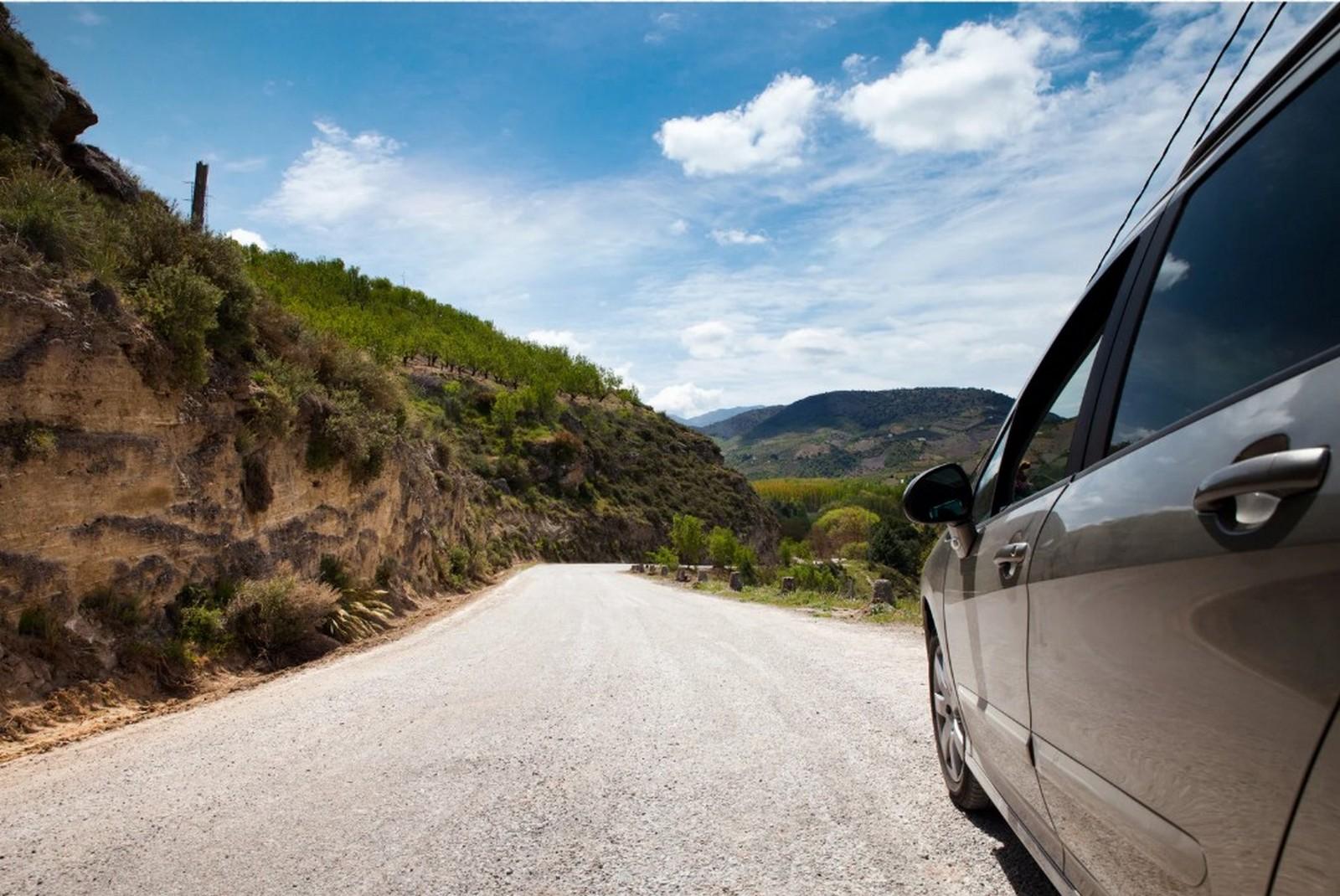
Freedom of movement in Thailand with a rental car opens up entirely new travel horizons. With car rental in Thailand, you can access secluded beaches that most tourists overlook, navigate the winding mountain roads of the north, and stop at any picturesque spot for the perfect photograph.
Key Points
- International Driving Permit Required – An IDP is necessary for legal car hire in Thailand. A national license alone is insufficient and can incur a fine of 500-1,000 baht ($16-32). Be sure to obtain it in your home country before your trip.
- Left-Hand Traffic – This is a primary challenge for tourists. The steering wheel is on the right side. For the first 2-3 days, it’s advisable to avoid complex maneuvers. Motorbikes are prevalent, weaving between lanes, on shoulders, and in blind spots.
- Cost from 1,200 Baht/Day – Budget sedans start from $38, while crossovers range from $63 to $111. Prices can increase by 30-50% during the high season. Long-term rentals may offer discounts of up to 50%.
- Full Insurance is Wise – Super Collision Damage Waiver (SCDW) can be secured for $8-12/day through aggregators, compared to $6-13 from rental companies. A single scratch can cost between $474-632, highlighting the value of insurance.
- Avoid Renting in Bangkok – The city experiences traffic jams for 12-14 hours a day, with costly parking and the added stress of navigating motorbikes. It is better to rent a car in Thailand at the airport and head directly to the highways.
- Mandatory Deposit of 15,000-150,000 Baht – This amount is blocked on your credit card for 7-30 days. Options for debit card holders are very limited.
About the Guide
This comprehensive guide to vehicle rental in Thailand for tourists covers all practical aspects, from document processing to car return. It includes a detailed analysis of requirements, costs, insurance, and driving conditions in different regions of the country.
What the Guide Covers:
- Documents and Requirements – age, licenses, and specific deposit amounts.
- Pricing – ranges from budget sedans to premium vehicles by region.
- Company Selection – comparing international brands with local rental companies, including pros and cons.
- Insurance – coverage types, deductibles, exclusions, and recommendations.
- Driving Practices – traffic rules, regional specifics, and safetytips.
- Problem Solving – guidance on issues from breakdowns to fines with step-by-step instructions.

Why Rent a Car in Thailand
Car rental in Thailand offers maximum flexibility for your travel itinerary. Instead of being constrained by bus schedules, you can adapt your plans on the go, spend more time in places you enjoy, and avoid crowded tourist spots. This is particularly beneficial for families with children and travelers with substantial luggage.
A car becomes an essential asset when exploring remote regions such as Isan or national parks, where many temples, waterfalls, and viewpoints are unreachable by public transport.
Advantages of Car Rental vs Public Transport
Local buses in Thailand are affordable but slow, with a bus journey from Bangkok to Krabi taking 12 hours compared to just 8 hours by car. Additionally, buses make numerous stops, and tickets must be booked in advance during the high season.
Car Hire in Thailand offers a more comfortable experience. It provides private air conditioning, the freedom to stop whenever you like, and avoids crowded buses. For groups of 2-3 people, renting a car is often more economical than buying bus tickets.
Who Should Rent a Car
Renting a car is ideal for travelers who:
- Plan to visit multiple cities during their trip.
- Travel with family or in groups.
- Want to explore natural attractions.
- Value the independence of making their own plans.
- Have driving experience and are comfortable driving on the left side of the road.
However, those planning to go island hopping, stay only in Bangkok, or travel alone on a tight budget should consider other options.
Click here to learn more about creating a personal itineraryMain Requirements for Car Rental in Thailand
Age Restrictions
Most rental companies require a minimum age of 21-23 years for standard car rentals, along with at least one year of driving experience. For luxury vehicles, the age requirement increases to 25 years, and driving experience must be 2-3 years.
While some local rental companies may be more flexible, international companies strictly enforce these age restrictions. Drivers under 25 often incur an additional fee of 200-500 baht ($6-16) per day.
Documents and Licenses
An International Driving Permit (IDP) is a primary requirement for legally renting a car in Thailand and must be obtained in your home country prior to travel.
It’s technically possible to rent a car with just a national license if it’s written in Latin script. However, if stopped by police without an IDP, you could be fined 500-1000 baht ($16-32), and insurance companies may refuse to cover damages without it.
For long-term stays in Thailand (over 3 months), it’s advisable to obtain a Thai driver’s license. The process is straightforward with an embassy certificate and a medical certificate.
Interesting Feature: Drivers from ASEAN countries can use their national licenses without an IDP due to a regional agreement.
Credit Cards and Deposits
A credit card is a mandatory requirement for all major rental companies, serving as a guarantee for potential damage coverage. Debit cards are rarely accepted, and usually only by smaller local offices.
Deposit Sizes:
- Economy Class: 15,000-25,000 baht ($470-790)
- Medium Class: 30,000-50,000 baht ($950-1,580)
- Premium Class: 80,000-150,000 baht ($2,530-4,750)
The deposit is blocked on your card and released within 7-30 days after returning the car in good condition.
Alternatives for Those Without Credit Cards: Some local companies may accept a cash deposit, but the amount will be 2-3 times higher. You can also purchase full insurance through online aggregators for $8-10 per day.
Rental Cost and Pricing
Base Prices
Vehicle rental in Thailand starts at 1,200 baht ($38) for budget sedans such as the Toyota Vios or Honda City. Compact hatchbacks are available for 1,000-1,500 baht ($32-47) per day. Crossovers and SUVs range from 2,000 to 3,500 baht ($63-111), while premium models can cost up to 5,000 baht ($158) daily.
Popular models and approximate costs include:
- Toyota Vios: 1,200-1,500 baht ($38-47) per day.
- Honda City: 1,300-1,600 baht ($41-51) per day.
- Toyota Fortuner: 2,500-3,000 baht ($79-95) per day.
- BMW 3 Series: 4,000-5,000 baht ($126-158) per day.
Seasonal Pricing
During the high season (November-March), prices increase by 30-50% due to maximum demand, particularly in popular destinations like Phuket and Samui. It is advisable to book at least 2 weeks in advance.
The low season (July-September) offers discounts of up to 40%. However, be aware that some mountain roads can become dangerous during the rainy season.
Price-Affecting Factors
Location significantly impacts rental costs. Renting at the airport typically costs 15-20% more due to additional fees. Island destinations (Phuket, Samui) are generally more expensive than mainland cities.
Rental duration can lead to significant discounts:
- 1-3 days: full price.
- 4-7 days: 10-15% discount.
- 8-30 days: 20-30% discount.
- Over a month: up to 50% discount.
Additional Expenses
Fuel is priced at approximately 30-35 baht ($1) per liter. A full tank for a sedan will cost between 1,000-1,200 baht ($32-38). Fuel consumption averages 8-12 l/100km in the city and 6-8 l/100km on the highway.
In major cities, parking is paid: expect to pay 10-20 baht ($0.30-0.60) per hour in malls and 20-50 baht ($0.60-1.60) per night in hotels. In tourist areas, parking can cost up to 100 baht ($3.20) per day.
Toll roads are primarily found near Bangkok, charging between 25-75 baht ($0.80-2.40) per section depending on the distance traveled.
Click here to create a personal itinerary for ThailandWhere to Rent Cars in Thailand: Companies and Platforms
International Companies
Major international players in Thailand include Avis, Hertz, Budget, Sixt, and Europcar. Their offices can be found at all major airports and tourist centers.
Advantages:
- Standardized procedures and high-quality fleets.
- 24/7 English-speaking support.
- Loyalty programs and mileage accumulation.
- Advance booking options.
- Clear insurance policies.
Disadvantages:
- Prices are 20-40% higher than those of local companies.
- Less flexible rental conditions.
- Strict document requirements.
Local Thai Companies
Thai Rent A Car and Chic Car Rent are the largest local chains with strong reputations. Many smaller firms also offer competitive terms but require careful consideration.
Advantages:
- Prices can be 25-50% lower than those of international brands.
- More flexible deposit and insurance options.
- Possibility to negotiate for long-term rentals.
- Superior local knowledge and service.
Disadvantages:
- Language barrier (not everyone speaks English).
- Less standardized procedures.
- Potential contract pitfalls.
Online Aggregators
Websites like Rentalcars.com, Kayak, and Economybookings allow users to compare offers from numerous rental companies on a single page. The rating systems used help in selecting a reliable car hire Thailand provider.
Aggregators often offer full insurance for just $8-12 per day, compared to 200-400 baht ($6-13) from local rental companies, with the possibility of better coverage.
Selection Recommendations
When choosing a car rental in Thailand company, consider the following:
- A rating of at least 8/10 on aggregator sites.
- A physical office presence (not just a phone number).
- Clear terms regarding deposits and insurance.
- The ability to communicate in English.
Where NOT to Rent
Avoid the following:
- Street offices without proper signage or a physical location.
- Hotel offers (which can mark up prices by up to 100%).
- Extremely cheap options that lack insurance.
- Companies with a rating below 7/10.
Car Rental Process in Thailand: Step-by-Step Guide
Booking
Online booking provides the best prices and guarantees car availability. During peak seasons, cars can sell out 2-3 weeks in advance. Booking on-site typically offers limited choices and prices that are 20-30% higher.
Prepayment usually ranges from 10-20% of the rental cost or a fixed amount of $50-100.
Car Pickup
Signing the contract is a key moment. Carefully review the terms:
- Grace period for return (typically 1-2 hours).
- Fuel policy (full tank to full tank).
- Mileage limits (if applicable).
- Late return penalties.
Conduct a joint vehicle inspection with a company representative. Document all scratches, chips, and defects in the handover document. It is advisable to film a slow walk-around to protect against false damage claims.
Must check:
- Tire condition and spare availability.
- Completeness of tools (jack, wrenches).
- Operation of the AC and electronics.
- Validity of registration documents.
- Fuel level.
Car Return
The fuel rule is typically “full to full.” Returning the vehicle with an empty tank incurs a surcharge of 50-100% over the market fuel cost.
Mileage limits are rare and mostly apply to cheaper local rental companies, with excess fees of 3-8 baht ($0.10-0.25) per kilometer.
Late fees start at 200-500 baht ($6-16) for the first hour, after which the full daily rate applies.
During the final inspection, the representative will look for any new damage. All disputes should be resolved on-site, so it’s important to have photos or videos of the car’s condition at pickup.
Since 2015, our website has specialized in individual planning of unique routes, taking into account personal preferences and desires. Each of you will receive a unique PDF file from us, which contains everything you need: travel routes, car rentals, hotels, the best tourist attractions, attractions for kids and everything you need for a perfect vacation. During the trip, we are available for you by phone via WhatsApp. Our personal service provides information from A to Z, taking into account many small details that can become a decisive factor on the way from a wasted trip to an unforgettable vacation. Our service will make your trip comfortable, save a lot of time on planning and preparation, and most importantly – will allow you to become freer and fully enjoy the pleasure of the trip.
Insurance: Types and Recommendations
Basic Insurance (CDW)
Collision Damage Waiver, included in the rental cost, covers damage to third-party vehicles as well as the rental car itself. The deductible ranges from 5,000 to 20,000 baht ($158-632) depending on the car class.
What’s NOT covered:
- Interior damage.
- Theft of personal belongings.
- Engine and transmission breakdowns.
Undercarriage Damage on Poor Roads
Full Insurance (SCDW)
The Super Collision Damage Waiver eliminates the deductible for exterior damage. It costs between 200-400 baht ($6-13) per day from rental companies, but only 8-12 dollars per day through aggregators.
What it covers:
- 100% coverage for body damage in accidents.
- Broken glass.
- Headlight and mirror damage.
What it doesn’t cover:
- Car interior.
- Flood damage.
- Drunk driving.
Mandatory Third-Party Insurance
All cars in Thailand come with mandatory liability insurance (Por Por Bor):
- Health damage: up to 800,000 baht ($25,300).
- Death: up to 300,000 baht ($9,500).
- Property damage: up to 50,000 baht ($1,580).
These limits are quite modest, so serious accidents may require out-of-pocket payments.
Additional Recommendations
Always purchase full insurance when renting a car in Thailand for 3-4 days or more. Costs for bumper scratches can reach 15,000-20,000 baht ($474-632), which can quickly exceed the savings from not having insurance.
Check if your home travel insurance covers automotive risks in Thailand. Some premium credit cards also offer car rental insurance.
Driving in Thailand: Rules and Features
Basic Traffic Rules
Left-hand traffic is a primary feature for most tourists. The steering wheel is on the right, which may initially be disorienting. For the first 2-3 days, it’s advisable to avoid complex maneuvers and to drive slower than usual.
Speed limits:
- City: 50-60 km/h.
- Intercity highways: 90 km/h.
- Expressways: 120 km/h.
Exceeding the speed limit by 10-20 km/h is common, but more serious violations can result in fines ranging from 500-2000 baht ($16-63).
Left turns on red are permitted where there is a “Turn Left with Care” sign, similar to the American right-turn-on-red rule.
Thai Traffic Features
Motorbikes are a prevalent feature of traffic. They can be found everywhere: between lanes, on shoulders, and even in oncoming lanes. Car drivers must consistently check their blind spots.
Signals have special meanings:
- Flashing headlights indicate “yield,” not “go first” as in Europe.
- Hazard lights serve as a thank you sign or a request to pass.
- Honking the horn is rare and considered rude.
U-turns are common instead of intersections on many roads, with special U-turn pockets every 500-1000 meters. When making a U-turn, drivers must yield to all traffic participants.
Driving in Different Regions
Bangkok can be a nightmare for unprepared drivers. Traffic jams are prevalent for 12-14 hours daily, parking is expensive, and constant motorbike maneuvers can be stressful. It’s better to rent a car at the airport and leave the capital as soon as possible.
Northern mountain roads (Chiang Mai, Mae Hong Son) require caution due to winding, steep paths and limited visibility. Local drivers are accustomed to the conditions, but there is a risk of landslides during the rainy season.
Southern coastal roads are generally safe, but narrow. Extra caution is warranted in Phuket due to the hilly terrain, which creates many blind spots.
Safety Tips
- Defensive Driving: This is the only effective strategy. Always assume that other road users may perform unexpected maneuvers without warning.
- Night Driving: It is strongly discouraged, especially outside of urban areas. Many motorcycles operate without lights, animals may suddenly appear on the roads, and lighting quality is often poor.
- First Aid Kit: Always carry a first aid kit, as ambulance services in Thailand can be slow, particularly in remote areas.
Practical Issues
Fueling
All gas stations in Thailand offer full service. Simply drive up, state the amount you desire or ask for a full tank, and the staff will handle the rest. Tipping isn’t required, but 10-20 baht ($0.30-0.60) is appreciated.
Fuel Prices: 95 gasoline costs approximately 32-35 baht ($1-1.10) per liter, while diesel is priced around 28-31 baht ($0.90-1) per liter. Popular chains include PTT (green), Shell (yellow), Bangchak (blue), and Caltex (red).
Payment can be made in cash or by card. Large stations often have cafes and shops, making them suitable rest stops on long drives.
Parking
Bangkok and Phuket are the most challenging cities for parking. In downtown areas, it can be difficult to find spaces, and paid parking typically costs 20-50 baht ($0.60-1.60) per hour.
In provincial cities, parking is more lenient, with many free roadside spaces available. Shopping centers commonly provide free parking with a minimum purchase requirement.
Red License Plates: These indicate a recently registered vehicle. This is a standard temporary measure until permanent plates are issued.
Toll Roads
Toll roads are primarily found around the Bangkok area and require cash payment at designated booths. Avoid M-Pass lanes, as they are reserved for vehicles equipped with electronic transponders.
Navigation
Google Maps is the main navigation tool and performs excellently, providing real-time traffic updates and suggesting alternative routes. Google Translate can be particularly helpful for reading signs in remote areas, thanks to its camera function.
Waze tends to be less effective in Thailand compared to other countries, due to a smaller user base resulting in inaccurate traffic data.
Regional Features
Bangkok
Renting a car in Thailand’s capital is not advisable, even for experienced drivers. The traffic is chaotic around the clock, parking is both expensive and hard to find, and the stress involved undermines the enjoyment of travel.
The best approach is to start at the airport. Rent a car at Suvarnabhumi or Don Mueang and head straight onto the highways. Pattaya is about a 1.5-hour drive away, while Hua Hin is approximately 2.5 hours.
Phuket and Southern Islands
The roads in Phuket are hilly and narrow. The main road encircling the island is in good condition, but side roads leading to beaches can be steep and have poor visibility.
Ferries transport cars between islands for an additional fee. For example, the Phuket-Koh Lanta route costs about 200-300 baht ($6-9) for a car and 150 baht ($5) per passenger. The schedule varies based on season and weather conditions.
Chiang Mai and North
Mountain roads in this region require experience and caution. Elevations can rise up to 1,500 meters, with numerous turns and frequent fog. Engines will operate under increased load.
The rainy season (July-October) poses additional dangers, as visibility can drop to 20-50 meters and roads may become slippery. It is advisable to postpone mountain travel until the dry season.
Isan (Northeast)
Long distances between cities can reach 200-300 km on straight roads, with gas stations being less frequent. It’s important to monitor your fuel level.
The tourist infrastructure is poorly developed, and English is rarely spoken. Therefore, Google Translate has become an indispensable tool.
Click here to learn more about creating a personal itineraryCommon Problems and Prevention
Inflated Damage Bills
A common tactic is to identify “new” scratches upon return, leading to charges of 10,000-20,000 baht ($316-632). To protect yourself, take detailed photos and videos at both pickup and return.
Disputes about damage are best resolved on-site before leaving the office. If the company insists on payment, request a detailed repair estimate from an official service center.
Return Delays
Traffic jams or breakdowns may hinder a timely return. It’s advisable to allow a 2-3 hour buffer, especially in Bangkok. In case of unforeseen circumstances, contact the rental company immediately; many offer a 1-2 hour grace period.
Insurance Problems
Insurance exclusions are often buried in fine print. Make sure to read the policy carefully to understand coverage, exclusions, and the procedure for accidents.
In the event of damage, you must call the police for a report—insurance will not apply without it.
Fines and Payment
- Speeding: 500-1,000 baht ($16-32).
- Illegal parking: 200-500 baht ($6-16).
- Driving without an IDP: 500-1,000 baht ($16-32).
Fines can be paid at police stations, post offices, or online. Car rental companies in Thailand usually charge fines to your card plus a commission of 300-500 baht ($9-16).
Breakdown or Accident Response
For breakdowns: Call rental support. Major companies typically provide a tow truck or replacement car.
For accidents:
- Call the police (191) and an ambulance (1669) if needed.
- Do not move the vehicles until the police arrive.
- Photograph the damage and the accident scene.
- Contact the rental company.
- Obtain a copy of the police report.
Rental Alternatives
When to Choose a Motorbike
A motorbike is ideal for short trips within a region. Vehicle rental in Thailand costs 150-300 baht ($5-9) per day, and fuel consumption is 3-4 times less than that of a car. Parking is free almost everywhere.
Cons include the danger of riding, dependency on weather conditions, and limited luggage transport.
Taxi and Grab
Grab, similar to Uber, operates in all major cities. The cost for a city ride is between 100-200 baht ($3-6), while a ride to the airport ranges from 300-800 baht ($9-25) depending on the distance.
Intercity taxis charge approximately 6-12 baht ($0.20-0.40) per km. For a trip from Bangkok to Pattaya, expect to pay around 1,500-2,000 baht ($47-63).
Tours with a Driver
Hiring a car in Thailand with a driver typically costs between 2,500-4,000 baht ($79-126) per day, depending on the class of the car and included services. The driver often also serves as a guide.
Public Transport
Buses connect all major cities, with comfortable VIP buses featuring air conditioning costing between 300-800 baht ($9-25) for 4-8 hour journeys.
While trains are slower, they offer more scenic views. A sleeper train to Chiang Mai costs between 800-1,200 baht ($25-38), with compartments priced at 1,500-2,500 baht ($47-79).
Expert Review on Car Rental in Thailand
After ten years in the tourism industry and hundreds of trips across Southeast Asia, I can confidently say that car rental in Thailand is worth every baht, but only if approached correctly. A common mistake for beginners is underestimating left-hand traffic and the aggressiveness of local motorcyclists. During the first week, it is advisable to drive very carefully and avoid Bangkok at all costs, as the capital’s traffic jams can turn a one-hour trip into a four-hour nerve-wracking marathon.
When it comes to rental companies, the premium charged by international brands is often justified. Local rental companies may be 30-40% cheaper, but if your car’s air conditioning breaks down in Krabi during +38°C heat, Hertz support can resolve the issue within 30 minutes, while a local office may make you wait all day. Always opt for full insurance; I have seen too many tourists paying $500-800 for “new” scratches that supposedly appeared during their rental. Take photographs of every inch of the vehicle at pickup; this will serve as your main protection against fraud.
Frequently Asked Questions
Can I rent without a credit card?
Major companies require a credit card as a mandatory condition. Some local rental companies may accept a cash deposit, but the amount typically increases by 2-3 times.
Is a child seat mandatory?
By law, yes, but enforcement is weak. Child seats are not available at all rental companies, especially for children over 15 kg. It’s better to book ahead or bring your own.
What if I run out of gas?
Contact rental support or roadside assistance. Many local gas stations sell fuel in cans for a small surcharge.
Can I drive to another country?
Most car rental in Thailand companies prohibit travel to Cambodia, Laos, and Myanmar. Exceptions exist for certain border cities with special permission. Travel to Malaysia is possible, but you must notify the company in advance and pay an insurance surcharge.
Do national licenses work?
Only in conjunction with an international license. National licenses alone are not valid, even if they are written in Latin script. While police may accept them, insurance companies will refuse accident payouts based on them.
How do I handle the language barrier?
Major companies have English-speaking staff. Local rental companies often rely on Google Translate and pre-translated phrases. Main documents are usually available in English.
Should I buy a GPS navigator?
It is unnecessary. Google Maps works excellently with internet access. Mobile internet in Thailand is affordable—SIM cards for a month with unlimited data cost between 500-800 baht ($16-25).
What about AC breakdown?
In a tropical climate, this is critical. Contact your vehicle rental Thailand company immediately for a car replacement, as driving without AC for over an hour can be dangerous for your health.
Can I smoke in the car?
There’s no formal ban, but nearly all companies charge a fee for any tobacco smell in the interior, which can range from 2,000-5,000 baht ($63-158) for cleaning. It’s best to smoke only during stops outside the vehicle.
How do police checkpoints work?
Main highways have stationary checkpoints to check documents. This is usually a formality; just show your license and car registration. Do not offer bribes; if you encounter problems, request an interpreter.
Is it safe to leave things in the car?
The risk of theft in tourist areas is minimal, but it’s still advisable to take valuables with you. Tinted windows can help conceal the contents of your car from prying eyes.
What we propose Emma Heidi Take all the stress out of planning your trip! With our experts, you can create the perfect itinerary for you – complete, comfortable, and tailored to all your dreams, wishes, and needs. We take care of every little detail, so you can simply focus on enjoying your journey. We’ve been designing personalized itineraries since 2015, and over the years we’ve created thousands of custom itineraries for happy clients. Save time, avoid confusion – we do the work for you. Our service saves you weeks of searching, reading, comparing, and complicated planning. Instead of wasting endless hours – you receive a ready-to-use, accurate and clear itinerary. A tailor-made itinerary – built just for you. Your itinerary is personally designed based on our experts’ real field experience and genuine feedback from hundreds of travelers – including hidden discoveries and insider tips that don’t appear in any travel guide. Smart accommodation selection – often saves you hundreds or even thousands of dollars. We help you choose verified and recommended places to stay, checking availability for your exact travel dates. Sometimes we suggest hotels not “in the center,” but in safe, convenient, and highly strategic locations – which can significantly reduce travel costs and save you even thousands of dollars. We’re by your side even during the trip. We stay with you throughout your vacation – providing professional help whenever needed. If the weather changes, there’s a strike, a local event, heavy crowds, or any unexpected situation – we are here to update, guide, and adjust your itinerary in real time. Easy-to-use itinerary – with direct navigation links. Your itinerary includes direct Waze / Google Maps links – no need to search for parking addresses, no stress, no mistakes. Just tap – and go. Want to know if it’s really worth it? Take a look at the experiences of travelers who built their personal itinerary with us. Click here and let’s start building the itinerary that will save you time, money, and stress – and turn your vacation into perfection. Of course, your first inquiry is completely free – with no commitment whatsoever. How it works
Customer Experience Manager


Service cost: from only $420. (Special price for short itineraries up to 5 days). Clients tell us the itinerary saves them costly mistakes, fines, wrong choices – plus exclusive discounts on car rentals, better-priced accommodations, and money-saving local tips.


Latest articles





Kaprun Dam (Hochgebirgsstauseen)

Kaprun Dam (Kaprun Hochgebirgsstauseen) is a high-altitude reservoir complex set […]