I have been working in the tourism industry for over 15 years. During this time, I have built strong partnerships with leading service providers — from car rentals and insurance to hotels, airlines, local guides, and the best attractions around the world. I specialize in creating personalized itineraries, paying attention to every detail to ensure that each traveler has unforgettable experiences. Additionally, I actively run a travel blog, sharing my knowledge with a wide audience of travelers worldwide. If you are planning your trip and want it to be comfortable, well-planned, and truly memorable, I am here to help you turn your dream into reality.


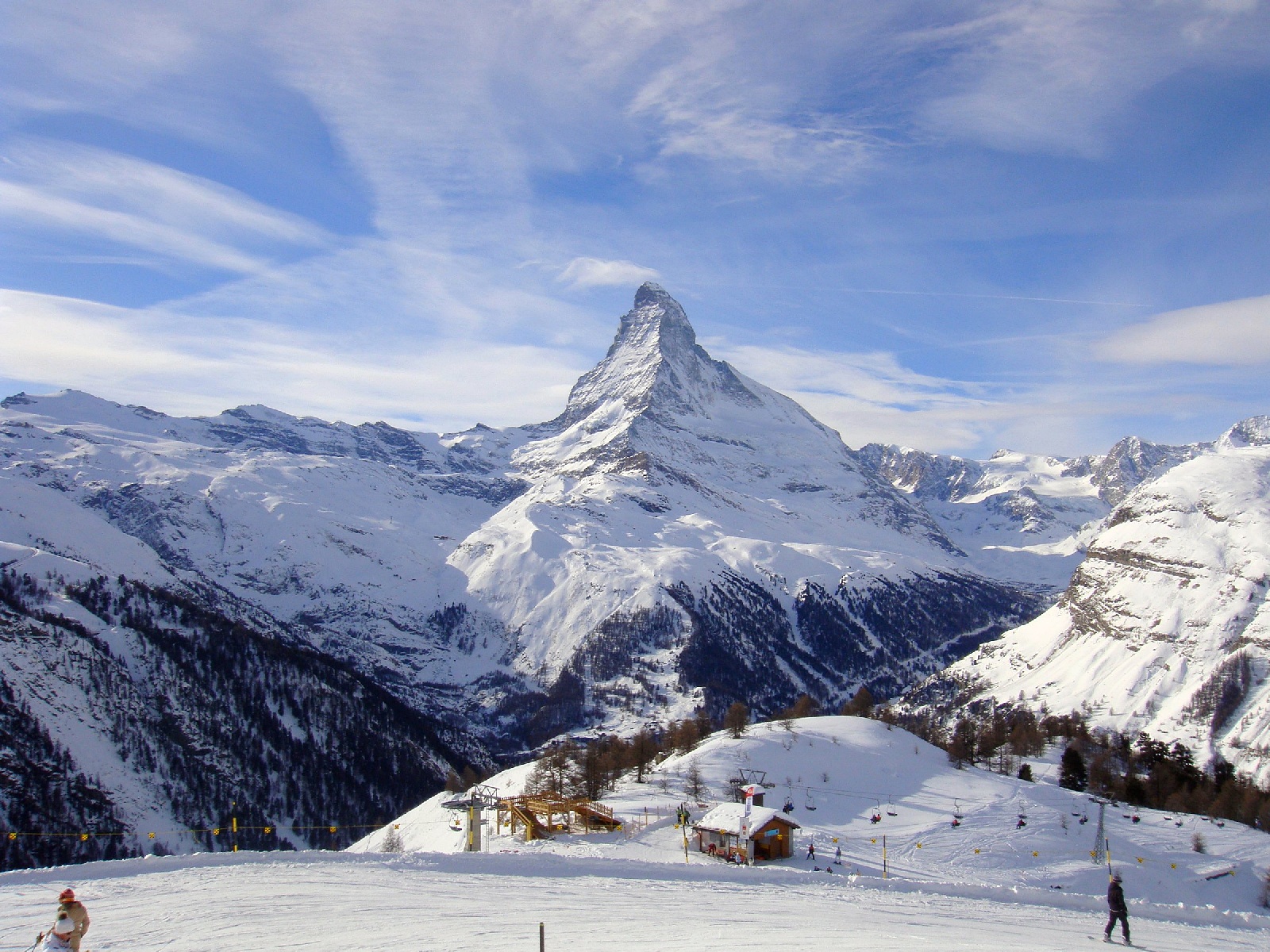
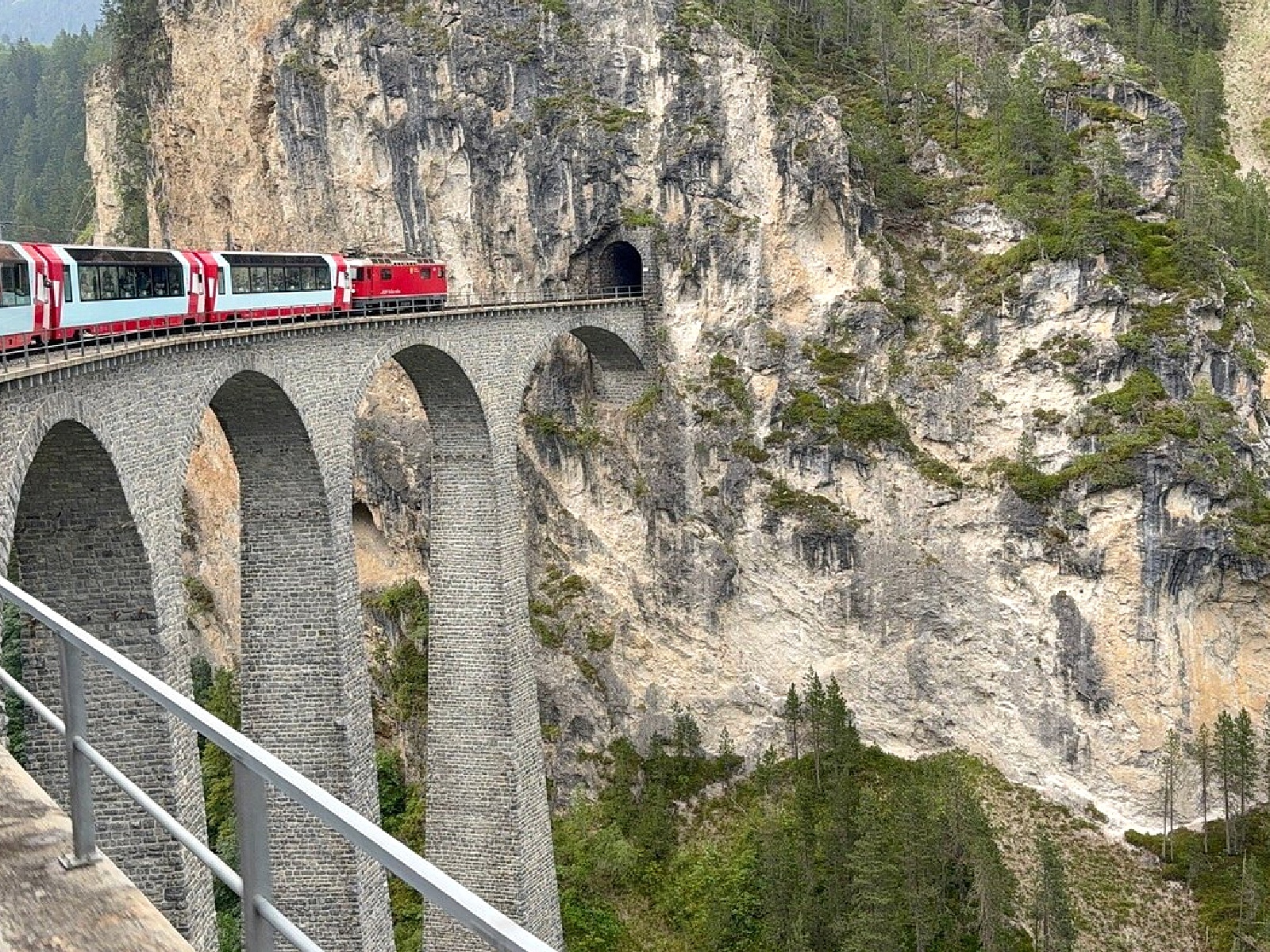
Switzerland in winter
Winter in Switzerland feels almost cinematic: snow-covered Alpine villages, frozen lakes glowing blue, and mountain railways cutting through white valleys. Many families are surprised to learn that you don’t need to ski to enjoy it. Cities, car-free resorts, winter walks, sledging, thermal spas, scenic trains, and comforting food make Switzerland in winter genuinely family-friendly and varied.
As an Itinerary Expert, I always recommend approaching a winter trip here with one goal in mind: build a plan that’s flexible enough to follow the weather, not fight it.
What is winter weather like in Switzerland, and how does it affect planning?
Winter (December-February) can feel very different depending on location. Cities such as Zurich, Lucerne, or Basel may sit in fog due to temperature inversion, while mountain villages above the cloud layer can be sunny and bright. Temperatures in lowlands often hover around 0 to +5°C, while in the Alps they drop well below freezing, especially at higher altitude.
Click here to learn more about creating a personal itineraryDaylight is also noticeably shorter. In December, sunset can arrive as early as 3:30-4:00 pm, which directly affects family pacing, outdoor time, and travel between places. Snow adds atmosphere, but it also brings limitations: some walking paths close, visibility can change quickly, and cable cars may stop during strong winds.
Tip from the Itinerary Expert: check webcams in the morning and keep a plan B. I’ve had days when the cities stayed grey, while the mountains above were in full sun.

Which Swiss destinations work best in winter without skiing?
Some Swiss destinations truly shine in winter even without skiing. Zermatt (Zermatt) is fully car-free and feels especially magical during the colder months. The journey itself is part of the experience: the Gornergrat Railway (Gornergrat Railway) climbs above 3,000 metres with constant Matterhorn views. A winter return ticket costs around CHF 96, or about CHF 48 with discounts. At the top, families can enjoy panoramic platforms, short winter walks, cafés, and sledging areas lower down.
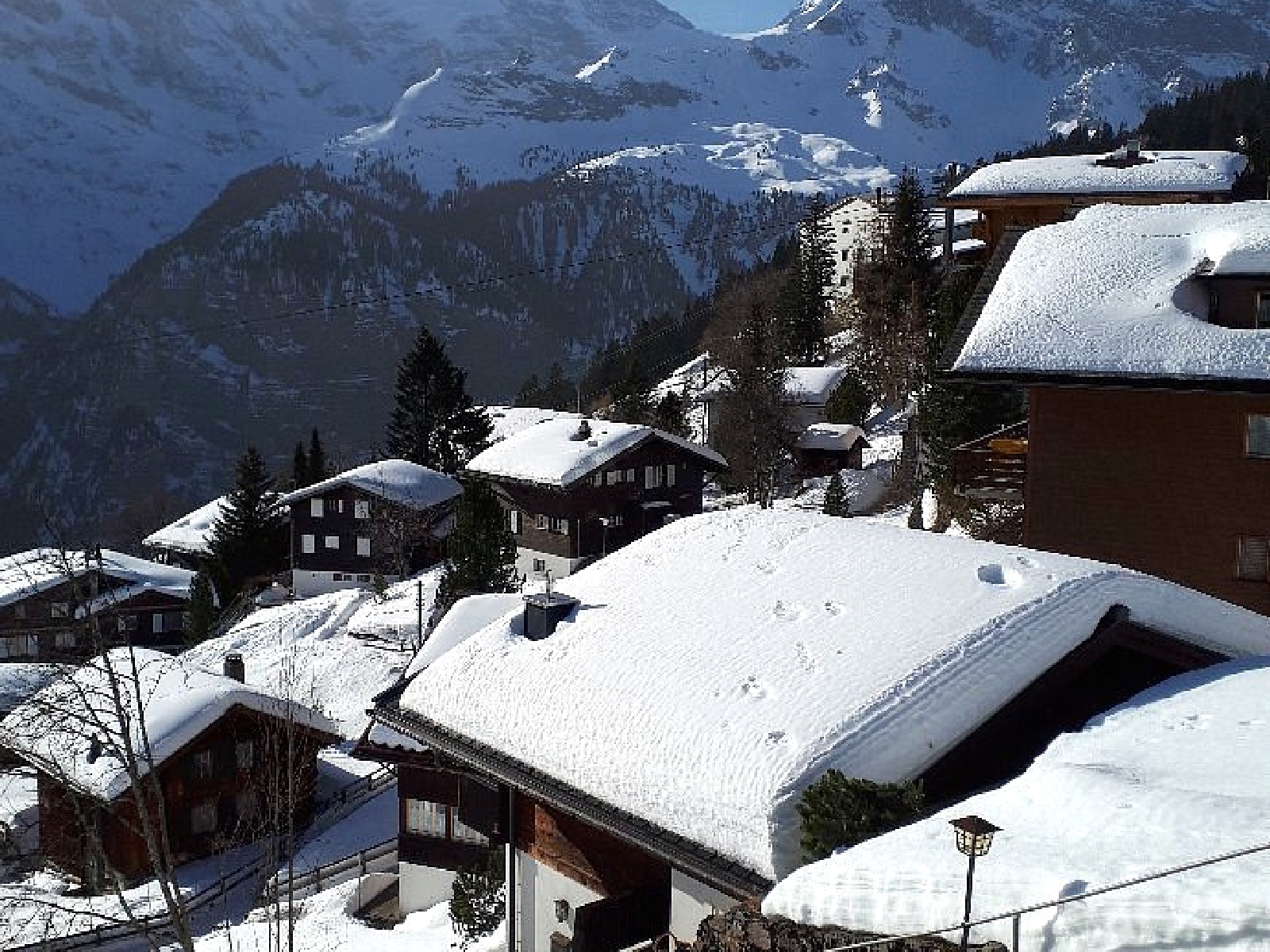
Mürren and Wengen sit high above the Lauterbrunnen Valley and feel like storybook villages in winter. Mürren is often described as more “fairy-tale-like,” while Wengen is slightly more convenient for families. From my experience as an Itinerary Expert, Mürren feels calmer and more atmospheric, especially in the evenings after day-trippers leave.
Leukerbad is an excellent option when weather turns challenging. Thermal pools combined with snow outside work particularly well for families who want relaxation without the pressure to spend the entire day outdoors.
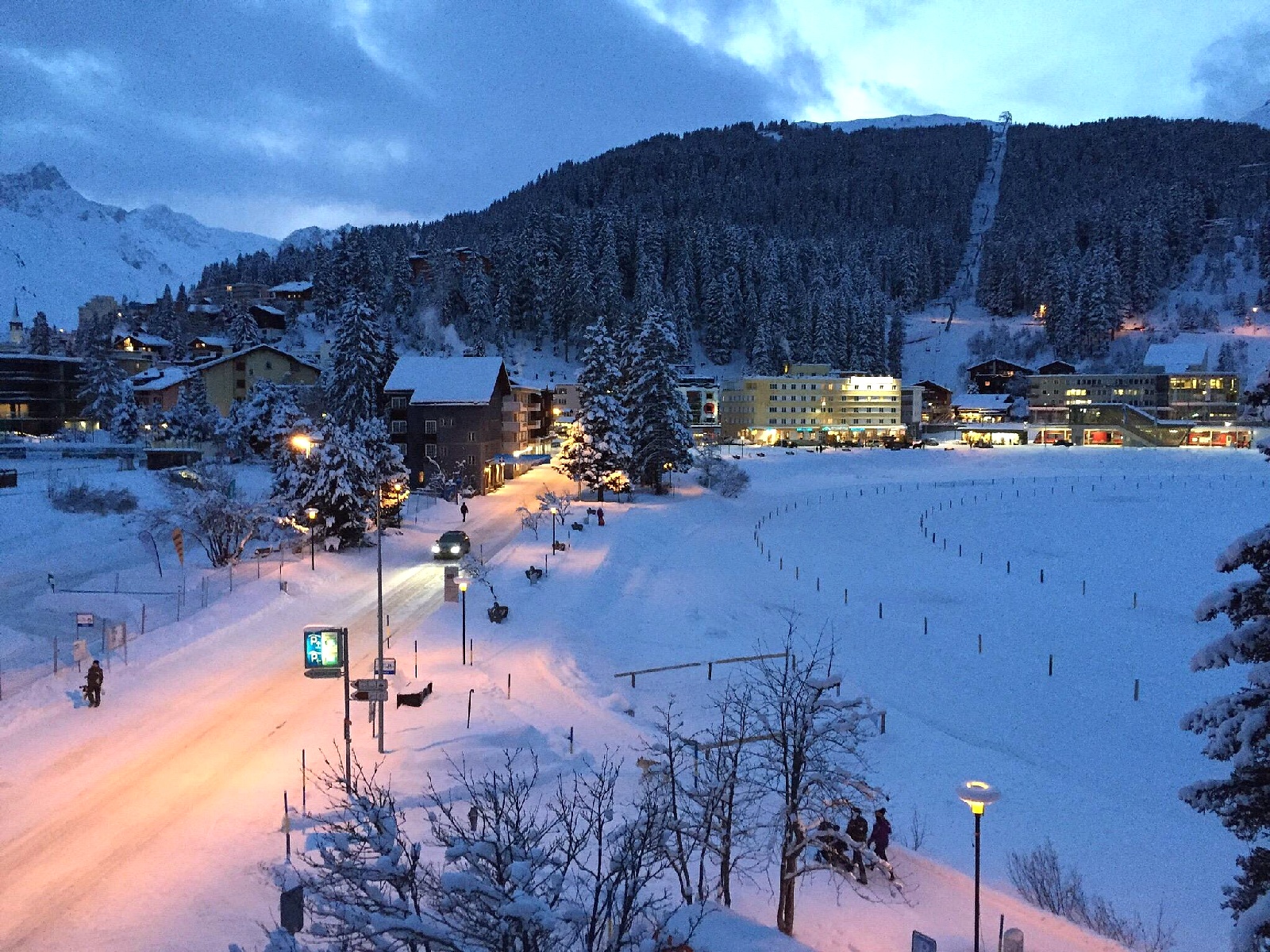
Swiss winter evenings feel incredibly cosy. Snow-covered streets, warm lights, and a calm that stays with you.
Are Swiss cities worth visiting in winter with children?
Yes, especially when city stays are combined with nearby mountain excursions. Lucerne (Lucerne) works exceptionally well thanks to its compact old town, lakeside promenade, and easy access to Mount Rigi or Pilatus. A return cable-car journey to Pilatus Kulm (Pilatus Kulm) costs approximately CHF 60 for adults and CHF 30 for children with discounts.
Zurich (Zurich) is at its most atmospheric in December, with Christmas markets and winter food experiences such as fondue trams. After Christmas (from 25-26 December), markets close and the city becomes quieter-better suited for relaxed strolling rather than festive events.
Montreux (Montreux) is well known for its lakeside Christmas market along Lake Geneva, framed by snowy mountains. Basel and Bern also offer appealing winter city centres, though after Christmas the focus shifts more toward architecture, cafés, and slow city walks rather than seasonal events.
What winter events and seasonal experiences matter for families?
Winter events play a key role in shaping the experience, especially for families. Christmas markets usually run from late November until 24-26 December, depending on the city. After that, many stalls disappear almost overnight, and the festive atmosphere fades quickly. Families arriving between Christmas and New Year should plan food carefully, as on 25-26 December most shops are closed, except at major train stations and airports.
Winter food experiences become attractions in their own right. Fondue trains, fondue trams, and gondola fondue dinners turn a simple meal into a shared experience. For children, the setting is often just as exciting as the food itself, which helps break up winter days nicely.
Click here to create a personal itinerary for SwitzerlandHow to enjoy Swiss nature in winter without skiing?
Winter in Switzerland offers many ways to experience nature without skis. Scenic train journeys are a highlight and often feel even more impressive than in summer. Routes such as the GoldenPass line (GoldenPass) between Lucerne, Interlaken, and Montreux turn into moving snow panoramas. These journeys require no physical effort and work very well for families with children.
Outdoor activities remain accessible through marked winter walking paths that allow short, safe walks without technical equipment. Sledging runs, especially around Grindelwald and on sections near Gornergrat, are consistently popular with children and cost significantly less than ski activities.
Thermal baths and spa complexes are the most reliable fallback in poor weather. From my first-hand experience as an Itinerary Expert, combining one outdoor activity with an afternoon at the spa keeps energy levels balanced and avoids winter fatigue.
Where should families stay in winter?
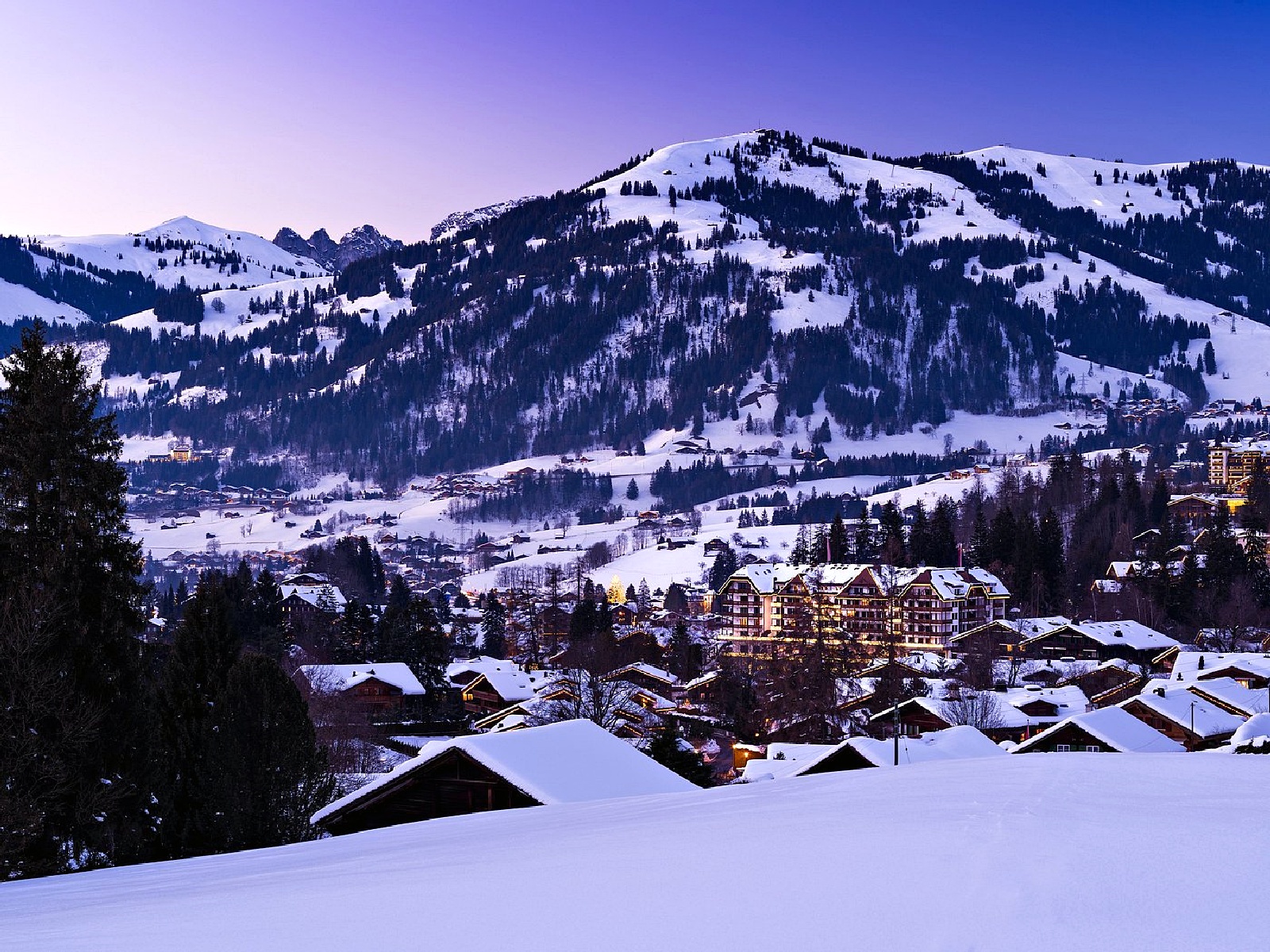
Mountain villages offer strong atmosphere but require more logistics. In Zermatt, many hotels include electric shuttle transfers from the train station, which makes arrival and departure much easier with children and luggage. Mürren and Wengen provide boutique hotels with exceptional views, though some smaller properties close between October and mid-December.
In cities, staying near Zurich main station or the airport simplifies arrivals and departures in winter. In Lucerne, accommodation in the old town or along the lake works best for evening walks and relaxed dinners.
Tip from the Itinerary Expert: winter is one of the best periods to find hotel value outside peak Christmas weeks. Shifting travel dates by just a few days can significantly change both availability and price.
What should families expect to spend on food and transport?
Winter travel in Switzerland is expensive, but predictable. Main dishes in restaurants typically cost CHF 20-25, salads CHF 8-10, and coffee or hot chocolate CHF 5-7. A bakery lunch-such as a quiche, sandwich, or pastry-costs around CHF 5-7 and works especially well for children and short lunch breaks.
Local public transport generally costs CHF 3.5-4.5 per ride, depending on the city. While trains are efficient and reliable, winter conditions change priorities. From the perspective of an Itinerary Expert, renting a car is often more convenient for families. Short daylight hours, sudden weather shifts, and flexible routing make driving easier than relying entirely on schedules. Even in car-free resorts like Zermatt, you park nearby and continue by train.
Where are the best winter photo spots?
Winter transforms familiar Swiss landscapes into something entirely new. Gornergrat viewpoints (Gornergrat) offer dramatic Matterhorn panoramas when weather cooperates. The Lauterbrunnen Valley (Lauterbrunnen Valley) becomes quieter and more striking under snow, especially outside peak hours.
Village streets in Mürren (Mürren) are particularly photogenic in the early morning, before day visitors arrive. Brienz (Brienz) stands out with its turquoise lake against snowy peaks, while Stein am Rhein (Stein am Rhein) feels almost theatrical with painted façades dusted in snow.
From my experience, the best light appears early in the morning or just before sunset. Crowds are smaller, colours are softer, and winter scenes feel more intimate.
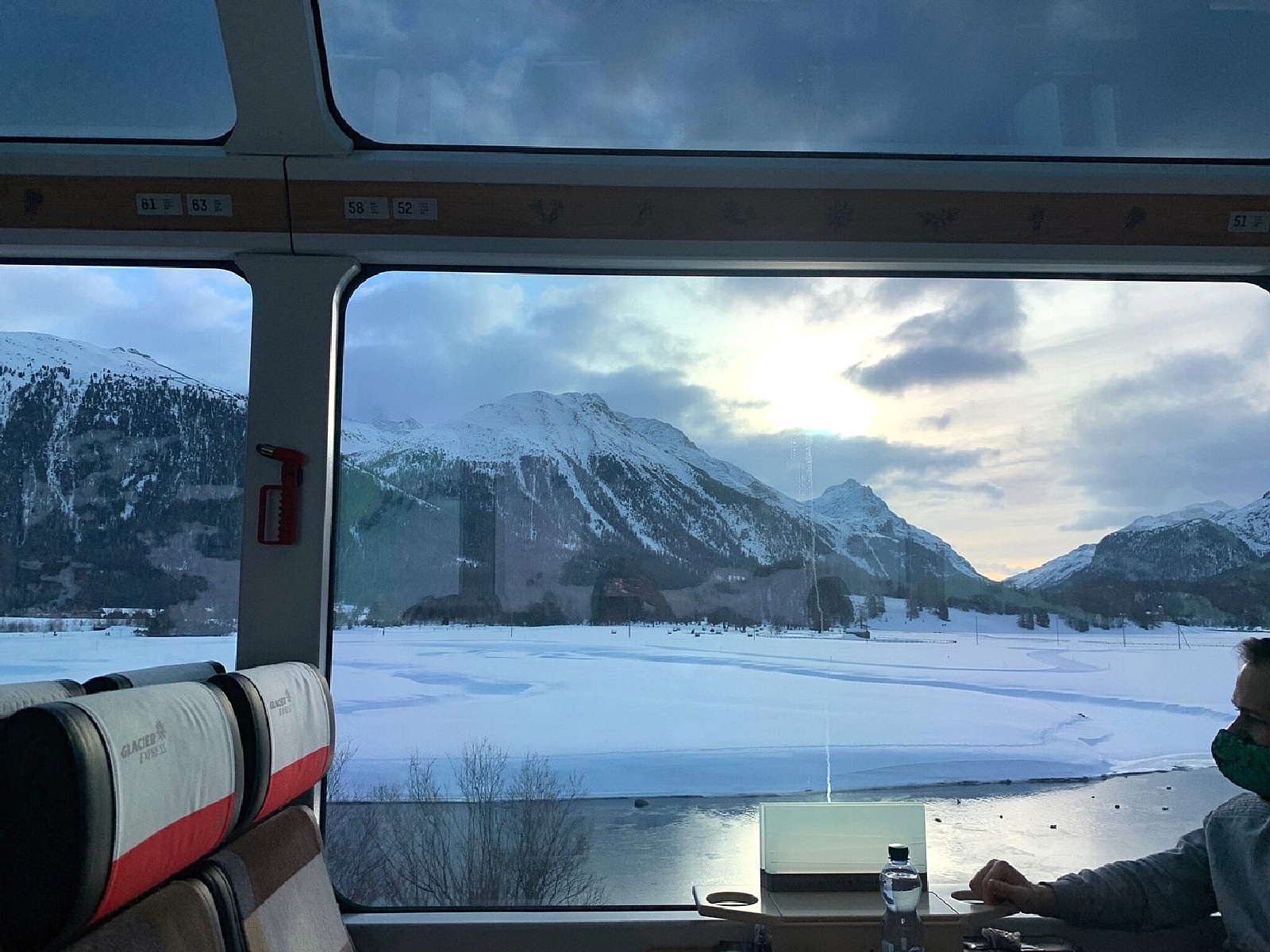
Watching snowy landscapes glide past the train window felt like being inside a winter movie. Switzerland does slow travel perfectly.
3-Day Switzerland Winter Family Itinerary
Day 1 – Zurich city & lake (easy start)
Morning (10:00-13:00)
Start the day with a relaxed walk along Bahnhofstrasse (Bahnhofstrasse, Zurich), Zurich’s main boulevard linking the central station with Lake Zurich. The route is flat, wide, and comfortable after a flight. Gradually turn into the Old Town (Altstadt), where narrow streets and small squares create a calm, walkable atmosphere. A short pause at Lindenhof works well for a break and city views, but the area also invites unplanned wandering.
Total time: around 2.5 hours of slow walking with stops.
Lunch (around 13:00)
Have lunch in the Niederdorf area. Casual cafés and bakeries offer soups, sandwiches, quiches, and pastries, which suit families and keep the pace light.
Budget: CHF 15-20 per person.
Afternoon (14:00-17:30)
Continue to the Lake Zurich Promenade (Lake Zurich). This open waterfront space allows children to move freely while adults enjoy lake and mountain views. If energy drops, a short tram ride along the lake helps change rhythm without adding effort.
Optional transport: CHF 4 per ride.
Evening
Plan an early dinner near the lake. Many restaurants are quieter in the early evening and feel more relaxed in winter.
Main dishes typically cost CHF 20-25.

Since 2015, our website has specialized in individual planning of unique routes, taking into account personal preferences and desires.
Each of you will receive a unique PDF file from us, which contains everything you need: travel routes, car rentals, hotels, the best tourist attractions, attractions for kids and everything you need for a perfect vacation.
During the trip, we are available for you by phone via WhatsApp.
Our personal service provides information from A to Z, taking into account many small details that can become a decisive factor on the way from a wasted trip to an unforgettable vacation.
Our service will make your trip comfortable, save a lot of time on planning and preparation, and most importantly – will allow you to become freer and fully enjoy the pleasure of the trip.
Day 2 – Lucerne & Mount Pilatus
Drive: Zurich → Lucerne
The drive takes about 55 minutes (52 km) and is straightforward, making it a smooth transition day. Parking near the old town or lake allows you to explore Lucerne mostly on foot.
Morning (10:00-12:30)
Explore Lucerne Old Town (Lucerne), one of the most compact historic centres in Switzerland. Walk across Chapel Bridge (Kapellbrücke) and continue through streets with frescoed façades, fountains, and small squares. Distances are short, which suits families and winter pacing. A brief walk along the Reuss River adds variety without extra effort.
Lunch (12:30-13:30)
Choose a restaurant near the river. Menus usually include simple Swiss dishes, pasta, and lighter options, with efficient service before heading up the mountain.
Afternoon (13:30-17:30)
Travel to Kriens and take the cable car to Pilatus Kulm (Pilatus / Mount Pilatus). The ascent is part of the experience, opening views over Lake Lucerne and the Alps.
At the summit, allow 1.5-2 hours for viewpoints, short walks, and snow play areas in cooler months.
Tickets: around CHF 60 per adult and CHF 30 per child (return).
Day 3 – Zermatt & Gornergrat
Drive: Jungfrau Region → Täsch
Plan 2.5-3 hours for the drive, allowing extra buffer for winter conditions. Park at the terminal in Täsch, then take the frequent train to Zermatt (Zermatt), which takes about 20 minutes.
Morning (10:30-14:30)
Head directly to the Gornergrat Railway (Gornergrat Railway). The cogwheel train climbs steadily, with expanding views of glaciers and four-thousand-metre peaks.
Winter return tickets cost around CHF 96 per adult, with reduced prices of about CHF 48 for children or discounted fares.
At the summit, plan around 1.5 hours for panoramic platforms, short marked paths, and photography when visibility allows.
Lunch (13:30-14:30)
On clear days, lunch at the Gornergrat restaurant adds to the experience. In less stable weather, returning to Zermatt for a café near the station offers a warmer, more relaxed option.
Afternoon (15:30-17:30)
Spend the afternoon walking through Zermatt village, which is completely car-free. A stroll along Bahnhofstrasse, small shops, and bakeries provides a calm ending to the trip and suits winter pacing well.
Traveller Experiences
Daniel R., February 2019
We travelled through Switzerland in winter with our two children and didn’t miss skiing at all. Zermatt felt magical with its car-free streets and deep snow. The Gornergrat train was a real highlight, although clouds hid the Matterhorn part of the day. Flexibility mattered most-buying mountain tickets on the same day saved us from disappointment.
Laura M., December 2021
Lucerne worked beautifully in winter. Combining the old town walk with Mount Pilatus felt balanced for children-short distances, big views. Darkness came early, which forced us to slow down. That actually improved the evenings: warm food, quiet streets, no pressure to rush.
Michael S., January 2023
The Jungfrau region in winter exceeded expectations. We stayed in Wengen and travelled daily by train. Mürren stood out as calmer and more atmospheric. Some restaurants were closed before ski season peaked, but the scenery alone justified every day there.

Tips from the Itinerary Expert
- Tip from the Itinerary Expert: buy mountain tickets on the same day whenever possible. Clouds can hide views until the last minute, and flexibility is the key advantage in winter.
- Tip from the Itinerary Expert: plan fewer places per day than in summer. Short daylight hours make one major activity plus a relaxed walk the ideal rhythm for families.
- Tip from the Itinerary Expert: always keep a bad-weather alternative. Thermal baths, village cafés, or scenic train rides can rescue a day when conditions change.
Insights from the Itinerary Expert
I travelled through Switzerland in winter most recently in January 2024, and it confirmed what I had already learned over time: winter reveals a quieter, more intimate side of the country. Without focusing on skiing, we centred the trip around villages, views, and slow movement. Places such as Zermatt, Mürren, and the Lauterbrunnen Valley felt especially cinematic once day visitors left.
Winter demands better planning. Short days force smarter choices, which suits families well. One mountain experience, one village walk, one warm meal. Not every day delivers perfect weather, but bakeries, sledging, scenic trains, and thermal baths balance those moments naturally.
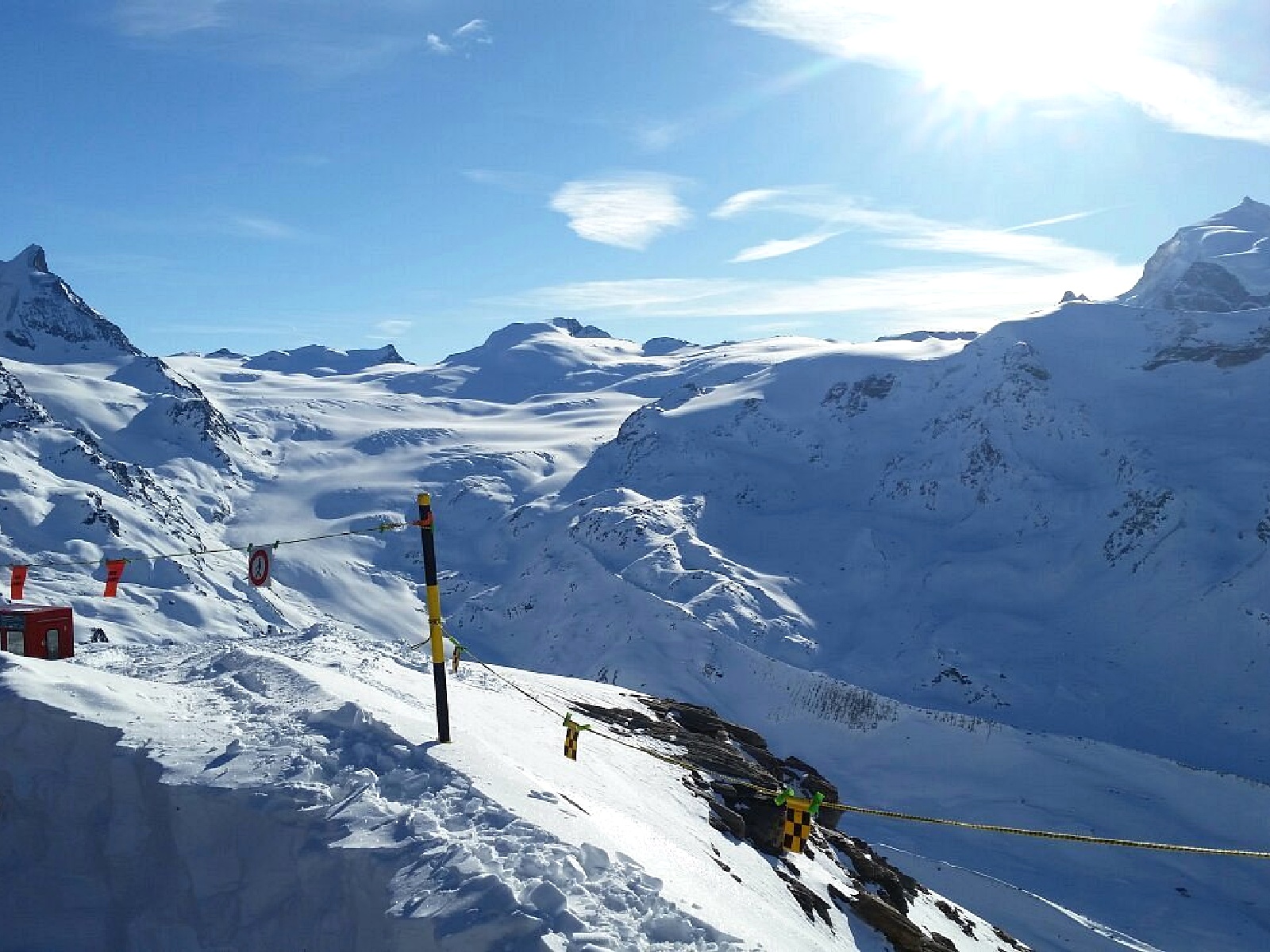
Winter in Switzerland feels raw and powerful. Endless snow, sharp peaks, and complete silence – a place that makes you feel very small in the best way.
Switzerland in Winter – Price Overview
| Category | Item / Service | Approx. Price (CHF) |
| Public Transport | City transport (1 ride) | 3.5 – 4.5 |
| Zurich → Lucerne train (one way) | 25 – 30 | |
| Zurich → Interlaken train (one way) | 35 – 40 | |
| Täsch ↔ Zermatt train (return) | 16 – 18 | |
| Mountain Excursions | Gornergrat Railway (return, winter) | ~96 |
| Gornergrat (with discount) | ~48 | |
| Pilatus cable car (adult, return) | ~60 | |
| Pilatus cable car (child 6-15) | ~30 | |
| Local cable cars (Jungfrau region) | 20 – 40 | |
| Food & Drinks | Main dish (restaurant) | 20 – 25 |
| Salad / light meal | 8 – 10 | |
| Coffee / hot chocolate | 5 – 7 | |
| Bakery lunch / takeaway | 5 – 7 | |
| Family dinner (2 adults + 2 kids) | 80 – 120 | |
| Winter Activities | Sled rental | 10 – 15 |
| Thermal baths (adult) | 35 – 45 | |
| Thermal baths (child) | 15 – 25 | |
| Accommodation (per night) | 3★ hotel | 150 – 220 |
| 4★ hotel / spa hotel | 250 – 400 | |
| Family apartment (1-2 bedrooms) | 180 – 300 |
Traveller Questions
Is Switzerland in winter suitable for families without skiing?
Yes. Scenic trains, winter walks, sledging, thermal baths, and village stays make skiing optional rather than essential.
What is the biggest challenge of winter travel?
From first-hand experience, short daylight hours are the main factor. Slower pacing and fewer daily activities lead to better experiences.
Are mountain excursions safe for children in winter?
Officially, cable cars and mountain railways such as Gornergrat are designed for all ages. Parents should dress children warmly and check weather conditions on the day of travel.
How expensive is food in Switzerland during winter?
Expect main dishes around CHF 20-25, coffee CHF 5-7. Prices are higher in resorts. Bakeries and supermarkets are a practical way to reduce daily food costs.
Do attractions and restaurants close during winter?
Yes. Some hotels and restaurants close between October and mid-December, and many shops shut on 25-26 December. Planning meals in advance during holidays is strongly recommended.
Is it better to plan mountain trips in advance or on the same day?
From my experience, same-day planning works better. Weather changes quickly, and buying tickets after checking visibility helped me avoid paying for views hidden by clouds.
Is renting a car necessary for a winter trip in Switzerland?
Officially, public transport is excellent. However, for families, a car offers more flexibility with short daylight hours and quick plan changes, especially when weather shifts.
What is the biggest challenge of travelling in Switzerland in winter?
From first-hand experience, the main challenge is short daylight. You need to slow down, choose fewer activities per day, and prioritise quality over quantity to avoid exhaustion.
What we propose

Emma Heidi
Customer Experience Manager
Take all the stress out of planning your trip!
With our experts, you can create the perfect itinerary for you – complete, comfortable, and tailored to all your dreams, wishes, and needs.
We take care of every little detail, so you can simply focus on enjoying your journey.
We’ve been designing personalized itineraries since 2015, and over the years we’ve created thousands of custom itineraries for happy clients.

Save time, avoid confusion – we do the work for you. Our service saves you weeks of searching, reading, comparing, and complicated planning. Instead of wasting endless hours – you receive a ready-to-use, accurate and clear itinerary.

A tailor-made itinerary – built just for you. Your itinerary is personally designed based on our experts’ real field experience and genuine feedback from hundreds of travelers – including hidden discoveries and insider tips that don’t appear in any travel guide.

Smart accommodation selection – often saves you hundreds or even thousands of dollars. We help you choose verified and recommended places to stay, checking availability for your exact travel dates. Sometimes we suggest hotels not “in the center,” but in safe, convenient, and highly strategic locations – which can significantly reduce travel costs and save you even thousands of dollars.

We’re by your side even during the trip. We stay with you throughout your vacation – providing professional help whenever needed. If the weather changes, there’s a strike, a local event, heavy crowds, or any unexpected situation – we are here to update, guide, and adjust your itinerary in real time.

Easy-to-use itinerary – with direct navigation links. Your itinerary includes direct Waze / Google Maps links – no need to search for parking addresses, no stress, no mistakes. Just tap – and go.

Service cost: from only $420. (Special price for short itineraries up to 5 days). Clients tell us the itinerary saves them costly mistakes, fines, wrong choices – plus exclusive discounts on car rentals, better-priced accommodations, and money-saving local tips.
Want to know if it’s really worth it?
Take a look at the experiences of travelers who built their personal itinerary with us.
Click here and let’s start building the itinerary that will save you time, money, and stress – and turn your vacation into perfection.
Of course, your first inquiry is completely free – with no commitment whatsoever.
How it works


- You are welcome to contact us
- We discuss your trip
- You fill out a special form
- We create your itinerary
- You get it with all useful tips
- We are in touch with you all the time
Latest articles