I have been working in the tourism industry for over 15 years. During this time, I have built strong partnerships with leading service providers — from car rentals and insurance to hotels, airlines, local guides, and the best attractions around the world. I specialize in creating personalized itineraries, paying attention to every detail to ensure that each traveler has unforgettable experiences. Additionally, I actively run a travel blog, sharing my knowledge with a wide audience of travelers worldwide. If you are planning your trip and want it to be comfortable, well-planned, and truly memorable, I am here to help you turn your dream into reality.

Switzerland in January
January is when Switzerland shows its true winter character. This is not a decorative or “soft” season. Snow in the mountains is stable, landscapes feel sharp and clean, and the air is crisp rather than festive. Once the holiday rush fades, villages slow down, crowds thin out, and the country settles into a calm alpine rhythm that works particularly well for families.
Switzerland in January is best suited for travellers who value nature, scenery, cable cars, panoramic trains, and winter experiences that do not require extreme physical effort. For families travelling with children, this month offers a rare balance: real snow without peak-season chaos, and powerful landscapes without the pressure to rush through the itinerary.
What Is the Weather Really Like?
January is the heart of winter in Switzerland. In cities and lowland areas, daytime temperatures usually range between 0-5°C, while nights often drop below freezing. Snow in cities is possible but inconsistent, and foggy or grey days are common in valleys.
The mountains tell a very different story. At altitude, night temperatures can fall to -10°C to -20°C, but snow conditions are far more reliable. This is why January planning should always focus upward. Above the cloud layer, blue skies and open views are frequent, even when cities below remain grey and foggy.
Daylight hours are short, which directly affects daily planning. Activities need to start earlier, and itineraries should be realistic rather than ambitious.
Tip from the Itinerary Expert: In January, I always plan one main activity per day-a cable car, a panoramic train, or a snow area-and keep the rest flexible. Short days and cold temperatures reward calm, well-paced travel.
Where Should You Actually Go?
January is an alpine month. High mountain villages are designed specifically for this season: cable cars operate reliably, winter walking paths are maintained, transport systems function smoothly in snow, and services are adapted to cold weather conditions.
Mountain regions deliver exactly what January promises-consistent snow, dramatic scenery, and winter infrastructure that works even when travelling with children. This is where Switzerland in January feels complete and balanced, without the need for intense physical activity.
Cities, by contrast, work best as short additions. One relaxed day at the beginning or end of a trip is usually enough. Extended city stays are rarely rewarding in January, especially for families, as weather and daylight limitations reduce the overall experience.
Click here to learn more about creating a personal itinerary
Car Rental – Necessary or Not?
The answer remains consistent: yes, a car is more convenient. Even when trains are part of the journey, having a rental car adds flexibility, reduces unnecessary transfers, and allows last-minute route changes based on weather conditions.
In winter, this flexibility becomes especially important. Travelling with children, winter clothing, and changing forecasts is noticeably easier when you are not tied to fixed connections.

Since 2015, our website has specialized in individual planning of unique routes, taking into account personal preferences and desires.
Each of you will receive a unique PDF file from us, which contains everything you need: travel routes, car rentals, hotels, the best tourist attractions, attractions for kids and everything you need for a perfect vacation.
During the trip, we are available for you by phone via WhatsApp.
Our personal service provides information from A to Z, taking into account many small details that can become a decisive factor on the way from a wasted trip to an unforgettable vacation.
Our service will make your trip comfortable, save a lot of time on planning and preparation, and most importantly – will allow you to become freer and fully enjoy the pleasure of the trip.
Tip from the Itinerary Expert: From my experience, a rental car in January turns potential weather disruptions into simple adjustments instead of stressful delays.
Switzerland in January - What Places That Truly Work This Month?
Matterhorn
In winter, the Matterhorn looks sharper and more dramatic than at any other time of year. Snow highlights its iconic shape, and winter light creates strong contrasts that feel striking rather than decorative. For families, this is a visual experience rather than a physical one-no long hikes are required to appreciate the scale and presence of the mountain.
Tip from the Itinerary Expert: From first-hand experience, even if the peak disappears behind clouds for a short time, it’s worth waiting. Winter conditions often create brief but clear visibility windows.
Gornergrat
The cogwheel railway to Gornergrat climbs above 3,000 meters, offering one of the most accessible high-alpine views in Switzerland. In January, glaciers, snowfields, and surrounding peaks stretch in every direction, creating a clean and open landscape. The journey itself is part of the experience, and children usually enjoy the train ride without the need for demanding walks.
Estimated price: CHF 90-120 round trip, depending on the date.
Jungfraujoch - Top of Europe
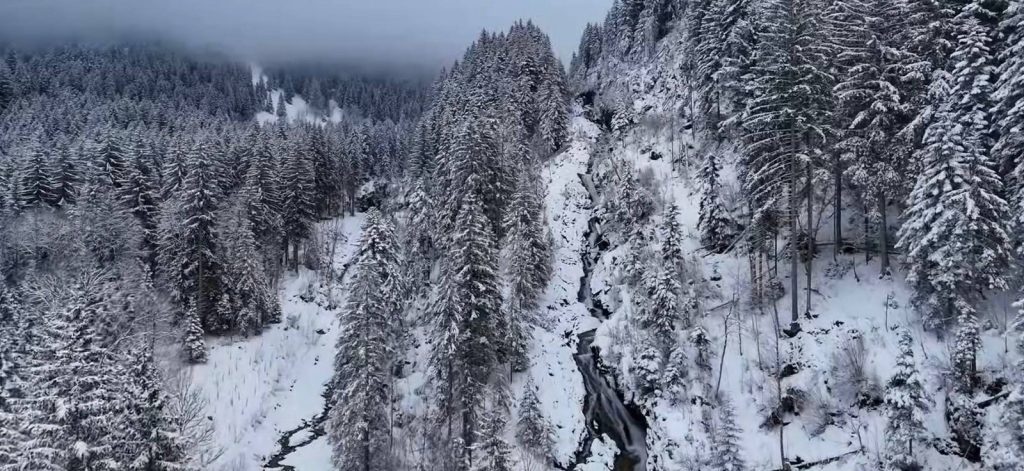
This is one of Switzerland’s most intense winter experiences. Permanent snow, glacier views, ice tunnels, and extreme altitude create a powerful but demanding visit. January generally works better than peak months due to reduced crowds, but conditions remain challenging.
Honest limitation: Cold, wind, and altitude can be difficult, particularly for sensitive children. This experience is not suitable for everyone.
Realistic price: CHF 200-230 round trip, depending on the starting point and date.
Tip from the Itinerary Expert: I decide on Jungfraujoch only on the morning of the visit. Visibility matters more than planning in January.
Grindelwald First
Grindelwald First is a winter-friendly area with cable cars, sledding zones, short winter walks, and dramatic alpine scenery. In January, the entire area is snow-covered, and the atmosphere feels immersive without being overwhelming. It works especially well for families looking for snow experiences without long distances.
Tip from the Itinerary Expert: I always arrive early. Morning conditions usually mean calmer winds, shorter queues, and cleaner light.
Glacier Express
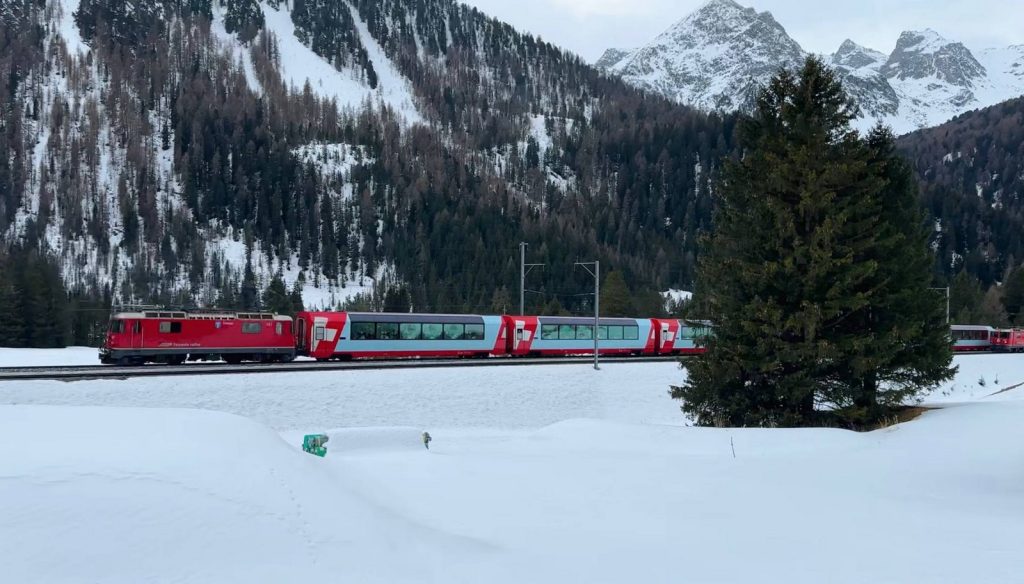
This panoramic train journey is designed for comfort, making it ideal in winter. Large windows reveal frozen forests, deep gorges, and snow-covered villages while passengers remain warm and seated. For families, this is a full experience day with minimal logistics and no physical strain.
Estimated cost: ≈ CHF 213 (2nd class, full route, including seat reservation).
Bernina Express
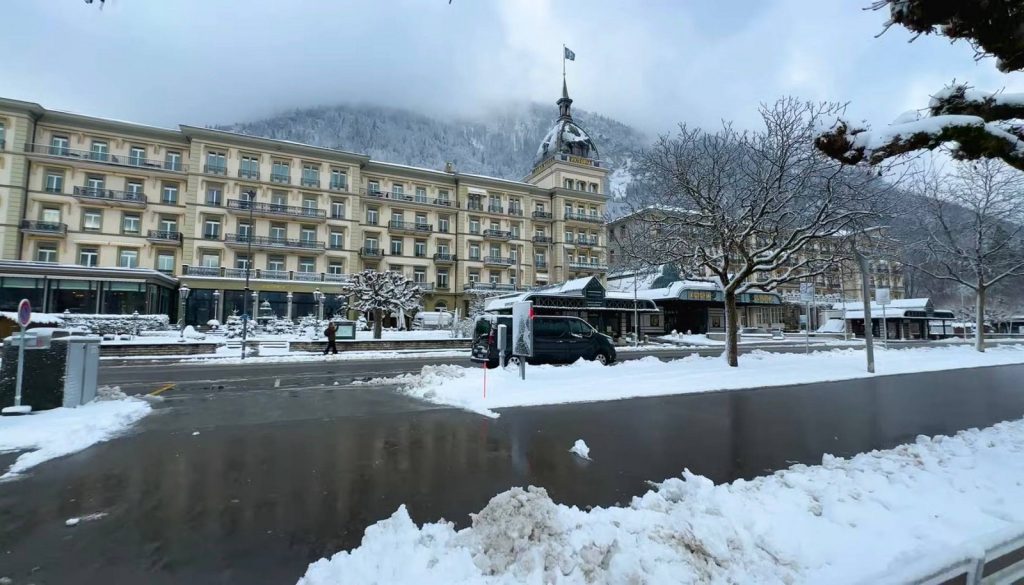
The Bernina Express is one of the most visually striking alpine routes in winter. Snow-covered landscapes, frozen lakes, and sharp elevation changes create constant contrast. The winter version of this route feels quieter and more dramatic than in summer.
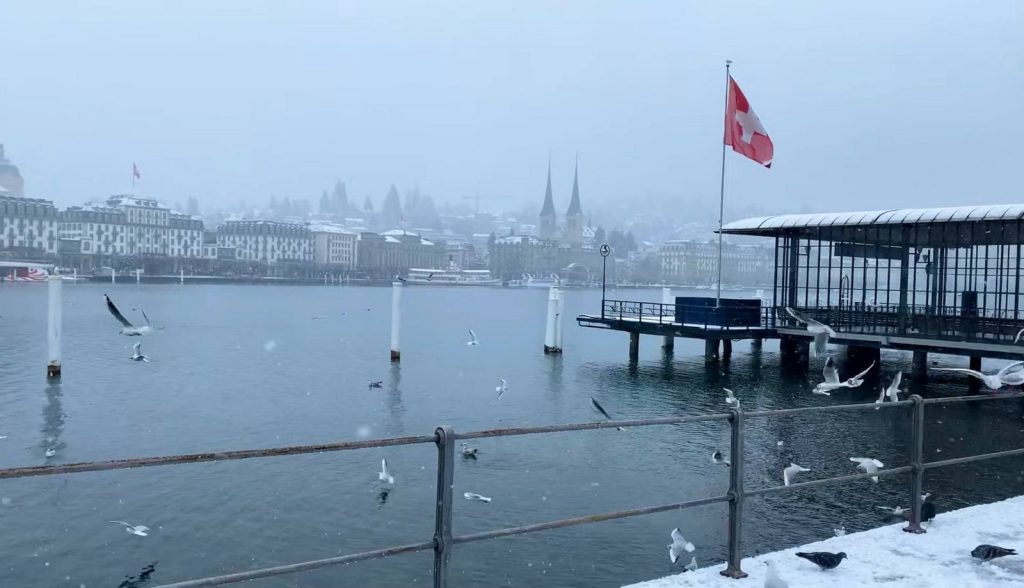
Lake Lucerne
Even in January, Lake Lucerne offers a gentle counterbalance to mountain days. Short walks along the waterfront, calm boat rides, and snow-covered peaks rising directly from the water create a slower and more relaxed rhythm.
Boat cruises: CHF 25-45, depending on route length.
Aletsch Glacier
The largest glacier in the Alps feels especially powerful in winter. Snow highlights its scale, and the area is noticeably quieter than in warmer seasons, making the experience more focused and less rushed.
What Actually Works with Children?
January in Switzerland is best approached with a softer rhythm. This is not a month for packed schedules or constant movement. Families benefit most from experiences that deliver snow, scenery, and atmosphere without physical exhaustion.
Activities that work particularly well include sledding areas, clearly marked winter walking paths, cable cars used primarily for views, panoramic train journeys, and open snow play zones. These options allow children to enjoy winter naturally, without pressure or long distances. Simple moments-photography, snow games, or quiet observation-often become the highlights of the trip.
Cold weather and shorter daylight hours make pacing especially important. Children tend to tire faster in winter, even when activities seem light on paper. Planning fewer transitions and allowing time to warm up indoors makes a noticeable difference.

Tip from the Itinerary Expert: From first-hand experience, I aim to finish the main activity by early afternoon. This leaves enough energy for a calm return, a warm meal, and rest-without turning the day into a struggle.
Events and Seasonal Atmosphere
After the New Year period, Switzerland becomes noticeably calmer. The festive crowds fade, daily life slows down, and alpine towns return to a more local rhythm. For families, this quieter atmosphere makes movement easier and reduces pressure when planning winter days.
January includes well-known international ski races in Wengen and Adelboden. Even for families who do not ski, these events add energy and atmosphere to mountain villages, with clear views, winter scenery, and a sense of occasion without requiring full-day commitments.
Toward the end of the month, the Château-d’Oex Hot Air Balloon Festival brings colour and movement to the winter landscape. Dozens of balloons rise slowly above snowy valleys, creating a visual experience that works well with children and does not depend on weather-perfect hiking conditions.
Some cities occasionally host light festivals during winter, although these vary from year to year and should be treated as optional additions rather than core planning elements. Overall, January is considered a quiet month-and for families travelling with children, that calm is a clear advantage.
Pros and Cons Without Filters
Pros
- January delivers what many travellers expect from a true winter destination.
- Snow in the mountains is stable and consistent, creating reliable conditions for scenic travel and winter activities.
- After the holiday period, crowds are noticeably thinner, which makes popular alpine areas feel calmer and more manageable for families.
- Winter landscapes are visually powerful, with sharp contrasts, open views, and a sense of scale that is less diluted than in warmer seasons.
- Alpine villages slow down, creating a relaxed rhythm that works well with children.
- Importantly, mountain infrastructure in Switzerland is designed specifically for winter and functions efficiently even in cold conditions.
- Tip from the Itinerary Expert: January rewards travellers who focus on quality rather than quantity. One strong experience per day is usually enough.
Cons
- Short daylight hours require careful daily planning, especially when travelling with children.
- Cold temperatures at altitude can be demanding, and proper winter clothing is essential for comfort and safety.
- Many summer-focused attractions are closed, which limits variety for travellers expecting a broad activity mix.
- Prices in major alpine regions remain high despite reduced crowds, particularly for mountain transport and accommodation.
- Without realistic expectations and flexible planning, winter conditions can feel restrictive rather than rewarding.
- Tip from the Itinerary Expert: Trying to fit too much into a January itinerary often leads to fatigue. Smart pacing prevents frustration.
Who Is This Month Really For?
January suits families who are drawn to nature, snow, scenic transport, and a slower travel rhythm. This is a month for those who value atmosphere over quantity and prefer powerful landscapes to busy itineraries. Cable cars, panoramic trains, winter villages, and snow-covered valleys form the core of the experience.
For families with children, January works best when expectations are realistic. Days are shorter, the cold is noticeable, and flexibility is essential. When planned well, the pace feels calm rather than limiting, and winter becomes part of the experience instead of an obstacle.
This month is less suitable for travellers focused on intensive city exploration, large shopping districts, or fast-moving schedules. Switzerland in January is quiet, cold, and visually strong. It does not try to entertain constantly-and that honesty is exactly what makes it appealing to the right audience.
4-Day Family Itinerary for Switzerland in January
Trip Duration: 4 days
Day 1 - Lucerne & Lake Lucerne (Lucerne / Luzern)
Morning (10:00-13:00)
Start the day by arriving in Lucerne with a rental car and parking in the city centre, where convenient parking is available close to the main promenade. Begin a leisurely walk along the Lake Lucerne promenade, a flat and easy route suitable for children and families. The walk offers uninterrupted views of snow-capped mountains, charming waterfront scenery, and multiple opportunities for photography. Along the way, you can pause to enjoy the surroundings, take pictures, or simply relax by the lake.
Estimated walking time: approximately 2-2.5 hours, including short stops.
Lunch (13:00-14:30)
For lunch, there are several restaurants directly along the promenade, making it easy to stop without additional travel. The area offers a variety of options, from casual eateries to local Swiss specialties. Dining by the lake allows you to enjoy the beautiful views while resting and preparing for the afternoon activities.
Afternoon (14:30-17:30)
In the afternoon, take a panoramic boat cruise on Lake Lucerne. The cruise is a calm and relaxing way to experience the lake and surrounding mountains from the water. It provides an opportunity for everyone to rest while enjoying the scenic beauty of Lucerne, even on colder winter days. During the cruise, you can admire the alpine peaks, picturesque villages along the shore, and historic landmarks reflected in the water.
Estimated cost: CHF 25-45 per person, depending on the selected route.
Cruise duration: 1-1.5 hours.
Evening (17:30-18:00)
Return to the hotel at the end of the day to rest and unwind after a full morning and afternoon of sightseeing. This provides time to refresh before dinner or to plan for evening activities in the city.
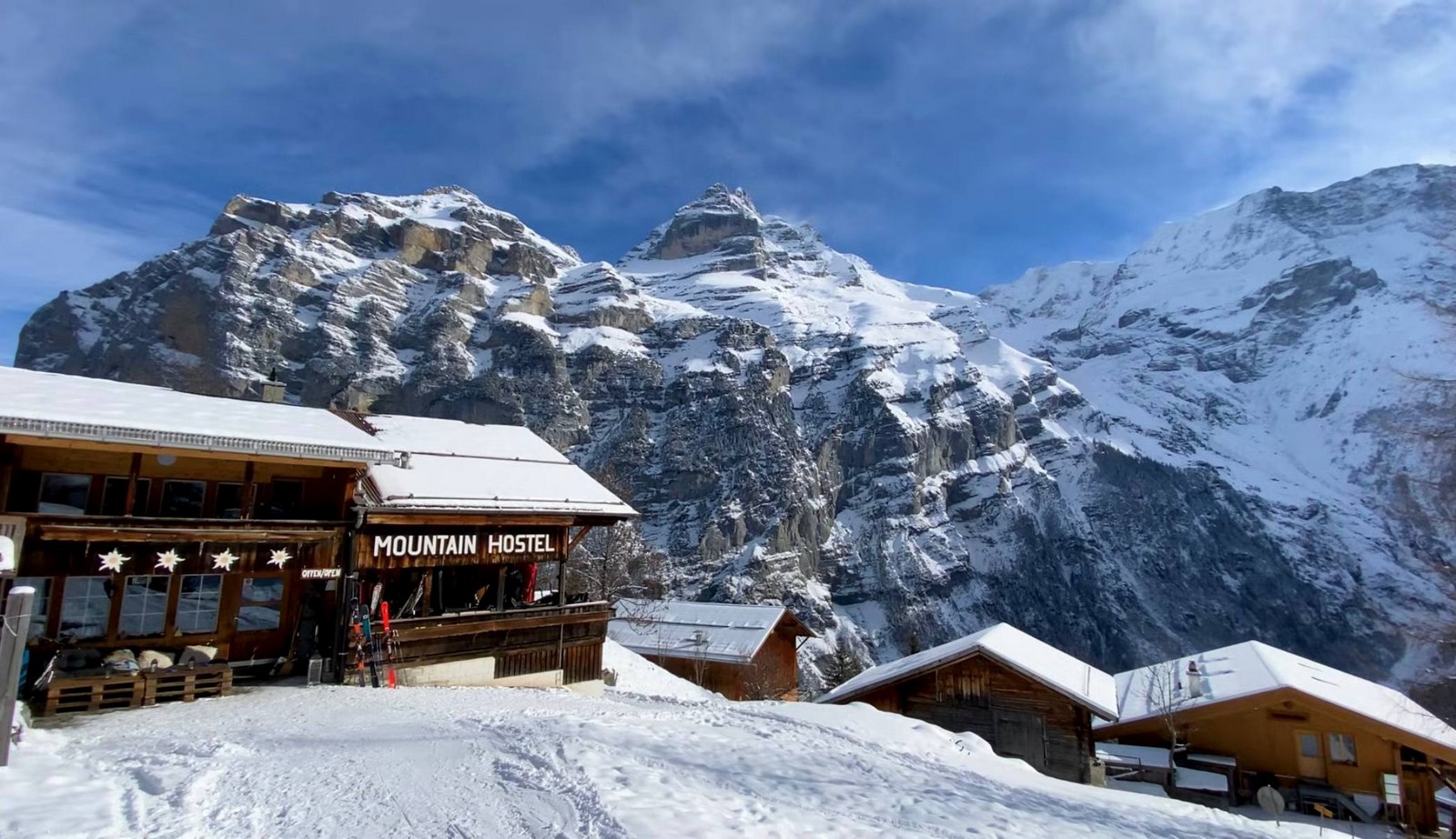
White peaks and cozy chalets – the Alps in all their glory
Overnight Location: Lucerne / Luzern
Day 2 - Grindelwald First (Grindelwald First)
Morning (10:00-12:30)
Begin the day with a drive from Lucerne to Grindelwald, enjoying the scenic alpine landscapes along the way. The drive takes approximately 1.5-1.75 hours and offers picturesque views of valleys, forests, and snow-capped peaks. Upon arrival in Grindelwald, take the cable car up to Grindelwald First. During the ascent, you will experience panoramic mountain vistas and can pause at designated viewpoints to take photos and fully appreciate the surrounding alpine scenery.
Estimated ascent and viewpoint time: around 2 hours.
Lunch (12:30-14:00)
For lunch, you can choose to dine at the upper station of the cable car, which provides cozy indoor seating and stunning mountain views, or return to the village for a meal in one of the local restaurants, depending on weather conditions and energy levels. Lunch provides a chance to rest, warm up, and prepare for the afternoon’s activities.
Afternoon (14:00-17:30)
The afternoon is dedicated to flexible winter activities at Grindelwald First. Options include short scenic walks on snow-covered paths, sledding in designated areas, or free play in open snow zones-perfect for children and families. The pace is relaxed, and activities can be shortened or adjusted if the weather changes. This part of the day is designed to allow everyone to enjoy the alpine environment comfortably and safely.
Estimated easy activity time: 2-3 hours.
Overnight Location: Grindelwald area
Day 3 - Jungfraujoch: Top of Europe (Jungfraujoch - Top of Europe)
Morning (10:00-13:30)
Begin the day by driving to Grindelwald Terminal. From there, take the combination of cable car and train to reach Jungfraujoch, also known as the Top of Europe. The journey itself is a highlight, offering breathtaking panoramic views of the surrounding alpine peaks, glaciers, and picturesque villages along the way. This unique combination of transportation allows for both a comfortable and scenic ascent to one of Europe’s most famous mountain destinations.
Estimated travel time: approximately 2.5-3 hours.
Estimated cost: CHF 200-230 per person, round trip, depending on departure point and date.
Lunch (13:30-14:30)
Upon reaching the summit, enjoy a hot lunch in the covered complex at Jungfraujoch. Dining indoors provides warmth and comfort while still allowing guests to appreciate the stunning alpine surroundings. Lunch is an ideal opportunity to rest and recharge before exploring the summit area.
Afternoon (14:30-16:30)
After lunch, explore the attractions at Jungfraujoch, including the Ice Palace-a fascinating labyrinth of ice sculptures-and numerous viewpoints offering panoramic vistas of the surrounding mountains and glaciers. There are also open snow areas where visitors can enjoy light snow activities or simply take in the winter landscape.
Time at altitude: approximately 2 hours.
Return (16:30-18:00)
In the late afternoon, descend back to Grindelwald and your accommodation. The descent provides another chance to admire the alpine scenery and reflect on the unique experiences of the day.
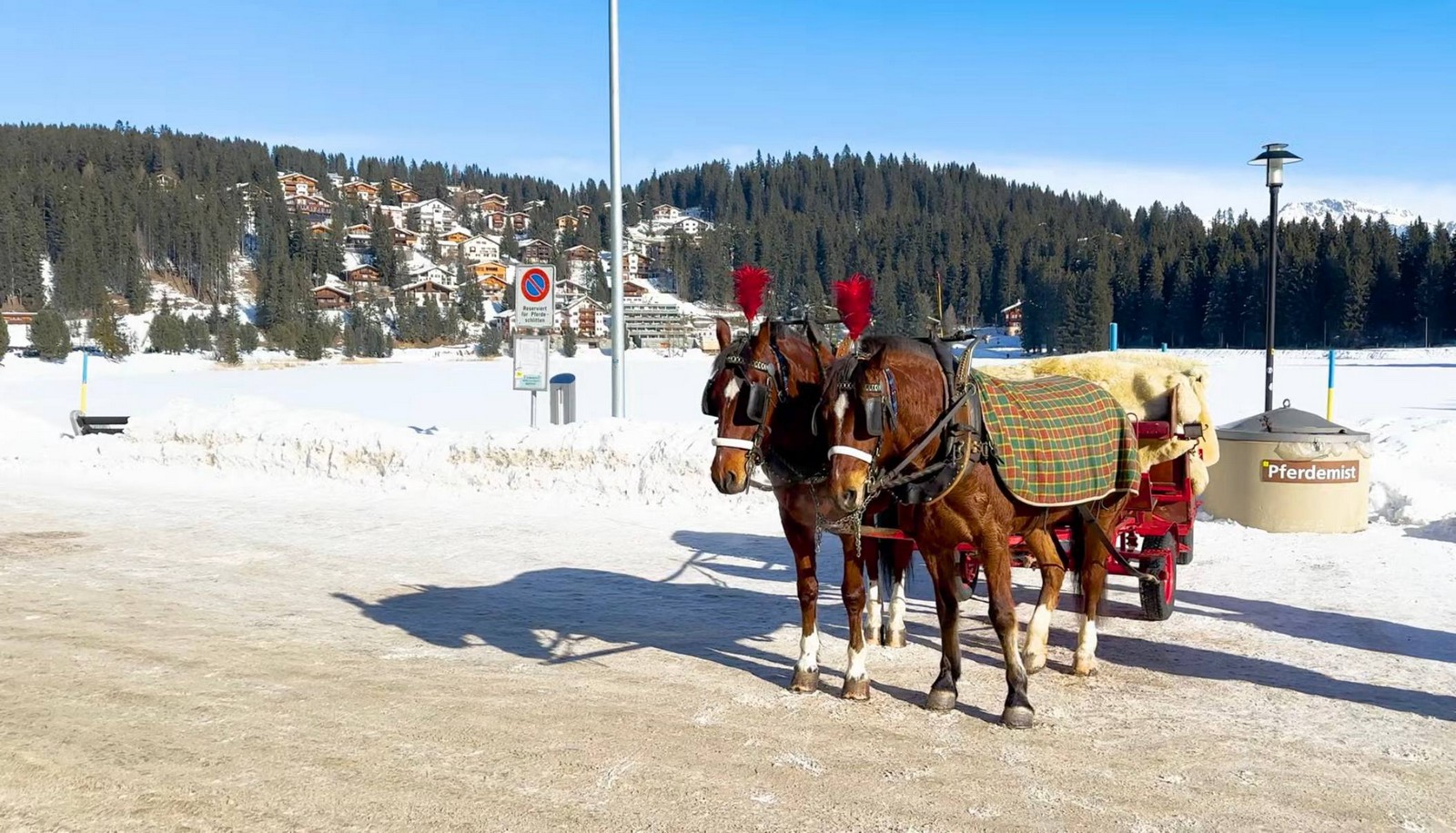
A horse-drawn sleigh in the snow – straight from an alpine fairytale
Overnight Location: Grindelwald area
Day 4 - Zermatt & Gornergrat (Zermatt / Gornergrat)
Morning (10:00-12:30)
Begin the day by driving to Täsch, the gateway to Zermatt, as private vehicles are not allowed in Zermatt itself. Upon arrival, park the car in Täsch and take the short train ride into the village. The train journey is scenic and provides a smooth and relaxing transition from the valley to the car-free alpine village of Zermatt.
Estimated travel time (drive + train): approximately 1.5 hours.
Midday (12:30-15:00)
From Zermatt, take the cogwheel railway up to Gornergrat. The train ride offers panoramic views of surrounding peaks, glaciers, and the charming village below. At the summit, you can enjoy breathtaking vistas of the Matterhorn and surrounding alpine landscape, explore observation points, and, depending on the season, experience snow-covered areas.
Estimated cost: CHF 90-120 round trip.
Time at the top: 2-2.5 hours, including time for viewpoints and light exploration.
Lunch (15:00)
Enjoy a light lunch either at the summit station, with spectacular mountain views, or during the descent back toward Zermatt. This provides an opportunity to rest, warm up, and prepare for the afternoon activities.
Afternoon (16:00-18:00)
Spend the late afternoon exploring Zermatt village on foot. Walk along its charming streets, browse small shops offering local crafts and souvenirs, and stop at viewpoints to admire the iconic Matterhorn from different angles. The leisurely pace allows you to take in the village atmosphere and the surrounding alpine scenery.
Overnight Location: Zermatt area
First-Hand Traveller Experiences

Michael Turner
January 2019

We travelled to Switzerland in January with two children, and the winter conditions were exactly what we hoped for. Gornergrat stood out the most. The train ride itself was easy, warm, and engaging for the kids, and the views felt unreal. Cold was noticeable at altitude, but with proper clothing it was manageable. Planning fewer activities per day made the experience far more relaxed.
Sarah Collins
January 2021

January felt calm and surprisingly family-friendly. We stayed near Grindelwald and spent time at Grindelwald First. The snow areas and sledding kept the kids busy without long walks. Cable cars did most of the work, which helped a lot in cold weather. The biggest challenge was daylight-starting the day early really mattered.
David Miller
January 2022
Having a rental car made a huge difference for us. Weather changed quickly, and flexibility saved several days. Jungfraujoch was impressive but also intense-very cold and expensive. Looking back, I would only go up on a day with perfect visibility. Otherwise, the experience feels rushed, especially with children.
Emily Parker
January 2018
Lucerne was a perfect pause between mountain days. The Lake Lucerne boat cruise was quiet and scenic, even in winter, and gave everyone a chance to warm up. One day was enough for us, but it added balance to a trip that was otherwise focused on higher altitudes.
James Robertson
January 2023
Seeing the Matterhorn in winter had been a long-time goal. It wasn’t visible all day, but when the clouds opened briefly, it was unforgettable. A small detail made a big difference-choosing the right side of the Gornergrat train for photos. That moment alone made the journey worthwhile.
Laura Bennett
January 2024
What I appreciated most about January was the lack of crowds. Everything felt calmer and more spacious. The Glacier Express was ideal for our family: warm inside, dramatic winter scenery outside, and no pressure to move quickly. Booking seats ahead of time was essential.
Andrew Wilson
January 2025
January is not about cities or shopping, but for nature it’s excellent. Snow, mountains, and quiet villages created a very authentic atmosphere. Evenings were cold, and good winter gear mattered more than anything else. With realistic expectations, this became one of our most memorable family trips.
Tips from the Itinerary Expert
- I always plan January trips around altitude rather than cities. When valleys are grey or foggy, places like Gornergrat or Grindelwald First are often above the cloud layer. This single planning decision completely changes the experience, especially when travelling with children.
- For Jungfraujoch – Top of Europe, I never commit days in advance. From first-hand experience, visibility matters more than schedules. If clouds are heavy in the morning, postponing the visit avoids disappointment and unnecessary expense.
- I limit each winter day to one main activity. Cold temperatures and short daylight hours drain energy faster than expected. One cable car, panoramic train, or snow area per day keeps children engaged without exhaustion.
- I use panoramic trains as recovery days. Journeys like the Glacier Express offer dramatic winter scenery while staying warm and seated. This balance is ideal after colder, more exposed mountain days.
- I always arrive early at cable cars. In winter, wind increases and queues build after midday. Reaching places like Grindelwald First by late morning means calmer conditions and better light for photos.
- Even when using trains, I rely on a rental car. Winter weather can shift plans overnight, and a car allows quick route changes, fewer transfers, and smoother travel with children and winter clothing.
- I mix restaurant meals with simple supermarket lunches. From experience, this keeps costs manageable in January. One proper dinner per day is enough; daytime meals can stay flexible and warm.
- I never underestimate winter clothing. Waterproof shoes, layered jackets, and proper gloves matter more than adding another attraction. In January, good gear directly affects how much children enjoy the trip.
Insights from the Itinerary Expert
I visited Switzerland in January 2024, and it remains one of the most honest and visually powerful winter experiences I recommend to families-when approached correctly. January is not about rushing or collecting attractions. It is about atmosphere. Snow is stable, landscapes feel sharp and real, and the country slows down after the holidays in a way that works surprisingly well with children.
What stayed with me most were the simple moments: a quiet ascent by train to Gornergrat, frozen valleys passing behind panoramic windows, and children sitting silently, just watching the landscape. Mountain areas clearly perform best in January. Places like Zermatt or Grindelwald First deliver strong experiences without long walks, which is essential in cold conditions.
That said, January is demanding. Daylight is short, cold at altitude is serious, and prices require careful planning. Without proper winter clothing and flexibility in scheduling, the experience can quickly become tiring. My main rule, based on first-hand experience, is to plan one meaningful activity per day and allow the rest of the time to unfold naturally.
Switzerland in January is not for everyone, but for families seeking real winter, dramatic nature, and a calm alpine rhythm, it offers something rare and authentic. We invite you to create a personalised family itinerary together-tailored to Switzerland and the Alpine regions-at a pace that truly fits your family.
Price Table
| Name | Amount | Description |
|---|---|---|
| Budget hotel (double room, per night) | 80-140 CHF | Usually B&B or 2-3★, outside city centres or in quieter areas |
| Mid-range hotel (double room, per night) | 140-260 CHF | Standard 3-4★ hotels |
| Luxury hotel (double room, per night) | 350-700 CHF | 5★ hotels or alpine resorts; higher in places like Zermatt |
| Apartment for a family of 5 (per night) | 220-450 CHF | Strongly depends on location, size, and proximity to ski areas |
| Car rental (per day) | 105-160 CHF | Base price; winter options and insurance may increase cost |
| Public transport | 29-56 CHF | Typical 24-72h city tickets, depending on city and duration |
| Restaurant meal (family) | 120-220 CHF | Main dishes usually 20-50 per person |
| Parking | 4-5 per hour / 25-35 per day CHF | City centre parking is usually hourly; day rates are higher |
| Basic supermarket shopping for 2 people | 45-80 CHF | Simple daily groceries: bread, dairy, pasta, fruit, hot meals |
Frequently Asked Questions
What we propose

Emma Heidi
Customer Experience Manager
Take all the stress out of planning your trip!
With our experts, you can create the perfect itinerary for you – complete, comfortable, and tailored to all your dreams, wishes, and needs.
We take care of every little detail, so you can simply focus on enjoying your journey.
We’ve been designing personalized itineraries since 2015, and over the years we’ve created thousands of custom itineraries for happy clients.

Save time, avoid confusion – we do the work for you. Our service saves you weeks of searching, reading, comparing, and complicated planning. Instead of wasting endless hours – you receive a ready-to-use, accurate and clear itinerary.

A tailor-made itinerary – built just for you. Your itinerary is personally designed based on our experts’ real field experience and genuine feedback from hundreds of travelers – including hidden discoveries and insider tips that don’t appear in any travel guide.

Smart accommodation selection – often saves you hundreds or even thousands of dollars. We help you choose verified and recommended places to stay, checking availability for your exact travel dates. Sometimes we suggest hotels not “in the center,” but in safe, convenient, and highly strategic locations – which can significantly reduce travel costs and save you even thousands of dollars.

We’re by your side even during the trip. We stay with you throughout your vacation – providing professional help whenever needed. If the weather changes, there’s a strike, a local event, heavy crowds, or any unexpected situation – we are here to update, guide, and adjust your itinerary in real time.

Easy-to-use itinerary – with direct navigation links. Your itinerary includes direct Waze / Google Maps links – no need to search for parking addresses, no stress, no mistakes. Just tap – and go.

Service cost: from only $420. (Special price for short itineraries up to 5 days). Clients tell us the itinerary saves them costly mistakes, fines, wrong choices – plus exclusive discounts on car rentals, better-priced accommodations, and money-saving local tips.
Want to know if it’s really worth it?
Take a look at the experiences of travelers who built their personal itinerary with us.
Click here and let’s start building the itinerary that will save you time, money, and stress – and turn your vacation into perfection.
Of course, your first inquiry is completely free – with no commitment whatsoever.
How it works


- You are welcome to contact us
- We discuss your trip
- You fill out a special form
- We create your itinerary
- You get it with all useful tips
- We are in touch with you all the time