I have been working in the tourism industry for over 15 years. During this time, I have built strong partnerships with leading service providers — from car rentals and insurance to hotels, airlines, local guides, and the best attractions around the world. I specialize in creating personalized itineraries, paying attention to every detail to ensure that each traveler has unforgettable experiences. Additionally, I actively run a travel blog, sharing my knowledge with a wide audience of travelers worldwide. If you are planning your trip and want it to be comfortable, well-planned, and truly memorable, I am here to help you turn your dream into reality.

Are euros accepted in Switzerland?
Many families planning a trip to Switzerland ask the same practical question: can we use euros there, or do we need Swiss francs? Switzerland sits in the heart of Europe, surrounded by eurozone countries, so it’s easy to assume euros will work everywhere.
Formally, the answer is straightforward: Switzerland does not use the euro. In practice, it’s more nuanced. Euros are sometimes accepted in tourist-heavy areas, but often in ways that quietly cost you extra. Understanding the difference helps you avoid unnecessary stress-especially when traveling with children and managing day-to-day expenses.
What is the official currency in Switzerland?
Switzerland is not part of the European Union or the eurozone. The official and only national currency is the Swiss franc (CHF).
You’ll see Swiss francs used everywhere: supermarkets and bakeries, mountain cable cars, parking machines, public transport, and most hotels, cafés, and attractions.
The Swiss franc is divided into 100 rappen. Banknotes include 10, 20, 50, 100, 200, and 1000 CHF, while coins range from 5 rappen to 5 CHF.
Click here to learn more about creating a personal itinerary
Tip from the Itinerary Expert: don’t exchange all your money in advance. Swiss cities have ATMs everywhere, and withdrawing CHF locally is usually better than exchanging cash at home or at airports.
Are euros accepted in shops and restaurants in Switzerland?
Yes-but with important limitations.
Where euros may be accepted
In practice, some businesses do accept euro banknotes. This is most common in large tourist cities such as Zurich, Lucerne, Geneva, and Interlaken, as well as in big supermarkets like Coop and Migros. Hotels and tourist-oriented restaurants may also accept euros, along with some souvenir shops near borders or major train stations.
However, acceptance is optional, not guaranteed, and always at the discretion of the business.
What are the hidden downsides?
The main issue is the exchange rate. Shops and restaurants set their own rates, which are usually worse than those offered by banks. In almost all cases, any change you receive will be given in Swiss francs, not euros. Smaller businesses-such as bakeries, playground cafés, parking machines, and vending machines-often refuse euros entirely.
From first-hand experience as an Itinerary Expert, paying in euros can feel convenient at the moment, but the loss becomes clear later when you compare prices and totals.
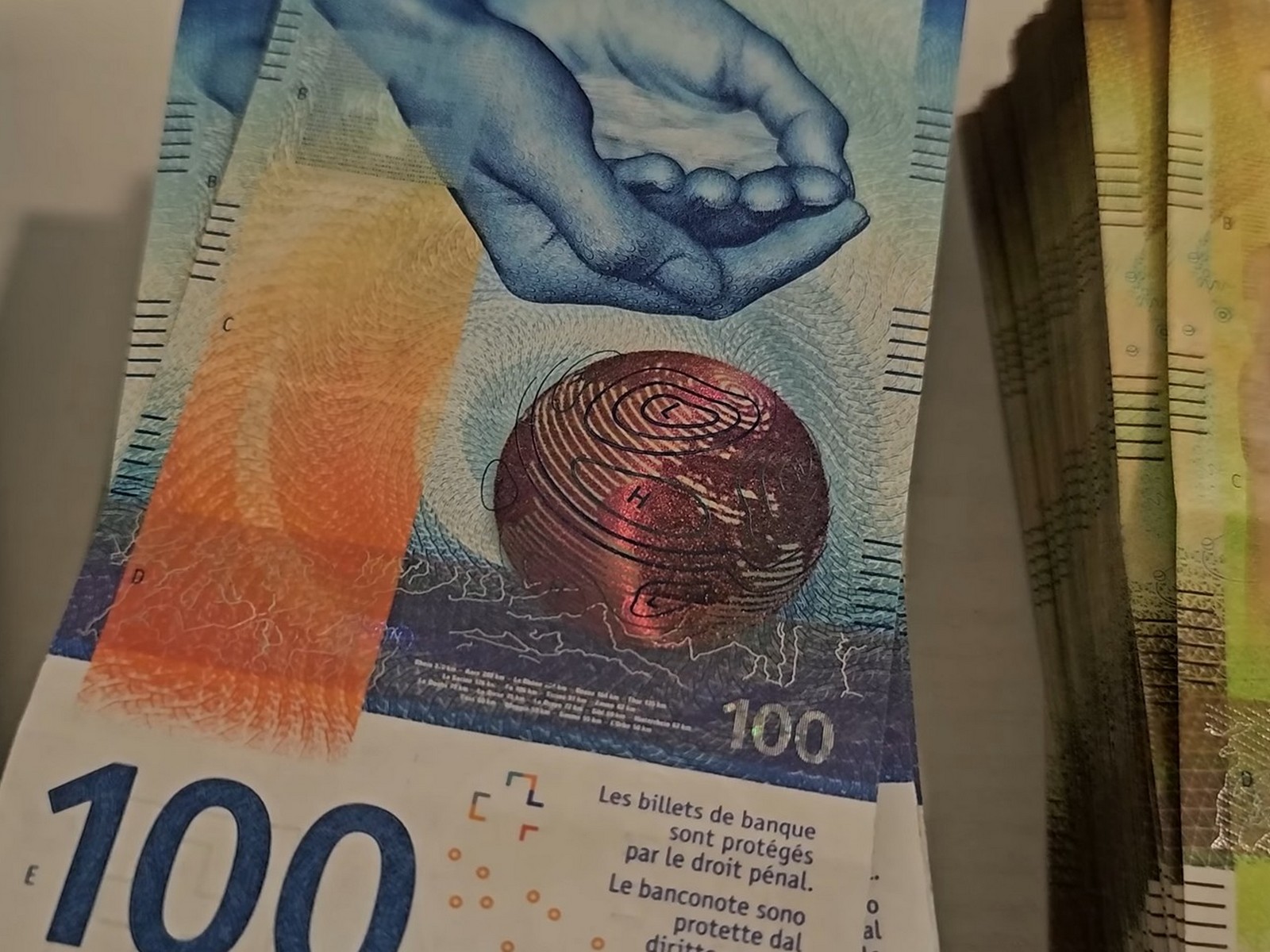
Tip from the Itinerary Expert: using euros isn’t illegal, but it’s rarely economical. Paying in Swiss francs or by card is almost always cheaper.
Can you use euros for transport and hotels?
Public transport
Swiss public transport is precise, efficient-and strict about payment methods. Some train ticket counters may accept euros, but ticket machines usually accept only Swiss francs or cards. Buses and trams typically require card payment or CHF, and taxis may accept euros only at an unfavorable rate.
For families traveling with children, this matters. Arriving late with tired kids and discovering a ticket machine won’t take euros can quickly become stressful.
Hotels
Many hotels in tourist regions accept euros in cash, but the exchange rate is rarely favorable. Deposits, parking fees, or additional services may still require payment in CHF or by card. In most cases, paying by card is the safest and simplest option.
Tip from the Itinerary Expert: always keep a small amount of CHF available for transport, even if you plan to pay mostly by card.
Is paying by card better than using euros?
In Switzerland, card payment is the most reliable option. Visa and Mastercard are accepted almost everywhere, including supermarkets, restaurants, mountain lifts, cable cars, museums, and hotels. Even small purchases are often paid by card, and cash usage is much lower than in many other countries.
One important detail to watch for is the payment screen. When paying by card, terminals may ask whether you want to pay in Swiss francs (CHF) or in your home currency, such as euros. You should always choose CHF. Selecting euros triggers Dynamic Currency Conversion, which applies a worse exchange rate and adds hidden costs.
Tip from the Itinerary Expert: multi-currency cards handle conversions automatically and make it easy to pay in CHF without overthinking every transaction.
Where is the best place to exchange euros to CHF?
If you arrive with euros and need Swiss francs, some options are clearly better than others.
The best rates are usually found at ATMs, Swiss banks such as UBS, Raiffeisen, or PostFinance, and exchange offices located in city centers. These options are more transparent and generally cheaper than exchanging cash elsewhere.
Airports and train stations tend to offer less favorable rates, while shops or restaurants that offer to “exchange” money at the counter usually apply the worst rates of all.
From experience, withdrawing Swiss francs from an ATM after arrival is usually the simplest and most cost-effective solution.

Tip from the Itinerary Expert: when using an ATM, decline any offer to convert the withdrawal into euros and withdraw directly in CHF.
How much cash do families really need in Switzerland?
Surprisingly little. Most travelers rely mainly on card payments and use cash only occasionally. For a family, 20-50 CHF per day is usually enough for small, practical expenses such as public toilets, parking meters, small village cafés, or honesty shops in mountain areas.
Everything else-from groceries and restaurants to cable cars and family attractions-can usually be paid by card without any issues.
From first-hand experience as an Itinerary Expert, the only moments when cash felt truly necessary were parking in rural areas and using restrooms at train stations. Carrying more than that rarely adds convenience.

Since 2015, our website has specialized in individual planning of unique routes, taking into account personal preferences and desires.
Each of you will receive a unique PDF file from us, which contains everything you need: travel routes, car rentals, hotels, the best tourist attractions, attractions for kids and everything you need for a perfect vacation.
During the trip, we are available for you by phone via WhatsApp.
Our personal service provides information from A to Z, taking into account many small details that can become a decisive factor on the way from a wasted trip to an unforgettable vacation.
Our service will make your trip comfortable, save a lot of time on planning and preparation, and most importantly – will allow you to become freer and fully enjoy the pleasure of the trip.
Why relying on euros creates stress for families
Traveling with children means minimizing friction: long waits, payment refusals, and unexpected extra costs can quickly affect the mood of the entire day.
Relying on euros introduces uncertainty. One café may accept them, the next one may refuse. One shop applies a reasonable rate, another applies a very poor one. This unpredictability creates unnecessary mental load during family trips, especially when moving between nature areas, villages, and transport connections.
Tip from the Itinerary Expert: treat euros as backup money only, never as your main currency in Switzerland.
Quick answers to common money questions
The practical bottom line for travelers
Euros are sometimes accepted in Switzerland, but they are never the optimal choice. The Swiss franc is the only currency accepted everywhere, and card payments are widely used and reliable.
For families planning an active, nature-focused trip with cable cars, scenic drives, playground stops, and spontaneous café breaks, the most practical approach is simple: pay by card whenever possible, always choose CHF at payment terminals, carry a small amount of CHF cash, and do not rely on euros for daily expenses.
Handled this way, money becomes a background detail-exactly how it should be when the focus is on mountains, lakes, and time together as a family.
Tips from the Itinerary Expert
- I treat euros as emergency cash only. In Switzerland, I never plan daily spending in euros. Even when euros are accepted, the exchange rate is worse and any change comes back in CHF, which quietly increases daily costs for families.
- I always pay by card and choose CHF at the terminal. From my experience, card payments work almost everywhere, even for small amounts. When the screen asks which currency to use, selecting Swiss francs avoids hidden conversion losses.
- I withdraw small amounts of CHF from ATMs after arrival. I don’t exchange cash at airports or shops. Local ATMs offer better rates, and 20-50 CHF per day is enough for parking, toilets, and small village stops.
- I never rely on euros for transport. Ticket machines, buses, and trams often don’t accept euros at all. When traveling with kids and luggage, having CHF or a card prevents stressful moments at stations.
- I warn families about “euro-friendly” places. Large supermarkets or hotels may accept euros, but I’ve seen how quickly money is lost this way. It feels convenient, but over several days the difference becomes noticeable.
- I keep CHF coins accessible in mountain areas. In alpine villages, playground cafés, parking meters, and honesty shops often accept only Swiss francs. A few coins save time and unnecessary detours.
- I don’t over-carry cash, even when traveling with children. Switzerland is extremely card-friendly. Carrying too much cash isn’t needed, and euros don’t help much-CHF and cards cover almost everything smoothly.
What we propose

Emma Heidi
Customer Experience Manager
Take all the stress out of planning your trip!
With our experts, you can create the perfect itinerary for you – complete, comfortable, and tailored to all your dreams, wishes, and needs.
We take care of every little detail, so you can simply focus on enjoying your journey.
We’ve been designing personalized itineraries since 2015, and over the years we’ve created thousands of custom itineraries for happy clients.

Save time, avoid confusion – we do the work for you. Our service saves you weeks of searching, reading, comparing, and complicated planning. Instead of wasting endless hours – you receive a ready-to-use, accurate and clear itinerary.

A tailor-made itinerary – built just for you. Your itinerary is personally designed based on our experts’ real field experience and genuine feedback from hundreds of travelers – including hidden discoveries and insider tips that don’t appear in any travel guide.

Smart accommodation selection – often saves you hundreds or even thousands of dollars. We help you choose verified and recommended places to stay, checking availability for your exact travel dates. Sometimes we suggest hotels not “in the center,” but in safe, convenient, and highly strategic locations – which can significantly reduce travel costs and save you even thousands of dollars.

We’re by your side even during the trip. We stay with you throughout your vacation – providing professional help whenever needed. If the weather changes, there’s a strike, a local event, heavy crowds, or any unexpected situation – we are here to update, guide, and adjust your itinerary in real time.

Easy-to-use itinerary – with direct navigation links. Your itinerary includes direct Waze / Google Maps links – no need to search for parking addresses, no stress, no mistakes. Just tap – and go.

Service cost: from only $420. (Special price for short itineraries up to 5 days). Clients tell us the itinerary saves them costly mistakes, fines, wrong choices – plus exclusive discounts on car rentals, better-priced accommodations, and money-saving local tips.
Want to know if it’s really worth it?
Take a look at the experiences of travelers who built their personal itinerary with us.
Click here and let’s start building the itinerary that will save you time, money, and stress – and turn your vacation into perfection.
Of course, your first inquiry is completely free – with no commitment whatsoever.
How it works


- You are welcome to contact us
- We discuss your trip
- You fill out a special form
- We create your itinerary
- You get it with all useful tips
- We are in touch with you all the time